Have you ever wondered how a blazing volcano transforms into a lush tropical haven? Caribbean volcanic islands blend exciting energy with a soothing calm that feels almost magical.
Long ago, molten lava carved out rugged coastlines and enriched the soil, letting vibrant tropical life take root. Today, these islands warmly invite you to explore stories of a fiery past and the natural beauty that surrounds every corner.
Imagine towering peaks that stand as silent keepers of history and gentle breezes that dance through green canopies. Each island is like a living canvas where nature paints with bold strokes and soft touches, inviting you to feel its wonder and charm.
Caribbean Volcanic Islands: Comprehensive Overview
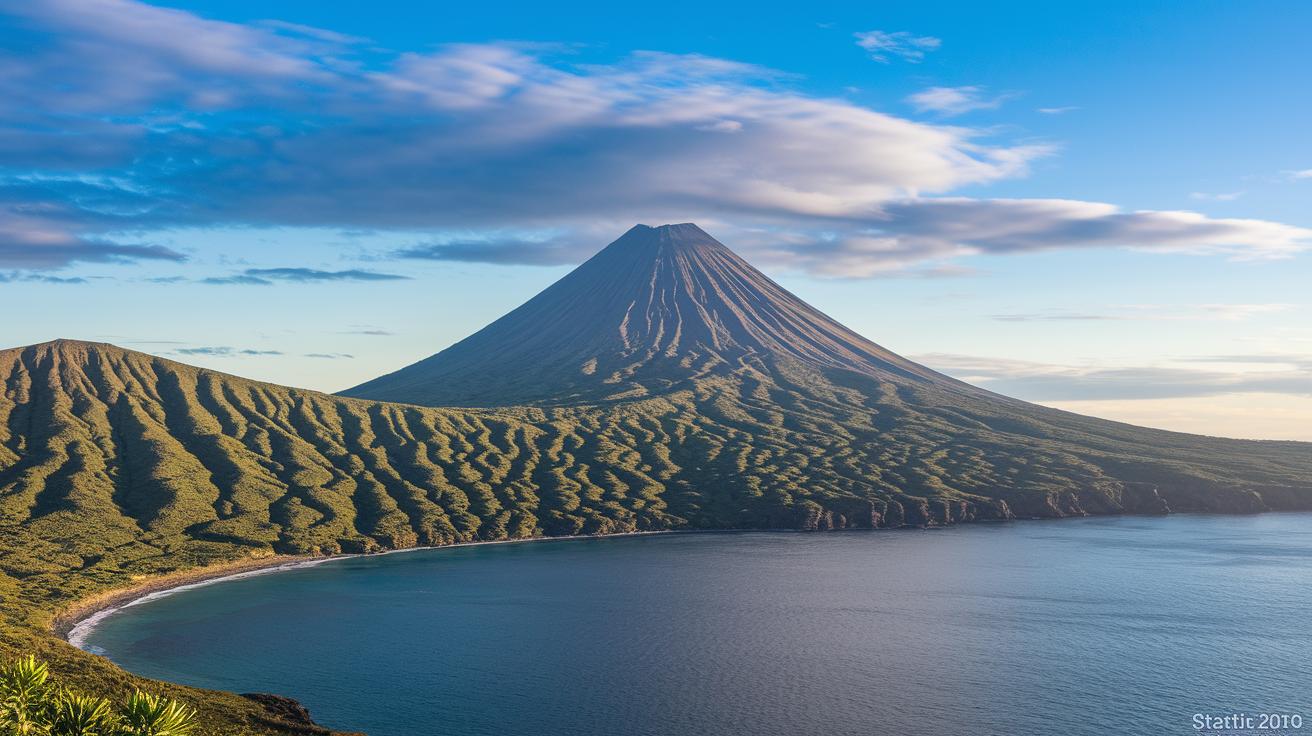
The Caribbean is full of volcanoes that have shaped stunning coastlines and made the soil rich for tropical plants. These fiery mountains add a lively touch to the islands, inviting travelers to enjoy their beauty and learn about their fiery past. Picture a time when hot, flowing lava helped form the land, leaving behind soil that bursts with green and life.
Take The Quill on St. Eustatius, for example, a tall volcano rising over 600 meters. Then there’s Mount Pelée in Martinique, its story woven into local traditions. And who can forget Soufrière Hills on Montserrat? This volcano still shows us the raw force of nature. Imagine a brave explorer stepping onto land once scorched by lava, feeling the deep history in every step.
The volcanoes across the Caribbean come in all shapes and sizes. Some, like Soufrière Hills, still rumble with activity while others have quieted down, now hidden by rainforest that gently grows over old lava flows. This mix of active and sleeping volcanoes creates a patchwork of wonders, making you wonder about the amazing forces that built these sunny islands.
Geological Origins of Caribbean Volcanic Islands
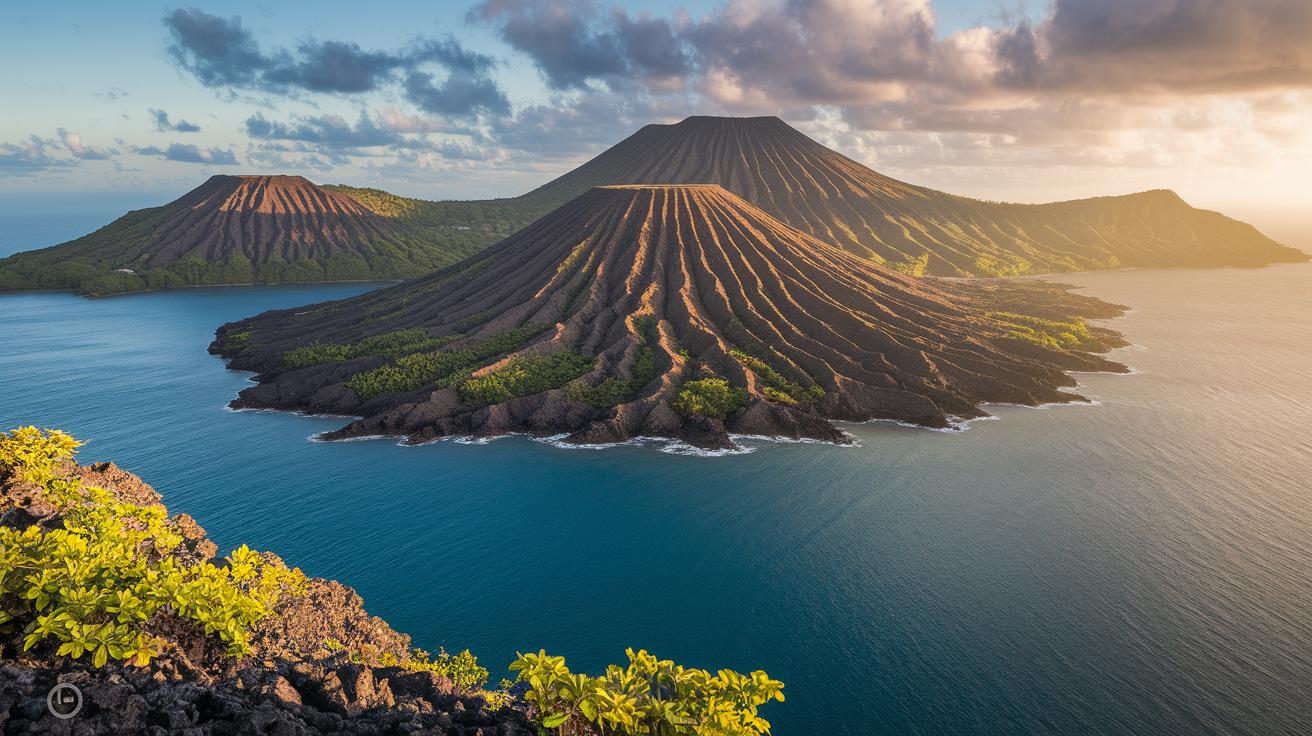
The vibrant volcanic islands of the Caribbean started forming along the Lesser Antilles arc. Long ago, the Atlantic plate slowly slid under the Caribbean plate, much like a gentle, slow dance. This movement set off powerful forces that pushed hot, molten rock upward to create new land. Think of it like building a sandcastle, each retreating tide adds a little more shape until an entire island takes form.
Over many centuries, this slow dance of the plates crafted amazing natural features such as stratovolcanoes, lava domes, and deep calderas. Hot magma rose up to form towering volcanic cones and then flowed out to cool into solid layers. It’s like adding one layer on top of another, creating a natural sculpture that tells the story of its fiery, ever-changing beginnings.
When you wander the coastlines, you can see ridge structures both offshore and onshore that mark the ancient paths magma once followed. These channels form a neat line of islands, stretching from Anguilla to Grenada, much like a string of pearls glowing with the memory of the earth’s heat and power.
In truth, the process of one plate sliding under another and the upward push from deep within the earth is the magic behind these islands. The ancient ridge remnants offer hints of past volcanic activity, keeping pace with nature’s timeless rhythm. Today, these tropical cones rest gently in crystal-clear waters and invite curious travelers to explore a real-life story written in stone and sea.
Case Study of The Quill: A Caribbean Volcanic Icon

The Quill is a striking example of our island's volcanic wonders. Rising 600 meters high, this classic volcano features a deep crater that you can reach via well-worn rainforest trails. Local guides from the St. Eustatius National Parks Foundation keep these paths in great shape so you can experience nature’s raw, untouched beauty.
Basaltic lava flows from The Quill have reshaped the land below. Over time, these cooled rivers of lava enriched the soil, making it a perfect home for all kinds of plants. Imagine walking along a path filled with the earthy scent of wet soil and the bright colors of tropical bloom, nature’s art built over hundreds of years.
Hiking The Quill feels like reading a living history book. The rugged trails tell the story of how its magma shaped not only the island’s hills but also its lively ecosystem. Picture a rainforest trek with a faint hint of smoky minerals and the soft caress of tropical breezes, drawing you closer to the incredible forces that continue to shape this unique land.
Underwater Volcanic Landscapes Around Caribbean Islands

Long ago, volcanoes burst and left a secret world beneath the warm Caribbean waves. Imagine gliding over ancient lava that cooled into rugged underwater cliffs and mysterious caves. These striking formations around spots like St. Eustatius now play host to vibrant sea life. Think about a diver exploring boulder fields that once flowed with hot lava, and now shelter sponges, colorful gorgonians, and fish that dart like little flashes of light.
Submerged lava tubes and ridges add extra magic to these dive spots. They are like natural tunnels carved by the Earth's fiery past, inviting curious explorers to get up close with volcanic history. Ever picture a tunnel lit by the gentle glow of bioluminescent creatures? It feels like stepping into a secret world filled with nature’s hidden treasures.
These rocky underwater landscapes provide more than just thrilling dives. They are lively homes where the cooled lava meets the clear blue sea and creates a burst of biodiversity. Every crevice and rock formation tells a story of eruptions that molded the seabed through the ages.
For those looking for a mix of adventure and beauty, these underwater volcanic wonders offer a glimpse into the Caribbean’s colorful past. The blend of nature’s power and the delicate balance of marine life makes this area a living museum, drawing divers back time and again.
Ecosystem Impact and Conservation on Caribbean Volcanic Islands

Imagine fresh lava flows blanking out all life and leaving a bare, lifeless land. But nature never gives up. The rich volcanic soil soon invites new plants to grow, turning hard lava beds into bright green spots that slowly blend into lively ecosystems. It's like starting with a blank canvas that suddenly bursts with color.
On islands like St. Eustatius, little rainforests start growing around old, quiet volcano cones, showing just how strong nature can be. Over time, the land comes back to life with fresh growth and thick leaves that create little safe homes for wildlife. The soft, moist soil helps tropical plants thrive, giving the island a fresh start full of beauty.
Local conservation teams also play a big part in this recovery. Groups like STENAPA work hand in hand with local communities to look after hiking trails and keep sensitive areas safe. They guide visitors along clear paths, making sure nature can heal while letting people enjoy the island's wonders. This careful effort ensures that the magic of these volcanic landscapes stays intact for future generations.
Volcano Tourism Safety on Caribbean Volcanic Islands
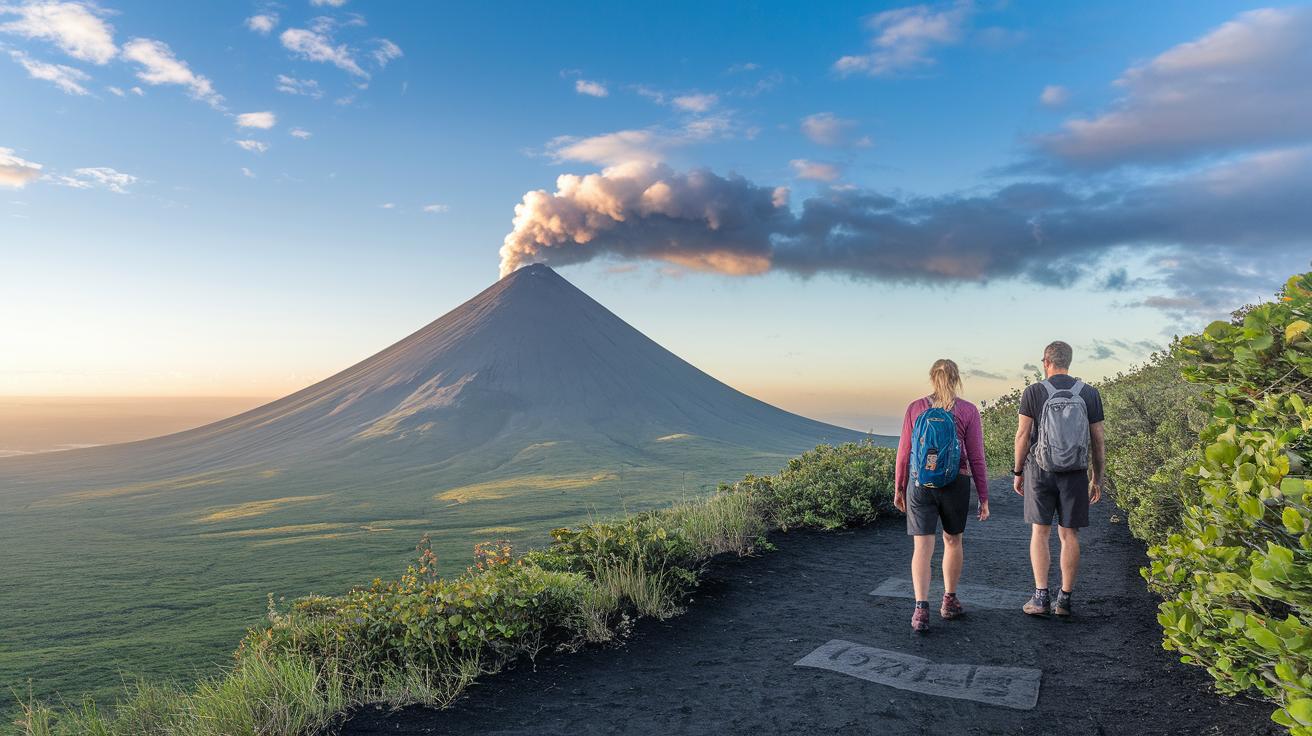
Exploring volcanoes in the Caribbean is a thrilling adventure that lets you discover brilliant landscapes, but a bit of practical planning goes a long way. Stay on the marked paths and always check the volcano alert levels that local agencies share. Resorts such as Golden Rock Resort team up with conservation groups to offer guided hikes with live updates, ensuring you’re always in the know. Plus, these resorts plan safety measures like evacuation routes, on-site safety talks, and even emergency shelters to help keep you safe when surprises pop up.
Think of it like planning a fun day trip on your favorite island. With a little preparation, you can relax and soak in the beauty of your surroundings. For your volcanic island escape, here are some friendly tips to keep you secure:
- Stick to the clearly marked trails and take any warning signs seriously.
- Check the latest volcano alert levels and weather forecasts before you go.
- Join local expert-guided hikes; they know the terrain like the back of their hand.
- Listen up during safety briefings offered by the resort or local experts.
- Learn where the evacuation points and emergency shelters are located.
- Bring along a basic safety kit with water and a first aid kit for extra peace of mind.
By following these guidelines, you can fully enjoy the vibrant charm of the Caribbean while keeping natural risks well in check. Stay informed, be prepared, and let every step you take among the dramatic volcanic views fill you with confidence and wonder.
Final Words
In the action, our exploration touched on how volcanic activity shaped dramatic coastlines and lush ecosystems on Caribbean volcanic islands. We saw how volcanoes like The Quill carved out rich soils and fostered vibrant marine landscapes underwater. The blog also shared practical safety tips and highlighted conservation efforts that keep local wonderlands thriving. Each segment brought a real glimpse of nature’s art. Embrace these insights as you plan a memorable trip, feeling inspired by the dynamic spirit of Caribbean volcanic islands.
FAQ
What does a Caribbean volcanic map show?
A Caribbean volcanic map shows island locations along with volcano types and activity levels, helping travelers pinpoint spots where geology shaped stunning coastlines and lush landscapes.
What are some names of Caribbean volcanic islands?
Caribbean volcanic island names include The Quill on St. Eustatius, Mount Pelée in Martinique, and Soufrière Hills in Montserrat, each carrying its own vibrant history.
What active volcanoes are found in the Caribbean?
Active volcanoes such as the Soufrière Hills in Montserrat are monitored closely, with their activity guiding local safety measures and offering unique insights into the region’s dynamic nature.
Which volcano is considered the most dangerous in the Caribbean?
Mount Pelée in Martinique is often seen as dangerous due to its eruptive past that significantly affected communities, prompting careful safety evaluations for visitors.
Which Caribbean volcanic islands offer the best experiences?
Islands like St. Eustatius and Montserrat stand out with accessible volcanic trails, breathtaking views, and rich cultural stories that warmly welcome all curious travelers.
How many volcanoes are there in the Caribbean?
The Caribbean is home to dozens of volcanic structures, from active sites to long-dormant cones, each playing a role in crafting the region’s dramatic scenery and fertile soils.
Which Caribbean islands feature volcanoes?
Many Caribbean islands showcase volcanic features, including Martinique, Montserrat, and St. Eustatius, where the natural landscape reflects the power of tectonic forces.
Which Caribbean island lacks volcanoes?
Barbados is known for its coral limestone foundation and offers stunning beaches without prominent volcanic features, making it a non-volcanic gem in the region.
What are two notable volcanic islands in the Caribbean?
Two standout examples are Montserrat and Martinique, each renowned for their active or historic volcanic activity that has significantly shaped their natural environment.
What Caribbean island suffered severe volcanic destruction?
Montserrat suffered serious damage from the Soufrière Hills eruption, an event that deeply affected local communities and reshaped the island’s natural landscape.
