Have you ever thought about how a burst of festival energy can change art? In the Caribbean, carnival is not just a fun party, it lights a creative fire in modern art.
Imagine walking down the street and seeing bright costumes, steady beats, and joyful movements. These lively sights and sounds inspire painters and sculptors to capture the magic on their canvas. This mix of music, dance, and tradition builds a unique style that is all its own in the islands. Stick around to see how these festive traditions have shaped Caribbean modern art.
How Carnival Culture Shapes Caribbean Modern Art Aesthetics
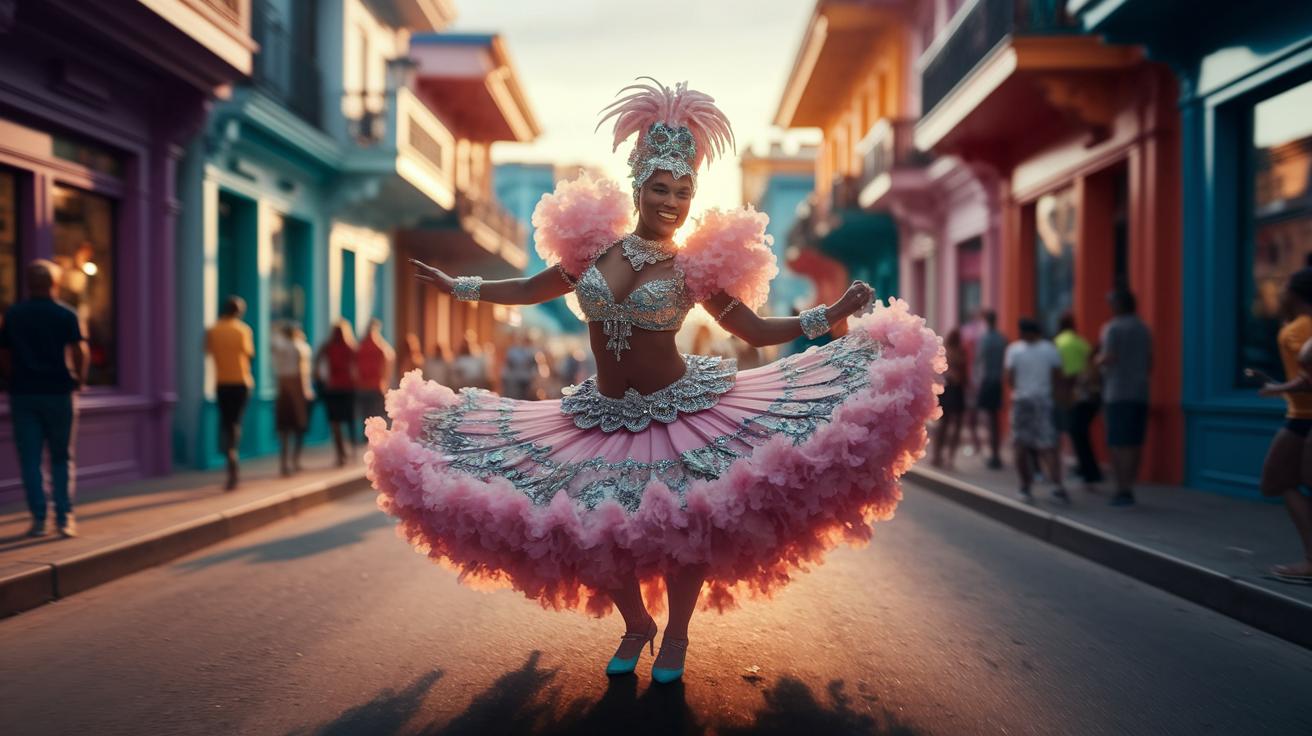
There’s nothing quite like a Caribbean carnival. Picture the streets alive with vibrant energy, where dynamic costumes, joyful music, and dazzling dance moves create moments that feel like a living painting. Every parade sparks a celebration that fills the air with color and rhythm.
This festive vibe goes far beyond the fun. Island traditions of masquerade, spirited music, and energetic dance inspire local artists every day. Writers and painters capture these pulsating moments, turning beats and movement into bold, vivid strokes on canvas. It’s like watching colors come to life, dancing right before your eyes.
Today’s Caribbean art is a direct reflection of that lively spirit. Artists use a whirlwind of colors, swirling forms, and detailed patterns that remind you of intricate costume beadwork and textures. For instance, the exhibition "Paint Like the Swallow Sings Calypso" brings together 28 artists from five centuries, all echoing the vibrant pulse of carnival, from bustling street parades to timeless folklore and the lush charm of tropical flora. It’s a true celebration of how island traditions have shaped a resilient and unique art form.
Historical Evolution of Carnival Traditions and Caribbean Artistic Development
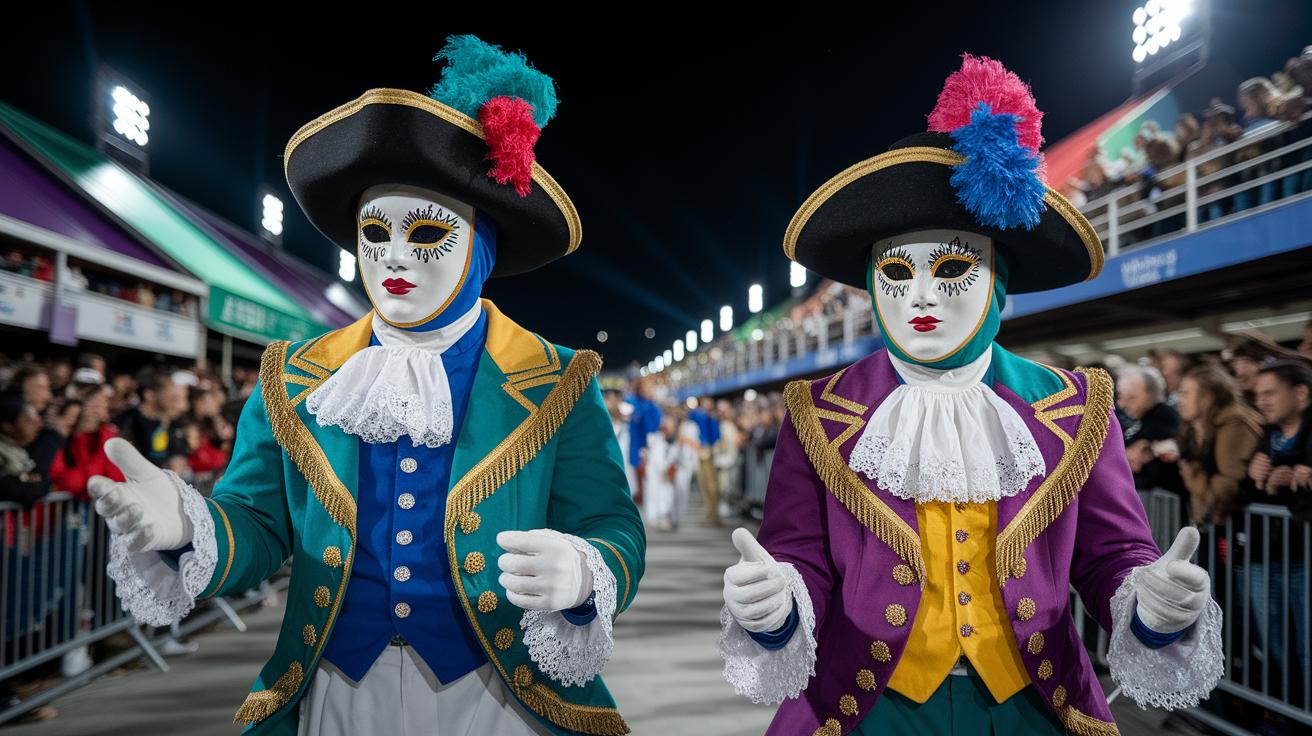
Back in the 1700s, carnival began in the Caribbean as a lively mix of European pre-Lenten parties, African mask dances, drum-filled rituals, and local traditions. The streets came alive with vibrant music, fun dances, and colorful costumes that still spark our imagination today. It was a time when community celebrations were also a quiet way of saying, "We're here and we matter."
As time went on, this joyful blend became part of daily life on the islands. Local artists started to see carnival as more than just a festival, it was a living part of their heritage. They painted scenes of masked parties, echoing drumbeats, and bustling parades that really capture the feel of Afro-Caribbean culture. With every brushstroke, they turned the energy and color of carnival into art that celebrated history and a spirit of resistance. You can almost hear the drums and feel the laughter in these works.
By the early 1900s, carnival imagery became a deep, meaningful symbol of island values and traditions. Artists used the masks and rhythmic shows as a way to reflect their own lives as the world around them changed.
In truth, turning carnival’s high-spirited rituals into art created a legacy all its own. It was their creative way of holding onto heritage and telling a story that lasts through the ages.
Regional Case Studies of Carnival Influence in Caribbean Modern Art
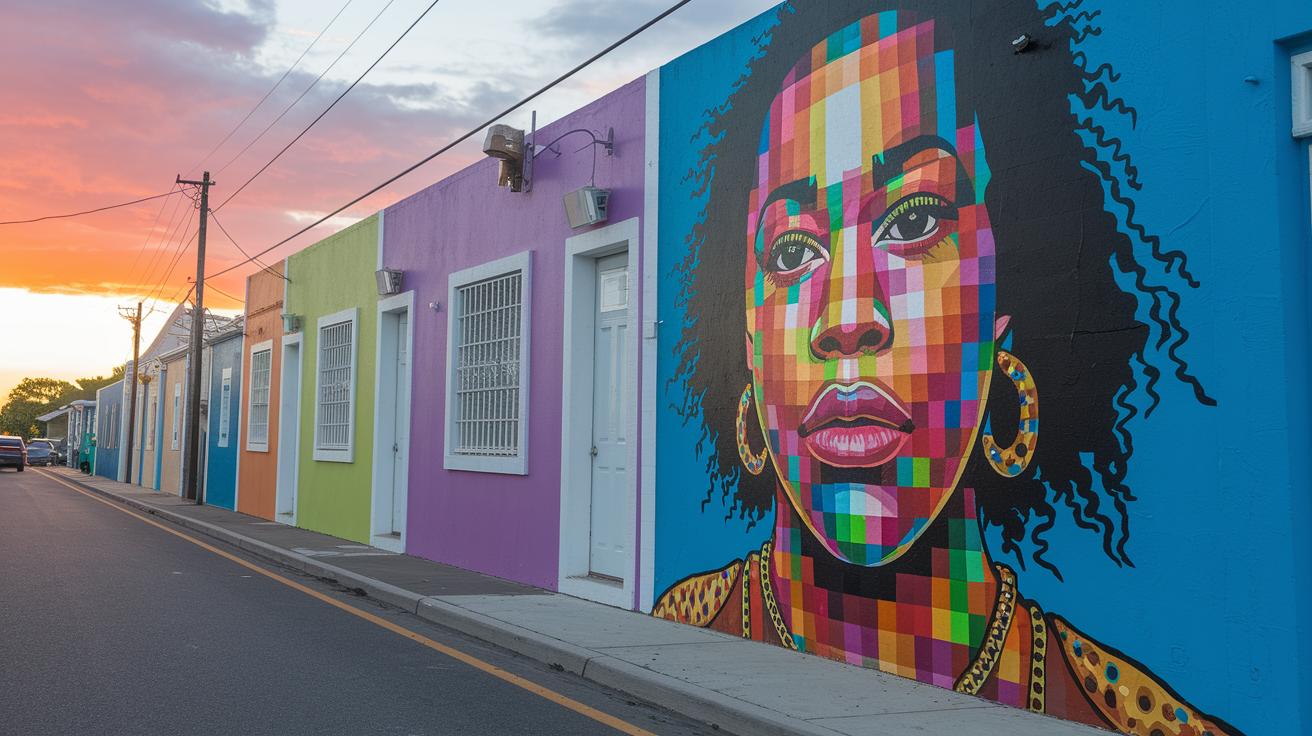
Across the islands, carnival is more than just a festival, it’s a full-blown burst of creativity that comes alive in art. In Trinidad, Jamaica, and Cuba, the lively spirit of carnival transforms everyday celebrations into powerful art pieces. Imagine the rhythmic beats and colorful costumes turning into moving canvases. For instance, Trinidad’s Soca music and steel pan sounds jump into every brushstroke, while Jamaica’s mask-making traditions spark bold, striking shapes and colors. Over in Cuba, the joyful energy of street parades fills paintings with dreamy, surreal touches that capture the festive vibe perfectly.
| Island | Carnival Tradition | Representative Artist & Work |
|---|---|---|
| Trinidad | Soca music and steel pan rhythms that fuel energetic displays | Deborah Anzinger’s kinetic compositions |
| Jamaica | Jonkonnu mask-making and eye-catching designs | Ras Daniel Heartman’s mask-inspired prints |
| Cuba | Street parade floats with surreal accents inspired by parranda | Wifredo Lam’s mid-century surrealist paintings |
Art in these islands tells a vivid story where heritage meets modern flair. Each nation takes the bright, infectious energy of carnival and molds it into unique visual expressions reflecting its people. Trinidad’s artwork dances with the pulse of live beats, making every piece feel alive. Over in Jamaica, careful craftsmanship and heartfelt emotion shift through mask-making techniques into bold contrasts. Meanwhile, Cuban artists blend festive parade elements into imaginative, almost dreamlike scenes. Together, these creative expressions form a lively mosaic of Caribbean art, merging timeless traditions with fresh, new perspectives that invite you to feel the heartbeat of carnival.
Parade Design and Costume Aesthetic Dynamics in Modern Caribbean Art
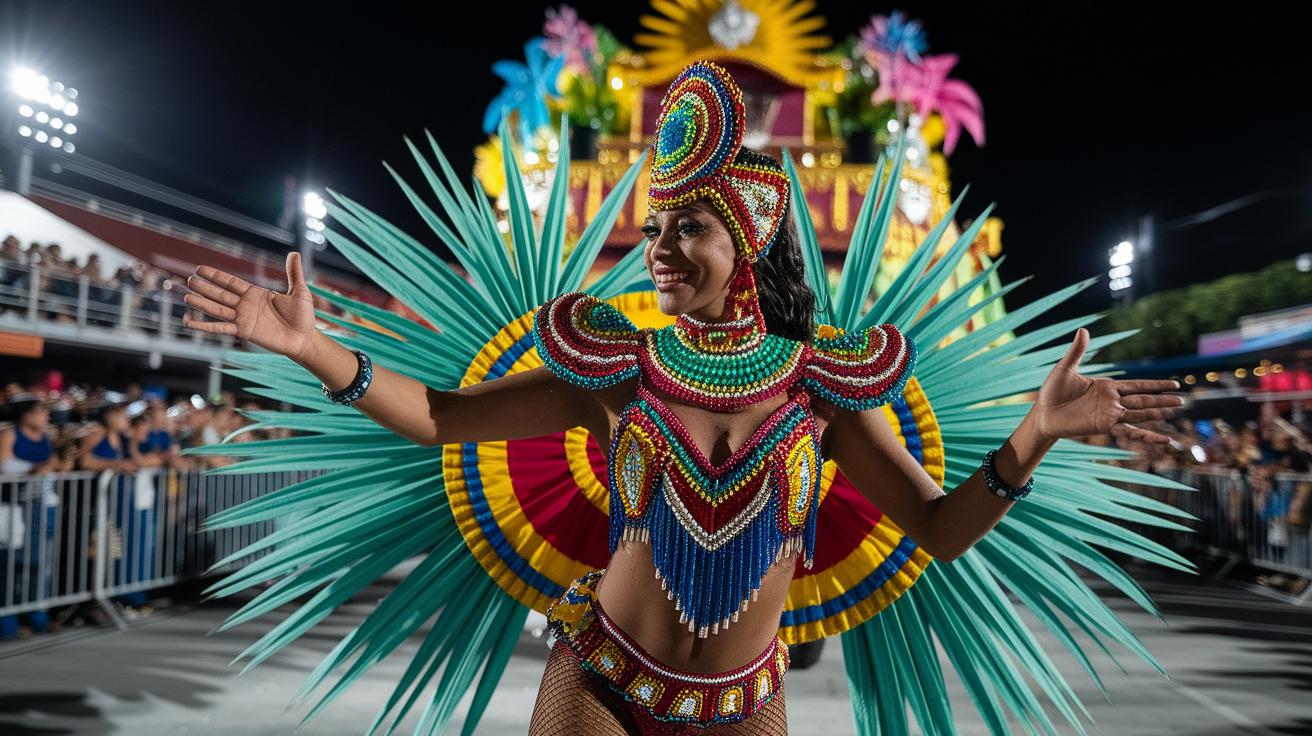
Carnival costumes and parade displays burst with lively energy that Caribbean artists capture in their paintings and sculptures. They use the rich textures of beadwork and bold fabrics to bring to life the rhythm of calypso music and the magic of tropical festivals.
Here are some inspiring elements they embrace:
- Layered textures that mirror the overlapping fabrics of carnival costumes.
- Bold color contrasts that capture the high spirit of calypso beats.
- Rhythmic patterns that carry the feeling of tropical music.
- Structured forms that recall the design of parade floats and costume details.
- Tactile embellishments resembling the intricate beadwork of festival attire.
Today, painters add layers to their canvases much like dressing in a festive costume. They mix vibrant colors to make their art pulse with the energy of a live performance. Patterns flow like the beat of tropical songs, inviting you to feel the heartbeat of the celebration. Sculptors use well-defined shapes that manage to feel both planned and spontaneous, echoing the festive order of a carnival parade. And when they include detailed textures, their work becomes something you can almost touch, a true tribute to the spirited designs and creative energy found in Caribbean festivities.
Socio-Political Narratives Woven into Carnival-Inspired Caribbean Modernism
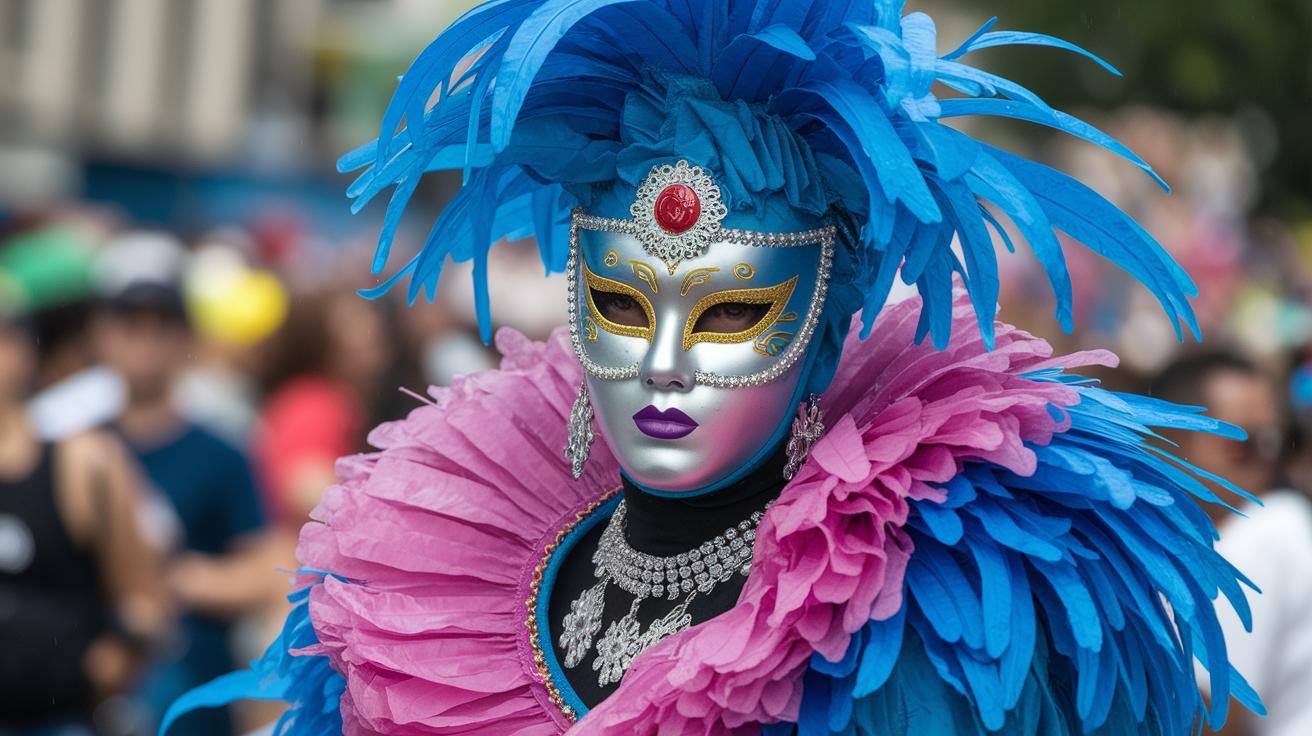
Carnival in the Caribbean isn’t just a fun party, it’s a stage where locals share their thoughts on society and build their identity. Artists capture these colorful festivities to point out social issues and challenge old ways of thinking. For example, creators like Sheena Rose turn carnival symbols such as bright masks and bold colors into a language of freedom. They show us both the joy of the celebration and a quiet call for change, reflecting the struggles of communities working for fairness and recognition.
Many artists mix carnival elements with hints of past resistance, blending old traditions with new art styles to mirror real life. The lively rhythms and surprising twists in their paintings and sculptures work like a conversation about who we are and what we deserve. This mix of age-old rituals with modern ideas gives carnival culture a feeling of power. Every stroke of a brush communicates a bit of protest and hope and reminds us of the importance of reclaiming our shared heritage.
Some poets add even more depth to this story. Works like “For Island Girls Who Weep In Silence” by Kamara Louisy gently reveal hidden cultural stories within the carnival energy.
Together, these artworks invite you to see how old traditions meet new ideas. With a mix of festive flair and thoughtful messages, Caribbean art uses carnival images as a strong symbol of hope and change. It encourages us to think about our own identity, how we stand up for our rights, and how our culture is always growing.
Contemporary Carnival-Inspired Exhibitions and Urban Tropical Art Trends
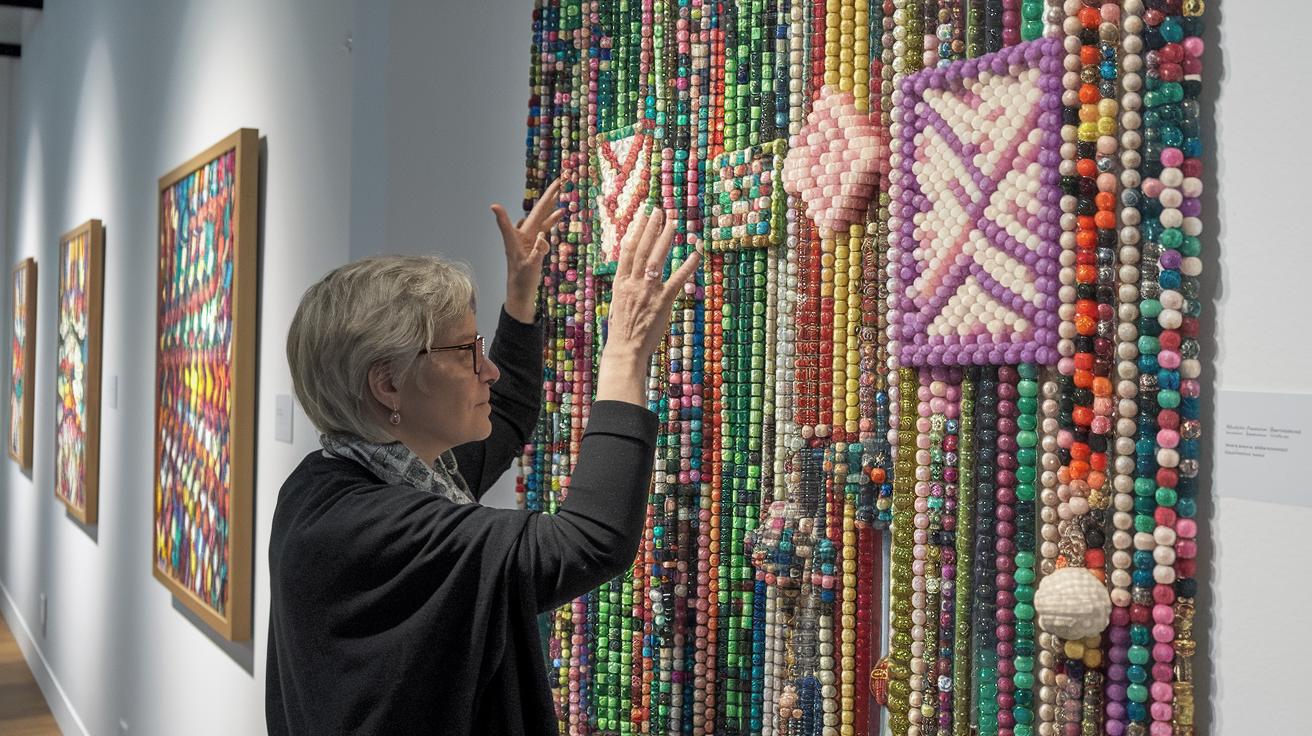
Imagine stepping into a gallery where every artwork pulses with the energy of a carnival. "Paint Like the Swallow Sings Calypso" brings together cherished pieces from Kettle’s Yard and The Fitzwilliam Museum, creating a lively tribute to carnival traditions. Running until February 19, 2023, the exhibit blends age-old festive magic with a modern twist. You can almost hear the upbeat calypso rhythms, see the sparkling beads, and feel the infectious spirit of dance in every piece. It’s a must-see if you’re curious about how timeless carnival themes continue to inspire contemporary Caribbean art.
In places like Kingston and Port of Spain, urban art tells a similar story. Massive murals turn blank city walls into vibrant galleries that echo carnival’s lively beats and dazzling costumes. These public artworks mix rich cultural history with bold, current street style, creating an open-air celebration that everyone can enjoy. Curious to know more? Check out the link on urban street art culture in the Caribbean and see how these creative expressions transform everyday spaces into colorful stories of tradition and modern flair.
Final Words
In the action, this post traced how carnival’s rhythm and lively traditions shape Caribbean modern art aesthetics. It broke down dazzling masquerade elements, colorful street parades, and rich costume details that spark creative flair.
We examined island case studies and showcased practical artistic techniques that connect cultural heritage to present-day art. Each section illustrated the influence of carnival culture on caribbean modern art, leaving us with energy and optimism. Let this spark your excitement as you head out to experience the creative pulse of the Caribbean firsthand.
FAQ
How does PDF and PPT content illustrate carnival culture’s influence on Caribbean modern art?
The PDF and PPT describe carnival traditions like masquerade, lively music, and colorful costumes that inspire modern Caribbean art through bold color choices and dynamic movement, showing the art’s deep cultural ties.
What are the cultural aspects of art in the Caribbean?
The cultural aspects of Caribbean art include carnival rituals, indigenous customs, and African roots. This mix creates works filled with festive color, rhythmic patterns, and elements of local folklore.
What cultural and historical elements influence Caribbean illustrators the most?
Caribbean illustrators draw on long-held carnival traditions, historical festivities, and indigenous as well as African influences. Their work reflects these elements through energetic imagery and narratives that echo the islands’ heritage.
What is the most well-known art form in the Caribbean region?
The most well-known art form in the Caribbean is the modern interpretation of carnival celebrations. This art features lively street parades and masked performances, expressing the region’s unique cultural identity.
