Ever wonder which island really stands out when it comes to living in style? Imagine a small paradise where almost everyone earns about 115,000 dollars a year. That extra bit of financial success really makes a difference, like swapping your regular drink for a fancy cocktail.
In this post, we'll share the journey that helped this island reach the top in wealth. We mix warm sunshine with smart money moves, making luxury feel natural every day.
Leading Wealthiest Caribbean Island by GDP Per Capita
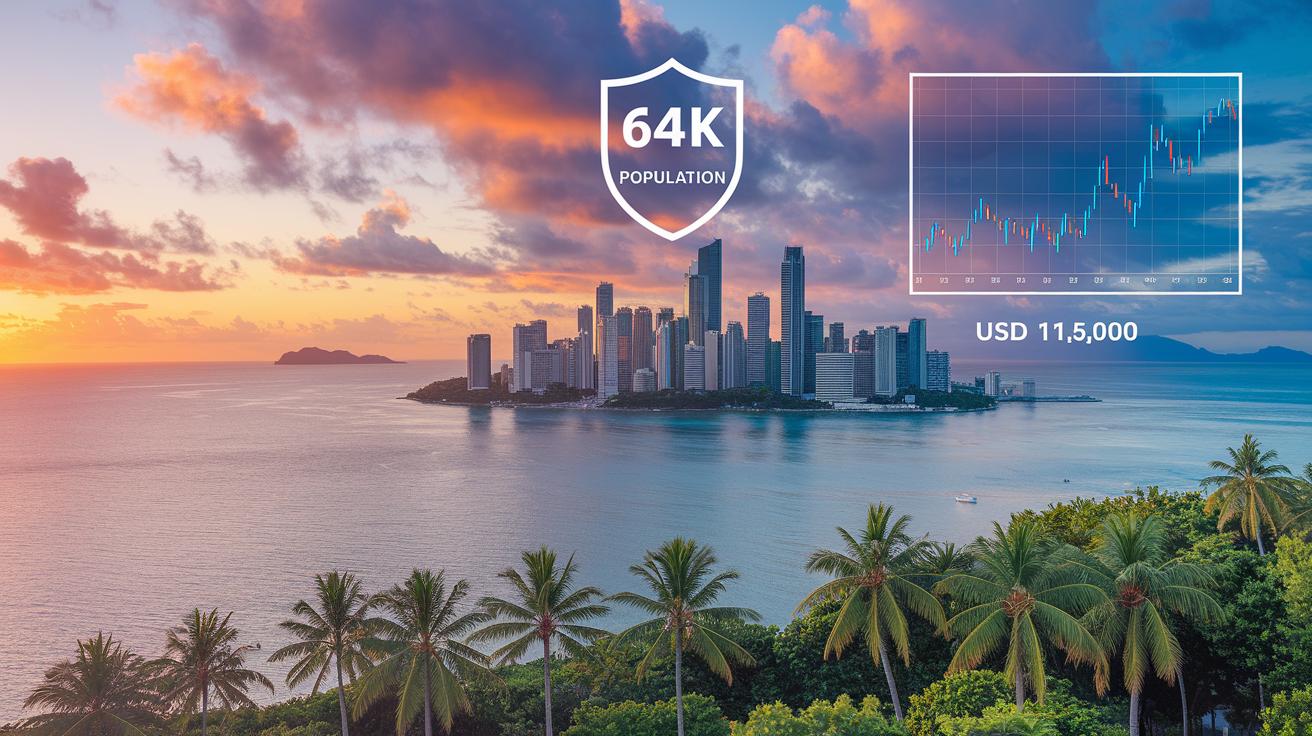
GDP per capita is a simple way to see how much money each person typically earns in a region. You take the total output of the economy and split it among everyone living there. It helps you quickly spot where people usually enjoy higher incomes and a really good quality of life. When you’re checking out the top tropical escapes, comparing these numbers shows which island is doing best economically.
Bermuda really stands out. Imagine a small island where about 64,000 residents live, yet each person averages roughly USD 115,000 as of 2025. Its economic success stems mainly from its insurance and reinsurance businesses, which power about 85% of the island’s economy. And there’s a splash of tourism in the mix too, contributing around 5% of its total income. These tight-knit financial activities have given Bermuda a reputation for being both resilient and stable.
Another cool fact is that many Bermudians earn over USD 100,000 every year. That’s pretty high living by any standard, even in one of the priciest places around. All this shows why Bermuda is celebrated as the wealthiest Caribbean island by GDP per capita, a top choice if you’re dreaming of upscale living and rock-solid financial stability in a sun-kissed tropical setting.
wealthiest caribbean island Shines with Opulence
Ranking these top island paradises comes down to one simple idea: GDP per capita. In plain terms, it shows you the average income of each resident. For our ranking, we looked at the main money-maker on each island, whether that's finance, offshore banking, or tourism, to give you a clear picture of who shines the brightest under the Caribbean sun. It's a bit like setting out your favorite tropical drinks side by side, each one unique yet all full of luxury. Imagine planning your beachside meal: begin with the essentials, add a touch of your favorite spice, and finish with that ideal twist.
| Island | GDP per Capita (USD) | Main Wealth Sector |
|---|---|---|
| Bermuda | 115,000 | Insurance, Finance |
| Cayman Islands | 98,000 | Offshore Banking, Funds |
| US Virgin Islands | 44,300 | Tourism, US Ties |
| British Virgin Islands | 38,600 | Financial Services, Luxury Tourism |
| The Bahamas | 34,750 | Tourism, Tax-Free Finance |
| Puerto Rico | 36,800 | Manufacturing, Pharmaceuticals |
| Aruba | 34,000 | Tourism, Dutch Ties |
This look at the islands shows just how different they really are. Sure, Bermuda and the Cayman Islands dazzle with their strong financial sectors, but islands like the US Virgin Islands, The Bahamas, Puerto Rico, and Aruba lean on tourism and close national bonds to build their fortunes. There’s a rich blend of influences here, mixing solid economic strength with irresistible island charm. And really, isn’t that what makes the wealthiest Caribbean island scene so intriguing? Each spot has its unique appeal for those looking for a taste of upscale island life.
Wealth Evolution: Caribbean Historical Prosperity Trends
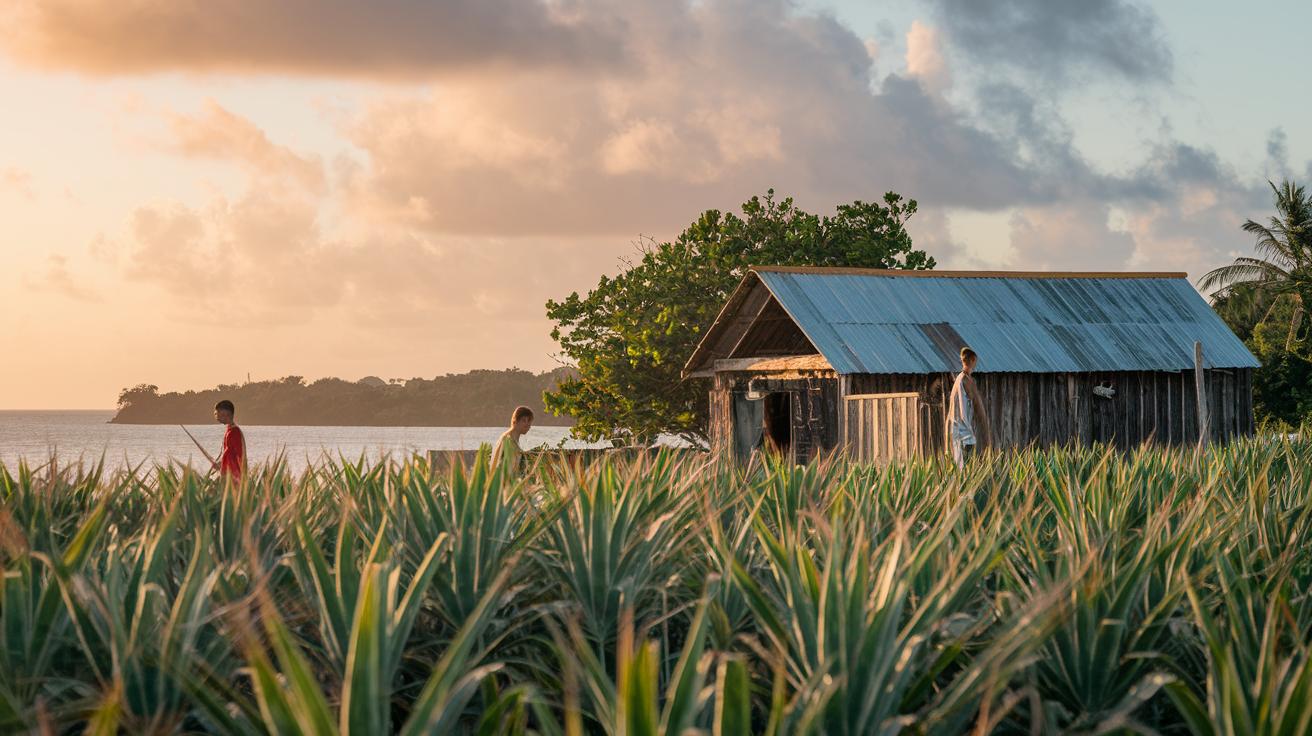
Back in the day, Caribbean wealth came from a plantation system where sugar and rum ruled. From the 1600s to the 1800s, islanders worked hard to grow sugar and make rum for far-off markets. While harvesting and distilling, they created a unique culture that both celebrated creativity and stretched natural resources. Fun fact: many of today’s sparkling beaches were once busy fields of sugar cane and lively rum distilleries. This early era set the scene for big economic changes that helped turn the islands into the modern paradises we know now.
Then, in the 1950s and 1960s, tourism brought a new burst of energy. Visitors flocked to the islands, drawn by the stunning natural beauty and warm, friendly locals. Imagine planning your day like mixing a tropical salad, blending doses of sun, sea breezes, and local culture to make every moment refreshing. Resorts and hotels began to sprout along the coast, slowly replacing the old plantation system with vibrant tourist hubs.
After that, during the 1970s and 1980s, a major shift took place with the rise of offshore finance, especially in places like Bermuda and the Cayman Islands. This fresh economic twist combined modern finance with the islands’ traditional charm. It opened doors to industries like real estate, energy, and tech services, paving the way for the diverse and dynamic prosperity the Caribbean enjoys today.
Financial Pillars Behind the Wealthiest Caribbean Island
Bermuda is pretty unique because almost 85% of its economy comes from insurance and reinsurance. Imagine a small island that runs on the strength of money matters. And then there's the Cayman Islands, managing assets worth over USD 1.5 trillion, a number that really shows off their status as a leading offshore hub. Over in the British Virgin Islands, there are around 40,000 licensed financial services providers. This tells us that a deep commitment to great money management is spread all across the region, painting the picture of a luxury maritime haven many consider the wealthiest in the Caribbean.
The really high credit ratings, like an AA score, across these territories are a sign that everything is run smoothly and with solid rules in place. This means that when banks show off these strong ratings, they’re also showing they can handle market ups and downs with ease. Local regulators keep a close eye on how things are done, making sure all financial institutions stick to high standards. All of this creates an environment where investments feel safe and sound, and it builds trust that this part of the Caribbean is a secure, elegant choice for sophisticated financial services.
Wealth Indicators: Tourism Revenue, Real Estate Values, and Living Costs
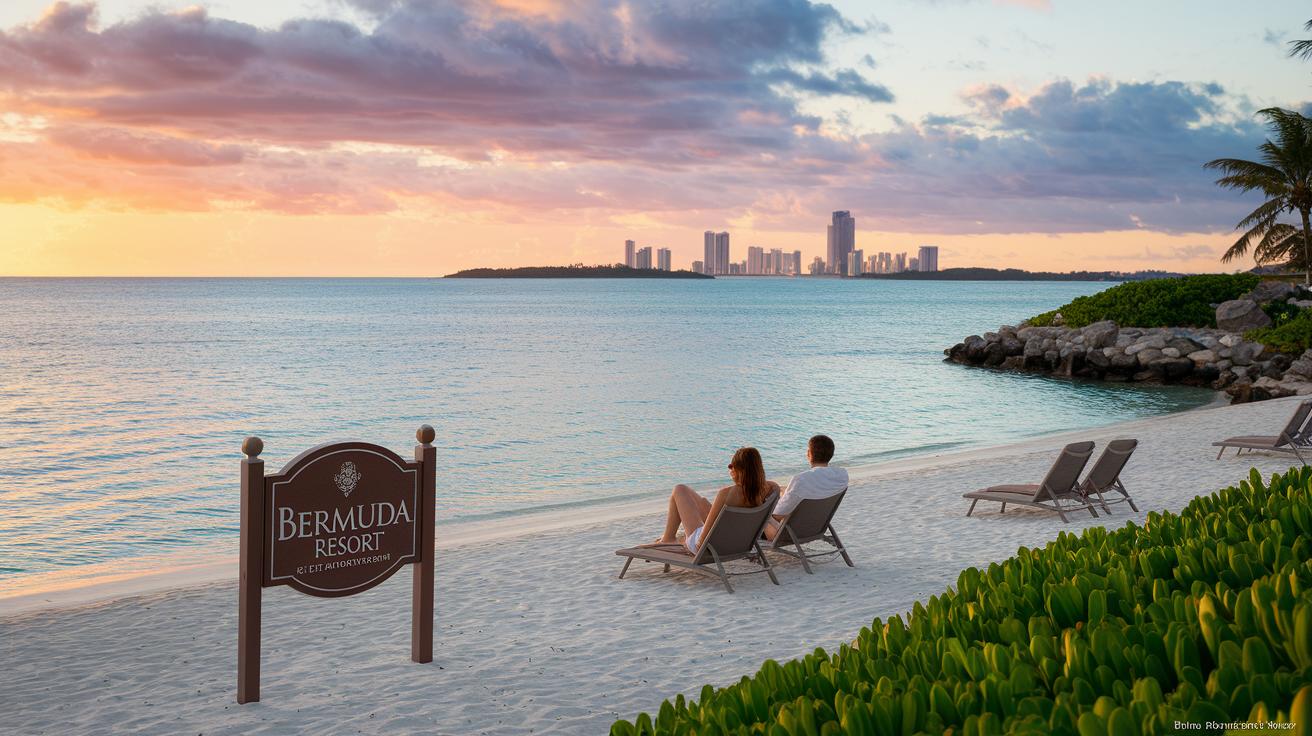
Tourism has a special way of shaping life on the islands. In Bermuda, for example, tourism only adds up to about 5% of the entire economic output. This means the island focuses more on top-notch financial services than on a flood of visitors. Meanwhile, places like The Bahamas and Aruba earn roughly 15% to 20% of their income from tourism. Picture yourself enjoying the calm luxury of Bermuda, then imagine the lively, festive energy of The Bahamas when the tourist season kicks in.
Real estate tells another part of the story. In Bermuda, prices are around USD 1,500 per square foot, showing off the island's premium appeal. Over in the Cayman Islands, it’s closer to USD 800 per square foot, and The Bahamas comes in at about USD 600. Think of walking through neighborhoods where every step feels like a wise investment, wrapped in the natural beauty and charm of the Caribbean.
Everyday living costs also give us a clear picture of life on these islands. Bermuda leads the way with a cost-of-living index of 166, well above the US base of 100. The Cayman Islands aren’t far behind at about 150. These numbers help us understand that day-to-day expenses in Bermuda can be steep, which in turn shapes how people choose to live and manage their money on each island.
Investment Appeal and Future Outlook for the Wealthiest Caribbean Island
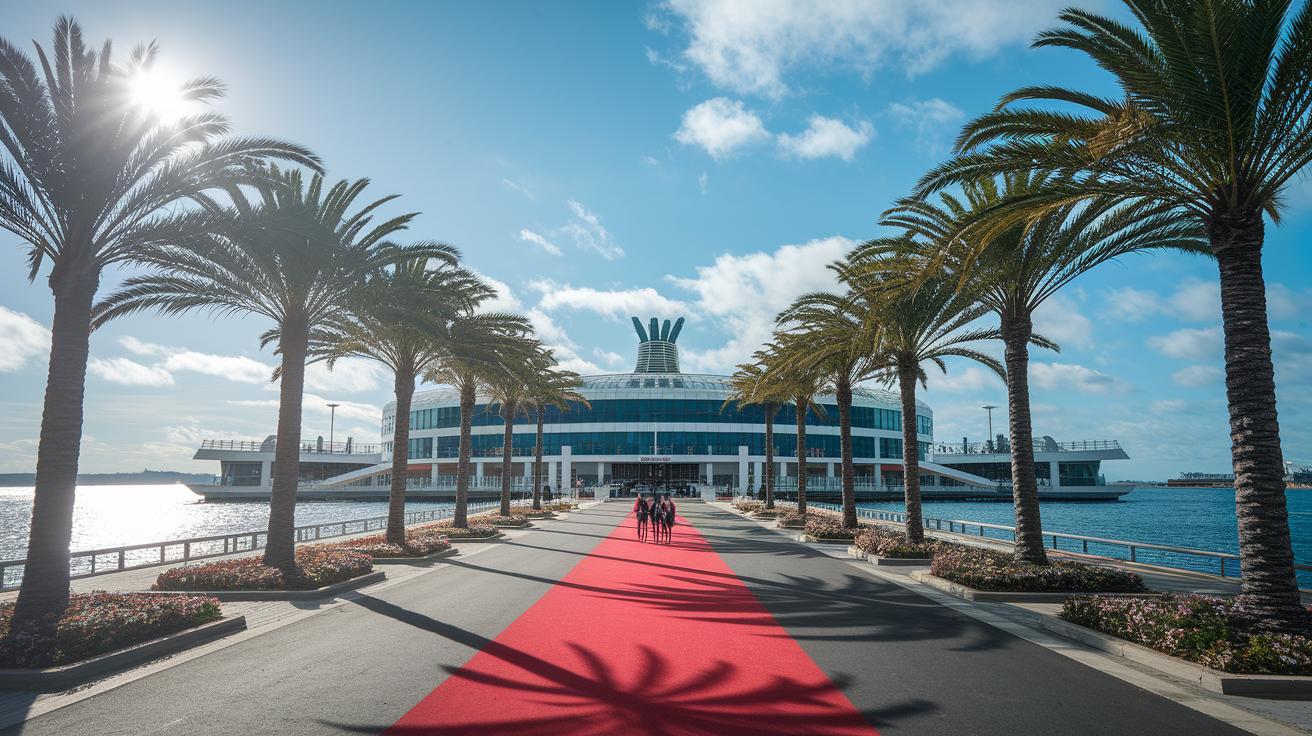
On this island, big changes are underway. They are pouring money into making the place even more inviting. Imagine stepping off a sleek cruise ship into a modern terminal designed to feel like a red-carpet welcome. A brand-new cruise terminal is set to open by 2026, and upgraded marinas will be ready by 2025. Plus, government bonds worth 200 million US dollars (money borrowed to fund projects) are boosting fresh tourism spots. All these steps are meant to improve travel links and boost the island’s sparkle as a top tropical getaway.
They're also dreaming green. The goal is to have 50% of energy come from renewable sources (clean energy like solar and wind) by 2030. This mix of stylish upgrades and eco-friendly plans shows the island isn’t just growing, it’s also taking care of its natural beauty. Think of it like adding solar panels to your favorite coast-side retreat to keep that magical charm alive for generations to come.
Of course, there are some bumps along the way. Changes in the global insurance market and a high cost of living might put some strain on local workers. These challenges could try the island’s fast-paced plans. But with a careful watch over the details, the blend of bold new projects and smart green goals keeps the future looking bright and balanced.
Final Words
In the action, we explored key economic metrics, cultural insights, and the historical shifts that have sculpted the Caribbean’s unique financial legacies. We looked at GDP numbers, sector contributions, and real-life living costs that shape these islands’ identities.
Bermuda shines as the wealthiest caribbean island, merging rich financial prowess with a storied past and modern innovation. The outlook is bright, promising memorable experiences on every tropical escape.
FAQ
What are the top wealthiest Caribbean islands?
The answer to the top wealthiest Caribbean islands is that territories like Bermuda, Cayman Islands, US Virgin Islands, and The Bahamas rank high, with Bermuda leading thanks to its strong financial sector and impressive GDP per capita.
What is the richest Caribbean country or territory according to current metrics?
The richest Caribbean territory, as measured by GDP per capita, is Bermuda. Its high income is driven largely by its dominant insurance and reinsurance sectors and a robust financial system.
Which island is known as the billionaire island in the Caribbean?
The question about the billionaire island points to Bermuda, renowned for its high per capita income and a financial environment that attracts ultra-high-net-worth residents.
Which is considered the most luxury Caribbean island?
The most luxurious Caribbean island is often seen as Bermuda due to its upscale living conditions, refined services, and strong economic sectors that create a sophisticated environment.
Which Caribbean island is the most expensive to live on?
The most expensive island in the Caribbean, in terms of real estate and living costs, is Bermuda, where high prices and a top-tier cost-of-living index set it apart.
How do Caribbean island rankings vary by wealth and development?
Caribbean island rankings vary based on measurements like GDP per capita and key economic sectors such as finance and tourism, meaning islands like Bermuda and Cayman Islands consistently rank among the most developed.
What about territories like Cayman Islands, The Bahamas, Trinidad and Tobago, Barbados, and the Dominican Republic?
These territories have varied economic profiles; while Cayman Islands and The Bahamas excel in financial services and tourism, Trinidad and Tobago, Barbados, and the Dominican Republic offer diverse strengths contributing to their individual prosperity.
