Have you ever imagined that a wall might whisper its own story? In many Caribbean towns, local artists transform quiet corners into lively scenes using bright spray paints and stencils. What started as hidden tags now shines in full view, sharing the island’s heritage and everyday moments with anyone who stops to look.
Every colorful mural shows a blend of struggle and joy, with each brush stroke carrying a piece of community spirit. This art invites you to feel the warm island breeze, listen to the soft hum of everyday life, and discover the true heartbeat of Caribbean culture.
Understanding Urban Street Art Culture in Caribbean Cities
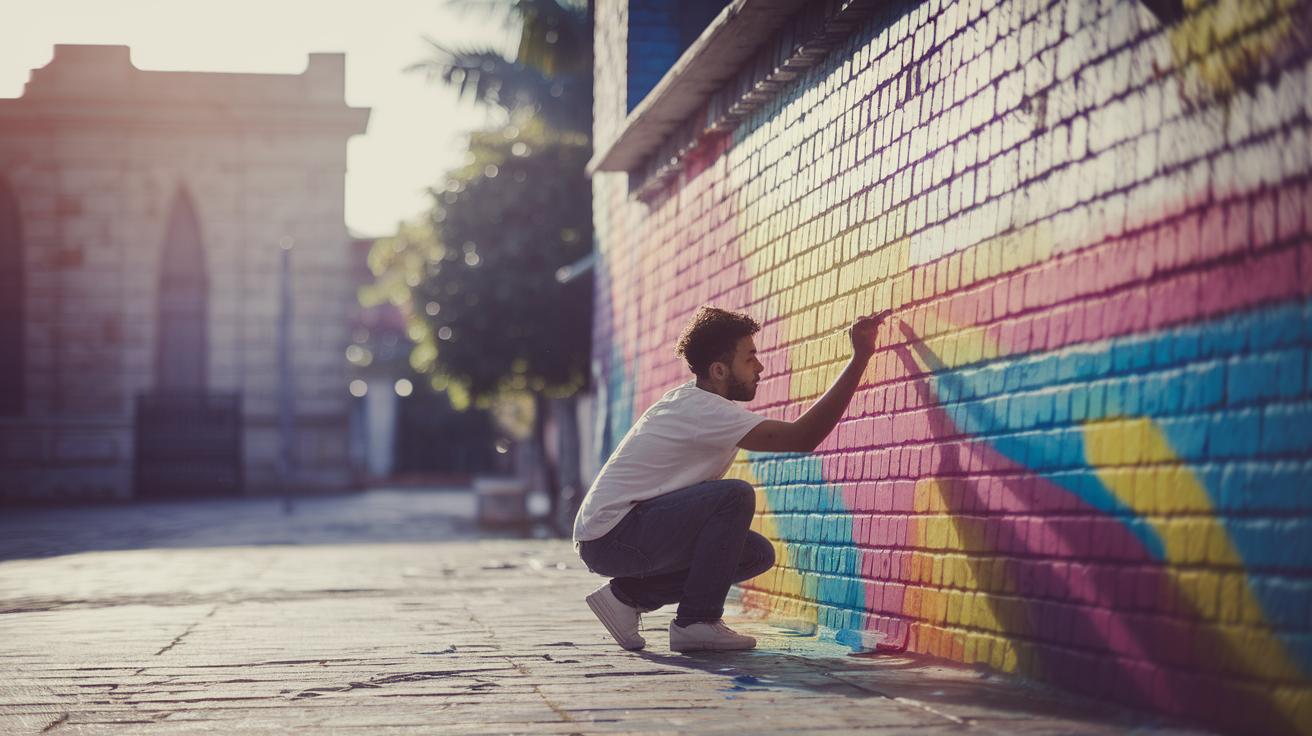
Caribbean urban art has come a long way since the secret tags and hidden messages of the 1980s and 1990s. Back in the day, these designs were tucked away in alleyways, born out of a spirit of rebellion. Today, they bring energy to bustling ports and historic neighborhoods. It’s like a lively conversation where every wall has something to say about past struggles, colonial times, and the vibrant influence of African heritage.
Local artists picked up global trends like spray paint and stencils, using these tools to share stories of everyday island life. They took private expressions and made them public, turning walls into canvases that sing of tradition and pride. Think of it as a friendly chat in a sunlit square, where every splash of color is like a word in the story of the community, each mural quietly proclaiming, "Every wall whispers a tale."
Now, projects like Guadeloupe’s Atelier Odyssée and site-focused installations in Curaçao are changing old, worn-out facades into bright, eye-catching art. This shift mirrors the colorful, dynamic heartbeat of Caribbean culture. Here, urban street art isn’t just about looking pretty, it’s a living record of social stories, local identity, and the endless creative spirit of island cities.
Evolution of Graffiti and Street Murals Caribbean Vibe
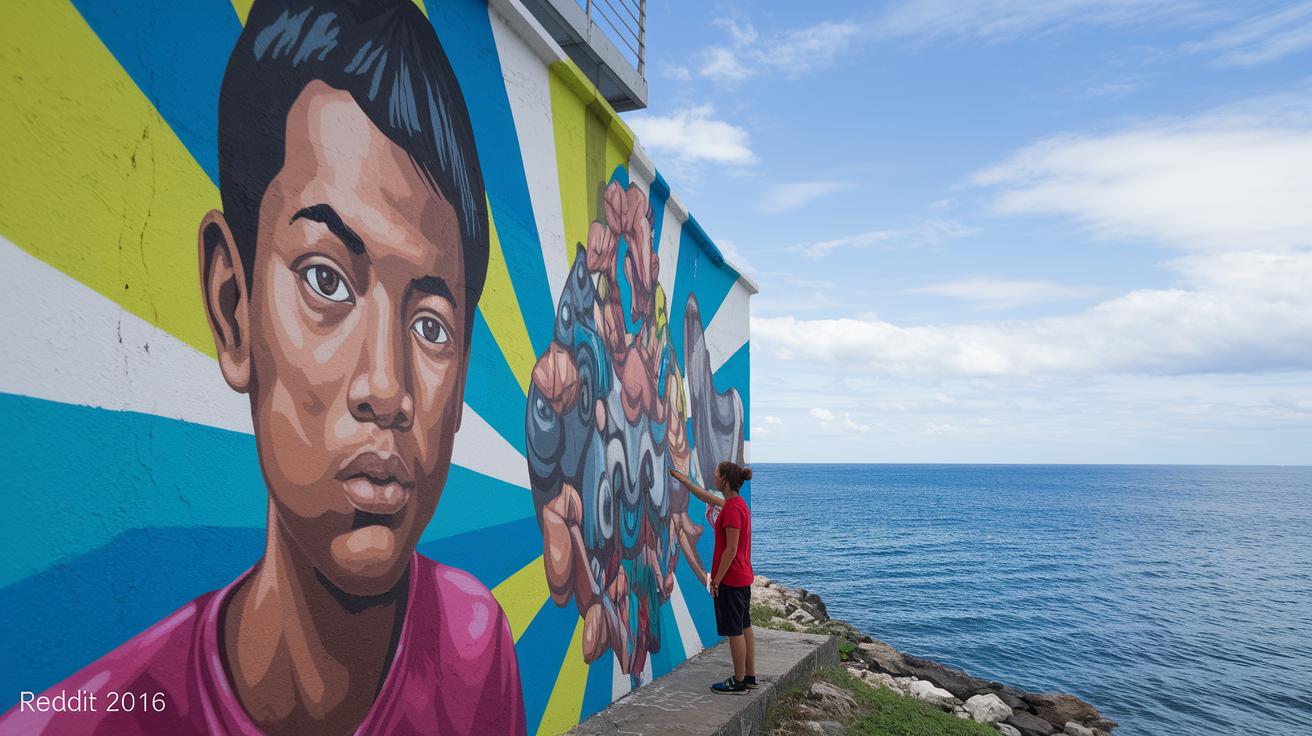
Back in the 1980s, Caribbean street art was all about raw tags and bold political slogans. It felt like a secret whisper on city walls, a quiet shout for change. Then in the 90s, local artists leaned into stencil art and spray paint, using bright colors and lively designs to refresh their stories with that unmistakable island vibe.
By the 2000s, art on walls went from unofficial tags to community murals painted with a lot of care. Neighborhood groups and city projects joined in, turning plain facades into canvases that helped brighten up urban life. In the 2010s, festival installations and international shows became a regular scene, drawing in locals and visitors who were curious to see the dynamic art evolve.
Here’s a quick look at the journey:
| Decade | Art Style |
|---|---|
| 1980s | Raw tags and revolutionary slogans |
| 1990s | Stencil art with bright, bold colors |
| 2000s | Community murals making city walls smile |
| 2010s–present | Festival installations and international art shows |
This shift did more than just freshen up the look of the cities. Walls turned into open diaries, sharing messages of hope, reform, and cultural pride. It’s like each brush stroke connects the past with the excitement of today.
Now, graffiti and murals celebrate Caribbean resilience and creative spirit, transforming hidden voices into public stories that continuously reimagine urban spaces, much like the ever-changing, sun-kissed heart of the islands.
Public Installations and Urban Expressions in Coastal Caribbean
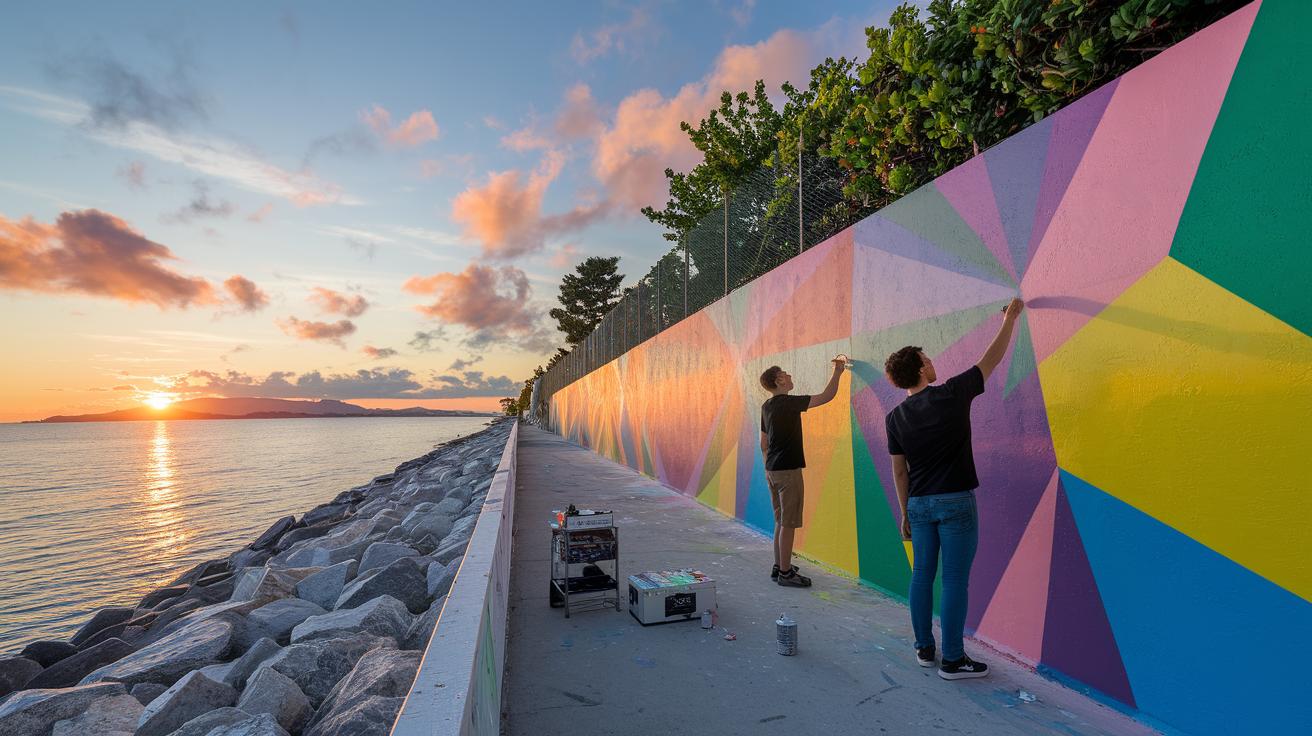
Coastal Caribbean cities feel like giant open-air art galleries. In Pointe-à-Pitre, Guadeloupe, local groups team up with Atelier Odyssée to turn tired walls into bright, memorable murals. It’s like taking a slow, pleasant walk through a living art show that bursts with local pride.
Over in Curaçao, large art pieces glow in the museum district and bustling plazas. These installations mix the island’s Dutch colonial history with fresh, modern flair, giving the streets a nostalgic yet forward-looking feel.
Le Gosier jumps in with its own colorful twist. Along the airport corridor, you can catch murals popping up on bus routes G9, G12, G14, and G91. These vibrant artworks tie together popular tourism spots. Meanwhile, in Sainte Anne, cheerful murals light up the coastal roads near bus route S1 every 20 minutes or so, each painting sharing a little story under the warm tropical sky.
| Location | Notable Project or Site | Access |
|---|---|---|
| Pointe-à-Pitre | Atelier Odyssée Mural Trail | Walkable historic center |
| Curaçao | Museum District Installations | Central city plazas |
| Le Gosier | Airport Corridor Murals | Bus lines G9, G12 |
| Sainte Anne | Coastal Road Murals | Bus line S1 (~20 min intervals) |
Celebrated Caribbean Artists Shaping Urban Canvases
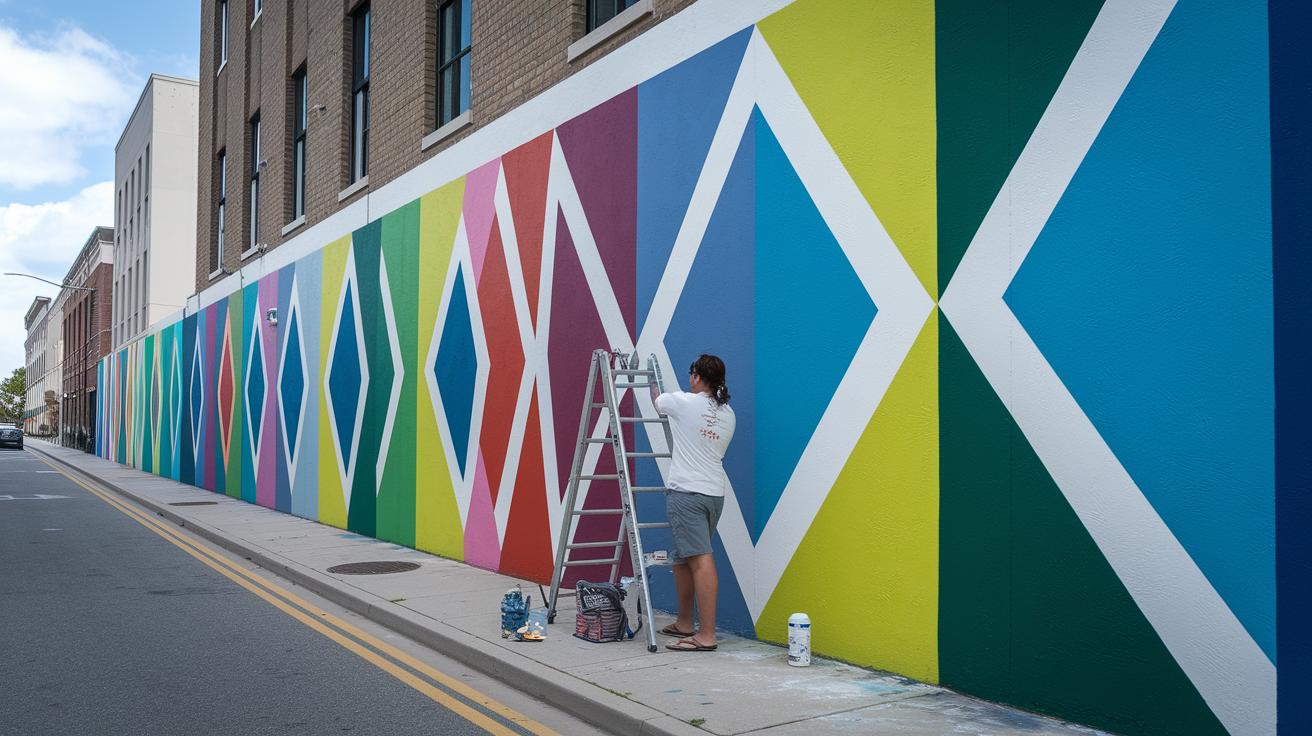
Caribbean streets burst with stories told in color. Local artist ART’SO from Pointe-à-Pitre, a self-taught muralist and tattooist, uses lively characters to share folk tales. His murals brighten up hidden corners, mixing rich history with the vibrant feel of island life. It’s as if every wall speaks directly to the community.
Ronald Cyrille, known as B.Bird and born in 1984, paints with bold hues that honor Guadeloupe’s cultural heart. Each mural sings with the pulse of daily island traditions, inviting you to feel the rhythm of life here.
Then there’s Bangastyle, born in 1970, who mixes a dash of Paris hip-hop style with his local roots. His spray-painted works transform plain walls into stunning urban galleries, blending modern energy with native touches that make you pause and admire.
In Kingston, Jamaica, Taj Francis uses his art to tackle social issues with rich, symbolic images. His work turns everyday spaces into powerful messages of hope and resistance, encouraging a fresh look at community struggles.
From the Dominican Republic, Angurria explores the theme of belonging through a mix of stencil and freehand techniques. Each piece layers more meaning into the island’s vibrant story, inviting you to see a deeper picture of cultural identity.
And then there’s David Zayas of Puerto Rico, who uses satire and surreal visuals to question political norms. His art challenges us to rethink what we see on the streets, offering a fresh perspective on urban life that’s both playful and thought-provoking.
Socio-Political Narratives in Tropical Urban Murals
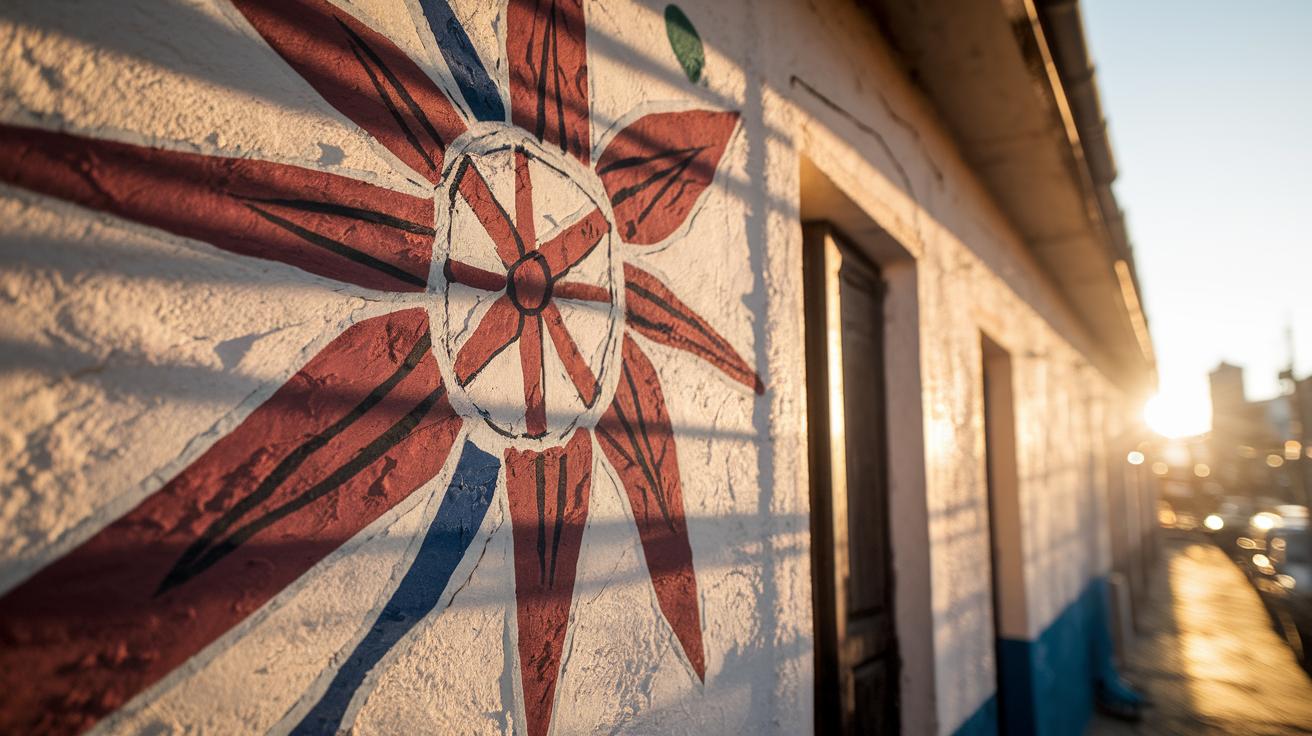
Across the Caribbean, murals give off a vibe that’s both bold and heartfelt. In Haiti, local artists mix in Voodoo symbols, a nod to deep traditions, with images full of life and strength. These artworks aren’t just pretty pictures; they tell stories of bouncing back after tough times and rallying as a community.
In Puerto Rico, street art digs into the island’s colonial past. Walls become bright canvases that invite everyone, locals and visitors alike, to stop and think about history and what it means to belong. It’s like watching a lively chat unfold in bursts of vivid color, each piece asking, “How do we make this place better for all of us?”
Over in Jamaica, bold wall art speaks out against violence and calls for unity. The murals burst with striking imagery that feels like a heartfelt shout for peace. You can almost feel the island’s rhythm in every brushstroke, urging us to understand and come together.
Then in Guadeloupe, Philippe Laurent’s tribute mural remembers the lucky souls of the 1967 uprising. His work stands out as both a quiet honor and a stirring reminder of past struggles while pushing us to keep chasing justice. Throughout the region, these urban canvases are more than art, they spark real conversation about immigration, equality, and human rights.
Highlights of Island Street Art Festivals and Events
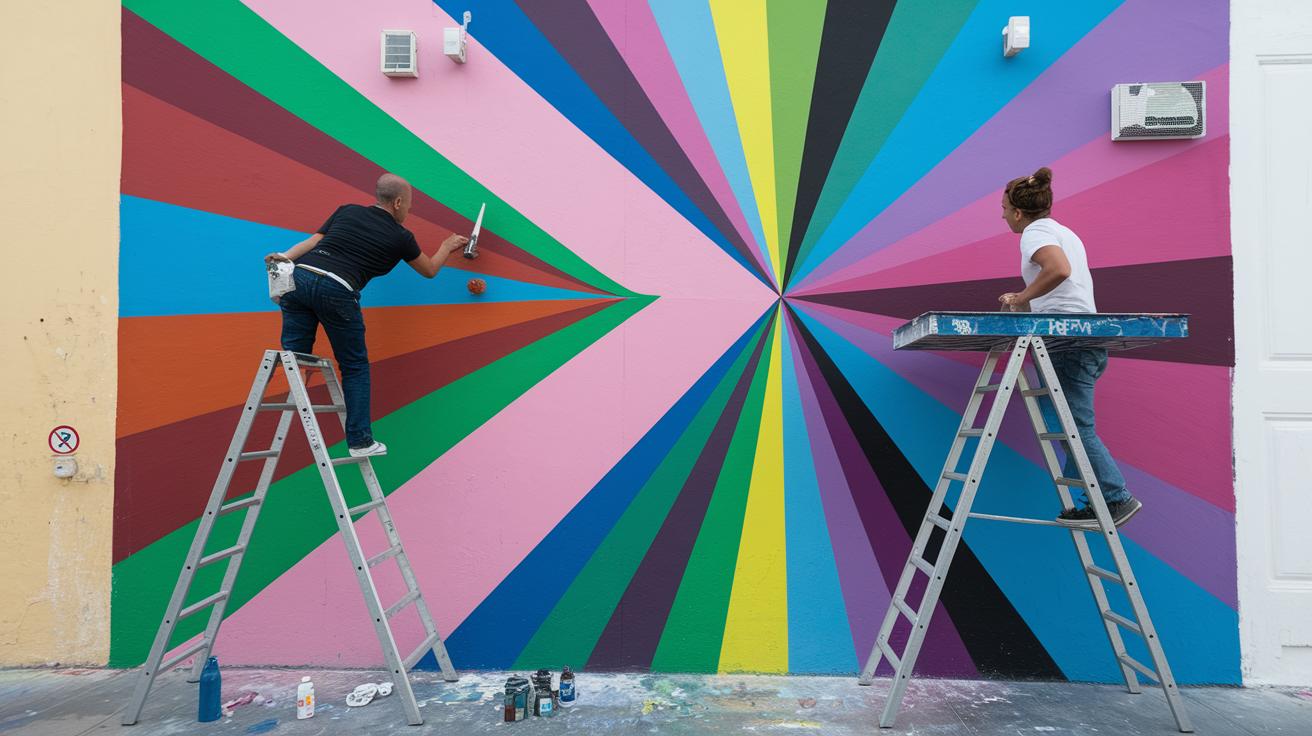
In Pointe-à-Pitre, Pousse Pousse – Ti Balad Peyi invites both locals and visitors to explore amazing street art. With guided tours, you get to discover hidden corners dressed in decades of local charm and creative energy, turning a simple stroll into a lively art scavenger hunt.
The Curaçao Street Art Festival welcomes mural artists from around the world to create massive works on coastlines and city plazas. It feels like a live performance where every brush stroke plays a part in a colorful tune, bringing different cultures together.
At the Kingston Urban Arts Festival, live painting sessions, interactive workshops, and upbeat music fill the streets. Imagine the road turning into a stage where every moment bursts with creative magic, inviting local artists and fans to jump right in.
In Old San Juan, the San Juan Art Walk mixes mural tours with gallery exhibitions. This exciting fusion of street style and curated art sparks friendly chats and makes art accessible in every corner of the city.
Tropical Mural Aesthetics and Vibrant Wall Imagery
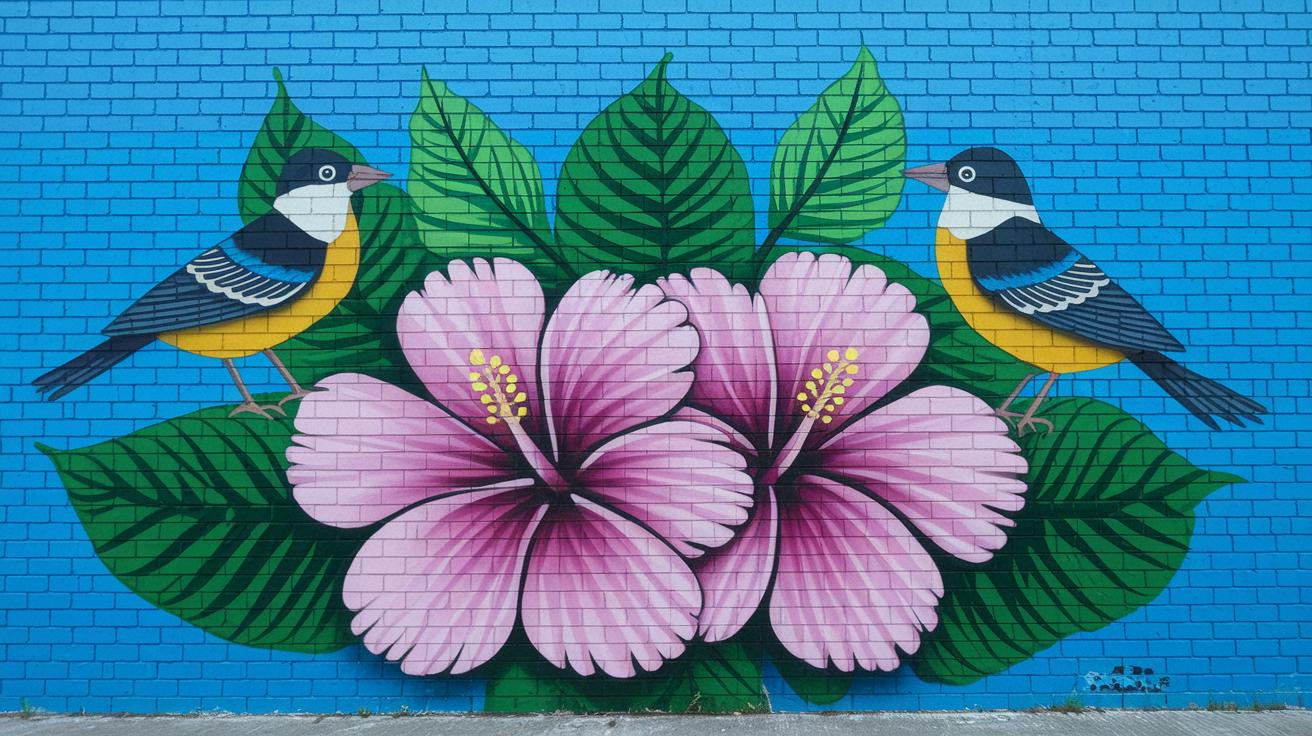
Caribbean murals after 2000 burst with colors that are as lively as a local festival. You'll see bold blues, greens, pinks, and yellows that pop off the walls like a cheerful shout under the bright island sun. Many works feature nature-inspired designs, think of hibiscus blooms, tropical birds in flight, and curvy ocean waves that seem to sway with the breeze. For instance, imagine a vivid hibiscus mixed with a splash of blue that reminds you of a clear sky on a flawless day.
In Curaçao, artists love to blend Dutch architectural touches with local art. Old brick walls get a fresh twist when teamed up with modern techniques like 3D shading and clever shadow plays. It’s like following an artist’s secret recipe: start with vibrant colors, mix in sculpting techniques, and finish with a hint of island magic. Each mural offers a little window into the soulful, tropical spirit of the Caribbean.
The Future of Urban Street Art Culture in the Caribbean
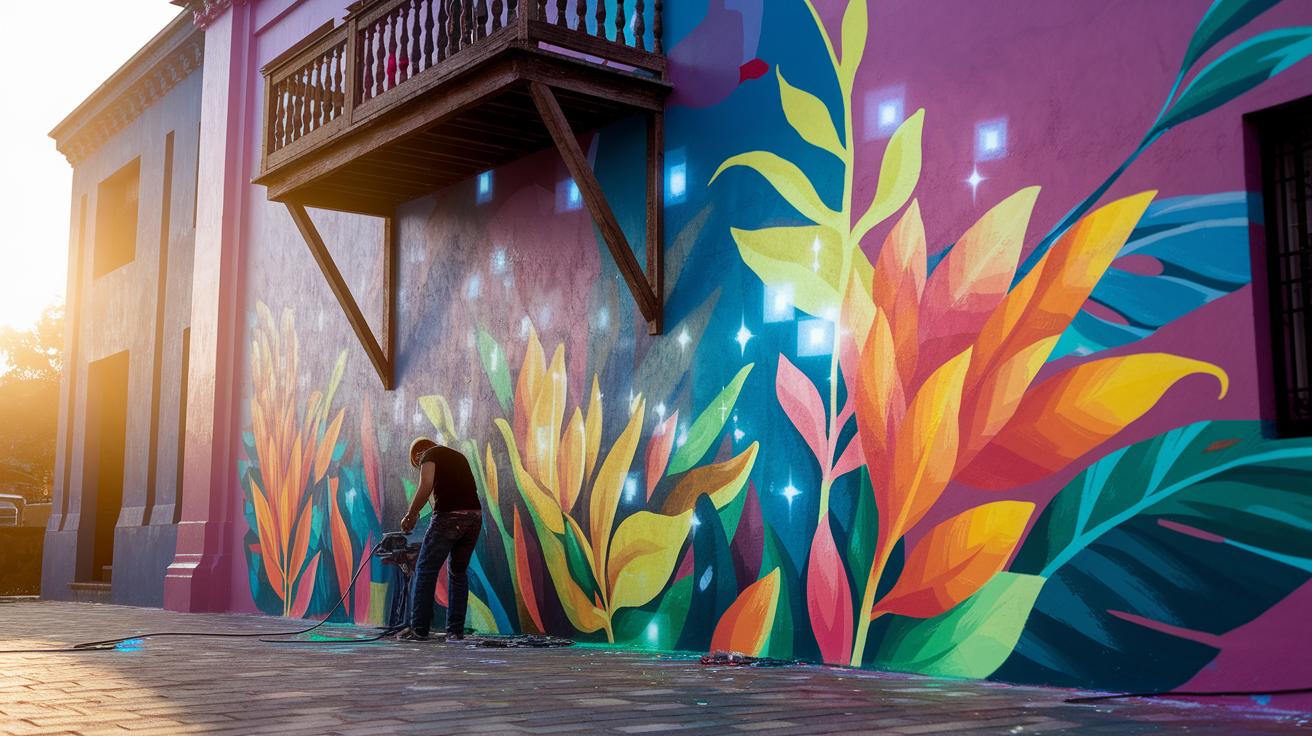
Caribbean urban street art is stepping into a cool digital age. Imagine walking through a city center and coming across murals that you can actually interact with. With new tech like augmented reality (a way to see extra digital details) and projection mapping (light shows on walls), traditional street art gets a fun, modern twist.
Around the islands, local workshops pop up where artists and community members capture these special moments. People even create photo archives to save these eye-catching works, ensuring that their stories live on. It's like a burst of color that lasts much longer than the art itself.
Local governments and artists are working hand in hand more than ever. They blend art into urban planning, making sure creative vibes are part of every neighborhood. And when Caribbean talent takes the stage at global festivals, it not only boosts local profiles but also links island creativity with trends from around the world.
When you see a Caribbean street mural today, you experience a mix of heritage and innovation. It feels as if the art is telling you a story, connecting the old and the new in a way that is both warm and unforgettable.
Final Words
In the action, we saw how Caribbean urban art evolved from its underground roots to dynamic public pieces. The post shared the rich history of rebellious tags and epic murals, touching on inspiring local artists and lively art festivals along island streets. With each painted wall narrating Caribbean stories, the urban street art culture in the caribbean keeps surprising and captivating everyone. It’s a vibrant celebration that promises more surprises around every sunlit corner.
FAQ
Q: What are the cultural aspects of art and how does street art affect urban culture?
A: The cultural aspects of Caribbean art show local history and traditions, and street art brightens urban areas with bold colors and messages that give a voice to community stories and everyday life.
Q: What is the most well-known art form in the Caribbean region?
A: The most well-known art form in the Caribbean is vibrant street murals; these pieces use bright colors and island motifs to reflect local heritage and create public spaces that feel alive.
Q: What is the art capital of the Caribbean?
A: The Caribbean art capital isn’t a single city; places like Pointe-à-Pitre, Curaçao, and San Juan stand out for their dynamic public installations, turning urban walls into colorful expressions of island creativity.
