Have you ever thought that learning to sail could feel as exciting as a sun-soaked vacation? Imagine combining real hands-on tips with the easygoing vibe of island life.
Picture yourself steering a smooth boat under skies so clear you can see every shade of blue. Whether you're with a small group or getting personal one-on-one directions, it's like being wrapped in a gentle island breeze.
These lessons mix fun with real skill-building so you really get the hang of sailing. And every minute on the water feels like a burst of island freedom, turning your new abilities into memories you'll smile about for years to come.
Selecting Caribbean Sailing Lessons: Course Options & Certifications
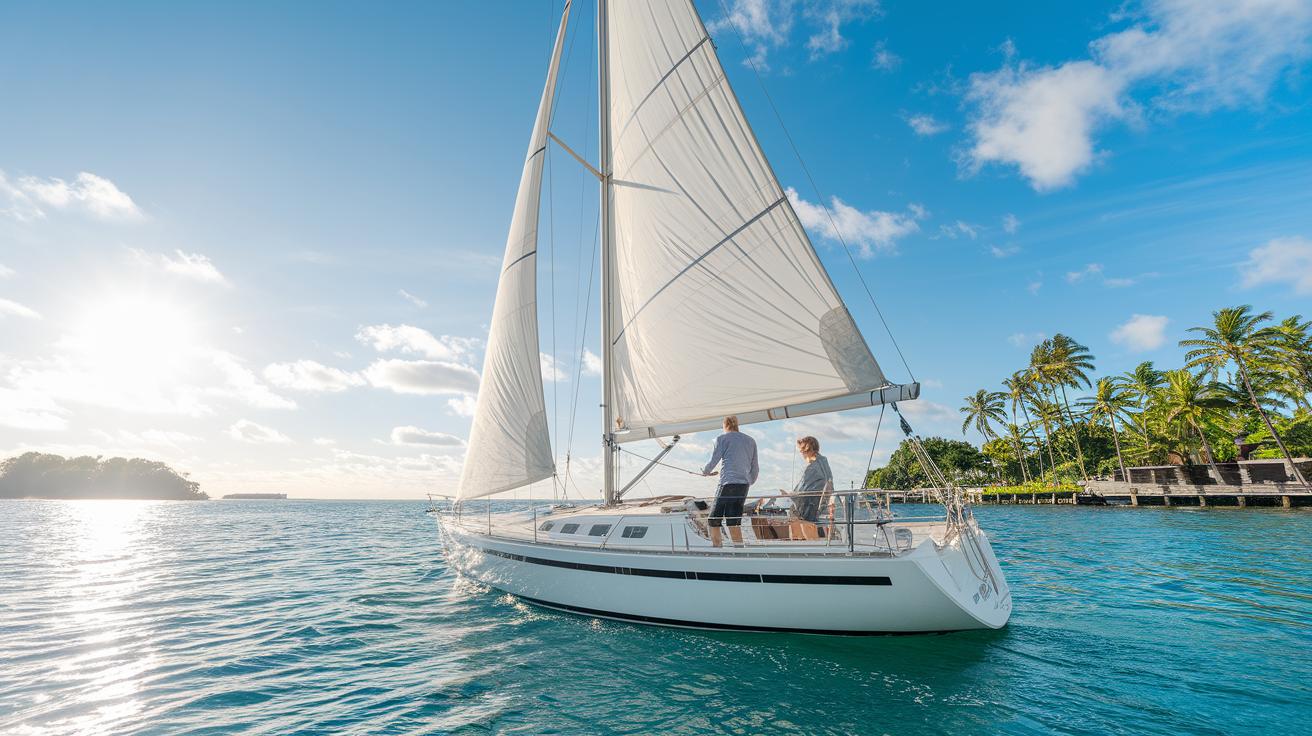
Caribbean sailing lessons mix fun and real learning, letting you pick up genuine skills while enjoying a bit of sun and sea. Whether you choose one of the lively group ASA cruises or prefer the focused vibe of private coaching, there’s an option to match your holiday mood and your need for formal certification. For example, the Basic Keelboat (ASA 101) course is ideal if you’re just starting out. Picture yourself mastering a 20‑30 ft sloop in gentle, scenic conditions, almost like learning in a tropical classroom. One happy student said, "I never thought learning could feel this much like an island holiday!"
Group classes keep it personal, with just six students per session so you get plenty of one-on-one time. These courses happen on a charming 38‑ft Lagoon catamaran called “Isaphil” during a 6‑night liveaboard cruise. The price is $2,795 per person on double occupancy, plus a 10% tax. It’s a sweet mix of vacation vibes and step-by-step training under steady trade-wind conditions.
If you’re after a more tailored approach or a private setting, you can also book custom lessons. The pricing for these sessions is given when you ask, so you can easily balance the thrill of a tropical cruise with the goal of earning a national safe boating certification.
When you’re picking a course, keep these key factors in mind:
| Factor | Details |
|---|---|
| Certification level | ASA 101 through ASA 114 |
| Vessel type | Monohull or catamaran |
| Course duration | 3-day coastal courses or 6‑night liveaboard cruises |
| Group size | Limited to six students |
| Cost | Price per person plus tax considerations |
| Location & weather | Depending on geographic spot and seasonal conditions |
Caribbean Sailing Lessons: Curriculum & Training Modules
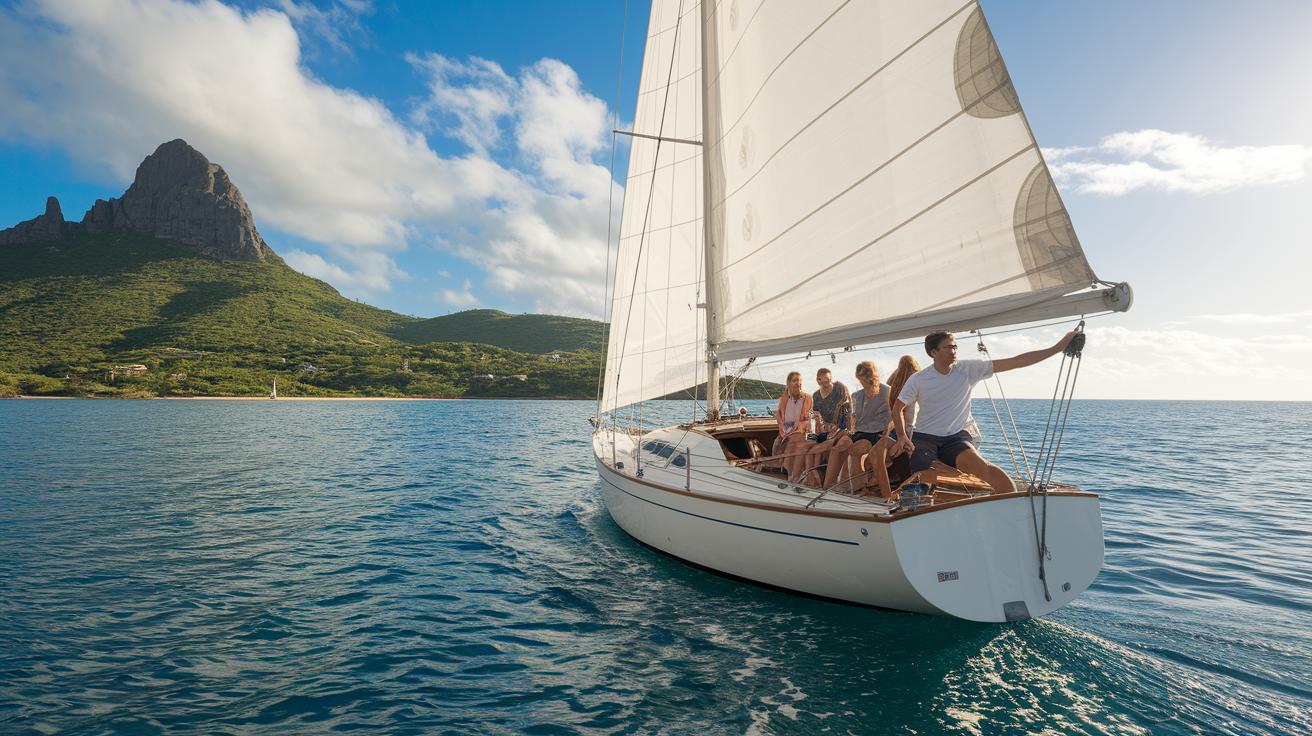
These sailing lessons mix real hands-on practice with friendly classroom chats, making learning feel as easy as a sunny day at the beach. Imagine starting with the ASA 101 Basic Keelboat module. It’s perfect if you’re new to sailing. You get to try your hand on a 20–30 ft sloop, feeling that warm Caribbean breeze as you learn the basics of maneuvering on the water.
Then there’s the ASA 103 Coastal Cruising course. In this module, you'll pick up skills like handling power and docking. Think of it like learning to ride a bike with training wheels, it helps you build confidence under gentle conditions before you set off on bigger adventures.
Next up, the ASA 104 Bareboat Cruising course offers a mini island getaway experience. Over three days, you take on the role of skipper or crew on a 30–50 ft yacht. You blend classroom pointers with real deck time, all under clear skies and soft trade winds, much like planning a brief escape to a secluded cove.
The ASA 105 Coastal Navigation course shifts your focus to classic navigation techniques such as reading charts and using a compass. It’s not strictly a sailing course, but it gives you the know-how to plot your route on the water, like piecing together a simple treasure map without the extra pressure.
For those looking to push a bit further, the ASA 106 Advanced Cruising course tests your skills with day and night passages on a 30–50 ft yacht over 32 continuous hours. This course is all about honing advanced seamanship, letting you face the challenges of the open sea.
Lastly, the ASA 114 Cruising Catamaran course dives into the unique feel of catamaran sailing. Focusing on handling a 30–50 ft twin-hulled vessel, it offers a fresh perspective compared to traditional single-hulled boats.
| Course | Focus | Vessel Size | Duration |
|---|---|---|---|
| ASA 101 Basic Keelboat | Fundamentals of sailing | 20–30 ft sloop | 2–3 days |
| ASA 103 Coastal Cruising | Power handling & docking | 20–30 ft sloop | 2 days |
| ASA 104 Bareboat Cruising | Skippering 30–50 ft yacht | 30–50 ft vessel | 3 days |
| ASA 105 Coastal Navigation | Charts, compasses, DR | N/A | Classroom + on-water |
| ASA 106 Advanced Cruising | Day/night passages | 30–50 ft yacht | 32 hours continuous |
| ASA 114 Cruising Catamaran | Catamaran handling | 30–50 ft catamaran | 2 days or endorsement |
Sailing Lessons Caribbean: Sunny Seas Await
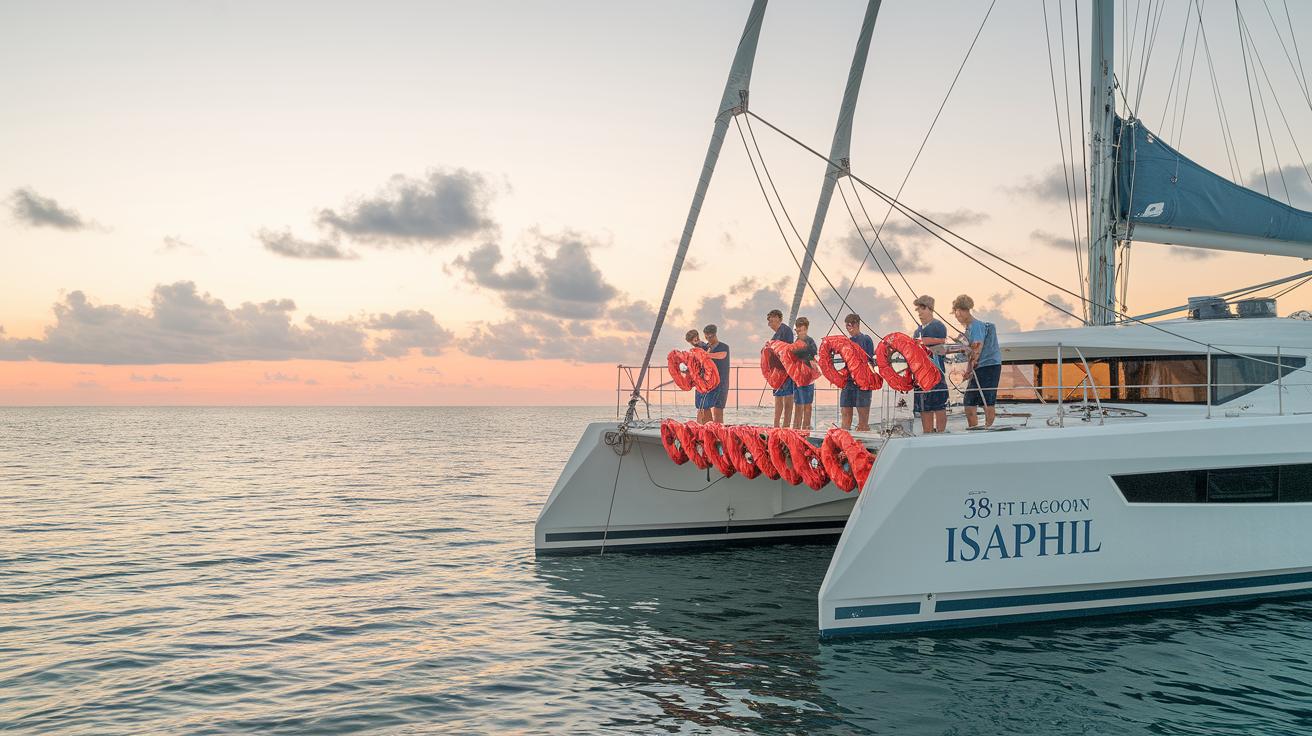
Day 1 starts off with a friendly ASA 101 exam to get the paperwork out of the way. Then, you hop aboard the 38‑ft Lagoon catamaran named Isaphil. After a quick check of the engine and your life jacket (we all call them PFDs), you're off to Bequia. The buzz of getting ready for an open sea adventure fills the air, and you instantly feel part of life on board.
On Day 2, you set sail on a five‑hour journey from Bequia to Mayreau. While on board, the crew shows you how to anchor and tie up the boat. They even share easy tips on steering in open water. When the waves get a bit rough, they offer down-to-earth advice to keep any seasickness at bay.
Day 3 brings a gentler 2–3 hour ride to Tobago Cays. Here, you get hands-on practice with anchoring, all while cruising through coral-protected waters. The instructors help you spot safe places for your boat, letting you enjoy the vibrant marine scene.
Come Day 4, you’re heading towards Union Island. This day is all about chart plotting and docking maneuvers. The friendly instructors guide you through simple navigation steps, preparing you to handle the boat on your own someday.
Day 5 ups the ante with a man-overboard drill while en route to Canouan. This practical exercise reminds you why being ready for emergencies is so important when out at sea.
On Day 6, as the catamaran heads back to Bequia, you face the challenge of troubleshooting a single‑engine failure. It’s a hands-on lesson in checking the boat’s mechanics and learning quick recovery techniques that might save the day.
Finally, Day 7 is when the final ASA skills tests take place. A detailed debriefing follows, and you even receive your certification. It’s the perfect wrap-up to a week filled with real island-hopping adventures and practical training.
Every morning kicks off with engine, PFD, and bilge checks to make sure everything’s in top shape. And as the sun sets, evenings wind down with a few anchor beers and lively dinners on the shore.
Ideal Caribbean Sailing Lesson Destinations & Seasonality
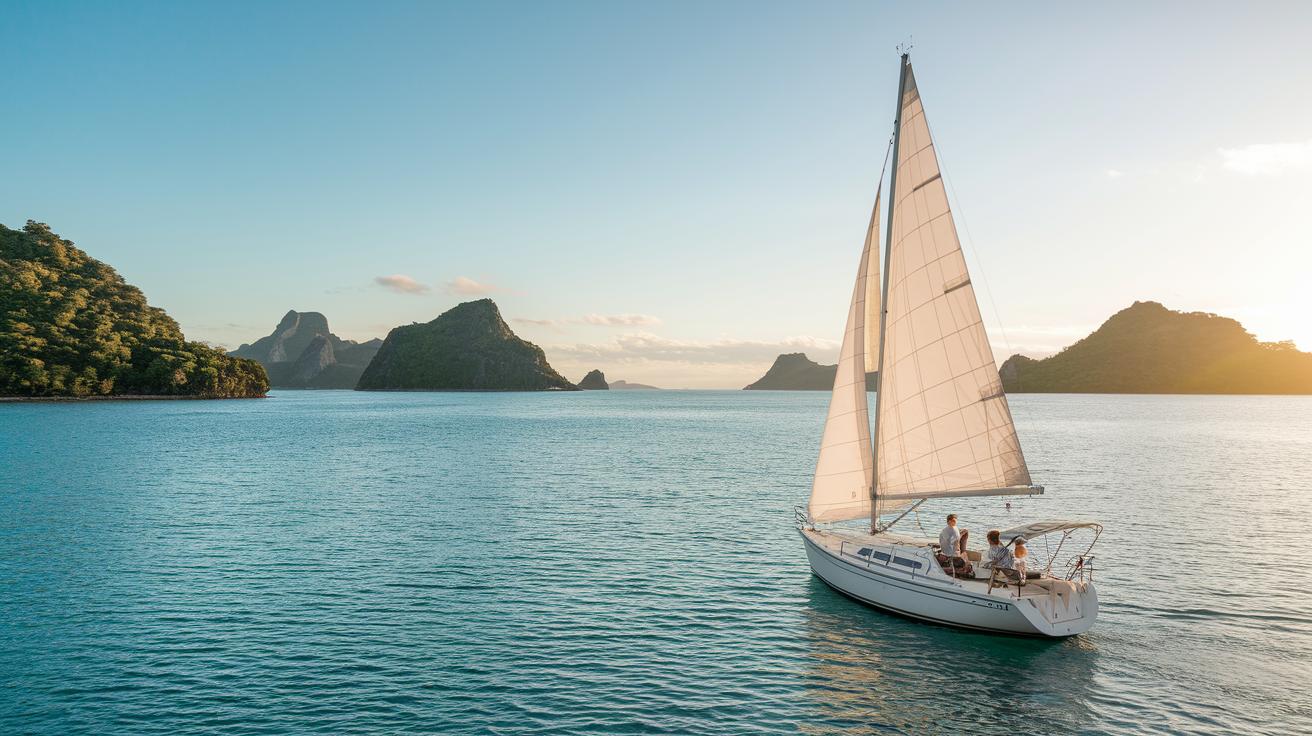
If you’re just starting out, St. Vincent & the Grenadines is a great pick. Its quiet, sheltered cays offer gentle waters that help you learn island navigation in a friendly way.
The British Virgin Islands are also awesome for stepping up your game. Here, reef-protected channels and calm spots let you practice new skills without ever feeling rushed.
For a mix of fun challenge and chill cruising, St. Martin is a perfect choice. With long open-ocean stretches and safe, tucked-away bays, you get a taste of both adventure and relaxation.
And if you’re looking for something a bit more challenging, head over to St. Lucia. Its windward south coast offers brisker conditions that can really put your skills to the test.
Peak season in the Caribbean is from December to April. Steady trade winds of 15–20 knots and warm sea temperatures between 77–82°F make this the ideal time to be out on the water. The gentle, moderate swells let you practice reading tropical winds while soaking in the relaxed island life. It’s a perfect blend of learning and leisure.
Booking, Pricing & Class Logistics for Caribbean Sailing Lessons
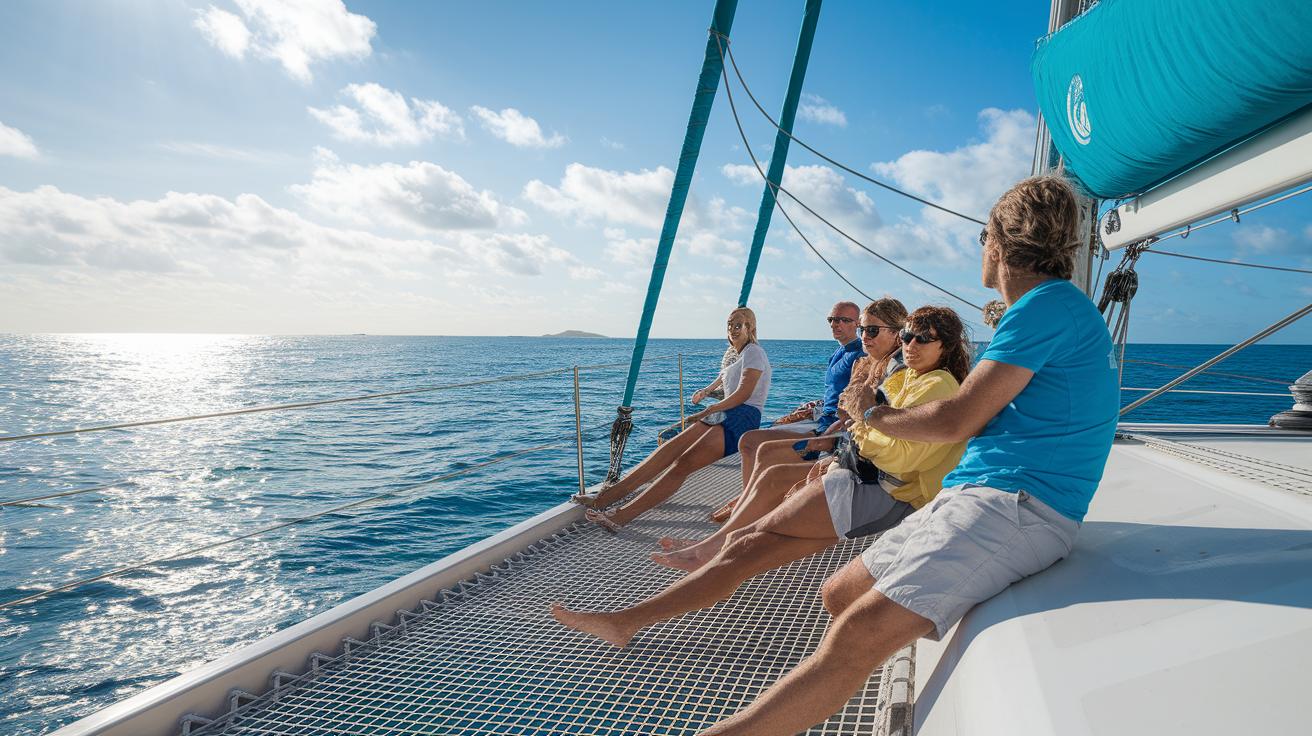
You can grab your spot by choosing between group and private lessons. If you opt for a group setting, you’ll join up to six other students on a catamaran and enjoy a six-night liveaboard cruise. This package is priced at $2,795 per person (when sharing a cabin) plus a 10% tax. Plus, you can even add extra charters after your lesson, perfect for more time on the sparkling Caribbean waters.
If you prefer one-on-one time on the water, private marine coaching is available every day. These sessions let you pick topics that interest you, and you can choose from a short three-day Bareboat Cruising course (ASA 104 means it’s a set course on handling a boat) all the way to a full seven-day liveaboard adventure. To secure your booking, you simply put down a 30% deposit, with the rest due 60 days before setting sail.
Keep in mind that during the winter, seasonal surcharges may apply. Booking early is a smart way to save your ideal dates and the vessel you really want.
Example snippet: Book your session like you’d pick your favorite tropical treat – “I reserved my seat on the Lagoon catamaran and couldn’t wait for those magical Caribbean nights.”
| Option | Details |
|---|---|
| Group Lessons | Up to 6 students; 6-night liveaboard cruise; $2,795 per person (double occupancy) plus 10% tax |
| Private Sessions | Daily sessions; topics tailored to you; courses range from 3-day to 7-day; 30% deposit with balance due 60 days prior |
| Notes | Winter seasonal surcharges; early booking is recommended |
Instructor Qualifications & Safety Protocols for Caribbean Sailing Lessons
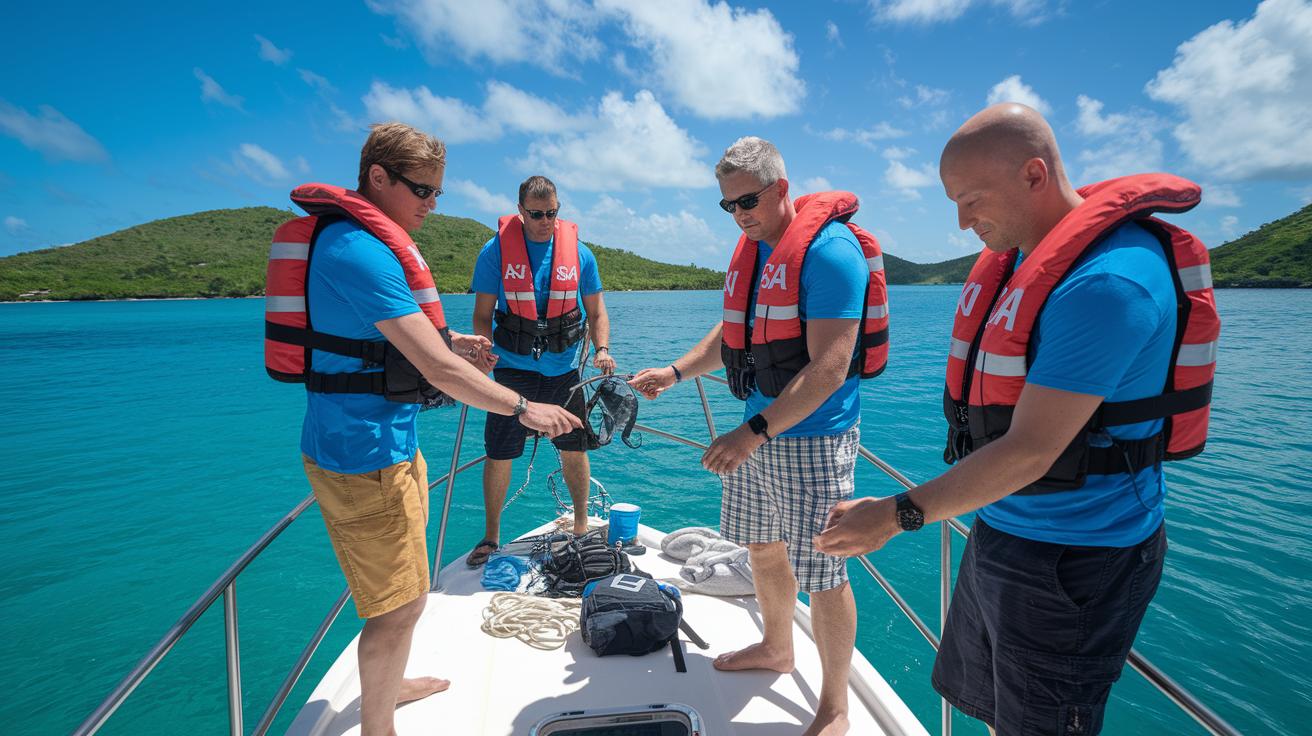
Our instructors are true experts. They all hold ASA certifications and carry over five years of teaching experience. In our group classes, we maintain a 6:1 ratio so everyone feels seen and heard, while private sessions let you focus one-on-one with an instructor.
Before we head out on the bright blue Caribbean waters, our crew checks every safety piece. They inspect life jackets (personal flotation devices that keep you safe) and bilge pumps carefully. One instructor once said, "Before we even leave the dock, I make sure every safety item is in check, just like prepping for a family picnic." Daily engine checks and simple weather briefings help keep our boats in tip-top shape. We even do VHF radio drills and man-overboard simulations so you'll be ready if anything unexpected happens. All training follows national safe boating standards, all to give you that peace of mind while you soak in the Caribbean sun.
Final Words
In the action, this article mapped out Caribbean sailing lessons from course selection to detailed training modules and day-by-day itineraries. We covered training formats, instructor expertise, and practical booking details. Your checklist included key factors like certification levels, vessel types, group sizes, and cost considerations. Dive into sailing lessons caribbean to find a course that fits your pace and passion. Embrace the magic of the open sea and set sail with confidence into your next tropical experience.
FAQ
What Caribbean sailing lessons are available for beginners and adults?
Caribbean sailing lessons cater to both beginners and adults. Programs like the ASA 101 course cover basics on 20–30 ft sailboats, while advanced and private sessions offer more in-depth training under certified instructors.
How much do Caribbean sailing courses and charters cost?
Caribbean sailing courses typically run about $2,795 per person for a 6-night liveaboard cruise, plus a 10% tax. Private lessons are available at variable rates based on duration and topics.
What are the best options and schools for private and liveaboard Caribbean sailing lessons?
Caribbean sailing lessons include private coaching and liveaboard programs. Options like Virgin Islands-based schools and Blue Water Sailing School provide quality instruction using proven vessels in tropical waters.
What is the best month to sail in the Caribbean?
Caribbean sailing is most favorable from December through April when trade winds are steady, sea temperatures are warm, and conditions are ideal for safe, hands-on learning.
Where is the best sailing in the Caribbean?
Excellent sailing is found in regions like St. Vincent & the Grenadines, the British Virgin Islands, and St. Martin, which offer calm anchorages and safe coastal routes for both training and leisure.
What should I consider when selecting a Caribbean sailing course?
When choosing a course, look at certification level, vessel type, course duration, group size, cost including tax, and seasonal conditions. These factors help match your skills and vacation plans.
- Certification level (ASA 101–114)
- Vessel type (monohull vs. catamaran)
- Course duration (3-day coastal vs. 6-night liveaboard)
- Group size (max six students)
- Cost per person and tax considerations
- Geographic location and seasonal conditions
