Ever thought Caribbean culture is the same no matter where you go? It isn't that simple. Each island shows off its own mix of history and local charm.
In the east, you might catch hints of Spanish and French stories in the friendly streets. Over in the west, the touch of British and African influences gives everything a lively twist.
History blends with everyday life to create a unique island vibe that feels warm and real. Ever felt that special spark when past and present come together? That's the magic waiting for you in the Caribbean.
Mapping Regional Differences in Caribbean Culture: Bold Island Vibe
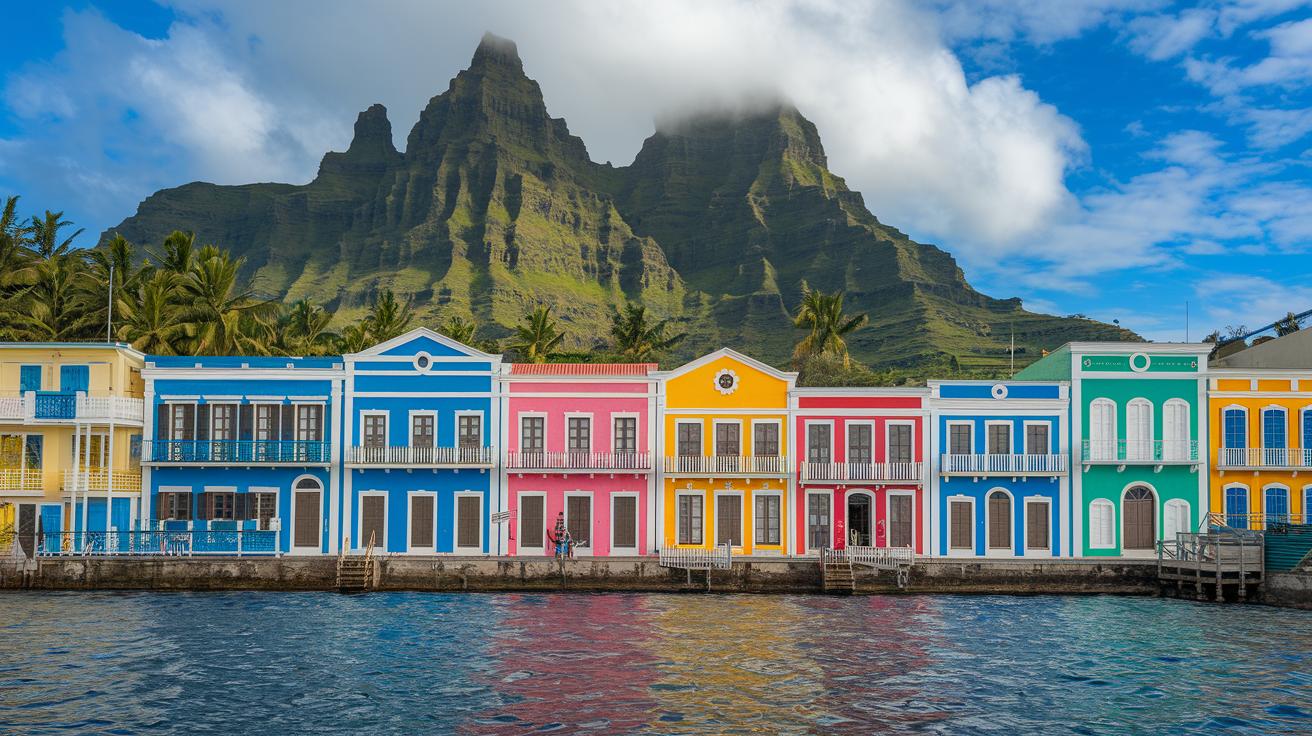
Caribbean culture runs deep, its roots reaching back to years of European rule. Spanish, British, and French influences still light up the lively traditions you see today. Just picture this: before you even step off the plane, envision sparkling seas paired with cobblestone streets shaped by skilled hands.
The islands have naturally formed their own groups, each with its own tale. In the Eastern Caribbean, traces of Spanish and French flavors ripple through local art and language. Over in the Western part, British ties and African roots mix to create a distinct vibe, while other areas show bits of various colonial legacies. Every cluster beats to its own rhythm.
| Subregion | Key Historical Influences | Representative Islands |
|---|---|---|
| Eastern | Spanish and French influences | Dominican Republic, Puerto Rico |
| Western | British rule and African heritage | Jamaica, Barbados |
| Southern | French traditions with Creole flair | Martinique, Guadeloupe |
| Northern | Mixed European legacies with local twists | Trinidad, Aruba |
This summary is just the beginning. Up next, we’ll explore how historic buildings and local customs shape each region even more. Think lively festivals, subtle shifts in language, and unique local practices that color the island identities. Every subregion tells a personal story, from the long shadows of colonial days to fresh expressions that keep the Caribbean spirit wonderfully alive.
Colonial Era Legacies and Migrant Heritage Impacts in the Caribbean
European colonial powers like Spain, Britain, France, and the Netherlands have left lasting marks on the Caribbean. They introduced different legal systems, ways of governing, and languages that still shape the islands today. In many ways, these early influences set the stage for the vibrant customs we enjoy now.
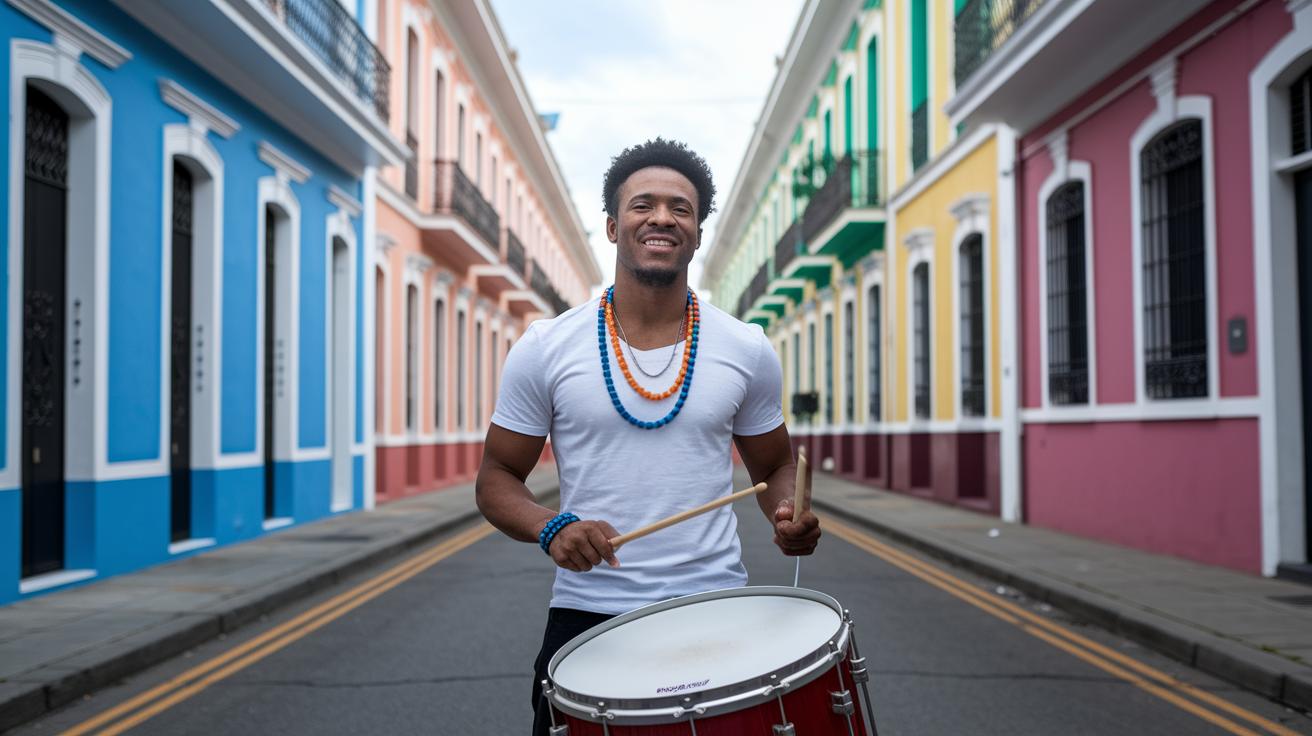
Then there’s the deep impact of the African diaspora. Enslaved Africans brought music, dance, tasty food, and rich storytelling that fill the air at local festivals and on busy streets. Ever find yourself nodding to the beat of a drum at a party? That’s their spirit keeping traditions alive, weaving together with European legacies to create a unique island culture.
More recently, communities from India and China added another colorful layer during the 19th and 20th centuries. These new neighbors brought unique food flavors, religious traditions, and artisanal skills that quickly mixed into everyday life. Walk through a local market and you can feel their influence in every chat and every spice, making the Caribbean a truly diverse mosaic.
Linguistic Evolution and Folklore Variations Across Caribbean Islands
Dialect Diversity
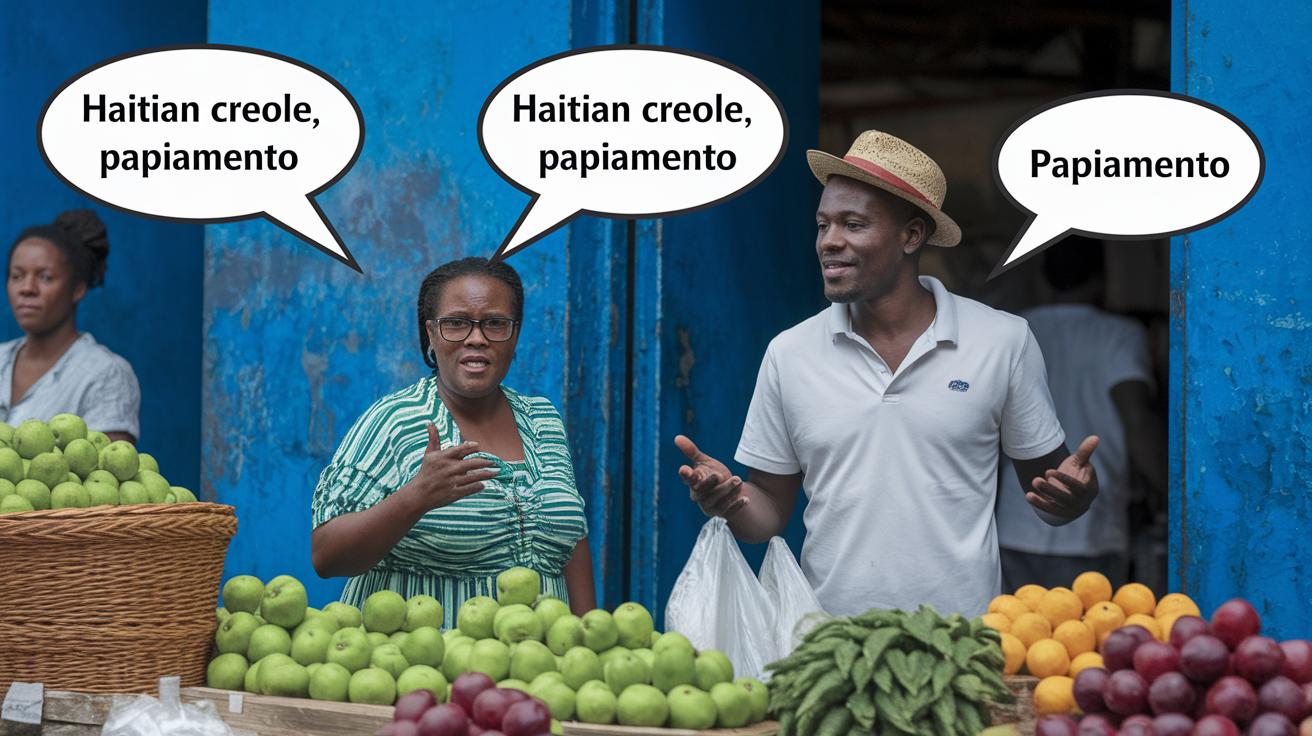
Caribbean islands tell their own stories not just through legends but also in the way people speak. Haitian Creole, for example, came from French words and flows like a soft, tropical melody that reminds you of the island’s gentle charm. Jamaican Patois bounces along with lively beats and unexpected twists, almost like a casual song shared among friends. And then there’s Papiamento, a smooth blend of Spanish and Dutch that carries a light, breezy feel, just like the warm ocean air on a sunny day.
Folklore Traditions
In Trinidad, you’ll hear whispers about La Diablesse, a mysterious woman whose beauty and trickery light up the night. These tales, shared on quiet evenings, remind everyone to be a bit cautious under the moonlight while still dreaming of magical possibilities. Over in Jamaica, stories of Anansi the spider fill the air with humor and clever lessons, proving that even the tiniest creature can outwit life’s big challenges. And in Haiti, the rhythms of Vodou myths vibrate through the community, where every song and symbol connects people to their deep ancestral roots. These vibrant legends aren’t just stories, they’re the lifeblood of local culture, binding communities together with warmth, mystery, and shared values.
Regional Culinary Masterpieces and Flavor Traditions
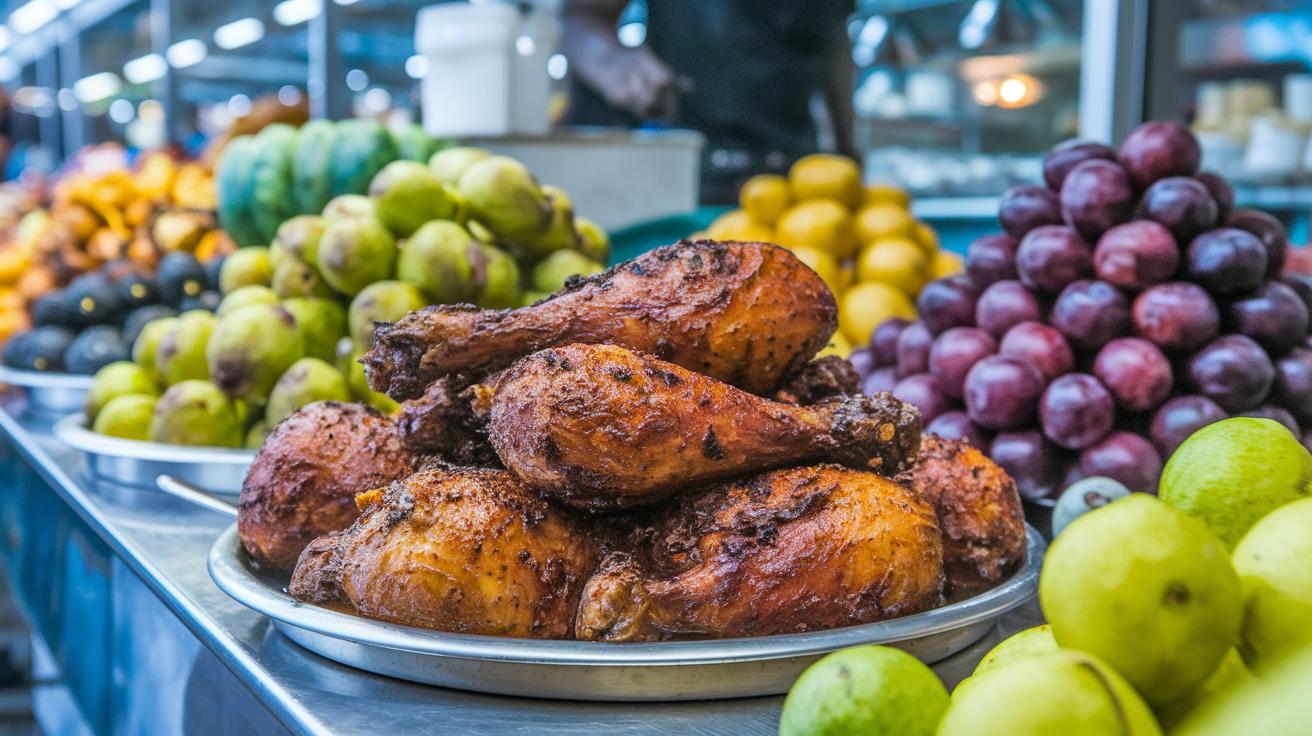
Caribbean food is a vibrant mix of native ingredients, old recipes from the colonial days, and flavors brought by newcomers. Every island has its own special dish. Think about Jamaican jerk chicken, which packs in African spices, or Trinidadian doubles that use soft, Indian-style flatbread. There’s also Dominican sancocho, a hearty stew full of meat and vegetables, and Haitian griot, where pork is seasoned with Creole spices. Fresh fruits, a splash of rum, and a pinch of selected spices come together to create flavors that tell the story of the islands.
In the English-speaking parts, meals are a fun blend of old and new. Jamaican jerk chicken, for example, is a spicy favorite that has been perfected through generations. And have you ever tried Trinidad’s doubles? Picture a crunchy fried flatbread stuffed with a savory chickpea mix, hinting at Indian spices. Each dish is colorful, sharing stories from family gatherings and lively local celebrations.
Over in the Spanish-speaking islands, the tastes are rich and bold. Dominican sancocho is like a warm hug, with meats and root vegetables simmering together in a mix of citrus and herbs that journey back to Spanish kitchens. Here, every meal is more than just food, it’s a way of keeping family traditions alive. Fresh produce from buzzing markets forms the heart of recipes that have been lovingly handed down.
Every dish in the Caribbean speaks its own story, echoing the warmth and creative spirit of its people.
Musical, Festival, and Ritual Expressions by Subregions in the Caribbean
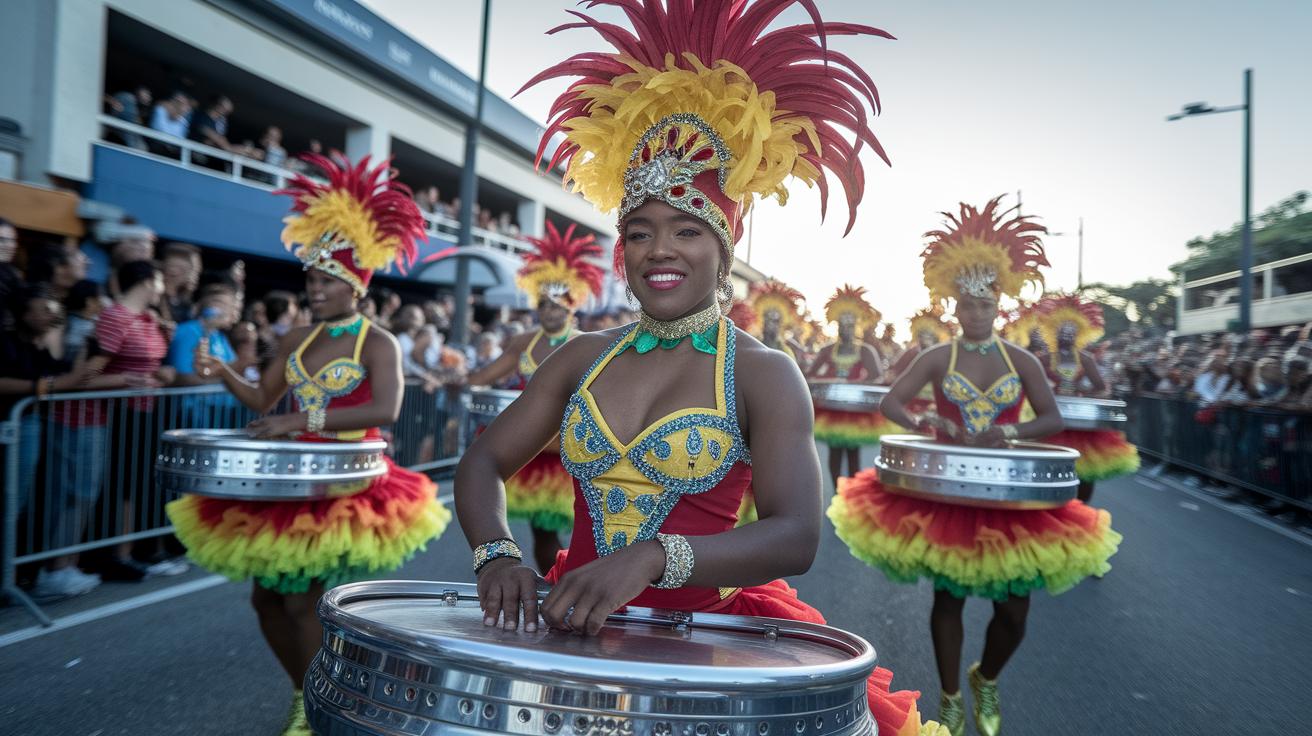
Across the islands, you'll notice lively celebrations, from open-air street shows to friendly community gatherings. The warm Caribbean vibe brings people together through music, festivals, and traditional rituals that have been lovingly passed down through generations.
Caribbean music is a colorful blend of history and fresh beats. Take Trinidad Carnival, for example. Upbeat calypso and soca tunes fill the air with energy while the shining steelpan sounds dance like sunlight on gentle waves. Every melody tells a story, from echoes of colonial days to vibrant local life. Picture it: a steady soca rhythm inviting you to sway, much like the soft push of the ocean tide. It's a mix where old traditions meet modern flair, drawing locals and visitors into a heartfelt celebration of identity.
Island festivals showcase the true spirit of the Caribbean, sharing tales of struggle, hope, and joyful renewal. In Barbados, Crop Over revives the sugar-plantation past with bright parades, catchy tunes, and street parties that feel like a big family reunion. Over in the Bahamas, Junkanoo bursts onto the scene as a post-slavery festival with foot-tapping beats, detailed costumes, and dances that turn the streets into living art. Each festival is a vivid chapter in the Caribbean story, inviting everyone to step into a world where history and celebration blend seamlessly.
The spiritual side of Caribbean life comes to life through its mystical rituals. Haitian Vodou ceremonies, with their powerful chants, steady drumbeats, and sincere prayers, create special spaces where tradition and faith meet. These soulful gatherings honor ancestral spirits and capture a calm yet potent energy, inviting everyone to experience a shared, deep reverence.
Final Words
In the action, we explored how colonial roots, language twists, mouthwatering dishes, and local music all forge regional differences in caribbean culture. Our guide walked through historic markers and lively festivities that mold each island’s unique vibe. We shared insights into flavors, customs, and spirited celebrations, all meant to give you a taste of genuine island life. Every piece paints a picture of a world rich with stories and hidden gems, making the Caribbean experience a refreshing escape. Enjoy soaking in every moment as you plan your unforgettable island escape.
FAQ
Q: What are some cultural differences that are evident in the Caribbean?
A: The Caribbean shows cultural differences through varied languages, festive music, unique culinary styles, and island-specific traditions shaped by colonial history, indigenous roots, and African influences.
Q: How is the Caribbean region very unique or different when compared to other parts of the world?
A: The Caribbean stands out with its blend of languages, colorful rituals, and diverse culinary creations, all stemming from unique historical influences and a lively mix that sets the region apart globally.
Q: What are the characteristics of Caribbean culture?
A: Caribbean culture features a rich mix of colonial legacies, spirited music and dance, flavorful local dishes, and deep community values that reflect the diverse heritage of its island peoples.
Q: What are the three different regions in the Caribbean?
A: The Caribbean is generally divided into the Eastern Caribbean, the Greater Antilles, and the Bahamas, each with its own languages, historical influences, and distinctive cultural traditions.
Q: What influences have shaped Caribbean culture and traditions?
A: Caribbean culture is shaped by European colonial legacies, the African diaspora, and indigenous roots, blended with immigrant traditions that together create a dynamic and uniquely diverse cultural mosaic.
