Ever wondered how Caribbean Carnival grew from a quiet act of defiance into a burst of color and spirit? In the late 1700s, Africans in Trinidad and Tobago used creativity to turn old garments into bright costumes and simple items into lively drums that sang a song of freedom. This story shows how ancient celebrations and bold moments of resistance came together to create a festival full of heart and energy. Come along as we explore the vibrant origins of Caribbean Carnival and the roots that keep its lively soul alive.
5 origins of caribbean carnival: Vivid Beginnings
Caribbean Carnival began in late 1700s Trinidad & Tobago. Enslaved Africans, who weren't allowed at fancy French plantation masquerades, started making their own lively celebrations. Imagine a group of people turning old, unwanted clothes into bright, cheerful costumes while beating drums made from local traditions to share their feelings. It was a bold way to fight back and show their desire for freedom and self-expression.
The name Carnival comes from old Catholic pre-Lenten feasts, a time to say goodbye to rich foods before fasting, but it grew into something much deeper when mixed with African customs. Yoruba-driven Canboulay parades burst with rhythmic drumming, joyful dancing, and night-long gatherings. Picture endless groups of friends enjoying the cool night air, each drum beat stirring up memories and heartwarming community vibes.
| Year | Event |
|---|---|
| Ancient | Pagan Carnival beginnings in Egypt, Greece, and Rome |
| Late 1700s | Enslaved Africans launch the first Trinidad Carnival |
| 1834 | Emancipation Day turns Carnival into a festival celebrating freedom |
| 1937 | Stick-fighting fades, making room for the creative steelpan |
| 1990 | Jamaican Bacchanal kicks off the first Jamaican Carnival |
| 2018 | Over 30,000 visitors join Trinidad Carnival celebrations |
After 1834, when freedom was finally realized, Carnival grew into a festival for everyone. The old traditions blended with new ways to celebrate freedom. In 1937, the lively stick-fighting was replaced by the innovative steelpan, created from everyday items, adding a fresh beat to the celebration. From the busy streets of Trinidad to the first Jamaican Bacchanal in 1990, and now festivals that draw over 30,000 people by 2018, Carnival shows how creativity and resilience can turn struggle into a joyful, ever-changing party.
Colonial Era Festival Foundations in Caribbean Carnival
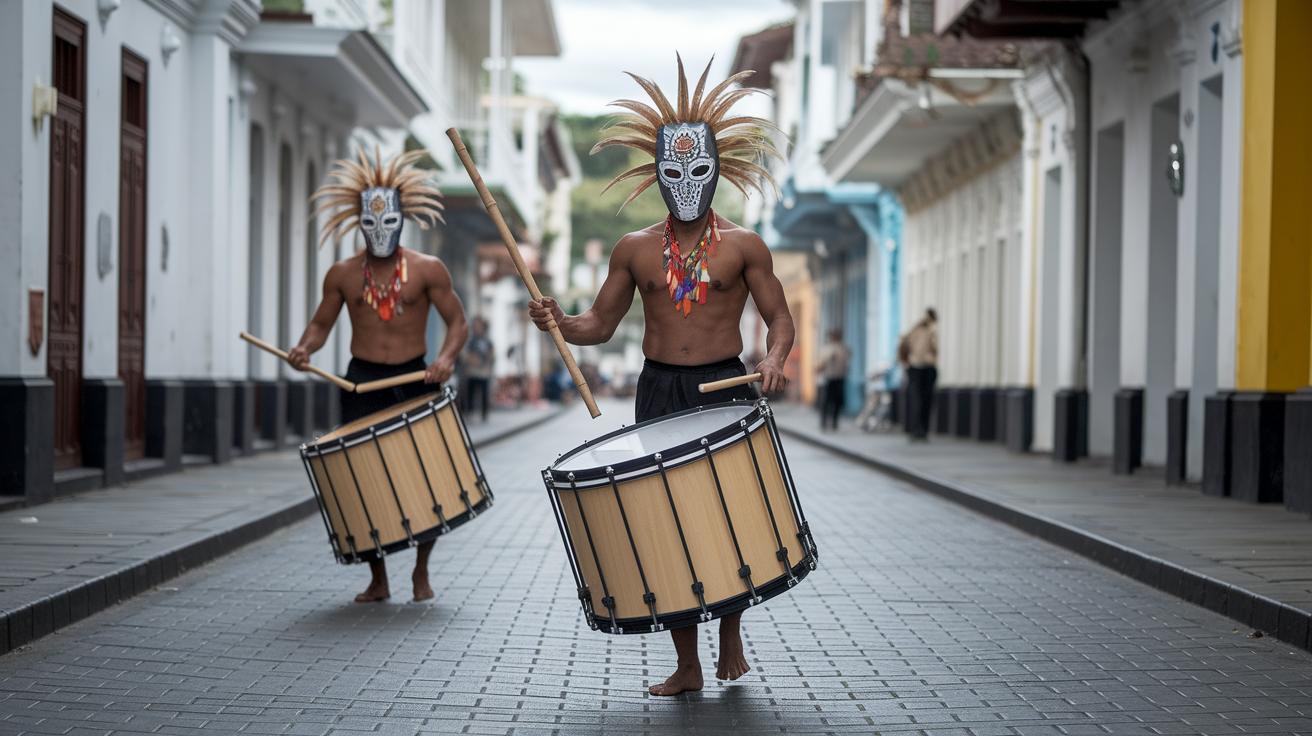
European colonists brought over Catholic pre-Lenten feasts, think Mardi Gras, from Italy, France, and Britain. They hosted elegant masquerade balls with fancy costumes and graceful dances, designed for the upper crust. Over time, these refined celebrations started welcoming more public, lively festivities.
Meanwhile, enslaved Africans, unable to join those official events, reimagined the traditions in their own way. They spiced things up with energetic bamboo stick-fighting and deep, rhythmic drumming. Picture the steady clash of bamboo and the pulsing beat of drums echoing down vibrant streets. Their creative twist turned formal courtly customs into dynamic, open-air street parades full of passion and pride.
African Influence on Caribbean Carnival Origins
African slaves brought rich traditions from West Africa, like Yoruba customs, to the islands. They carried drum beats, call and response songs, and dancing that kept old memories alive. Picture a local drummer saying, "Our beats echo home," as he recalls rhythms handed down through his family.
Canboulay parades grew as joyful celebrations of these heritage customs. You see hints of ethnic influences like the Yoruba in vibrant costumes and rhythmic stick dances during nighttime festivities. One community elder said, "Mixing our ancestral drum beats into these parades helps us remember our past."
These traditional beats later opened doors for modern styles like calypso (a style of Caribbean music) and soca (a lively, upbeat genre). Local artists blend those old rhythms with new sounds to create the festive spirit of Carnival. A soca musician explained, "Our music connects the past with the energy of today."
Post-Emancipation Evolution of Caribbean Carnival Traditions
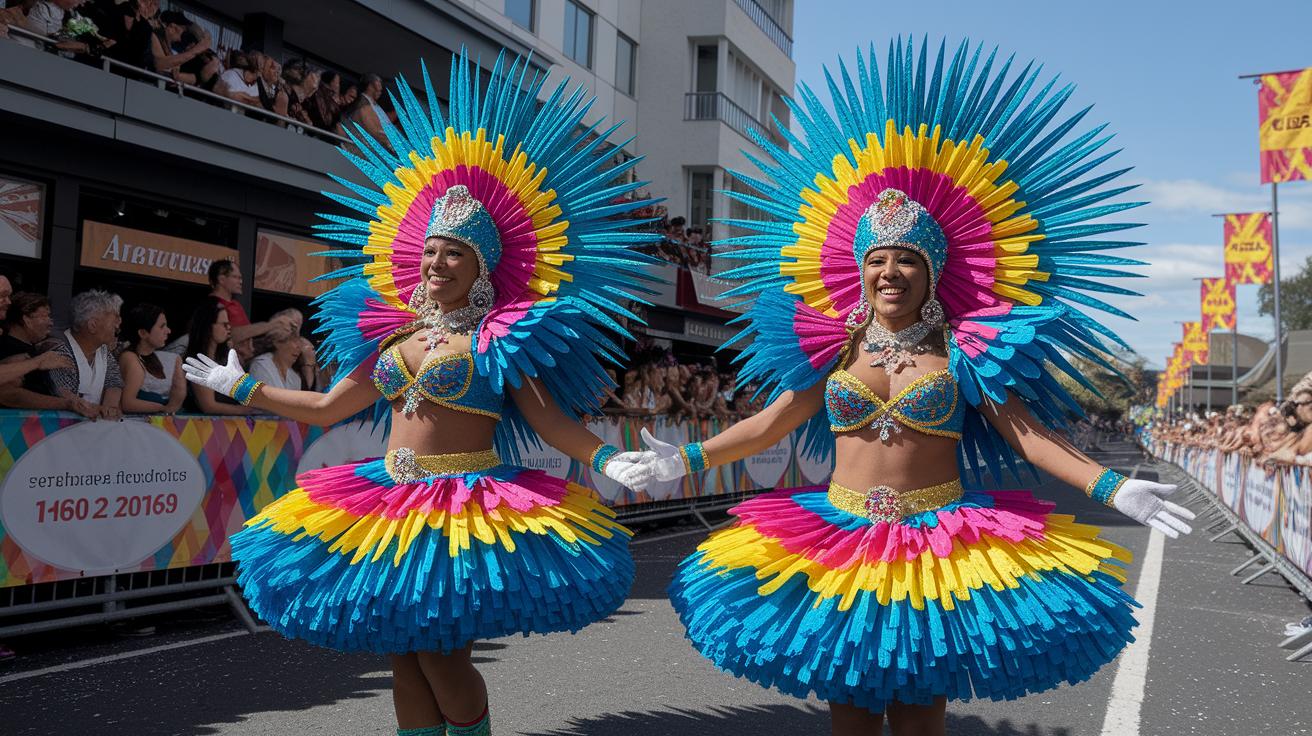
After emancipation, Carnival grew into a celebration full of community pride and shared memories instead of just a break from plantation life. Locals often say, "Each costume is more than fabric, it’s my story," showing how simple outfits turned into detailed outfits that honor personal heritage. This change made Carnival not only a public party but also a warm tribute to strength and the reclaiming of cultural identity. Compared to other regional festivals, this celebration focuses on the community’s shared tale, making it a living expression of their collective memory.
Over time, the old tradition of stick fighting was replaced by the steelpan, adding a creative voice to Carnival. People remember early makers who turned oil-drum lids into musical instruments, sparking rhythmic parades in place of physical displays. One observer said, "The steelpan’s beat tells tales of transformation," highlighting how this change showed community creativity and built a musical bridge from historic struggles to modern expression.
Regional Diversification of Caribbean Carnival Origins
The Caribbean Carnival started in Trinidad but quickly spread to other islands, each adding its own special twist. Local communities embraced the joyful spirit of the event, turning it into a colorful celebration that reflects their unique history, music, and traditions. Every island sprinkles its own flavor onto the carnival vibe, inviting everyone to share in a blend of heritage, creativity, and pure fun.
Take Jamaica, for example. Back in 1990, Bacchanal Jamaica emerged as a fresh take on carnival, featuring custom-made costumes and the famous Road March in Kingston. Then there’s Barbados, where Crop Over lights up the summer in July. This festival marks the end of the sugar-cane harvest with lively last-cane deliveries and playful pageantry. Over in Dominica, J’Ouvert festivities keep the calypso beat alive by blending indigenous rhythms with vibrant street culture, a true heartwarming celebration of island life.
Even though each island carves out its own celebration, they all share common threads. Each festival dazzles with intricate masquerade costumes, rhythmic tunes that fill the streets, and a welcoming sense of community pride. Whether steeped in age-old traditions or spiced up with new ideas, every carnival is a lively invitation to join in the collective revelry.
Cultural Legacy and Modern Celebrations of Caribbean Carnival Origins
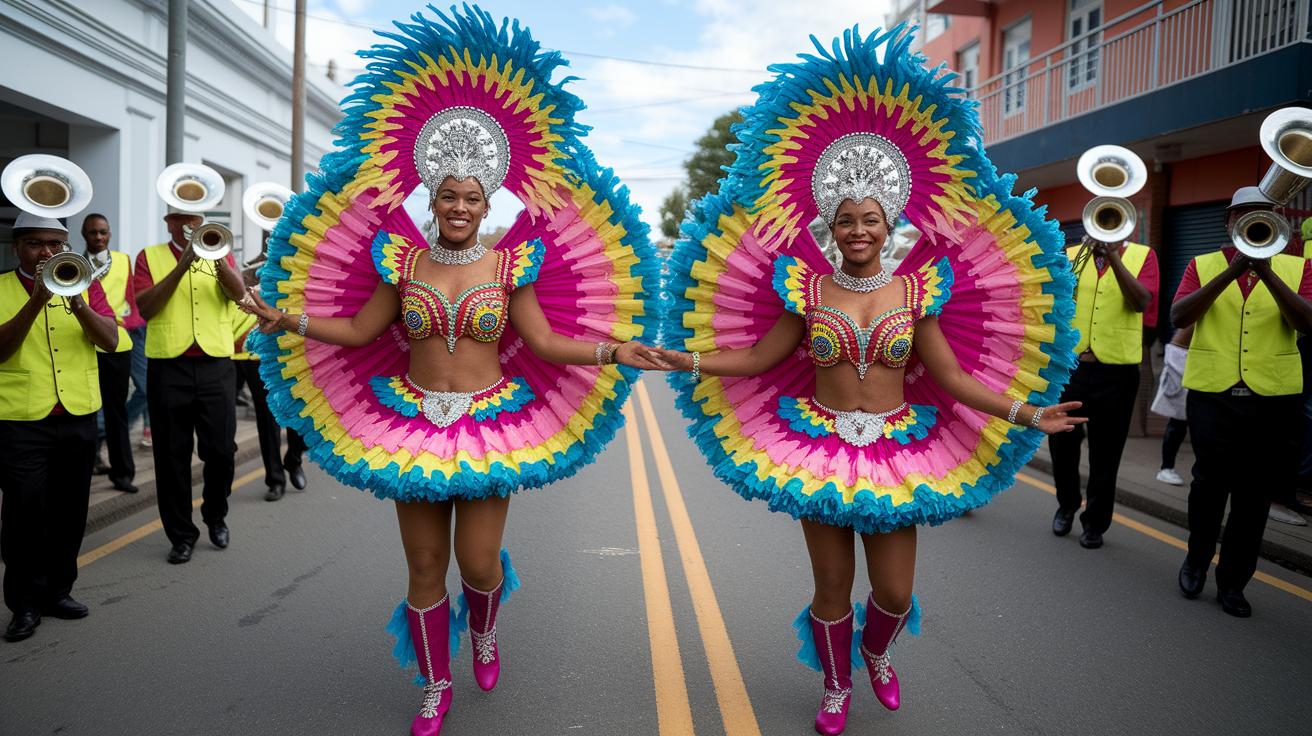
Modern Caribbean Carnival is an epic celebration that fills the streets with life and laughter. Every year, thousands of visitors come to Trinidad to join in the fun. In 2018 alone, over 30,000 people experienced the vibrant energy of colorful mas bands, lively costume contests, and joyful family J’Ouvert parties (J’Ouvert is a pre-dawn street party full of music and dancing). The air is thick with the infectious sounds of calypso and soca music that seem to wrap you in a warm, rhythmic hug. Imagine strolling down a road lined with brilliant parades, where every beat, every costume, and every smile whispers a tale of hard work, creativity, and pride.
Each Carnival promises a fresh twist on tradition through new themes that spark innovative designs in masked pageantry. Every year, organizers and performers reimagine their costumes, transforming old customs into bold, new expressions of art. Many participants say, “Our costumes are like our personal diaries,” as they share stories of their past and hopes for the future. With themes that echo both historical roots and futuristic dreams, the festival is a joyful mix of the old and the new. This unique blend of traditions and modern flair keeps Carnival at the heart of Caribbean culture, inviting everyone to celebrate life with passion and unity.
Final Words
In the action, the narrative traced the origins of Caribbean Carnival from humble beginnings in Trinidad and Tobago to its modern vibrancy. We explored its historical foundations through European influences and African cultural roots, and witnessed how freedom shaped its evolution. Each transformation, from traditional masquerades to lively steelpan beats, adds deep meaning to today’s celebratory events. The rich history and ever-changing rhythm remind us that the origins of Caribbean Carnival still pulse like a heartbeat, sparking positive energy every time the beat drops.
FAQ
What does the Wikipedia entry on Caribbean Carnival outline?
The Wikipedia entry on Caribbean Carnival outlines its evolution from early celebrations by enslaved Africans in Trinidad & Tobago, blending Catholic pre-Lenten practices with African cultural influences over time.
How does the timeline of Caribbean Carnival unfold?
The timeline of Caribbean Carnival begins in the late 1700s with enslaved Africans crafting their own festivities, marked by key milestones such as the 1834 emancipation and the 1937 emergence of the steelpan.
How is slavery connected to the origins of Caribbean Carnival?
The connection to slavery in Caribbean Carnival is seen in how enslaved Africans, excluded from French masquerade balls, created spirited street celebrations using discarded fabrics and indigenous rhythms.
How did Caribbean Carnival costumes develop over time?
Caribbean Carnival costumes developed from simple, discarded garments used by enslaved Africans into elaborate, sequined ensembles that visually celebrate the island’s rich cultural heritage.
How did Carnival emerge in Brazil and what are its features?
Carnival in Brazil emerged by blending European pre-Lenten traditions with African and indigenous influences, leading to an energetic festival celebrated with lively parades, samba music, and striking costumes.
What does Carnival in the Caribbean represent?
Carnival in the Caribbean represents a vibrant, community-driven festival that fuses African rituals with European influences, resulting in colorful street parades, dynamic music, and elaborate masquerade events.
Where did the concept of Carnival originally begin?
The concept of Carnival began with ancient pagan celebrations and Catholic pre-Lenten feasts, later evolving in regions like the Caribbean as communities reinterpreted these traditions into their own festive expression.
Who initiated Caribbean Carnival celebrations?
Caribbean Carnival celebrations were initiated by enslaved Africans in Trinidad, who, barred from participating in European festivities, created their own cultural expression through inventive public celebrations.
Is Carnival viewed as a pagan celebration?
Carnival is not viewed strictly as a pagan celebration; it incorporates ancient pagan customs alongside Catholic pre-Lenten practices, creating a blend of rituals that reflect diverse cultural origins.
Where was the first Caribbean carnival held?
The first Caribbean carnival was held in Trinidad, where enslaved Africans crafted their own cultural festivities in response to exclusion from European masquerade events.
What is the Toronto Caribbean Carnival all about?
The Toronto Caribbean Carnival is a vibrant urban celebration inspired by Caribbean traditions, featuring dynamic parades, colorful costumes, and lively music that bring island culture to the city.
What cultural elements define the Notting Hill Carnival?
The Notting Hill Carnival is defined by its celebration of Caribbean heritage through street parades, rhythmic music, and expressive costumes, highlighting community spirit and cultural pride in London.
How does Venice Carnival compare to Caribbean Carnival?
Venice Carnival is famed for its mysterious masks and historic pageantry, offering an elegant but contrasting festival experience compared to the energetic, culture-rich celebrations of Caribbean Carnival.
What distinguishes Oktoberfest from Caribbean Carnival?
Oktoberfest is distinguished by its focus on beer, food, and Bavarian traditions, contrasting with Caribbean Carnival’s origins in cultural resistance and its emphasis on music, dance, and colorful masquerade.
What characterizes Rio Carnival?
Rio Carnival is characterized by its spectacular parades, rhythmic samba beats, and dazzling costumes, showcasing a fusion of European, African, and indigenous influences that make it a world-renowned festival.
