Ever wondered if Caribbean Carnival is even older than you think? It all started long ago with ancient people who celebrated with huge feasts and mysterious masked dances as part of sacred rituals. European colonists later brought their own spark, mixing these age-old traditions with local customs. Today, the Carnival explodes in color and life, echoing ancient Roman feasts and old masquerade balls. It's not just a party, it’s a lively celebration filled with history and shared spirit.
Early Foundations of Caribbean Carnival
Caribbean Carnival has roots that reach back to ancient times. Long ago, Egyptians, Greeks, and Romans held lively pre-Lenten parties. Think about it: imagine ancient Romans enjoying big feasts and wearing masks, mixing solemn rituals with pure, wild fun.
Then, as time went on, these celebrations blended with Roman Catholic traditions from medieval masquerade balls. When European colonists sailed to the Caribbean, they brought these customs with them. Over the years, local influences spiced up these old traditions and turned them into a colorful celebration filled with art and energy. Every Carnival event today feels like a warm nod to these rich histories.
| Era | Tradition | Region |
|---|---|---|
| Classical Antiquity | Pre-Lenten parties, feasts, and masquerades | Mediterranean |
| Medieval Period | Roman Catholic masquerade balls | Europe |
| Caribbean Adaptation | Mix of European traditions with local customs | Caribbean |
Over time, Caribbean Carnival became a lively showcase of art and history. European practices mixed with native customs to create a festive spirit that continues today. Every celebration pulses with the echoes of a time when rituals and revelry together painted a joyful picture under an open, sunlit sky.
African Infusion and Indigenous Traditions in Caribbean Carnival
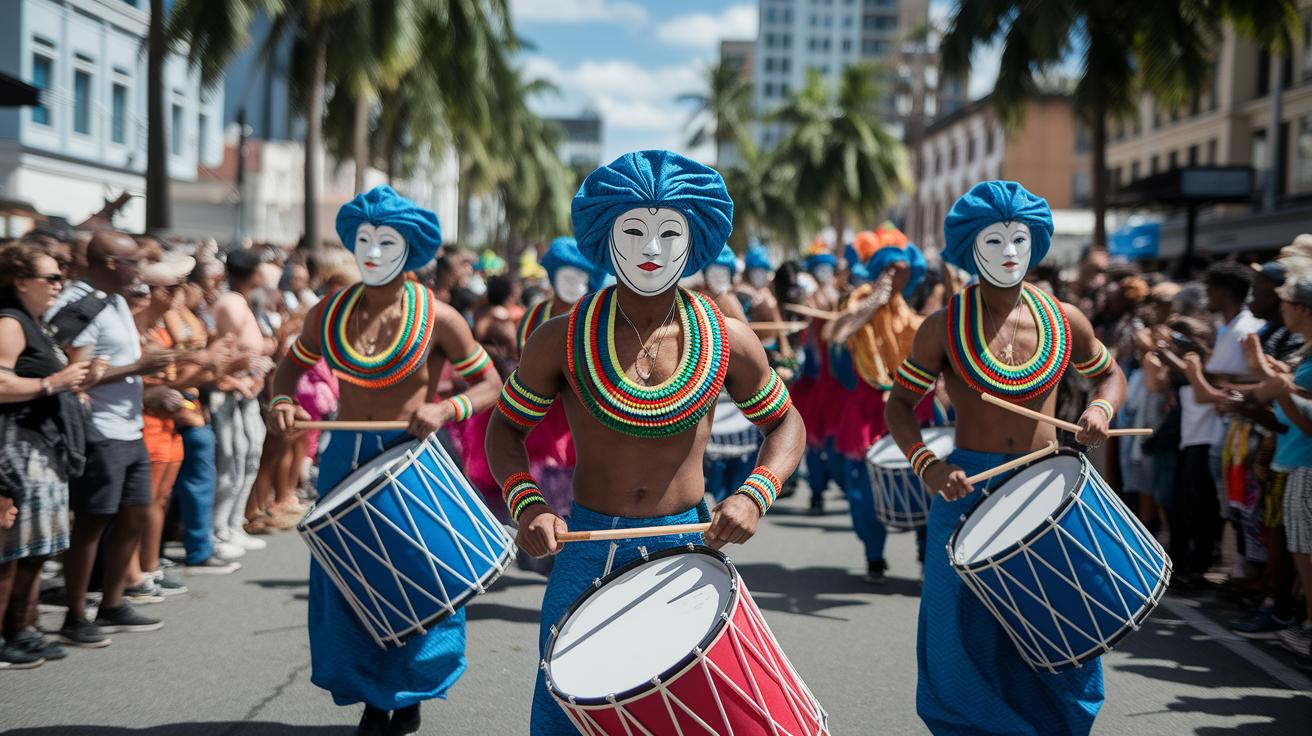
African and native traditions team up to create the heart and soul of Caribbean Carnival. Yoruba mask-wearing and drumming from Nigeria join local masquerade customs to form an inviting mix of art and culture. Imagine walking through streets alive with the sound of rhythmic drums while colorful masked dancers pay tribute to their roots. This blend of deep African influence and local heritage creates a meaningful celebration that shows off a rich history.
Every drumbeat and dazzling costume shares a story of cultural pride and enduring strength. Each masked parade feels like a joyful gathering where old and new join hands in celebration. In truth, every dance and every song is a warm reminder of a past that still lives on.
- Mixing Yoruba traditions with local masquerade styles forms a vibrant tapestry of culture.
- Drum rhythms pulse like the heartbeat of ancient traditions, echoing memories from long ago.
- The masked parades stand as living symbols of a culture that remains strong and true.
Colonial Impact on Caribbean Carnival Origins
Under colonial rule in the Caribbean, the way people celebrated shifted into a mix of high style and quiet rebellion. European settlers brought their fancy masquerade balls filled with dazzling costumes and refined pageantry. Meanwhile, on the sugar plantations, enslaved Africans saw these events differently, they turned them into lively, secret parades known as Canboulay. These hidden celebrations, where they even put out fires in the cane fields, became a gentle yet bold way to push back against those who tried to silence them.
- The grand European masquerade balls set a high mark that later became a subtle blueprint for local twists.
- Enslaved Africans took these ideas and created Canboulay parades to quietly share their deep cultural pride.
- Acts like extinguishing cane-field fires and wearing makeshift costumes became a small but powerful form of resistance.
Living under tough colonial controls and hard work on sugar plantations meant finding creative ways to celebrate life. With authorities always looking to shut these events down, these reimagined festivities became an important outlet for expressing identity and bringing communities together. Every mask and every burst of music tells a story, a story of strength, a spark of defiance, and a tradition that still shines brightly in today’s Caribbean carnival.
Emancipation’s Role in Shaping Caribbean Carnival
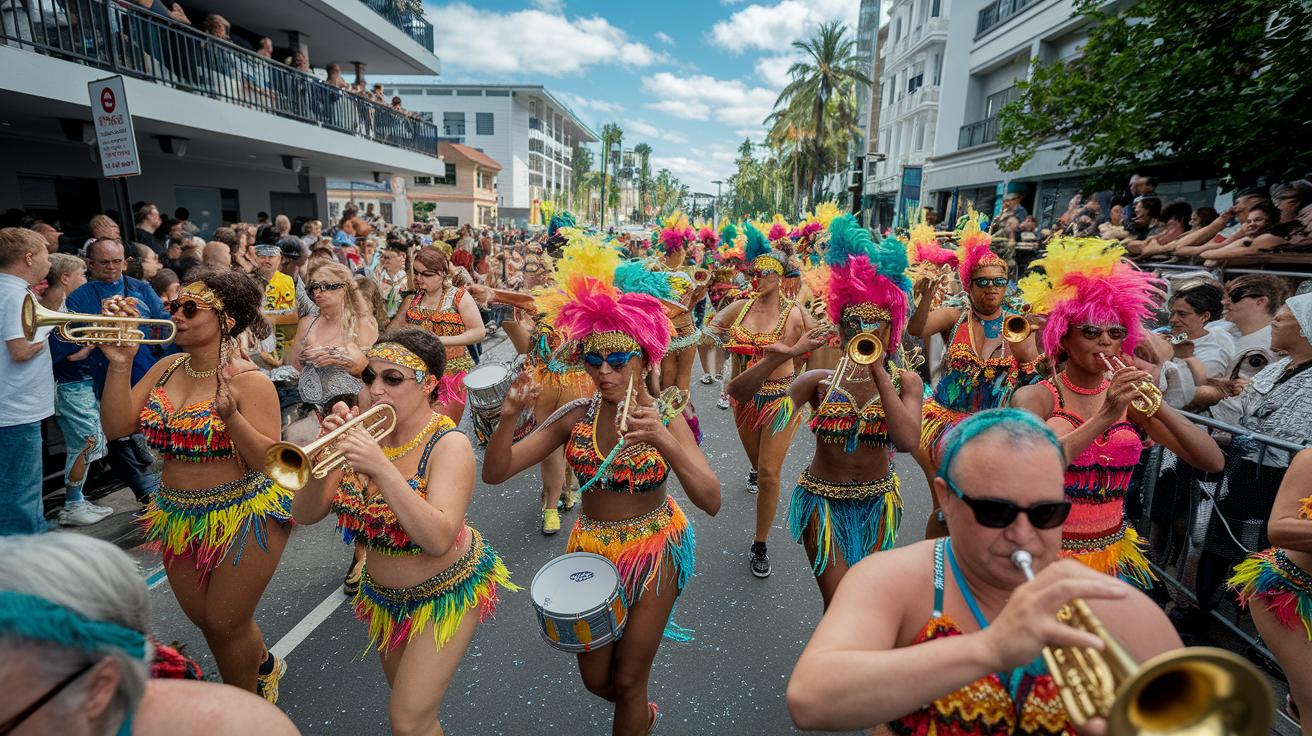
Back in 1834, when Trinidad celebrated its freedom, something amazing started. Freed Africans mixed old Canboulay traditions, secret street parades they once held while fighting fires in the sugar cane fields, with the lively spirit of European Mardi Gras masquerades. This mix sparked a burst of music, dance, and colorful costumes, shifting from quiet endurance to open, joyful celebration.
Soon after, people took to the streets for open-air parades. They danced with all their heart, wearing bright costumes that told tales of hard times and strength. African drumbeats blended with European festive sounds, creating a ritual that radiated both relief and pride.
Over time, this spirited celebration grew into an annual festival that unites communities. Families and friends come together to enjoy rhythmic music, dazzling colors, and energetic street parades that keep the story of freedom alive. Every dance and every costume shares a piece of the past and shows that Carnival is a tribute to reclaimed lives and fresh beginnings.
Origins of Caribbean Carnival: A Vibrant History
Caribbean Carnival is all about creativity and heart. The story begins with locals turning simple masquerade clothes into dazzling outfits covered in feathers and sequins. At first, people wore basic costumes, but as time went on they reinvented everything into something truly show-stopping!
And then there’s the music. When bamboo stick drumming was banned, clever islanders found new ways to make music by using everyday items. They even started using frying pans and oil drums to keep the beat alive. This inventive spirit eventually led to the steelpan, a key part of carnival that still fills the air with vibrant rhythms today.
Calypso music, which once softly played in market squares, grew into the energetic beats of soca, a sound that makes you want to dance. Imagine a time when frying pans were the hottest instrument around, sparking a rhythmic revolution under the Caribbean sun. It was all about resourcefulness and fun, creating a lively celebration full of colorful costumes, infectious music, and a rich history of creative transformation.
Every beat on a steelpan tells a story of daring and tradition, while every dazzling costume stands as a reminder of cultural resilience and flair. Together, these elements continue to make carnival a captivating spectacle that mixes history with pure, joyful energy.
| Element | Early Form | Carnival Adaptation |
|---|---|---|
| Steelpan | Banned bamboo stick drumming | Frying pans and oil drums |
| Music | Calypso rhythms | Soca beats |
| Costume | Basic masquerade wear | Feathered and sequined outfits |
Caribbean Carnival Variations Across Islands
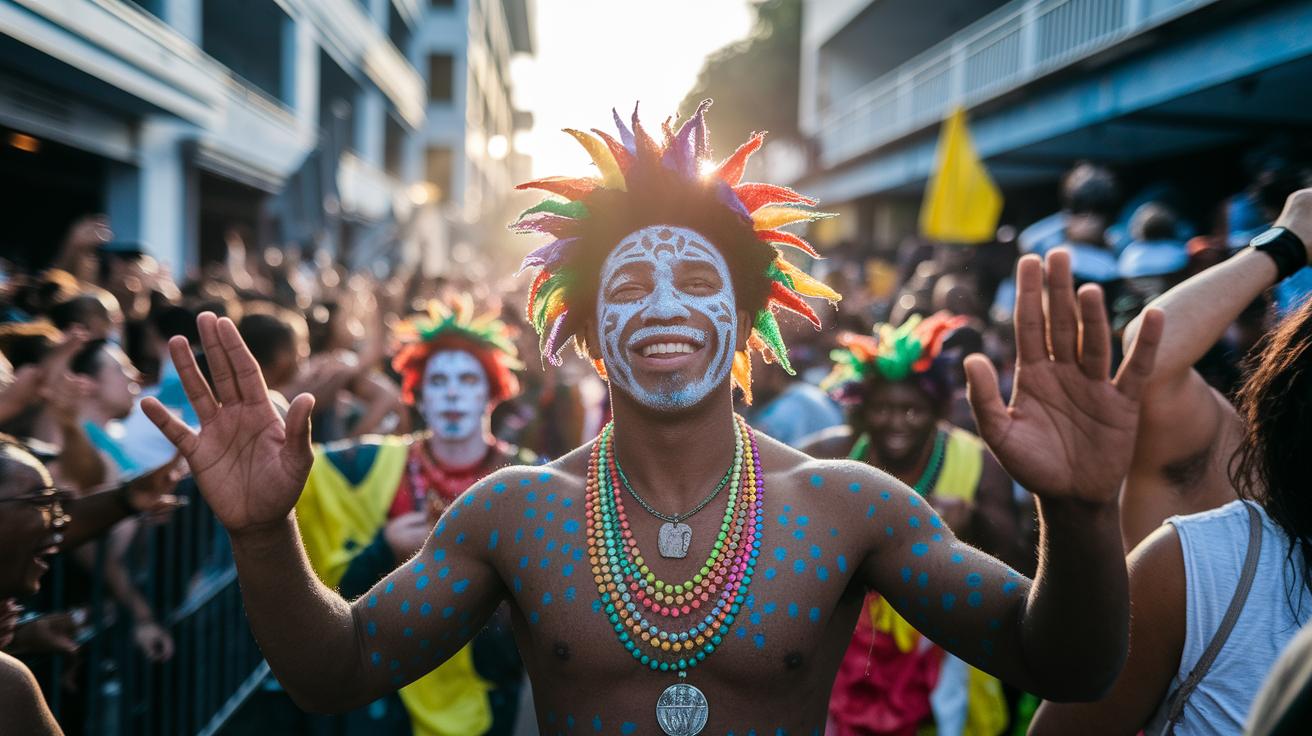
Across the Caribbean, Carnival is more than just a party, it’s a colorful mix of traditions that greet you like an old friend on a sunlit morning. Each island puts its own spin on the celebration, mixing music, dance, and a spirit of togetherness that fills the air with excitement.
In Antigua, the J’ouvert parade kicks off the day with a burst of energy and a splash of vibrant colors as the sun peeks over the sea. Imagine the early hours filled with laughter, drumbeats, and art that wakes you up with pure delight.
Over in Dominica, Carnival takes on a playful feel with calypso competitions. These contests blend clever wordplay and catchy tunes, inviting everyone to cheer on the performers and enjoy the relaxed, joyful spirit of the island.
Then there’s St. Vincent and the Grenadines, where lively Landship mas groups transform the streets into little stages. Their theatrical displays pay tribute to the islands’ maritime heritage while adding a touch of humor and storytelling that feels like a beachside chat with a dear friend.
Martinique dazzles with its pre-Lenten Carnival events. Here, age-old traditions mix with energetic street celebrations, creating a scene that’s both respectful of the past and thrillingly alive in the present. It’s like watching a long-loved movie with a few unexpected plot twists.
Meanwhile, in Haiti, rural Rara processions fill the air with earthy drumbeats and horn sounds that echo through small communities. There’s a warm, reflective spirit here, as people come together to celebrate life in a way that feels honest and full of heart.
- Antigua’s J’ouvert parades spark the morning with raw energy and vibrant artistry.
- Dominica’s calypso competitions create playful contests filled with witty rhymes and rhythmic beats.
- St. Vincent and the Grenadines’ Landship mas groups put on fun skits that echo their maritime roots.
- Martinique’s pre-Lenten Carnival beautifully mixes cherished traditions with lively street celebrations.
- Haiti’s rural Rara processions resonate with earthy drumbeats and horn sounds, uniting communities in heartfelt joy.
Contemporary Significance of Caribbean Carnival Origins
Today, Carnival bursts with energy, blending a rich history with a modern twist. You might have heard about the huge celebration in Trinidad & Tobago back in 2018 when over 30,000 people joined in the fun. It shows just how Carnival stays at the heart of cultural pride and even gives a nice boost to local economies. From London to New York, people come together, keeping alive the old beats and traditions that sparked it all. And it's not just about music and dance, it's a beautiful way to bring communities together, celebrate shared roots, and enjoy lively parades that spark joy.
Global events hosted by Caribbean communities around the world capture that original Carnival vibe, turning time-honored rituals into celebrations that cross borders. Then there are family events like Kiddies Carnival, where local gatherings help strengthen community bonds and nurture a sense of pride in cultural heritage.
These vibrant celebrations carry forward stories of past struggles and creative triumphs into our everyday lives. The impact of Carnival stretches far beyond the islands. Its festive spirit continues to be a lively stage for cultural exchange, uniting people of all backgrounds. Through spirited parades and warm, community-driven festivities, Carnival today not only honors a deep heritage but also lights the way for future generations to keep the tradition alive.
Final Words
In the action of tracing Caribbean Carnival origins, the post takes us from ancient ancient rituals to the fusion of African and indigenous cultures. It explains how colonial times sparked a unique shift and how emancipation turned secret celebrations into open festivities. The evolution of costumes, music, and island styles adds a colorful brushstroke to each festival. The rich origins of caribbean carnival remind us that every beat and step carries a story of pride and creative spirit. Enjoy the vibrant vibes along each rhythmic moment.
FAQ
What are the pagan origins of Caribbean Carnival?
The pagan origins of Caribbean Carnival come from early pre-Lenten rituals practiced by ancient cultures. These rituals mixed with European masquerade traditions to form the lively festival we see today.
What is the timeline for the origins of Caribbean Carnival?
The timeline for Caribbean Carnival starts with ancient pre-Lenten celebrations, moves to medieval masquerade balls, and evolves through colonial transformations into post-emancipation street celebrations.
How did slavery influence the origins of Caribbean Carnival?
The influence of slavery on Caribbean Carnival is seen in the adaptation of European festivities by enslaved Africans, who used music, dance, and masquerade as a way to express resistance and cultural pride.
What is the history behind Caribbean Carnival costumes?
The history behind Caribbean Carnival costumes began with European masquerade balls and evolved through African and indigenous influences, resulting in the bright, feathered, and sequined attire worn today.
What exactly is Carnival in the Caribbean?
Carnival in the Caribbean is a festive celebration marked by parades, music, dancing, and colorful costumes. It reflects a blend of European, African, and indigenous traditions that create its unique spirit.
Where did Carnival originate and how is it linked to Brazil?
Carnival originated from early pagan and European ritual celebrations and later spread to places like Brazil, where it developed its own flair while maintaining shared roots with the Caribbean festivities.
Which ethnic group introduced Carnival customs to the Caribbean?
African cultural traditions played a key role in introducing Carnival customs to the Caribbean, as enslaved Africans infused local festivities with mask-wearing, drumming, and dance.
How do other famous Carnival celebrations compare to Caribbean Carnival?
Celebrations like Brazilian Carnival, Toronto Caribbean Carnival, Notting Hill Carnival, Venice Carnival, Oktoberfest, and Rio Carnival share the festive spirit and historical fusion of cultures that also define Caribbean Carnival.
