Ever wonder if Caribbean art made over centuries can keep up with our fast-paced world? Local artisans blend old, cherished skills with new techniques to match changing tastes. Take Maria, for example, she mixes tradition with a splash of creativity to uncover unexpected opportunities. Every day, shifts in the economy and culture challenge these time-honored methods. Let’s dive in and see how Caribbean craftspeople hold onto their rich heritage while adapting to modern life.
Overview of Modern Challenges for Caribbean Artisanal Traditions
Caribbean art is like a colorful mix of different cultures that have been blending together for nearly 6,000 years. It’s grown from African, European, Indigenous, and Asian influences into something truly unique. Today, local artisans face challenges that put this rich tradition at risk. Many traditional methods now have to compete with mass-produced, factory-made items, and customer tastes are shifting towards products that mix the old with the new.
Think about Maria’s journey. Before she became a well-known craftswoman, she discovered that mixing age-old techniques with modern ideas could open up fresh opportunities. It’s a simple reminder that even traditions must sometimes change to thrive.
Economic struggles add even more pressure. Many artisans depend on tourism, which has taken hits from economic downturns and events like pandemics. With less funding and fewer community events, younger artists are choosing steady jobs over learning and passing on these traditional skills. New materials and design ideas from around the globe sometimes clash with time-honored methods, forcing artists to rethink their craft constantly.
In truth, the tug-of-war between keeping old practices alive and embracing fast-moving global trends makes it tough to stay true to Caribbean cultural roots. Facing these economic, cultural, and competitive challenges is no easy task, and it makes you wonder how these unique traditions can continue to shine in our modern world.
Globalization’s Influence on Caribbean Craftsmanship
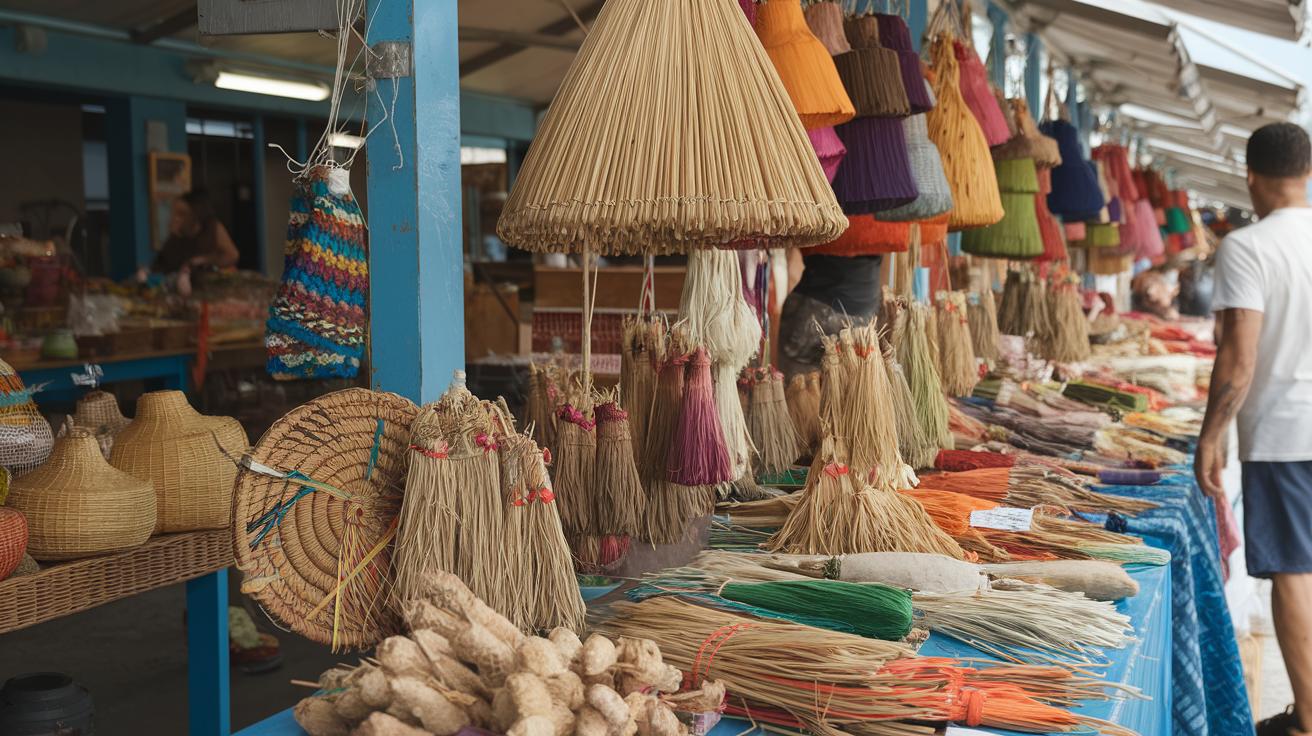
Globalization is changing the way Caribbean crafts are made and sold. Local artisans now have to face a market filled with machine-made products that challenge old, cherished methods. Back in the day, colonial powers looked down on indigenous techniques, and that history still affects how people see traditional crafts. When new cultures joined the mix, especially during big waves of migration like the Windrush Generation, they brought new materials and design ideas that sometimes clash with time-honored ways. As international trade grows, local makers feel the push to compete with mass-produced goods while keeping their rich Caribbean heritage alive.
Picture strolling through a bustling craft market. You might see an artisan carefully weaving age-old patterns into a colorful textile. They might share, "When new styles arrived, it felt like the shades of our history met the bright tones of today." This simple truth shows just how tricky it can be: keeping a strong cultural identity while also appealing to a worldwide crowd. Today, Caribbean craftsmen are in a constant dance between preserving old traditions and embracing new trends. Every piece they create tells a story of history meeting modern flair, a blend that makes each work truly special.
Economic Pressures and Market Access Challenges for Island Artisans
Many island artisans create handmade treasures like fabrics, pottery, jewelry, woodwork, and metal pieces that keep their families afloat. These unique crafts carry a slice of island life, but they also come with tough economic pressures that make it hard to succeed long-term.
Getting their work to buyers isn’t simple. Strict export rules and changing tastes, since many today favor mass-made items, can really block the way. One artisan recalled, "Before COVID, our stalls were buzzing with local visitors; now they sit empty," a clear sign of how times have changed.
Then COVID hit, knocking out a key income stream by wiping out tourism. With fewer visitors, many creators find themselves struggling with lower earnings and reduced exposure. And it doesn’t stop there; stiff competition from mass-produced goods, rising raw material costs, market ups and downs, and complicated licensing rules all add to their daily challenges.
Artisans face some big hurdles, including:
- Competition from cheap mass-produced imports
- Unpredictable raw material costs
- Dependence on seasonal tourist sales
- A limited online (e-commerce, or buying and selling online) setup
- Complex export licensing requirements
- Scarcity of small-business loans
All these pressures force many local makers to find new ways to keep their craft alive or risk losing a vital piece of the island’s cultural soul.
Cultural Identity Evolution and Authenticity Debates in Caribbean Artisanal Practices
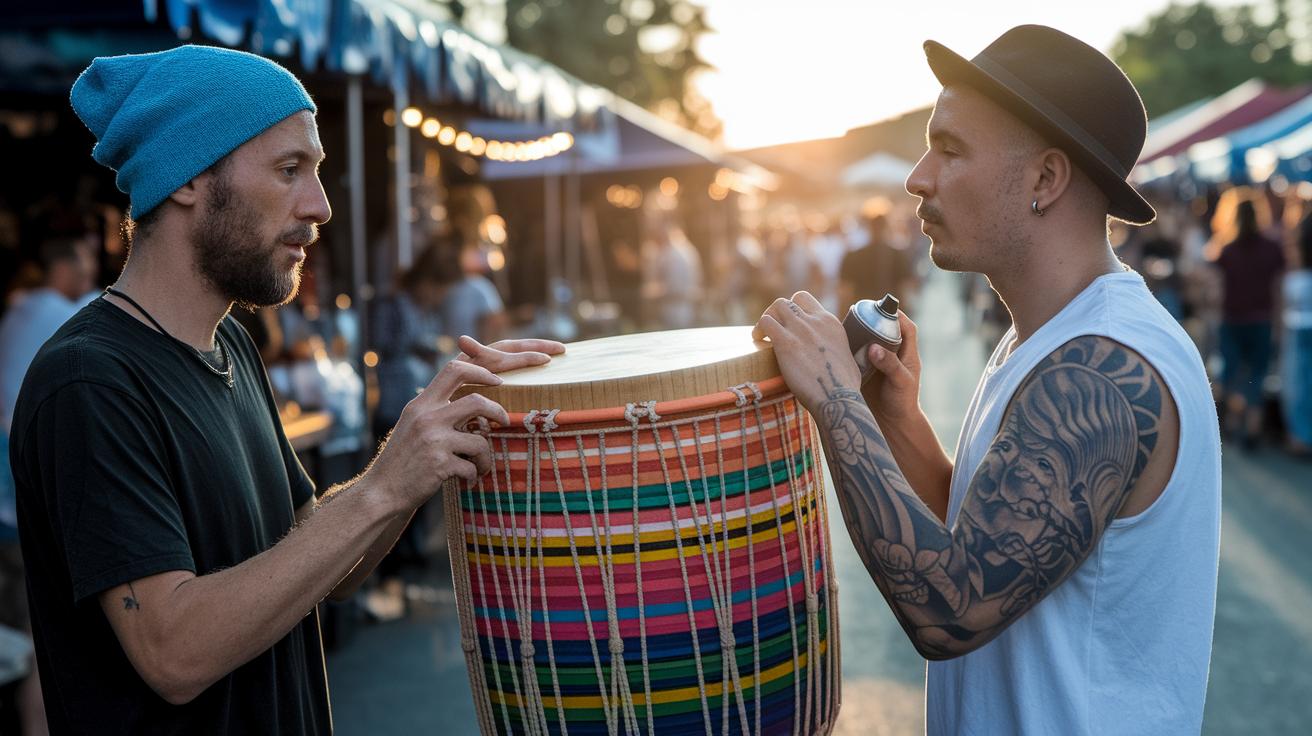
Caribbean craft communities have a challenge today. They want to honor their old traditions while adding fresh twists to catch the eye of today's buyers. Modern makers mix Indigenous, African, and hybrid styles with new ideas. Many artisans ask, "Does blending classic techniques with new ways water down the special feel of our work?" One local artist shared, "I mix my ancestors' art with what speaks to me now. It’s like adding a splash of tropical flavor to an old favorite recipe."
Urban street art and tattoo culture now tell lively stories of who we are. Even when media pressure weighs in, these art forms stand strong as true symbols of cultural identity. The ongoing debates show just how tricky it can be to mix new influences without losing the old soul. Yet, this blend of past and present remains as exciting as it is challenging.
Case Studies of Resilient Adaptation in Caribbean Artisanal Traditions
At Guadeloupe’s Festival International de Musique Saint-Georges, local craftspeople and performance troupes join forces to celebrate the 280th birthday of Joseph Bologne. They mix old, cherished handcrafting methods with a new wave of creativity, all supported by helpful corporate sponsors. One instrument maker shared, "We’re breathing new life into time-honored techniques," showing how modern ideas blend with traditions. This partnership not only revives cherished cultural skills but also sparks local pride and draws in curious visitors.
In Jamaica, the Beef Patty is far more than a simple snack, it’s a delicious slice of cultural history that brings together European, African, and Indian flavors. Local baking groups have polished an age-old recipe, turning it into a treat now loved around the world. Many say that making these patties is like mixing local heritage with global tastes, keeping an old recipe alive while meeting export demands with fresh ideas.
Down in French Guiana, the Grajé Dance continues to tell the story of its people. Local community schools now offer classes where young dancers learn classic steps mixed with modern beats. With extra support from the government, these classes help keep the tradition thriving. One teacher remarked, "Every beat carries our history," highlighting how each movement keeps cultural memories alive and strong.
| Case Study | Tradition | Adaptation Strategy |
|---|---|---|
| Guadeloupe Festival | Instrument Craftsmanship | Public-private sponsorships |
| Jamaican Beef Patty | Culinary Art | Co-op production & export branding |
| Grajé Dance | Folk Dance | Community workshops & youth programs |
Strategic Initiatives and Public-Private Partnerships for Craft Preservation
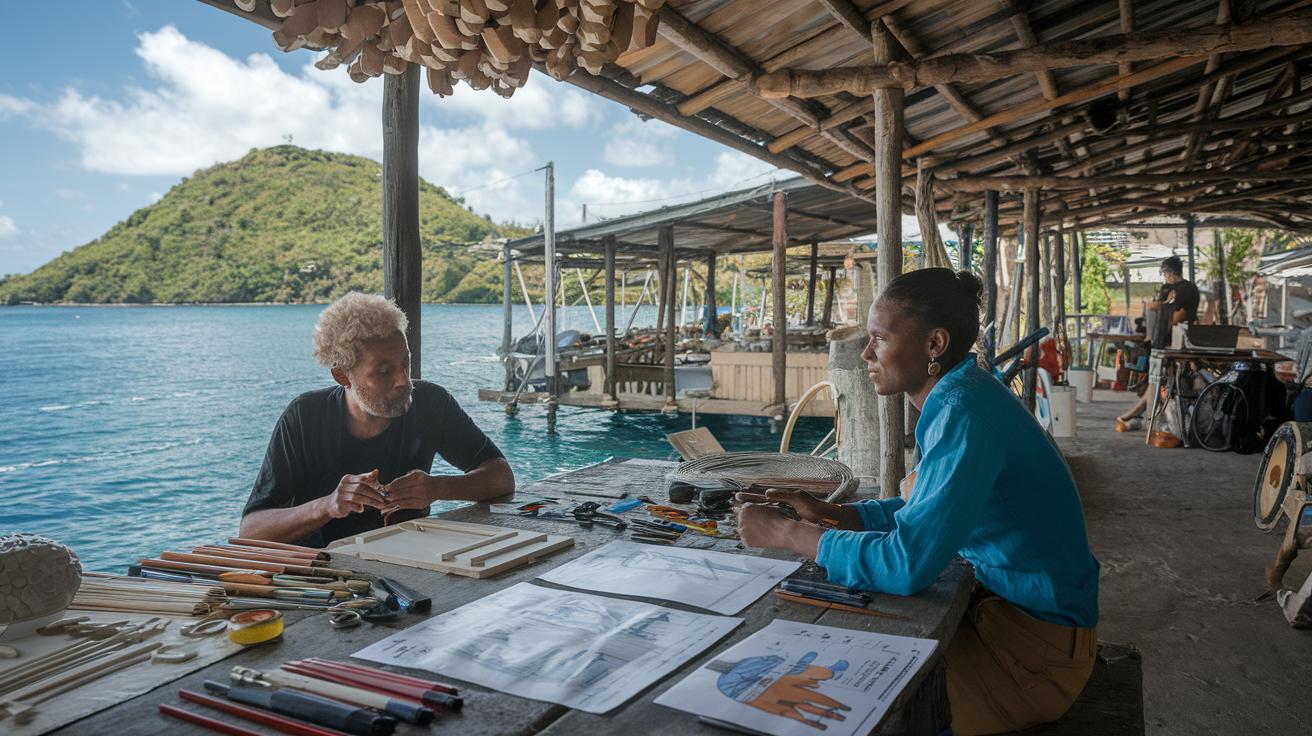
Local experts say that when cultural ministries join hands with local businesses, new funds can be found to support Caribbean artisans. Working together, these groups can help change rules to make getting grants easier and back creative spaces for local culture. One cool idea is to set up workshops for artists on managing their careers, learning basic accounting (a way to keep track of money), and marketing their work. Fun fact: In one small island village workshop, an artisan discovered that learning a bit about accounting bumped up his monthly earnings by over 20%!
By cutting down on paperwork and removing confusing steps for small creative businesses, government help can ease some pressure on traditional artisans. Mixing funds from different groups means less dependence on tourist seasons or one source of income. When local sponsors and cultural ministries share what they have, artists can earn a steadier income to upgrade their techniques while still keeping the old traditions alive.
Key ideas include:
| Idea | Description |
|---|---|
| Simplified Grant Applications | Easier forms for artists to ask for financial help |
| Cultural Incubators | Spaces that nurture creative ideas and help businesses grow |
| Artist Management Workshops | Training sessions to boost everyday business and creative skills |
These plans aim to build a steady financial base and empower a creative community that supports itself. With practical help and focused training, Caribbean artisans have a brighter future, preserving and growing their rich craft traditions for generations to come.
Embracing Digital Transformation and Engaging Caribbean Youth in Craft Traditions
Technology has become a big part of how Caribbean artisans share their talents. Social media and digital platforms let craftspeople show off their work with just a few clicks, reaching far-off corners of the world. One artisan even said, "I post photos and videos of my work online, and suddenly, people from different parts of the world want to learn my techniques." This digital shift gives these gifted individuals a simple way to display their art and connect directly with new buyers.
But not everyone finds this change easy. Some people aren’t comfortable using digital tools yet, and young artisans can feel a bit lost trying to blend old craft traditions with today's technology. It’s like missing that familiar feel of a handmade process while trying to navigate a new online world. These digital challenges sometimes stop youth from joining online craft fairs or virtual cooperatives that mix heritage skills with modern selling.
To help with this transition, local groups are now hosting friendly workshops and online sessions. They work hard to connect traditional methods with modern marketing, showing that a little digital savvy can keep the rich cultural traditions of the Caribbean thriving while opening up exciting new opportunities.
Final Words
In the action, we explored the impact of globalization, economic pressures, cultural shifts, and the digital world on Caribbean craft. We saw case studies where local talent adapted to keep traditions alive while balancing fresh innovations.
We also uncovered strategic initiatives that support heritage preservation through public-private partnerships and digital tools. All these insights shine a light on modern challenges for caribbean artisanal traditions and leave us feeling hopeful.
