Have you ever wondered which Caribbean island feels like a hidden treasure? Cuba is the answer. Covering about 109,884 square kilometers, it’s the largest island in the region. Picture walking through streets filled with history and local charm, where every corner tells a story. Cuba’s generous size adds a special, welcoming vibe that makes you feel like you’re exploring a close-knit neighborhood even as you take in sprawling landscapes. Next, we’ll show you how this remarkable island blends vast beauty with heartfelt culture to stand out from the rest.
Caribbean’s Largest Island: Cuba in Focus
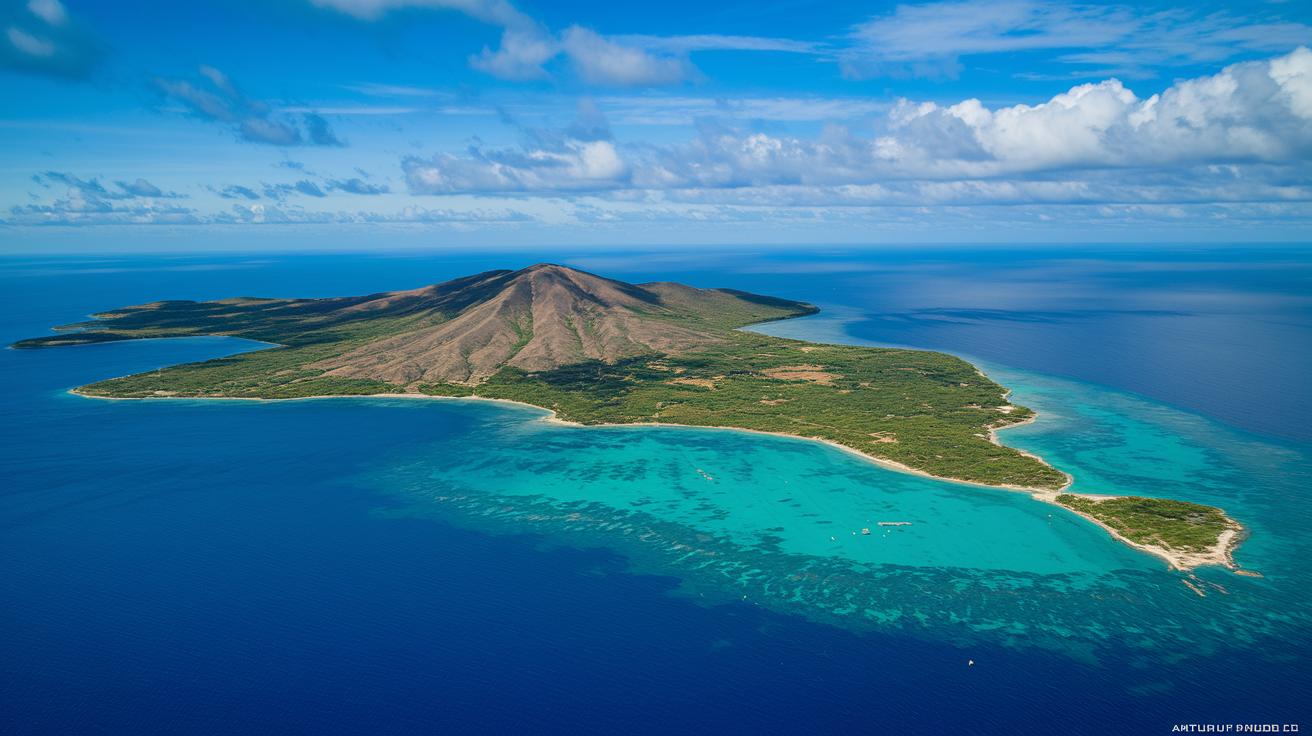
Cuba is the biggest island in the Caribbean, covering about 109,884 square kilometers (42,426 square miles). It sits in the northern Caribbean Sea, just off the eastern United States and near the Bahamas. Because of its huge size, Cuba is a standout island in the region and leads the pack in the West Indies. Travelers and researchers often point out that no other Caribbean island matches Cuba’s vastness, making it a key spot for anyone comparing island sizes.
This island’s large area gives room for its deep history and vibrant cultural heritage to thrive. The diverse landscapes, from lush fields to bustling market towns, have played a big part in shaping its role in trade and tourism. And if you’re into comparing Caribbean islands, Cuba naturally grabs your attention, just like you can see on the list of Caribbean islands at Caribiana.com. Its prime location also affects the local weather, lending a unique tropical flavor to every season.
Comparing Cuba with Other Major Caribbean Isles
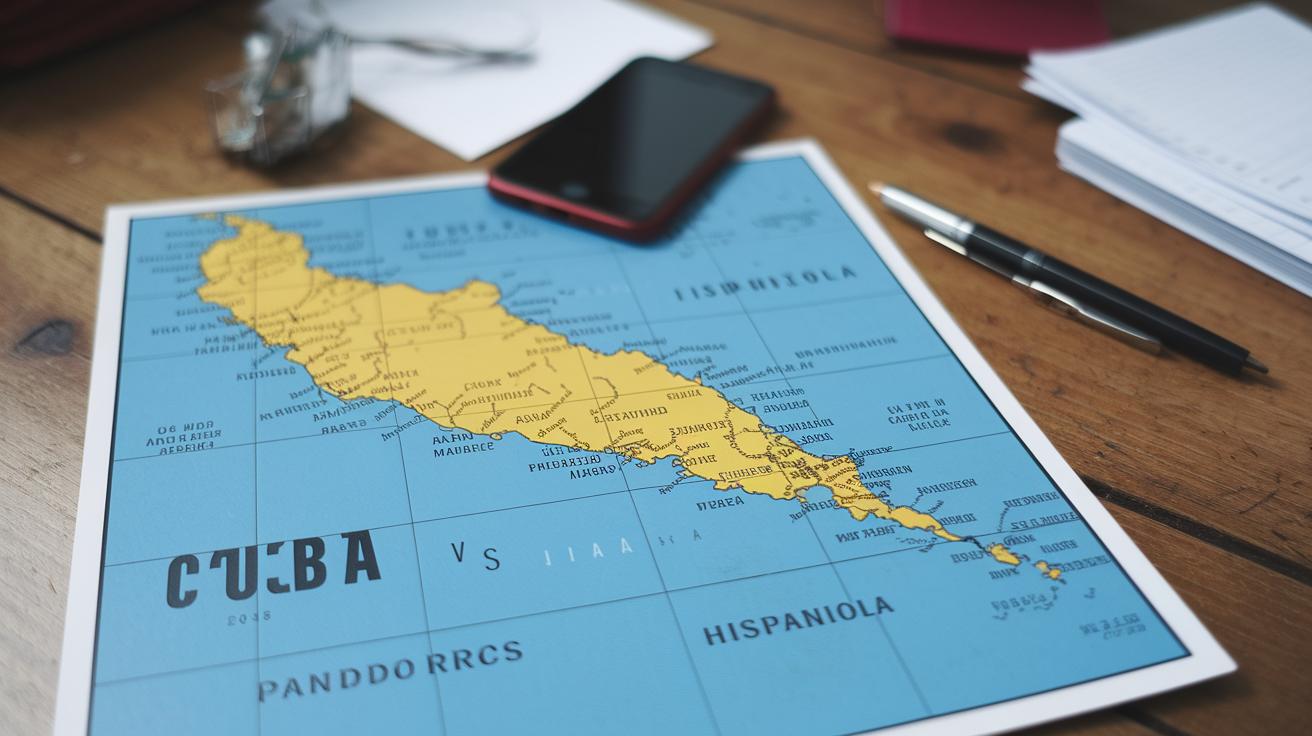
Cuba really stands out in the Caribbean, not just because of its size but due to the strong presence it brings to the region. With a whopping 109,884 km² of land, it easily overshadows its neighbors. For example, Hispaniola has about 76,192 km² and is the most populated of the group, while Jamaica covers nearly 10,991 km² and Puerto Rico is around 9,104 km². When you line these islands up, it’s clear that Cuba’s vast space gives it a bold and leading role in the West Indies.
This neat comparison makes you see the islands in a whole new light. Picture planning a trip as you glance at some numbers, each figure pointing to a unique slice of Caribbean life. Cuba’s expanse means plenty of different landscapes and experiences for you to explore. Meanwhile, Hispaniola’s lively streets and warm communities capture the buzzing energy of island life. Jamaica might be smaller, but it carries a rich and distinct culture, and Puerto Rico’s cozy size adds to its scenic charm.
| Island | Area (km²) | Population (approx) |
|---|---|---|
| Cuba | 109,884 | 11.2 million |
| Hispaniola | 76,192 | 21 million |
| Jamaica | 10,991 | 2.9 million |
| Puerto Rico | 9,104 | 3.2 million |
This friendly look at the numbers not only shows off Cuba’s massive size but also hints at the special vibe each island offers. It’s like each number is a secret guide to the many flavors of Caribbean life.
Geographic and Climatic Profile of the Caribbean’s Largest Island
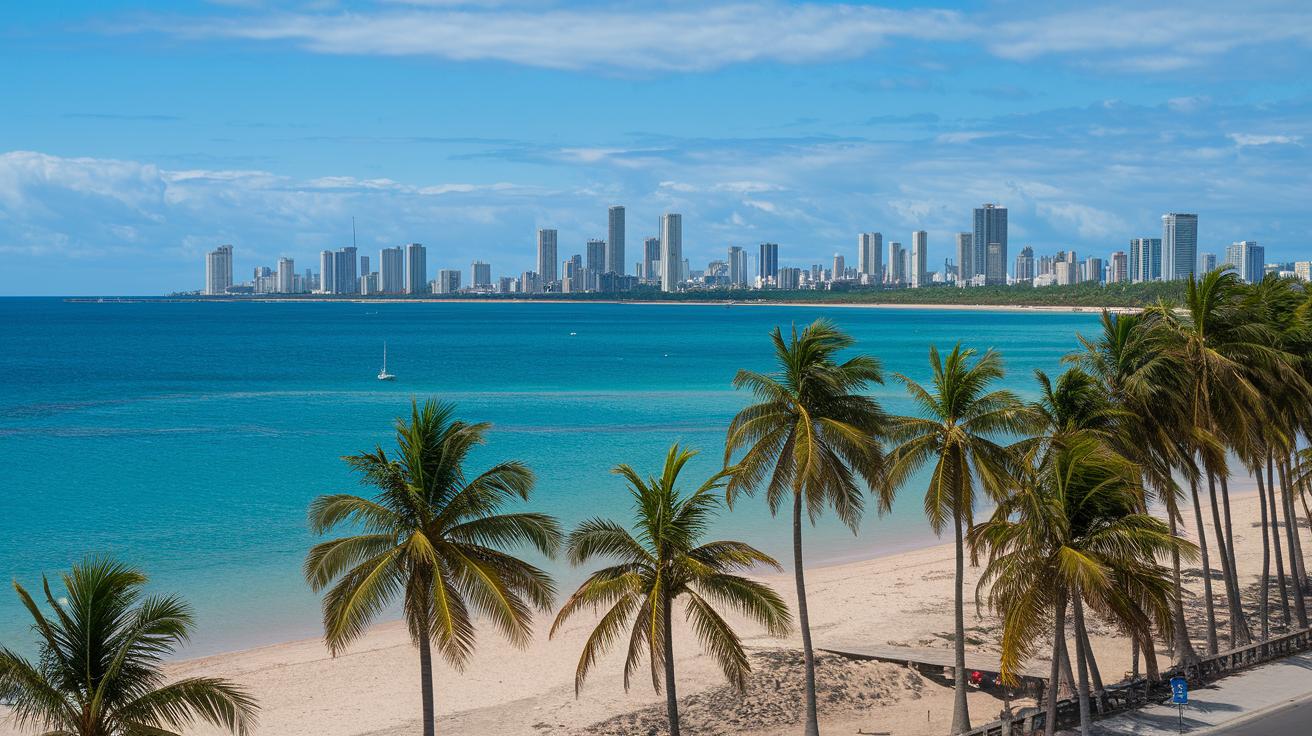
Cuba nestles just south of Florida and the Bahamas, giving you a real taste of Caribbean life. With Haiti to the east and Jamaica to the south, the island is a blend of lively cultures and natural beauty. Picture yourself stepping onto a bright beach, feeling that warm breeze greet you like an old friend.
The island basks in a tropical climate with two clear moods. From mid-December to mid-April, you’ll find dry, sunny days perfect for wandering charming colonial streets and enjoying local treats. Then, from mid-April until mid-December, frequent rains bring out the island’s lush green side and freshen the air, making cool, inviting evenings.
Before you set off, remember that hurricane season runs from June 1 to November 30. Keeping this in mind can help you plan a trip that's both adventurous and safe, ensuring you soak up every magical moment Cuba has to offer.
Historical and Cultural Significance of the Caribbean’s Largest Island
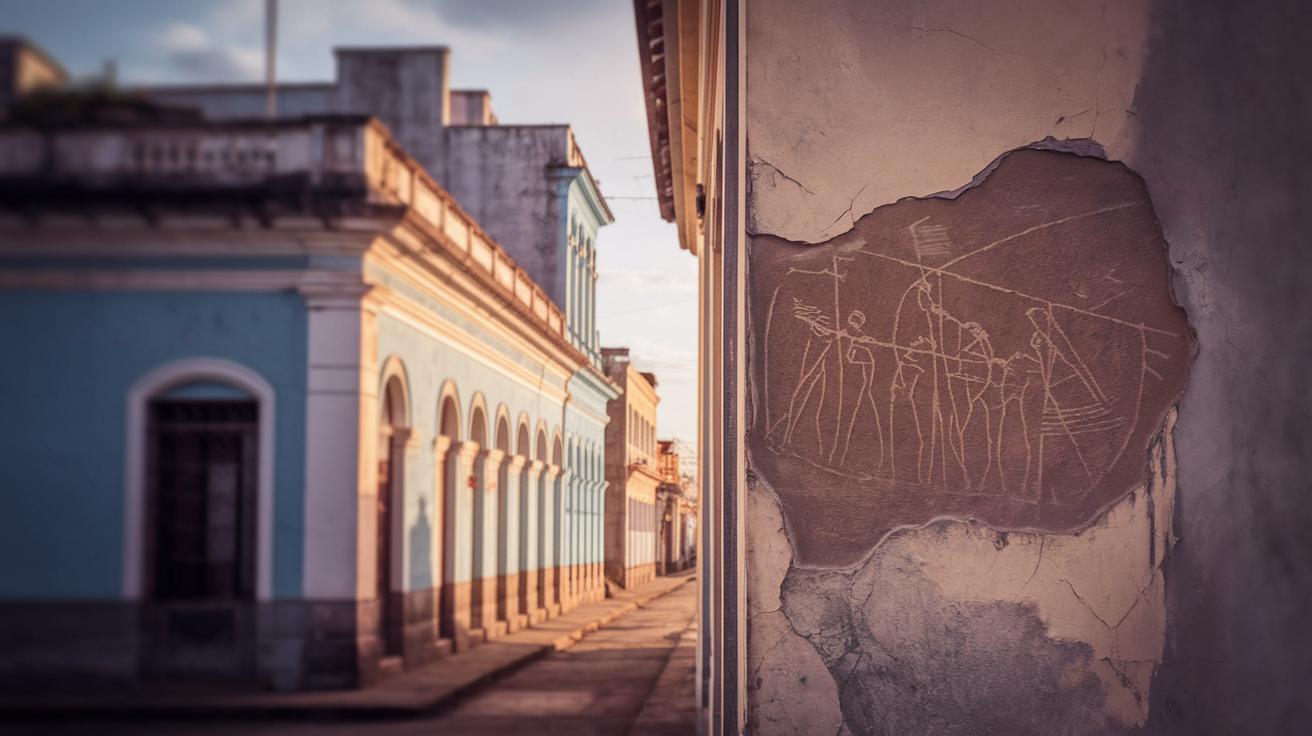
Cuba is a vibrant mix of history and living traditions. It was once home to the indigenous Taíno and Ciboney peoples, and you can still see hints of their ancient ways in everyday life and at archaeological sites that carry whispers of the past. Imagine strolling by old petroglyphs that quietly tell stories of early Caribbean life.
Spanish colonization brought big changes to Cuba, leaving behind charming colonial towns such as Havana Vieja. This part of Havana, a UNESCO World Heritage Site, delights visitors with its Baroque-style buildings and quaint, pastel streets. Picture yourself wandering down narrow lanes where every stone seems to hold a secret from long ago.
Today, Cuba beats with the lively rhythm of the Havana Carnival. During this annual celebration, the streets fill with traditional music, local dances, and colorful performances that bring the island's rich history to life. These vibrant festivities mix old traditions with modern creativity, offering a warm look into Cuba’s soulful spirit.
Every monument, street corner, and festival in Cuba tells a part of its layered history. Local artisans and storytellers keep these memories alive, reminding everyone that Cuba’s heritage is a living, breathing part of its people.
Demographic and Economic Insights of the Caribbean’s Largest Island
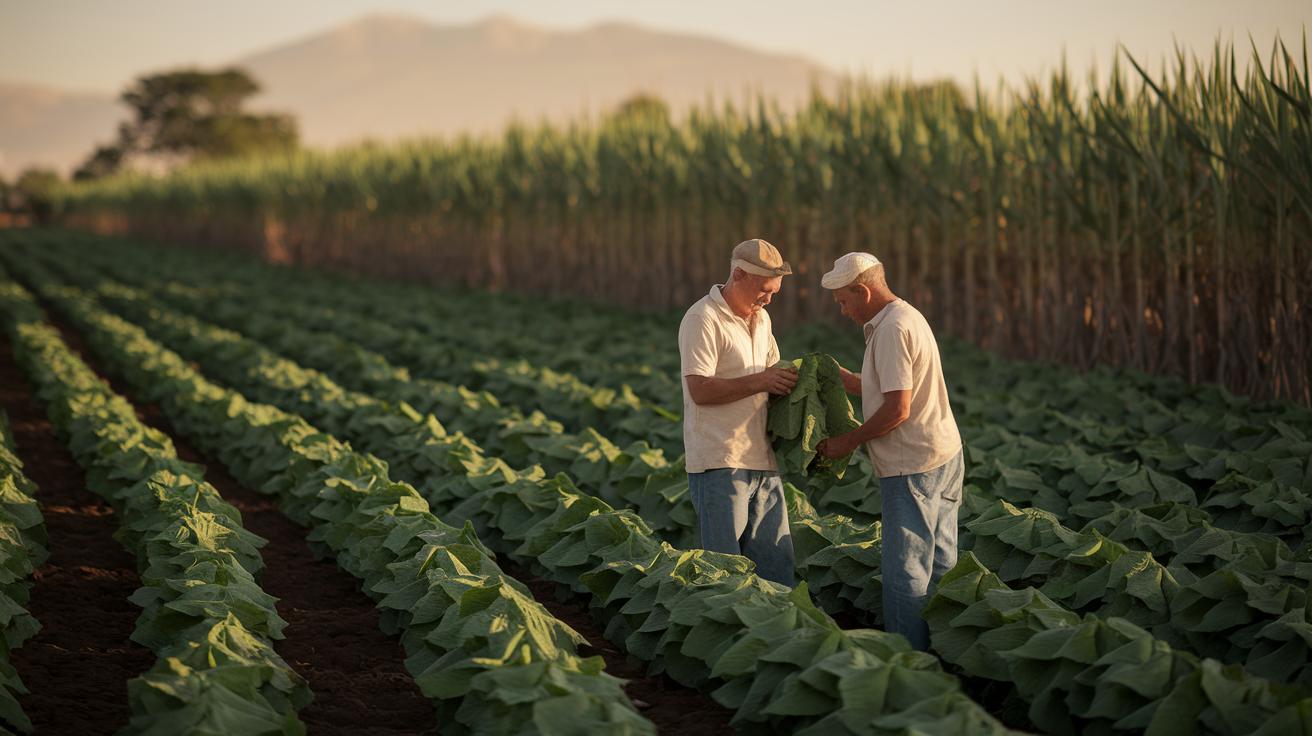
On this big island, around 11.2 million people call Cuba home. Life here is both lively and steady, with families living in small towns and bustling cities where old traditions mix with modern ways. Agriculture is still a big part of life, especially sugar and tobacco farming, which have shaped the island for many years. Picture hard-working farmers tending to the fields as the sweet smell of fresh crops fills the warm, inviting air.
Tourism is on the rise too. Visitors come to enjoy sunny beaches and Cuba’s rich history, while friendly hotels and guesthouses offer cozy spots to relax. At the same time, the manufacturing sector keeps the local engines running by producing everything from everyday goods to unique handmade items. There’s even a budding biotechnology scene that opens new doors for scientific progress on this spirited isle.
The government plays a leading role in the economy, guiding large industries while also giving space for private ventures to flourish, especially in areas like hospitality and small business. Recent changes in policies have made it easier for many hardworking Cubans to start their own projects. With each new initiative, local pride grows, fueling the lively beat of everyday island life.
Natural Attractions on the Caribbean’s Largest Island
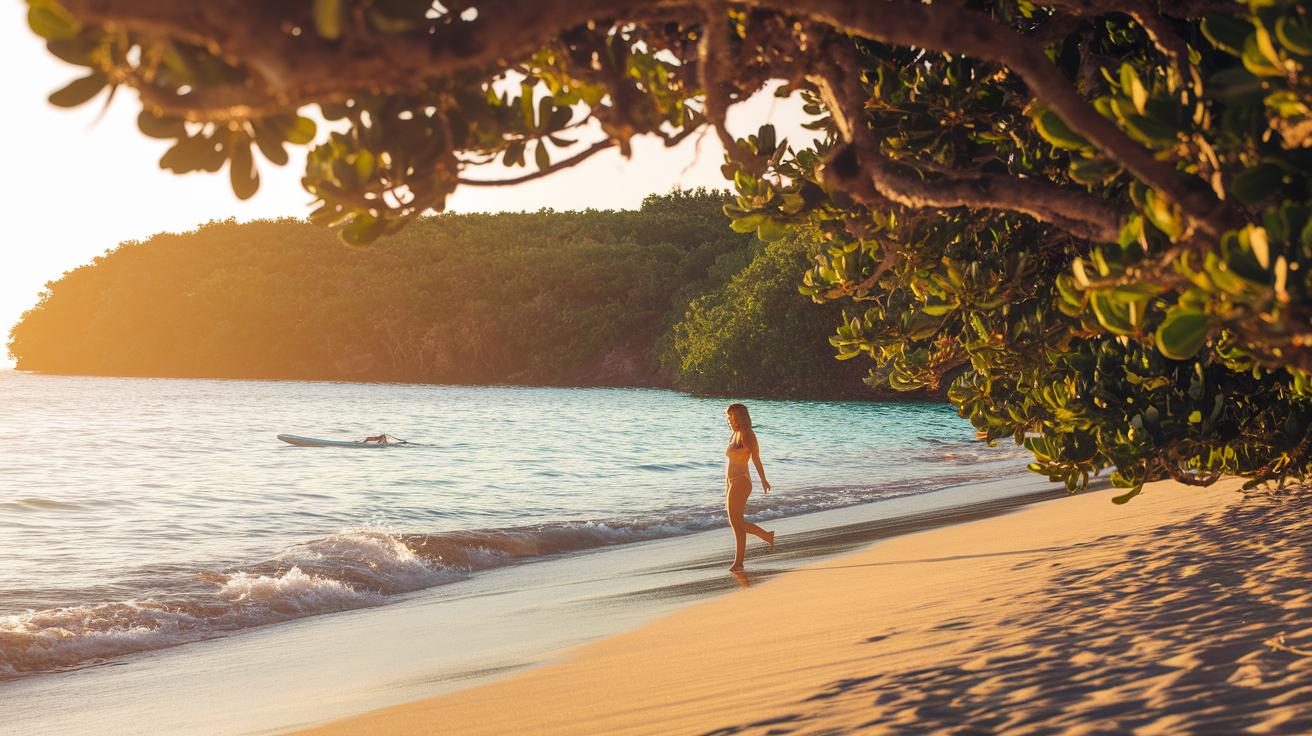
Varadero Beach is Cuba's true gem when it comes to tropical escapes. Its clear, sparkling water softly kisses the soft white sand, inviting you to unwind under the beautiful Caribbean sun. Picture yourself stepping onto this warm beach, where each tiny grain of sand whispers its own story of fun and relaxation. You'll soon see why Varadero is a spot you just can't miss. Besides lounging or swimming, you can dive into exciting water activities like snorkeling and paddleboarding, making it perfect whether you're looking to chill or have a bit of adventure.
Away from the lively beach buzz, Cuba’s coastal wetlands and mangrove forests offer a whole different kind of nature experience. These natural spots are home to many colorful birds and lively sea creatures, giving nature lovers a cool chance to see wild life in its natural setting. Imagine taking a calm kayak ride at dusk, watching native birds and quick little fish play as the sun goes down. This mix of amazing beach resorts and bustling natural habitats is what makes Cuba a standout destination for anyone looking to soak in the magic of the Caribbean.
Final Words
In the action, we recapped Cuba’s rich history, unique geography, and lively culture. You got a quick peek at its weather, local traditions, and even its growing economy. We shared comparisons with other noted islands and spotlighted its natural treasures, like stunning beaches and diverse wildlife.
Every detail paints a picture of what makes this trip so memorable. Embrace the magic of traveling through the largest caribbean island and let every moment spark new memories.
