Have you ever thought one island could be full of endless wonders? Cuba, the largest island in the Caribbean, bursts with hidden surprises waiting to be discovered.
It stretches across roughly 42,426 square miles and offers a delightful mix of long, sandy coastlines and buzzing streets filled with art and music. Its grand size means that every corner of Cuba has its own special story to tell, from colorful history to creative energy.
So, why not join the adventure and experience the magic that makes Cuba truly unforgettable?
largest caribbean island: Cuba's Amazing Size
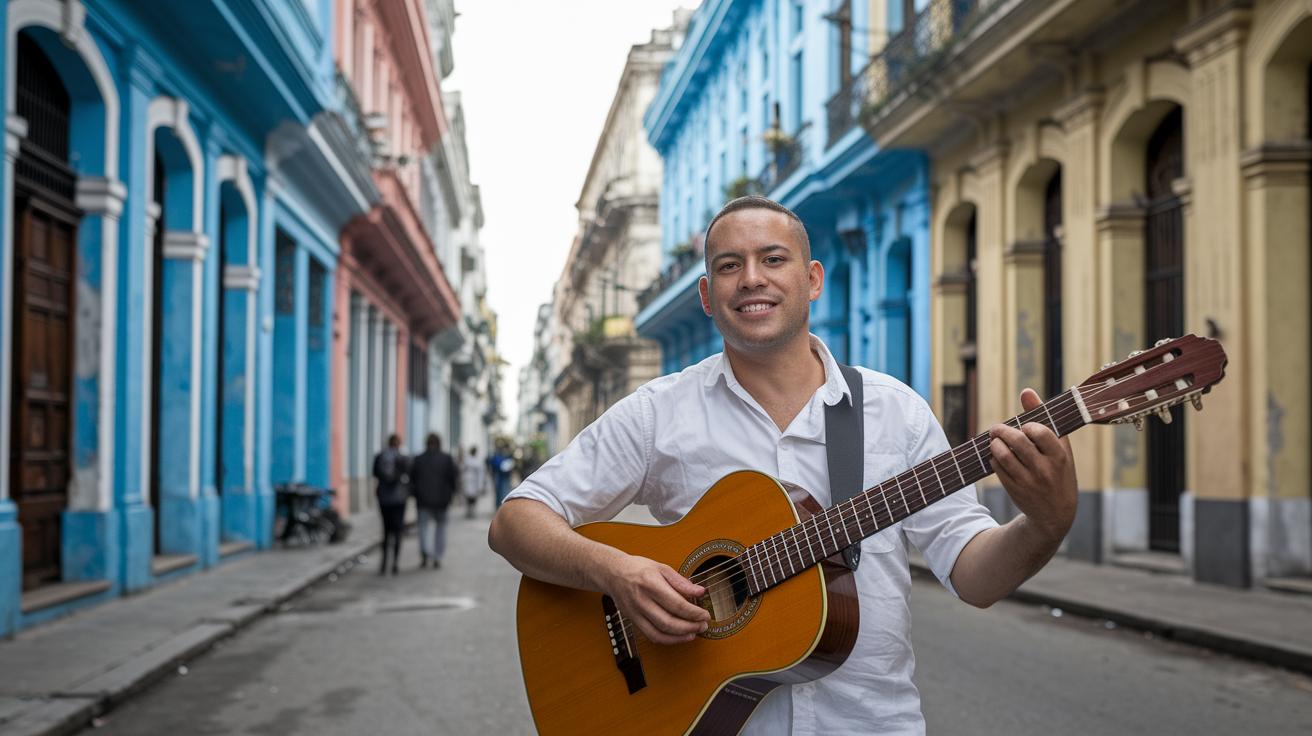
Cuba is the biggest island in the Caribbean. It covers about 111,000 km² (roughly 42,426 square miles) and mixes stunning natural views with a lively local vibe. Just 90 miles south of Florida, it’s the closest Caribbean island to the United States, drawing curious travelers from all over.
Imagine a place where sparkling coastlines meet streets buzzing with music and art. For example, before one local became a celebrated muralist, he captured everyday moments in a way that truly reflected the island’s vibrant energy. As part of the Greater Antilles group, Cuba hangs out with other famous islands like Hispaniola, Jamaica, and Puerto Rico. Each one adds its own flavor to the colorful Caribbean mosaic.
Its huge size is more than just a number, it shapes Cuba’s central role in island life. Whether you’re watching golden sunsets over sandy beaches or exploring rugged inland trails, Cuba invites you to dive deep into the heart and history of the Caribbean.
Ranking the Caribbean’s Largest Islands by Size
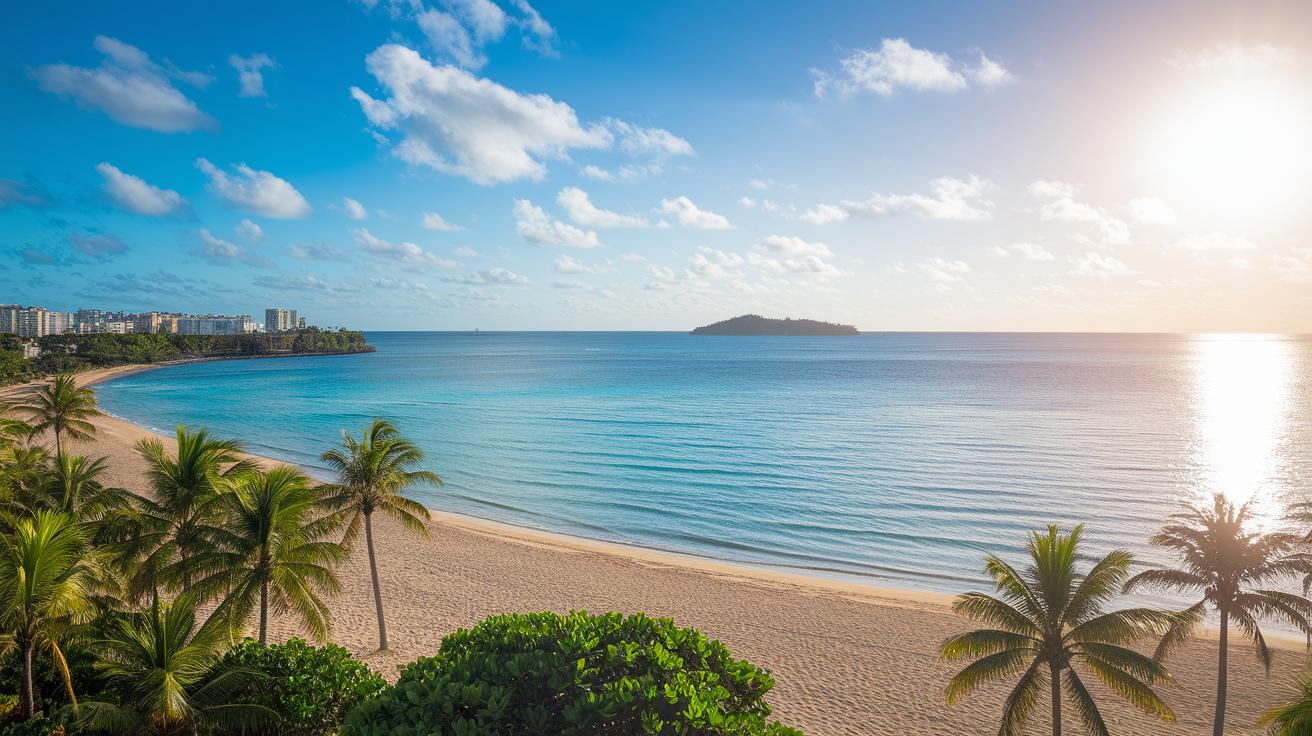
When you measure the Caribbean islands by their total land area, Cuba comes out on top with about 111,000 km² (42,426 mi²). Imagine lounging on a Cuban beach, where the island’s vast size hints at all the different adventures waiting for you. It’s like taking a deep sip of freshly squeezed tropical juice while local music fills the air and a warm breeze gently brushes your face.
Each island has its own unique vibe, with rich natural beauty and cultures that make every visit unforgettable. There’s something magical about how every island tells a story through its landscapes, sounds, and traditions.
Below is a neat HTML table that ranks the six largest islands, showing their size in both kilometers and miles, along with a little note for each place.
| Island | Area (km²) | Area (mi²) | Notes |
|---|---|---|---|
| Cuba | 111,000 | 42,426 | Largest island and closest to the US |
| Hispaniola | 76,000 | 29,433 | Divided between Haiti and the Dominican Republic |
| Jamaica | 10,990 | 4,243 | Famous for its lush landscapes and vibrant culture |
| Puerto Rico | 9,104 | 3,425 | Known for its beautiful coastlines and rich history |
| The Bahamas | 13,880 | 5,358 | A cluster of islands offering many different experiences |
| Trinidad & Tobago | 5,131 | 1,980 | Renowned for its lively festivals and diverse culture |
Every island brings its own story, inviting you to explore more and feel the rhythm of the Caribbean in every step you take.
Geographical Context of the Caribbean’s Largest Island
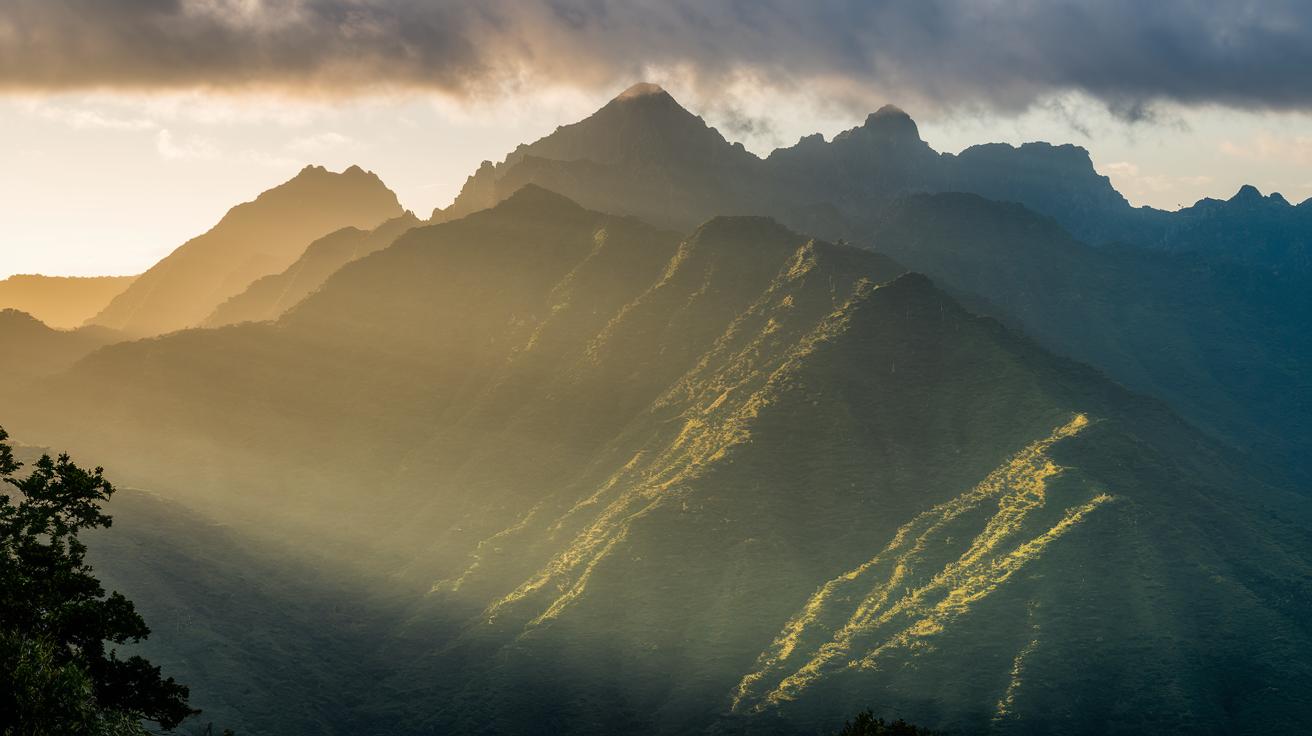
Cuba's natural landmarks are like pages in an old adventure book, hinting at its birth from ancient earth shifts. Its mountain ranges, especially the Sierra Maestra, have been slowly shaped over countless years, giving rise to a mix of unique plants and animals. Look at those rugged peaks; they feel like nature’s own masterpiece, crafted over time.
Cuba's warm, inviting weather creates perfect homes for all kinds of life. From sunny coastal plains to green valleys and cool mountain forests, each little corner boasts its own set of special creatures. And guess what? Some birds only live in the highlands, filling the air with a delightful chorus of chirps.
For ages, Cuba has been a busy port in the Caribbean. Its spot along famous old trade routes meant that natural harbors turned into handy stops for boats journeying through the islands. In truth, this island has always held a special place as a crossroads on the sea.
Comparing Cuba and Hispaniola: First and Second Largest Caribbean Islands
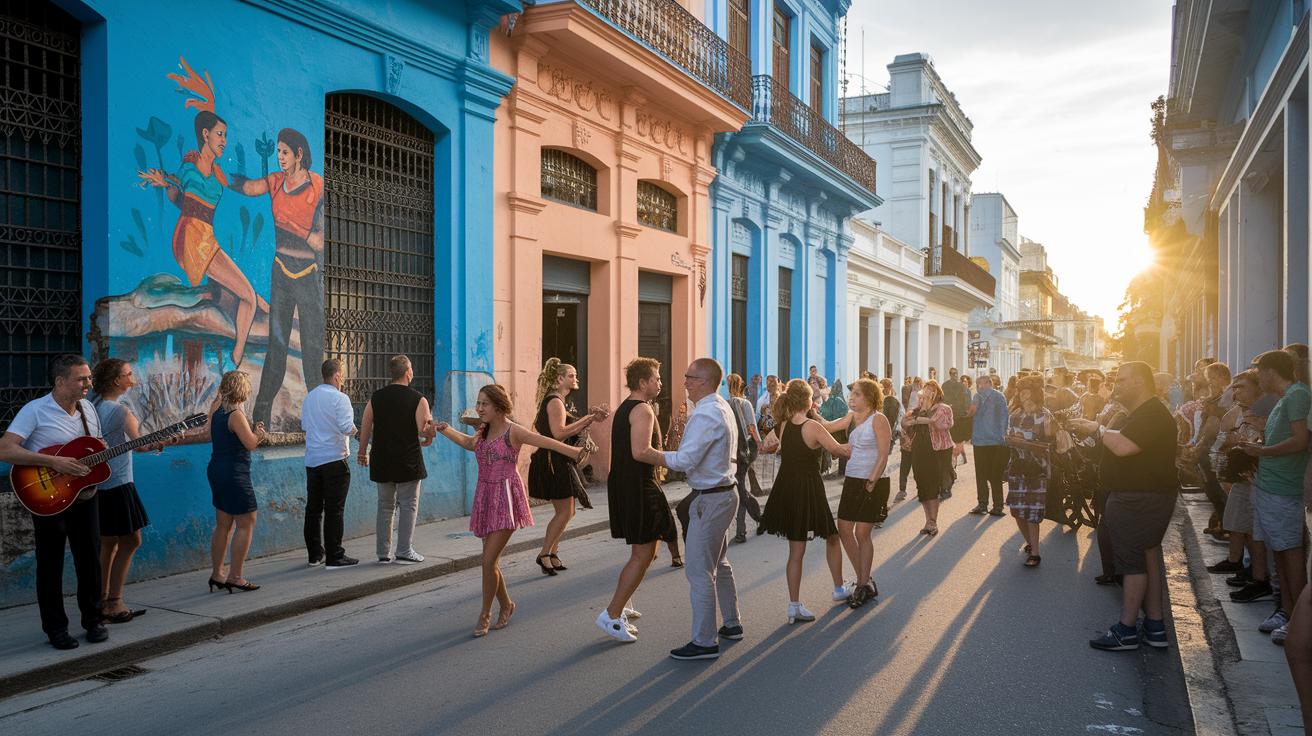
Cuba and Hispaniola each tell their own story with a mix of colorful traditions and history. In Cuba, life pulses with unified traditions formed by years of shared political ideas and a deep love of music, art, and lively neighborhood celebrations. Imagine walking down a Havana street where the rhythm of salsa and echoes of revolutionary footsteps blend into one vibrant charm.
Over on Hispaniola, two worlds live side by side. Haiti shines with its spirited, handmade art and age-old community celebrations, while the Dominican Republic weaves together modern twists with traditions that have been cherished for generations. Picture a Haitian street corner where a musician fills the air with a tender melody, and then think of a Dominican chef passing on a secret recipe that tastes as rich as the island’s heritage.
In truth, Cuba feels like a single big story due to its unified past, while Hispaniola offers a lively, layered mix of cultures that come from two separate nations sharing the same land. This blend of paths makes the Caribbean experience even richer, inviting travelers to explore each island’s unique beat.
Final Words
In the action, we explored key details about Cuba, the largest caribbean island, diving into its impressive size and prime location alongside other major islands. We compared Cuba with Hispaniola and even showcased their stats in a neat table. The guide painted a clear picture of the island groups, letting you feel the warm Caribbean vibe along the way. Enjoy planning your next trip with a clear vision of what awaits, and embrace the sunny surprises that only this fascinating region can offer.
FAQ
What is the largest Caribbean island by population and by land?
The largest Caribbean island by both population and land area is Cuba, which spans about 111,000 km² (42,426 mi²) and stands out as the region’s dominant island.
What are the largest Caribbean islands by size?
The largest islands in the Caribbean are Cuba, Hispaniola, The Bahamas, Jamaica, and Puerto Rico, with Cuba, Hispaniola, and The Bahamas being the top three when ranked by area.
What is the 2nd largest Caribbean island?
The 2nd largest Caribbean island is Hispaniola, stretching roughly 76,000 km² (29,433 mi²) and shared by Haiti and the Dominican Republic.
What is the 3rd largest Caribbean island?
The 3rd largest island in the Caribbean is The Bahamas, which covers approximately 13,880 km² (5,358 mi²), securing its place among the region’s biggest islands.
Is Trinidad the largest Caribbean island?
The claim that Trinidad is the largest Caribbean island is incorrect; Trinidad covers about 5,131 km² (1,980 mi²), making it much smaller than islands like Cuba and Hispaniola.
What are the four main Caribbean islands?
The four main islands, often recognized in the Greater Antilles, are Cuba, Hispaniola, Jamaica, and Puerto Rico, which are key to Caribbean cultural and geographic identity.
What is the answer to the “largest Caribbean island” crossword clue?
The answer to most “largest Caribbean island” crosswords is Cuba, as it is widely known for being the biggest island in the Caribbean by land area and population.
