Have you ever daydreamed about exploring the Caribbean's largest island? Cuba covers over 42,000 square miles and offers more than just endless blue waters and soft, sandy beaches. It’s a lively mix of colorful culture, rich history, and friendly local charm that greets every visitor. Today, let me share a little insider look at Cuba, where vast landscapes and a buzzing vibe make it a spot you simply have to see. Imagine the warm sun on your skin, the sound of waves, and streets filled with stories waiting to be discovered. Ready to set off on an adventure you won't forget?
Cuba: Confirming the Largest Caribbean Island
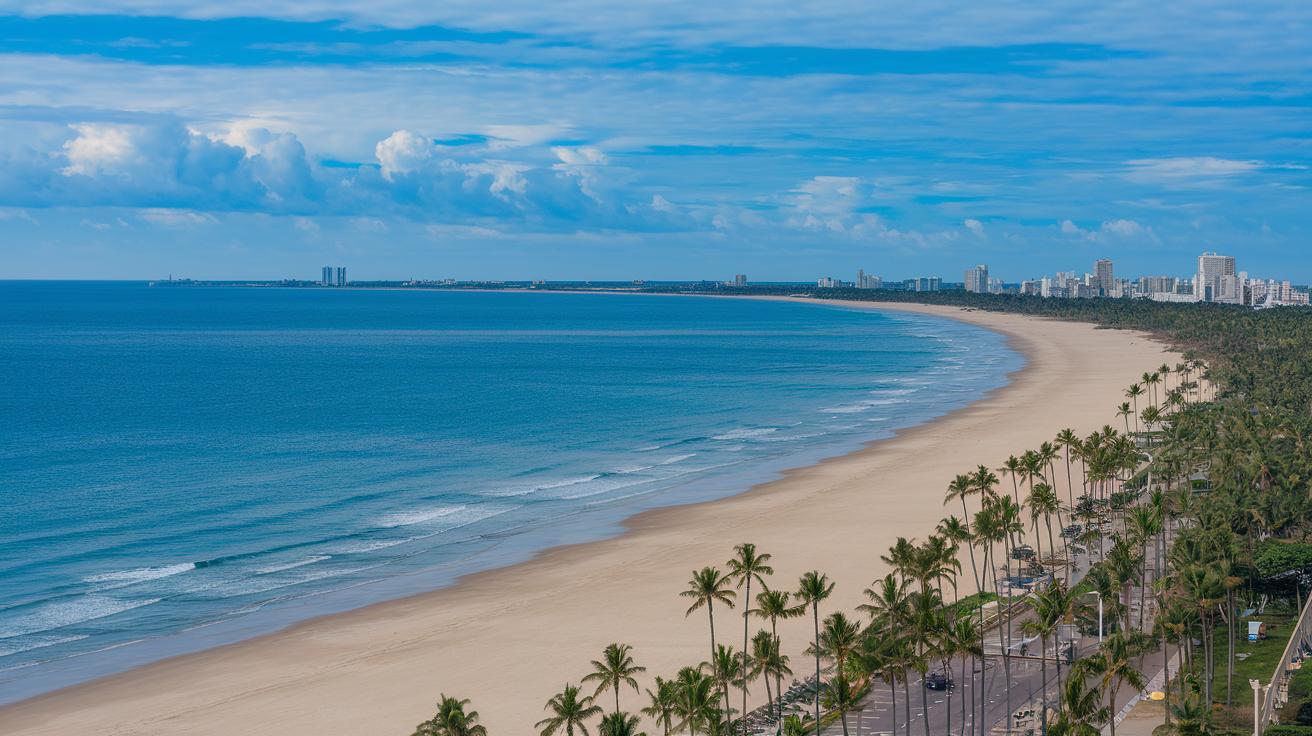
Cuba is the largest tropical island in the Caribbean, covering a whopping 42,426 square miles. With endless ocean views and a long, sandy coastline, it easily out-sizes its neighbors. In fact, its area is greater than all the other Caribbean islands combined. This means Cuba not only offers vast, sun-drenched beaches but also plays a big role in shaping the region’s vibe. Along with the Dominican Republic and Haiti, Cuba is home to 75% of the Caribbean population, adding a lively mix of languages, traditions, and that special everyday energy.
Imagine standing on a wide, sandy beach with the endless blue ocean stretching out before you – a true taste of Cuba’s seaside magic. From its sweeping coastlines to the green hills and quiet plains inland, the island sets the scene for both deep relaxation and rich cultural experiences. It’s a playground for history buffs, food lovers, and anyone who enjoys chatting with friendly locals. Every corner of Cuba shows off a unique blend of natural beauty and creative spirit, making it a real gem of the Caribbean.
Comparing the Largest Caribbean Island with Neighboring Islands
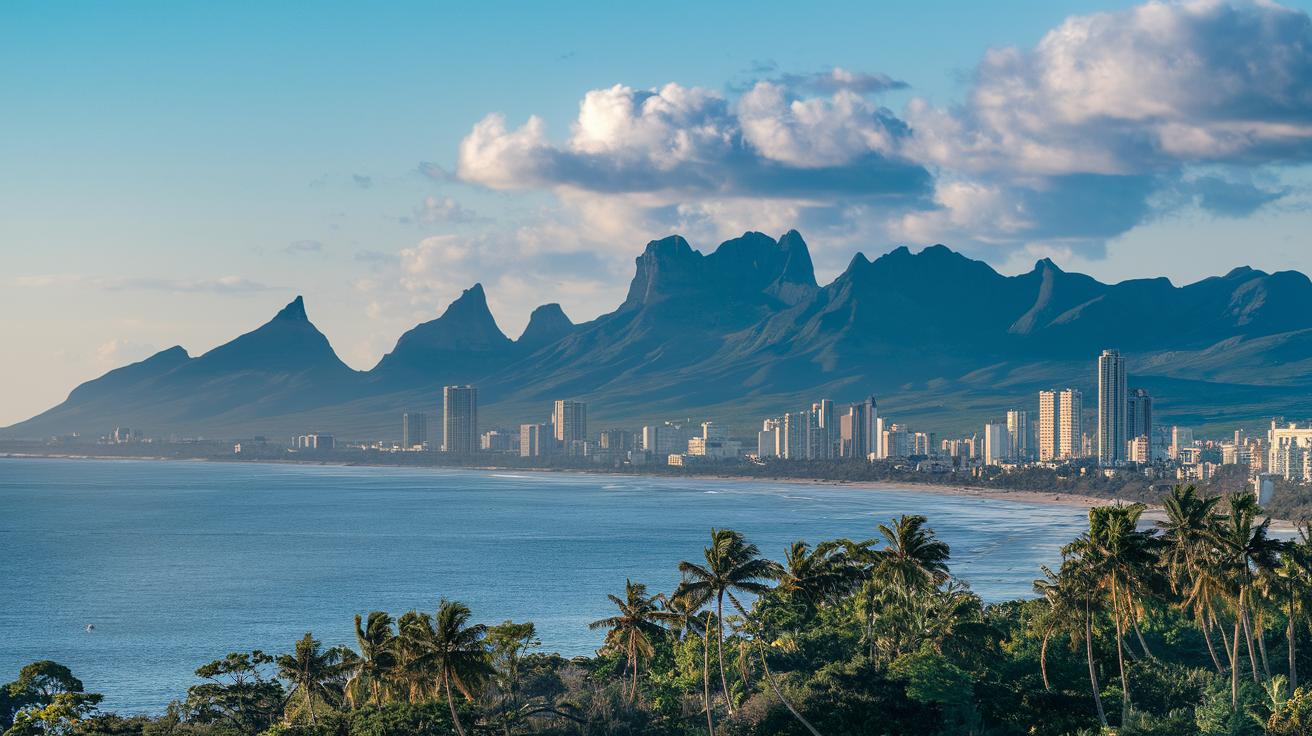
Cuba is the biggest island in the Caribbean, stretching over 42,426 square miles. Imagine planning your vacation and realizing that Cuba gives you vast spaces to explore, from lively cities to quiet, hidden corners. In comparison, the Dominican Republic is 18,792 square miles, making Cuba more than twice as big.
For a quick look, visitors often check out how these islands rank by size. Haiti follows next with 10,641 square miles, and then the scenic Bahamas at 5,358 square miles. Jamaica is next, offering 4,243 square miles filled with music, vibrant culture, and sun-soaked beaches. Puerto Rico, famous for its colorful traditions, covers 3,425 square miles, while Trinidad & Tobago, the smallest of the group, measures just 1,980 square miles.
Fun fact: Cuba’s enormous size means it offers a wonderfully diverse range of experiences, whether you’re taking in the urban buzz or relaxing in a peaceful village. These comparisons are a handy guide if you’re using destination rankings to pick your perfect getaway. For a full list of Caribbean islands and their sizes, check out this link: list of caribbean islands.
Embrace these insights as you plan a vacation that celebrates both the grand scale and the unique character of each island.
Geography of the Largest Caribbean Island: Landscape and Climate
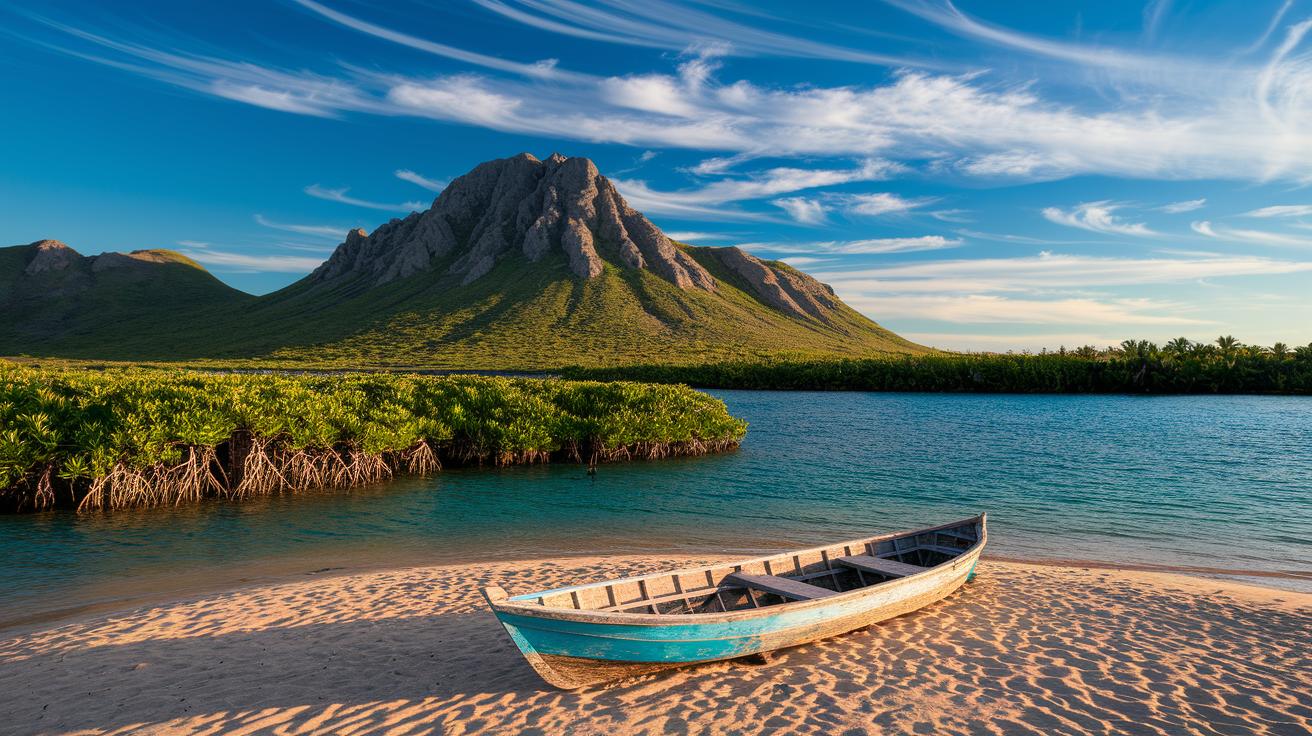
Cuba’s land is like a natural story waiting to be explored. Picture towering, rugged mountains such as the Sierra Maestra, wide coastal plains that seem to stretch forever, and mangrove swamps buzzing with native wildlife. Every bend in Cuba’s landscape shows nature’s contrast in a way that feels almost magical.
During the dry season, typically from mid-December to mid-April, the air feels crisp and refreshing, and the sky is a clear, calming blue. Then, when the wet season arrives from mid-April to mid-December, the island bursts into life. Everywhere you look, bright green leaves and swaying palm fronds create a soothing symphony of nature, almost like the island itself is breathing.
And of course, Cuba pays close attention to its weather. Hurricane season, from June 1 to November 30, serves as a reminder of how powerful nature can be. Along the coast, vibrant coral reefs thrive in clear, lively waters, inviting snorkelers to dive in and experience an underwater world that is as rich as the island’s cultural heritage.
All these elements together transform Cuba into a living classroom. Here, nature and science dance hand in hand, creating memories filled with natural wonder and the warm charm of a true tropical paradise.
Biodiversity on the Largest Caribbean Island: Endemic Flora and Fauna
Cuba is a true paradise for anyone who loves nature. With over 3,000 plant species, more than 1,600 of which are found only here, this island bursts with life just waiting for you to explore it. Imagine strolling through a pine forest where every soft breeze carries the fresh smell of pine needles, almost as if nature is whispering its secrets just for you.
Every part of Cuba shows off its own unique world. In the damp, cozy mangroves, local plants grow strong and proud, while the dryer areas reveal little clusters of rare wildflowers and old, twisted trees that seem to tell stories of the past. It’s a very hands-on way to feel Cuba’s natural history and see plants that have perfectly adapted to their home.
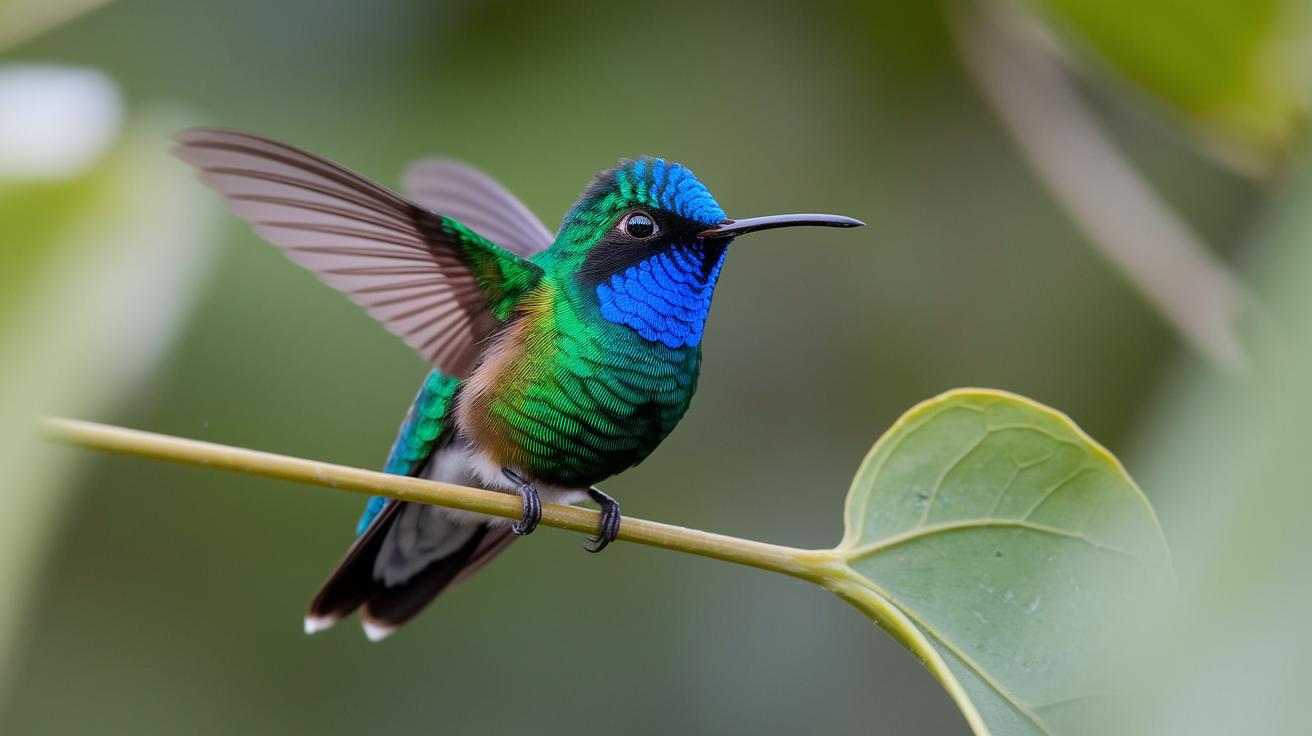
Cuba also shelters some amazing local animals. Think of rare creatures like the Cuban crocodile, which hides quietly in secret wetlands waiting to be seen. High above, the tiny bee hummingbird, the smallest bird in the world, flutters among the colorful blossoms, a sight sure to stick in your memory.
Local experts dive deep into studying these special places, uncovering how plants and animals live together in harmony. Visiting Cuba isn’t just a trip, it’s like stepping into a living, breathing artwork of natural wonders that will leave you in awe.
Historical and Cultural Legacy of the Largest Caribbean Island
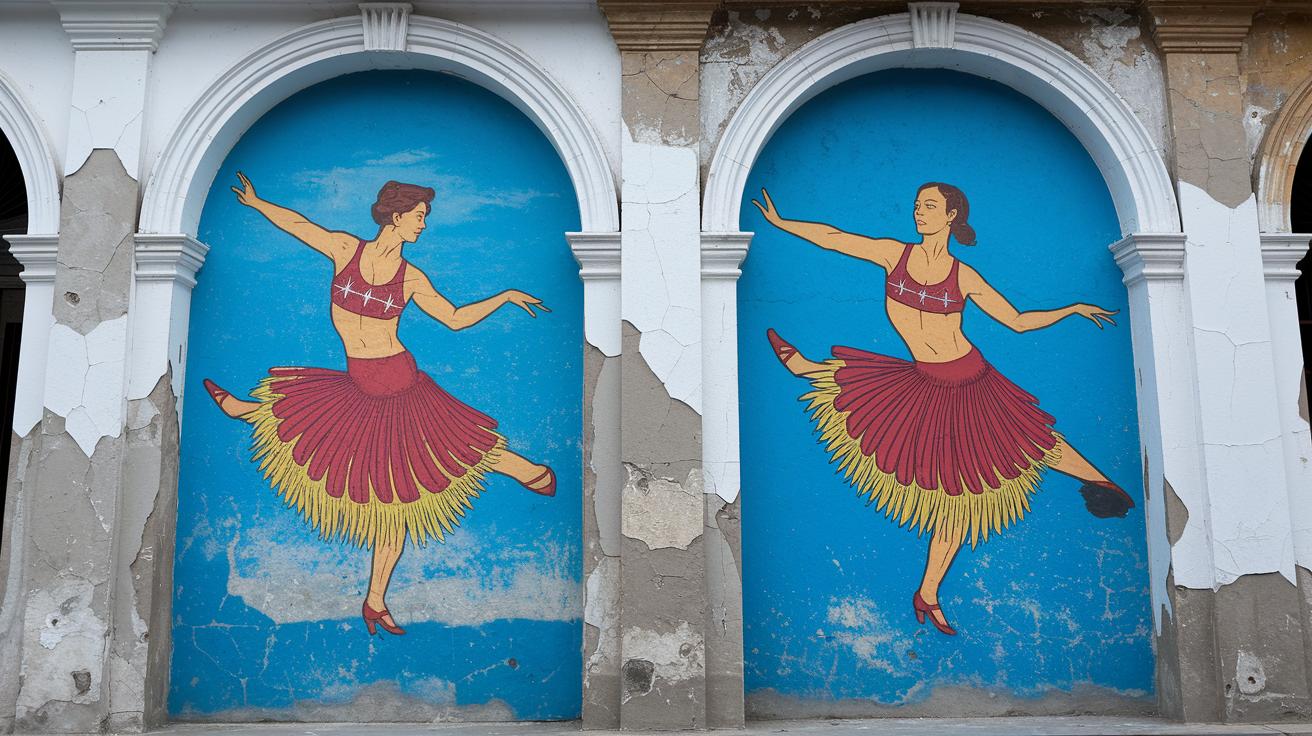
Long before Spanish explorers set foot here, native Taino communities flourished across the island. Their ancient stories and traditions still whisper through the rustling palms and warm breezes you feel on a sunny day. When the Spanish arrived in 1511, they brought big changes that touched everything, from the stone buildings to everyday words and customs.
In the 1800s, huge sugar plantations reshaped life on the island, mixing flavors and influences to create a unique, spirited identity. After gaining independence in 1902, every street corner and neighborhood became a living story of the past. Picture evenings where son music fills the air with lively, rhythmic tunes that invite you to tap your foot or sway along. And when you watch locals dance the rumba, you can feel the stirring, heartfelt energy in every step.
Local legends, like the cherished tale of La Giraldilla, still come alive in art, conversation, and festive gatherings. Look closely at the old colonial buildings, with their crumbling walls now brightened by vibrant murals, and you'll see history mingling with modern flair. Community events, where voices and instruments join together, share these age-old stories in a truly memorable way.
Every beat, every legend, and every dance move weaves together a rich tapestry of colonial heritage. The island isn’t just a place for sun and sea; it’s a treasure chest of historical and cultural wonders, perfect for anyone eager to dive into its lively past.
Tourism Impact and Sustainable Development on the Largest Caribbean Island
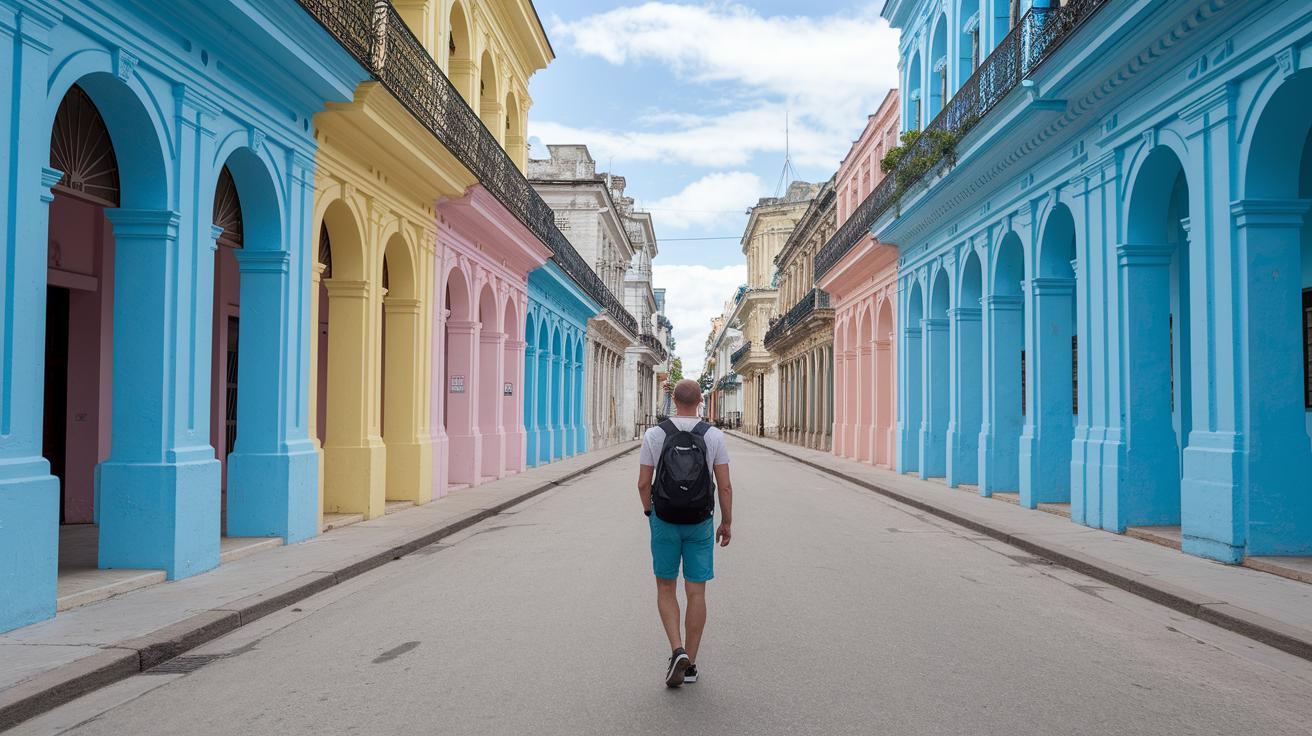
In 2019, over 4.2 million visitors stepped onto Cuba, leaving a mark on local communities and the wider economy. Most travelers fly into José Martí International Airport, a bustling connection point that links Cuba to its neighbors. Ever wandered through Havana’s Old Quarter or dreamed of Varadero's sunlit beaches? These spots enchant with vibrant streets, historic buildings, and that unmistakable island vibe that makes you feel truly alive.
Local shops and small businesses thrive thanks to the steady stream of visitors. Meanwhile, government upgrades and new projects help boost the economy further, promising even more growth and excitement down the road.
Cuba takes sustainable tourism seriously. The government supports eco-friendly stays and community projects that let you experience true local life. This approach not only preserves cultural traditions but also protects the island’s natural beauty. From fancy resorts to budget-friendly lodgings, there’s something for everyone. For instance, some high-end hotels even share details with alternatives showcased in authentic island resort reviews, so you can pick what suits your taste and wallet.
Safety is also a top concern here. With enhanced security and community-led travel advice, visitors can explore with peace of mind. Cuba does a fine job of blending its rich traditions with modern tourism trends, ensuring every traveler's adventure stays both thrilling and respectful of the environment. Each new development keeps Cuba evolving, making sure that every visit leaves a positive trace on this wonderfully dynamic island.
Planning a Visit to the Largest Caribbean Island: Itineraries and Recommendations
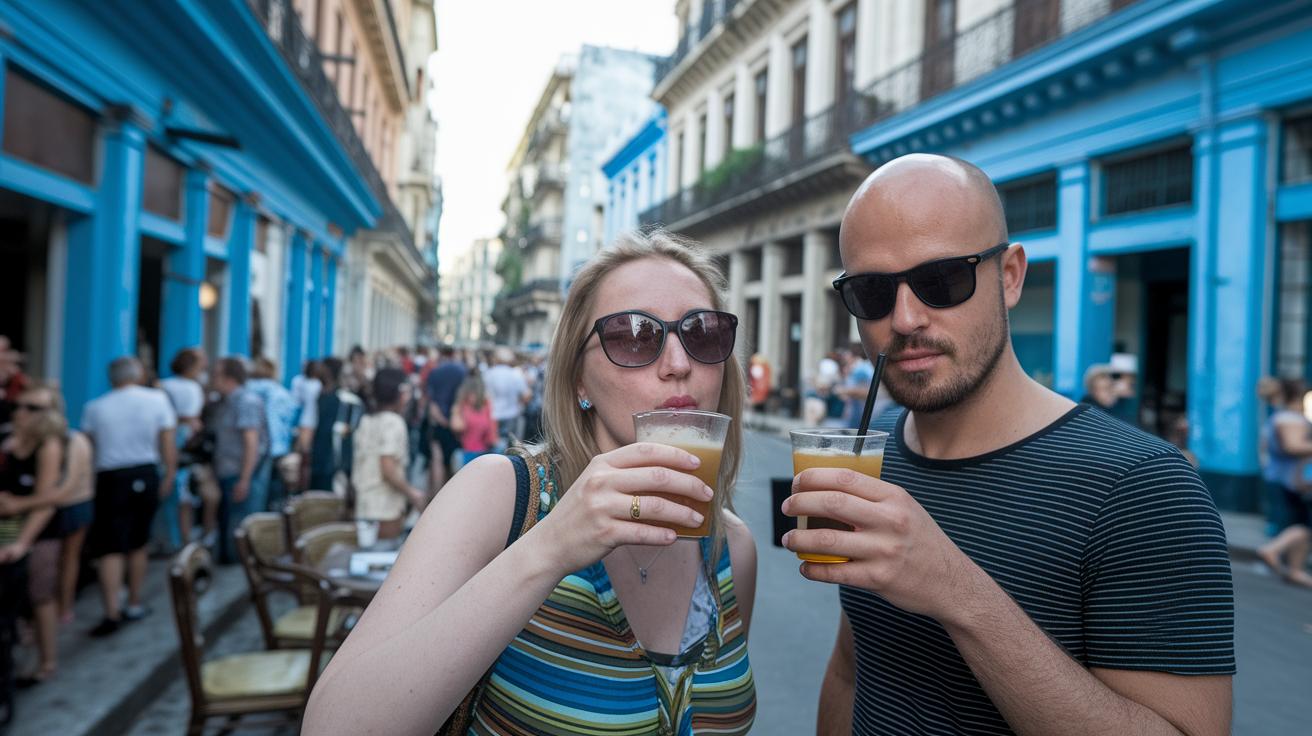
Imagine a week spent exploring history, enjoying vibrant culture, and tasting delicious local food. For a fun 7-day adventure, start out in Havana. Spend the first three days wandering through the charming Old Town, where you can join a guided tour, listen to live music in lively squares, and meander along colorful streets. Picture yourself sitting at a busy café with a cool drink in hand, watching the city buzz with energy.
Then, head over to the peaceful Viñales Valley for Days 4 and 5. Here, you can take a gentle stroll around tobacco farms and even set off on a cave hike to discover secret natural spots. The fresh, earthy air and breathtaking views will make you feel connected to the local traditions and the great outdoors.
Finish your trip with a relaxing two-day stay in Varadero. Enjoy sunny days on long, sandy beaches and visit local seafood markets where you can try specialties like ropa vieja (a tasty beef stew) or even savor freshly caught lobster from the sparkling Caribbean Sea. And hey, if you find yourself back in Havana, stop by Almacenes San José to pick up some unique, handmade souvenirs that capture the island’s creative vibe.
If you’re into mixing it up, make sure you also set aside some time to try gourmet local dishes and hunt for crafts that tell the island’s story. And when the night falls, why not check out a local music spot? Every beat of the music here tells part of Cuba’s lively character.
For even more vacation ideas and inspiration, have a look at the Ultimate Caribbean Travel Guide 2024.
Final Words
In the action, you explored Cuba’s rich history, colorful culture, and natural beauty. We shared insights into its vast biodiversity, inviting culinary treats, and straightforward travel tips. The post broke down everything from scenic landscapes to practical itineraries that make your trip stress-free and eco-friendly.
This sunlit narrative celebrates all the wonders waiting on the largest caribbean island. Enjoy every moment as you plan a trip filled with warmth and unforgettable experiences.
FAQ
What is the largest Caribbean island by land?
The largest Caribbean island by land is Cuba, covering 42,426 sq miles and outshining all other islands in both size and regional influence.
Which country is the largest in the Caribbean by population?
The largest Caribbean country by population is Cuba, which, along with neighboring nations, holds 75% of the region’s inhabitants.
What are the top three largest islands in the Caribbean?
The top three largest islands are Cuba, Hispaniola (home to the Dominican Republic and Haiti), and Jamaica, each known for its unique charm and scale.
What are the five largest Caribbean islands by population?
The five largest by population include Cuba, the Dominican Republic, Haiti, Jamaica, and Puerto Rico, each bustling with rich cultural histories.
What is the prettiest Caribbean island to go to?
The prettiest Caribbean island is subjective, but many travelers rate Cuba high for its rich history, sparkling beaches, and warm, inviting culture.
What are the top 10 largest and smallest Caribbean islands?
Comprehensive lists compare islands from Cuba to the smallest isles; these guides help you explore the full range of Caribbean sizes and distinct personalities.
