Have you ever wondered about the secret history hidden in old walls and cobblestone streets? In the Caribbean, weathered forts and charming coastal towns share stories of brave souls and lively traditions. Imagine local music drifting through the air as you walk down lanes that seem to invite you into the past.
This guide is like a friendly chat about each island’s unique customs and the history woven into everyday life. Every step you take reveals a bit of history waiting to be enjoyed, just like memories of a fun day at the beach.
Caribbean Heritage and History Travel Overview
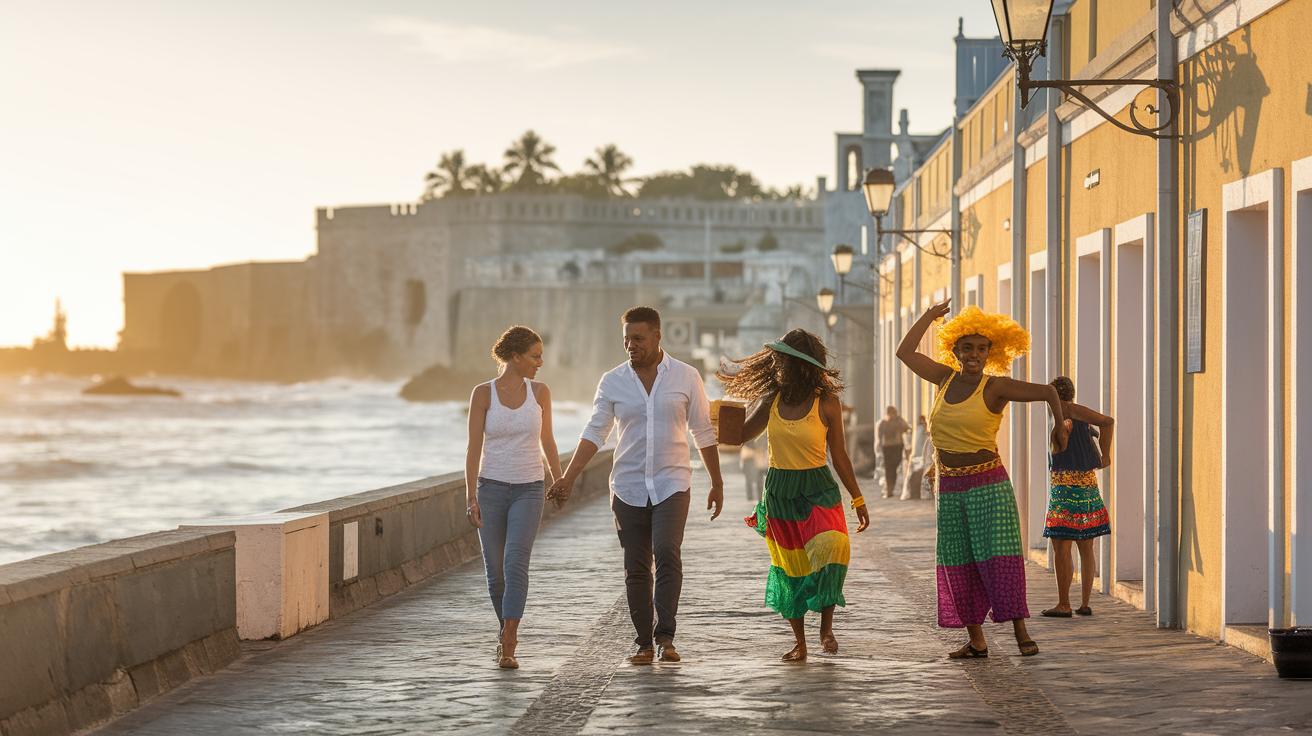
Imagine stepping into a place where golden beaches meet history at every corner. Here, centuries-old fortresses and charming coastal towns mix with the lively beat of reggae, salsa, and calypso. You can almost feel the rhythm in the air as you wander narrow cobblestone streets, with every sound and scent telling a story of the past.
In these islands, culture comes alive in every moment. You might find yourself joining a local dance, learning secret recipes passed down through generations, or watching a live performance that makes you feel like part of the community. It’s like getting a private tour of history, where every spice in a dish whispers tales of home and heritage.
Planning your getaway? Consider visiting from April to June. The weather is gentle, and the islands feel more like a quiet secret with fewer crowds. A week or so will give you plenty of time to uncover hidden treasures, from coastal ports rich in naval legends to heartwarming inland villages where tradition is the heartbeat of everyday life. Think of planning your adventure like putting together a scrapbook filled with colorful snapshots of history, culture, and unforgettable sunsets.
Enjoy every moment.
Caribbean Colonial Fortress Journeys
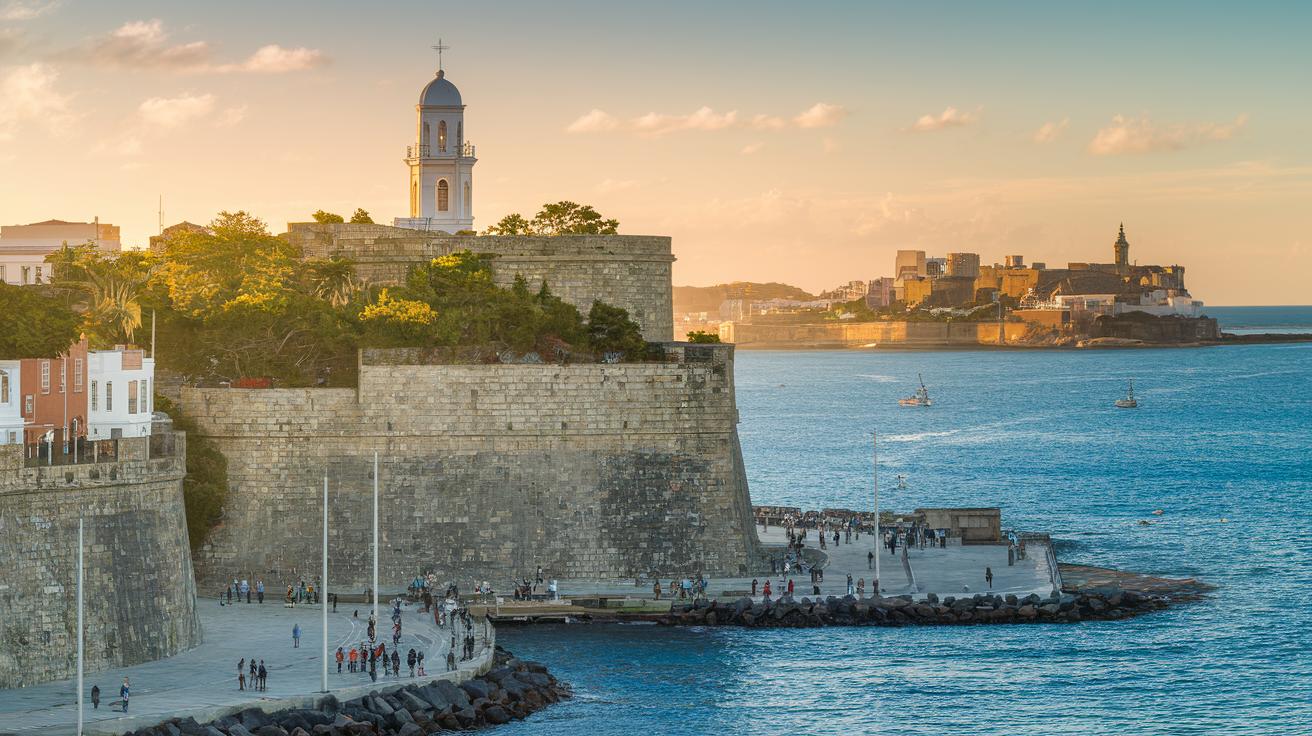
Step back in time and explore fortresses that overflow with history. Imagine walking through Brimstone Hill Fortress in St. Kitts, a charming UNESCO site from the 1600s where friendly guides share stories about British military design. Next, wander the narrow paths of Castillo San Felipe del Morro in Puerto Rico. This 1500s marvel not only offers beautiful harbor views but also tells vivid tales of defending Old San Juan.
In Havana's Old Town in Cuba, you'll find secret courtyards and ancient Spanish walls that let you feel the pulse of centuries past. Each step along these historic sites whispers secrets of bygone days.
Here are some top picks for your journey:
- Brimstone Hill Fortress (St. Kitts) – a UNESCO treasure with guided tours
- Castillo San Felipe del Morro (Puerto Rico) – built in the 1500s, offering scenic harbour views
- Fort Charlotte (Bahamas) – a late-1700s fortress with panoramic harbour vistas
- Fort James (Barbados) – a 1600s relic featuring a moat and towering ramparts
- Fort Amsterdam (Curaçao) – from the 1600s with old government quarters
Every fortress gives you a unique peek into the past, blending stories of British, Spanish, Dutch, and other influences into one living tapestry. To learn more about these ancient wonders, visit the historical sites section at https://caribiana.com?p=3436.
Caribbean Antiquity Museum Treks and Cultural Sites
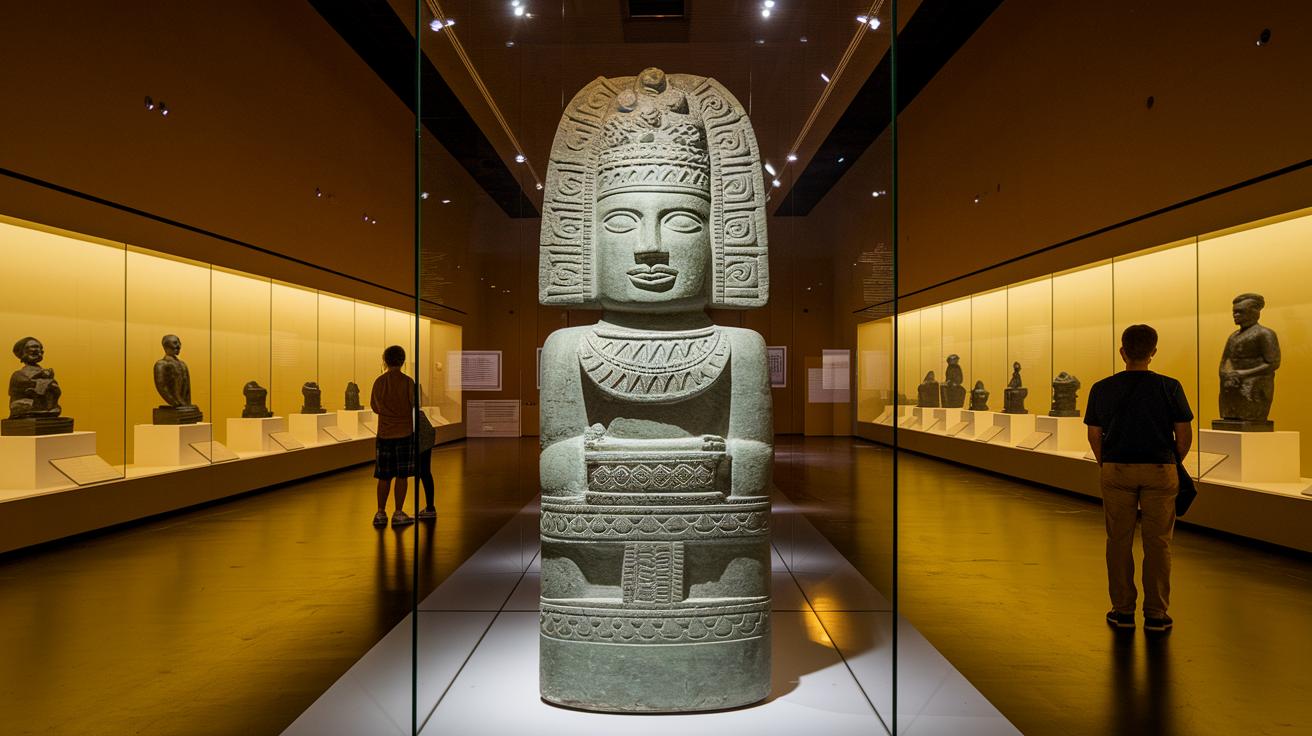
Step into an experience where old stories come alive through treasured manuscripts and ancient artifacts that gently reveal the Caribbean's rich history. At the Museum of Belize in Belize City, you'll find dazzling Maya jade carvings and cherished colonial relics that whisper secrets of a vibrant pre-Columbian world. Imagine standing before an age-old sculpture, letting your mind wander about the skilled hands that once crafted its delicate details, almost like reading history in stone.
Over in St. John’s, Antigua, the Museum of Antigua and Barbuda brings together Amerindian relics with elegant pieces from the 18th century. Strolling through its halls feels like flipping through a living history book of early meetings between native peoples and colonial settlers. Picture feeling the refreshing coastal breeze as you admire a well-kept set of silverware that once graced a colonial dining room, it's a touch of both relaxation and wonder all in one visit.
| Museum | Location | Key Exhibit | Visit Tip |
|---|---|---|---|
| Museum of Belize | Belize City, Belize | Maya jade carvings | Plan your visit around midday to avoid the crowds |
| Museum of Antigua and Barbuda | St. John’s, Antigua | Colonial silverware | Pair your visit with a nearby heritage walking tour |
Each exhibit is like a doorway to a time long past, inviting you to pause, reflect, and discover moments that make history feel wonderfully alive.
Caribbean Heritage Festivals and Celebrations
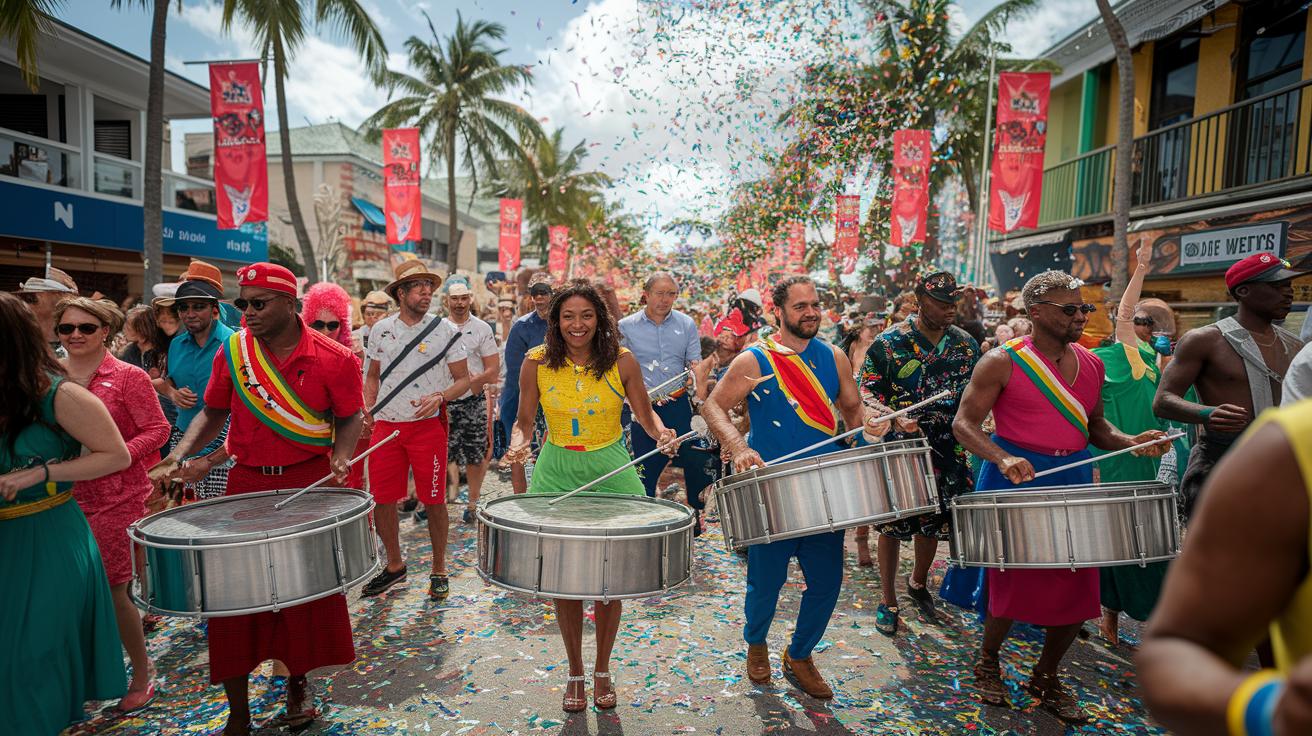
Step into a world where colors and sounds come alive in Caribbean festivals. In Trinidad & Tobago's Carnival, held from February to March, you'll hear the classic steelpan beats mix with lively modern dance moves. It feels like the heartbeat of the island inviting you to sway with its energy.
Over in Barbados, Easter parades bring a sparkling celebration of Emancipation Day. Imagine streets filled with colorful folk costumes and cheerful smiles, each step feels like a moment in a living history book.
In the Bahamas, Junkanoo is a true feast for the senses. Celebrated on December 26 and January 1, this festival pulses with West African rhythms, detailed costumes, and vibrant street celebrations. It's like hearing the voices of the past in every beat and dance.
Then there's La Fiesta de Santiago in the Dominican Republic on July 25. This festival honors cherished patron-saint traditions with processions and joyful music, wrapping you in a warm, cultural embrace.
| Festival/Event | Date/Timeframe | Highlights |
|---|---|---|
| Trinidad & Tobago’s Carnival | February to March | Classic steelpan beats, modern dance moves |
| Barbados’ Easter Parades | During Easter | Vibrant folk costumes, celebration of Emancipation Day |
| Junkanoo (Bahamas) | December 26 & January 1 | West African rhythms, intricate costumes, lively street pageantry |
| La Fiesta de Santiago (Dominican Republic) | July 25 | Traditional processions, joyful music |
Caribbean Maritime Heritage and Historic Seafaring Routes
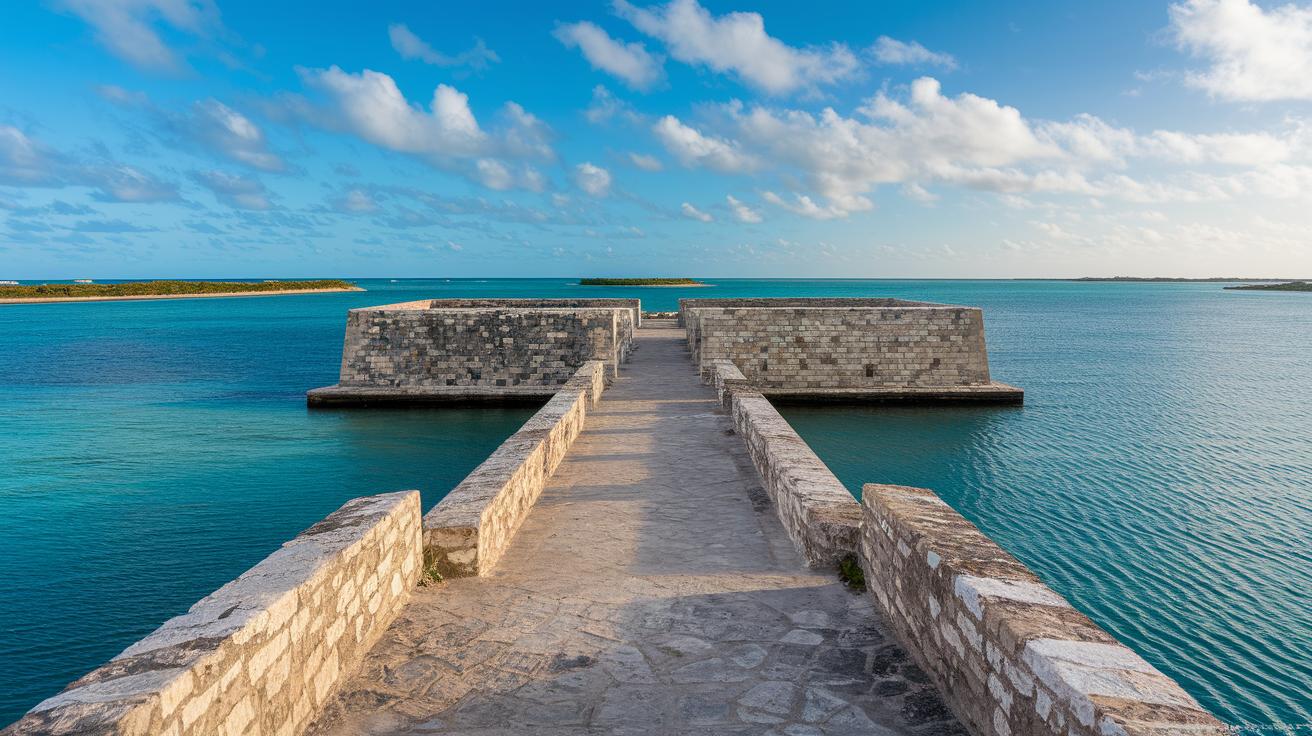
Imagine arriving in Nassau, Bahamas, where old fort walls and naval ruins by Port Royale offer a peek into a lively maritime past. Those worn stone ramparts, set against shimmering blue water, tell tales of ancient sea battles and busy trade routes that spanned the Atlantic.
Then, wander into Old San Juan, Puerto Rico. Here, sturdy Spanish colonial defenses stand by the harbor, with tide-gates and well-preserved forts sparking your imagination. You might find yourself wondering, "How did these walls hold strong against constant sea winds?"
Head over to Willemstad in Curaçao, where a row of pastel Dutch warehouses lines the waterfront. These charming buildings, once busy with sugar and spice shipments, let you feel the pulse of historic colonial trade. Their soft, faded colors and simple shapes capture the ease and energy of a time when commerce moved as naturally as the island breezes.
Finally, explore the coastal ports in Jamaica and Barbados. In these spots, old seaport remnants trace back to 17th-century shipping lanes, hinting at a triangular trade network that connected distant lands. Each stop adds another layer to the rich, seafaring story of the Caribbean, inviting you to feel like part of this enduring legacy.
Planning Your Caribbean History and Heritage Itinerary
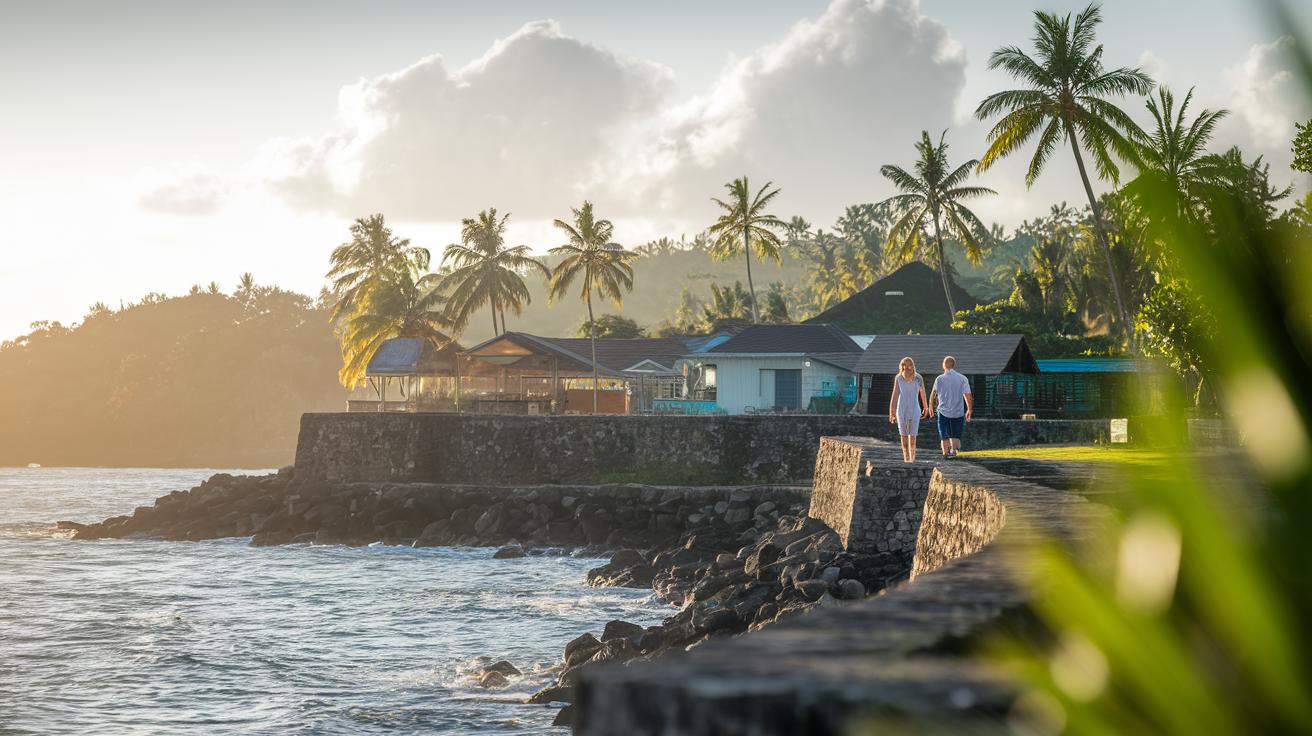
Imagine crafting your own tropical tale. Each day becomes a blend of exploring ancient coastal forts, visiting intimate villages, and shadowing museum tours that echo with stories of the past. Plan for about 7–10 days so you can wander at your own, relaxed pace. For example, one morning might be spent meandering through an age-old fort, while the afternoon unveils the charm of a heritage village. It’s pretty cool how a week can give you a taste of both fortress secrets and the laid-back rhythms of island life.
The sweet spot for your trip is between April and June. The weather stays mild and the crowds are fewer, letting you soak up every historical detail without the usual rush. Picture strolling on cobblestone streets under a clear blue sky, where every colonial mansion and museum piece glows under the tropical sun.
Here’s a simple checklist to keep your heritage adventure smooth:
- Sunscreen to protect you on sunny days
- Sturdy walking shoes for those uneven, time-worn paths
- Lightweight, breathable clothing that suits the island vibe
Before you head off, make sure to secure your valuables at your departure points and set up automatic bill payments, so nothing distracts you on your journey. Also, if you need to navigate between islands easily, check out the guide on Caribbean local transportation at https://caribiana.com?p=3456. With your plans set, all that’s left is to embrace the rich legacy and culture waiting for you.
Authentic Local Experiences in Caribbean Heritage Travel
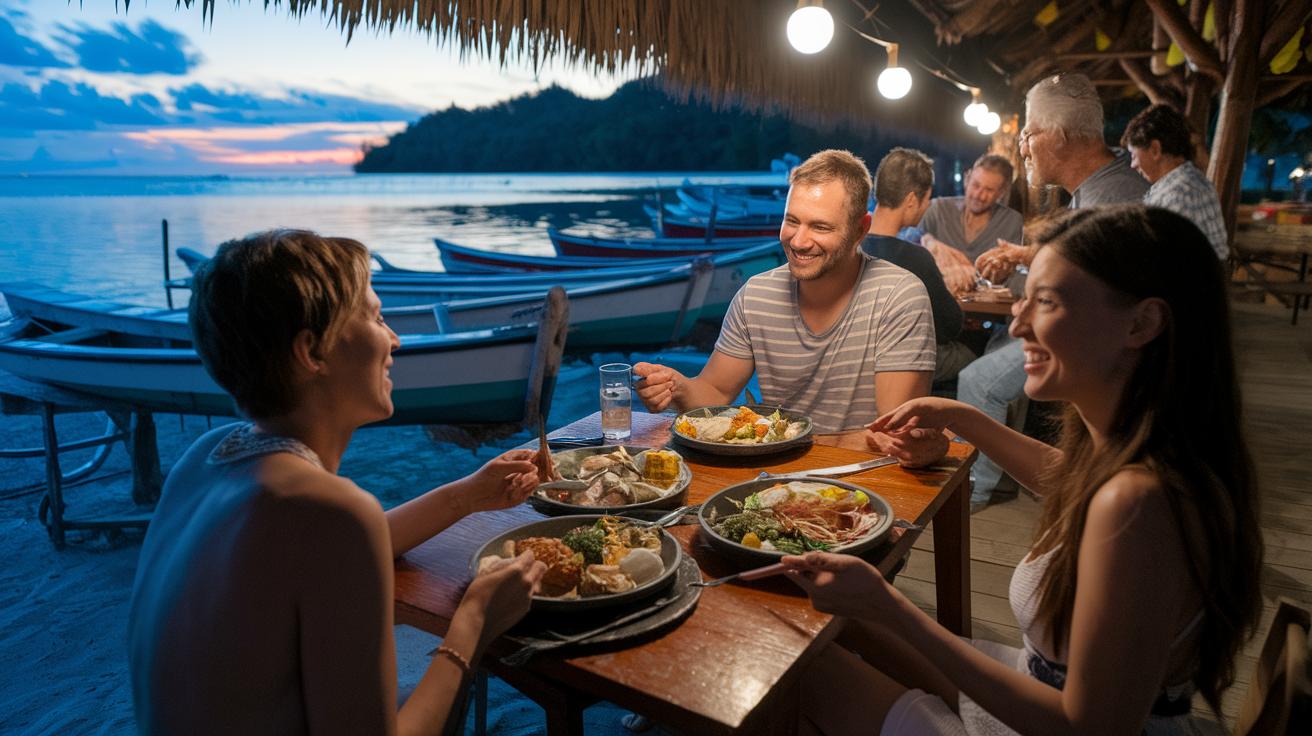
Picture yourself enjoying an evening meal with a local fisherman in a quiet village. Every bite comes with a secret story from long ago. Staying with community hosts lets you step into everyday Caribbean life, meeting local artisans, farmers, and fishermen. They offer more than just a room, they share their hearts, family histories, and treasured recipes passed down through the years.
Local workshops let you get hands-on with traditional skills like pottery, building a steelpan (a musical instrument made from metal), and cooking classic Caribbean dishes. Imagine carefully molding clay with time-honored techniques or listening closely as a master explains the lively beat behind a steelpan. One visitor even said, "I once spent a morning watching an artisan make pottery, feeling every curve of the clay as if it were a living memory."
Story sessions with local elders are like a journey back in time. They share folk tales and ancestral lore, carrying echoes of generations past.
- Community-led homestays: Dive into daily Caribbean life by staying with local artisans, fishermen, and farmers in charming villages.
- Interactive workshops: Explore age-old skills in pottery, steelpan building, and traditional cooking.
- Story sessions: Enjoy heartfelt oral traditions shared by seasoned locals.
Want more tips on planning your own immersive adventure? Check out this expert guide for truly local travel experiences (https://mauisky.com?p=1703).
Photography Tips for Caribbean History and Heritage Travel
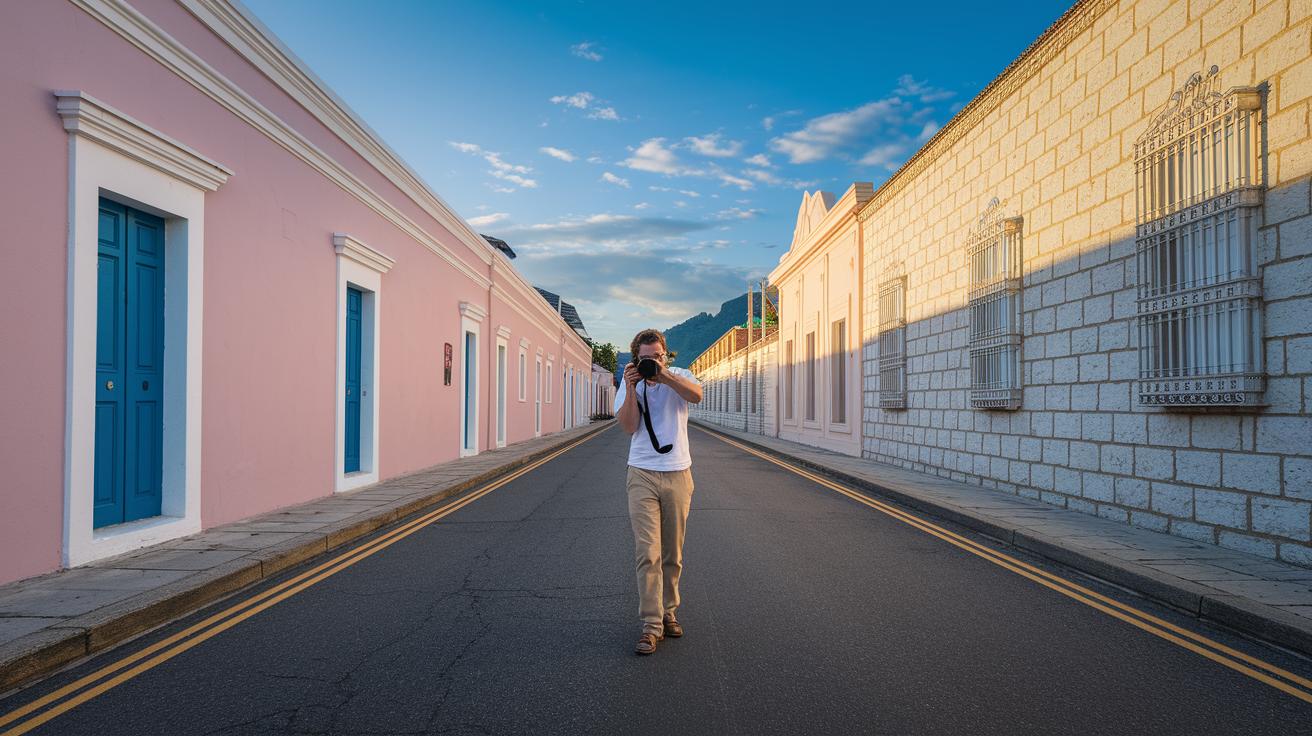
When visiting our beautiful islands, a wide-angle lens is your best friend for snapping pastel colonial buildings and historic fort walls during the golden hour. Imagine the soft warm glow on centuries-old stones while your camera captures lively colors under a clear, blue sky. Using a wide-angle gives you more than just the building, it includes the magic of its surroundings.
In museums where natural light is a rare treat, set your camera’s ISO between 800 and 1600 and bring along a collapsible tripod. This setup helps you catch the quiet, dim atmosphere of halls filled with relics, kind of like reading an old seaport diary where every corner whispers its own story.
And when you find yourself at a local festival, use burst mode during those bright parade mornings. This nifty trick lets you freeze moments of colorful costumes and energetic celebrations. Later in the day, try shooting with side-light to bring out the textures of ancient stone and wrought-iron balconies, as the shadows and light play together to tell a unique tale.
Try out these simple tricks and let each photo capture the rich heritage and vibrant spirit of the Caribbean.
Final Words
In the action, this post brought Caribbean culture and colonial history right into view. We traveled through centuries-old fortresses, explored insightful museum treks, and dipped into lively local celebrations that capture the islands' timeless spirit. You got practical tips for a stress-free itinerary along with sustainable tourism advice. Let this History and Heritage Travel Guide in the Caribbean guide you to cherished local moments and a memorable island escape. Keep smiling and enjoy every sun-kissed step along the way.
FAQ
What is Caribbean heritage and history travel about?
Caribbean heritage and history travel blends stunning beaches, centuries-old colonial legacies, lively regional music, and hands-on cultural workshops, offering travelers a rich mix of artistic, culinary, and historical experiences.
Which colonial fortresses are must-visits in the Caribbean?
Caribbean colonial fortresses like Brimstone Hill in St. Kitts and Castillo San Felipe del Morro in Puerto Rico reflect centuries-old military architecture, scenic harbor views, and engaging guided tours that bring history to life.
What can I expect on Caribbean antiquity museum treks?
Caribbean antiquity museum treks feature exhibits of Maya treasures and colonial artifacts at venues like the Museum of Belize, offering immersive experiences with practical tips, such as visiting during midday to avoid crowds.
How do Caribbean festivals highlight local culture?
Caribbean festivals like Trinidad’s Carnival and the Bahamas’ Junkanoo showcase colorful parades, authentic street music, and traditional ceremonies that let visitors experience the island’s cultural storytelling firsthand.
How do Caribbean maritime heritage trails enhance travel experiences?
Caribbean maritime heritage trails include notable seaports such as Old San Juan and Willemstad, where historic harbor defenses and scenic coastal routes reveal the depth of the islands’ nautical past.
What should I consider when planning a Caribbean history itinerary?
Planning a Caribbean history itinerary means setting aside 7–10 days to explore coastal forts, museum visits, and inland heritage villages, with April to June offering mild weather and fewer crowds.
What authentic local experiences are available during Caribbean heritage tours?
Authentic local experiences during Caribbean heritage tours range from community-led homestays with local artisans to workshops in traditional crafts and cooking that deepen your cultural connections.
What photography tips work best for capturing Caribbean heritage sites?
Photography tips for Caribbean heritage include using a wide-angle lens for colonial architecture at golden hour, burst mode for lively festivals, and side-light techniques to highlight textured stone and iron details.
