Ever wondered about the secrets hidden within old Caribbean harbor towns? Imagine a place where sturdy walls have stood for centuries and busy docks once welcomed ships from far-off lands. These ports connected communities and sparked trade like a lively festival, mixing neat European designs with the warm, colorful Caribbean style.
Walking along these weathered wharfs, you can almost hear the hum of ancient shipyards and feel the gentle ocean breeze carrying whispers of past adventures. It’s like the old walls still echo stories of a time when trade and culture moved together, creating magic. This story takes you on a journey through that rich legacy, a blend of charm and cultural pride that continues to brighten the islands to this day.
Mapping Historic Caribbean Port Cities: Overview of Colonial Seaports
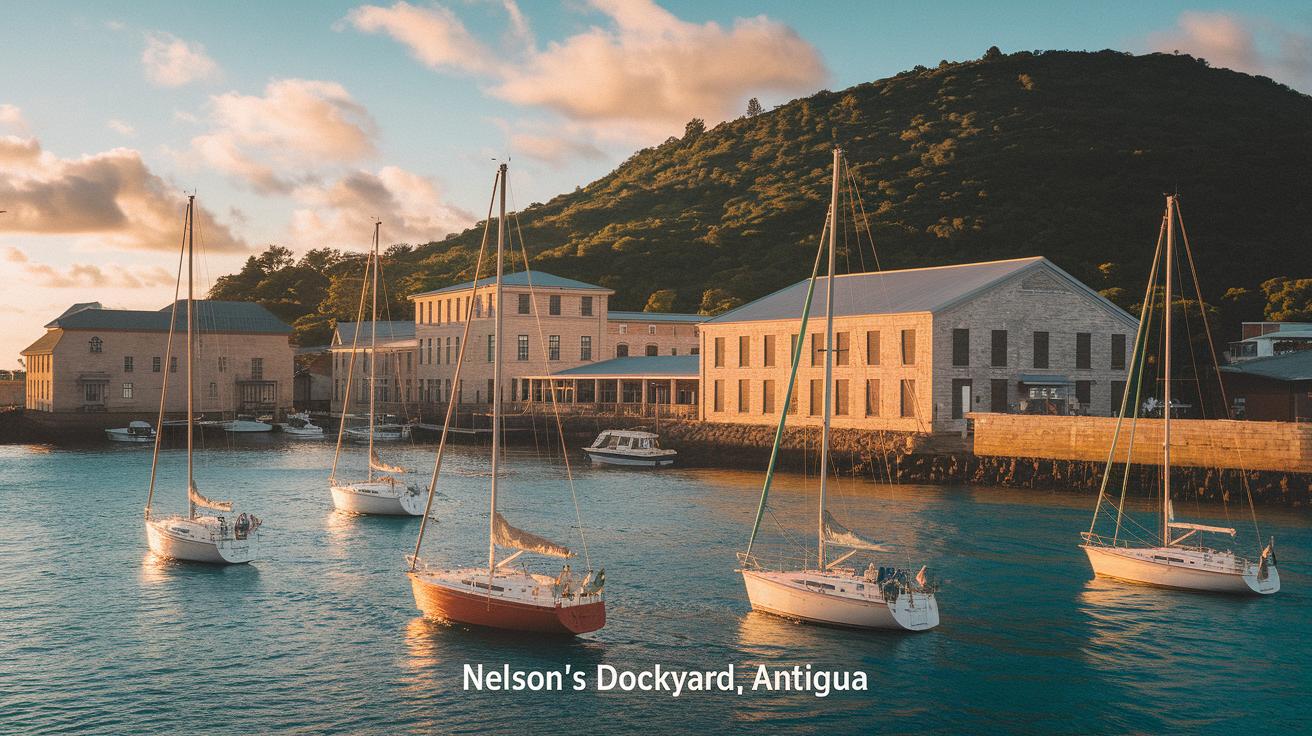
Back in the 1500s through the 1800s, colonial seaports were the lifeblood of booming empires. They buzzed with energy thanks to dry docks, busy shipyards, and safe anchor spots that helped ships come and go with ease. Many of these ports had strong walls and impressive buildings that mixed European design with local flair, almost like a peek into the Caribbean's stunning architectural heritage (you can check it out at https://caribiana.com?p=367).
Over time, these ports grew into lively centers that did more than just support military might. They became places where different communities met and traded goods and ideas, turning simple harbor towns into vibrant urban areas. Think of it like mixing a variety of colors to create a beautiful Caribbean sunset, where local traditions and colonial influences blend into one unique story.
- Antigua’s Nelson’s Dockyard
- Barbados’ Bridgetown and its Garrison
- Curaçao’s Willemstad
- Santo Domingo
- San Juan
- St. Kitts’ Brimstone Hill Fortress
Each of these historic seaports carries its own special story of commerce and culture. They remind us of a time when the rhythm of life was set by powerful fleets and bustling trade routes along sparkling coastlines. Imagine wandering through these sites and feeling the pulse of history with every step you take.
Historic Caribbean Port City: Antigua’s Nelson’s Dockyard

Nelson’s Dockyard was once a key military base in the 1780s, serving as the British Leeward Islands Station. It was named after Admiral Lord Nelson. Fun fact: before his big wins, Nelson sharpened his strategies right here, changing the power balance in the Caribbean.
The Dockyard’s design is a great example of 18th-century Georgian naval style. You can admire its strong brick buildings and huge drydocks, built perfectly for taking care of warships. Imagine walking through an old workshop with the smell of weathered wood and the soft sounds of historic tools, it really feels like stepping back in time.
Today, Nelson’s Dockyard is a lively place where history meets modern fun. You can explore maritime museums and interactive displays that make the past come alive. Visitors rave about the well-kept buildings and the engaging stories they share, inviting everyone to experience a mix of military history and old colonial charm.
Historic Caribbean Port City: Barbados’ Bridgetown and Garrison

Ever wondered how a bustling colonial port used to look? Barbados' Bridgetown and its Garrison still show off what a lively seaport once was. Back in the 17th to 19th centuries, a deep-water harbor made it easy for sugar and local goods to sail in and out. Imagine workers busy at the docks under the warm Caribbean sun, loading and unloading cargo that linked Barbados to faraway lands.
Bridgetown wasn’t just about trade; it also had strong defenses to keep the port safe. Landmarks like Garrison Savannah, the Military Prison, and the Commissariat were built to guard the busy harbor. Standing by those thick stone walls, you can almost feel the steady rhythm of guard formations from long ago.
Today, the old trading spirit still fills the streets of Bridgetown. The lively mix of sugar, spices, and other goods helped fuel the local economy and blend different cultures together. When you wander around this historic town, you get a taste of its energetic past, where bustling commerce and local traditions continue to live on.
Historic Caribbean Port City: Curaçao’s Willemstad Harbor
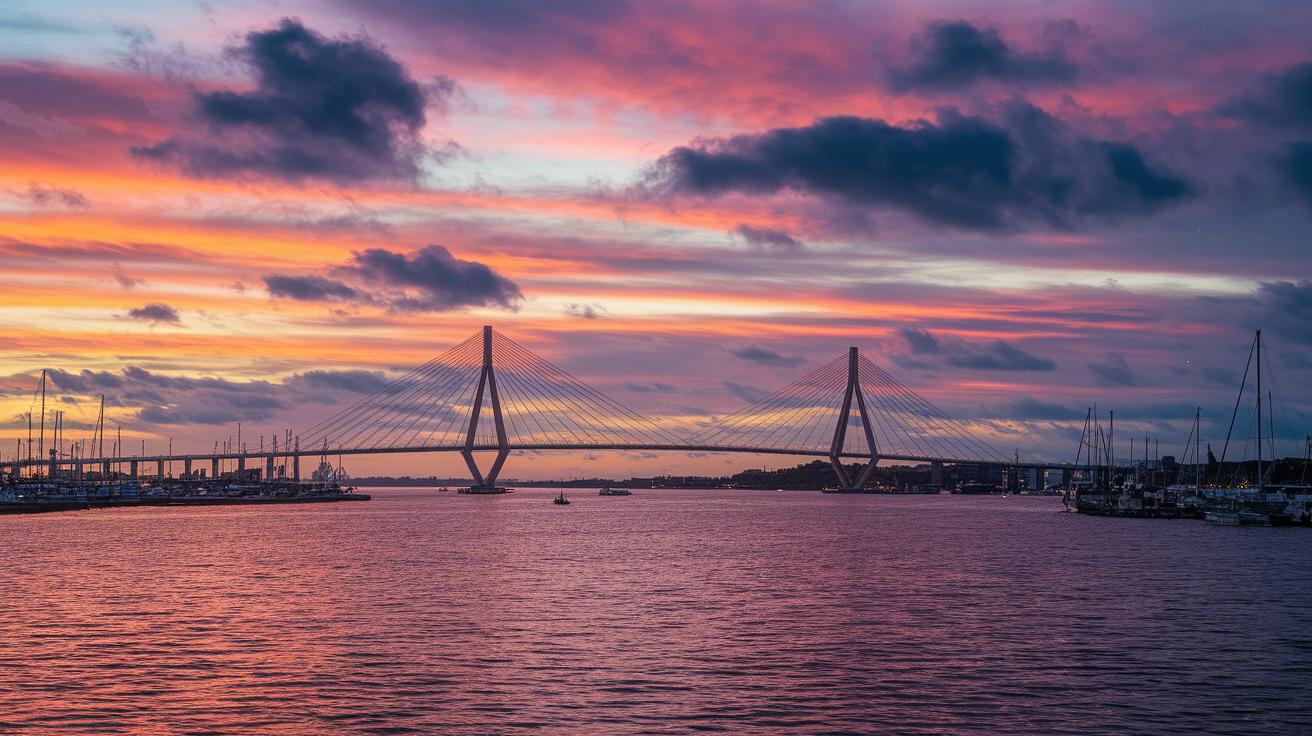
Willemstad was once the capital of the Dutch Antilles until 2010, and it's been a bustling port town for centuries. Founded back in the 1600s, it quickly turned into a lively mix of sailors, traders, and locals. Imagine the salty air and busy streets, each one whispering stories of days when maritime trade ruled the scene.
The harbor shows off classic Dutch colonial design in a way that feels as vibrant as a Caribbean sunset. Along the sparkling waters of Sint Anna Bay, colorful merchant houses snugly line up next to the famous floating Queen Emma Bridge. Picture strolling through streets that burst with hues like a painter’s palette, each building sharing its own tale of trade and cultural exchange.
Even nowadays, Willemstad blends history and modern vibes in a way that captures everyone’s heart. The port area is alive with local spirit, dotted with museums, art galleries, and lively markets that celebrate its rich trading history. Walking along the harbor, you might even hear echoes of the past mingling with today’s vibrant sounds, a gentle reminder that this historic maritime legacy is still thriving.
Historic Caribbean Port City: Santo Domingo’s Colonial Harbor

Established in 1496, Santo Domingo is celebrated as the oldest European city in the Americas that still buzzes with life today. It all began when Spanish settlers landed and built vibrant harbor communities, setting the stage for a lively mix of local traditions and European customs. Ever wondered how a simple port could spark a fusion of cultures? That’s exactly what happened here.
The city is filled with timeless landmarks that whisper stories of the past. The Ozama River once bustled with Spanish ships, bustling gateways for explorers and traders alike. Take a stroll by the Alcázar de Colón, built in 1510, imagine the echoes of colonial figures that once graced its halls. Then there's the Cathedral of Santa María la Menor, dating back to 1502. Its grand facade and stone walls let you almost feel the weight of history with every step.
The harbor wasn’t just about ships, it was the beating heart of early trade. Santo Domingo’s waterfront became a lively spot where cargo, ideas, and cultural treasures flowed between the New World and Europe. In truth, the harbor helped keep the spirit of adventure and exchange alive, making the city a true gateway to history and culture.
Historic Caribbean Port City: San Juan’s Fortified Waterfront
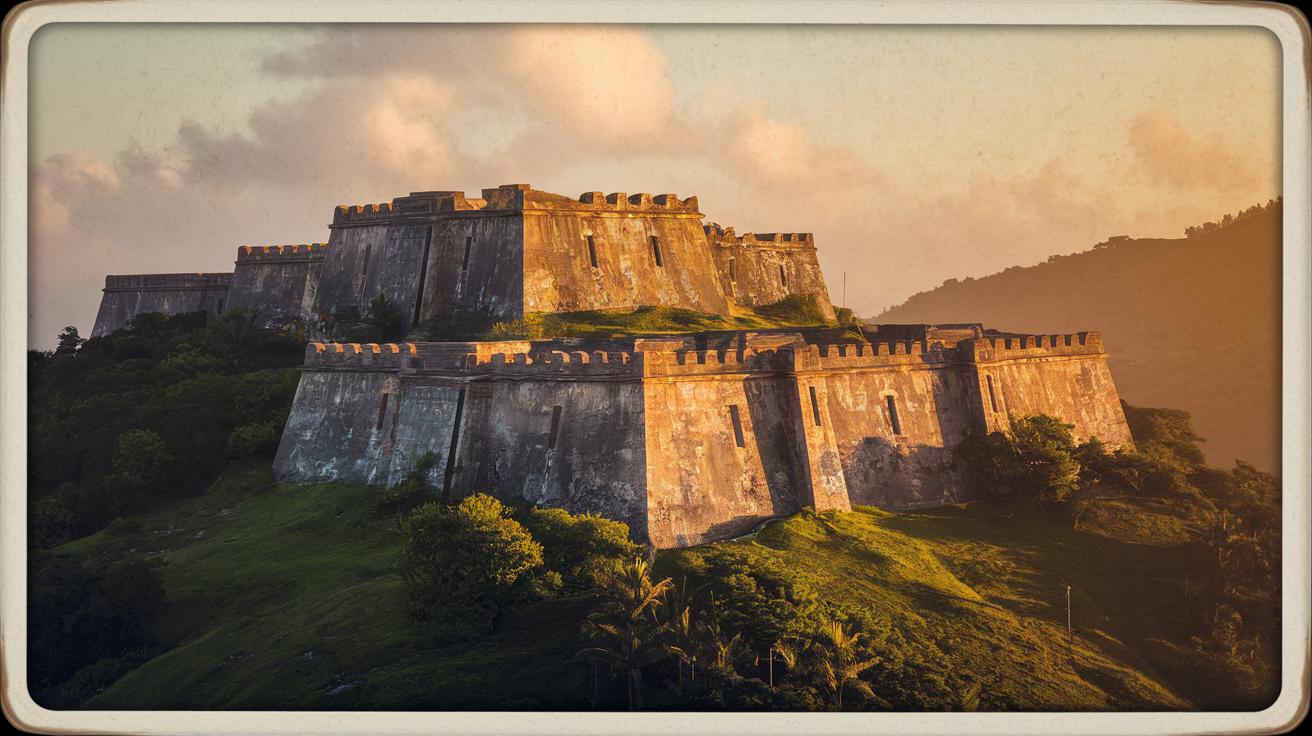
Walking around San Juan feels like flipping through pages of a lively history book. Think of La Fortaleza (built back in 1533), Castillo San Felipe del Morro (1561), and Castillo San Cristóbal (1634) as the city's sturdy guardians. They weren't just built, they were lovingly crafted with tough stone and careful design, much like a group of friends working together to protect a secret hideaway.
Over time, the defenses of San Juan changed as new building tricks and materials came along. Imagine a builder carefully planning each tower and wall, where every brick seems to softly whisper stories of old battles and small victories. It’s like listening to the tales of a wise grandparent who’s seen it all.
Today, the historic waterfront is bursting with modern life. Nearly 3 million cruise visitors each year wander these beautiful sites, marveling at the contrast of ancient stone set against bright, lively greenery. As you explore, you can feel the blend of old military strength and the warm, welcoming spirit of San Juan. Every step is a gentle reminder that history and modern charm can mix into one unforgettable coastal story.
Historic Caribbean Port City: St. Kitts’ Brimstone Hill Fortress
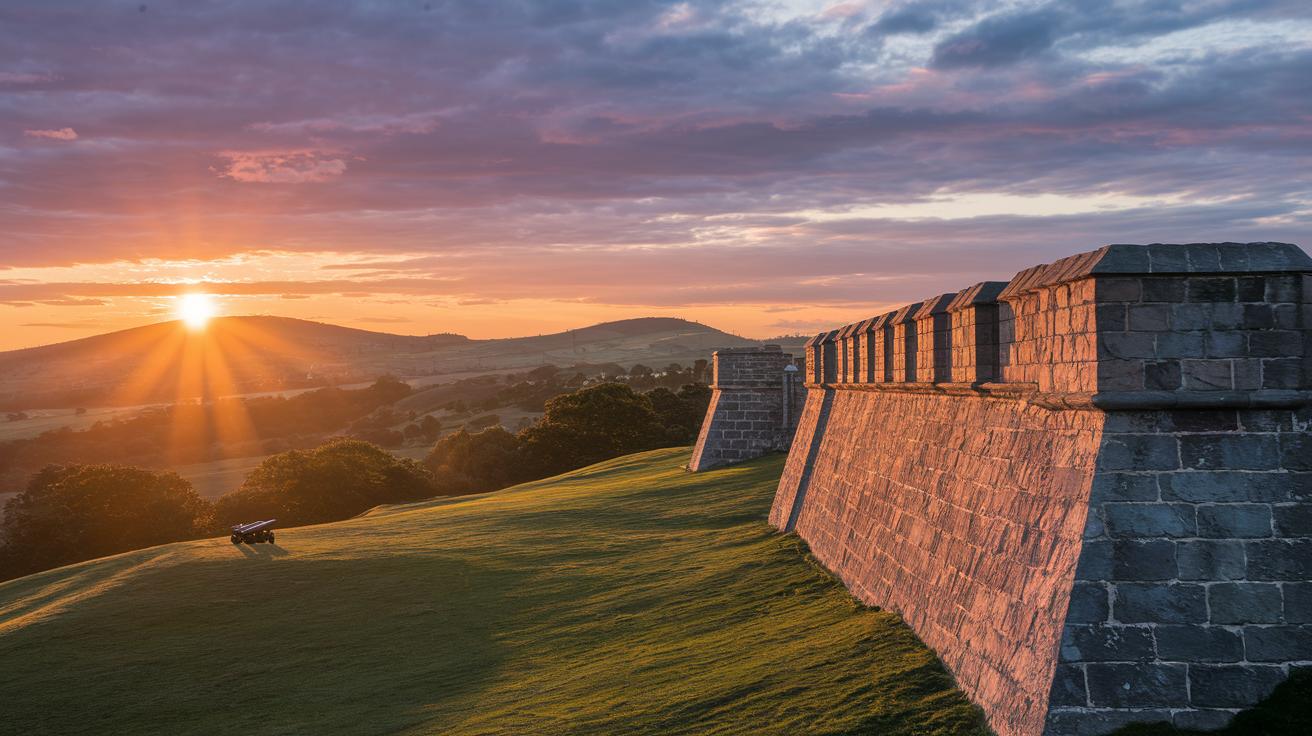
Brimstone Hill Fortress National Park was built long ago, between the 1600s and 1700s, by enslaved Africans for the British military. This incredible 45-acre hilltop stronghold was created with smart planning, making room for as many as 800 soldiers. Picture solid stone walls rising on a breezy hill, built with techniques handed down through generations. Every stone and piece of mortar tells a story of the hardworking people behind its construction, giving us a real feel for colonial military design.
Digging a little deeper, archaeologists have found pieces of old cannon placements and defense structures that once kept invaders at bay. Local researchers have pieced together these clues to show how the fort worked, with artifacts that echo the disciplined life of its soldiers. These discoveries help us touch a past where clever design met sheer human effort.
Today, restoration projects keep the fortress in great shape so visitors can explore its rich military history. Experts lovingly care for its stone walls and towers, ensuring that this landmark stays a lively reminder of Caribbean heritage and the strength of those who built it.
Historic Caribbean Port Cities at a Glance: Comparative Timeline and Features
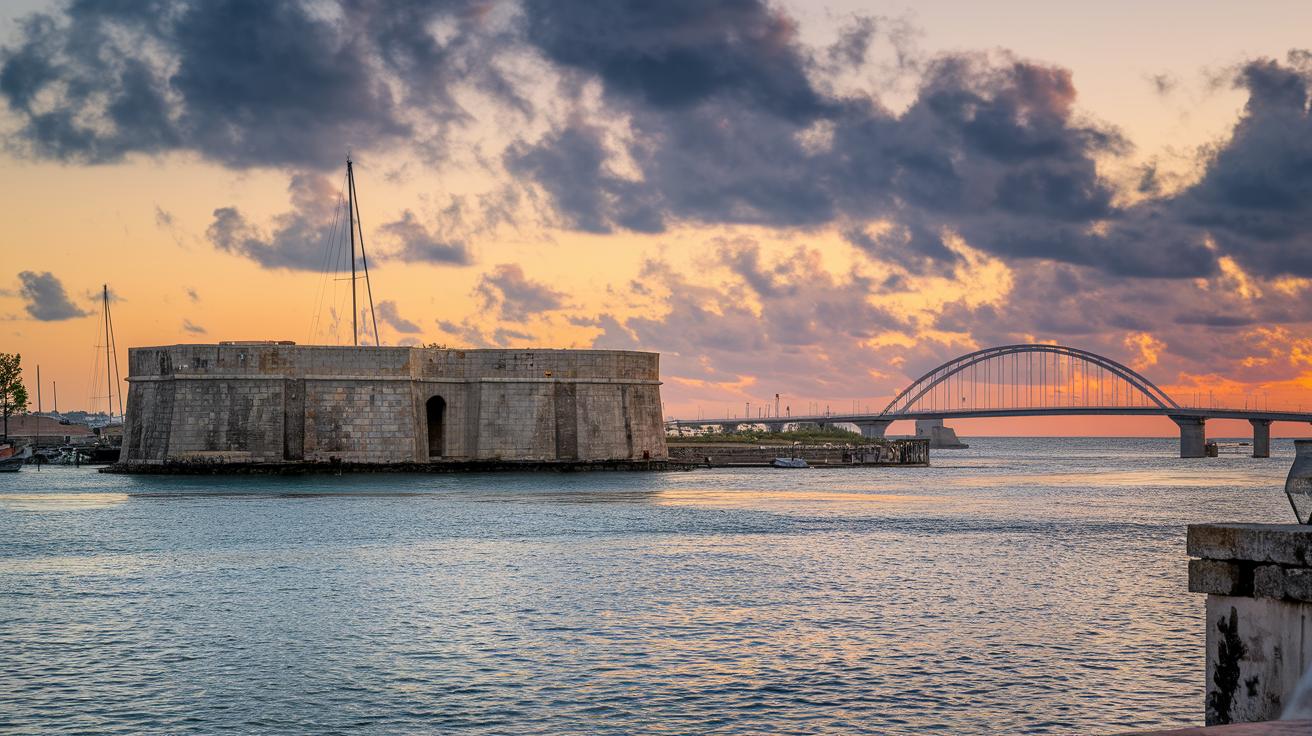
Take a peek at some of the Caribbean's oldest seaports. Each of these harbors has its own story, with dates of founding, key recognitions from UNESCO, and signature landmarks that still whisper tales of the past. They were once quiet docks that grew into vibrant centers, fueling trade and the exchange of cultures.
These ports reveal how history unfolded along the coast, turning simple harbors into lively hubs filled with fortresses and bridges. Every stone holds a memory of the colonial powers that once shaped these lively Caribbean spots.
| Port City | Founded | UNESCO Designation Year | Key Fortification/Landmark | Colonial Power |
|---|---|---|---|---|
| Santo Domingo | 1496 | 1990 | Alcázar de Colón | Spanish |
| San Juan | 1533 | 1983 | La Fortaleza | Spanish |
| Willemstad | 1634 | 1997 | Queen Emma Bridge | Dutch |
| Bridgetown | 1628 | 2011 | Garrison Savannah | British |
| Nelson’s Dockyard | 1725 | 1997 | Georgian Naval Base | British |
| Brimstone Hill | 17th–18th c. | 1999 | Brimstone Hill Fortress | British |
Final Words
In the action, we roamed through Caribbean colonial seaports that served as busy hubs of history. We checked out Antigua’s Nelson’s Dockyard, the lively waterfront of Bridgetown, and the colorful charm of Willemstad, along with Santo Domingo, San Juan, and St. Kitts’ impressive sites. Each of these historic caribbean port cities holds a story of maritime life and colonial influence. Enjoy the mix of cultural stories and practical travel tips, and let the warm spirit of the Caribbean guide your next trip.
FAQ
Q: What historic Caribbean port cities should I visit?
A: Suggesting a visit to cities like Antigua’s Nelson’s Dockyard, Barbados’ Bridgetown, Curaçao’s Willemstad, Santo Domingo, San Juan, and St. Kitts’ Brimstone Hill Fortress offers you a rich blend of colonial seaport charm and vibrant maritime history.
Q: What defines a historic Caribbean port city?
A: Historic Caribbean port cities are recognized for their colonial seaport origins, featuring old naval fortifications, trade landmarks, and cultural sites that tell the story of early maritime trade and defense.
Q: What are some noted pirate havens in the Caribbean?
A: Examining the lore of the Caribbean, pirate havens like Port Royal and Tortuga are famed for their lively, notorious pasts as centers for pirates and nautical mischief during the age of sail.
Q: Which Caribbean island has the most historical sites?
A: When highlighting historical richness, San Juan in Puerto Rico stands out with its multiple well-preserved forts and landmarks, offering a broad glimpse into colonial defense and cultural evolution.
Q: What was the most famous pirate port?
A: Emphasizing its infamous reputation, Port Royal is often seen as the most famous pirate port in the Caribbean with stories of pirate escapades and lively maritime trade.
Q: What port is referenced in Pirates of the Caribbean?
A: The port featured in Pirates of the Caribbean draws inspiration from real-life historic ports like Port Royal, blending pirate legend with the authentic maritime culture of the Caribbean.
Q: Which town is considered the most beautiful in the Caribbean?
A: Many travelers admire towns like Bridgetown for their scenic waterfronts, colonial architecture, and welcoming Caribbean flair, making them a favorite among visitors seeking beauty and history.
Q: Are there lesser-known historic ports alongside major names like Kingston, Nassau, Dwarka, or Baiae?
A: Beyond well-known sites, several Caribbean locations boast unique historical sites and maritime legacies that enrich local culture, offering hidden gems to those interested in exploring beyond the usual stops.
