Ever visited a city that feels like stepping back in time? Historic Caribbean ports sparkle with a charm built over centuries. Imagine strolling along the neat streets of Santo Domingo, soaking in the blend of old styles in Bridgetown, and marveling at Old Havana’s ancient walls that have seen so much. Each port is like a living storybook, filled with memories of early settlers and brave sailors. As you wander these old harbor towns, you aren’t just ticking off a list of landmarks, you can almost feel history whispering its secrets. Let’s take a closer look at the magic hidden in every corner of these unforgettable islands.
Historic Caribbean Port Cities Glow with Timeless Charm
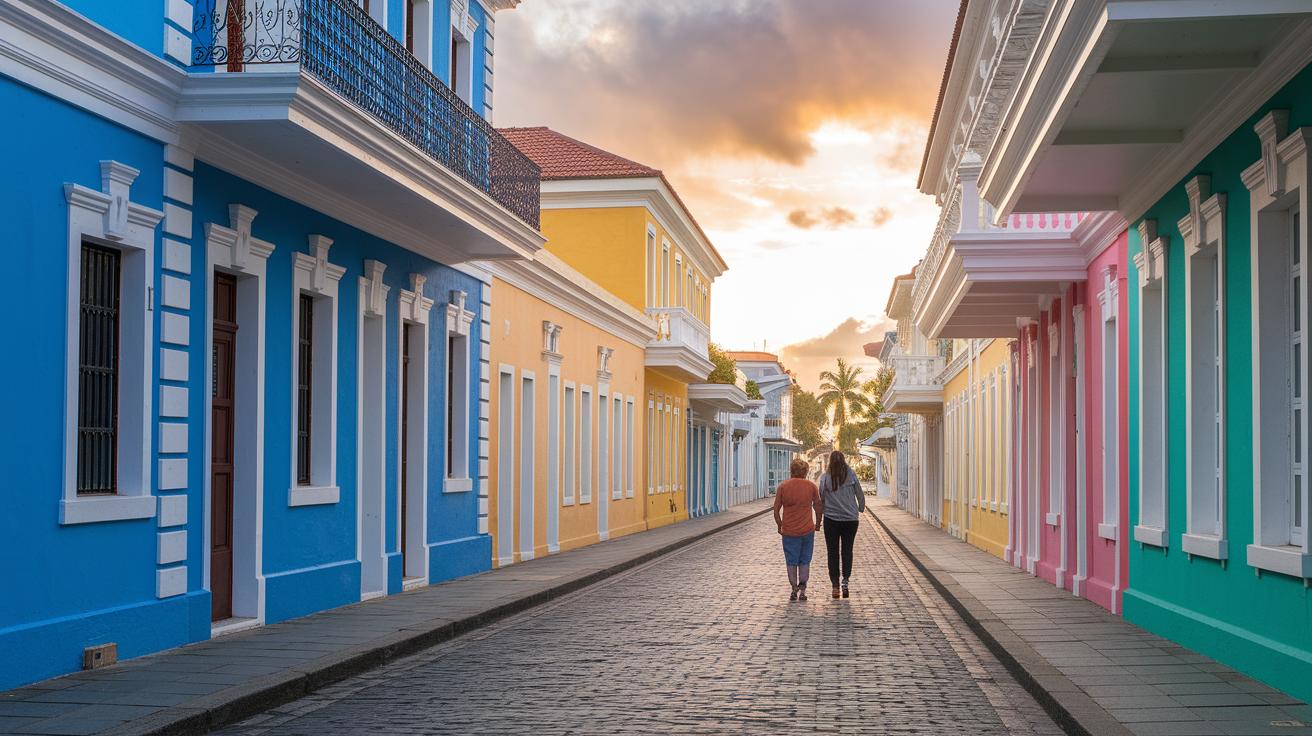
The Caribbean ports are full of history and heart. Think about walking streets that have seen centuries of memories. Santo Domingo, for example, became Spain’s first American settlement when it was founded in 1496. Its neat grid of 32 streets and 116 blocks shows just how organized those early colonists were.
In the 1700s, Bridgetown grew into a busy center for both trade and the military under British rule. Today, you can stroll along its old streets and see hints of Colonial, Georgian, and Victorian Neo-Gothic style in its buildings. Landmarks like the George Washington House from the 1750s and St. Anne’s Garrison bring the stories of bustling trade and strong armies to life.
Old Havana feels like stepping back in time. Its 16th- and 17th-century walls and forts, including the Castillo de los Tres Reyes del Morro and the Fortaleza de San Carlos de la Cabaña, remind you of the old days when Spanish settlers had to protect their shores from sea threats.
Meanwhile, Willemstad tells its own story with Fort Amsterdam. Built in 1634 to guard a deep-water harbor at Sint Anna Bay, it once served as both a shield and a gate for trade adventures.
In St. George’s, founded in 1612, you can see stone fortresses and limestone batteries that show the early English efforts to hold on to key Caribbean spots. Each of these ports shines as a reminder of resilience and adventure. They invite visitors to imagine the busy lives of old mariners and to taste the rich culture that has survived through the ages.
Evolution of Port Commerce in Historic Caribbean Port Cities
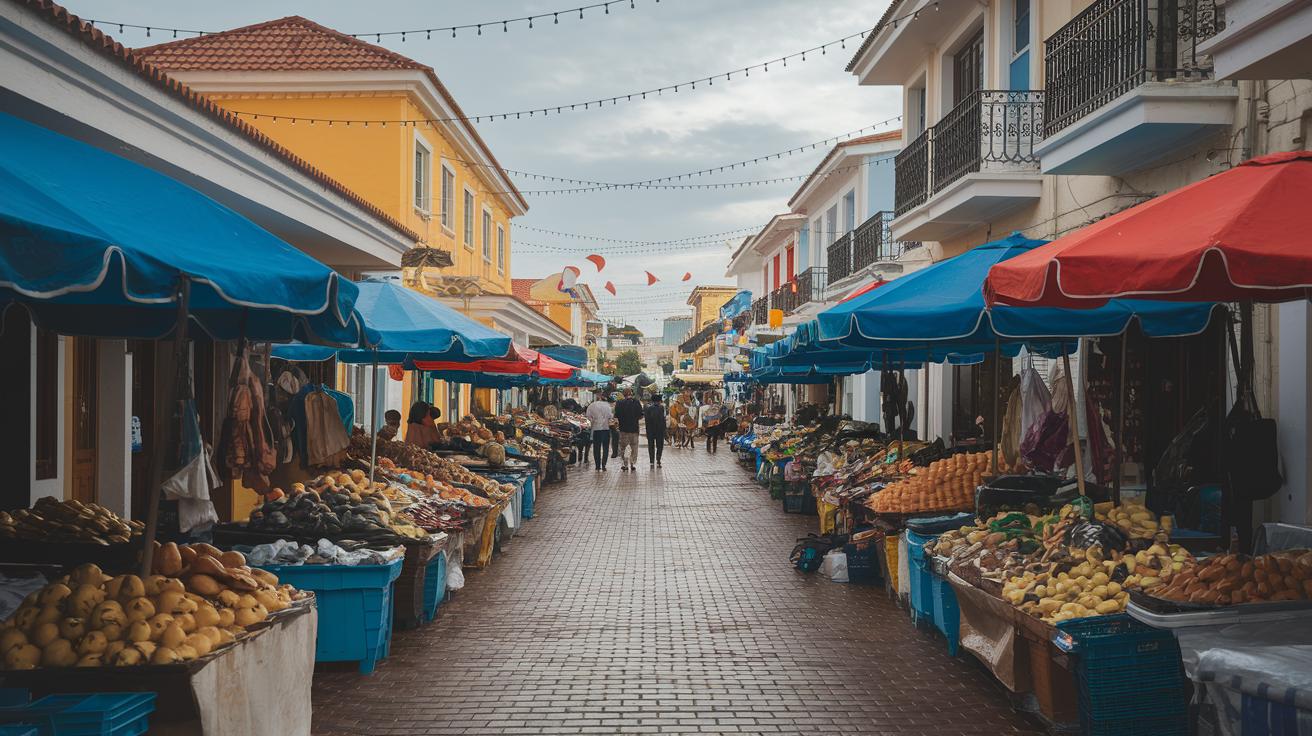
In Santo Domingo, the story goes beyond just being a busy market spot. Spanish rule here sparked new ways of growing crops for cash and improved building methods that changed the local scene. Think of it as Spanish merchants setting up cash crop trades that reshaped how the town worked.
Over in Bridgetown, a safe harbor inspired the British to get creative with how docks and warehouses were arranged. Picture a place where simple docks grew into a smooth system for getting goods on and off ships, making life easier for everyone.
Then there’s Willemstad, where Fort Amsterdam wasn’t just a military outpost. The Dutch crafted clever designs that made trade and money matters safer and more efficient. They even added small canal systems to help merchants move their goods more quickly and easily.
Havana experienced a big sugar boom in the 1800s that changed the city from top to bottom. New grand buildings appeared alongside fresh trade ideas and changes in work habits, giving the city a whole new look and vibe.
| Year | Trade Event | Colonial Influence Impact |
|---|---|---|
| 1496 | Santo Domingo opens Spain’s trade hub | Introduced cash crop trades and new infrastructure |
| 1628 | Bridgetown becomes British commercial port | Evolved from basic docks to organized warehousing |
| 1634 | Fort Amsterdam launches Dutch trade in Willemstad | Streamlined trade finance and logistic systems |
| 1800s | Havana sugar boom finances grand architecture | Overhauled urban policies and infrastructure |
Fortifications and Naval Architecture in Historic Caribbean Port Cities
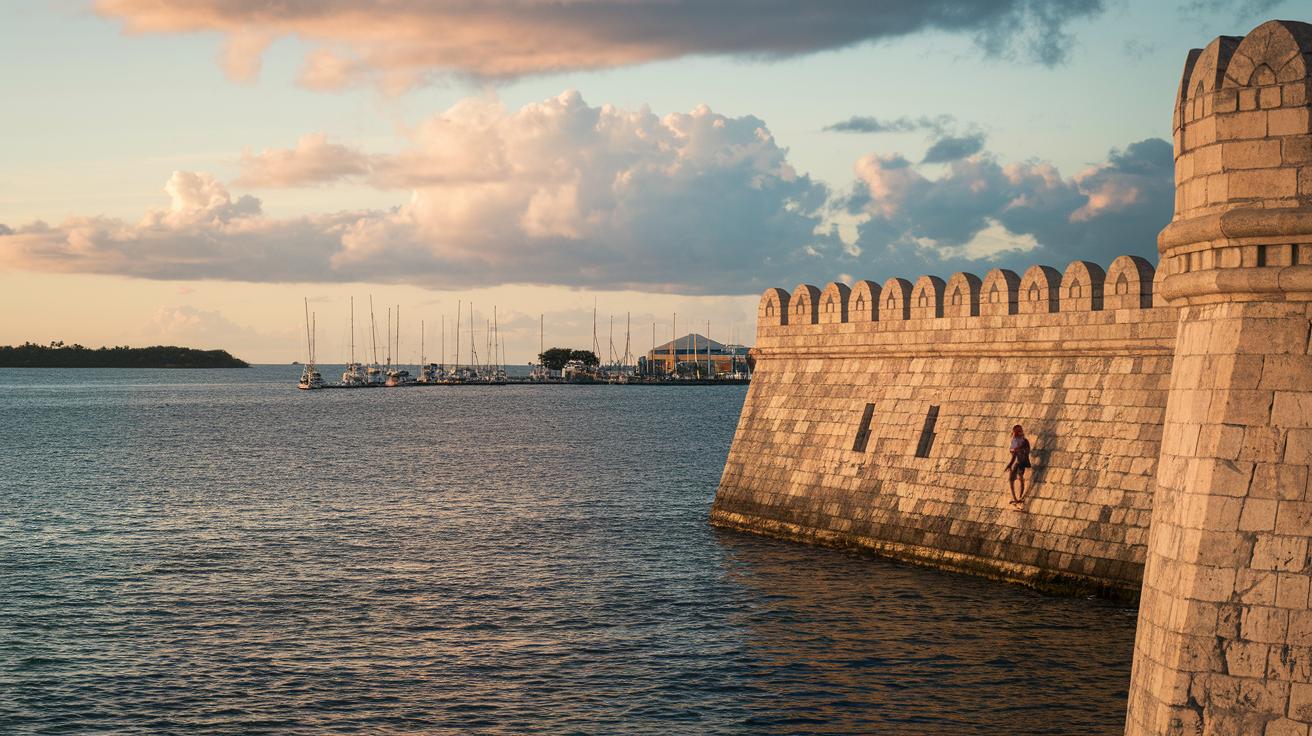
Caribbean port towns are full of old fortifications that whisper stories of brave defenses and clever building. Walking beside these ancient walls feels like a chat with history; each stone seems to share a secret from long ago. Imagine strolling along battlements while a gentle sea breeze mixes with memories of cannon fire. These structures did more than protect, they shaped neighborhoods and left a mark on everyday island life.
Over time, these forts grew into symbols of strength and hope during stormy times. They aren’t just relics of the past but lively reminders of how locals and seafarers once banded together against unpredictable tides and troubles.
Key military structures include:
- Alcázar de Colón (Santo Domingo)
- Castillo de la Real Fuerza (Havana)
- San Carlos de la Cabaña (Havana)
- St. Anne’s Garrison (Bridgetown)
- Fort Amsterdam (Willemstad)
- Stone fortress and batteries (St. George’s)
Each site shows how practicality blended with a bit of art, using stone and mortar to face both natural challenges and enemy attacks. In truth, these forts are more than old buildings, they are enduring testaments to the ingenuity and determination of early settlers who embraced the spirit of the Caribbean.
Bridgetown: A Historic Caribbean Port City
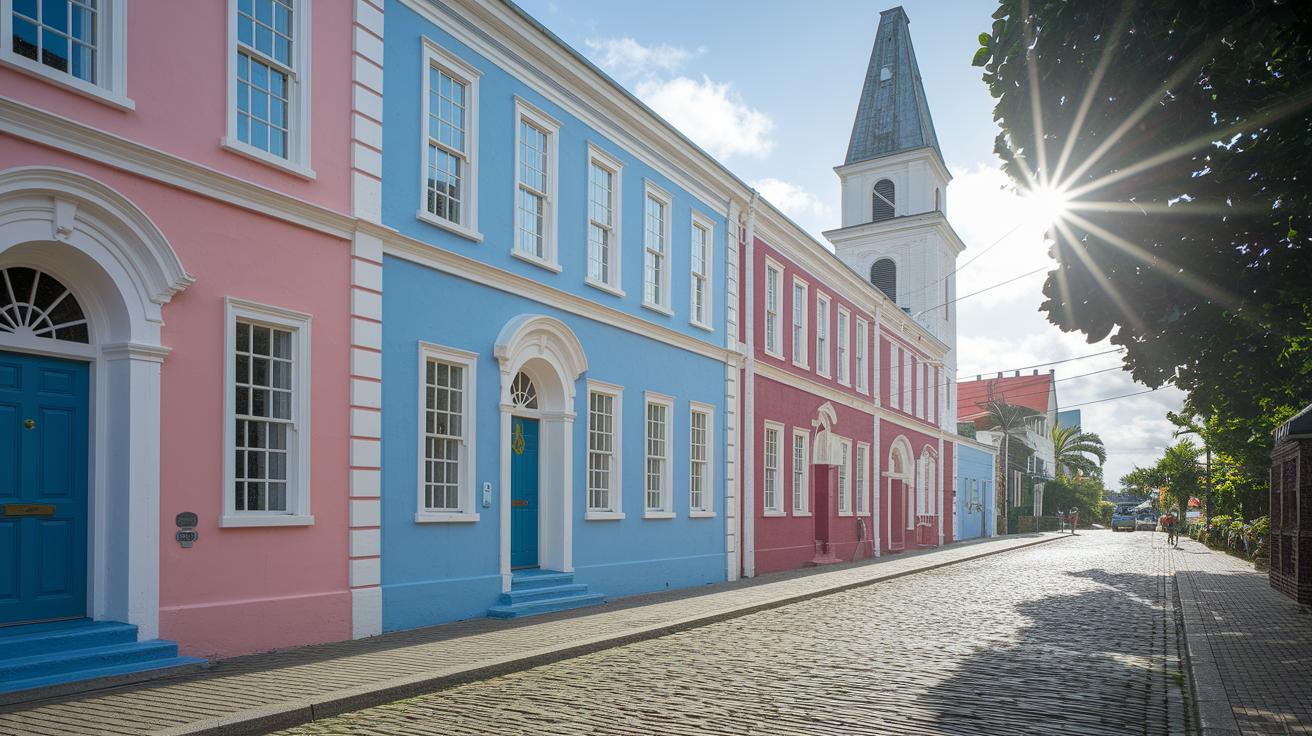
Bridgetown is a treasure trove of history and culture. It's recognized by UNESCO for its rich heritage. Back in the 1750s, this lively port became a key spot for British military and trade, thanks to its beautiful natural harbor that welcomed merchants from far-off lands.
Imagine strolling on sun-warmed cobblestone streets. Sidewalks lined with elegant Georgian houses and old churches take you back in time, almost like flipping through the pages of an old travel diary. The George Washington House, built in 1751, stands proud as a reminder of an era when community spirit was as strong as the trade winds.
Today, every corner of Bridgetown softly whispers stories from the past. You can feel the gentle pulse of history blended with the warmth of the Caribbean sun, making it easy to fall in love with this enchanting city.
Old Havana: Spanish Colonial Heritage in a Historic Caribbean Port City
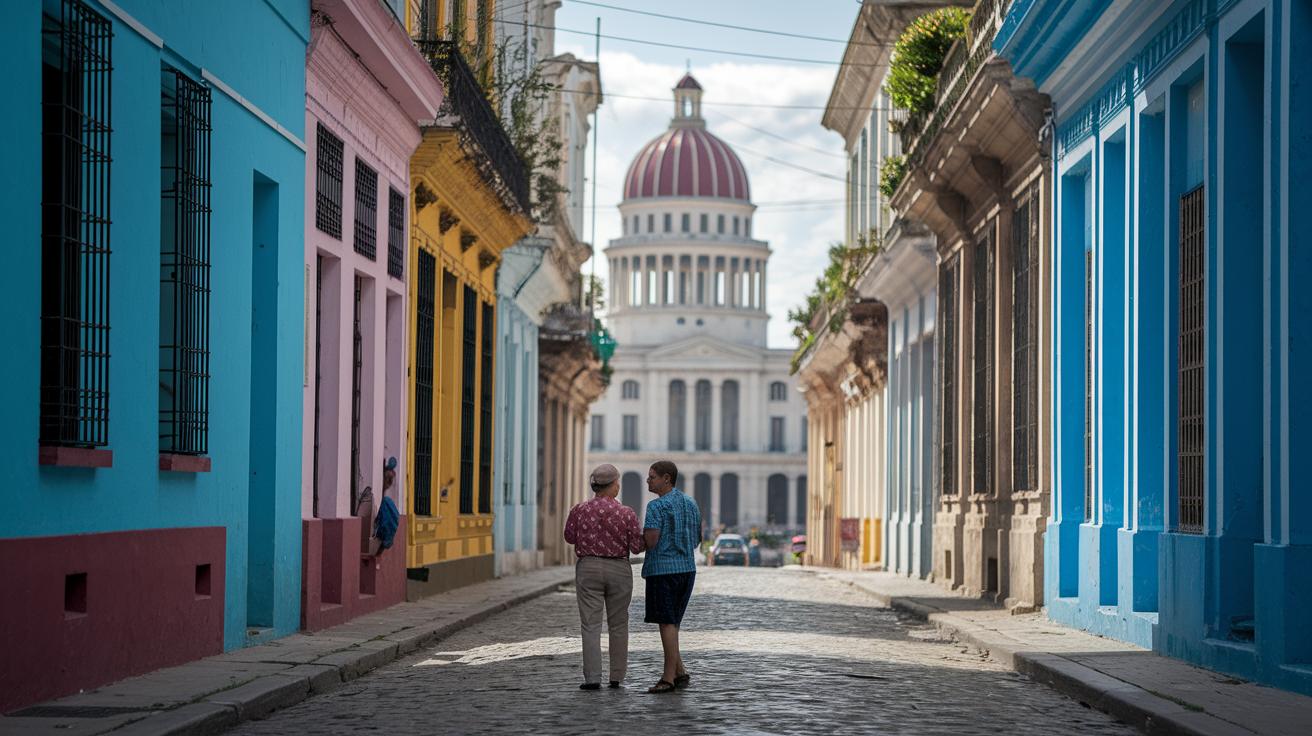
Old Havana buzzes with a laid-back vibe that feels like talking with a neighbor while catching a warm Caribbean breeze. Its tiny streets and sun-drenched plazas brim with everyday life, where local cafes and surprise street shows make history feel delightfully current.
The Capitolio Nacional stands out among the classic Spanish colonial buildings. Locals and visitors alike stop by to admire its rich past and enjoy it as a friendly gathering place.
Wandering along the cobbled lanes is like stepping into a storybook. Imagine strolling through a lively square and catching an elderly local sharing tales of past festivities, with children laughing nearby. Every corner whispers a bit of history while celebrating the present.
Even as grand forts like Castillo de los Tres Reyes del Morro and Fortaleza de San Carlos de la Cabaña remind you of Old Havana's storied past, it’s the vibrant, living culture that makes the city truly special.
Santo Domingo: A Historic Caribbean Port City and Spain’s First Settlement
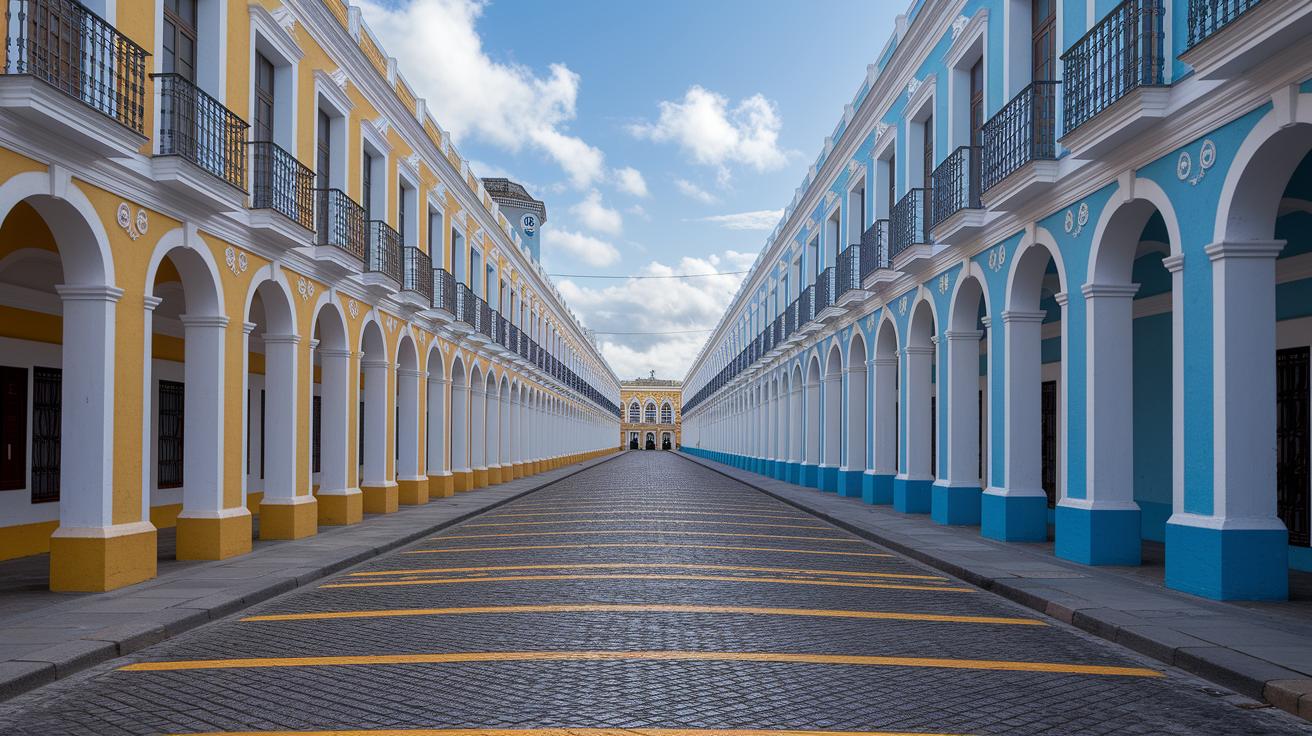
Santo Domingo was founded in 1496 and proudly stands as the oldest permanent European settlement in the Americas. Its original design was truly ahead of its time, laid out in a neat grid of 32 streets and 116 blocks that still shapes its lively center today. This clear plan set the stage for Spain's power and organization in the New World.
Take a leisurely walk along Calle de la Damas and you can almost feel the centuries of history in every stone. Picture a traveler from the 1500s marveling at such brilliant order, like reading a book where every page shares its own story. The city is full of treasures: the first cathedral brings to life the deep roots of faith and culture, and the Alcázar de Colón is a grand symbol of Spain’s early colonial dreams. Then there's Las Casas Reales and the nation’s first university, which show Santo Domingo's important role in education and government.
Every nook of this port city whispers tales of a vibrant past in Caribbean trade. It wasn’t just a busy hub for merchants and officials; it was the very blueprint for how colonial settlements blossomed throughout this colorful region.
Willemstad: Dutch Legacy in a Historic Caribbean Port City
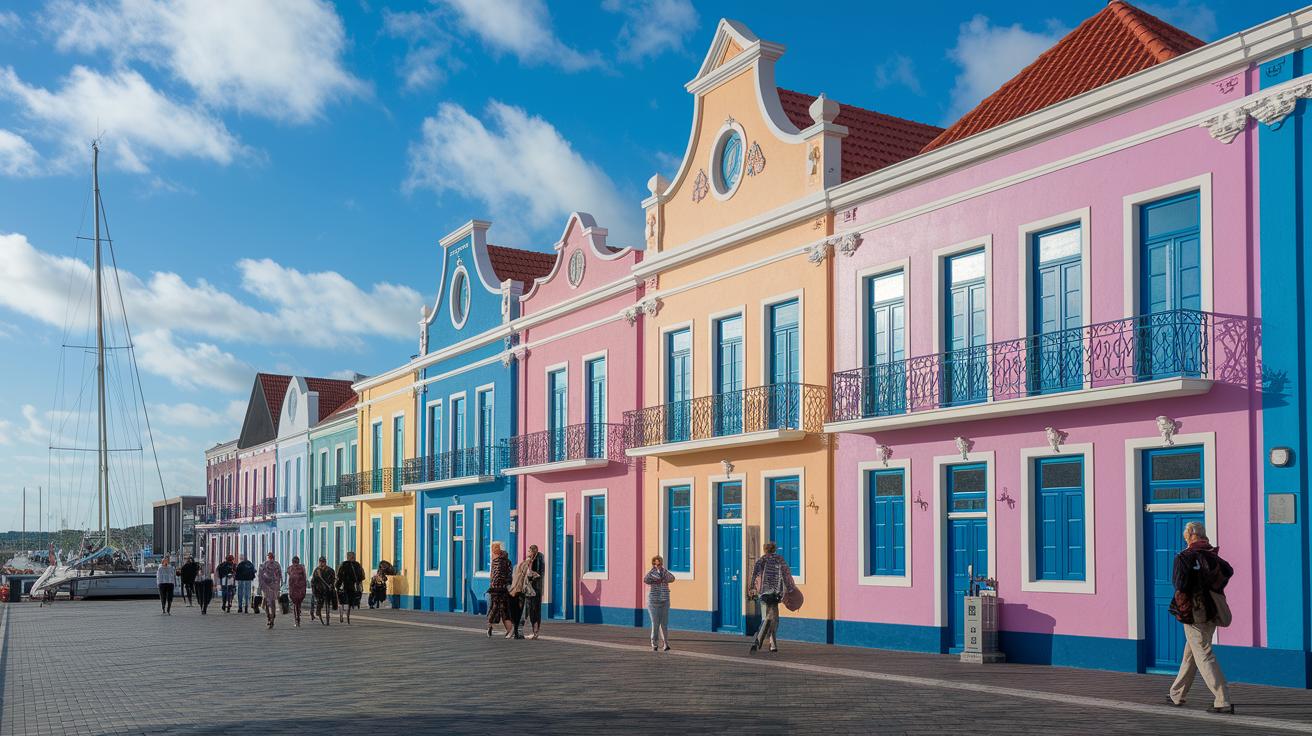
Willemstad is a charming reminder of how Dutch trade turned a quiet coastal spot into a lively port town. Thanks to the deep, natural harbor at Sint Anna Bay, ships found a safe haven. Back in 1634, Fort Amsterdam was built to guard the busy trade routes, and its sturdy design still shows us how much care the Dutch put into safety and commerce.
Wandering through Punda, the original walled district, feels like stepping into a bright, colorful postcard. Pastel Dutch colonial buildings line the streets and tell stories of old trade routes and cultural exchanges. It’s like each building holds a secret waiting to be discovered.
Next, you have neighborhoods like Otrobanda, Pietermaai, and Scharloo. Here, you can spot influences from Spanish, Iberian, and Afro-American cultures mingling together. The lively streets and diverse architecture add a real buzz to the city, showing how many different influences have shaped its character.
Imagine strolling along a waterfront where history blends with the buzz of modern life. Every corner bursts with color and energy, a reminder of a time when trade was as much an art as it was a necessity. It’s a place that invites you to pause, take in the view, and wonder about its past.
Willemstad’s story is one of tradition, cultural exchange, and the vibrant spirit of the Caribbean, a tale told through its forts, buildings, and bustling streets.
St. George’s: A Historic Caribbean Port City and England’s Oldest Settlement
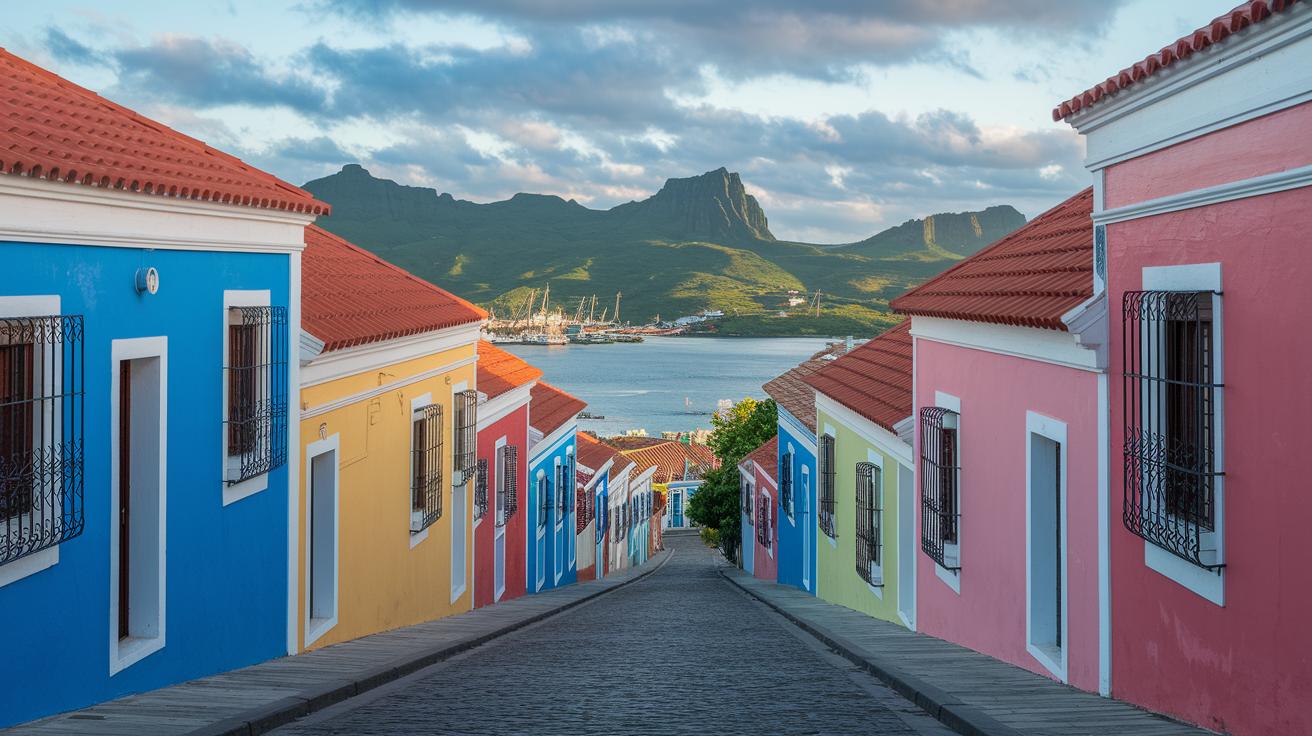
Founded way back in 1612, St. George’s proudly holds the title of the longest continuously lived-in English town in the Americas. A stroll through its winding streets feels like stepping back in time, where each corner whispers tales of the Caribbean past.
The town’s layout, carefully planned with narrow lanes, offers a glimpse into a time when design was as much about defense as it was about community. Imagine sturdy 17th-century stone forts built from local limestone that once guarded the harbor with unwavering resolve, structures crafted to keep intruders at bay during turbulent times.
Look around at the local homes where ceramic-tiled roofs aren’t just pretty to see; they’re also clever designs that collect rainwater in a tropical setting. Every stone and pathway in St. George’s tells a story, blending the legacy of colonial defense with smart, everyday practicality.
| Feature | Description |
|---|---|
| Foundation Year | 1612 |
| Fortifications | 17th-century stone structures and batteries |
| Local Innovation | Ceramic-tiled roofs for rainwater collection |
Final Words
In the action, we explored Caribbean coastal hubs that shine with rich maritime stories. We traced their origins from early colonial settlements to impressive fortifications and trade centers, each with a unique charm. The mix of fortified walls and lively port markets painted a picture of dynamic exchange and local pride. These historic caribbean port cities invite you to step into a world that feels both timeless and welcoming, promising memorable experiences as you walk through their storied streets with a light-hearted spirit.
FAQ
What are some historic Caribbean port cities?
Historic Caribbean port cities include Santo Domingo, Bridgetown, Old Havana, Willemstad, and St. George’s. They showcase centuries-old fortifications, colonial structures, and preserved trade hubs that reveal the region’s maritime past.
Which Caribbean port cities are best for visitors interested in history?
The best historic port cities for history lovers are Santo Domingo, Bridgetown, Old Havana, Willemstad, and St. George’s. They feature ancient fortifications and colonial buildings that highlight the area’s rich maritime legacy.
What historical sites are significant in the Caribbean?
Significant historical sites span Old Havana’s Fortaleza de San Carlos de la Cabaña and Castillo de los Tres Reyes, Santo Domingo’s Alcázar de Colón, and Willemstad’s Fort Amsterdam—each marking important military and trade milestones.
What is the story behind Port Royal’s history?
Port Royal’s story is marked by its pirate reputation and dramatic downfall after a major earthquake. Once a thriving trade hub, it transformed into a sunken city that now stands as a powerful symbol of maritime lore.
Which Caribbean island is rich in history?
While many islands have deep historical roots, Jamaica particularly stands out with landmarks like the Bob Marley Museum and Devon House Bakery, coupled with a colorful past filled with legends and colonial influences.
What are the “big 3” Caribbean ports mentioned?
The “big 3” Caribbean ports—Port Royal, Kingston, and Nassau—are renowned for their historical significance, vibrant trade backgrounds, and unique blend of colonial and local cultural influences.
Which city did pirates call home in the Caribbean?
Pirates famously called Port Royal home due to its strategic location and loose regulations, which allowed it to grow into a notorious hub for sea rovers and a center for trade and rebellious spirits.
