Ever wonder how global cash rules can flip time-honored traditions? Caribbean culture now takes on a fresh, modern look that brings both thrill and a bit of debate. After breaking free from old colonial ways, the islands have watched their traditions mix with global money matters while still treasuring what makes them unique. Imagine walking through a busy market where every price is in dollars, gently nudging local customs into a new blend with worldwide trends. In this post, we dive into how these shifts spark brave new changes, showing that even deep-rooted culture can evolve while keeping its true, sunlit flavor.
Globalization Impact on Caribbean Culture: Patterns and Dynamics
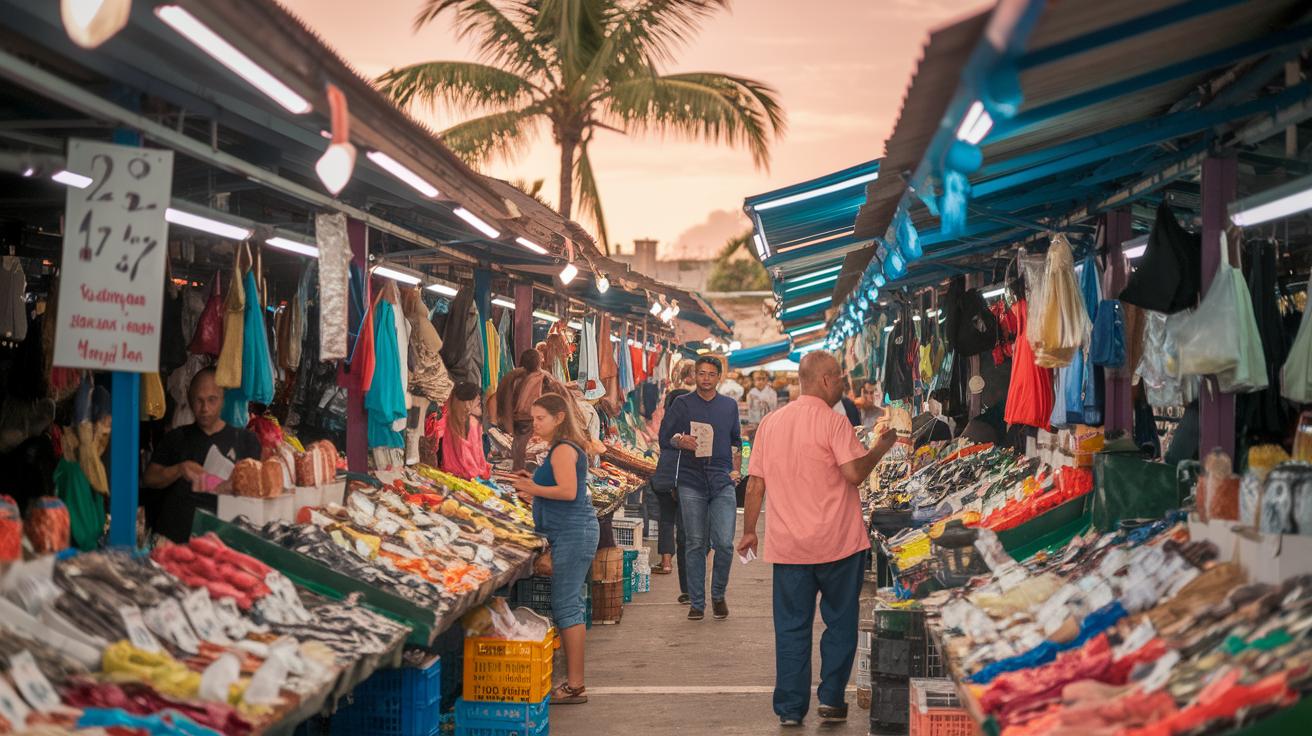
Caribbean islands found freedom from colonial rule between the 1960s and 1980s. But even as they celebrated independence, they soon faced a big shift: local ways of living had to bend to fit the rules set by global money experts like the IMF and World Bank. After these nations became independent, many felt the rush of sudden economic changes that pushed their unique customs to adjust almost overnight to the demands of global markets.
The rise of the US dollar as the main currency made daily life feel even more connected to its powerful neighbor. Imagine wandering through a lively market where every price tag is in dollars, a little nudge that tells you the old ways were blending with new, worldwide trends. It’s like your favorite local recipe getting a modern twist, not replacing its heart, but sure enough stirring in a bit of global flavor.
Every corner of Caribbean life has felt these changes. Local music, art, and storytelling now carry hints of international vibes. Festivals, once purely a celebration of tradition, echo with beats that remind you of faraway lands. And yet, underneath this global pull, the islands still shine with a spirit all their own, offering a blend of history, heart, and a touch of the unexpected.
Colonial Legacies and Early Cultural Transformations in the Caribbean
Before the Caribbean took on the colorful mix of customs it has today, the old colonial powers set up government rules based on a system similar to Westminster. They cared more about spending money quickly before elections rather than investing in local art and culture.
Local governments soon found themselves in a tight spot. They had to handle immediate money problems while trying to protect the islands' warm, time-honored traditions. At the same time, early trade routes connected the islands with markets in Europe and North America, blending foreign hints into everyday island life.
Small farmers once benefited from protectionist tariffs, which helped them get by. But these policies also widened economic gaps. When money started flowing in from outside, local producers often struggled to keep their own unique practices alive. Even in places like Jamaica, Grenada, and Guyana, experiments with state-supported ideas were held back by issues like corruption and local rivalries. External pressures from big global financial players made it even harder to build a culture-focused economy.
- Westminster-style budgets focusing on short-term needs instead of local art funding
- Tariff policies that aimed to help small farmers but deepened economic differences
- Attempts at state-run ideas that affected the support for local arts
- Local rivalries and politics that influenced cultural leadership
- Global financial pressures that stalled the growth of indigenous practices
Economic Integration and Dependencies: Trade, Currency, and Socioeconomic Shifts in Caribbean Culture
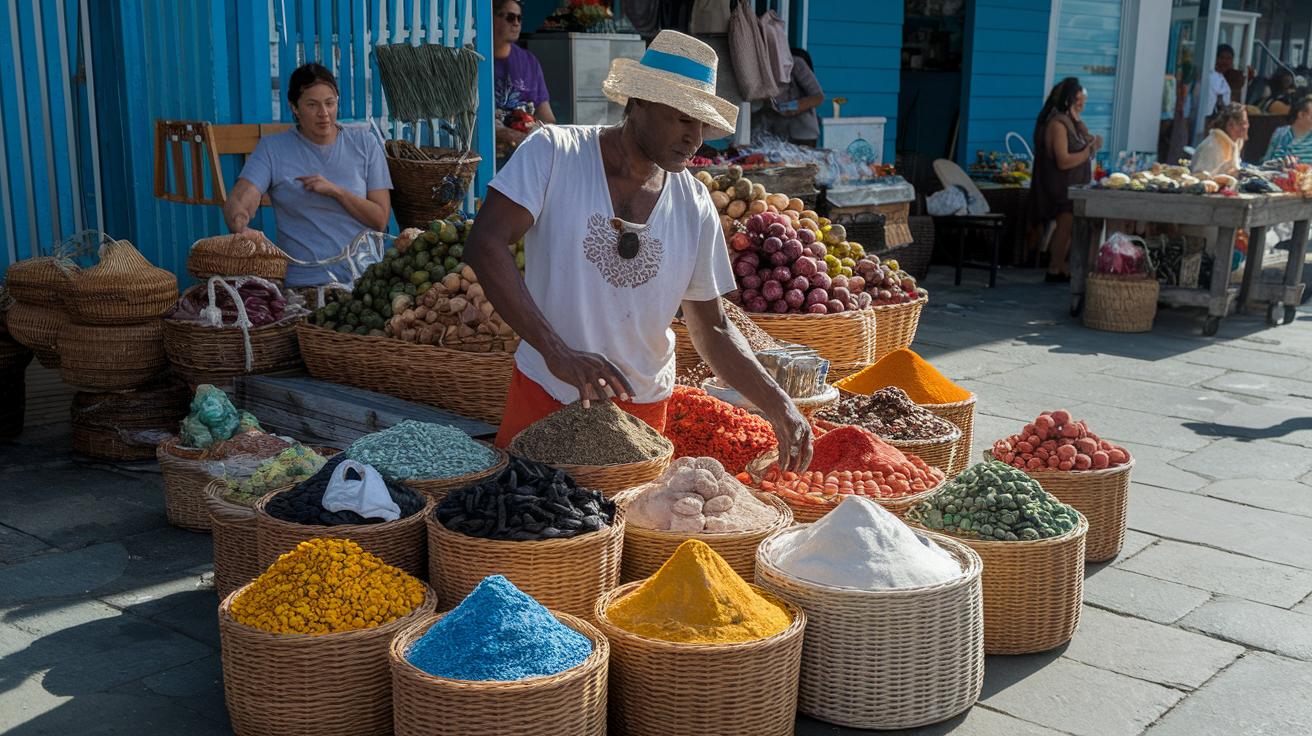
After World War II, big global groups like the IMF and World Bank helped steer economic change in the islands. In Barbados, new rules meant local crafts dropped by nearly 20% as foreign money began to flow in, which also pushed local artisans out of steady work in favor of large-scale farming.
The rise of the US dollar did more than just change money exchange, it even shifted everyday shopping habits. In Trinidad, street vendors started using about 30% more imported ingredients instead of their usual local supplies. One vendor even mentioned that switching to imported spices not only raised costs but also changed the traditional taste of their food.
| Economic Driver | Mechanism | Cultural Impact |
|---|---|---|
| Institutional Frameworks | IMF and World Bank policies that opened markets to foreign capital | Up to 20% drop in local craft production in areas like Barbados |
| Dominant Currency | The US dollar influenced local spending and shopping habits | 30% change in ingredient sourcing noticed by vendors in Trinidad |
| Export-Oriented Production | Focusing production on goods for outside markets instead of local needs | Traditional practices started to decline as export demands grew |
Cultural Hybridization in the Global Caribbean: Music, Cuisine, and Media
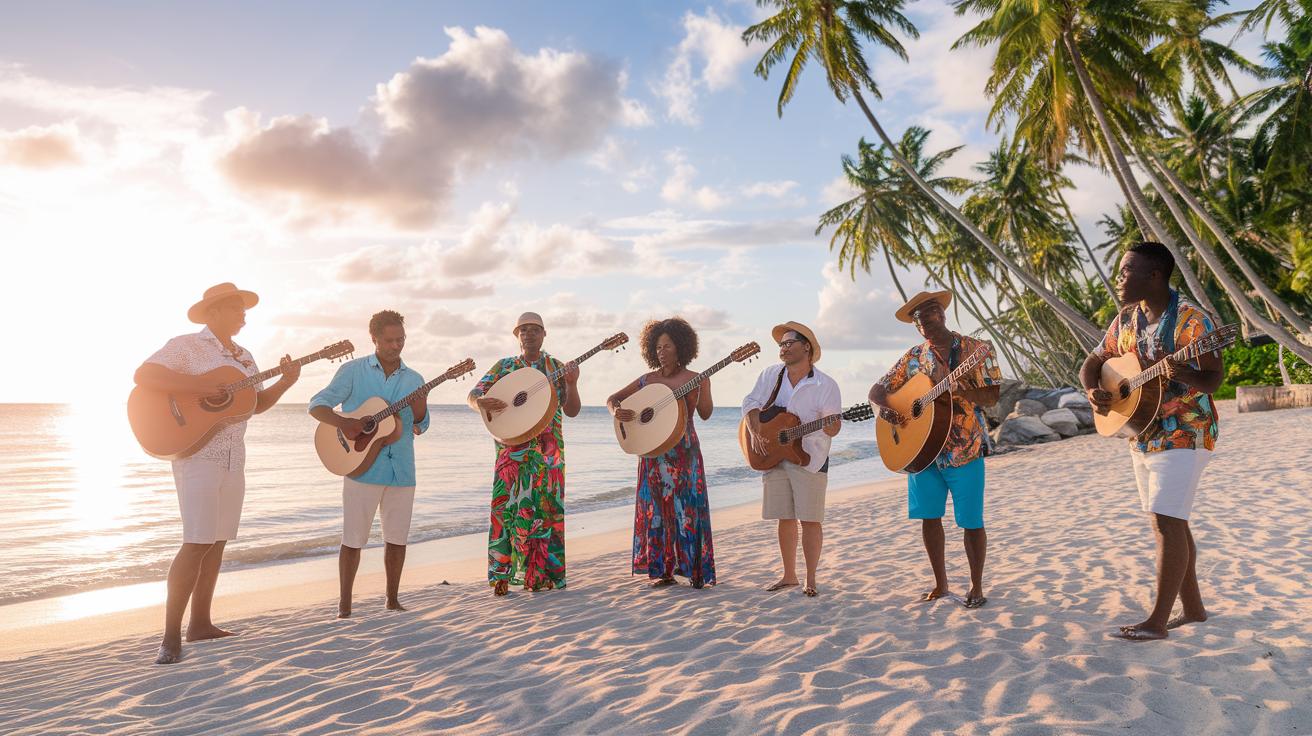
Global changes are gently stirring Caribbean traditions, giving them a fresh, lively vibe. Locals mix treasured beats, recipes, and stories with influences from far-off lands. It’s like the islands are inviting the world to join in on a festive dance, all while keeping their beloved customs close to the heart.
Music Innovations
Caribbean musicians are blending sounds in ways that feel both familiar and surprising. Picture reggae with a modern pop twist or soca beats teaming up with hip-hop and R&B. The result is like a warm chat with friends over a cold drink on a sunny beach. This playful mix of tunes draws smiles from local ears and international hearts alike.
Culinary Fusions
Island kitchens are embracing a global twist too. Traditional recipes are getting creative updates as chefs experiment with new spices and techniques. Imagine your favorite jerk chicken, now with a hint of flavors inspired by distant shores. With fresh ingredients and a touch of adventure, these dishes honor age-old traditions while inviting modern tastes to the table.
Media Narratives
Local stories are coming to life on international screens and online platforms. Social media buzz helps local talent shine on a global stage, and streaming services give classic tales a fresh look with vibrant visuals and sounds. It’s like watching generations blend seamlessly in a single, colorful frame, celebrating heritage and bright new beginnings together.
Diaspora Exchanges and Digital Networks in Shaping Caribbean Identity
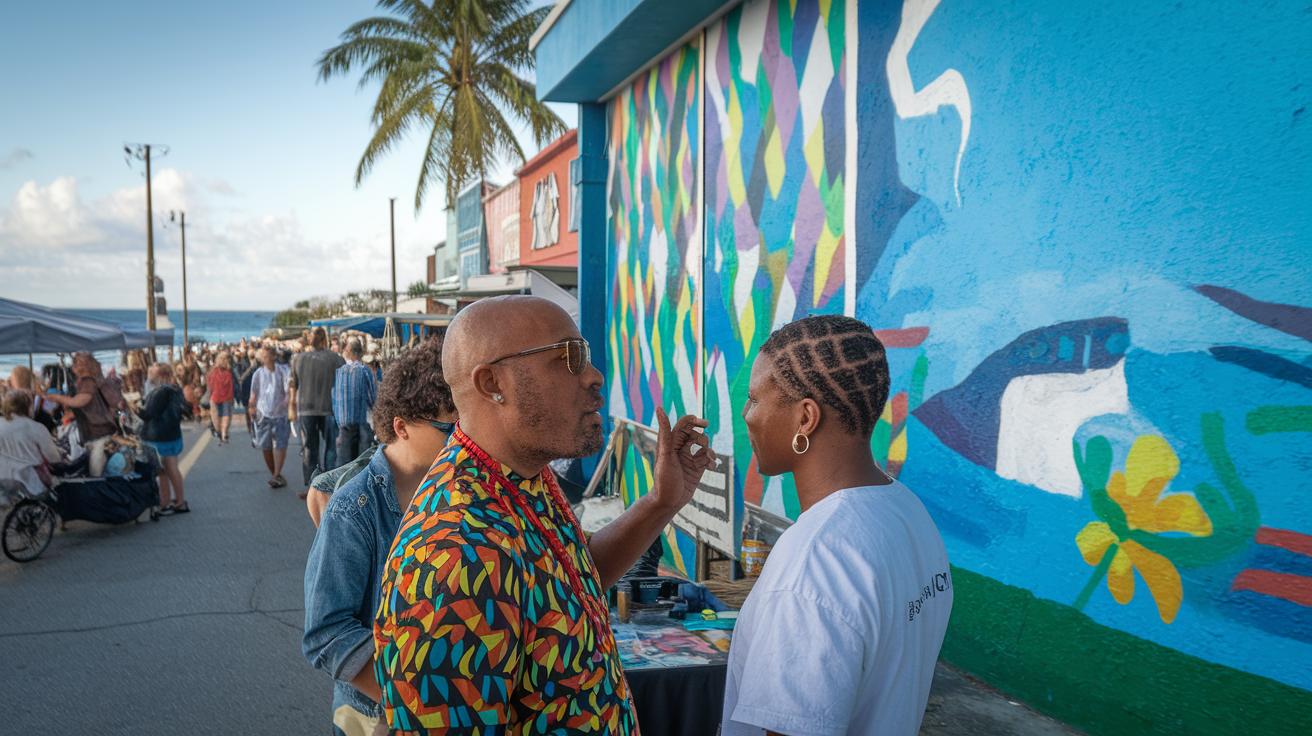
Our Caribbean spirit has grown strong through lively connections with the diaspora. Research like "Graduates’ Waves" and "Becoming Migration Researchers" shows how artists and scholars abroad keep the Caribbean conversation alive. These exchanges mix familiar local art with fresh ideas from far-off places, sparking new creative ways to see our culture. The stories shared by Caribbean diasporans often ignite heartfelt memories and festive celebrations that carry our vibrant spirit well beyond the islands.
Digital platforms add another colorful brushstroke to our Caribbean identity. Pieces like "The Digital in 2073" and "Exploring the Dark Web" reveal how the online world helps our culture reach more people. Young voices, especially among millennials, use social media to retell island stories in a modern and relaxed tone. Through digital storytelling, both locals and those living abroad weave their memories and ideas into a shared, ever-changing tapestry. This blend of time-honored traditions with new digital energy captures a Caribbean identity that feels both rooted in the past and excitingly current.
Heritage Preservation and Community Responses to Global Pressures
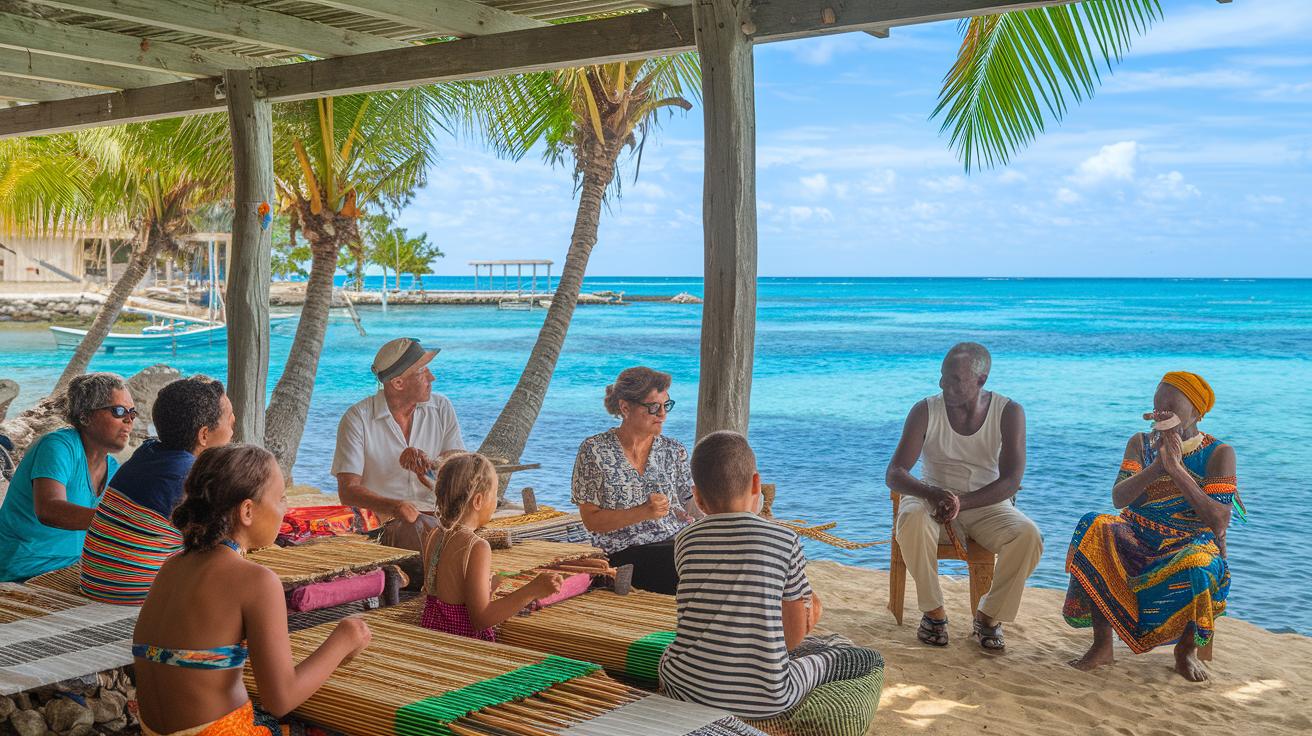
These days, outside influences have brought changes that sometimes pull Caribbean life away from its cherished traditions. Modern ways of making and buying things have swept in, pushing aside unique cultural expressions that locals hold dear. So, many island communities have stepped up to revive favorite crafts, languages, and age-old customs. This keeps their community bonds strong and honors the past while they dream about the future.
Here are some ways island groups are taking charge:
- Community-led craft cooperatives
- Oral history and storytelling circles
- School-based cultural curriculum integration
- Revival of traditional festival practices
- Language and dialect workshops
These local projects spark pride in heritage and show true resilience. They remind us that even when global trends change rapidly, the heart and soul of the Caribbean remain strong and warm.
Debates and Future Trends: Commodification, Appropriation, and Cultural Resilience in the Caribbean
Many locals and experts have noticed that outside influences often change the way we celebrate traditions. Sometimes what used to be a heartfelt custom turns into a product for sale. Critics worry that by packaging these traditions for commercial gain, we might lose the deep meanings behind our art and customs. One writer even said that when local symbols become trendy, their true spirit can fade away under mass production.
But communities aren't standing by silently. Grassroots groups and local media are stepping up to protect their homegrown crafts, music, and storytelling. They argue that culture should strengthen our community bonds, not just serve as a way to make money. Their passion is a real sign of resilience, and it reminds us of the warm, genuine spirit that makes life in the Caribbean so unique.
Looking ahead, many believe that Caribbean culture will find a balance between fresh, modern ideas and old traditions. New voices are making sure that everyone gets a say in how traditions are defined while keeping the heart of the culture intact. The debate is lively and full of creative energy, opening doors to innovative ways of celebrating art, music, and daily customs. Have you ever felt the magic of a Caribbean sunset? That same warmth and inventiveness is what these discussions are all about.
Final Words
In the action, we explored how colonial legacies and economic shifts stirred Caribbean traditions. We touched on local music, unique culinary fusions, and evolving media scenes that reveal the blend of old ways with new influences.
Our piece showed how globalization and caribbean culture mix like a gentle sea breeze with vibrant island flavors. This mix leaves us feeling hopeful and ready to experience the warm spirit and lasting charm of the Caribbean.
FAQ
Globalization and Caribbean culture pdf, examples, and essay
The study materials on globalization and Caribbean culture show how external trade, media flows, and political shifts have reshaped the islands’ creative expressions and economic frameworks in easy-to-read formats like PDFs, examples, and essays.
Globalization in the Caribbean advantages and disadvantages
The discussion on globalization in the Caribbean highlights benefits like broader market access and cultural exchange while pointing out downsides such as economic dependency and the weakening of local traditions.
How does globalization impact the Caribbean?
Globalization impacts the Caribbean by introducing external economic systems and media influences that alter local industries and cultural practices, creating both opportunities for growth and challenges to traditional ways.
How does globalization have an impact on culture?
Globalization impacts culture by mixing local customs with international ideas through media, trade, and communication, which can lead to new cultural expressions and changes in traditional practices.
What is Caribbean culture influenced by?
Caribbean culture is influenced by a mix of European, African, and indigenous traditions, alongside modern economic and media forces that continuously bring fresh perspectives to traditional practices.
How did colonialism impact Caribbean culture?
Colonialism impacted Caribbean culture by imposing foreign political and trade systems that reshaped social hierarchies and rituals, leaving lasting marks on language, customs, and community identity.
