Have you ever thought about how old island customs turned into the catchy sounds of Caribbean pop?
Long ago, island traditions mixed with new ideas to create a lively blend that still speaks to us today.
Local tunes, soulful beats, and bright stories all help shape a culture that sparkles with energy.
In this piece, we explore the rich history and creative twists that make every Caribbean rhythm a true celebration of island life.
Historical Foundations of Caribbean Pop Culture
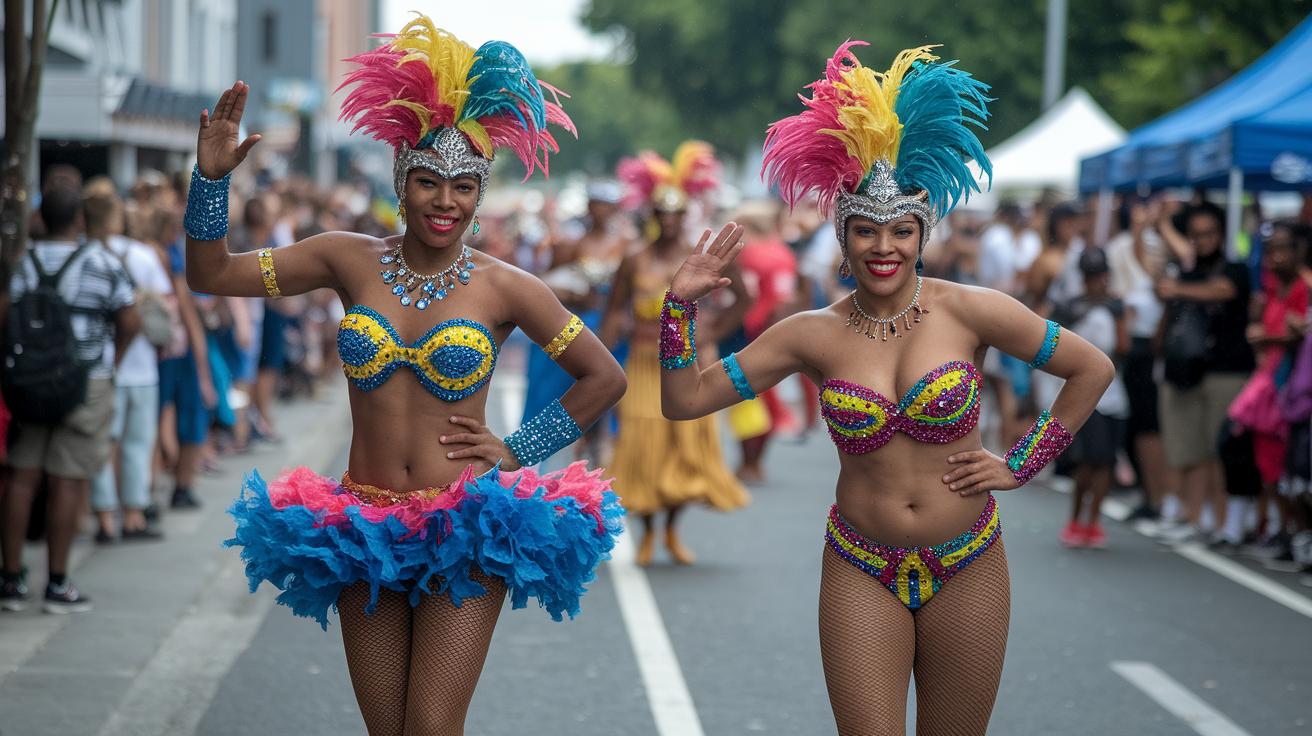
Back in the day, European colonizers arrived in the Caribbean from the 15th to the 17th centuries. They brought along their favorite tunes and customs, which soon mixed with local ways of life. Around that same time, African people, often forced into hard work, added deep rhythms, soulful call-and-response songs, and vibrant storytelling that really touched the heart of island life. These early moments began weaving together the first strands of what we now recognize as a unique Caribbean identity.
Next, African traditions blended with those of East Indian laborers who arrived between the 17th and 19th centuries. These groups filled the islands with energetic music and colorful stories that quickly became part of local folklore. Their influence mixed with European ideas to form a sound and look that continues to inspire the Caribbean even today.
• European melodic influences
• African beats and call-and-response vocals
• Indigenous Taino storytelling
• East Indian melody patterns
Long before formal Carnival celebrations, local parades and masquerades had already started to capture these blended influences. People expressed their growing sense of community by celebrating with music, art, and dance. In the late 19th century, Caribbean painting began to mirror not just the island’s lush landscapes and distinctive architecture but also its bustling, music-filled streets. Today, this mix of visual art and music lays the foundation for the lively Caribbean pop culture we enjoy, a true mosaic crafted from centuries of cultural exchange. For a definition of caribbean culture, see the detailed explanation provided.
Musical Revolution in the Caribbean: From Calypso to Dancehall
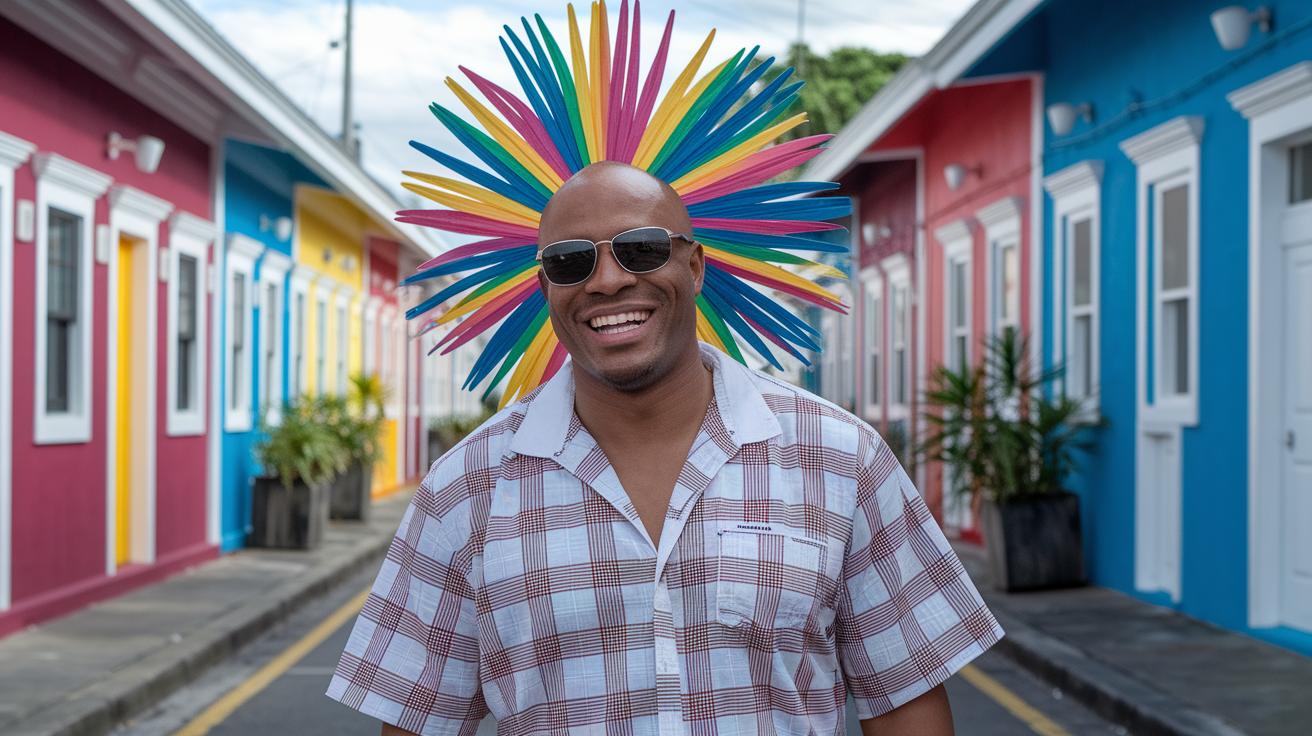
Caribbean vocal folk traditions laid the foundation for the sounds we hear today. In Port of Spain, locals crafted calypso by weaving clever lyrics with lively tunes, turning everyday stories into a vibrant musical dialogue that felt as warm as an island breeze. By the 1950s, artists like Mighty Sparrow and Lord Kitchener took these tunes beyond the local streets, carrying the infectious energy of calypso to global audiences. Then, in 1974, Lord Shorty added his twist by mixing classic calypso with spicy East Indian chutney beats, creating soca and turning Carnival into an energetic celebration where every beat makes you want to move.
Reggae began in Kingston during the late 1960s, growing from ska and rocksteady roots into a sound that spoke about social issues and unity. Bob Marley’s “Natty Dread” in 1975 became much more than a hit; it was a heartfelt rallying cry with deep bass and soulful guitar licks that invited listeners to reflect on peace and justice while nodding along. Its laid-back groove and poignant lyrics turned reggae into a global language of protest and hope.
In the early 1980s, dancehall burst onto the scene with fresh digital beats that changed the music game. With the arrival of sleng teng in 1985, pioneers like Yellowman and Shabba Ranks stirred up the vibe with electrifying DJ vocals and innovative sounds. Dancehall quickly reshaped club culture and filled festival airwaves with its pulsating rhythms, turning every gathering into a vibrant, digital fiesta. This journey from classic storytelling to modern digital beats shows how Caribbean music continues to evolve, while always keeping a piece of its soulful heart.
Visual and Cinematic Evolution in Caribbean Pop Culture
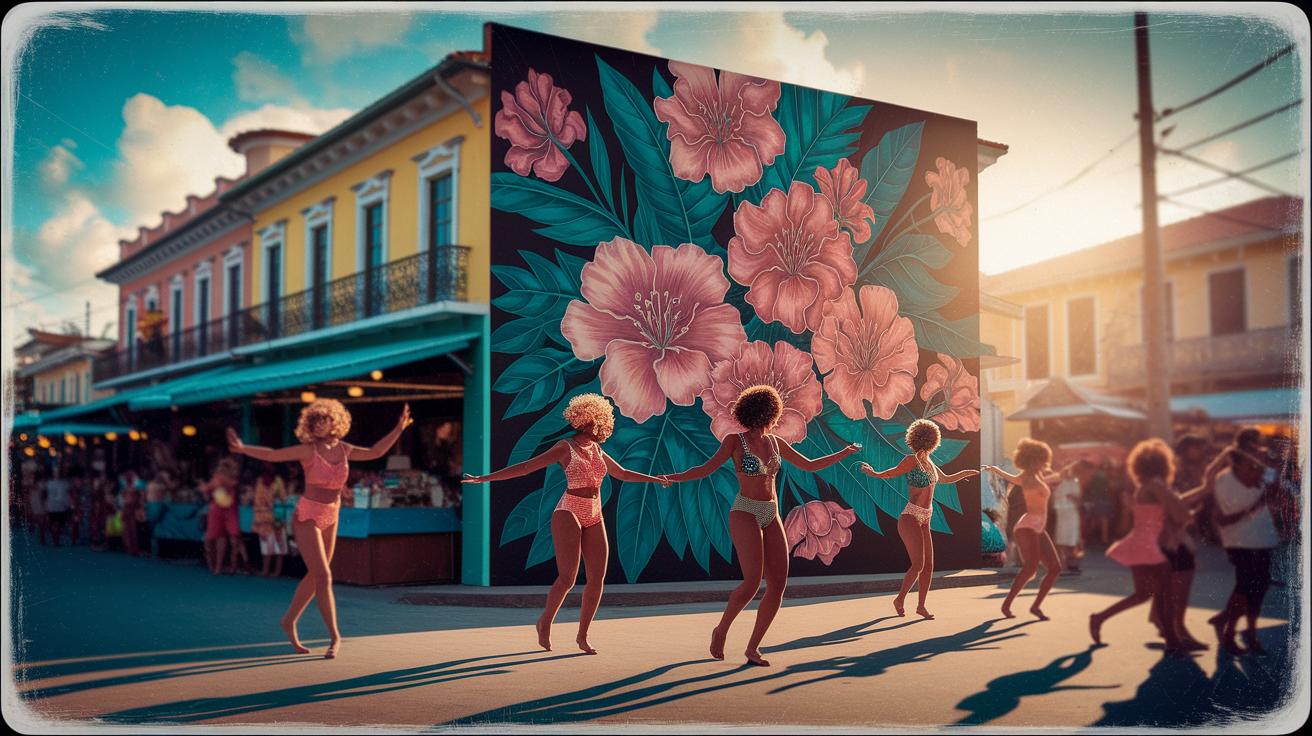
Caribbean art has always been a lively tribute to island life. It transforms blank canvases into vivid scenes filled with lush tropical flowers, soft pastel buildings, lively market scenes, and sparkling coastlines. In the 1900s, creative minds like Frank McEwan and Edna Manley set the stage for visual storytelling, both on city walls and inside art galleries. Their work still inspires today’s murals and album covers, capturing the real spirit of the islands. Imagine a painting that acts as a window into the Caribbean, where each brushstroke hums with the sound of the sea.
Film, too, has a magic of its own in bringing the Caribbean spirit to life. The 2018 documentary Dèyè Mas-La explores Carnival as a way to express identity and stand up for what matters. It shines a light on female experts and offers political insights that you don’t see every day. Then there’s the Trinidad and Tobago Film Festival’s event, #watchamovieonus, from February 7 to 14. This festival turned Carnival films into a free, all-day celebration. Watching these films feels like being wrapped in the beat of drums, whether plastic or skin, and the gentle song of the pan, echoing memories of festivals like the vibrant Guadeloupe Mas or a striking parade of the Blue Devils.
Global and Diaspora Influences on Caribbean Pop Music
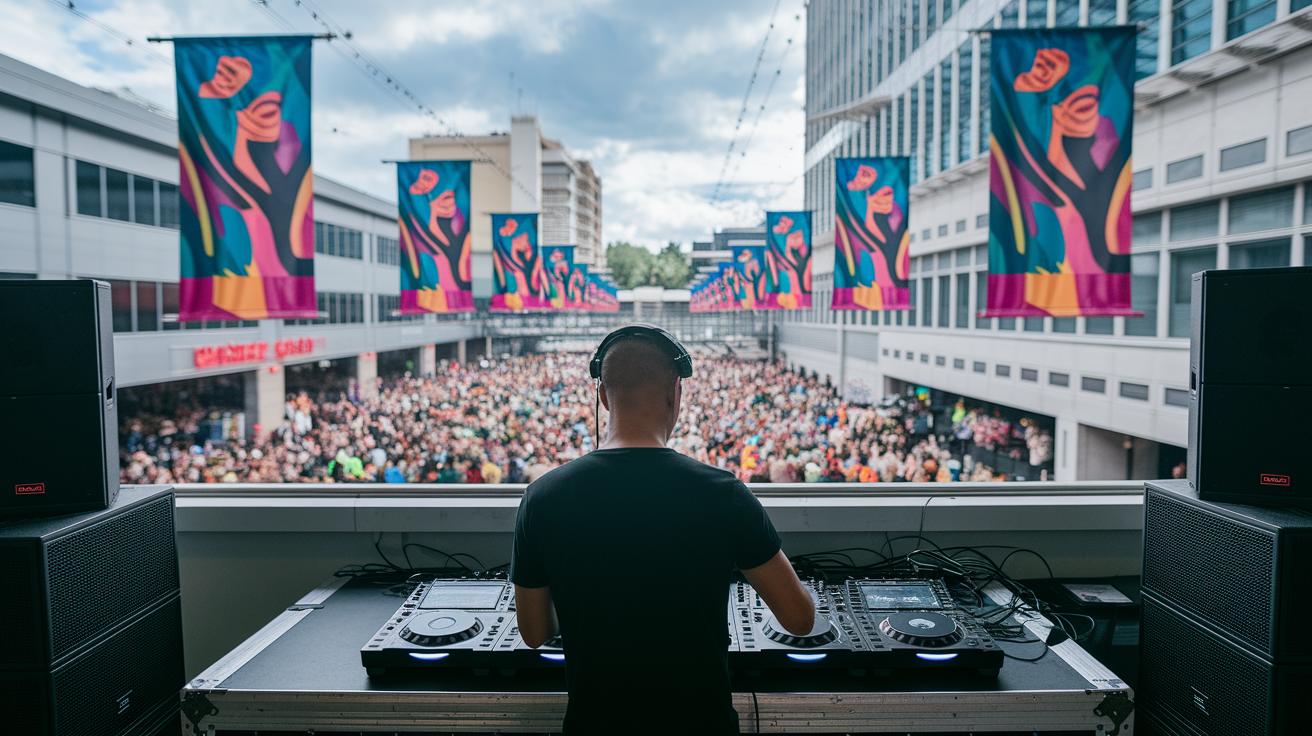
Across the world, Caribbean beats are alive and well, thanks to DJs in places like London, New York, and Toronto. These talented folks blend island rhythms with local sounds, creating mixes that remind you of calypso, soca, and reggae. Imagine hearing those warm Caribbean pulses lighting up a city club or radio show, a true celebration of island spirit that stays vibrant no matter where you are.
Then there are the big-name collaborations and festival tours that have taken these island vibes even farther. Remember when Nicki Minaj honored Trinidad Carnival in her "Pound The Alarm" video back in 2012? And in 2016, Rihanna wowed everyone at Barbados Crop Over, sparking a global love for island festivities. In 2019, Ashanti teamed up with Soca legend Machel Montano for a track that effortlessly mixed different sounds. And in 2020, a glimpse of Adele at the Notting Hill Carnival got people excited about European Carnival scenes. Each of these partnerships not only bridges different cultures but also showcases how the magic of Caribbean pop culture crosses all borders.
Carnival’s Role in Shaping Caribbean Pop Culture Evolution
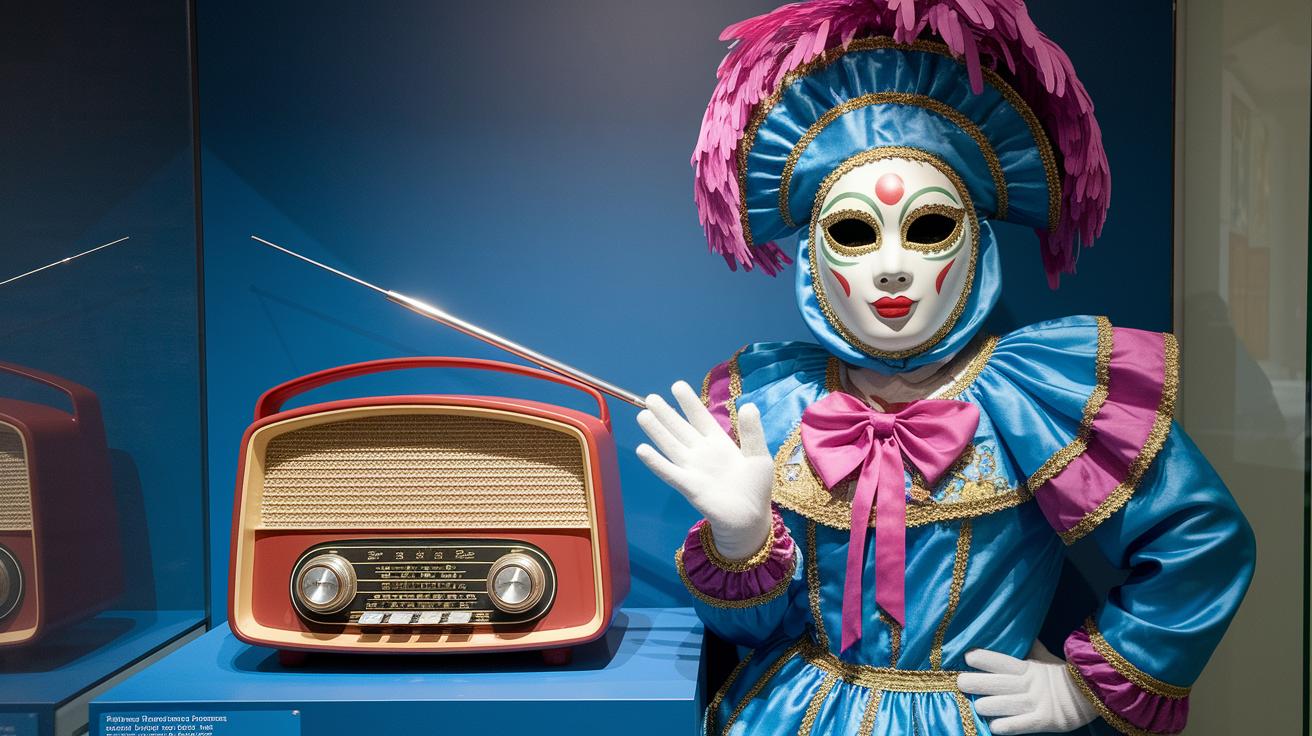
Back in the 19th century, Carnival grew into so much more than just a few local parades. Even when officials closed off the streets, island folks found creative ways to keep the party spirit alive. They turned to radio and TV, letting the colorful sights and uplifting sounds reach people far beyond the small streets. These early celebrations set the stage for Carnival to become a proud symbol of resistance and artistic change all over the Caribbean.
| Innovation | Description | Years |
|---|---|---|
| Broadcast Parades | Radio & TV coverage when street bans applied | 2010–present |
| Festival Films | TTFF’s #watchamovieonus free Carnival screenings | 2018–2021 |
| Digital Archives | Online documentation by groups like Voukoum | 2019–present |
Today, many cultural experts and community voices are saying it’s time for museums dedicated to Carnival, both in real places and online. Groups like Voukoum are busy documenting Mas traditions on the web, but there’s a growing feeling that a proper museum could capture the full past and present of Carnival. Imagine a place that brings together old artifacts, personal interviews, and video stories to show how modern media and cherished celebrations mix. This kind of museum would let us feel a real connection to our history while celebrating the vibrant, ever-changing energy of Carnival in Caribbean culture.
Digital and Future Trends in Caribbean Pop Culture
Streaming platforms like Spotify and Apple Music are buzzing with Caribbean playlists like never before, with a 150% jump between 2018 and 2022. Now, you can dive into a virtual Carnival experience on mobile apps while social media lights up with remix contests led by passionate fans. It’s a bit like whipping up a delicious tropical cocktail, start with a steady flow of music, stir in the lively twist of digital festivals, and top it off with vibrant user interactions.
Online communities are opening up new pathways for artists and fans alike. Think about NFT art sales and AI-driven music production bringing fresh layers to the vibe. Some island governments are even backing digital archiving projects, and UNESCO has recognized Carnival livestreams as part of our treasured cultural heritage. With modern technology at play, the Caribbean’s innovative spirit comes alive in every digital beat.
Final Words
In the action, the article traced how colonial encounters and diverse cultures ignited the spark that grew into modern Caribbean pop culture. It highlighted early musical and visual influences, from calypso’s spirited tunes to striking island art, while shining a light on global collaborations and Carnival’s enduring impact.
Each section played its part in showing the evolution of Caribbean pop culture. The story brings together history, art, and digital trends in a way that leaves you feeling excited about what’s next.
FAQ
Q: What is the evolution of Caribbean pop culture?
A: The evolution of Caribbean pop culture spans centuries from colonial contacts to modern digital expressions, blending African rhythms, European melodies, indigenous storytelling, and festive traditions into a living and dynamic local identity.
Q: How is Caribbean culture and identity reflected in its traditions?
A: Caribbean culture and identity show through lively festivals, music, and art. Rooted in diverse histories and storytelling, these traditions express the colorful blend of influences that shape life in the islands.
Q: How has Caribbean music evolved over time?
A: Caribbean music evolved from traditional calypso to genres like soca, reggae, and dancehall. Early folk styles mixed with modern digital beats to create energetic sounds celebrated on global stages.
Q: What cultural influences have shaped Caribbean music?
A: Caribbean music draws on European melodic structures, African percussion and call-and-response, indigenous Taino storytelling, and East Indian melody patterns, which together form its unique and stirring rhythm.
Q: What seven cultures have influenced the Caribbean?
A: The Caribbean has been shaped by a mix of cultures including British, French, and Spanish settlers, African traditions, indigenous Taino customs, East Indian influences, and other migrant communities that add to its rich cultural blend.
