Ever thought Caribbean food was just about spicy flavors? Think again. Long before Europeans rolled in, native island folks cooked up meals using gifts from nature like cassava and tropical fruits. Later on, when a mix of European, African, Indian, and Chinese flavors joined the party, local dishes turned into a lively blend of tastes and textures. It’s amazing how simple ingredients transformed into bold, mouthwatering bites over time. Come along with us as we explore the rich, flavor-packed journey that shaped the Caribbean’s unique culinary story.
Historic Milestones in Caribbean Cuisine Evolution
Before 1492, the local Arawak and Taino people were busy growing cassava, maize, and gathering tropical fruits. Their everyday meals and special feasts were made from ingredients like breadfruit, plantains, and sweet potatoes. Imagine, long before any Europeans stepped foot here, Caribbean kitchens were thriving with fresh, natural produce.
When Columbus landed in 1492, everything started to blend. European settlers brought wheat, citrus fruits, and even livestock to the islands. Over time, these new foods mixed with traditional methods, creating unique dishes that still evolve today.
Then, from the early 1600s to 1838, African influences really came into play. Enslaved Africans introduced essentials like rice, okra, and special spices. Their cooking methods gave birth to hearty stews such as sancocho. It’s easy to almost taste the rich, spicy flavors that came from this mixing of cultures.
After that, in 1845 the arrival of Indian indentured workers and later Chinese laborers in 1853 brought even more flavor to the table. They introduced curry powders, masalas, and stir-fry techniques which added an exciting twist to local recipes. These fusion dishes are still a hit today.
Modern Caribbean cuisine celebrates all these influences. Take Morgan’s Mango, which opened in 1992, it’s a living tribute to centuries of culinary exchange. A blog post from June 26, called “The History of Caribbean Cuisine: From Arawak to Today,” reminds us how every wave of influence has helped shape the vibrant flavors of the Caribbean.
Indigenous Foundations and Island Roots of Caribbean Cuisine
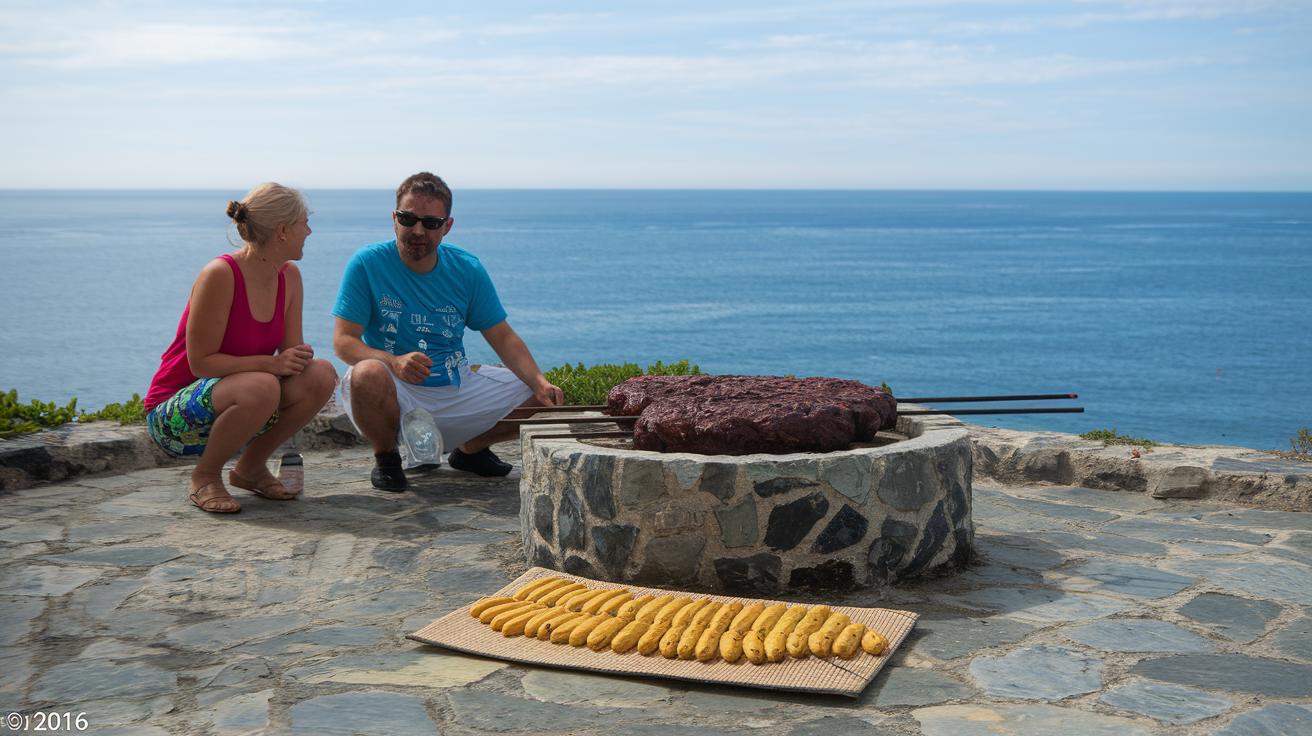
Way back in the Caribbean, before modern twists changed everything, the Arawak and Taino tribes relied on nature's gifts. They grew staples like cassava, sweet potatoes, and maize, and fished in clear, blue waters. They even took strolls through lush forests to pick wild fruits. Their method of cooking meat in a stone oven, known as barbacoa, slow-cooked the meat just right, creating smoky, earthy flavors that remind you of old stories. Picture a family reunion where the warm, smoky aroma fills the air, much like cherished tales passed down through generations.
They made meals a true celebration with plantains and breadfruit, turning these foods into everyday heroes. Every harvest was honored with simple rituals that respected nature, weaving family and community even closer. These traditional cooking methods, full of heart and practicality, mixed cherished old recipes with the abundant gifts of land and sea.
All these practices set the stage for modern Caribbean cuisine, a tasty blend of natural flavors and time-honored techniques. Even today, island traditions gently shine through in every dish, inviting you to taste a piece of history with every bite.
European Influences and Seafaring Trade Impacts on Caribbean Cuisine
European settlers shook up the Caribbean way of cooking. When the Spanish arrived, they brought cattle, pigs, olives, and bright citrus fruits. Picture a chef saying, "Imagine mixing in juicy, sun-ripened oranges into your stew, a burst of brightness in every bite." The French came next, adding their love for wines and pastries, which meant luscious sweets and hearty feasts. And then the British and Dutch made their mark with sugarcane and an emerging tea culture, blending neatly with local flavors.
Ships crossing the Atlantic did more than carry people, they brought spices like cloves, cinnamon, and nutmeg, as if they were little treasures meant to spice up Caribbean breads and dumplings. Wheat flour soon became a trusted ingredient for dumplings and stews, mixing old European recipes with the cherished Caribbean ways.
| Influence | Impact |
|---|---|
| Spanish settlers | Brought ingredients that added warmth and zest |
| French techniques | Turned desserts into mini works of art |
| British and Dutch influence | Shaped everyday staples such as sweet teas and breads |
Every new ingredient and method linked distant lands to busy Caribbean markets, sparking a fusion of flavors that still makes the region's cuisine so unique today.
African Spice Heritage and Cultural Exchange in Caribbean Kitchens
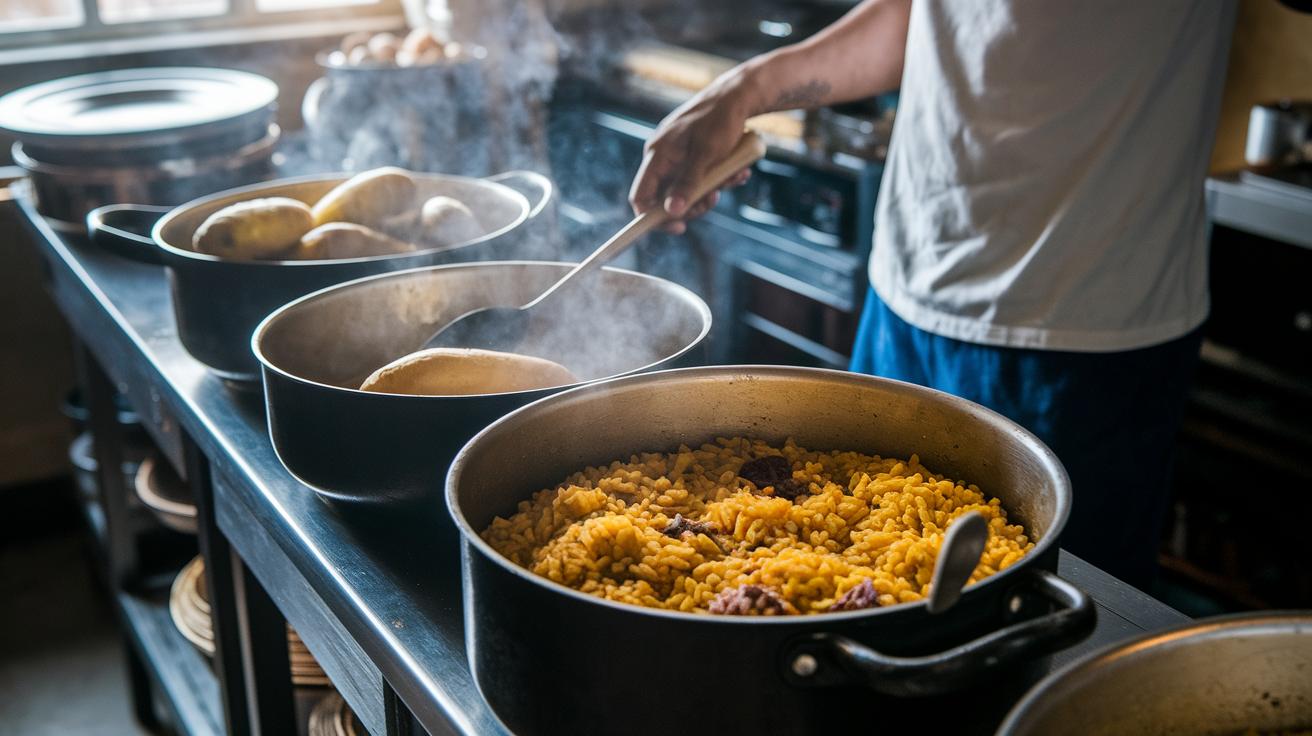
Back in the day, enslaved Africans brought more than just memories of home, they shared a rich spice tradition that forever changed Caribbean kitchens. They introduced sturdy ingredients like yams, cocoyams, okra, and black-eyed peas, which added vibrant color and texture to everyday meals. Their love of hearty one-pot stews and slow braises laid the foundation for the warm, comforting dishes we enjoy today.
Now, imagine a bustling Caribbean kitchen where these age-old techniques are alive and well. In many homes, slow-cooked rice and beans mingle with fresh callaloo or a simmering pot of sancocho, showing off deep culinary wisdom passed down through the years. Spices like pimento, fiery Scotch bonnet peppers, and allspice bring a zesty tang, a little heat, and a hint of sweetness that makes every bite memorable. But it wasn’t just about making tasty meals; it was a lively conversation between old traditions and new ingredients. Each dish tells a story of resilience and creativity, blending centuries of heritage with today’s flavors, much like a spoonful of stew that carries the warmth of its history.
Asian Immigrant Influences and Recipe Adaptations in Caribbean Cuisine
Long ago, Asian cooking made its way to the islands, slowly blending with local flavors as time went on. Indian spice mixes developed into special dishes like chicken curry, where local peppers and coconut milk come together in a sauce that is both spicy and smooth. A local chef once said, "A dash of freshly ground spice brings a burst of heat that ties every flavor together."
Caribbean-Chinese dishes put a creative spin on traditional stir-fry methods. Local cooks reinvented sweet and sour pork by adding island fruits such as tangy pineapple and using fresh, locally grown vegetables. One street vendor explained, "The mix of soy and fruit gives our dish a lively, unexpected sweetness."
Different regions have added their own unique touches. In some towns, you might enjoy dhal puri roti served with savory chutneys made from local herbs, while in other places, stir-fried noodles are refreshed with native spices and fresh produce. These creative adaptations did more than mix flavors; they changed everyday cooking into a celebration of cultural blend and skill.
Every adapted recipe gives a nod to the culinary experiments and cultural exchanges that continue to brighten Caribbean kitchens today.
Regional Meal Transformations and Blended Cultural Dishes Across the Caribbean
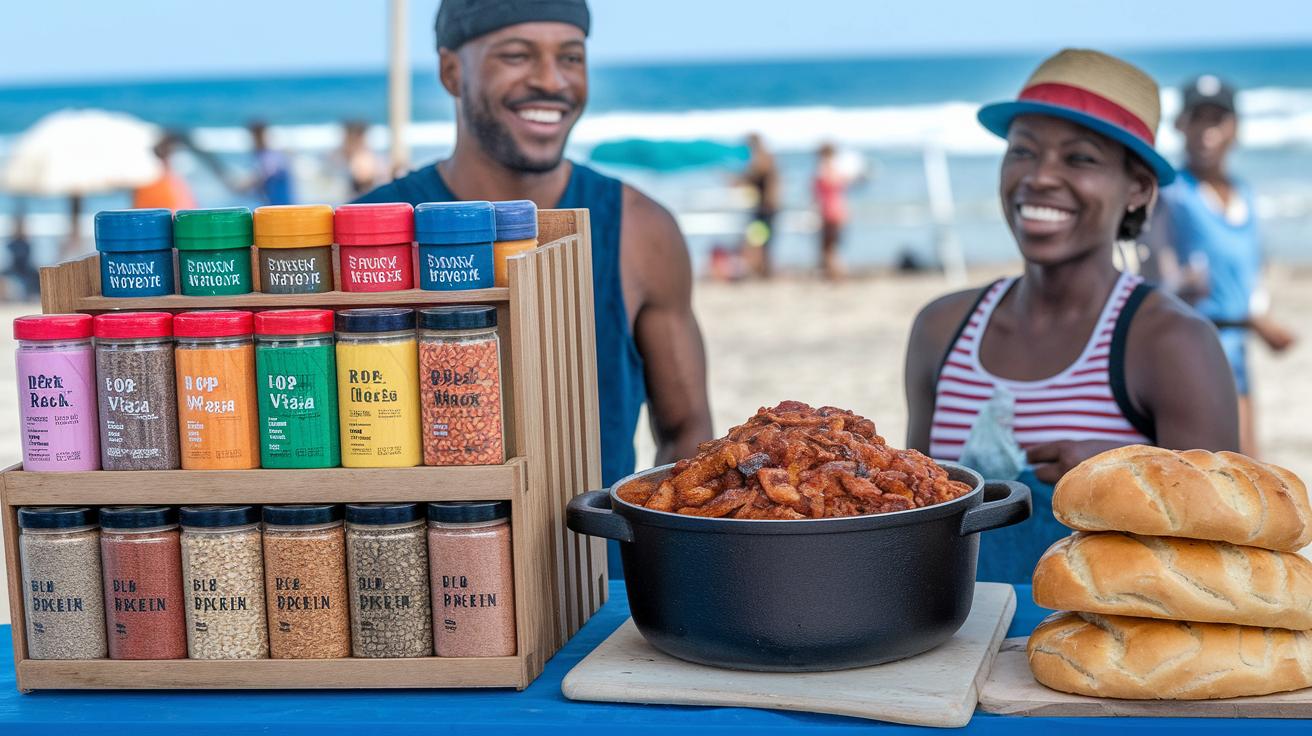
The Caribbean food scene is like a friendly chat on a sunny beach, where each dish tells a story of its island home. Take Jamaica’s jerk seasoning for example, its smoky pimento wood and bold African spices bring a warm, unforgettable aroma that speaks of old spice trade routes and traditions. Over in Cuba, you have ropa vieja, a slow-cooked beef dish mingled with local vegetables and a sprinkle of citrus that whispers stories of cultural blend and time-honored recipes.
Trinidad keeps things exciting with doubles, a mix of soft Indian flatbread and a hearty, spiced chickpea curry that feels as welcoming as a local smile. Haiti surprises you with griot, where marinated meat meets crispy, golden perfection through a blend of French marination and African frying methods. Each dish is a vibrant piece of the Caribbean’s rich culinary mosaic.
| Island | Dish | Special Touch |
|---|---|---|
| Jamaica | Jerk Seasoning | Smoky pimento wood and African spices |
| Cuba | Ropa Vieja | Slow-cooked beef with local vegetables |
| Trinidad | Doubles | Indian flatbread with spiced chickpea curry |
| Haiti | Griot | French marination mixed with African frying techniques |
These meals aren’t just about great flavors, they’re a window into the soul of the Caribbean. Every bite connects you to a legacy of travel, trade, and tradition, making each dish a celebration of the islands’ ever-evolving heritage.
Modern Tropical Gastronomy and Preservation of Caribbean Culinary Traditions
Caribbean food today is like a warm conversation between old traditions and new ideas. Chefs are mixing age-old recipes with bright, modern touches. At spots like Morgan’s Mango (founded in 1992), you might hear a chef say, "We blend our family’s recipes with smart, modern twists to give you a dish that feels both familiar and fresh." It’s like tasting a memory alongside a surprise.
Farm-to-table ideas are at the heart of this tasty revolution. Local farmers proudly share their heirloom fruits and vegetables, and chefs use these natural flavors to create dishes that remind you of home. Imagine building a meal like you’d prepare a fresh fruit salad: pick the juiciest mangoes, toss in a handful of local herbs, and finish off with the perfect pinch of spice.
Food blogs and cookbooks also join in by keeping these time-honored recipes alive, pass them down and switch them up just enough to add something exciting. Even cocktail menus now highlight indigenous fruits, turning a simple drink into a colorful taste of the islands. Festivals and food events pop up everywhere, inviting both locals and visitors to join in and savor the changing face of Caribbean cuisine.
Every dish today tells a little story of hard work, love, and creativity. It’s a meeting point where cherished traditions dance with today’s innovative ideas, making the flavors of the Caribbean sparkle on the global stage.
Final Words
In the action, we ventured from indigenous cooking roots through layers of European, African, and Asian culinary influences. Each era added its own spice, shaping the evolution of Caribbean cuisine in a delicious blend of history and flavor.
We also explored modern tropical gastronomy that brings these old methods into lively, contemporary kitchens. This dynamic mix invites you to savor every bite and experience the authentic richness of island living. Enjoy each mouthful as a connection to a colorful past and a future filled with taste.
FAQ
How has Caribbean cuisine evolved over time?
The evolution of Caribbean cuisine reflects centuries of cultural exchange, beginning with indigenous practices, then weaving in European, African, and Asian influences to create a diverse, flavorful culinary legacy.
What items can be found on a Caribbean food list or menu?
A Caribbean food list includes dishes like goat curry, ackee and saltfish, jerk chicken, callaloo, and rice and peas, each showcasing the region’s distinct spices, vibrant ingredients, and rich heritage.
What defines Caribbean cuisine and its culture?
Caribbean cuisine embraces a mix of native and imported flavors, techniques, and ingredients. Its culture is a blend of local traditions and foreign influences, resulting in food that is hearty, colorful, and rooted in history.
How do Caribbean food recipes reflect historical influences?
Caribbean food recipes mirror a timeline of heritage, where native cooking methods meet colonial introductions and immigrant spices, all combining to produce iconic dishes that honor centuries of exchange.
