Ever wonder how nature shapes the way we live? The Caribbean is full of magic, from shimmering coral reefs to lush, green forests that seem to whisper secrets of old.
Local life here flows like a well-rehearsed dance with nature. People celebrate through colorful crafts, festive parties, and traditions that have grown right out of this vibrant land.
Today, the great outdoors continues to refresh island life, adding a bit of new charm to every community. It makes us pause and wonder how deeply our customs are woven into the natural world, don't you think?
Environmental Influences on Caribbean Cultural Practices Spark Change
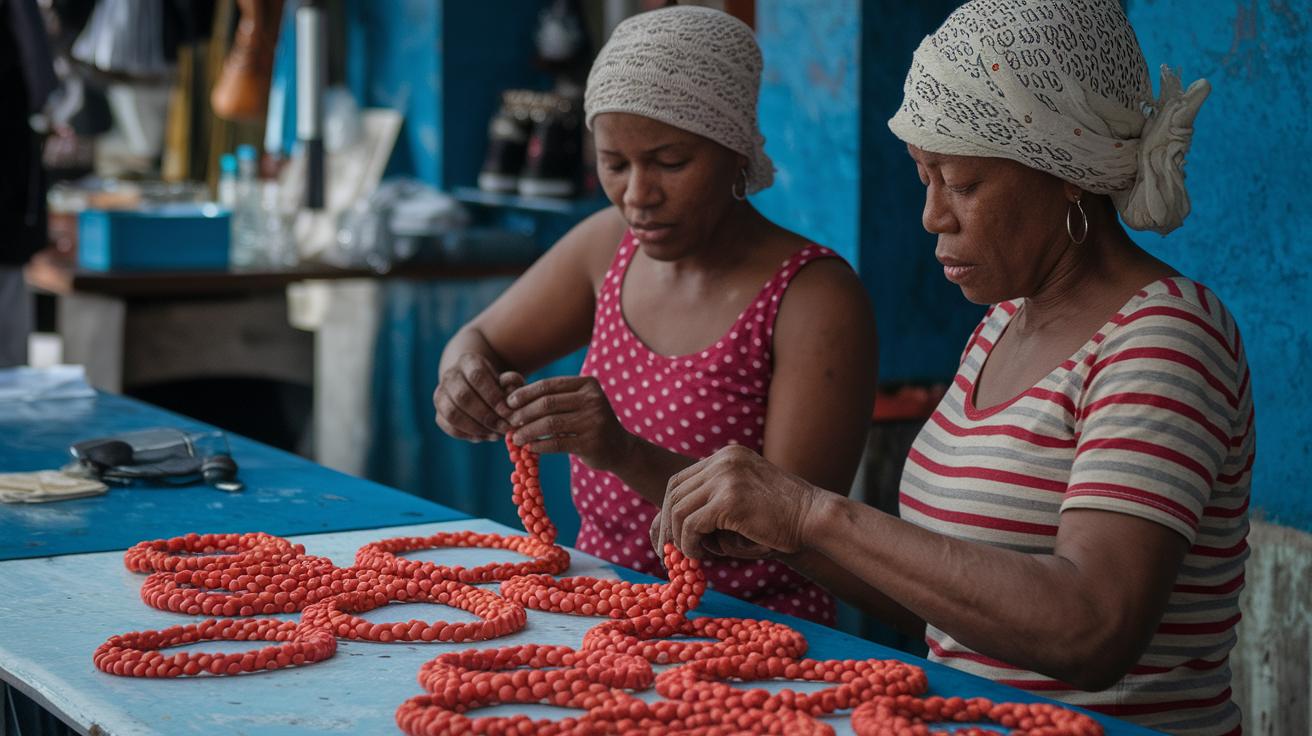
The Caribbean is a lively collection of 28 countries stretching from southeastern North America to northeastern South America. This region offers amazing views with its coral reefs, rainforests, and mangroves, which not only dazzle with their beauty but also spark unique local traditions. People use what nature provides to create crafts, rituals, and ceremonies that feel as fresh as a sea breeze.
Each area, the Lucayan Archipelago, the Greater Antilles, and the Lesser Antilles, brings its own flavor to these traditions. Local communities mix natural colors and textures into daily life. For instance, folks in coastal towns use the bright hues of coral to make eye-catching jewelry and masks, while people living near the rainforests use forest materials for drum-making and herbal ceremonies. It’s like nature and culture are having a joyful dance together.
Natural settings lie at the heart of Caribbean life. The close link between the land and local customs reminds everyone how important it is to take care of these beautiful places. Protecting these landscapes means preserving the magic that fuels the unique cultural identity of the Caribbean.
Geographic and Climatic Influences on Caribbean Cultural Practices
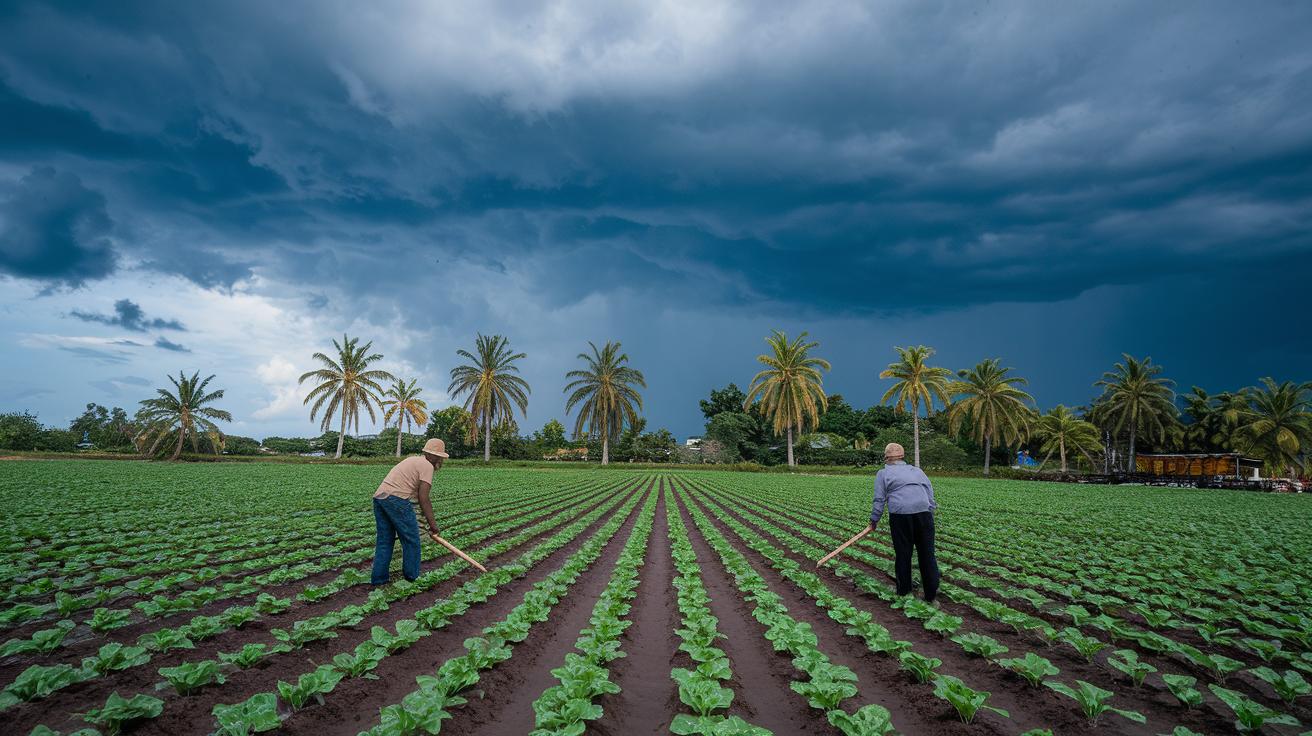
The island's climate plays a big part in shaping the lively traditions of the Caribbean. Here, you get both wet and dry seasons, with rainfall ranging from 1,200 mm to 3,500 mm. These patterns set the stage for farming and local celebrations. People plan their planting and harvesting with the rains, and when hurricanes hit between June and November, communities throw festivals to honor their strength. Even trade winds inspire seafaring tales and ocean ceremonies, while the dry season brings special fire rituals as a way to give thanks when rain is scarce.
| Climate Factor | Cultural Practice |
|---|---|
| Rainfall cycles | Crop planting and harvest celebrations |
| Hurricanes | Festivals celebrating resilience |
| Trade winds | Seafaring and blessing ceremonies |
| Dry season | Fire rituals and thanks during dry spells |
Communities have honed ways to adjust their festivals to nature's rhythm. They shift dates and modify ceremonies as the weather changes so that long-held traditions remain vibrant. When sudden tropical storms roll in, locals rearrange events to honor both the storm's power and the calm that follows. It’s as if nature and culture are dancing together, keeping the Caribbean’s celebrations perfectly in tune with its dynamic climate.
Biodiversity and Natural Resources in Caribbean Cultural Practices
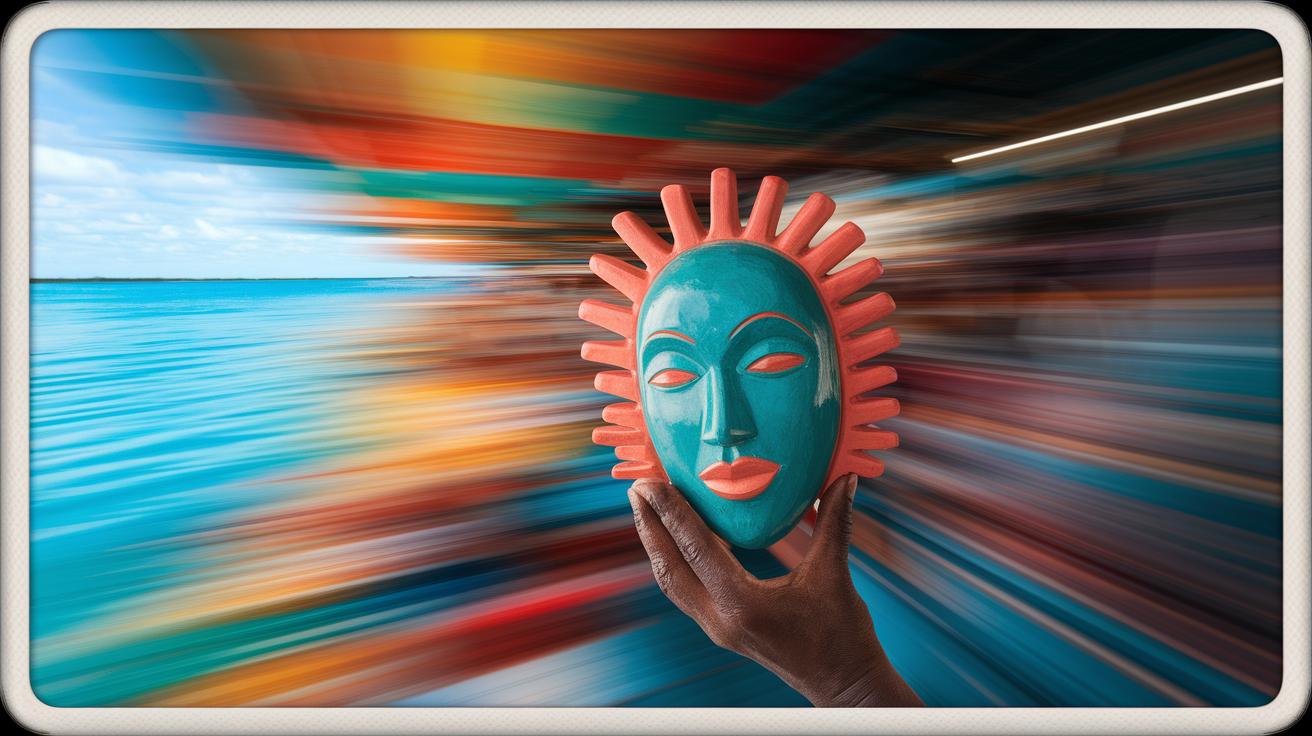
Coral Reef Inspirations in Caribbean Crafts
Caribbean artists find endless inspiration in the bright colors and unique shapes of coral reefs. They weave coral-like patterns into jewelry, masks, and textiles, almost as if the sea itself had a hand in design. Imagine the sweeping curves and small holes in coral formations guiding the creation of festival masks or carved sculptures. It’s a craft that feels as natural as a cool ocean breeze on a sunny day.
Mangrove Ecosystems and Community Rites
Mangrove forests hold a special place in Caribbean traditions. The strong, lasting wood from these trees is perfect for building boats and plays a key role during lively fish harvest celebrations. Locals use this resilient material to craft vessels that tell timeless stories of the sea. Plus, water-cleansing rituals often feature mangrove wood, symbolizing fresh beginnings and a deep connection with nature. Generation after generation, these practices remind everyone how land and water work hand in hand.
Rainforest Resources in Music and Medicine
Deep within the Caribbean rainforests, nature offers treasures that shape both music and healing. Hardwoods from the jungles become the heart of drums and xylophones, instruments that fill local festivals with vibrant rhythms. At the same time, native medicinal plants are the cornerstone of herbal healing traditions, celebrated in ceremonies that honor nature’s remedy powers. Together, music and healing blend to capture the spirit of the rainforest, keeping cultural traditions alive with every beat and every remedy.
The ongoing use of natural materials in art, rituals, and healing practices keeps the link between Caribbean biodiversity and cultural heritage strong, ensuring that every natural element remains a treasured part of island life.
Environmental Effects on Caribbean Music and Dance Practices
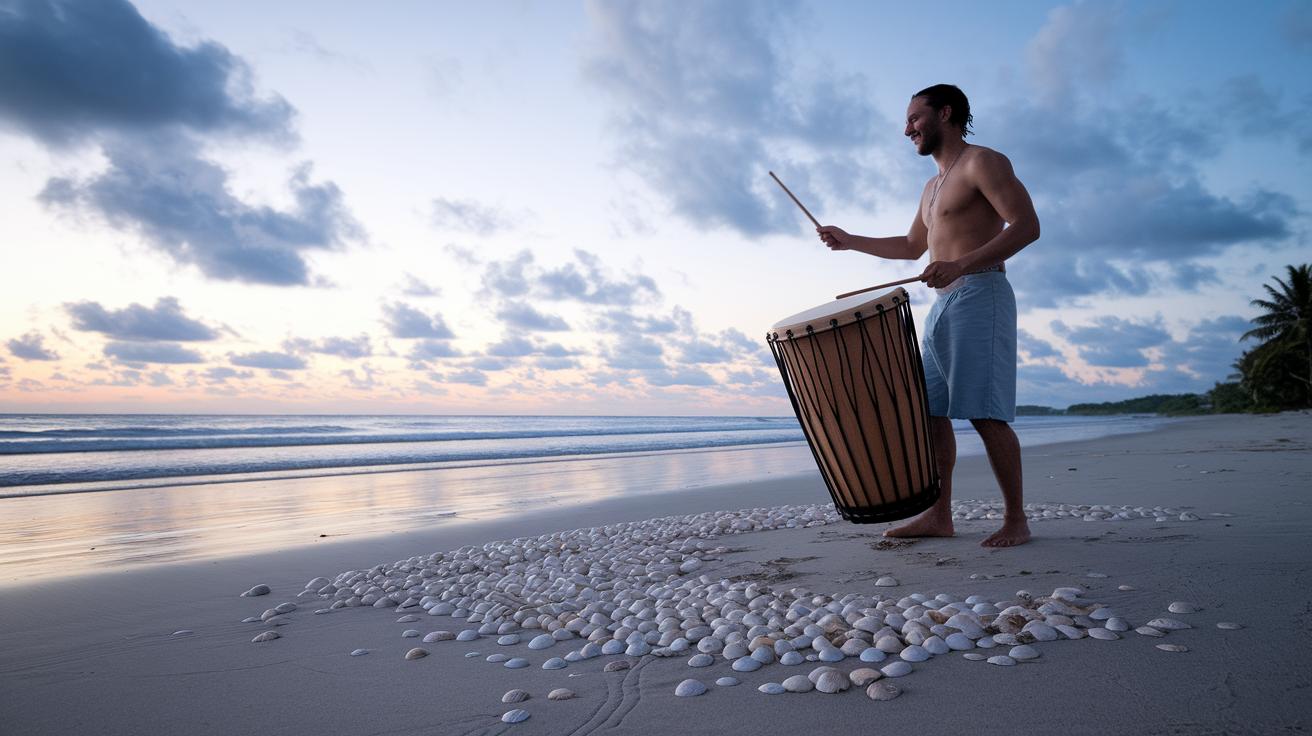
Caribbean musicians take a careful approach when choosing their drums and percussion instruments. They usually pick local hardwood for its clear and crisp sound that carries beautifully. Sometimes, natural items like shells are added to create a unique tone. All these choices lie at the heart of Afro-Caribbean styles such as reggae and calypso, reflecting a deep bond with nature.
The choice of performance sites adds its own magic to the music. Beach dances on soft, sandy shores often mark the early hours of dawn or the calm of dusk, all while honoring sea spirits. In cozy, open forest spaces, small music gatherings fill the air with lively tunes. The natural settings, from gentle sands to whispering trees, create a perfect stage where music and nature blend seamlessly.
Seasonal changes also play a big role in shaping the rhythm and movements of Caribbean dance. When the rainy season nears, ceremonies welcome different beats that mirror the steady patter of rain. Musicians adjust their drum patterns, and dancers mix slow and quick steps just like the changing weather. Every performance becomes a heartfelt story crafted by nature, celebrating the ever-changing environment that Caribbean communities cherish.
Natural Disasters Influencing Caribbean Cultural Practices
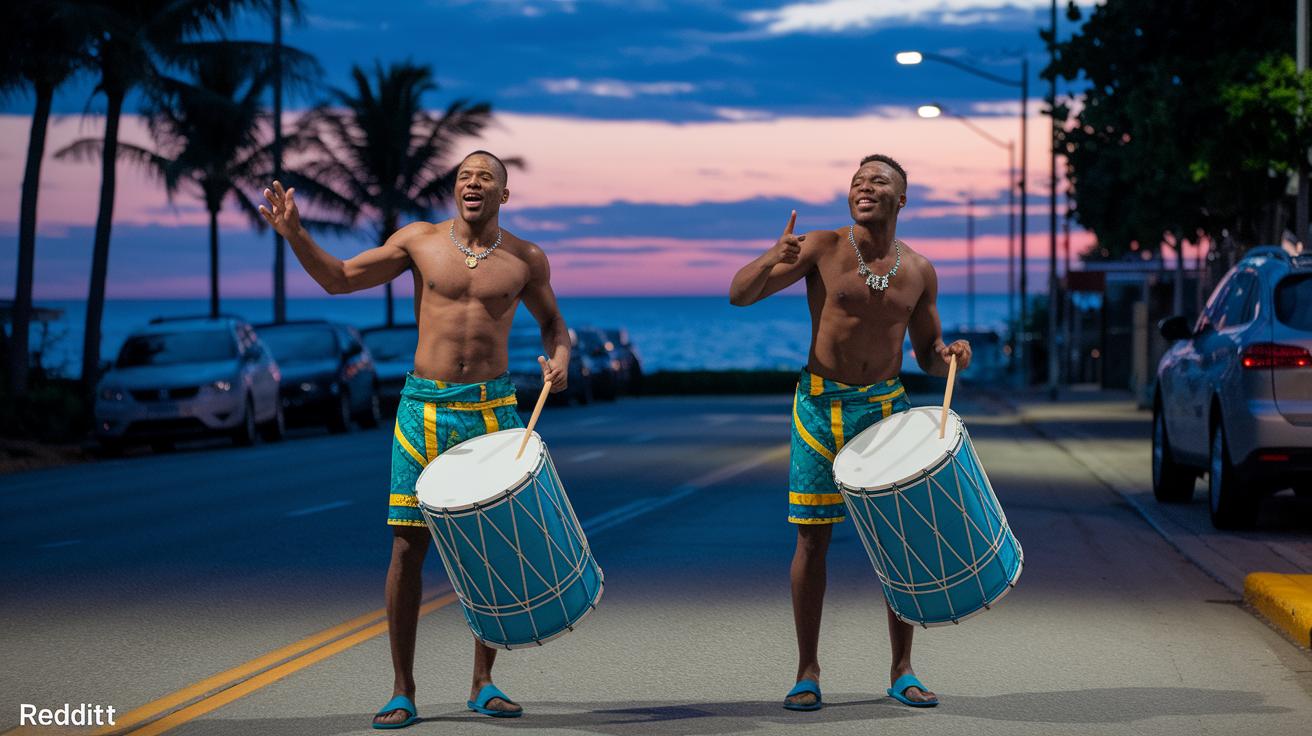
Caribbean islands have a way of turning tough weather into treasured memories. Strong storms and sudden sea changes spark stories that remind everyone how brave and united people can be. These tales live on in the songs we sing, the stories we pass along, and the lively shows put on to remember storms of the past.
Hurricane Narratives in Caribbean Oral Traditions
In places like Puerto Rico and the Bahamas, hurricanes have inspired some truly unforgettable stories. Locals recall how everyone banded together when wild winds and relentless rains threatened their way of life. Neighbors helped one another rebuild, and the community even acts out parts of these dramatic events on the streets. These heartfelt stories keep the history alive and encourage the young ones to believe that unity brings strength.
Sea Level Rise and Emerging Folklore
As sea levels slowly rise, new legends emerge about sinking shores and vanished villages. Folks spin myths of ghostly ships and warnings from ancestors, urging everyone to respect the mighty ocean. These modern tales serve as gentle reminders of the fine balance between humans and nature. Community songs and performances not only honor the past but also help prepare everyone for whatever lies ahead, keeping a spirit of hope and resilience alive for the future.
Conservation and Sustainability in Caribbean Cultural Practices
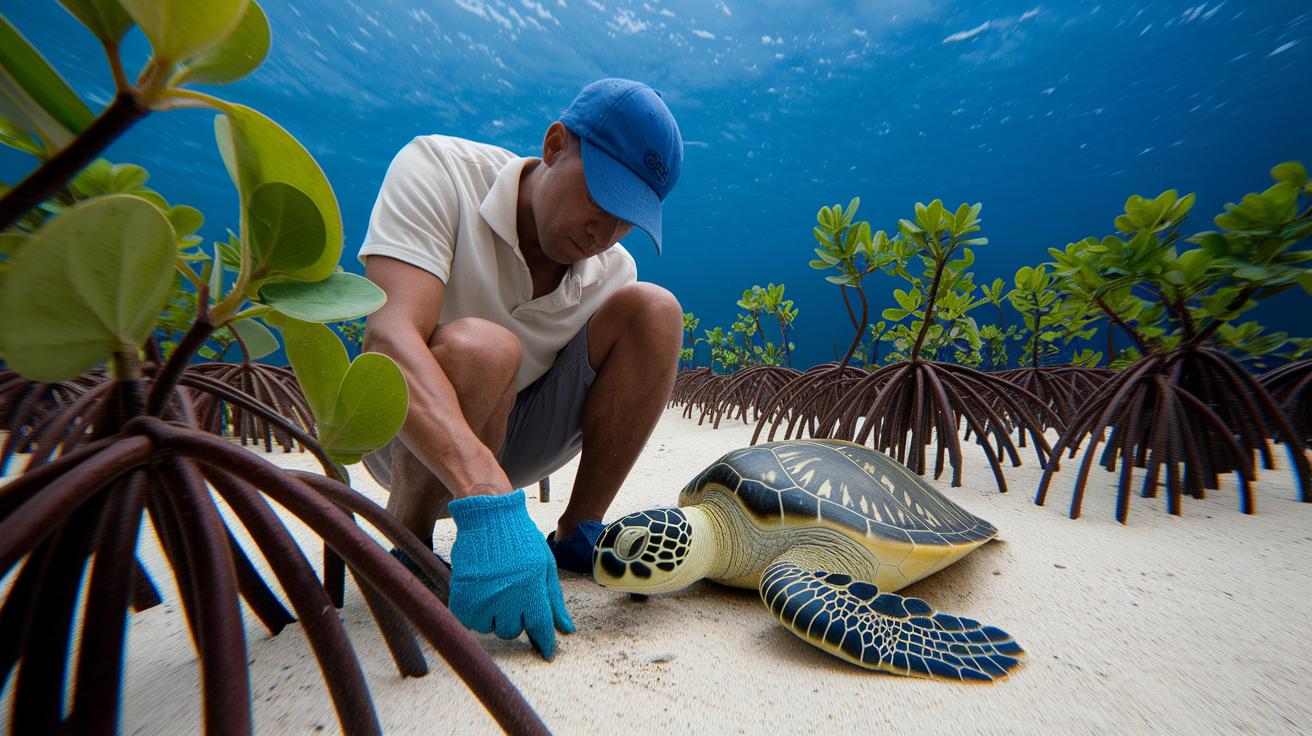
Eco-cultural identity is all about caring for nature while celebrating long-held local traditions. It’s like keeping your favorite family recipe alive while also tending a beautiful garden. Communities are showing us how to protect their natural treasures and preserve customs that fill their daily lives with pride.
- Exuma Cays sea-turtle rituals and habitat guardianship – Every year at Exuma Cays Land and Sea Park, locals gather for a special ceremony that honors sea turtles. This event reminds everyone to take care of our coastal waters and to celebrate the natural wonders that make the Caribbean so unique.
- Lucayan mangrove planting ceremonies tied to ancestral rites – Over at Lucayan National Park, community workshops mix fun dances with hands-on mangrove planting. These gatherings bring people together to honor their roots and help nature thrive, creating memories that last as vividly as a sunset on the beach.
- UNESCO-guided preservation ceremonies in St. Kitts sugar-mill sites – In St. Kitts, events at old sugar-mill sites follow World Heritage guidelines. These celebrations merge a respect for history with spirited rituals, setting the stage for a future that respects both the past and the beauty of the environment.
Looking ahead, Caribbean communities are ready to grow even stronger by investing in eco-cultural education and partnerships. They’re ensuring that time-honored traditions and breathtaking natural landscapes continue to inspire and nurture locals and visitors for generations to come.
Final Words
In the action of our exploration, we soaked up how diverse settings mold Caribbean rituals, crafts, and music. The discussion roamed from lush rainforests fueling traditional drum-making to coastal ceremonies guided by seasonal rains. We uncovered the dynamic role of natural events and conservation practices in preserving heritage. Every section revealed a slice of a unique living tradition that thrives amid nature's constant rhythms. Let these environmental influences on caribbean cultural practices remind you to cherish sustainable, authentic experiences where nature and culture blend beautifully.
