Have you ever thought that paradise might hide secret stories of history and culture? In the Dutch Caribbean islands, old traditions and modern vibes blend together with beautiful, sunny shores that feel like a welcoming hug.
Imagine walking down lively streets filled with color and heritage, where every step feels like a stroll through time. The sky, awash in warm hues from the setting sun, makes you feel like you’re part of a timeless story.
These islands aren’t just stopovers, they invite you to dive into a world where today's life meets the charm of centuries past. Curious to see how history and modern life mix so naturally? Let yourself explore, and you might just discover a side of paradise you never knew existed.
Dutch Caribbean Islands: Captivating Culture & Sunny Shores

When you think of the Dutch Caribbean, picture six one-of-a-kind islands. Three of them, Aruba, Curaçao, and Sint Maarten, are like mini-countries in the Kingdom of the Netherlands. The other trio, Bonaire, Saba, and Sint Eustatius, are special parts of the Caribbean Netherlands. On these islands, you’ll hear Dutch, English, Papiamento, and Spanish, and you can use U.S. dollars almost everywhere. Aruba, under Dutch care since 1636, blends a rich past with modern ease. Over in Bonaire, the small town of Kralendijk, home to around 3,000 locals, gives you that intimate island vibe.
Curaçao delights with its bright, cozy streets and colorful colonial buildings that almost seem to sing with life. Sint Maarten mixes the best of Caribbean fun with a dash of European charm. Imagine lounging on warm, sunlit beaches, strolling through quaint towns, and diving into local traditions that make history feel fresh. Every island unfolds a new story, inviting you to explore and enjoy.
If you’re thinking of island hopping, check out the “Complete Guide to Caribbean Island Hopping” for ideas on the best routes and local tips. It’s like having a friendly local whisper in your ear, guiding you from one breathtaking spot to the next.
Dutch Caribbean Islands Geography and Layout
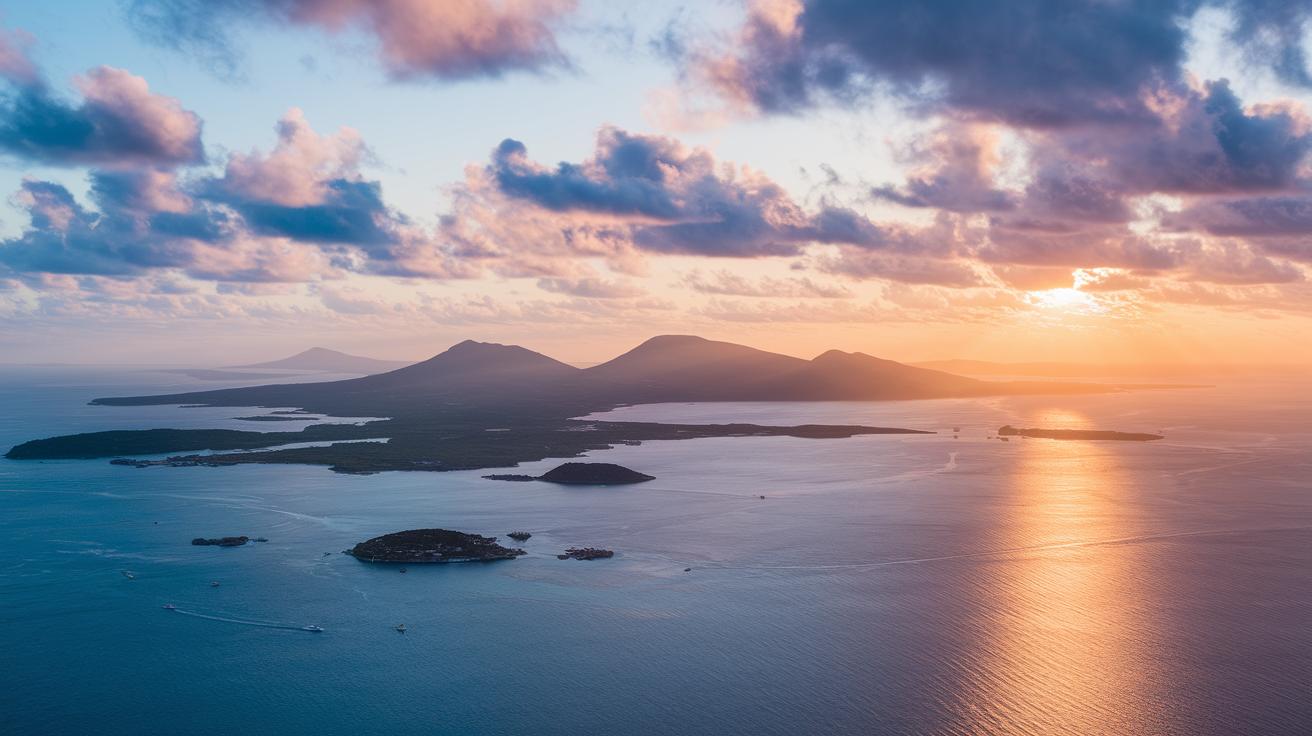
Imagine a map where Aruba and Curaçao sit just above Venezuela’s coast, kissed by warm tropical breezes. Bonaire, part of the ABC chain, rests nearby with a relaxed vibe. And then there’s Sint Maarten, tucked in the northeastern Leeward Islands, uniquely split between French and Dutch rule.
South of Sint Maarten lies Saba, the smallest municipality, known for its steep, dramatic landscape that makes every view look like a postcard. Meanwhile, Sint Eustatius, or Statia, is nestled between St. Kitts and St. Martin, offering a quieter, more laid-back island feel.
These six islands spread across roughly 12°–18°N latitude and 63°–69°W longitude, forming a compact little world full of contrast. Picture them as vibrant dots scattered on a sunshine-drenched map – each with its own charm, from the colorful streets of Curaçao to the rugged, green peaks of Saba. It’s almost like each island is a slice of a tropical pie, promising unique scenery and local flavor.
Every island in this cluster connects like pieces of a treasure map, inviting you to hop from one gem to another while soaking in the views that only the Dutch Caribbean can share.
History and Colonial Heritage of the Dutch Caribbean Islands

Aruba has been under Dutch control since 1636, and you can still feel that history in the lively culture of the islands. Before 2010, all six islands were known as the Netherlands Antilles, a single family of islands brought together by Dutch rule. After splitting up, Aruba, Curaçao, and Sint Maarten became independent countries within the Kingdom of the Netherlands, while Bonaire, Saba, and Statia turned into special municipalities. This change not only tweaked local government but also left behind beautiful colonial buildings that continue to draw in visitors.
Willemstad, the colorful capital of Curaçao, is a perfect example. Its Dutch Renaissance buildings, recognized by UNESCO, take you back in time like stepping into an old travel book. Walking along the pastel streets, you can almost hear the buzz of old trade routes and cultural exchanges. Over on Saba, the Hidden Garden Villa shows off old-world charm with a design that has stood the test of time, and Statia’s Old Gin House hotel offers a glimpse of colonial luxury that whispers stories of days gone by.
Every nook of these islands hides a piece of history waiting for you to discover it. From bustling civic centers to tiny, charming landmarks, the echoes of Dutch rule add a special touch to everyday life here. These historic treasures invite you to step into the past while soaking in the simple, relaxed beauty of island life.
Key Attractions Across Dutch Caribbean Islands
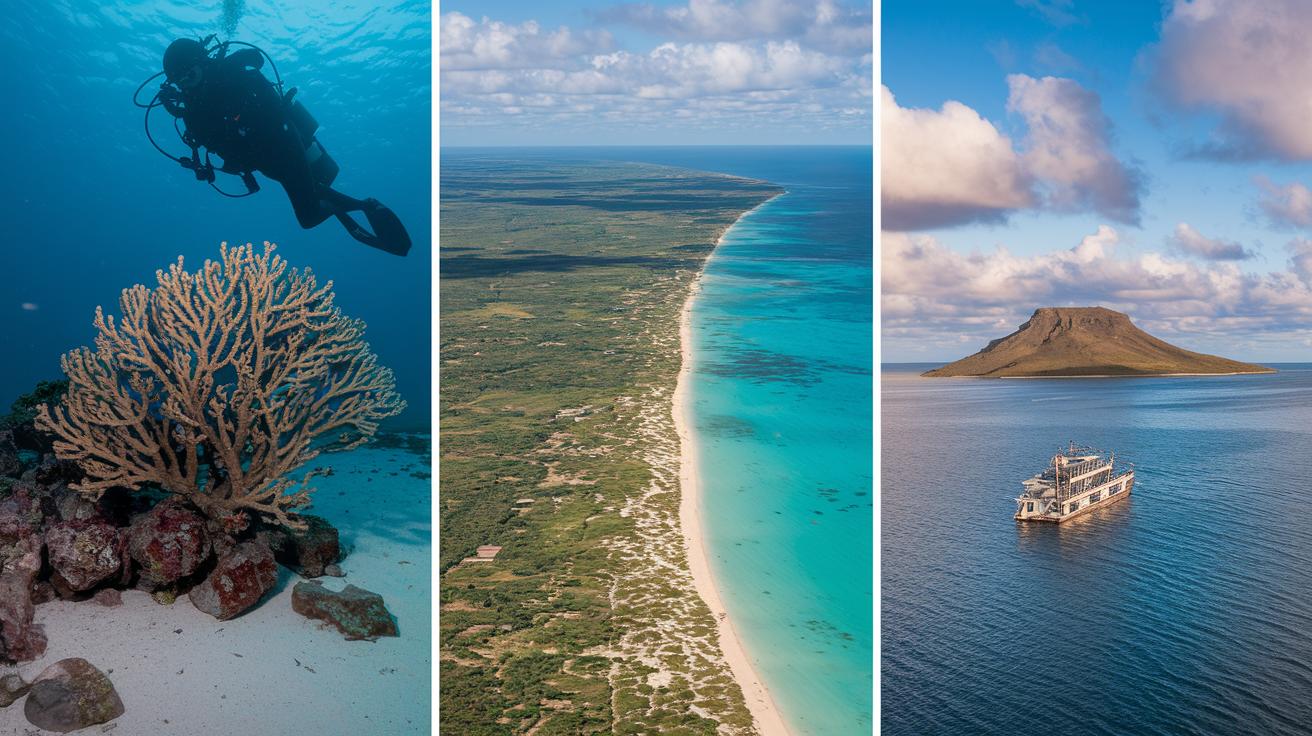
Aruba welcomes you with its soft white-sand beaches and plenty of outdoor fun. Imagine horseback riding along sunlit trails while the cool breeze twirls around you. You'll also enjoy exploring the charming, old streets of Oranjestad, where Dutch colonial history pops up at every corner. And for those chasing a perfect spot to catch some rays, Aruba has a little secret on every coast.
Bonaire is a water lover's dream. With over 80 dive sites nestled in crystal-clear waters, it's great for both snorkeling and scuba diving. Plus, kayaking along its peaceful shoreline lets you savor the gentle rhythm of the sea, making every little adventure feel like a mini island celebration.
Curaçao charms everyone with its colorful capital, Willemstad. The pastel buildings seem to sing under the Caribbean sun, drawing you in with their vibrant energy. Here, you can dip your toes into inviting shore snorkeling spots that mix local culture with nature’s beauty in the most delightful way.
Sint Maarten is bustling with energy and boasts 37 beautiful beaches. Picture golden sands perfect for a refreshing dip, alongside lively spots for duty-free shopping in Philipsburg. And if you're into golf or water sports, there's always something new to try, keeping your days as exciting as a seaside festival.
Saba calls out to those who love nature. Its trails, especially the one up Mount Scenery, offer a hike that connects you with the island's rugged heart. Every step reveals fresh views and the warm, untouched spirit of the Caribbean.
Statia adds a burst of color to the mix. Known for its lively Oranjestad, the island lights up during its July carnival, filled with live music, joyful dance, and local flavors that dance on your taste buds.
| Island | Top Attractions |
|---|---|
| Aruba | White-sand beaches, horseback trails, Dutch colonial Oranjestad |
| Bonaire | 80+ dive sites, snorkeling, kayaking |
| Curaçao | Pastel-hued Willemstad, shore snorkeling spots |
| Sint Maarten | 37 beaches, golfing, duty-free shopping in Philipsburg |
| Saba | Mount Scenery hiking, eco-friendly trails |
| Statia | July carnival, live music, dance, local cuisine |
Travel Logistics for Dutch Caribbean Islands
Imagine arriving directly in the heart of these beautiful islands. You can fly straight into Aruba at Queen Beatrix International Airport, where a warm welcome awaits you. In Curaçao, Hato International Airport offers smooth flights from both the U.S. and Europe. Bonaire’s Flamingo International Airport is perfect for sunseekers gearing up for a day on the water, while Sint Maarten’s Princess Juliana International Airport, famous for its low-flying planes, kicks off many adventures in the region.
Traveling between islands is just as charming. Small-craft airfields connect islands like Saba, where you might even find a sailboat charter to enjoy the gentle sway of the sea. And if you’re heading to Statia, a short ferry ride or charter from St. Maarten gives you a scenic journey across the sparkling blue water.
One common thread across all these islands is the use of U.S. dollars. This means shopping, dining, and exploring is easy because you don’t have to worry about exchanging money. Many visitors can even travel visa-free, making the entire arrival process smooth and welcoming.
Before you set out on any sea or air transfer, it’s a good idea to check the local schedules and weather. Tropical storms or short runway lengths on smaller islands might cause a slight delay, so always allow a little extra time. And here’s a quick tip: pack a small first aid kit and plenty of sun protection. With clear entry points and simple connections, moving from one island to the next feels as relaxing as a lazy afternoon spent under a Caribbean sun.
Culture, Cuisine, and Festivals of the Dutch Caribbean Islands
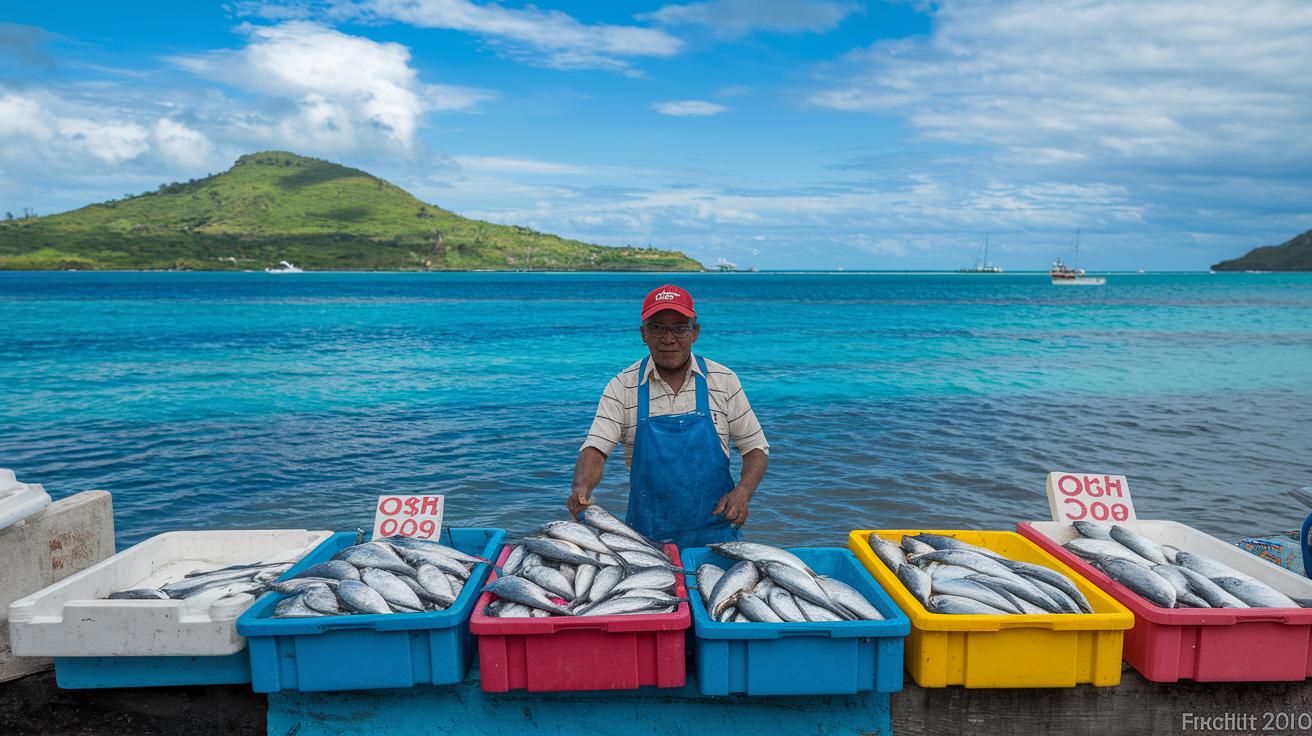
On these sun-soaked islands, every conversation feels like a warm, musical celebration of heritage. In Aruba, Bonaire, and Curaçao, the main language is Papiamento (or Papiamentu), giving everyday chats a friendly, sing-song vibe. You'll also hear English, Spanish, and Dutch in bustling markets and cozy beachside cafes, making you feel right at home.
Over on Sint Maarten, you'll notice a mix of Dutch and French flavors in the local traditions. This blend adds a playful twist to the island’s rich culture, something fans of unique histories will really enjoy.
The food here is a treasure on its own. Think of fresh fish and hearty seafood stews that mix Dutch, African, and native influences. Imagine savoring a spicy, slow-cooked stew as a gentle ocean breeze caresses your face. Each bite tells a story of time-honored recipes and vibrant local ingredients that capture the true flavor of island life.
Even the money has its own charm. While many places welcome U.S. dollars, Aruba uniquely uses its local florin, adding to the islands’ delightful mix of traditions.
Every July, Statia truly comes alive with a carnival full of energetic parades, local tunes, and lively dancing. Street corners fill with the sounds of celebration, and traditional dishes like stobá and keshi yena bring back memories of community gatherings that have lasted through the years. If you want to dive deeper into these vibrant festivities, check out the Guide to Caribbean Festivals and Events.
In everyday life throughout the islands, culture and cuisine blend so naturally. These traditions, lovingly passed down over generations, invite you to step into a world that feels like a never-ending sunlit story.
Conservation and Sustainable Tourism in the Dutch Caribbean Islands
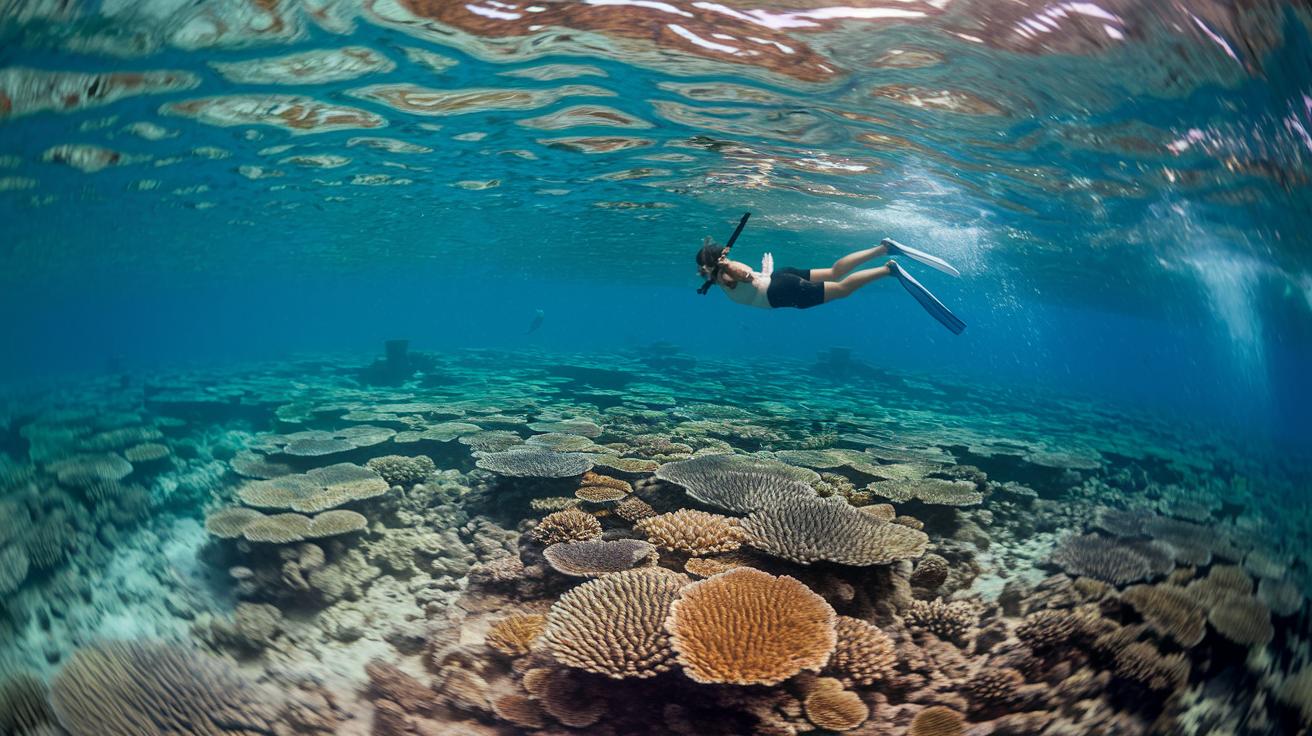
Picture yourself diving into crystal-clear waters where even the smallest ripple is cared for. In Bonaire Marine Park, no-touch moorings are set up at over 80 dive sites so that the bright marine life can flourish undisturbed. Every coral and school of fish stays as vibrant as nature intended, making each dive feel like discovering a hidden underwater gem.
Over on Saba, a special marine park wraps the coral slopes to safeguard delicate sea homes. The local dive operators stick to reef-friendly practices, ensuring that every underwater adventure feels like a peek into a pristine, living aquarium. Ever had a dive that left you speechless, as if you were stepping into a world lovingly protected by nature?
Curaçao is adding its own sustainable twist with a Coral Restoration Foundation transplant program. This initiative brings healthy coral fragments back to life, helping revive underwater ecosystems that have been put under pressure. On land, trails around Mount Scenery are clearly marked to reduce erosion and keep native plants safe.
Every eco-friendly step, from marine parks to carefully managed trails, ensures that your visit supports sustainable, responsible tourism. It’s a refreshing way to travel where nature and mindful exploration work hand in hand, letting you enjoy the islands’ beauty while leaving them just as magical for the next adventure.
Accommodation Options in the Dutch Caribbean Islands

When planning your Caribbean getaway, you'll find plenty of choices to suit any budget and taste. If you're keeping an eye on expenses, Bonaire’s Boutique Hotel Islander offers a simple room for around $10 a night, and Aruba’s Brickell Bay Beach Club & Spa gives you a cozy spot with all the essentials.
For a bit more comfort without breaking the bank, mid-range options are a perfect pick. Imagine staying at Curaçao’s Bayside Boutique Hotel, where local charm meets a relaxing vibe. Or consider Sint Maarten’s Commodore Suites, a friendly retreat just moments away from the island’s lively mix of activities.
If luxury is what you’re after, the Dutch Caribbean has you well covered. Aruba’s Ritz-Carlton pampers you with elegant facilities and stunning views that truly impress. Over in Curaçao, the Renaissance Wind Creek stands out with its excellent service in a central location that puts everything within reach. And don’t miss Statia’s Golden Rock Resort, where you’ll enjoy top-notch amenities like a restaurant, an outdoor pool to cool off in, and rooms with a handy kitchenette.
For eco-minded travelers, there are unique stays that bring you closer to nature. Saba’s El Momo Cottages and Juliana’s Hotel offer memorable escapes with lovely mountain views, setting the stage for an authentic, off-the-beaten-path experience in the Caribbean.
Final Words
In the action, we explored the islands’ lively scenes, from hidden cultural spots and colonial heritage to clear travel routes and cozy lodging options. We also took in tips for soaking up local cuisine and embracing nature with sustainable practices. This blend of practical advice and vibrant local flavor puts you right at home in the dutch caribbean islands. Enjoy planning your trip and feel the warm excitement as you step into your next tropical escape.
FAQ
What does the Dutch Caribbean islands map show?
The Dutch Caribbean islands map shows six islands—Aruba, Curaçao, Sint Maarten, Bonaire, Saba, and Sint Eustatius—arranged in the Caribbean, each with its own layout and geographic features.
What islands make up the Dutch Caribbean?
The Dutch Caribbean consists of Aruba, Curaçao, Sint Maarten, Bonaire, Saba, and Sint Eustatius, where Aruba, Curaçao, and Sint Maarten are independent countries within the Kingdom, and the others are special municipalities.
Which islands are best to visit in the Dutch Caribbean?
The best islands depend on your taste; Aruba offers sunny white beaches, Curaçao charms with colorful colonial heritage, and Sint Maarten impresses with double cultural appeal and duty-free shopping.
Which Caribbean island has a Dutch side?
Sint Maarten uniquely features a Dutch side along with a French side, giving it a blend of cultures that enriches its local traditions, cuisine, and shopping experiences.
What are the three primary Dutch Caribbean islands?
The three primary islands serving as constituent countries within the Kingdom are Aruba, Curaçao, and Sint Maarten, each renowned for their distinct culture, history, and tourist attractions.
What is the Netherlands Antilles and Caribbean Netherlands?
The Netherlands Antilles once united these islands until 2010, after which Aruba, Curaçao, and Sint Maarten became constituent countries, while Bonaire, Saba, and Sint Eustatius formed the Caribbean Netherlands.
