Ever stop to think why Caribbean culture feels so full of life and flavor? On these islands, old native traditions mix with European and African roots, creating a fun blend of music, delicious food, and everyday customs that light up every moment. Imagine the inviting smell of jerk chicken wafting through the air and the steady beat of drums energizing a busy street corner. Caribbean culture isn’t just about history, it’s a vibrant tapestry of living traditions that keeps surprising and delighting you.
definition of caribbean culture: Lively Beats & Flavors
Caribbean culture is a mix of native traditions, European history, the legacy of enslaved Africans, and customs brought by people from around the world. Every island has its own way of expressing itself through music, food, language, and customs.
Picture yourself strolling down a busy Trinidad street, where you hear the lively beats of steelpan music and catch the tempting smell of jerk chicken cooking nearby. It’s a warm and vibrant scene that feels both joyful and full of life.
Each island tells its own story. In some places, you might see Dutch-style buildings and old cobblestone roads that remind you of the past. In other spots, native traditions blend easily with modern ideas. Local languages, including Creole, are like living memories that capture the history and daily life of the people.
The sounds of reggae, calypso, and salsa mix with the rich flavors of Caribbean dishes to create a story of heritage marked by change and celebration. At its heart, Caribbean culture is all about constant reinvention, it’s like a never-ending dance under the sun, by the sea, with traditions that continue to grow and renew.
Historical Foundations in the Definition of Caribbean Culture
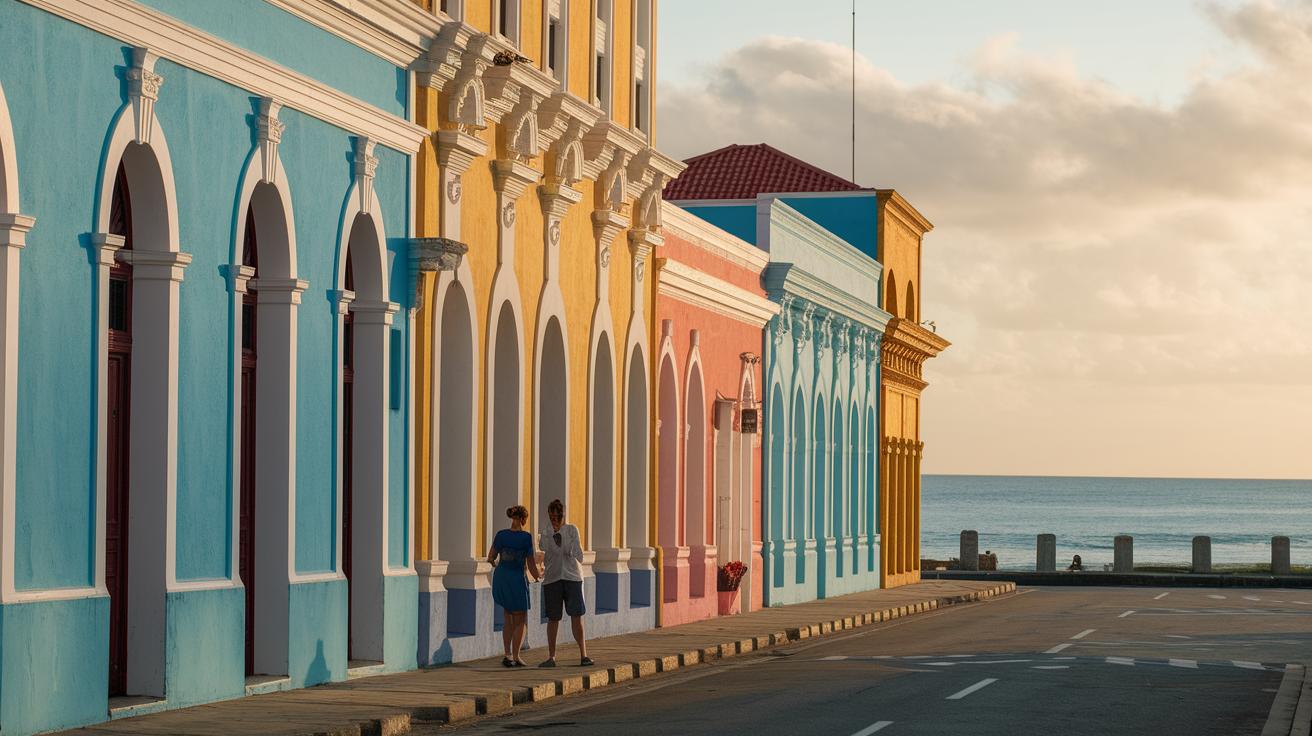
Caribbean culture grew from many layers of history, starting long ago with the Taíno and Carib peoples. Their customs and stories still echo in the crafts and traditions of today, like soft whispers brought by a gentle sea breeze.
Next came the European explorers and settlers. Picture old Spanish churches, bright Dutch buildings, and sturdy British forts lining narrow streets. As you walk through these mixed scenes, ancient structures share quiet tales of colonial days, blending the past with the present.
Then, enslaved Africans arrived and added their own lively beats, dances, and community traditions to the mix. Their influence is like a bold spice in a favorite dish, creating a unique flavor that’s unmistakably Caribbean.
After colonial times, the islands continued to change. The impact of old plantation economies still shapes local communities. Today, UNESCO World Heritage sites across the region stand as proud markers of times filled with both struggle and renewal.
All these layers, seen in ancient ruins and felt in daily life, form the strong backbone of Caribbean culture, reminding us of a rich heritage that still inspires the vibrant life of the islands.
Language Evolution and Creole Identity in Caribbean Culture
Caribbean language feels like a living work of art, a blend of stories passed down through time. Over the years, English, Spanish, French, Dutch, and Creole languages have fused together to create a voice that perfectly mirrors the islands' rich history. Think about Jamaican Patois and Haitian Creole: these vibrant forms of speech emerged during tough times, showing off the resilience and spirit of the people.
Islands have a way of letting words grow naturally. Islanders mix old, inherited phrases with fresh, new expressions from everyday life. It’s a bit like listening to a grandparent recount a lively tale about Anansi, the clever spider, who sprinkles lessons into every story. Ever wondered why these stories always seem full of life? That’s because they carry the magic of the past into the present.
Every conversation on the islands is more than just a simple chat, it’s an archive of history, struggles, and identity. With every word spoken, islanders honor their heritage and create a unique language bridge that links many cultures. In those everyday conversations, you can almost feel the echo of colonial histories, the drama of migration, and the celebration of freedom.
Musical Rhythms and Dance in the Definition of Caribbean Culture
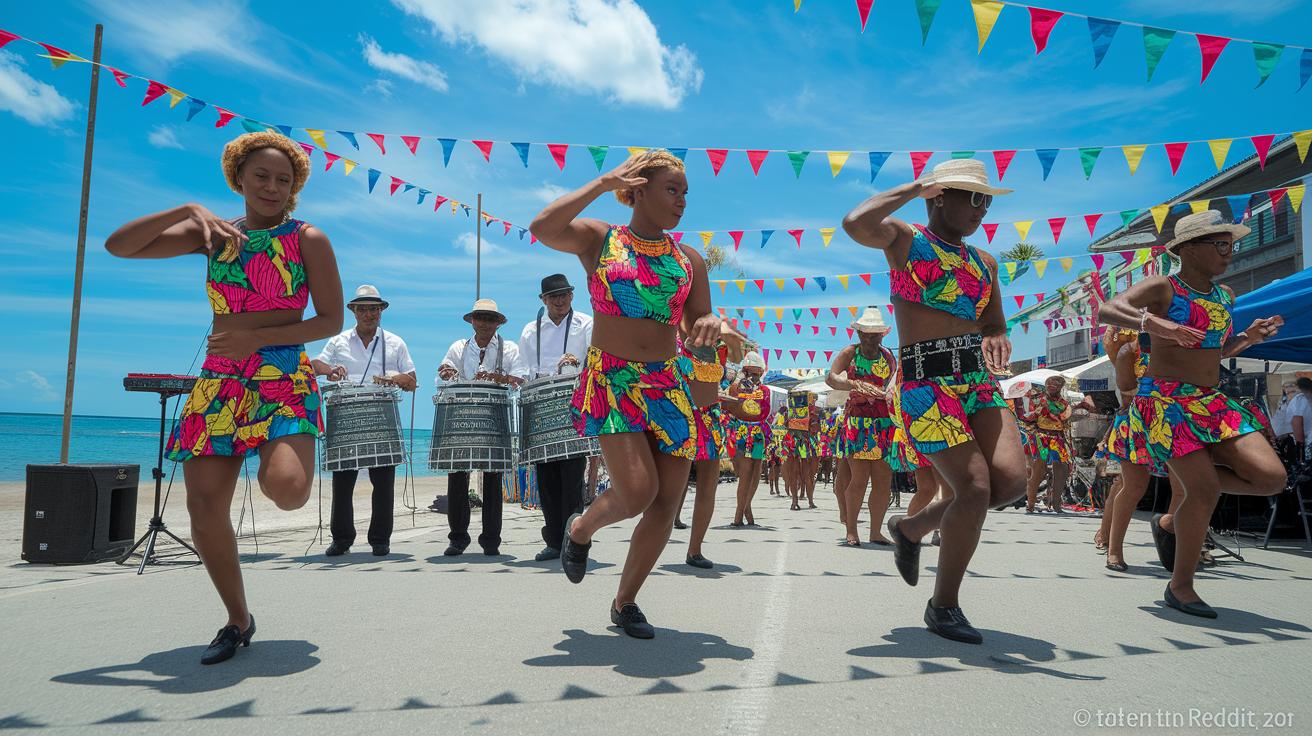
Caribbean music feels like a story spun through rhythm and movement. Think of reggae, calypso, salsa, merengue, soca, and the lively steelpan, each one mixing African drum beats with sounds from old colonial days. Imagine a steady drum beat echoing under a bright sky on a sandy beach. Every beat carries a bit of history, telling tales of both tough times and joyful celebrations.
The dances in the Caribbean mirror these vibrant tunes, lighting up every street fair and community gathering. Dancehall began in the 1970s in Kingston and quickly grew into a worldwide symbol of Caribbean spirit. Its quick moves and high energy perfectly match those bold beats. If you're curious, check out the story on the role of dancehall in shaping Caribbean culture at "Role of dancehall in shaping Caribbean culture" (https://caribiana.com?p=2731).
Caribbean music is always changing, blending traditional rhythms with modern vibes while staying true to its roots. Every style tells a personal story of people who fought to express themselves and claim their freedom through rhythm and dance. Together, these sounds create the heartbeat of life in the Caribbean, a mix of classic beats and fresh tunes that celebrates both the past and today.
Culinary Fusion and Flavor Legacies in Caribbean Culture
Caribbean food is a true mix of flavors that brings together the tastes of local ingredients, African spices, and European cooking ways. Think about enjoying Jamaican jerk chicken, Trinidadian roti, Barbadian flying fish, or callaloo. Each dish is like a little story from the island's colorful past.
Imagine biting into a piece of jerk chicken that is perfectly spiced. The smoky heat dances with a cool, fresh side, letting you taste years of history and mix-ups along the way.
Everyday staples like cassava and plantain have been on the island table for ages. Add in a touch of Scotch bonnet pepper (a very hot chili) and you get a fierce kick that shows the islands’ lively soul. European recipes came along with colonial settlers, mixing with local ideas to create meals that feel both time-honored and modern.
Each island puts its own spin on these classic recipes, inviting you to explore unique local flavors. If you’re curious to dive deeper into these tasty traditions, check out an insider guide for genuine Caribbean food adventures.
Festivals, Rituals, and Social Practices Defining Caribbean Culture
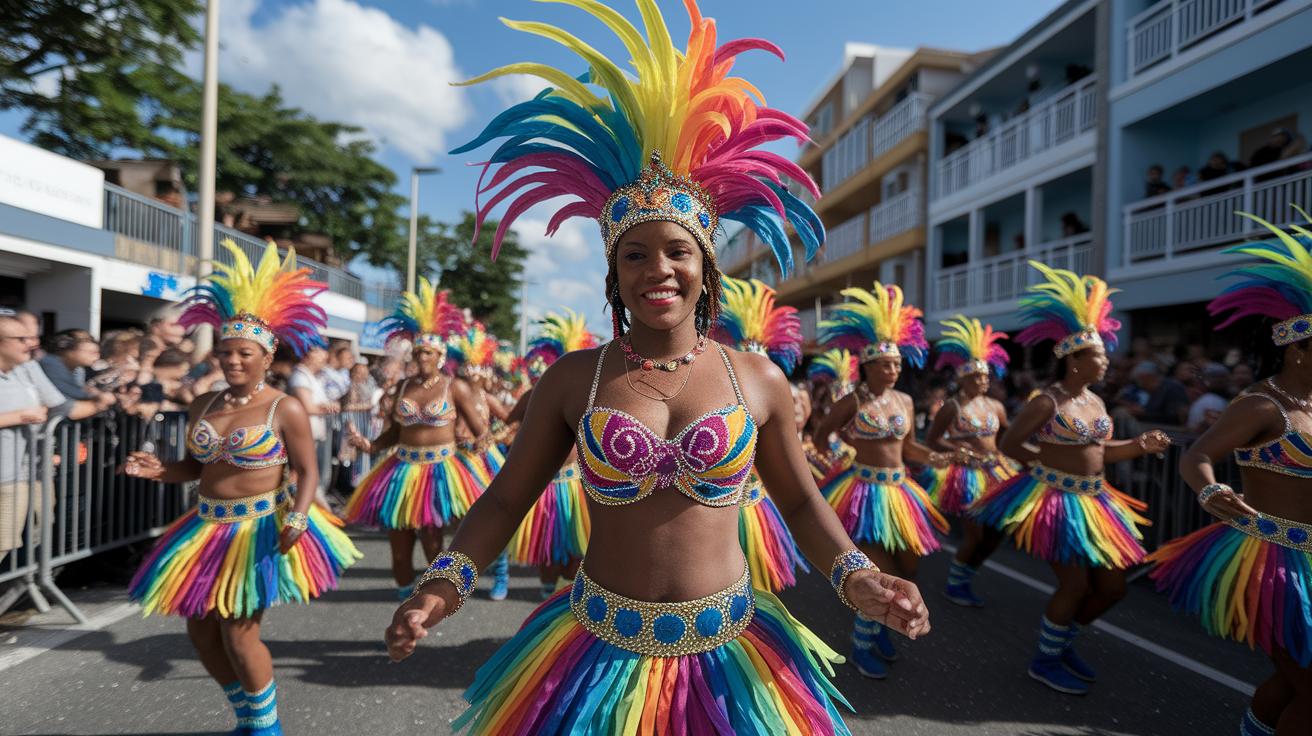
Caribbean life is full of energy and celebration. In Trinidad, Carnival before Lent bursts with color and music. Imagine lively streets sparkling with vibrant costumes and the rhythmic beats of steelbands that feel like the pulse of the island. It’s not just a party; it tells the story of a proud and enduring culture.
Everyday moments, like limin’, bring people together. Picture friends gathering under the open sky, sharing simple meals and drinks while chatting about life. Sometimes, a spontaneous evening limin’ in a small town can turn strangers into lifelong friends. It’s all about sharing smiles and stories.
Church services also play a big part in keeping communities warm and close. At local congregations, people come together and feel a real sense of belonging. Add to this the colorful Junkanoo in The Bahamas and Crop Over in Barbados, and you have a calendar that overflows with history and heart. These lively festivals, relaxed hangouts, and spiritual gatherings weave a beautiful cultural fabric that defines the Caribbean experience.
Artistic and Literary Expressions in the Definition of Caribbean Culture
When you wander through the Caribbean, art becomes a bright window into the heart of the islands. You see paintings, sculptures, and pottery that capture everything from sparkling blue waters to bustling street scenes and charming old buildings. These creations are like storybooks, sharing tales of hard times and deep pride. Ever notice a sculpture that seems to whisper ancient secrets? It stands like a silent guardian of age-old traditions, reminding us of all that came before.
Caribbean literature carries the same lively spirit. Writers like Derek Walcott use simple, warm words to blend island history with everyday life, making the past feel as close as the sea breeze. Folktales featuring characters like Anansi the spider (a clever trickster from local lore) have been told for generations. These stories aren’t just for fun, they unlock the deeper sense of identity and belonging within island communities.
Across the islands, local art groups are buzzing with energy. They mix cherished styles with new ideas, showing how Caribbean culture keeps evolving. Their vibrant creations build a bridge, linking the old tales with the fresh paths being carved out today.
Modern Evolution and Future Direction of Caribbean Culture
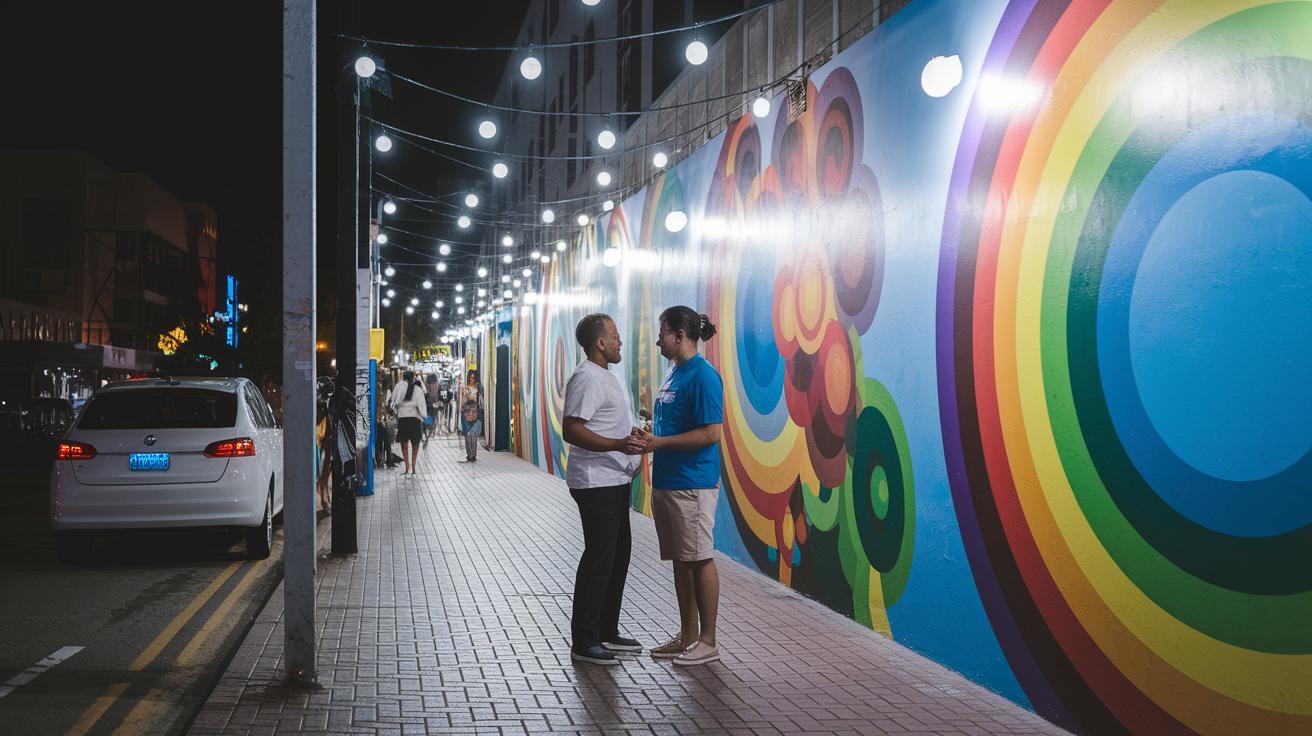
All around big cities, Caribbean roots bring a lively spirit to every corner. Music, food, and festivals light up urban streets with the island’s warm vibes. In bustling neighborhoods, fresh beats like EDM-soca mix with traditional sounds to create a feeling that’s new yet proudly Caribbean.
Street art splashes buildings with vivid colors and energy that nod to both a colorful past and today's creative pulse. Local diners and nightspots serve up classic flavors with a global twist, telling a story of travel and change that keeps the island spirit alive no matter where you go.
People in cities are chatting about how to blend today’s trends with old traditions. In everyday conversations, locals share ideas on keeping ancestral practices while enjoying innovative mixes in music, art, and food. Memories of laid-back island gatherings now echo in many parts of the world, linking cultures and strengthening a Caribbean identity that adapts to new influences while staying true to its warm, rich roots.
Final Words
In the action, this post explored how Caribbean culture comes alive through lively music, vivid cuisine, and rich traditions. It highlighted everything from historical roots to the colorful street festivals and the unique flavors that make up the definition of caribbean culture.
Every section offered a taste of how the islands celebrate life with a mix of indigenous customs, colonial influences, and modern twists. The vibrant pulse of each experience leaves you feeling excited about what awaits on your next tropical trip.
FAQ
What does Caribbean culture mean?
The Caribbean culture means a lively blend of indigenous customs, colonial influence, African heritage, and migrant influences that shape distinct island identities with diverse language, music, art, and cuisine.
What are the key aspects and values of Caribbean culture?
The key aspects include vibrant music and dance, rich culinary traditions, festive celebrations, and strong community bonds that honor history, resilience, and creative expression across the islands.
What are some common Caribbean cultural traditions?
Common traditions feature colorful festival parades, rhythmic music like reggae and calypso, storytelling and dance, and culinary practices that mix local ingredients with African and European influences.
How is Caribbean cuisine defined?
Caribbean cuisine is defined by a fusion of indigenous produce, African spices, and European cooking techniques, resulting in bold flavors and dishes like jerk chicken and roti that tell a story of cultural mix.
What cultures have influenced Caribbean identity?
Caribbean identity is influenced by indigenous peoples, European settlers, enslaved Africans, and later migrant groups, creating a diverse mosaic of traditions, languages, and creative expressions that shape the region.
