Have you ever wondered how a community can turn tough times into its greatest strength? Caribbean communities do just that. They take hard moments and transform them into something alive and vibrant, full of history and heart.
Imagine warm family gatherings, lively festivals, and simple daily traditions that shine with passion and resilience. Every island story holds hints of past struggles, each one lighting the way to the strong bonds we see today.
In this piece, we'll explore how blending old wisdom with fresh ideas creates a triumph that keeps the spirited Caribbean alive. Have you ever felt that magic of turning a challenge into an opportunity?
Understanding Cultural Resilience in Caribbean Communities
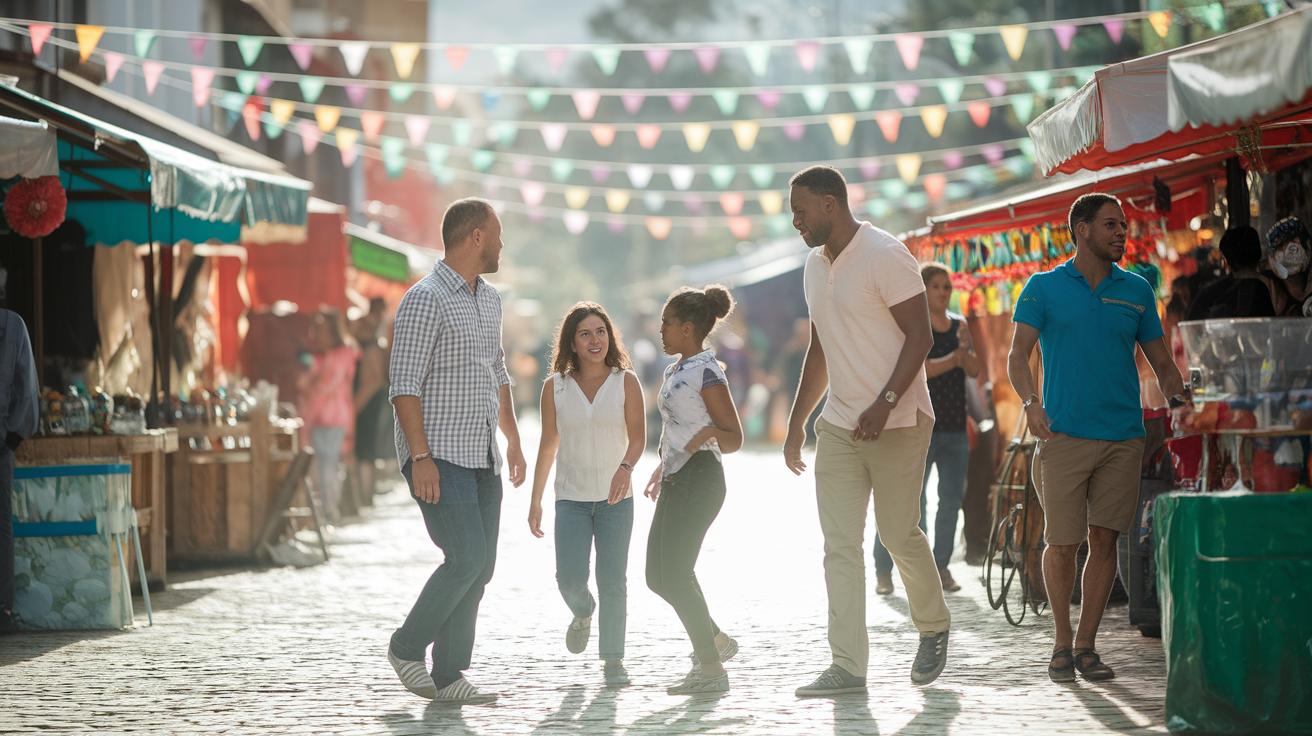
Caribbean communities mix a rich blend of history, warm connections, and creative ideas to keep their traditions alive. They lean on deep cultural roots and a lively community spirit when challenges come their way. The recent pandemic showed how vulnerable tourism-based economies can be, pushing many islands to rethink their financial plans. Plus, globalization asks young people to find a balance between modern trends and cherished old traditions.
Everyday local efforts and a shared sense of community play a big role in preserving heritage. Whether it's family storytelling or lively festivals, people come together to celebrate history and unity. They also tackle issues like climate change by combining age-old wisdom with new approaches.
Here are some ways Caribbean communities are keeping their traditions vibrant:
- Using traditional building methods to deal with climate challenges
- Bringing people together through local festivals and cultural rituals
- Teaming up in art, music, and media for creative projects
- Joining forces between public and private groups for heritage funding
- Encouraging elders to mentor the younger generation
These examples remind us that cultural resilience is about more than just holding on to the past. It's a lively process where history, modern ideas, and strong social bonds work hand in hand to keep Caribbean traditions thriving.
Historical and Social Foundations of Caribbean Cultural Resilience
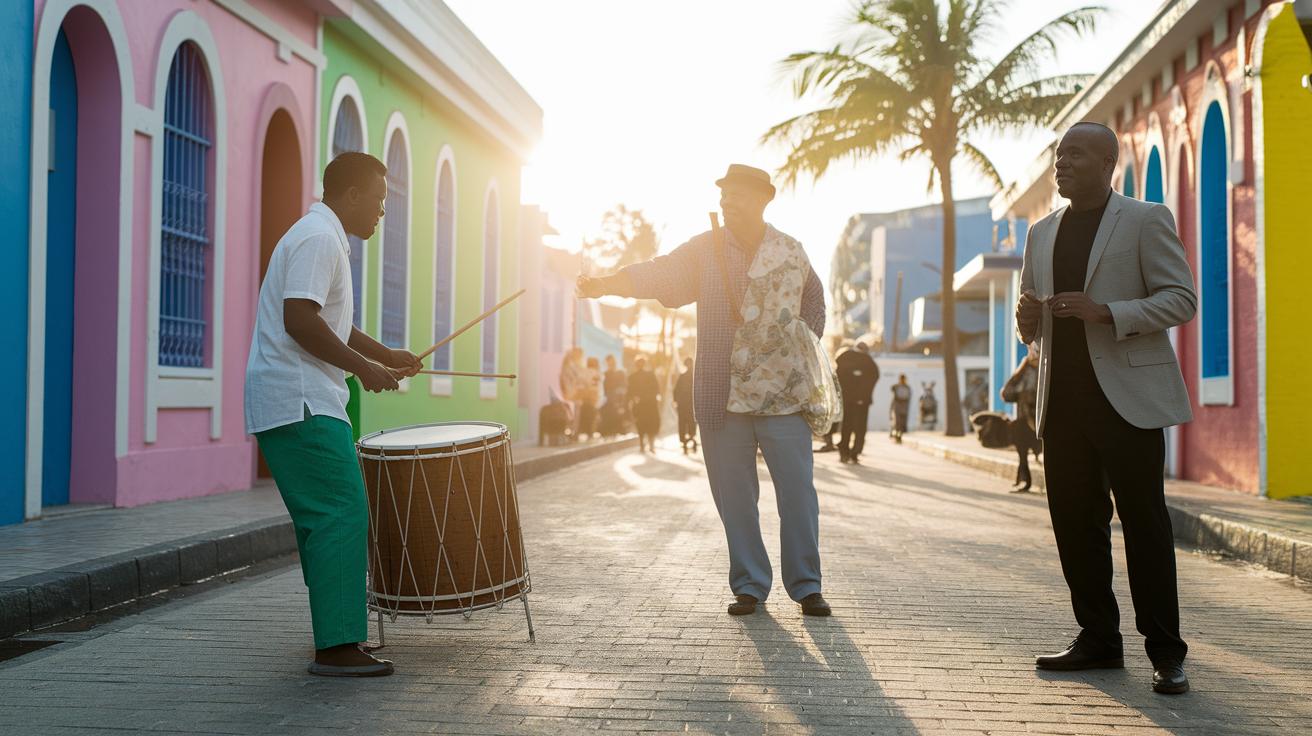
The roots of Caribbean culture are a living story, woven from many unique layers of history. Long before European ships set sail, native peoples practiced heartfelt spiritual rituals and shared their stories by word of mouth. Their strong spirit is what holds the islands together.
When Africans were brought to the region through the transatlantic slave trade, they brought vibrant beats, soulful music, and joyful dance. Ever wondered how a catchy rhythm can lift your mood? Their influence, detailed in African influences in caribbean culture, mixed with local traditions to create a fresh cultural blend even in the toughest times.
Then European colonizers arrived with their languages, building styles, and religious customs. Although they tried to impose their ways, the people of the islands made these traditions their own. They reshaped foreign influences into something colorful and new, adding another layer to the Caribbean mosaic.
Today, globalization adds its own twist. It can soften some old traditions while inspiring creative new forms that mix the past with the present. This ongoing exchange lets local communities celebrate a diverse heritage that is always evolving.
| Period | Influence | Cultural Impact |
|---|---|---|
| Pre-1500 | Indigenous practices | Spiritual rituals, oral storytelling |
| 1500–1800 | Transatlantic slave trade | African music, dance, traditional dishes |
| 1600–1900 | European colonization | Language mix, unique architectural styles |
| 20th century | Mass tourism | Revival movements, local craft markets |
This rich historical blend keeps the Caribbean resilient, a living celebration of heritage that grows with every shared smile and every new tale.
Community-Led Strategies for Cultural Preservation
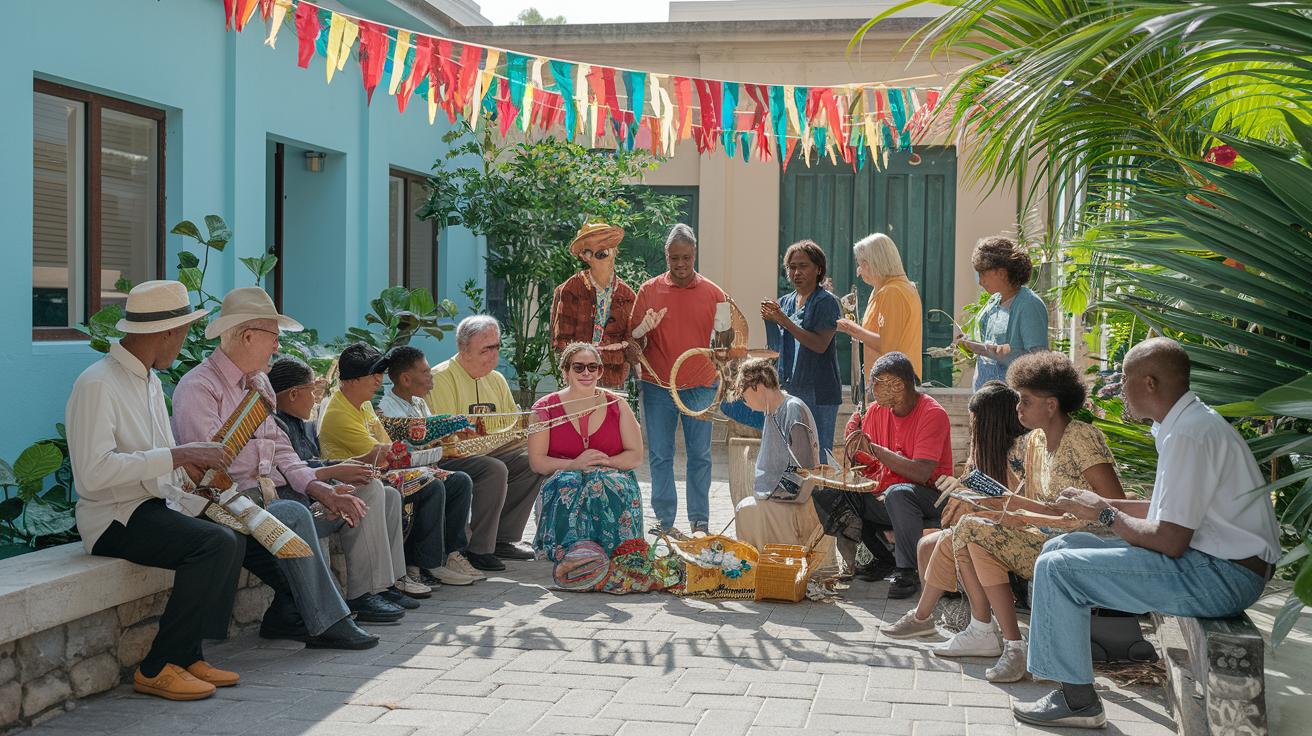
In Trinidad and Tobago, the Resilient Heritage project is a heartwarming story of local voices keeping traditions alive. Backed by funds from the U.S. Ambassadors Fund for Cultural Preservation, artists, craft makers, and community leaders come together to share timeless skills with the younger generation. They host local festivals and friendly workshops in music, dance, and crafts that not only celebrate culture but also open doors to new job opportunities while caring for nature. These lively events are more than just parties; they are spots for learning where old techniques mix with fresh ideas for a better economy.
Local councils really help out by weaving cultural events into their big-picture plans. They know that supporting neighborhood fairs filled with food, handmade crafts, and warm performances builds pride and brings people together. Working closely with communities, these councils often set aside funds for public spaces that turn into places for workshops and live shows, giving local musicians and artists a stage to shine.
Community leaders also spark friendly talks about balancing traditions with modern challenges. They arrange meetings where locals share thoughts on keeping old customs alive while creating vibrant income streams. By blending age-old techniques with practical job ideas, these neighborhood projects build stronger cultural bonds and help create a future where each community stands on its own feet. Together, they grow stronger and honor the legacy of their heritage.
Cultural resilience in Caribbean communities: Bold Triumph
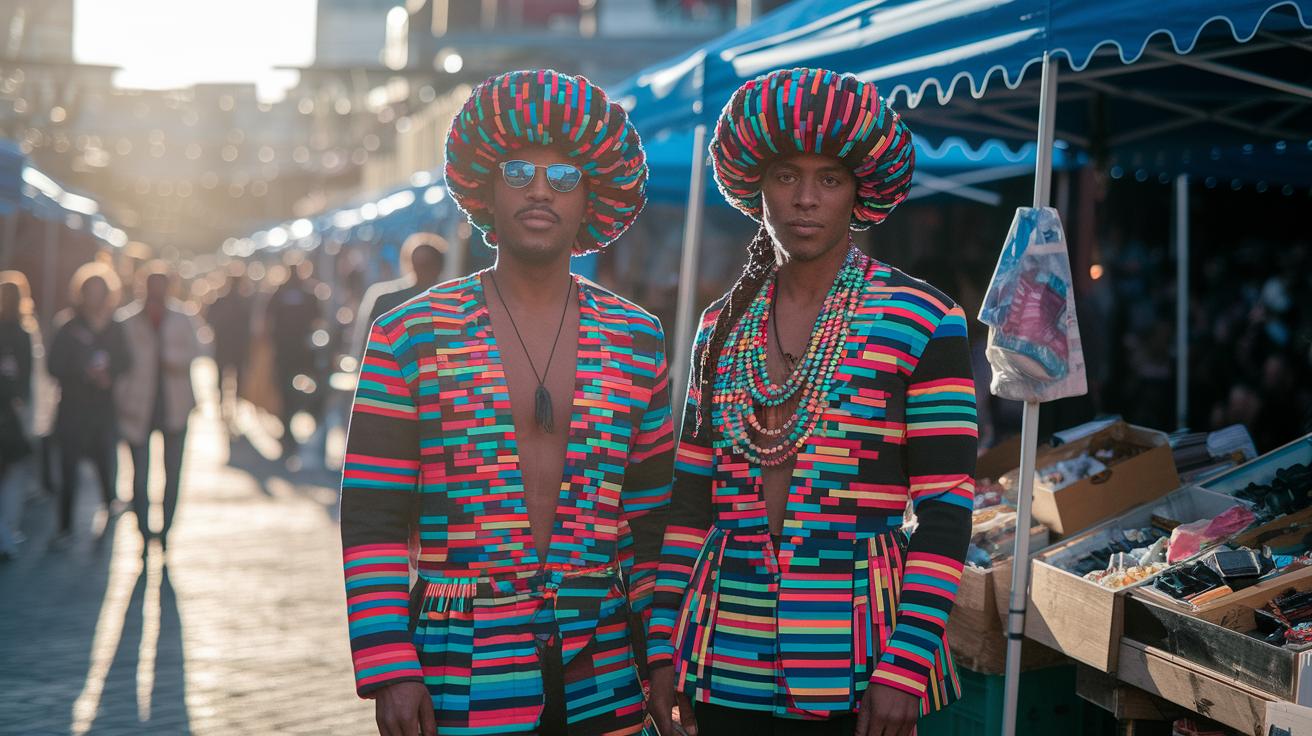
Caribbean artists are blending time-honored traditions with a fresh, modern vibe. Local creatives, supported by groups like the Caribbean Broadcast Union, are reimagining folklore with a modern twist. They mix old cultural symbols with today's digital magic to tell visual stories that speak to both the past and the future. Imagine listening to the voices of elders preserved in digital oral-history archives that now inspire new trends in design and fashion, sparking a warm, familiar energy in every piece.
Music Evolution
Young music fans are creating festivals that honor classic beats in exciting new ways. At these lively events, reggae, calypso, and dub poetry are being remixed with modern rhythms. Picture a festival scene where the familiar pulse of reggae meets fresh, upbeat sounds that fill the air with energy and cultural pride. It all feels as natural as enjoying a perfect day on the beach.
Literary and Oral Traditions
Caribbean storytelling is enjoying a beautiful makeover too. In Martinique, during the Festival en Pays Rêvé on November 21, 2025, well-known figures like Viktor Lazlo and Dorcy Rugamba led heartfelt conversations that connected different generations. Meanwhile, digital archiving projects are preserving classic ballads and oral histories, paving the way for new poets and writers to share their stories. It is like watching old and new friends come together, keeping the Caribbean spirit alive and vibrant.
Partnerships and Funding Models Supporting Cultural Resilience

Caribbean communities have teamed up with different funding partners to keep their traditions alive and kicking. One great example is the Caribbean 30×30 program, also known as Actioning Blue, which brings together fishers, farmers, and local experts. It’s kind of like everyone pitching in at a friendly community cookout to protect both the land and old customs. The goal? To let nature and culture thrive side by side, just like a perfect island blend.
Grants from the Caribbean Broadcast Union have been another helping hand. These grants light a fire under projects that share real stories about local heroes and artists. Picture local events captured in vivid videos or a series of colorful portraits that bring small-town charm to life. It’s all about shining a light on the people who keep culture strong in their communities.
Artist management workshops are also making a huge difference. These workshops help local talent learn how to promote their art and connect with bigger audiences. Participants pick up tips on pitching projects, setting clear goals, and keeping their creative spark alive while earning a fair living, like learning how to mix just the right ingredients for a refreshing tropical drink.
- Caribbean 30×30 (Actioning Blue) brings together fishers, farmers, and the wider community
- Caribbean Broadcast Union grants help spotlight cultural heroes
- Artist management workshops empower creative locals
All these partnerships show how working together and practical support can build a strong, lasting foundation for cultural resilience in the Caribbean.
Case Studies of Cultural Resilience Amid Crises

During the COVID-19 pandemic, Caribbean communities discovered new ways to celebrate what makes them unique. They embraced digital storytelling and virtual festivals, turning to the internet when meeting face-to-face just wasn’t possible. Online events brought the spirit of neighborhood celebrations to life, with music, dance, and art that captured the essence of long-loved traditions. This digital shift not only kept cultural bonds strong but also refreshed old customs by connecting voices from all corners.
When Jimmy Cliff passed away on November 24, 2025, it became a time for everyone to reflect on their shared identity. His loss stirred feelings of pride and nostalgia, inspiring tribute concerts and heartfelt online remembrances. People came together to honor his huge impact on Caribbean culture while recognizing the deep sense of loss.
In lively cities like London and New York, Caribbean communities in the diaspora are proving that culture knows no borders. Chefs play with island flavors, musicians blend traditional calypso with modern beats, and community groups even hold online services that echo familiar rituals. These projects turn personal challenges into powerful tales of unity and hope, showing that Caribbean traditions can thrive anywhere.
All in all, these stories remind us that even in tough times, creativity and togetherness can keep the colorful spirit of the Caribbean alive.
Future Directions for Sustaining Caribbean Cultural Resilience

Education changes and youth leadership programs are helping keep Caribbean culture alive for tomorrow. In local schools and community groups, vibrant stories from our island’s past are becoming part of daily lessons. Imagine sitting in a classroom where a teacher says, "Every village tale is like a key unlocking our island’s heart." This friendly approach sparks curiosity and inspires young minds to cherish our unique traditions.
Plans for digital record collections, eco-friendly tourism at heritage spots, and buildings designed for our changing climate show fresh ways to mix old traditions with modern ideas. It’s like blending the familiar beat of a steel drum with the lively pulse of new technology. Online archives preserve our spoken histories, while responsible tourism invites both locals and visitors to explore our beloved sites with care.
Growing networks that connect islands for cultural sharing and ongoing support for local craft projects will strengthen the cultural economy. These efforts bring together artists, craftspeople, and community leaders from different islands to create something special. Smart policies and new technology boost local pride and help build a strong economy. By empowering youth and passing on traditions from one generation to the next, the Caribbean spirit will continue to shine brightly with tropical unity and vibrant island traditions.
Final Words
in the action, this article showcased how Caribbean communities blend age-old traditions with creative adaptations. It highlighted local festivals, artistic breakthroughs, and community partnerships that keep customs alive. We touched on how heritage, social bonds, and intergenerational sharing build a strong foundation for keeping traditions intact. These efforts stand as a testament to cultural resilience in Caribbean communities. The story leaves us with the heartwarming reminder that these islands, through genuine local spirit and innovation, can always find their way to shine.
