Hotels
Caribbean Travel Tips for a Flawless Island Escape
By cyber
September 14, 2026
Field Notes
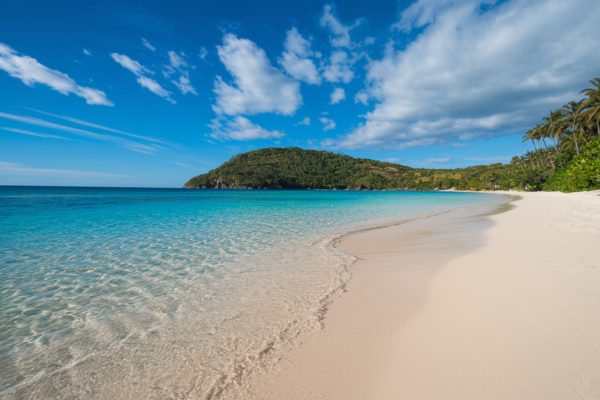
Think the Caribbean is one big sunny paradise? Think again.
Each island is its own place with different money, entry rules, and weather, and treating them the same can leave you stranded at the airport or stuck with the wrong plans.
This quick guide gives a practical checklist, picks the right island and stay for your trip, and shares simple weather, packing, and transfer tips so you’ll actually enjoy warm sand and salt in the air instead of surprises.
Ready to plan a smooth island escape? Start here.
Quick-Start Checklist for a Caribbean Vacation
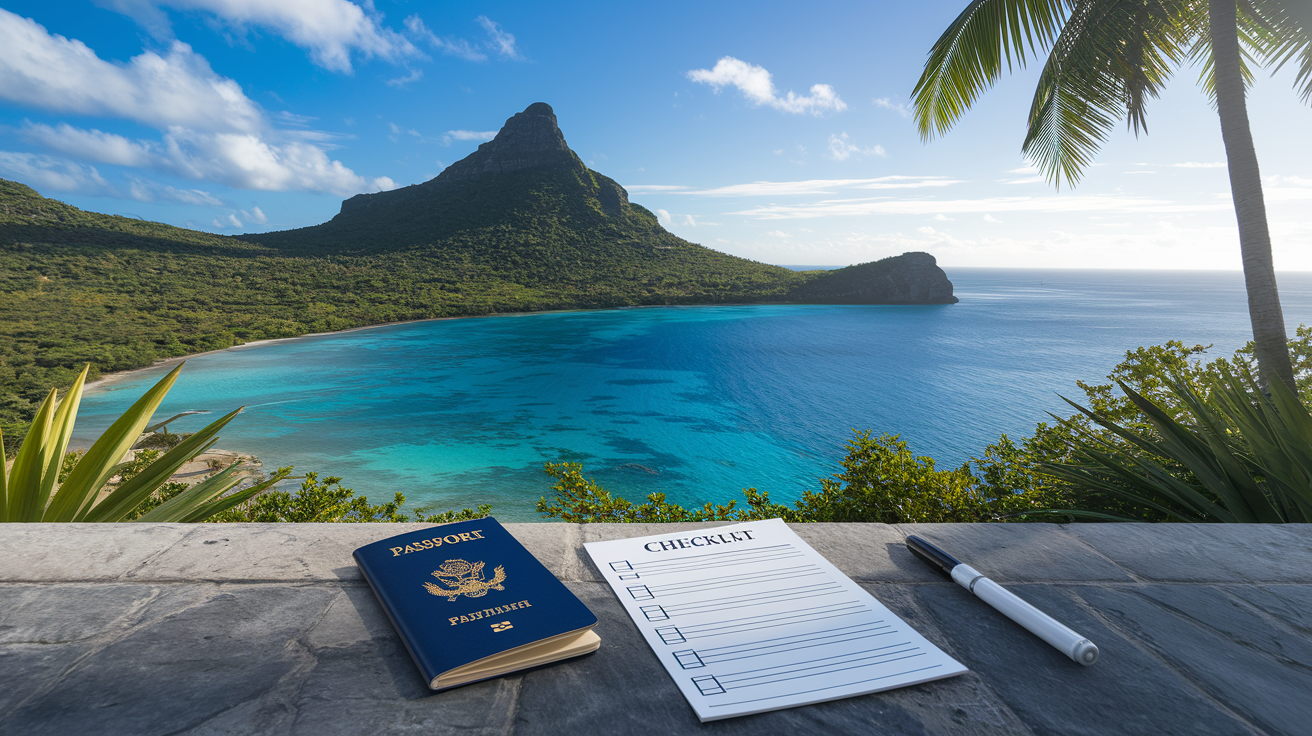
The Caribbean isn’t one destination. It’s a string of separate countries and territories, each with its own currency, entry rules, weather patterns, and costs. What works in Jamaica might not apply to Aruba, and Puerto Rico could look completely different from Barbados.
That’s why rule one of planning a Caribbean trip is simple: verify everything for your specific island. Don’t assume last year’s trip to one spot tells you what to expect somewhere else. Once you accept that, the rest of the planning gets easier. Here’s a checklist to get you moving.
- Match the island to the atmosphere, activities, and budget you want.
- Check passport, visa, vaccination, and entry requirements.
- Compare travel seasons based on weather, prices, and crowds.
- Set a full trip budget with a contingency reserve.
- Compare direct and connecting flights.
- Check the distance and transfer time between the airport and your accommodation.
- Pick a vacation format and accommodation type that actually suits you.
- Purchase travel insurance appropriate for the trip.
- Arrange local transportation or airport transfers.
- Prepare a destination-specific packing list.
- Confirm accepted cards, currencies, and cash needs.
- Save emergency contacts and offline copies of essential documents.
Before you leave, circle back and reconfirm the entry rules, your reservations, transportation plans, and current weather. Things shift fast in the islands, and a quick check a few days out can save you from an unpleasant surprise at the airport.
Pros and Cons of Popular Caribbean Vacation Formats
(((alt-img2)))
The cheapest advertised package isn’t always the cheapest trip. Add meals, resort fees, excursions, and transfers, and that budget flight-and-hotel deal can end up costing more than an all-inclusive that looked pricier upfront.
So before booking anything, it helps to know what you’re actually trading off with each format. Here’s how the most popular options stack up.
| Vacation Format | Pros | Cons | Best For |
|---|---|---|---|
| All-inclusive package | Predictable costs, abundant on-site activities, simple budgeting | Less incentive to explore beyond the resort, limited local food variety | Families, first-timers, relaxed travelers |
| Cruise | Visits multiple destinations, unpacking only once, built-in dining | Limited hours at each port, less immersive local experience | Travelers who want a sampler of several islands |
| Single-island independent trip | Full flexibility, deeper access to local culture and food | Requires more planning and self-coordination | Independent travelers, repeat visitors |
| Multi-island itinerary | Variety of landscapes and experiences in one trip | More transit time, more logistics to manage | Longer trips, experienced planners |
| Guided group tour | Structured schedule, built-in support, less decision fatigue | Less freedom, fixed pace and itinerary | First-time Caribbean travelers, solo travelers |
| Flight-and-hotel package | Simple booking process, often bundled savings | Meals and extras priced separately, can add up quickly | Travelers who want a home base with full flexibility |
Instead of fixating on the advertised package price or the nightly hotel rate, look at the complete trip cost and how much usable vacation time you’re actually getting. A slightly pricier option that saves you hours of transit or a day of planning headaches is often worth it.
Caribbean Weather, Seasons, and the Best Time to Visit
(((alt-img3)))
Weather in the Caribbean isn’t uniform, and neither is hurricane risk. An island in the southern Caribbean can be having a perfectly sunny week while a storm tracks farther north. So don’t let hurricane season scare you off the whole region. It just means doing a bit more homework before picking your dates.
High season generally runs from December through April, bringing drier weather, bigger crowds, and higher prices across most of the region. Shoulder months like May, June, and November often bring fewer tourists and better rates, though conditions vary. The official Atlantic hurricane season runs June 1 through November 30, with peak risk from August through October. Islands like Aruba, Bonaire, and Curaçao sit south of the main hurricane belt, which makes them a dependable choice if storm exposure worries you.
| Travel Period | Typical Conditions | Prices and Crowds | Planning Advice |
|---|---|---|---|
| December–mid-April | Dry, sunny, warm | Highest prices, largest crowds | Book early, especially around holidays |
| Late April–June | Warming, occasional rain showers | Moderate prices, thinner crowds | Good value window before peak heat |
| July | Hot, humid, brief showers common | Family travel bumps up demand | Watch for school holiday pricing |
Final Words
Start by matching the island to the vibe you want, then work through the quick-start checklist to lock in passports, flights, and transfers.
This guide walked through trip formats, weather and seasonal risks, a practical packing list, money and safety basics, a five-step booking plan, destination comparisons, and a realistic seven-day sample to balance rest and exploration.
Before you go, reconfirm official entry rules, reservations, and the forecast. Use these caribbean travel tips to travel with confidence and enjoy warm sand, calm seas, and easy days ahead.
FAQ
Q: What quick steps should I take to start planning a Caribbean vacation?
A: The quick steps to start planning a Caribbean vacation are choose a suitable island, verify entry rules, set a budget, compare flights, book accommodation and insurance, and prepare payment methods and documents.
Q: How do I choose the right Caribbean island for my trip?
A: Choosing the right Caribbean island means matching beaches, nightlife, hiking, diving, family facilities, romance, accessibility, and budget, then checking island-specific weather and transport options before you book.
Q: When is the best time to visit the Caribbean and what about hurricane season?
A: The best time to visit the Caribbean depends on priorities; high season is December to mid-April for drier weather. Official hurricane season runs June 1 to November 30, with peak risk August to October.
Q: What vacation formats are available and how do I pick one?
A: Vacation formats include all-inclusive, cruise, single-island independent, multi-island, guided tours, and flight-and-hotel packages; pick based on total cost, flexibility, convenience, local access, and how much usable vacation time you want.
Q: What should I pack for a tropical Caribbean trip?
A: Packing for a Caribbean trip means lightweight breathable clothing, one polished evening outfit, 2 to 3 swimsuits, sandals and walking shoes, reef-safe sunscreen, rain jacket, prescriptions plus a reserve, power bank, and document copies.
Q: How much should I budget per day for Caribbean travel?
A: The daily budget for Caribbean travel is roughly $40 to $100 for budget, $150 to $300 for midrange, and $400 or more for luxury, including flights, lodging, food, transfers, excursions, insurance, and contingency.
Q: How do I manage money, cards, and ATMs in the Caribbean?
A: Managing money in the Caribbean means carrying a credit card plus about $100 to $300 in small bills, confirming accepted cards and local currency, avoiding airport exchanges, and expecting ATM and foreign transaction fees.
Q: What safety and health precautions should I take in the Caribbean?
A: Safety and health precautions include securing passports and valuables, keeping digital copies, avoiding isolated areas after dark, following beach flags and rip-current warnings, carrying prescriptions in original packaging, and checking routine vaccinations and water guidance.
Q: How far in advance should I book flights, accommodation, and insurance?
A: You should book international flights 2 to 6 months ahead, regional flights 1 to 3 months ahead, choose flexible fares when possible, and buy comprehensive insurance commonly costing 4% to 8% of the trip price.
Q: How does island hopping and local transportation work in the Caribbean?
A: Island hopping and local transport rely on regional hubs, short regional flights, and ferries; expect ferries to cost about $20 to $100 and regional flights $60 to $200 one way, and plan for transfer time and customs.
Q: Which Caribbean destinations suit beaches, diving, culture, couples, and families?
A: Destination fit depends on activities: Turks and Caicos for standout beaches, Aruba/Bonaire/Curaçao for diving, Puerto Rico for culture and easy access, Jamaica and the Dominican Republic for variety, Barbados for surf and culture, St. Lucia for romance.
Q: How should I structure a seven-day Caribbean itinerary?
A: A seven-day Caribbean itinerary should start with arrival and settling, mix beach days with one major water excursion, include a town or culture day, a nature or hike day, a flexible reserve day, and allow generous airport transfer time on departure day.
Q: What final checks should I do before departing for the Caribbean?
A: Final checks before departure include reconfirming official entry rules, reservations, and transfers, checking flight status and weather, verifying passport validity and insurance, and ensuring payment methods and offline document copies are ready.