Ever wonder if a sunny Caribbean getaway might hide some tricky scams? Lately, there’s been a rise in these sneaky schemes, almost like an unexpected plot twist in your vacation dreams. This guide breaks down how to spot warning signs fast so you can travel safe without any worries. It explains common scam tricks and shares smart tips to avoid trouble, all while you keep soaking up that warm island charm. Keep your eyes peeled and enjoy every moment of your Caribbean adventure.
How to Spot and Avoid Caribbean Travel Scams

Caribbean scams are on the rise. In early 2024, fraud went up by 15% compared to 2023, and it spiked to 22% in the summer and 25% in winter. It’s scary to think about, especially when unlicensed taxis at airports or cruise ports charge far more than you’d expect. Not only do these scams take your money, but they also steal a piece of the genuine local vibe you came to enjoy.
Sometimes, you might get approached by someone who seems extra friendly, a street vendor or a person offering help with directions. They might even promise a special low rate for a tour or some other deal that sounds too good to be true. When someone pushes you to grab an offer or free gift right away, it could be a trick to get you to pay later. A taxi driver might tell you the meter is broken or quote a weird flat rate near busy tourist spots.
| Warning Sign | What to Look For |
|---|---|
| Overly Friendly Strangers | People offering help or advice without being asked |
| Too-Good-To-Be-True Deals | Unusually low prices on tours, gifts, or accommodations |
| Pressure Tactics | Receiving rushing offers or free gifts that turn into a charge later on |
Keeping these red flags in mind is your best defense against scams. Take a breath, look around, and trust your gut while you immerse yourself in the lively markets, beautiful beaches, and rich local traditions the Caribbean is known for. Enjoying your trip means staying alert while still soaking in the island magic.
Common Caribbean Tourist Scams and How They Operate

When you're soaking in the bright Caribbean sun, you might run into a few sneaky tricks by scammers. Knowing how these scams work can really help you have a smooth, fun trip.
- Taxi Trap – Imagine arriving at an airport or cruise port and a taxi driver tells you the meter is broken or quotes a fixed price that’s way too high. This is a common trick to squeeze extra money from you.
- Fake Tour Guide – Sometimes someone will act as your personal guide, promising a unique, secret excursion. In truth, they’re just trying to steer you toward expensive add-ons or partner shops.
- Friendship Bracelet – You might be offered a free, charming local bracelet. But then, after some friendly chatting, you find out it comes with hidden charges if you don’t agree to buy more.
- Wrong Change – There’s a scam where change is given in bills that look very similar to the correct ones. Whether it’s Eastern Caribbean, Jamaican, or Barbadian dollars, the result is you get shortchanged.
- Timeshare Pressure – What starts as a complimentary meal can quickly morph into a long, high-pressure sales pitch about timeshares, lasting up to 90 minutes, where you feel pushed into making a big decision.
- Drug Setup – In some cases, organized groups, even involving local figures or police tactics, set up scenarios that trap unwary tourists. This dangerous scam can lead to arrests and demands for bribes.
- Overpriced Souvenirs – Ever notice how some street vendors offer what looks like an authentic local craft? Often, it's a knockoff sold at a price far above what it’s worth.
Each of these scams uses distractions and the island’s friendly vibe to trick you out of your money. Staying alert, trusting your gut, and keeping a pinch of healthy skepticism can help you ensure your Caribbean adventure stays safe and enjoyable.
Caribbean Islands and Their Scam Hotspots
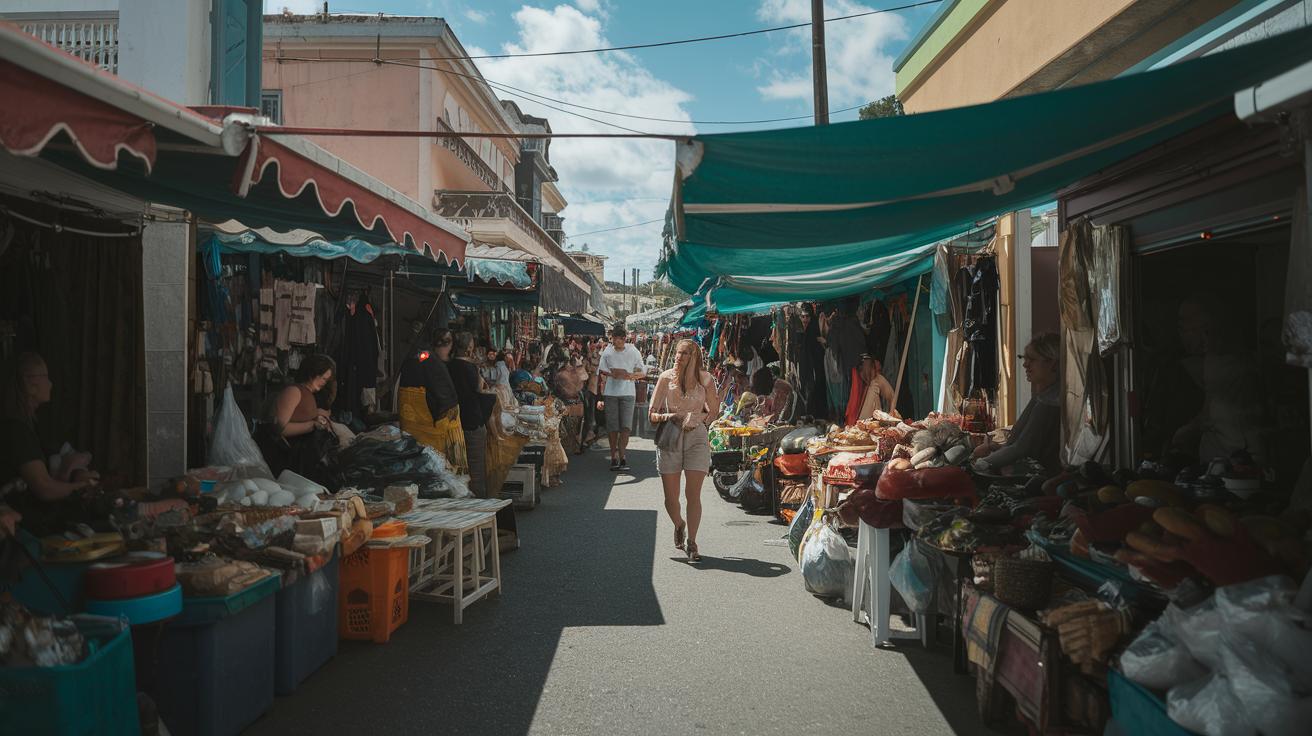
When you explore the Caribbean, the island you're on can shape your experience, sometimes in surprising ways. Each island holds its own tricks aimed at catching travelers off guard. In buzzing spots like Nassau’s Straw Market, Philipsburg’s main shopping area, or Santo Domingo’s lovely Malecón, you'll often find scammers using spilled drink distractions to mislead you and snatch your belongings. Over in Aruba, watch out for fake booking scams near transportation hubs and busy plazas, and don’t be surprised if guides at Cayman Islands' snorkeling docks try to charge a bit too much. Even at airports and cruise ports, unlicensed taxi drivers are waiting for a chance to make a quick buck. Knowing these common scam spots can really help you feel more secure and turn a potential headache into just another little bump on your dreamy Caribbean journey.
| Island | Common Scam | Typical Location |
|---|---|---|
| Bahamas (Nassau) | Spilled Drink Distraction | Straw Market |
| Sint Maarten | Wrong Change | Philipsburg Shopping District |
| Dominican Republic | Spilled Drink/Theft | Malecón, Santo Domingo |
| Aruba | Fake Tour Bookings | Oranjestad Plazas & Hubs |
| Cayman Islands | Overpriced Excursions | Snorkel Dock Areas |
Before you head out, it might be a good idea to check local reviews and trusted tips. A quick look at recent traveler feedback on transport and tours can really set your mind at ease, helping you pick licensed taxis and well-rated excursion providers. Staying updated with local reports and scam info means you can dive into the rich culture of the islands without any extra worry. Enjoy your Caribbean adventure with the confidence that you’re well prepared!
Preventing Caribbean Travel Scams: Safety Best Practices
When you're setting off on a Caribbean adventure, a little extra caution goes a long way. Think of it like double-checking your beach bag before heading out, you never know what surprises might come your way.
Official Transportation
Before you get into a taxi, ask to see its license and check the meter details. Ride-hailing apps are a safe bet whenever you can use them, and if a car looks unmarked, it’s best to politely say no. Always confirm the fare ahead of time, just like checking the menu at your favorite beachfront cafe.
Verified Tour Operators
When planning an excursion, make sure the tour operator is certified, and take a minute to read up on recent traveler reviews. It’s usually better to go with a guide from a well-known agency rather than taking a chance with a street vendor. Imagine it like choosing a friendly local neighbor over someone you’ve just met on a busy market day.
Secure Transactions and Money
Stick to ATMs that are inside bank branches instead of using standalone machines. Give the card reader a quick look-over for any signs of tampering and shield your PIN while you enter it. Carry small bills in various currencies when needed and consider using an RFID-blocking wallet to protect your card details, sort of like keeping your favorite seashell safe.
Accommodation and Valuables
At your hotel, use the safe to store your important items. Lock up your suitcases and keep photocopies of key documents such as your passport. This extra step gives you a little peace of mind so you can relax and enjoy the sunny streets and colorful corners of the islands.
Navigating Excursions, Timeshares, and Souvenirs Without Falling for Scams

When you’re enjoying the sunny vibes of Aruba or the Bahamas, you might get invited to a timeshare presentation over a free meal. These chats are usually paired with a high-pressure pitch that can last about 60 to 90 minutes. A simple “No, thank you” usually works best. And if you get curious afterwards, double-check the offer with your hotel concierge or an official tourism desk, you know, just to be safe.
In busy plaza areas, you might come across sellers who promise exclusive excursions. Before you get too excited, be aware that they often steer you toward pricier partner shops. It’s a good idea to ask things like, “Does this tour have local tourism certification?” or “Can you show any licensing proof?” It can really help to chat with fellow travelers or even check at an official desk first.
Sometimes street vendors may offer items that look like genuine local crafts but turn out to be knockoffs. It never hurts to compare prices at nearby stalls and ask, “Where was this item made?” If you feel pressured or notice a sudden jump in price, it might be best to step away and explore other options.
Safeguarding Your Money: Currency Exchange and ATM Scam Insights
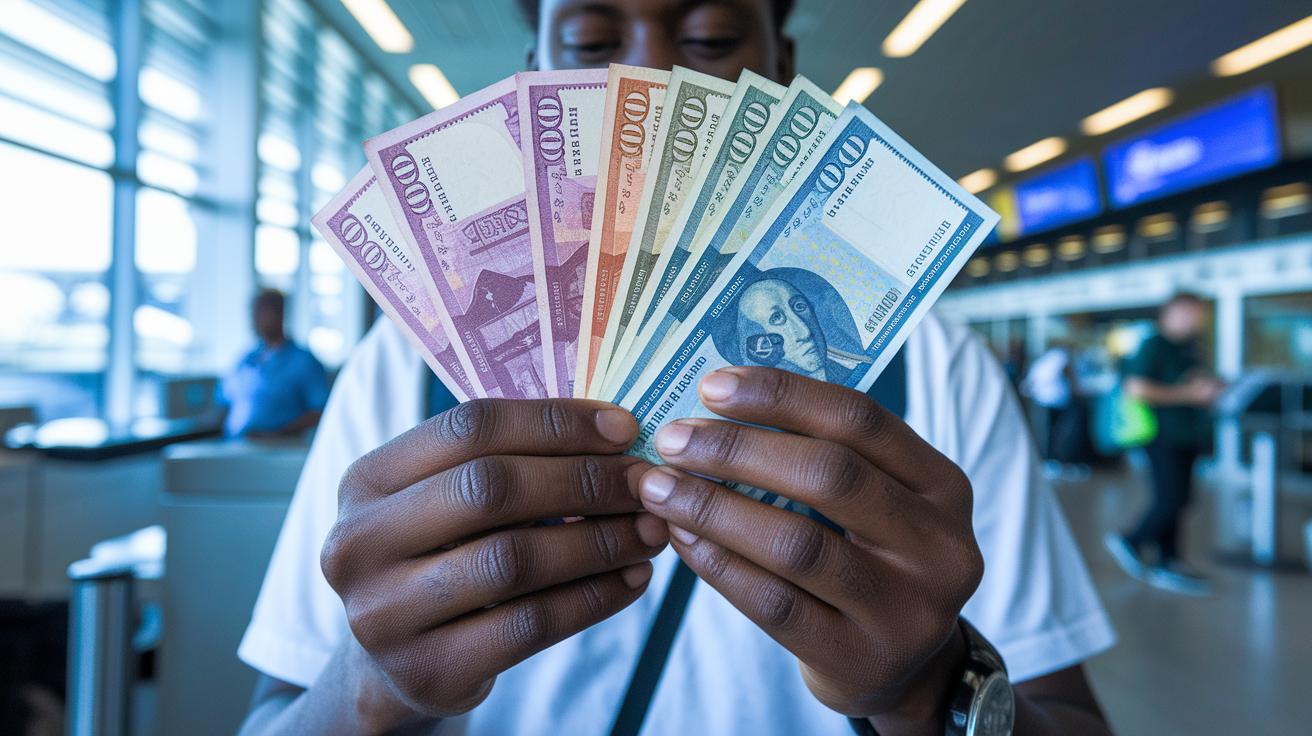
When you're swapping money at a currency exchange, always keep an eye out, you might find fake bills mixed in with the real ones. Sometimes hustlers sneak in counterfeit Eastern Caribbean, Jamaican, or Barbadian dollars. It’s best to check each bill closely, just like you’d inspect your suitcase before catching a flight. Tiny design details can tell you if a bill is not the real deal.
ATMs that stand alone can be tricky too. Scammers often attach small gadgets to these machines to snag your card details and PIN. If you see any extra plastic bits or something that looks off around the card slot, trust your gut and steer clear. Think of it like spotting a strange bag at the airport, you just know it’s not right.
For extra peace of mind, try to use ATMs inside branches where security is tighter. Always count your money as you get it, and use chip-enabled cards to lower the risk of fraud. These simple steps will help keep your cash safe so you can enjoy your trip without worry.
How to Report Caribbean Travel Scams and Get Assistance
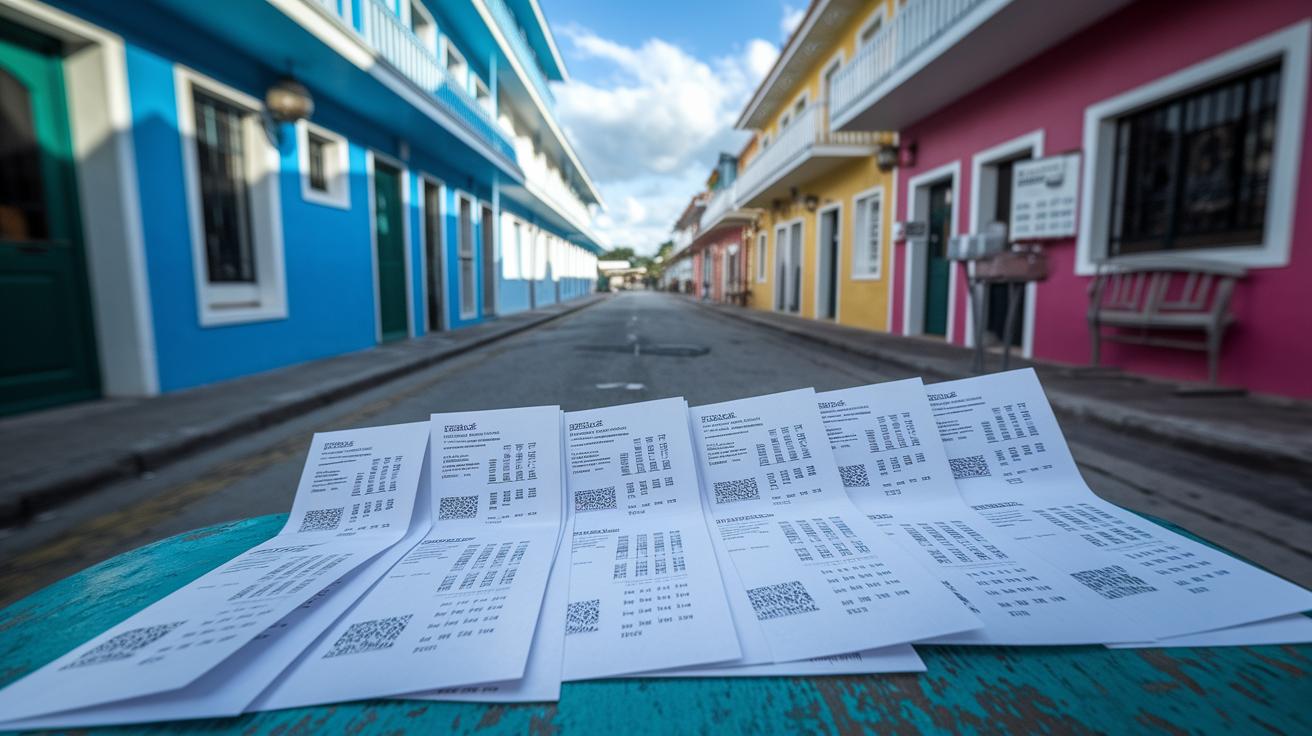
If you run into a scam while traveling in the Caribbean, it’s best to report it right away so you and others can stay safe. Acting fast helps local police and tourism offices spot bad trends and protect future visitors.
Collect what you can, like photos of fake tickets or odd receipts. Write down where and when it happened. These details are super helpful when you file a report with local police or at a nearby tourism office. This record lets officials see the scam tactics and work on stopping them.
If you feel the scam might affect your travel status, reach out to your consulate or embassy without delay. Also, don’t wait to call your travel insurance provider because quick action could be key to getting financial help.
Final Words
In the action, we explored the latest scams targeting visitors in Caribbean hotspots. The blog broke down common tricks like taxi traps, fake tour guides, and risky souvenir deals.
We shared smart, practical tips on verifying transport, booking with trusted operators, and safe money practices. This caribbean travel scams guide helps build awareness so you can relax and enjoy every moment.
Stay cautious and keep enjoying the Caribbean’s charm with confidence.
FAQ
Frequently Asked Questions
What are 5 of the most current scams?
The five most current scams include taxi traps with unmetered or fixed high rates, fake tour guides redirecting you to expensive offers, friendship bracelet cons that turn free gifts into fees, wrong change tricks, and high-pressure timeshare sales.
How do you tell if you are chatting with a scammer?
Chatting with someone suspicious shows red flags like urgent requests for payment, unclear personal details, and pressure for quick decisions. Trust your gut and verify with trusted sources before taking any steps.
What are common travel scams?
Common travel scams for tourists include taxi overcharges at airports or cruise ports, unauthorized tour guides pushing overpriced trips, trickery with free gifts turning into payment demands, wrong currency change schemes, and aggressive timeshare presentations.
What are common scammer phrases?
Scammer phrases often include urgent calls to “act now,” promises that sound too good to be true, and requests that emphasize a “limited offer” or “special deal” to pressure you into hurried decisions.
