Ever wonder if paradise can really feel safe? In the Caribbean, you get more than just sandy beaches and warm smiles. There are smart, simple ways to help you feel secure while you enjoy every moment.
When you wander through busy market streets or relax by shimmering shores, taking a few easy precautions can make all the difference. This guide offers clear tips so you can feel at ease and protected throughout your island adventure.
So get ready to dive into the beauty of the Caribbean with no worries at all.
Essential Caribbean Travel Safety Tips You Need to Know
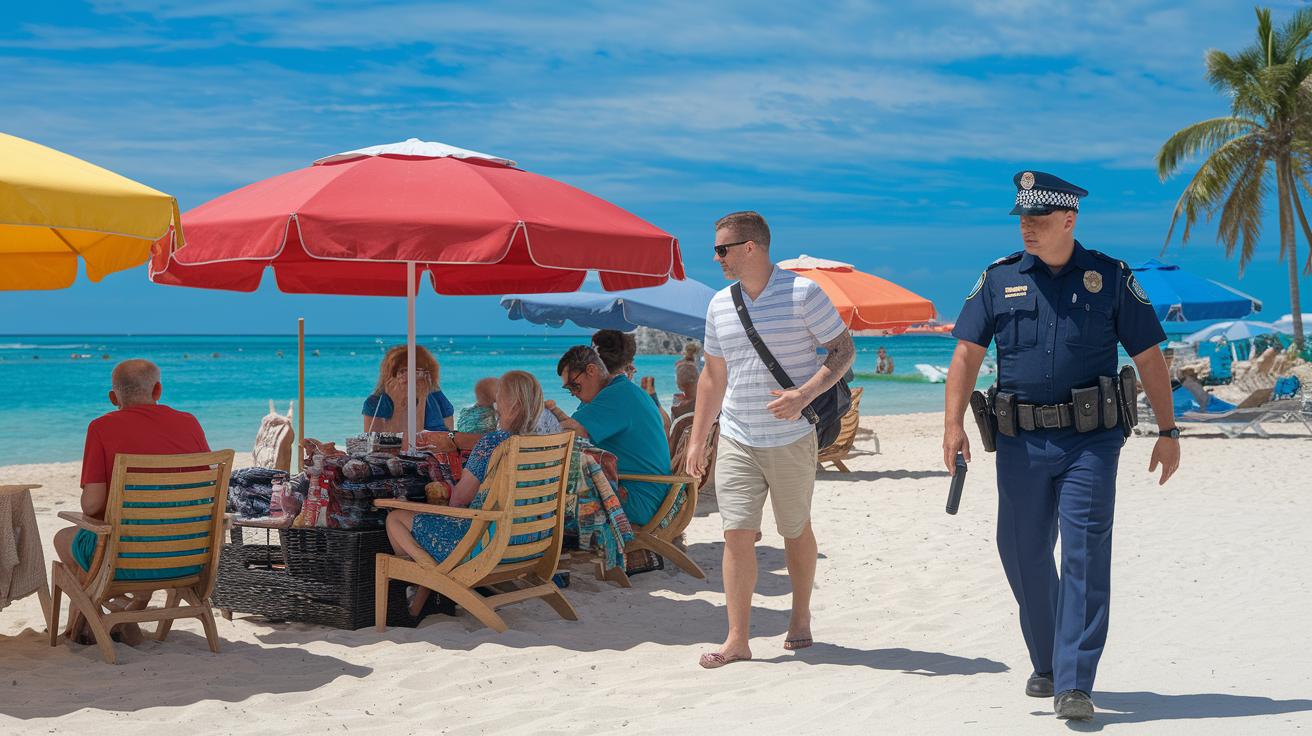
The Caribbean shines with its friendly culture and stunning beaches that feel like a warm hug. Imagine a place like Punta Cana, where tourism police work hard to keep the streets safe so you can wander from busy markets to quiet, sun-dappled sands without worry. It feels like the whole island is looking out for you, making your escape not only fun but secure.
Local cops really focus on making sure tourists are safe. In spots like Punta Cana, special teams such as CESTUR add an extra layer of care. That means you can relax, knowing that help is always close by, letting you enjoy the chill island pace.
- Register your travel plans with your embassy.
- Keep photocopies of your passport handy and stash your original in your hotel safe.
- Use safe payment methods and carry only a little cash.
- Choose licensed taxis or arrange rides through your hotel.
- Check the latest weather updates during hurricane season.
- Swim only in areas watched over by lifeguards and follow flag signals.
- Let family or friends know your daily plans.
When planning your day out, keep an eye on hurricane season. It runs from June to November, and the stormiest times are in September and October. Think of it like checking the weather before you head out to the beach. Even though you’re in a secure spot, it’s smart to stay informed with local news each morning. This little extra step makes sure each moment in paradise is as safe as it is enjoyable.
Caribbean Accommodation Security: Safe Lodging Selection Guidelines
Before you book, it’s a great idea to check local safety stats and property details. A quick look at online reviews can give you a sense of the neighborhood from those who’ve stayed there before. Don’t hesitate to ask about safety measures and make sure the area is known for its secure surroundings. A little homework goes a long way in finding a spot where you'll feel at ease right away.
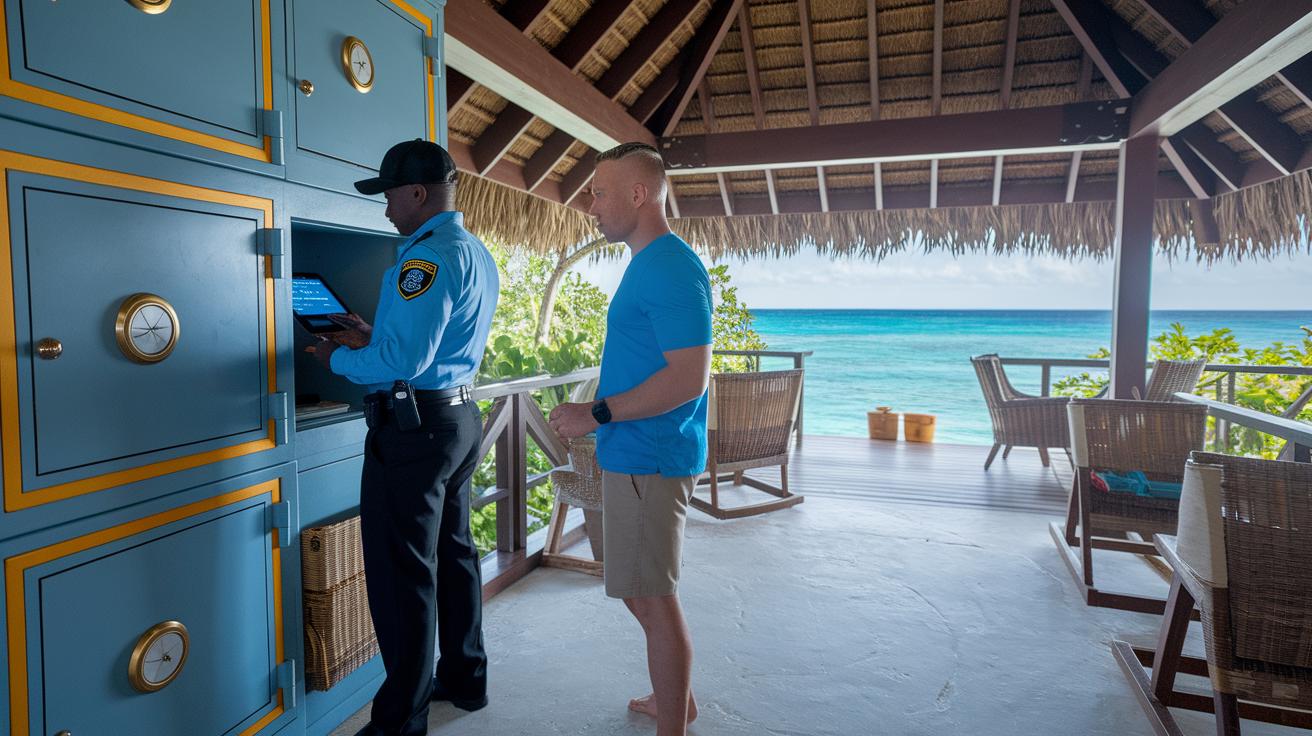
Many Caribbean places offer solid security on site that really boosts your peace of mind. Big resorts often have round-the-clock security patrols, sometimes teaming up with local tourism police. You might also find handy extras like in-room safes, secure door locks, and CCTV cameras. Plus, having front-desk staff available all night adds an extra layer of support. When booking, stick with trusted platforms or well-known hotel brands to avoid scams. It also helps to ask if they offer additional measures like emergency response plans or secure corridors, so you can relax and enjoy your stay.
| Lodging Type | Security Feature | Booking Tip | Nighttime Safety |
|---|---|---|---|
| All-Inclusive Resorts | 24/7 Security Patrols | Book via official website | Resort shuttles |
| Boutique Hotels | Key-card Access | Check recent guest reviews | Front-desk escorts |
| Vacation Rentals | Smart-lock Codes | Use verified rental platforms | Neighborhood watch |
Caribbean Transportation Safety: Navigating Roads and Public Transit Securely
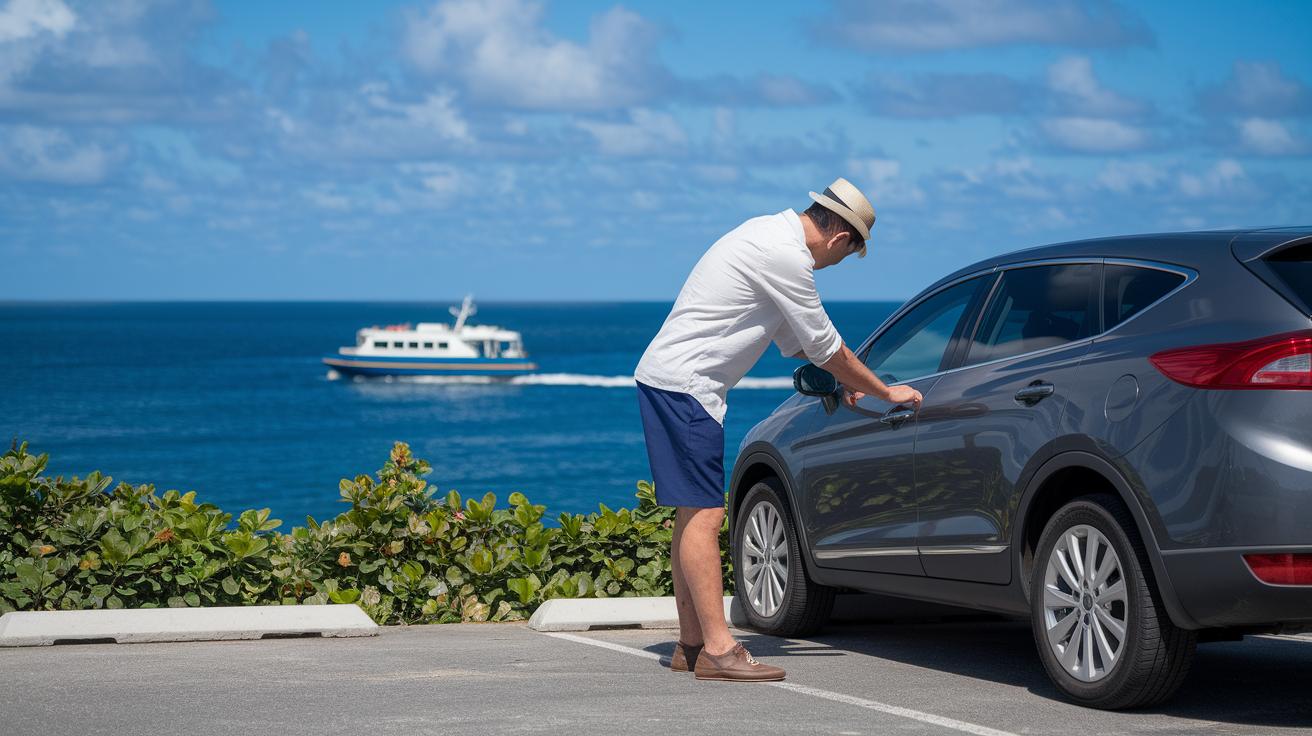
When renting a car in the Caribbean, make sure to do a few basic checks before you head out. Give your tires a once over to check for wear, ask specific questions about your insurance, and brush up on local driving rules. Did you know that even a little tire trouble can cause delays on those twisty roads? Taking these steps will help you dodge mishaps and keep your journey as smooth as a sea breeze.
When hopping on a bus or catching an inter-island ferry, try to avoid busy times and buy your tickets ahead of schedule. It’s a bit like choosing a quiet spot on the beach instead of the crowded area. Planning ahead like this not only saves you time but also lets you focus on the stunning views and chill vibes of the trip.
If you’re taking a taxi or rideshare, stick to licensed ones, especially the ones arranged by your hotel or found at official taxi stands. Always check the driver’s ID, agree on the fare before getting in, and share your expected arrival time with a friend or family member. This extra step adds a layer of safety, much like double-checking your travel plans.
Lastly, keep an eye out for local travel alerts. Whether it’s road closures or ferry cancellations due to weather, staying informed helps you adjust your plans on the fly and keeps your adventure stress-free.
Caribbean Coastal and Water Activity Safety Precautions
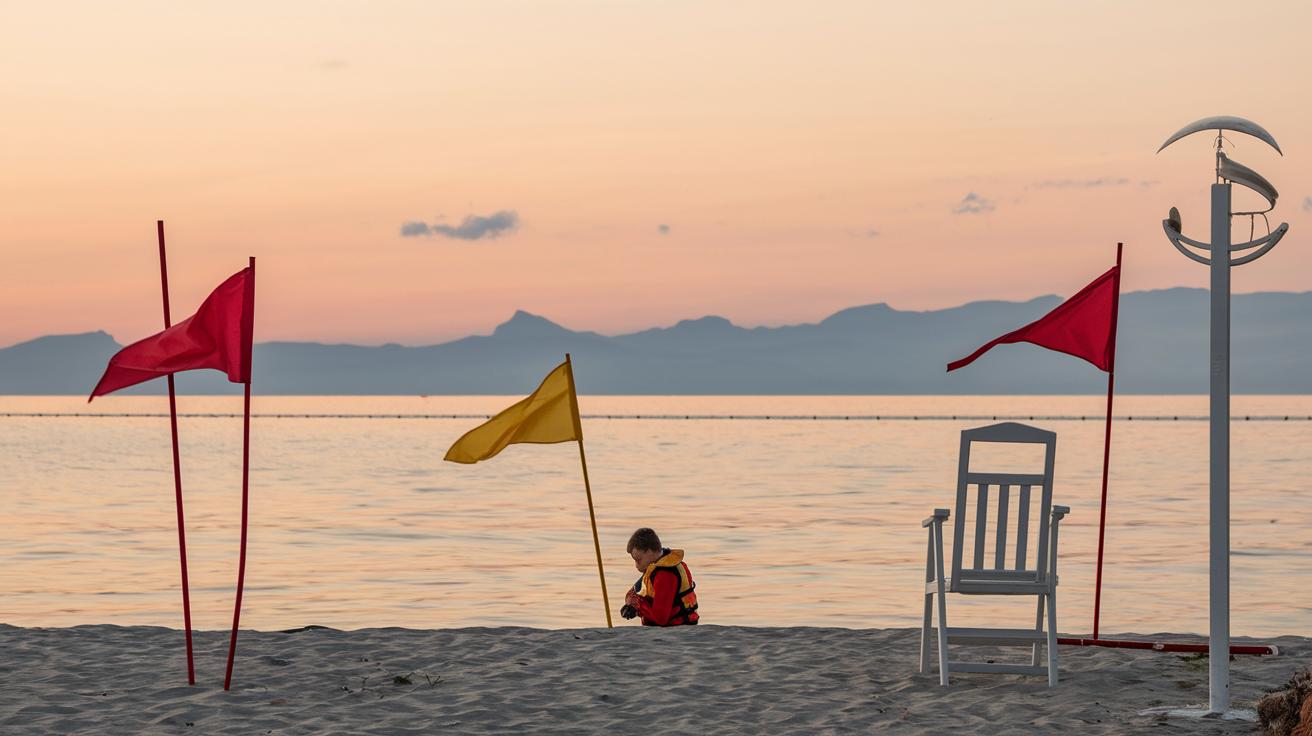
When you’re soaking up the warm sun and feeling the cool sea spray, it's smart to stay in safe areas. Head for beaches with lifeguard zones so help is always nearby. You know those colored flags? Red means no swimming, yellow tells you to be extra cautious, and green means it's safe to dive in. And honestly, it’s best to avoid hidden coves that might surprise you with unexpected currents or unseen hazards, it’s just like following simple beach rules to keep your day worry-free.
When you're off exploring underwater worlds through snorkeling or diving, safety should always be your top priority. Always strap on a flotation device and pair up with a buddy; going alone isn’t as safe. And make sure you’re with a licensed guide, it's like double-checking your gear before catching that epic wave. This way, you get to enjoy those vibrant underwater scenes while keeping risks at bay.
Before each trip to the water, take a quick look at the marine forecasts and tide schedules. Hurricane season runs from June through November, with September and October being especially tricky. A simple weather check can steer you clear of rough waters and unexpected closures, letting you relax and enjoy your Caribbean adventure with confidence.
Caribbean Health Protocols: Managing Risks and Medical Preparedness
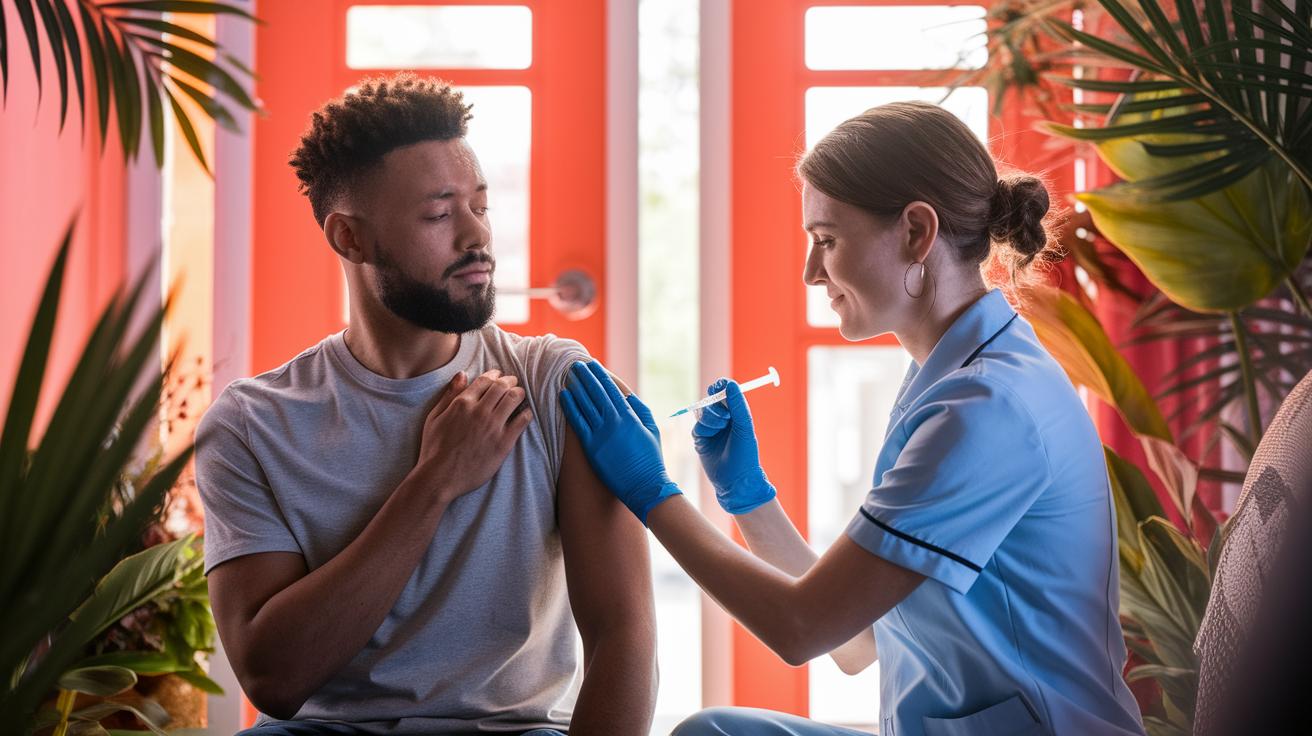
Before you set off for a Caribbean getaway, swing by your local travel clinic for a quick check-up. They’ll update your shots, think hepatitis A, typhoid, and your routine vaccinations, to keep you safe under the tropical sun. And don’t forget to snag travel insurance that covers emergency hospital visits and medical evacuations. It's like packing an extra life vest before you dive into an ocean adventure.
When you're soaking up the island vibes, keep an eye out for common tropical bugs. Use a trusted mosquito spray and wear long sleeves to help ward off illnesses like dengue, Zika, and chikungunya. Stick to safe water sources by choosing bottled water or using purification tablets when you're away from the big resorts. It’s always smart to know where the licensed clinics are, just in case you need a bit of help quickly.
Keep cool and stay hydrated by watching for signs of heat exhaustion. Try to plan your activities during the cooler parts of the day, kind of like picking the perfect moment to sip a refreshing coconut drink. Regular water breaks and a little shade go a long way toward making your tropical adventure both safe and fun.
Caribbean Money and Document Protection: Preventing Scams and Theft
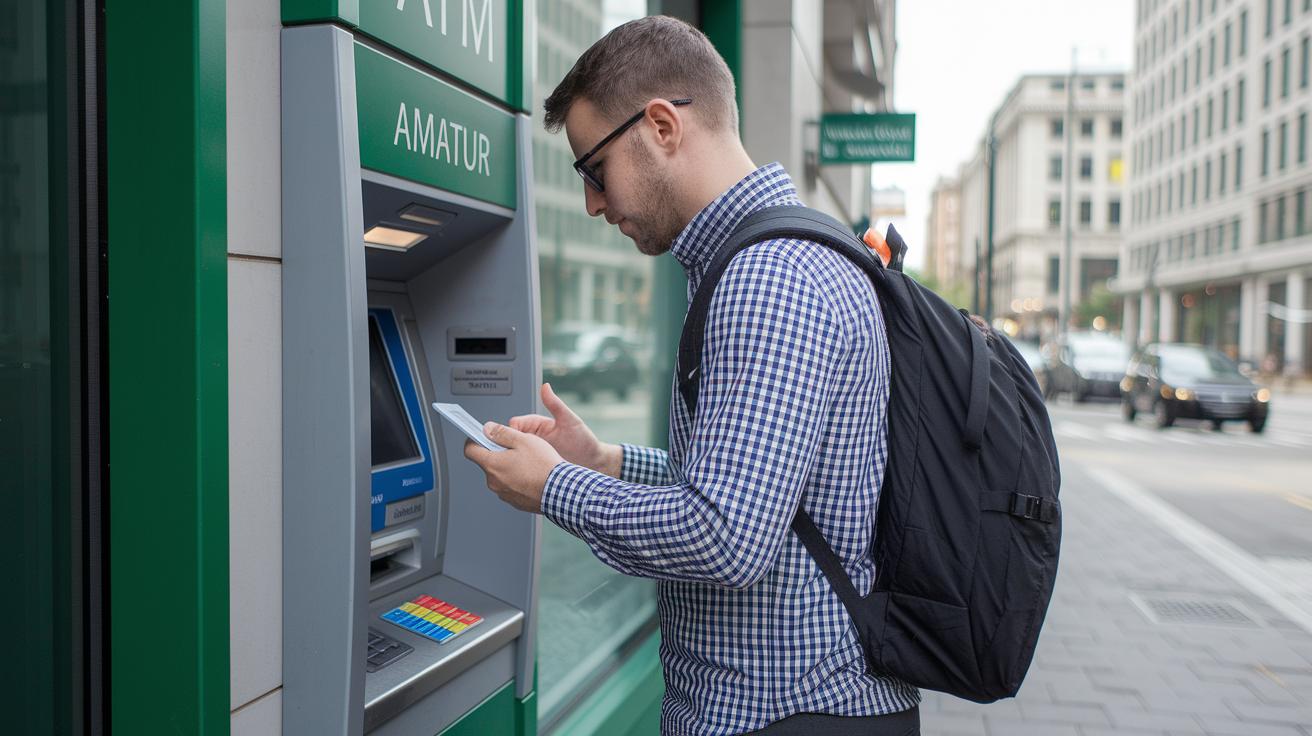
When you’re using ATMs, opt for ones inside banks or hotels. Keep your withdrawals low and give the machine a quick look for anything weird. It’s like checking out a little market stall, just a brief peek helps you dodge trouble later.
When you’re traveling through the Caribbean, keeping your important documents safe is a must. Pop your passport, credit cards, and IDs into RFID-blocking sleeves, a handy way to shield them from digital pickpockets (basically, sneaky online thieves). Snap clear photos of these documents and save them on your secure phone or cloud storage, just in case. And remember, only carry what you need for the day; tuck spare cash, extra cards, and passport copies away in your hotel safe, like packing extra snacks for a long day of adventure.
Also, be on the lookout for common scams that target travelers. Fake money, overcharging drivers, or unexpected “help” offers might try to trick you. Keep your daily essentials close and follow these simple tips to cut down the risk.
Caribbean Emergency Planning: Local Contacts and Crisis Response Procedures
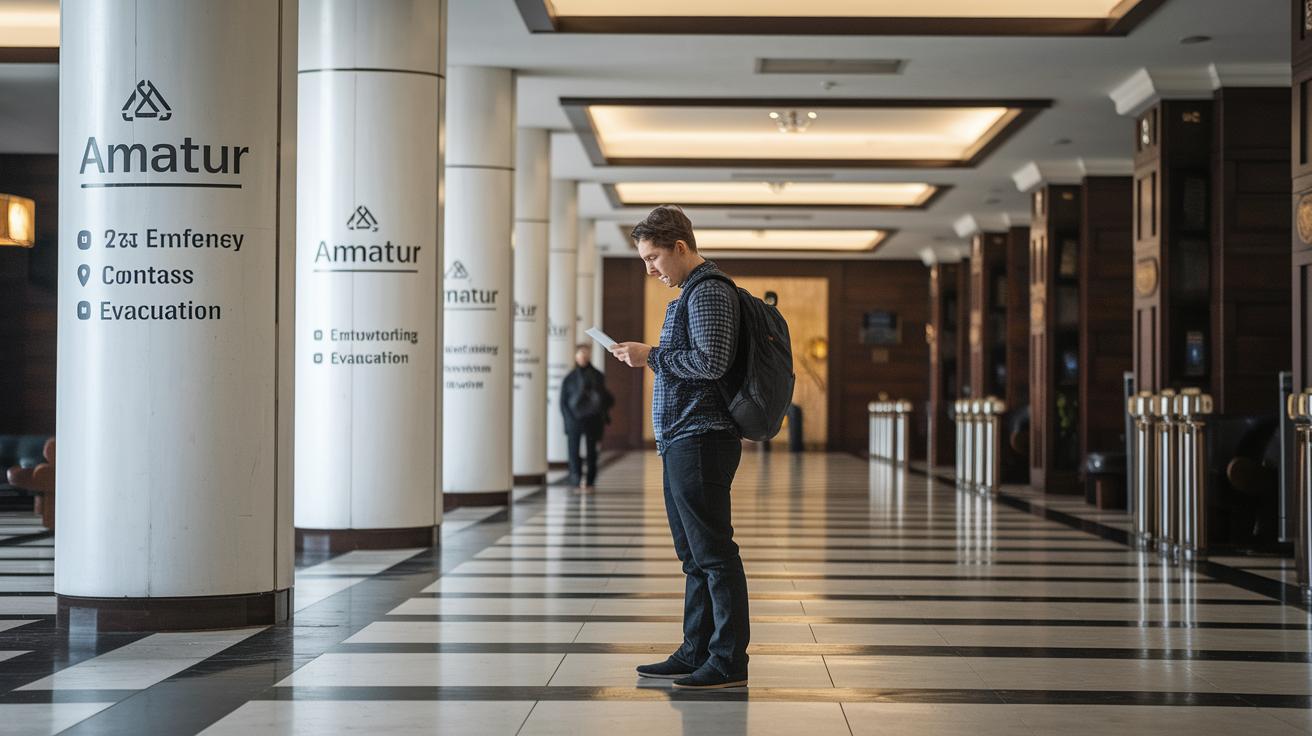
When an emergency happens, remember that dialing 911 will get you quick help from police, fire, or medical teams across the Dominican Republic and many Caribbean islands. As soon as you arrive, stop by the hotel front desk and ask for local emergency contacts, like nearby clinics or fire services. A handy tip: write these numbers down right away so you're all set, even if you don't end up needing them.
If a hurricane is on its way, take a moment to learn your evacuation plan. Most tourist spots have safe spots, like community centers or big hotels, where you can go when a storm comes. Check with local officials or your hotel to know where these safe spots are. Often, hotel staff will help arrange group rides to safer areas. Think of it like following a simple recipe: first, locate your safe shelter; next, stick to the instructions for local transport; then, keep your eyes and ears open for any new directions. And always know where the emergency exits and gathering spots are.
Also, consider letting your embassy know your travel plans. This small step helps them track your whereabouts if something goes wrong. You can boost your safety by downloading alert apps that give real-time updates on weather and local news. Together, these measures make sure you're well-prepared for any surprises.
Final Words
In the action, this guide explored everything from secure lodging and careful transport to staying safe on the coast and keeping your documents intact. It covered hands-on tips for health protocols, local emergency contacts, and practical measures to ensure you have fun without worry. We highlighted simple caribbean travel safety tips to keep your trip light and enjoyable. Each point shares common-sense advice that lets you savor every moment on the islands. Keep these pointers in your back pocket, and enjoy a smooth, stress-free tropical escape.
FAQ
What are the COVID-19 safety tips for Caribbean travel?
The COVID-19 safety tips for Caribbean travel advise you to follow local health guidelines, wear masks in crowded areas, maintain social distancing, and check vaccination or testing requirements before you go.
How do U.S. travel advisories apply to regions like Mexico, Aruba, Egypt, China, and others?
The U.S. travel advisories mean that the government has issued safety levels for many destinations including Mexico, Aruba, Egypt, and China. It’s best to review these advisories to plan a safe trip.
Is the Caribbean safe to travel to right now?
The Caribbean is generally safe to travel to right now, with strong security measures in most tourist areas. Still, it’s wise to check local health and safety updates before booking your trip.
Which Caribbean island is considered the safest overall?
The question about the safest island suggests that destinations like Punta Cana have a reputation for strong tourism security, though safety can vary by area and traveler precautions remain important.
Are St. Lucia or Antigua safer compared to each other?
The safety of St. Lucia versus Antigua depends on local conditions, but both islands maintain good safety records in their tourist areas when visitors follow regional advice and common precautions.
What should travelers know before going to the Caribbean?
What to know before going to the Caribbean includes understanding local health protocols, lodging security, weather conditions, and travel advisories so you can prepare and enjoy your trip securely.
