Have you ever thought that Caribbean travel tips might just be extra rules? Actually, think of them as advice from a local friend who wants you to have the best time. These tips share safety advice and explain entry rules so you can plan a stress-free, sunny escape. You'll find simple updates on safe spots, weather shifts, and border steps so you’re set for your next island adventure. Sit back, relax, and let these friendly reminders help you enjoy the island charm safely.
Caribbean travel advisory: Safe, Sunny Updates
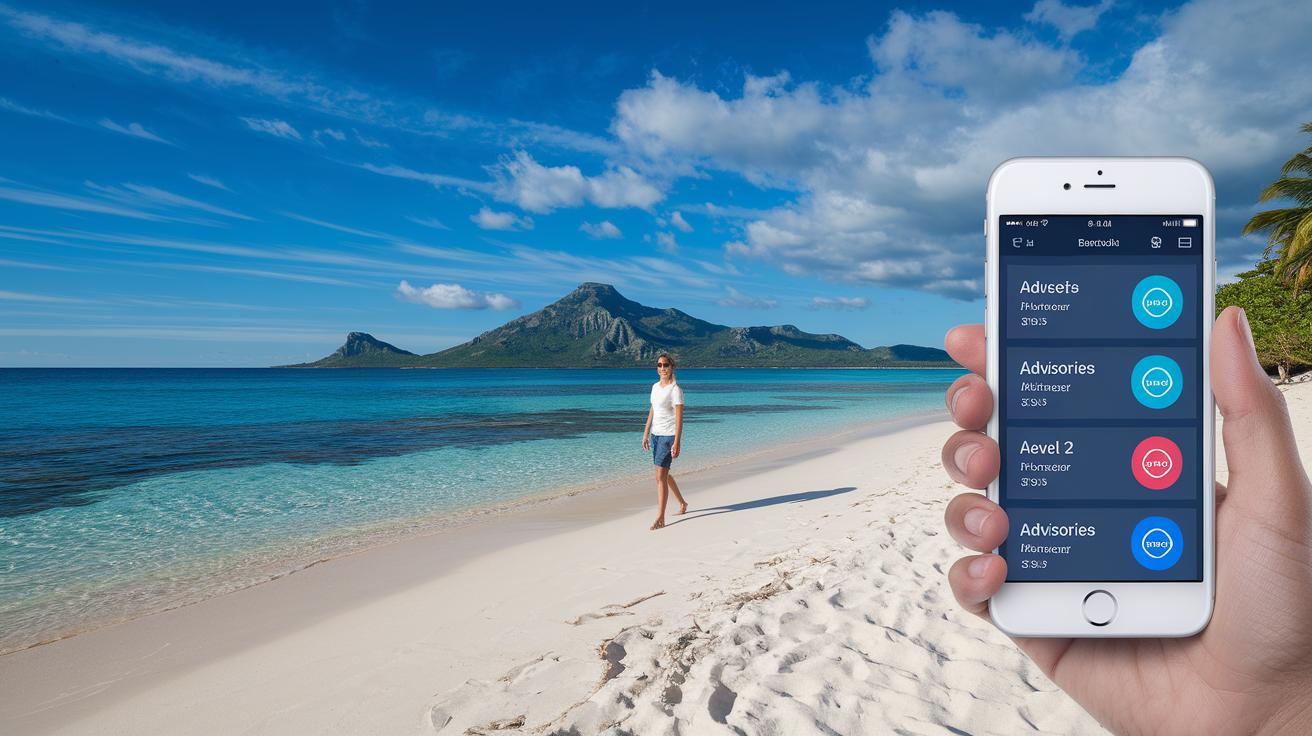
When you’re ready to explore the sunny Caribbean, you might come across travel advisories from local governments and consulates. These messages are like friendly local tips that tell you what to expect, from safety pointers to the latest entry rules. They give you a clear picture of things like secure spots, weather surprises, and border guidelines so you can plan your adventure with peace of mind.
Often, these alerts use a 4-level system that works a bit like the U.S. State Department’s scale. Level 1 means everything’s chill and usual precautions work just fine. But if you see a Level 4, it’s a hint to stay extra alert because there might be serious risks. For example, Port of Spain in Trinidad and Tobago can pop up on these lists, especially during Carnival when bustling celebrations sometimes bring extra issues like pickpocketing or skimming at ATMs. Fun fact: even seasoned travelers are told to be extra cautious during big festivals when local scams can suddenly spike.
Before you step off the plane, Caribbean travel updates often remind you to check a few important things. Make sure your passport is valid (usually at least six months beyond your departure date), see if you need a visa or tourist card, and be prepared for any quick health checks. Plus, it’s smart to keep an eye on the weather because tropical storms and flash floods can change your plans in no time.
These official alerts share handy travel tips and safety measures to help you enjoy your time soaking up the Caribbean sun worry-free. Staying tuned to these updates is like having a local friend share the secret spots and necessary precautions, making your trip both safe and super enjoyable.
Caribbean Travel Advisory Levels Explained
Did you know the U.S. State Department uses a four-level travel guide to help you enjoy the sunny Caribbean? Level 1 feels like a relaxed beach walk. You can soak up the warm sun and listen to local tunes with hardly any worries. Many travelers on this level say they easily blend into the island vibe, enjoying simple pleasures with a carefree spirit.
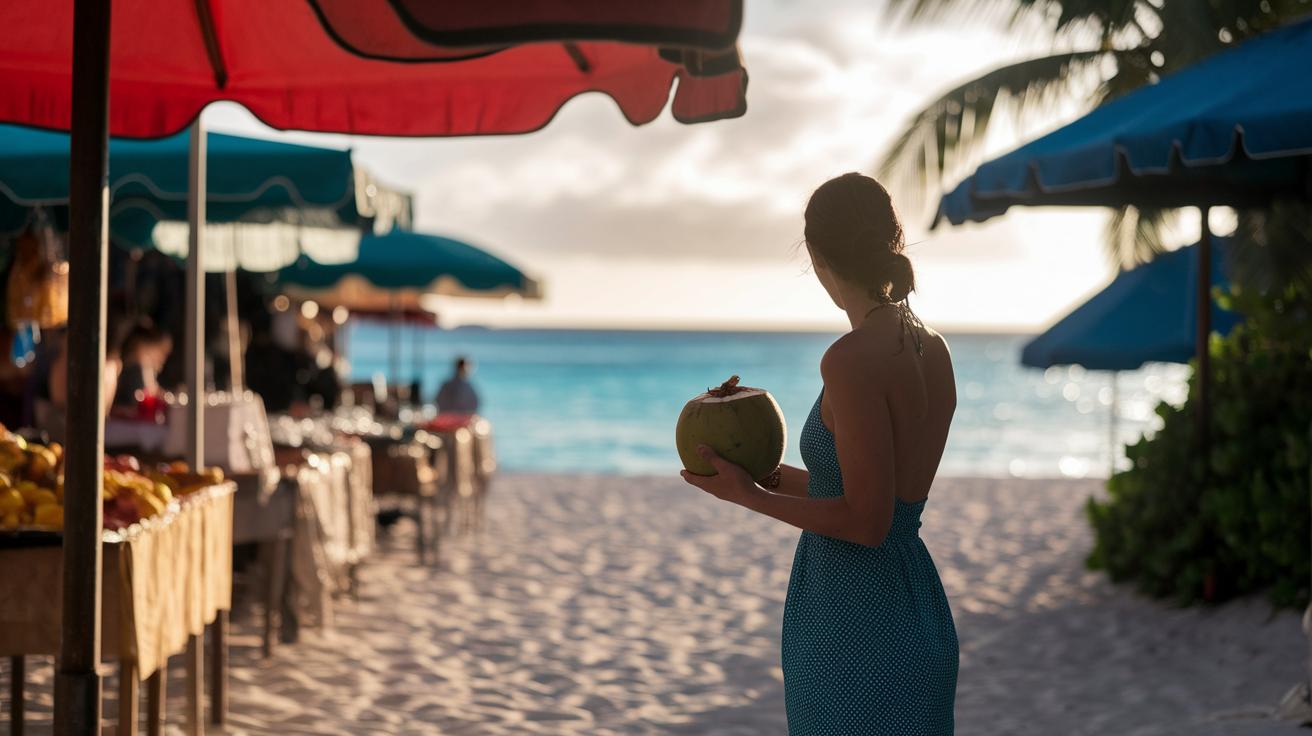
At Level 2, it's best to stay a bit extra alert. Think of it as holding a fresh coconut water a little tighter while you meander through lively local markets. You should be watchful in crowded spots or during big celebrations because small missteps can happen easily.
When you see Level 3, you might want to rethink your trip. It’s like noticing dark clouds slowly cover a bright sky. Sometimes, waiting for safer conditions can mean you’ll have better days ahead.
And then there’s Level 4. This level warns you about serious risks, much like choosing to avoid a choppy sea when a storm is brewing. Places like Port of Spain during Carnival can shift their mood in a flash, so it's really important to adjust your plans to stay safe.
Caribbean Travel Advisory Entry Requirements and Visa Policies
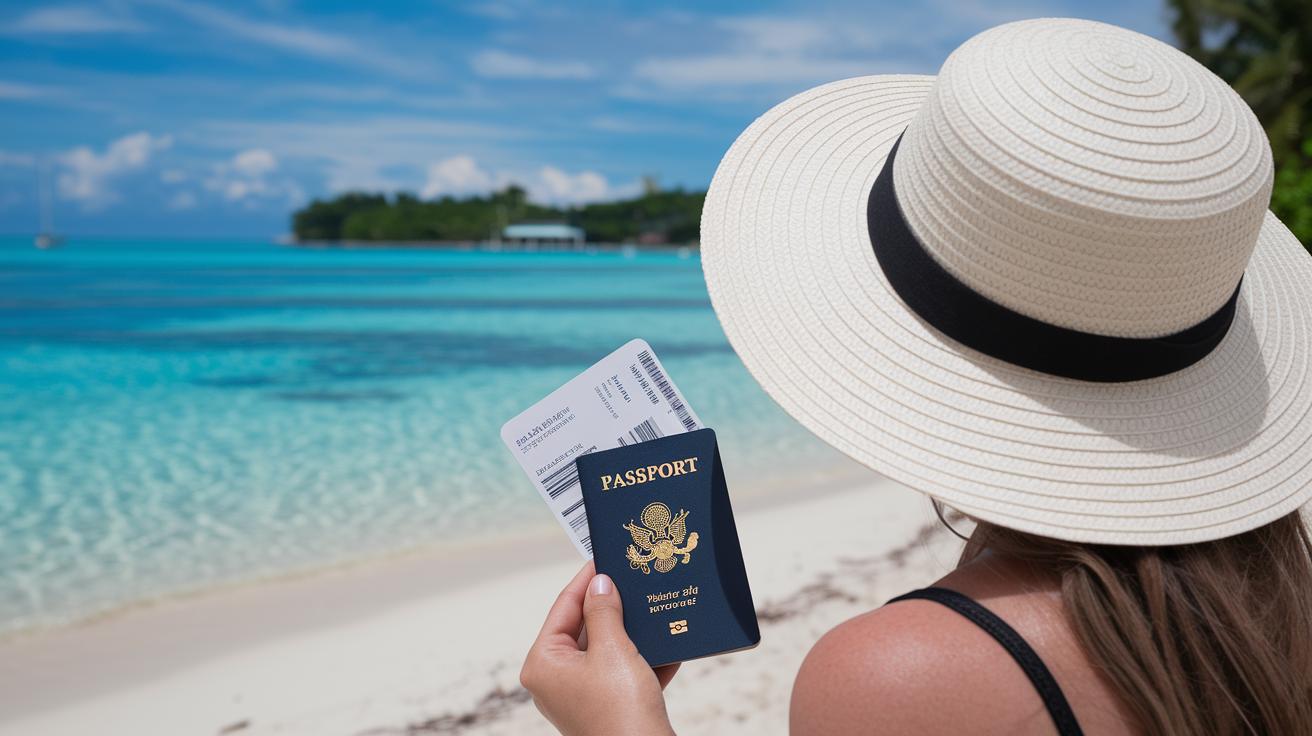
When you’re gearing up for a Caribbean getaway, make sure your passport lasts at least six months past your planned departure. Think of it like packing your beach bag, you don’t want to miss any essentials, like your passport, tickets, and that spark of vacation excitement.
Each island has its own vibe when it comes to entry rules. Some let you in without a visa or simply hand you a tourist card at the airport, while others ask you to secure a visa before you even set off. It's a bit like putting together your perfect snack: start with the basics, then add in the local twists that make your trip unique.
Health requirements might still be a factor too. Some places ask for health declarations or even have quarantine rules that you need to know before you go. One traveler mentioned, "I double-checked my health forms right before leaving and caught a key update that saved me from a delay."
So, a quick review of the latest health and quarantine guidelines before you travel can make a world of difference. Checking up on these details last minute means you can kick back and soak in that Caribbean sunshine without unexpected hurdles.
Caribbean Travel Advisory: Common Safety Risks and Local Conditions
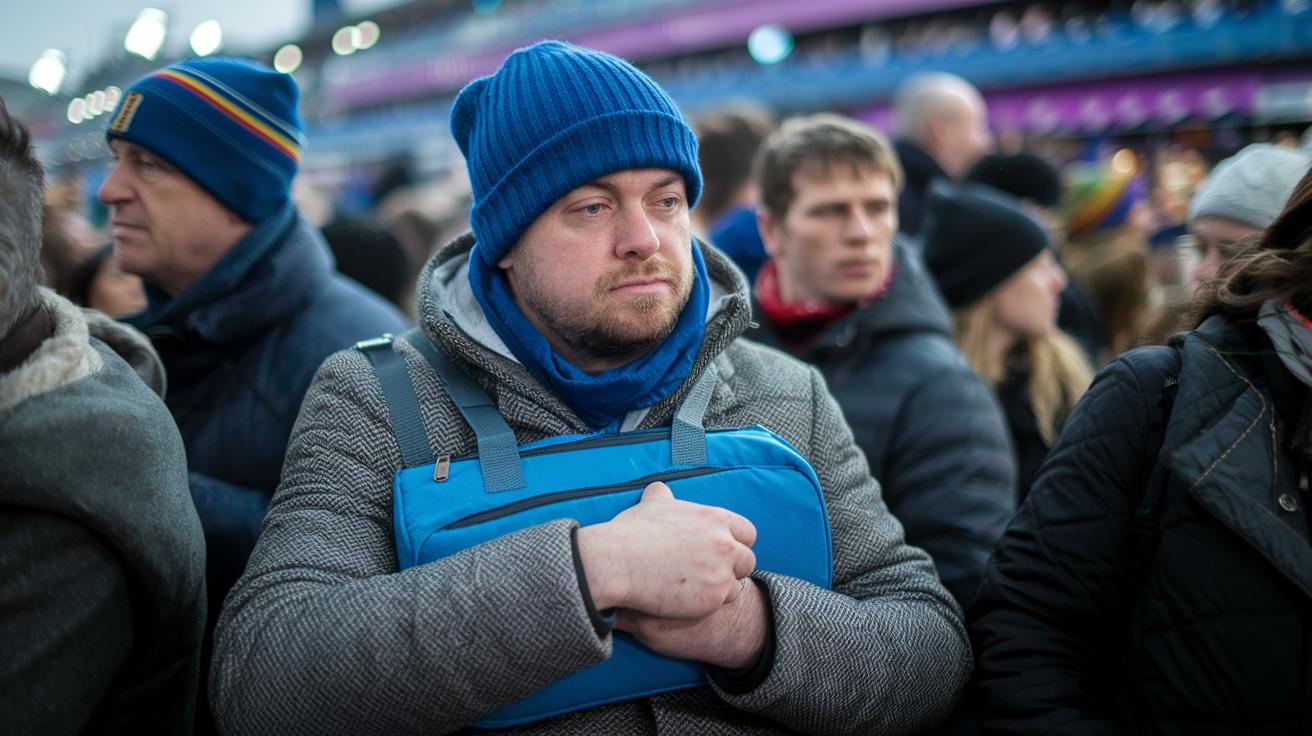
If you find yourself in lively spots like Port of Spain during Carnival or busy events, it’s a good idea to be extra careful. The streets can get really crowded, kind of like a bustling local market, so it’s wise to keep an eye on your belongings while soaking in the fun vibes.
Pickpockets and scams can appear when there are lots of people around. One traveler mentioned, "I felt a tug on my bag at a parade and saw a sneaky thief before I knew it." This is a gentle reminder to hold your wallet and phone close, just like you would keep your favorite snack safe during a busy day.
Taking a late-night stroll downtown or along the beach might seem magical, but it can sometimes hide unknown risks. Imagine walking under the moonlight by the shore and realizing that not everyone around you has good intentions. It might be best to stick to safer areas after dark, especially when local events bring large crowds.
Another concern in these popular spots is ATM card skimming. Instead of pulling out a lot of cash from an ATM, think about using electronic transfers or cash checks. It’s a bit like storing your treasures in a secure locker, keeping your funds safe by avoiding risky transactions.
| Safety Tip | What to Do |
|---|---|
| Be aware in crowded spots | Keep an eye on your surroundings |
| Protect valuables | Use a money belt or keep items secured |
| Cash Withdrawals | Go for electronic transfers or cash checks |
A little extra caution can make your Caribbean adventure both safe and sensational. With some smart steps, you can enjoy every sunlit day without worry.
Caribbean Travel Advisory: Weather Concerns and Natural Hazard Alerts
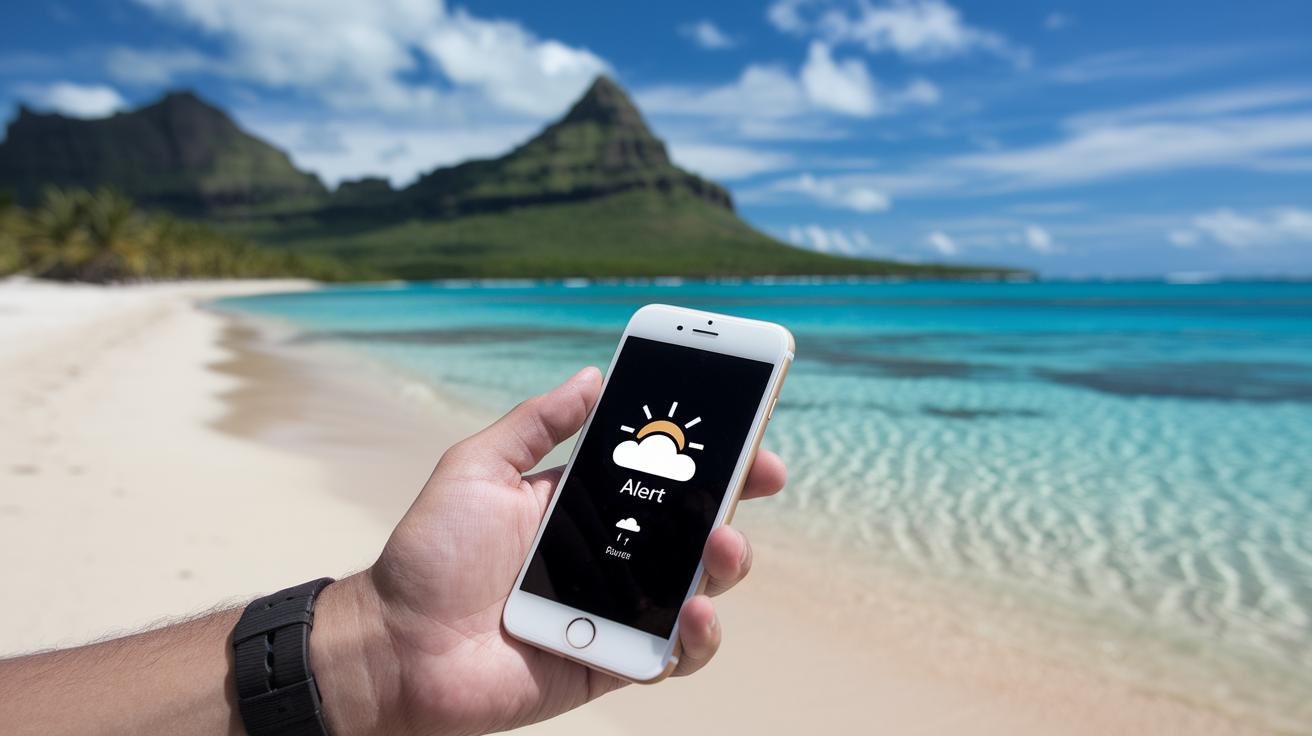
When you're getting ready for a Caribbean adventure, checking the local weather is just as important as packing your sunscreen. Remember, hurricane season runs from June to November, and during these months, even a light rain can turn into a heavy downpour in no time.
Local weather stations and authorities give out storm warnings that can help you decide if you need to change your plans. It’s smart to check these updates every day, especially before heading out for any outdoor fun. If you’re visiting during hurricane season, you might even want to think about travel insurance for that extra peace of mind.
Tropical storms can be unpredictable, and flash floods might pop up quickly, especially in coastal or low areas. Keeping a reliable weather app handy and following local advice can really make a difference. If you notice a sudden shift in the wind or unusual cloud patterns, it could be a sign that a storm is on its way.
Staying flexible and keeping an eye on the weather helps you sidestep nature’s surprises while still enjoying all the sunny, beautiful days the Caribbean has in store.
Caribbean Travel Advisory: Essential Safety and Travel Tips

When you're soaking up the sun in the Caribbean, it's smart to keep things simple and stay safe. Think of these tips like a little extra sunscreen for your travel routine, simple steps that help you enjoy every moment without worry.
- Always stash your valuables in a hotel safe or in a hard-to-reach pocket.
- Keep a small card with emergency contacts, like local help and your embassy, in your bag.
- Signing up with your embassy before you arrive is a smart move; it lets them know you're in the area.
- Stick to areas with plenty of light, especially after dark.
- Instead of pulling large sums from ATMs, opt for electronic payments or cash-checks to keep your cash secure.
A local guide once mentioned, "I always tuck my extra cash in a secure pocket and only carry what I need for the day." That simple tip perfectly ties into these ideas, giving you an updated and clear approach for a worry-free Caribbean adventure.
Caribbean Travel Advisory: Official Resources and Further Information

The easiest way to stay up-to-date on Caribbean safety is by checking official government and consular websites. Start by visiting the U.S. State Department travel advisory page for the latest security updates. Local foreign ministry sites offer travel notices for specific countries and clear instructions on what to do.
Sometimes, alert apps send updates straight to your phone without extra details. For an all-in-one look at travel changes, policy updates, and emergency contacts, head over to the official Travel Advisory page here: Travel Advisory. This simple method reminds us to rely on trusted sources for accurate Caribbean travel guidance.
Final Words
In the action, this blog post shared essential tips about Caribbean travel safety, country guidelines, and handling weather risks. We looked at entry rules and local conditions, and offered smart routines to keep your belongings safe while you explore local events. A reminder to plan well, enjoy local culture, and feel secure on your trip. Remember to check the latest caribbean travel advisory as you get ready for a truly unforgettable Caribbean visit.
FAQ
List of countries on the do not travel list
The list of countries on the do not travel list includes destinations flagged for severe safety concerns. Always check official government sources for the most current updates and any restrictions before planning your trip.
U.S. travel advisory map
The U.S. travel advisory map visually displays safety levels for regions worldwide, including Caribbean areas. It helps travelers quickly see which places require extra caution or should be avoided.
Jamaica travel advisory 2025
The Jamaica travel advisory 2025 outlines current risk levels and safety measures for visitors. It details local conditions and entry requirements to help you plan your trip with confidence.
State Department new travel advisory
The State Department new travel advisory provides updated safety guidelines and risk levels for various countries. It assists travelers in staying current with potential hazards and any new restrictions.
Level 4 travel advisory countries
Level 4 travel advisory countries are those rated as very dangerous, advising against travel due to serious risks. These ratings reflect situations like high crime or unrest that warrant strong caution.
Travel warnings to USA
Travel warnings to the USA alert citizens about current safety concerns, from regional risks to health advisories. They keep American travelers informed about possible challenges in their home country or nearby.
u.s. travel ban update today
The u.s. travel ban update today shares the latest news on restrictions affecting entry from certain countries. Checking official government websites will give you the most current ban information.
Level 3 travel advisory countries
Level 3 travel advisory countries are those where travel is advised against due to moderate to high risks. Travelers should review local conditions and exercise caution when planning a visit.
What Caribbean islands have travel advisory?
The Caribbean islands with travel advisories include some destinations with warnings on safety or weather. It’s best to review the latest official advisories to see which islands currently have restrictions.
Where not to travel in the Caribbean?
Areas in the Caribbean not recommended for travel often face high safety risks or unpredictable local conditions. Checking current advisories will help you avoid regions with potential hazards.
What is the safest Caribbean island to travel to right now?
The safest Caribbean island to travel to right now is typically one with a Level 1 advisory, low crime rates, and stable local conditions. Always verify the latest advisories to make the best choice.
Are Turks and Caicos under a travel advisory?
Turks and Caicos can sometimes be under a travel advisory depending on recent safety or weather issues. Check official travel resources to get the most up-to-date information before your trip.
