Ever stopped to think about why talking feels so powerful? In the Caribbean, stories weave through generations like a soft, warm breeze carrying secrets of old legends and shared wisdom. These age-old tales burst with colorful folklore and lively spirit, highlighting a culture that grows while keeping its roots strong.
Exploring this island tradition is like embarking on a mini adventure. You uncover little slices of history and the true soul of a community that values every story, no matter how softly told or joyfully shouted.
Understanding Caribbean Storytelling Traditions
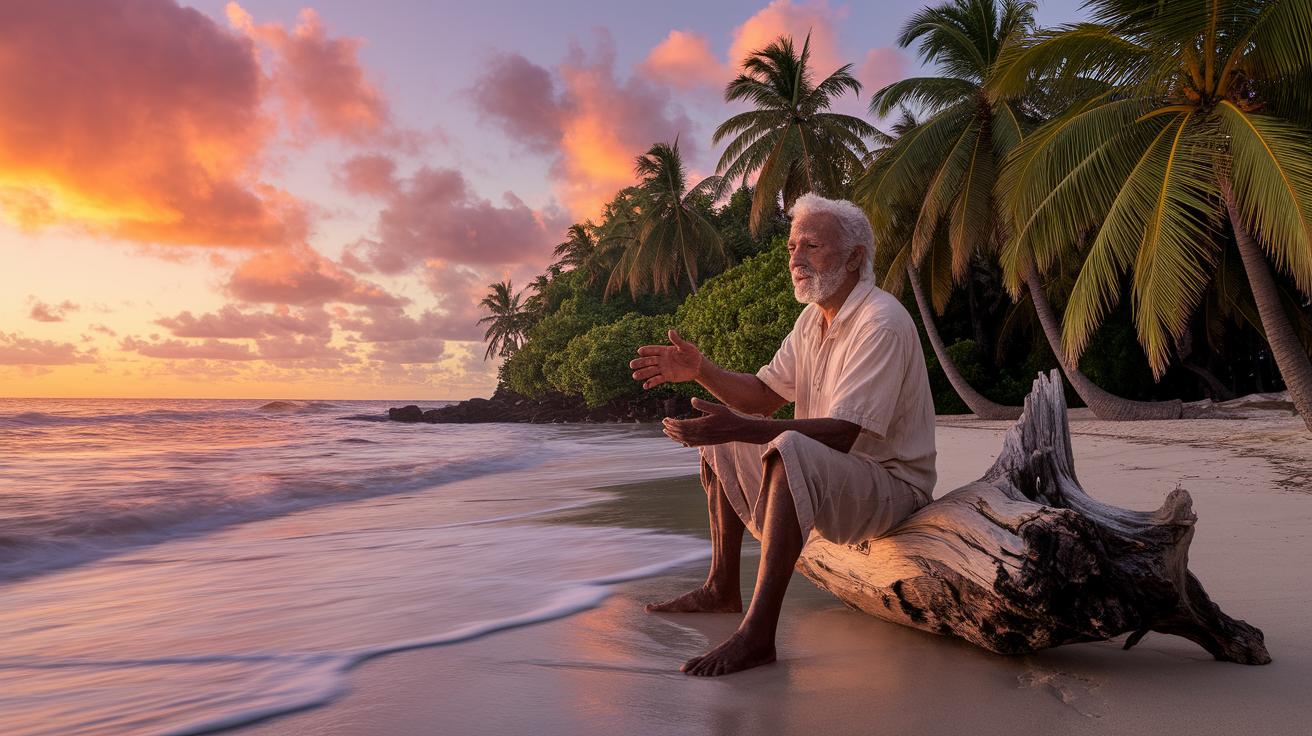
Caribbean storytelling has been around for many generations and is one of the region’s oldest arts. It mixes old folklore, myths, and legends passed down by word of mouth, much like sharing a secret with a friend on a warm, breezy evening.
In the islands, every story sings with its own tune, reflecting the diverse languages and customs of the people. Imagine someone saying, "Before becoming a famous scientist, Marie Curie used to carry test tubes in her pockets, completely unaware of the danger waiting around the corner." A surprising fact like that, much like a twist in a beloved island tale, captures your attention instantly.
Family stories and local folktales have long served as a kind of history book for the people. Long before official records, storytellers would share details about everyday life, struggles, and joyful celebrations. These spoken memories filled in the gaps left by formal history, keeping the true spirit of the community alive.
In small village gatherings, elders would sit together and share adventures, moral lessons, and family histories. Their stories sparked smiles, a few laughs, and sometimes a thoughtful pause as they reminded everyone of ancestral wisdom. It was their way of keeping the past close and the community strong.
Even today, Caribbean storytelling continues to change while still honoring its roots. Modern influences join with age-old traditions to create a living bridge between what was and what is. It's a beautiful reminder of how the spoken word can connect generations with the magic of culture and memory.
Indigenous Oral Traditions and Taino Legends
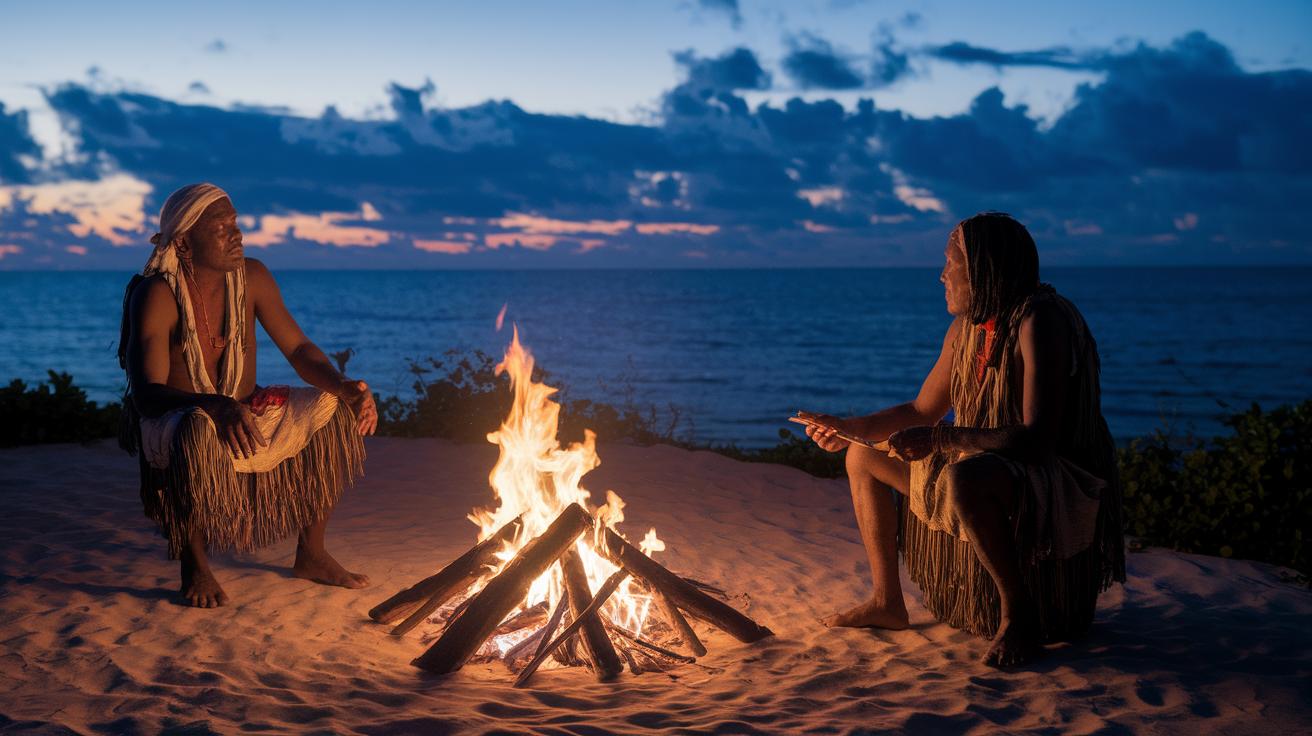
The indigenous stories have been the soul of Caribbean culture for generations. Taino legends, in particular, mix creation tales, moral lessons, and cherished values that were shared long before Europeans arrived. These stories speak of how the world was born, how the sun first rose, and how people and nature are connected. Elders would tell these narratives with heartfelt chants and lively performances, making everyone feel the magic.
At storytelling gatherings, people would sit in a circle and join in with call-and-response, songs, and dances. Listeners repeated key phrases and added their own energy to the recitations, making each session feel like a shared adventure. This tradition not only brought the community closer together but also kept the rich spirit of ancestral wisdom alive.
Today, these ancient tales continue to inspire us. They remind us of our cultural heritage and the deep bonds that hold communities together, ensuring that indigenous traditions flourish for future generations.
African Influence and Anansi Stories in Caribbean Folklore
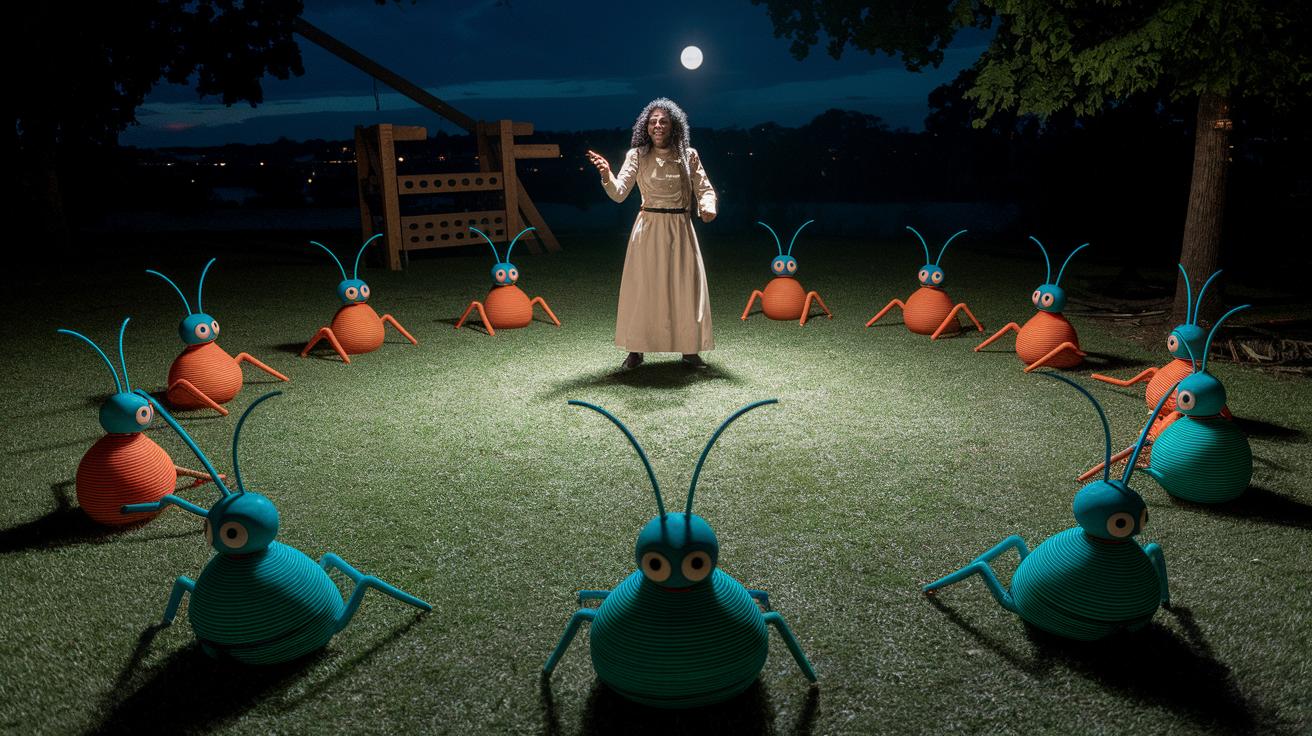
The African influence in Caribbean storytelling comes alive through the timeless tales of Anansi. Enslaved Africans carried these stories with them and used the clever spider to show how to tackle everyday troubles, share survival tricks, and bring out a unique cultural humor. Anansi isn’t just a trickster; he’s also a teacher who hints at questioning unfair rules.
These stories were told in a lively way that invited everyone to join in. Ever been at a storytelling circle where everyone shouts out a familiar line? It felt as warm as a night under a star-filled sky. This back-and-forth, with its catchy rhythm and repeated phrases, clearly reflects the West African tradition of performance storytelling. Picture a local tale that goes, "He spun his web so wide, he caught the morning dew, leaving trouble behind like a forgotten tune." Moments like these show how playful humor and history blend in oral storytelling.
In truth, these tales helped shape Afro-Caribbean identity by uniting people with shared laughter and smart moral lessons. They mixed native ways with African storytelling and grew into a living art that still sparks joy and thought today. With every telling, they invite listeners to reflect on life with a little wisdom and a smile.
Colonial Era Caribbean Storytelling and Creole Narrative Evolution
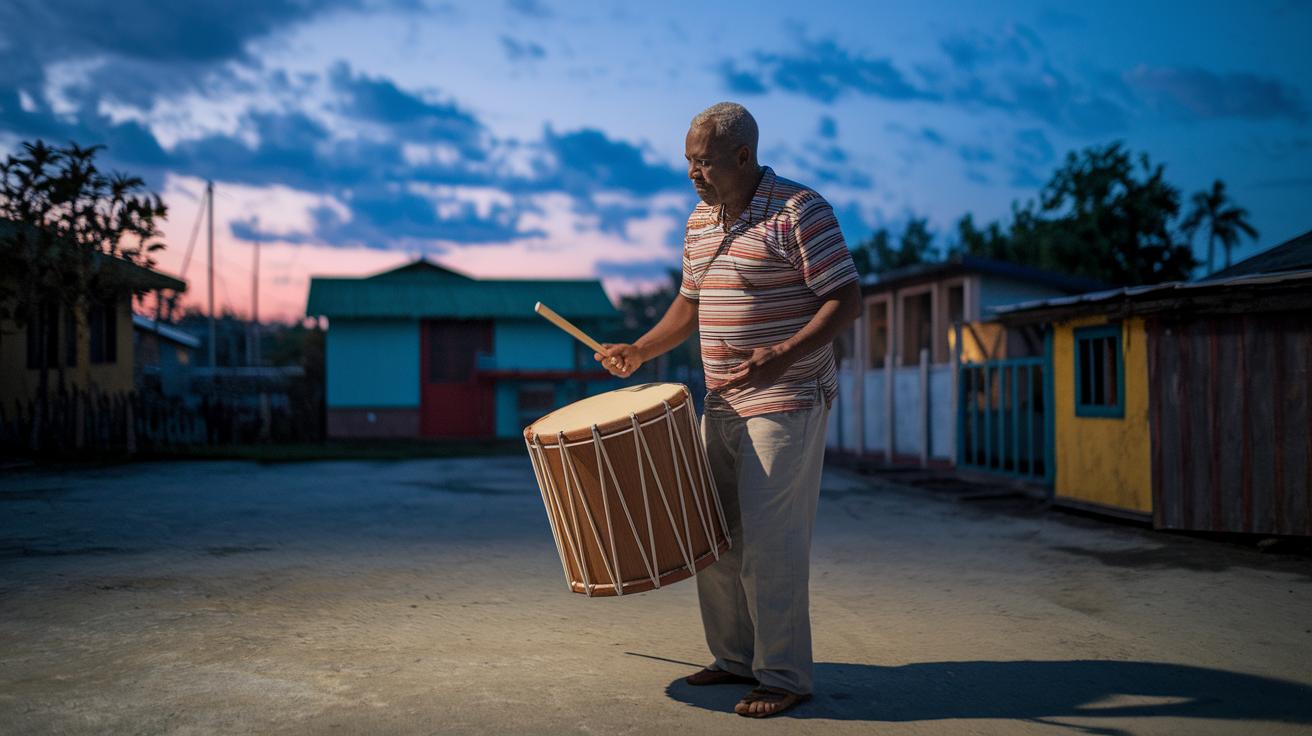
Back in the colonial days, Caribbean storytellers mixed African drumbeats, local native voices, and European ideas to create Creole tales that touched on daily life and quiet resistance. They spun stories with a mix of languages, sometimes starting in French Creole and later picking up English phrases and local slang, almost like sharing a secret with a close friend. For example, a calypso verse might go, "Under the sun, we labor and laugh, hiding truths in every refrain," hinting at the challenges of living under strict control.
Enslaved people cleverly used these hidden lyrics to comment on the tough life on plantations. They wove humor and subtle meanings into their songs, making safe spaces to express their true feelings without drawing too much attention. These friendly gatherings became little stages for each rhyme and rhythm, where every note carried a spark of defiance and hope.
As years went by, mixing languages and cultural elements gave birth to new ways of storytelling. This shift, from secret calypso messages to open Creole narratives, kept memories of hardship and resilience alive, letting those voices continue to shape a strong sense of community today.
Caribbean Coastal Myths and Supernatural Folk Tales
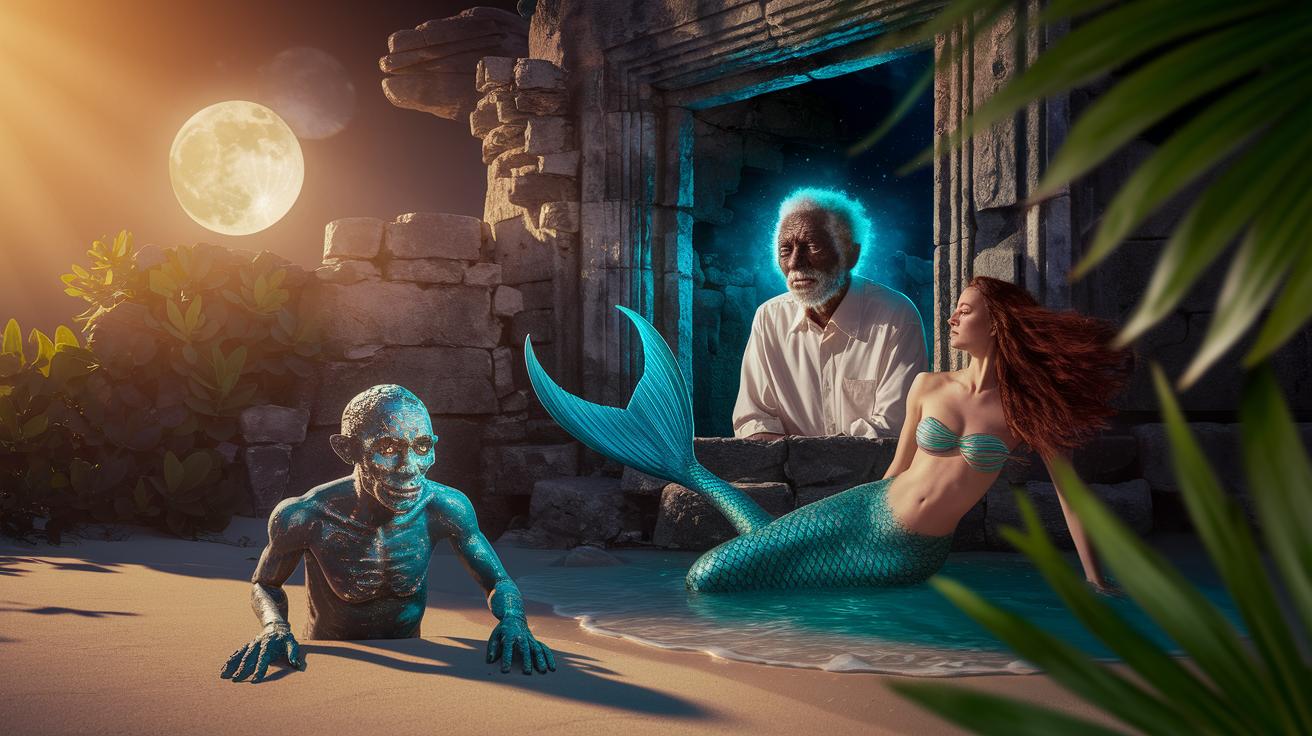
On warm nights along the Caribbean shore, local storytellers gather to share eerie duppy tales. Duppies, which are ghostly spirits, are believed to wander among old sugar-plantation ruins and quiet beaches, popping up suddenly as reminders of past missteps.
During these moonlit gatherings, wise elders blend everyday life with a touch of magic. They spin legends of enchanting mermaids whose sparkling beauty hides deeper warnings, powerful sea gods who rule the wild tides, and brave sailors who dared the mysterious oceans. You might even hear, "In the gentle glow of dusk, the sea whispers secrets of long-forgotten promises and quiet betrayals." Their rhythmic voices and colorful descriptions bring together African and native influences, enchanting everyone who listens.
These tales do more than entertain. They also remind the community of its values and shared heritage. Sitting around flickering bonfires on soft, sandy shores, everyone feels connected as every spooky whisper and legend strengthens their bond. This magical storytelling helps keep age-old traditions alive, even in our fast-changing world.
When the waves crash on the shore, it feels as if the old legends awaken, bridging the gap between past and present.
Caribbean Performative Narratives: Calypso, Reggae, and Carnival Stories
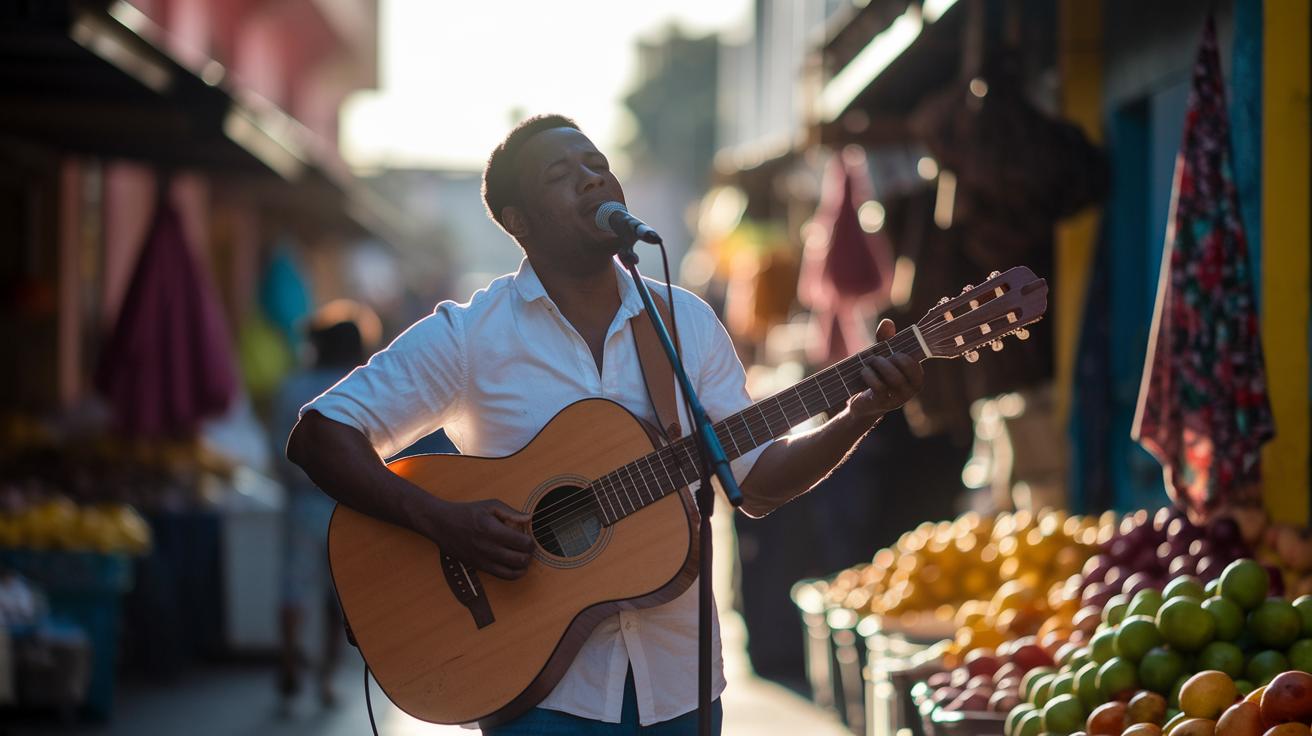
Calypso music weaves catchy rhythms and heartfelt verses into social stories. Back in the 1800s, people would use lively tunes to comment on politics and everyday life, all under strict rules. Imagine hearing a calypso line like "We work under the burning sun, yet our spirit never fades", it wraps criticism in melody, making you nod along while you think.
Reggae keeps that old tradition alive, mixing upbeat sounds with words that speak of struggle and community. Its lyrics carry a hopeful message, like when someone sings, "From the roots of struggle, we rise to shine." It connects personal tales with a shared dream of unity and resilience.
Carnival, on the other hand, is pure theater on the streets. During vibrant parades and masquerades, performers dress in brilliant costumes and use dynamic dance to bring stories to life. They turn every corner into a stage, capturing the very soul of the community. A street performance might declare, "In the dance of life, every step tells a tale," showing that every movement is a piece of history in motion.
Together, calypso, reggae, and carnival aren’t just musical styles or festive events. They are heartfelt ways that communities share their past, their struggles, and their triumphs with every beat and every word.
Preservation and Modern Adaptations of Caribbean Storytelling
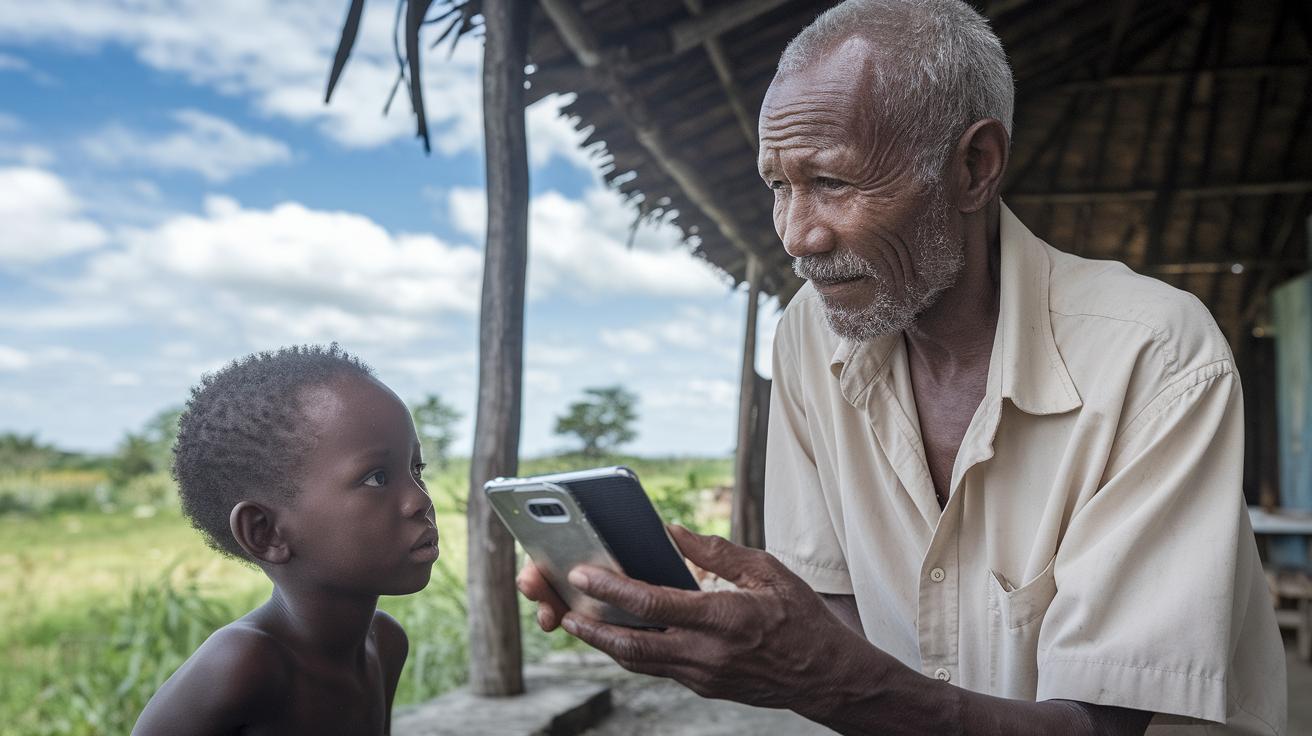
Caribbean storytellers are keeping old traditions alive in new and fun ways. Local community groups and school archives team up to record and share these enduring tales. One-day storytelling workshops bring together elders and young ones, much like gathering under a starry sky to share favorite memories. Ever heard someone say, "Imagine the warmth of an old storyteller's voice revealing a secret history"? It instantly pulls you into the magic of the past.
Digital tools are opening up fresh ways to save these spoken stories. Podcasts now act as modern storytellers, capturing voices and feelings that once filled small village meetings. Recorded interviews and projects to write down these tales keep endangered folktales alive, letting future generations hear them as clearly as a whispered secret. Picture a podcast host saying, "Every recorded story carries the heartbeat of our islands." It’s a powerful link between tradition and today's digital world.
Community archives do more than just save old stories. They spark new conversations about the future. Workshops and local projects invite everyone to share their memories, turning private thoughts into shared treasures. Key initiatives include:
- Academic projects saving local lore
- Community-led sessions on oral history
- Interactive digital collections welcoming fresh storytellers
All these efforts give a boost to preserving Caribbean storytelling and invite many different ways to share these narratives. In our digital age, Caribbean storytelling feels as bright and lively as a tropical sunrise. Every recorded tale and online archive acts like a bridge from the wisdom of the past to the hopes of tomorrow, celebrating the true spirit of Caribbean culture.
Final Words
In the action, we dove into the depths of Caribbean storytelling traditions, exploring their rich past from indigenous legends and African influences to Creole narratives and coastal myths. We walked through rhythmic calypso performances and modern efforts to keep these narratives alive. Each segment painted a clear picture of how old and new blend in the Caribbean, sparking the spirit to craft unforgettable memories. The tale continues to inspire a positive outlook on authentic, hassle-free travel narratives. Enjoy a sunlit adventure filled with warmth and genuine local charm.
FAQ
Q: Why is storytelling important in Caribbean culture?
A: The importance of Caribbean storytelling is shown by its role in preserving history and passing on morals. Oral tales record family experiences and community values that live on across generations.
Q: What are some Caribbean traditions?
A: The value of Caribbean traditions is clear in their festivals, heritage rituals, and folklore celebrations. These practices keep local customs and historical wisdom alive, reinforcing community ties.
Q: What is the Caribbean style of writing?
A: The Caribbean style of writing reflects a relaxed, sun-kissed tone that borrows from oral narratives. It rolls off the tongue with clear, rhythmic language and personal touches that feel familiar.
Q: Which cultures are known for their storytelling traditions?
A: The strength of storytelling in the Caribbean is shared by indigenous groups, African-descended communities, and Creole societies. Each brings their own historic tales and unique narrative styles.
Q: What are examples of Caribbean folklore stories?
A: The range of Caribbean folklore stories includes ghost legends, mermaid tales, and stories of mysterious creatures. These narratives mix caution with local humor while passing on cultural lessons.
Q: How do Caribbean storytelling traditions preserve cultural history?
A: The act of sharing Caribbean storytelling traditions preserves cultural history by serving as a living record. Oral narratives and folktales capture community memories, values, and historical nuances.
Q: How have indigenous and African influences shaped Caribbean storytelling?
A: The blend of indigenous and African influences in Caribbean storytelling can be seen in Taino legends and Anansi tales. This mix creates rich, rhythmic narratives that teach morals and common wisdom.
Q: How has colonial history influenced Caribbean oral traditions?
A: The imprint of colonial history on Caribbean oral traditions appears in the mix of European, African, and indigenous themes. This blend led to encoded expressions and Creole narratives that subtly critiqued society.
Q: What role do supernatural folk tales play in Caribbean culture?
A: The significance of supernatural folk tales in the Caribbean lies in their cautionary messages and moral teachings. Ghost stories and spectral legends serve as reminders of cultural values and ethical behavior.
Q: How are musical performance and carnival linked to Caribbean storytelling?
A: The connection between musical performance and carnival in Caribbean storytelling is seen through rhythmic verses and theatrical displays. Music and street theater communicate cultural narratives and social commentary in lively settings.
Q: What efforts exist to preserve Caribbean storytelling traditions in modern times?
A: The preservation of Caribbean storytelling traditions today involves digital archives, podcasts, community projects, and simple recording techniques. These practices help keep these cherished oral narratives accessible and vibrant.
