Ever wonder how a single drumbeat can bring everyone together? In the Caribbean, spiritual music is the heartbeat of everyday life, mixing ancient chants with modern tunes. Imagine feeling a soft ocean breeze while soulful rhythms echo through a colorful festival. These songs and beats have been passed down from one generation to the next, filling each moment with history and warmth.
Every rhythm tells a story of connection and spirit. It’s like each melody invites you to share in a timeless moment where past and present blend effortlessly. And, honestly, it makes you feel as if you’re part of something bigger, a community united by the magic of music.
Stick with us as we explore how these soulful sounds lift hearts and weave communities together in the most powerful ways.
Interplay of Caribbean Spiritual Music and Devotional Practices
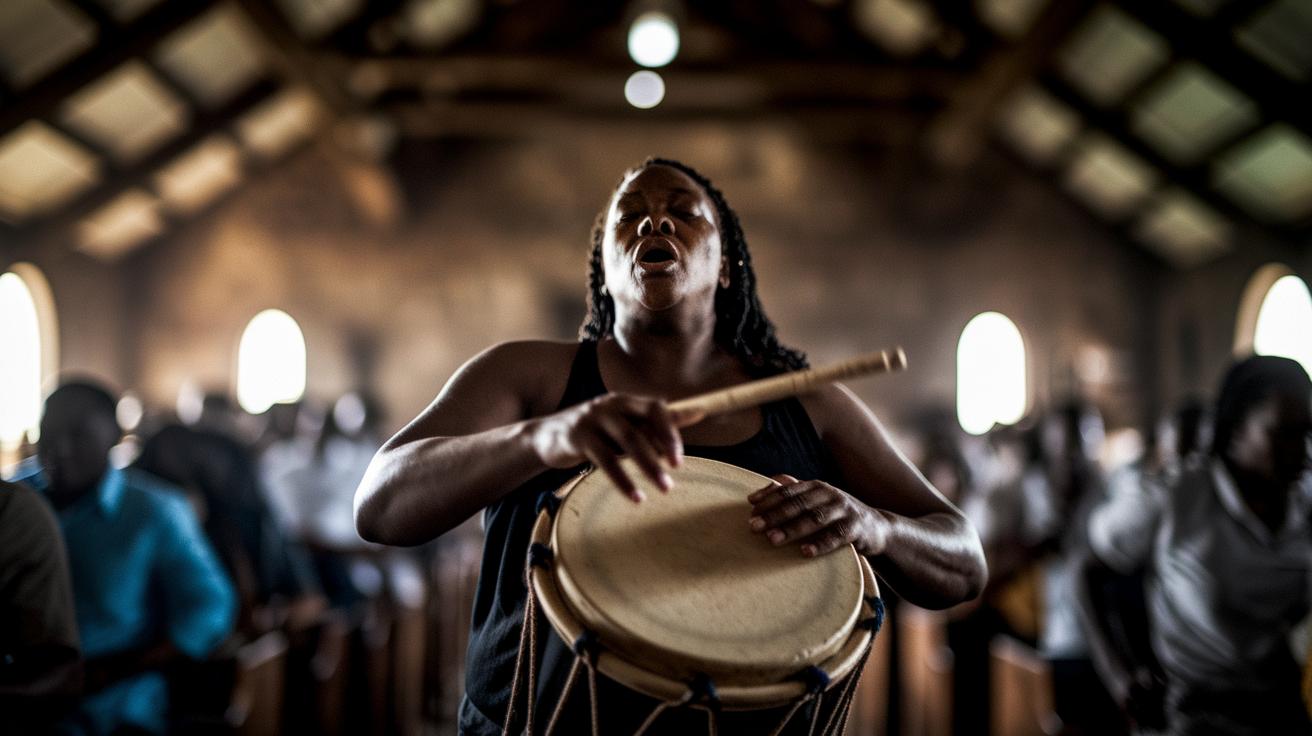
Caribbean spiritual music mixes the holy with the everyday. A review titled "Island Gospel: Pentecostal Music and Identity in Jamaica and the United States" explains that island worship pulses with ritual chanting, heartfelt tunes, and energetic participation. Coastal communities treat music as both a call to worship and a lively celebration of life. Call-and-response singing works like a shared tale, where each beat unites everyone.
Imagine this: in a busy service, just one drumbeat can draw an entire crowd into a shared, rhythmic moment. This practice comes from African drumming mixed with native island sounds, filling gatherings with sparkling, vibrant tunes.
Devotional routines here often feature processional hymns and sea-inspired chants, carrying the soft feel of a cool ocean breeze. Afro-diaspora rhythms shape these songs, so every note echoes the voices of ancestors. Blending European hymns with African beats creates a style of worship that feels warm, genuine, and welcoming.
These musical expressions do more than sound beautiful, they bind people together and keep treasured memories alive. Each chant and melody is a slice of Caribbean sacred tradition that passes culture from one heart to another. And so, these musical rituals continue to inspire many across the islands, nurturing the soul and the community alike.
Historical Evolution of Caribbean Devotional Music Traditions
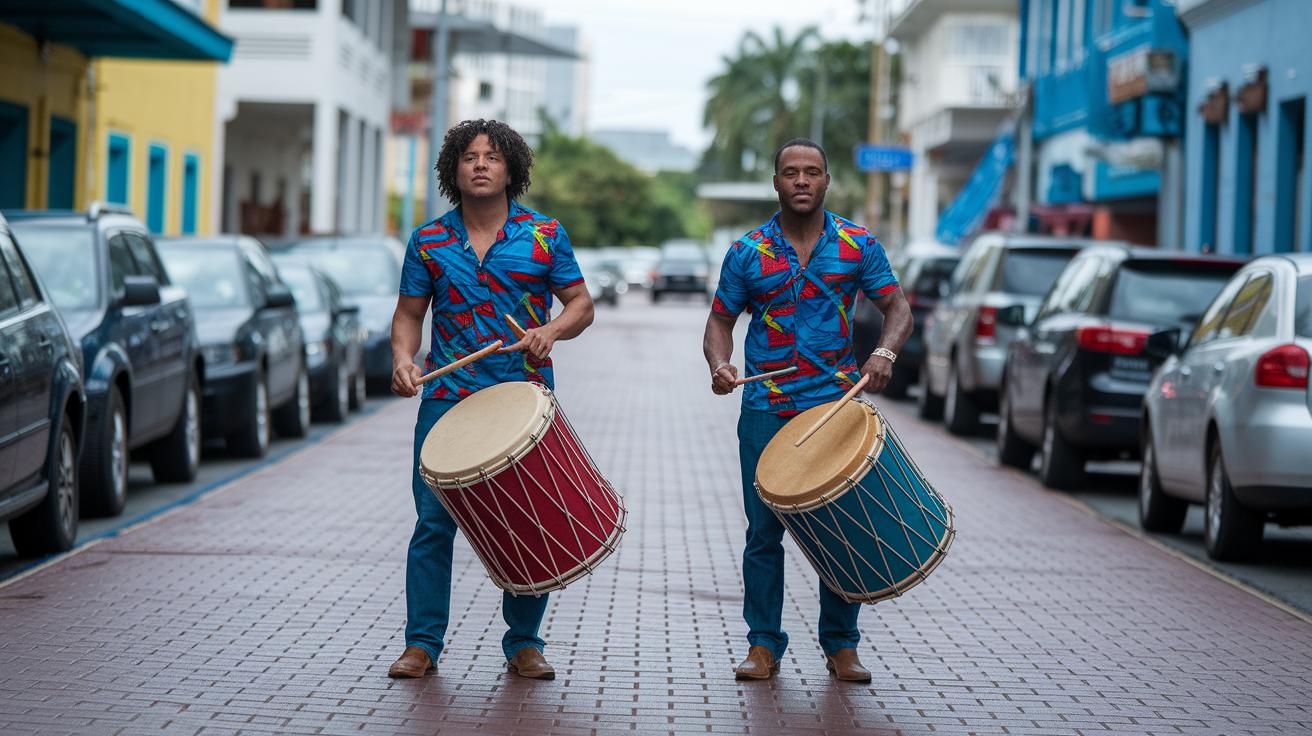
Caribbean devotional music has evolved over many years, shaped by a mix of traditions and cultures. Long ago, African drum beats and native island chants blended together to create the first sacred sounds. Then when Europeans arrived, their church hymns meshed with these local tunes, adding fresh rhythms and melodies. This mix of styles connected with both the spirit and everyday life of the people.
In Trinidad during colonial times, the mix of work songs and drum beats took music to a whole new level. In Trinidad and Tobago, lively African rhythms fused with Spanish folk tunes, turning simple songs into vibrant stories of daily life and struggle. Over in Jamaica and Haiti, musical styles like Revival Zion and Vodou chants began echoing European hymns alongside native and African rituals, deepening the music’s spiritual meaning and bringing communities closer together.
By the 1800s, these sounds had grown into unique, local styles. Then came calypso in the 1900s, a lively blend that brought back work songs, local drum beats, and a touch of Spanish influence. This music not only makes you want to move but also reflects on social conditions and the cultural identity of the Caribbean.
| Period | Region | Musical Form | Key Influences |
|---|---|---|---|
| Pre-Colonial | Pan-Caribbean | Indigenous chants | Taino, Arawak motifs |
| Colonial 16th–18th c. | Trinidad & Tobago | Work songs, drumming | African, Spanish folk hymns |
| 19th c. | Jamaica, Haiti | Revival Zion, Vodou chants | European hymnody, African ritual |
| 20th c. | Pan-Caribbean | Calypso, Pentecostal gospel | Syncretic faith recitations, steel drums |
Even today, Caribbean devotional music is still growing and changing, with each era adding its own layer to a rich history. From ancient chants to colonial work songs and modern beats, the sound of the Caribbean tells a deep story of spiritual strength and creative flair.
Caribbean Spiritual Music and Devotional Practices Shine
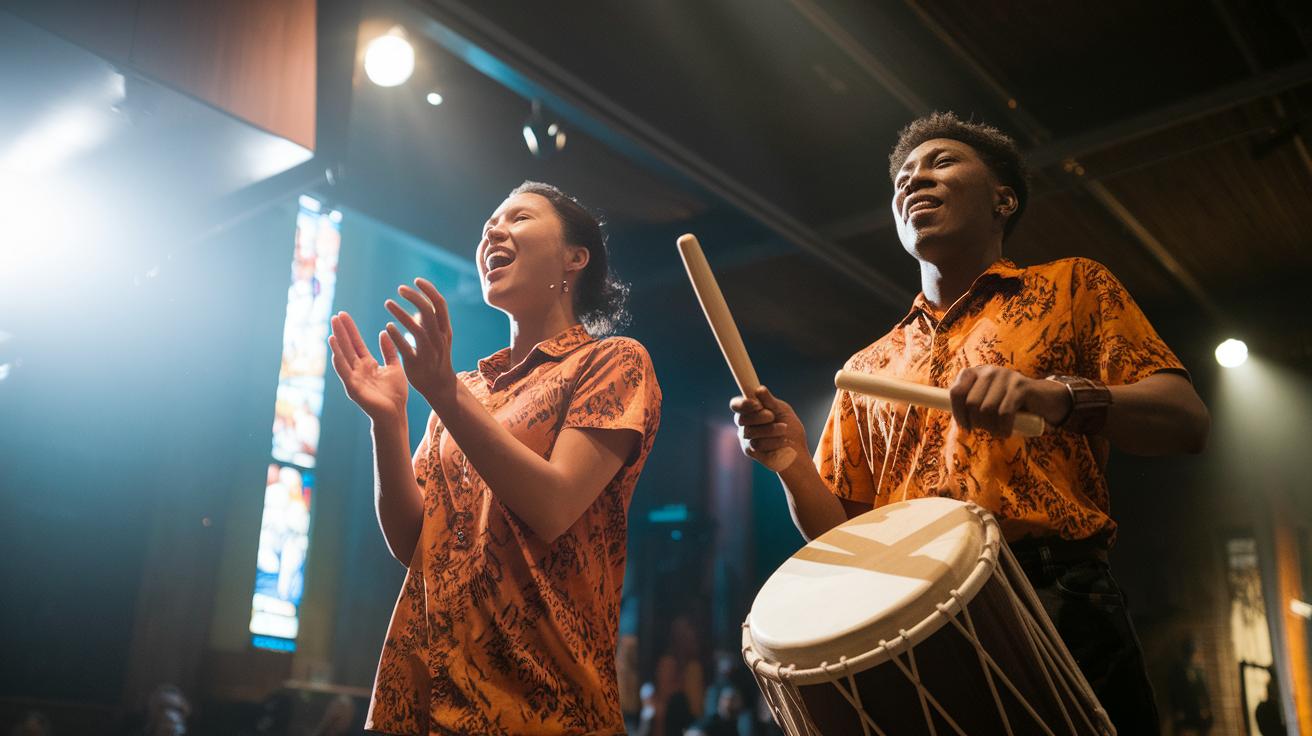
Jamaica’s Revival Zion Hymns
In Jamaica, Revival Zion gatherings come alive with heartfelt psalm recitals that feel just like sharing stories with an old friend. Folks snap their fingers and clap along to each rhythmic beat, adding a fun twist to every melody. The sound of the songs fills the room like a gentle breeze, inviting anyone nearby to join in. Imagine clapping echoing softly off ancient church walls, where every note whispers a deep, cherished tradition.
Haitian Vodou Drumming and Chant
In Haiti, Vodou celebrations pulse with the deep tones of the Manman drum, setting the perfect stage for sacred chants. The beat carries you along, each thump blending with chants that are both mystical and grounding. It feels like the drum speaks directly to the heart, inviting everyone into a ritual where every chant connects you with a rich, ancestral past.
Trinidad Spiritual Baptist Shango Ceremonies
Over in Trinidad, Spiritual Baptist Shango ceremonies burst with powerful, soulful vocals. Here, lively pentecostal hymns mix with echoes of Orisha rituals, creating a festive vibe that’s both moving and unifying. The songs often play in a call-and-response style, where every burst of voice or steel drum strike brings the community closer together. It’s a joyful display of faith that feels as warm and inviting as a Caribbean sunset.
Cuban Santería Lucumí Cantos
In Cuba, the spirit of Santería glows through the beautiful sounds of Lucumí cantos. These intricate chants, built on a call-and-response tradition from Yoruba roots, fill the sacred space with a sense of wonder and respect. Every phrase is like a soft conversation with the deities, honoring time-honored practices. The rhythm of the chants wraps around you, creating a calm and inspiring atmosphere that feels both meditative and stirring.
Syncretic Faith Recitations and Afro-Diaspora Rhythmic Expressions
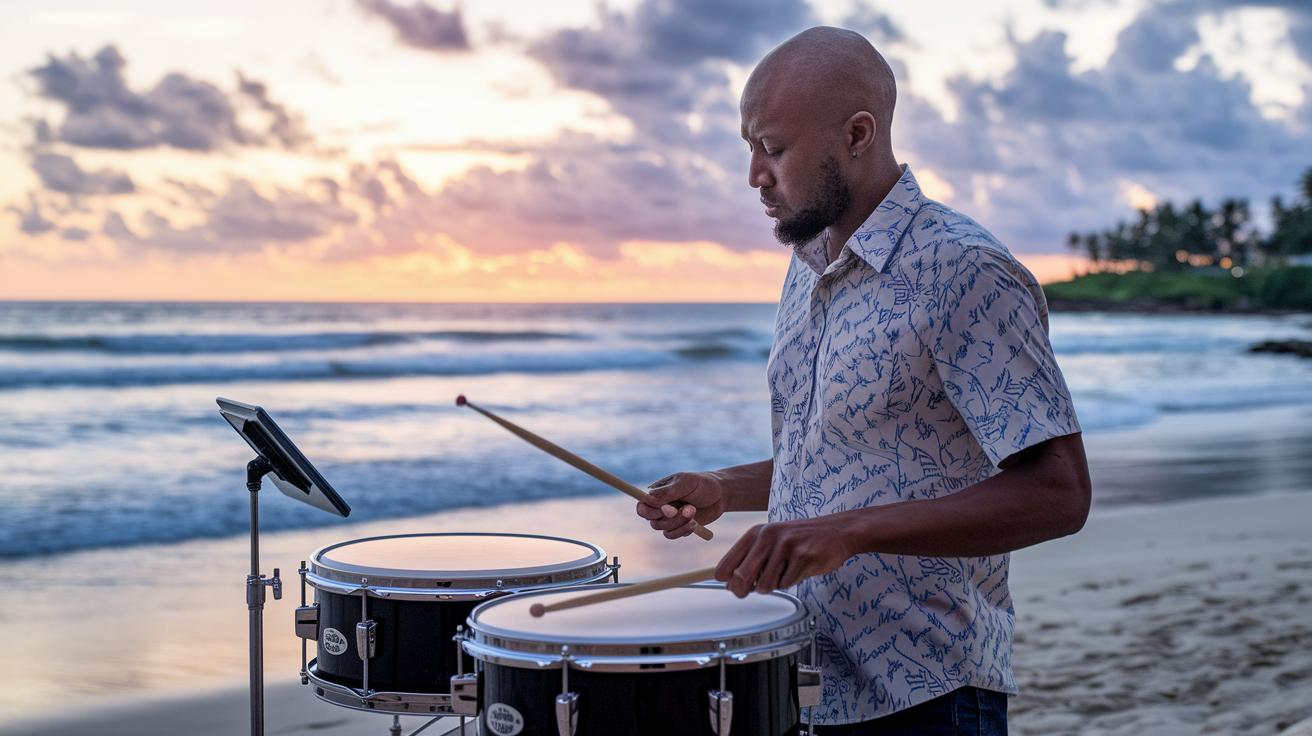
Modern tools are changing Caribbean devotional traditions. Musicians now use digital recordings and social media to mix old rhythms with fresh electronic vibes. A percussionist from Barbados said, "I blend classic hymns with new drum loops, connecting me to my island's past and its evolving spirit." This mix of tech and ritual beats sparks a friendly chat between heritage and modern life.
Young artists are getting creative by pairing live drum sessions with electronic sounds using portable recording apps. Think of it like mixing a cherished vinyl record with a trending hit single. They even combine field recordings from local ceremonies with laptop-made beats, bringing old traditions into a new light.
Digital archives are also helping to save rare, traditional techniques. They make sure these unique sounds reach listeners far beyond the islands, letting everyone feel the true pulse of Caribbean celebrations.
By blending history with modern methods, technology brings a fresh energy to our cultural heritage. It adds new layers to the story of today’s Caribbean identity.
Polyrhythmic Structures and Percussive Prayer Innovations
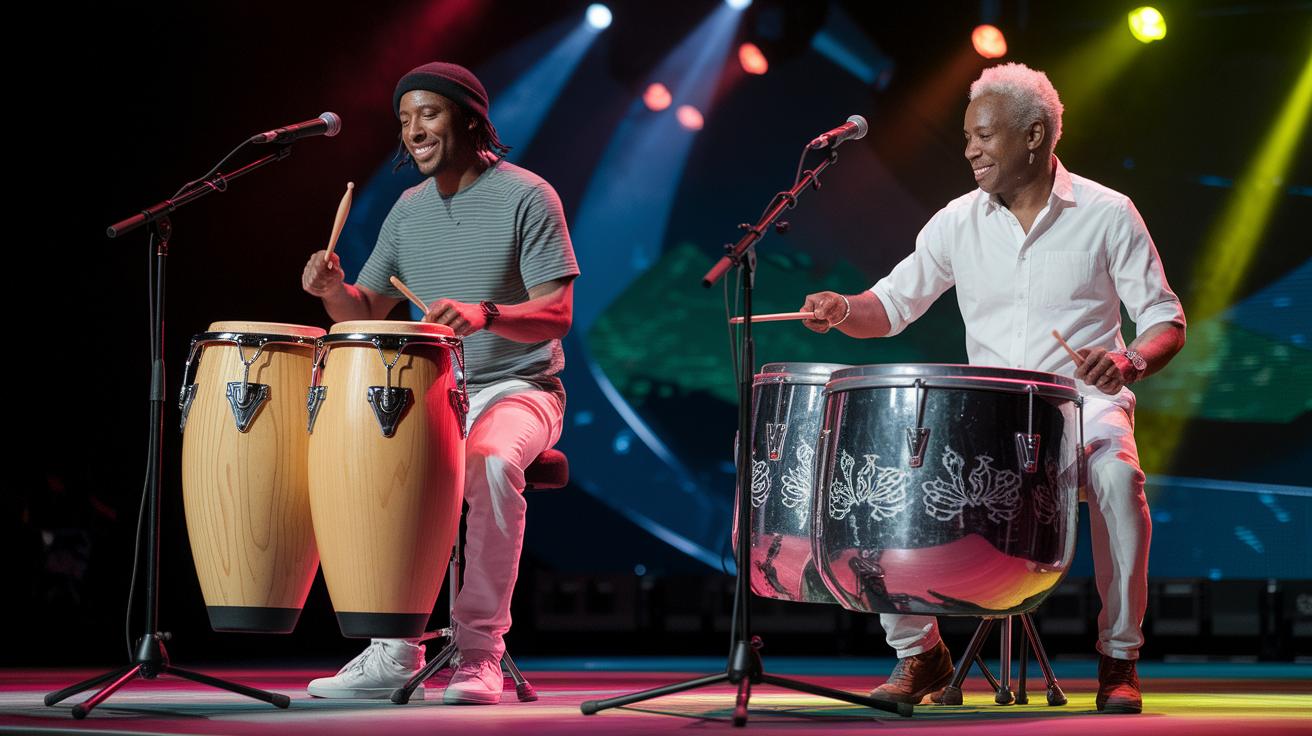
The creative twist on percussive prayer has truly changed how Caribbean sacred sounds touch our souls. Local drums like the conga, bata, tassa, and tebó set up a vibrant stage for call-and-response songs, inviting everyone to join in the beat. Each drumbeat carries rich history and passion, turning every ritual into a lively chat between the past and the present.
Over time, musicians have mixed classic rhythms with modern influences. For example, calypso steel pan techniques have turned gentle devotional tunes into energetic hymns that feel both comforting and surprising. These fresh sounds mirror the evolving beat-driven praise seen at urban and diaspora festivals, where steelband groups blend gospel refrains with pulsing rhythms.
Listeners often say it feels like being at a sunny Caribbean festival, where every percussion strike syncs like a shared heartbeat. Mixing age-old drum traditions with inventive steel pan sounds really captures the spirit of Caribbean worship. It’s proof that cherished customs can evolve into modern expressions while keeping the core of community prayer alive.
Modern Audio Resources and Multimedia Guides for Caribbean Devotional Music
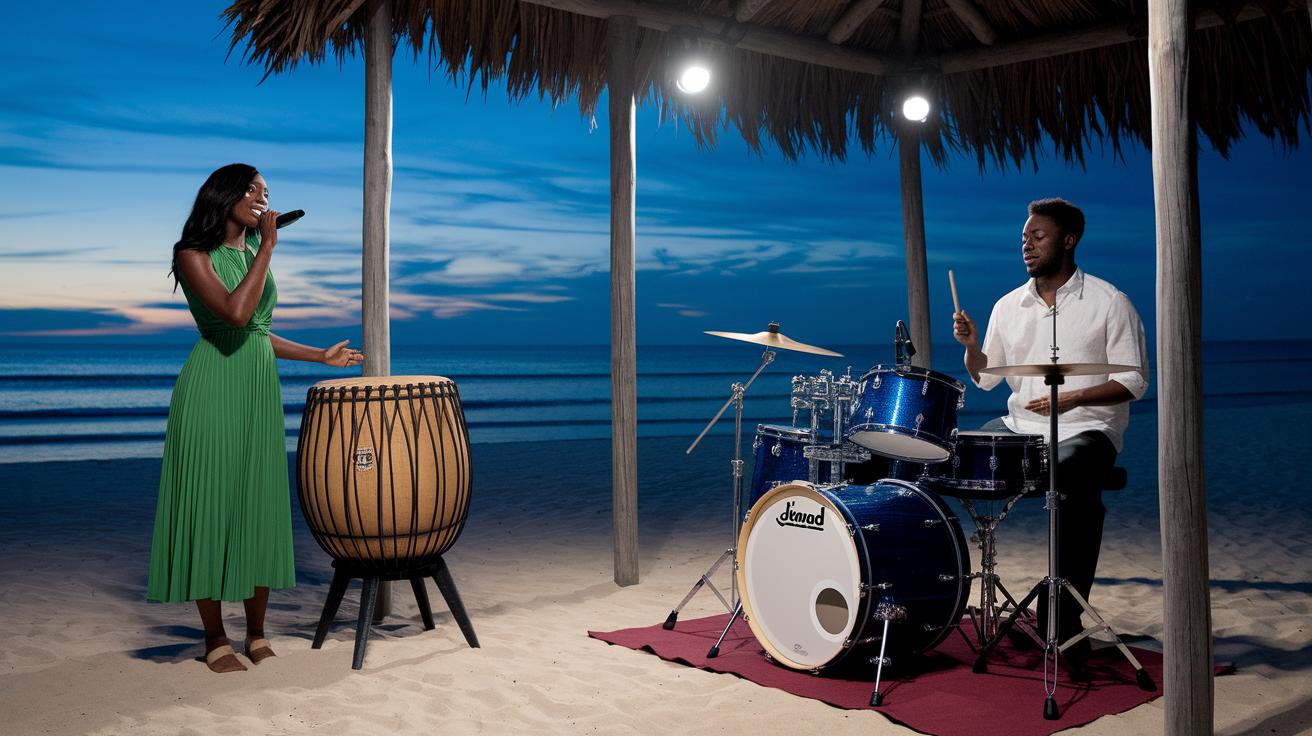
Audio archives and online platforms capture the soul of Caribbean sacred sounds. You can almost feel the warm island breeze as traditional gospel tunes, heartfelt recitations, and dreamy chants come to life. Imagine a live recording where every drumbeat and voice mingles into a magical energy, like a soft hymn floating over a peaceful tide, stirring memories of festive island nights.
Here are five top resources you might love:
- Smithsonian Folkways “Afro-Caribbean Spirituals” collection
- University of the West Indies digital hymn archive
- YouTube channel “Sounds of Caribbean Spirituality” featuring live ritual recordings
- Online course modules from Caribbean studies programs on chant improvisation (that is, lessons on making music your own)
- Local festival livestreams sharing processional ballads and chants
Each platform offers its own special way to show how Caribbean music blends timeless tradition with modern vibes. These guides bring past devotional practices into today’s world, letting you experience a rich, heartfelt connection with the music.
Preservation and Digital Archiving of Caribbean Sacred Song Traditions
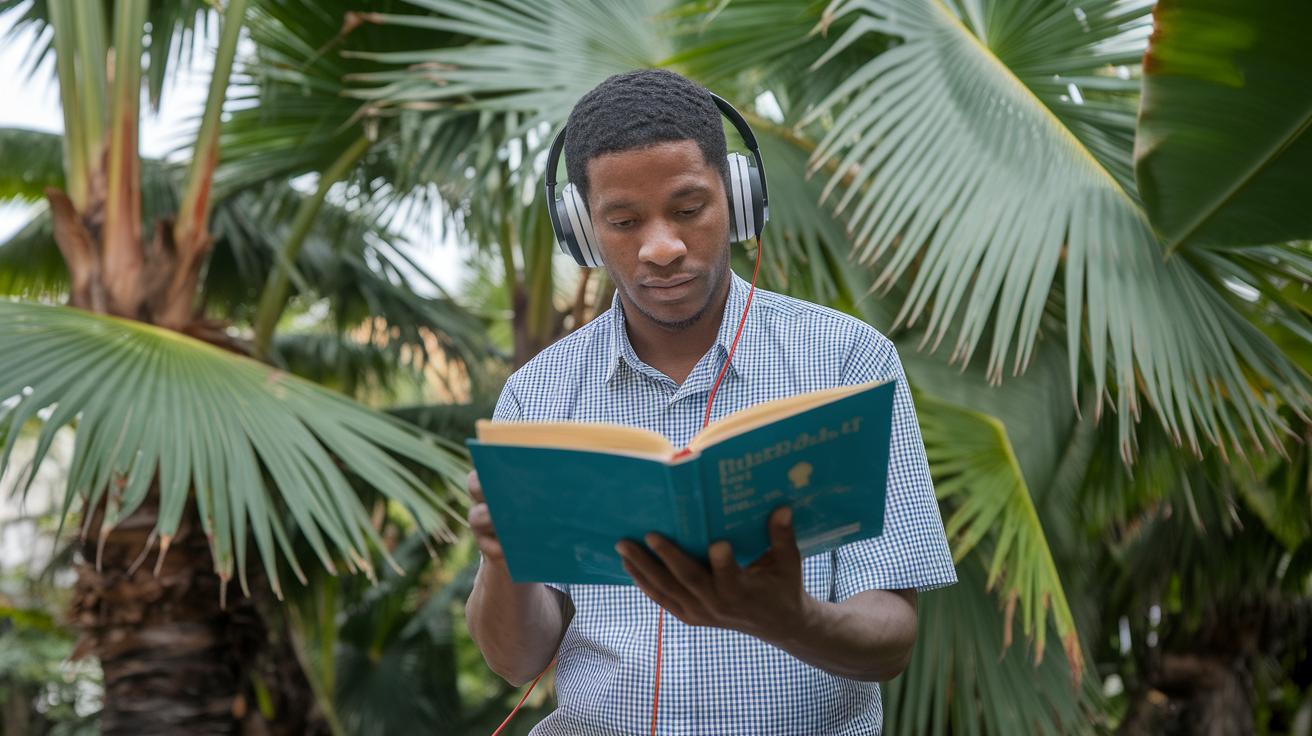
Universities, local groups, and cultural organizations are joining hands to keep the cherished sacred songs of the Caribbean alive. They are gathering stories and histories of old liturgical tunes, turning handwritten hymn books into digital treasures, and putting together regional archives that capture the true heartbeat of the islands. These projects celebrate the genuine sounds of festivals, processions, and communal events that have been lovingly passed down through generations.
Field recordings in remote island spots can be really tough. Teams sometimes work in places with little power or internet, which makes catching the live, raw sound of a ceremony a real challenge. On top of that, making sure all the details (metadata, which explains the context of each recording) are just right is no easy feat. One musician summed it up perfectly: "Every note tells our story, and saving them means keeping our heritage alive."
Non-governmental organizations and scholars are all for gathering these traditions with a community-first approach. If you're curious about the how-to and tips, check out the resource on digital archiving of Caribbean cultural heritage.
Final Words
In the action, we explored how Caribbean spiritual music and devotional practices blend deeper meaning with simple tunes and heartfelt community bonds. We looked at historical sounds and modern beats, shared local traditions through rhythmic calls and sacred songs, and pointed to digital guides that let you hear these treasures firsthand.
This mix of old and new brings fresh energy to every note. It leaves us smiling as we embrace the spirit of caribbean spiritual music and devotional practices.
FAQ
Where can I find Caribbean spiritual music and devotional practices PDF documents, including 2022 versions?
Caribbean spiritual music and devotional practices PDF documents, including 2022 versions, are often found in academic archives and online heritage collections that offer detailed historical context and accessible modern updates for enthusiasts and researchers alike.
What defines Calypso dance and Afro-Caribbean dances in Trinidad and Tobago?
Calypso dance and Afro-Caribbean dances in Trinidad and Tobago feature lively rhythms, expressive body movements, and communal energy, reflecting deep cultural roots and blending music with celebratory storytelling.
What is the Caribbean system of spiritual and healing practices?
The Caribbean system of spiritual and healing practices blends indigenous beliefs, African influences, and European elements, forming unique rituals that combine music, healing ceremonies, and community worship to nurture the spirit.
What is the music culture in the Caribbean?
The Caribbean music culture is an energetic fusion of rhythmic beats, soulful melodies, and communal participation, reflecting a rich mixture of African heritage, local traditions, and modern influences that continue to shape its sound.
What are Obeah practices in the Caribbean?
Obeah practices in the Caribbean consist of spiritual rituals and herbal remedies rooted in African traditions, serving as methods for personal guidance, healing, and connecting with the mystical aspects of everyday life.
What are three typical features of Caribbean music?
Three typical features of Caribbean music are infectious rhythms, call-and-response vocals, and a blend of diverse cultural influences, all of which create a dynamic and communal sound that resonates with listeners.
