Ever wondered how a little song can take you back in time? Caribbean spiritual life mixes native traditions, African rhythms, and touches of old colonial ways into everyday moments. You can almost hear the soft echoes of the past in every note.
This warm blend of heartfelt ceremonies and rhythmic tunes brings folks closer together. Every gathering feels like a shared memory, a way to honor nature and the wisdom passed down by our ancestors. It’s like a gentle reminder that each chant and prayer keeps a unique part of history alive.
In this piece, we'll explore how these rich traditions unite communities and pass along cultural stories. Each hymn is a cherished link to a past that inspires us today, inviting everyone to feel the magic and warmth of the Caribbean spirit.
Caribbean Spiritual Heritage Inspires Rich Traditions

Caribbean spiritual heritage is a warm, inviting mix of traditions that weave together West Indian ancestral lore, native ceremony practices, Afro diaspora rites, and influences from colonial sacred traditions. It comes alive through rhythmic music, heartfelt prayers, and everyday rituals that families and communities pass down through generations. Every practice honors nature, pays tribute to ancestors, and creates a strong sense of togetherness.
The region's spirit is rooted in three main ancestral streams. Indigenous customs celebrate the beauty of the natural world, while African traditions fill gatherings with lively chants and rhythmic beats that pull everyone into a shared spiritual embrace. And then there’s the colonial touch, reimagined and merged with native practices to add another layer of meaning. Festivals like the Memorias de Agua bring these traditions to life, preserving history and cultural sustainability so that the voices of the past continue to resonate today.
Indigenous Ceremonial Practices within Caribbean Spiritual Heritage
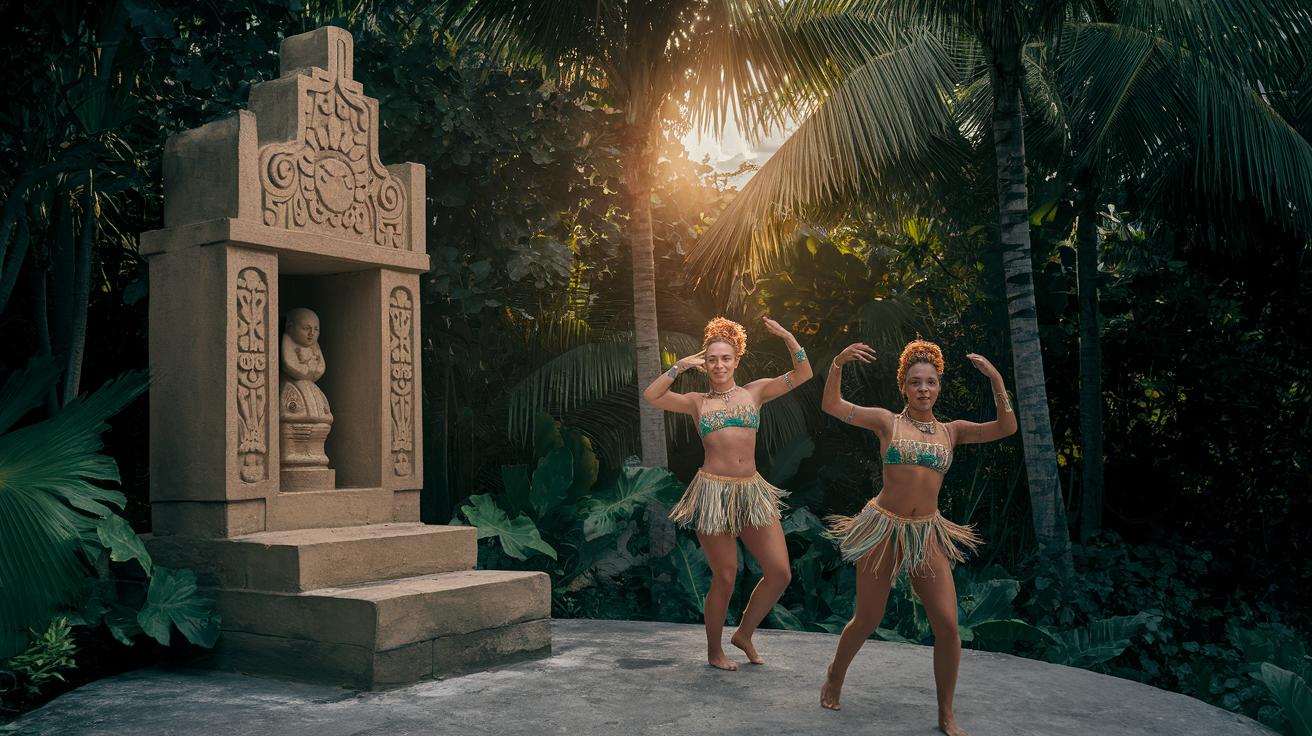
Imagine a place where nature blends with the spirit of ancestors. Taino beliefs are at the center of this magic, bringing life to traditions that have been cherished for many generations. At the heart of these customs are Zemi shrines, special spots where carved stones and soft prayers remind everyone of a living, storied past.
Then there are the areito dances and batey ceremonies. In an areito, people move together, stepping and chanting as they celebrate the gifts of nature and honor the legacy of those who came before. Batey ceremonies, which grew from the simple joy of an old ballgame, mark important shifts in the year and pay tribute to the divine. Each dance and hymn paints a vivid picture of a time when every movement told a deep, heartfelt story.
Today, local communities work hard to keep these traditions thriving. They gather at sacred groves and other cherished spots, ensuring that the warm spirit of Taino dances and beliefs continues to shine in the Caribbean.
African Diaspora Rites in Caribbean Spiritual Heritage
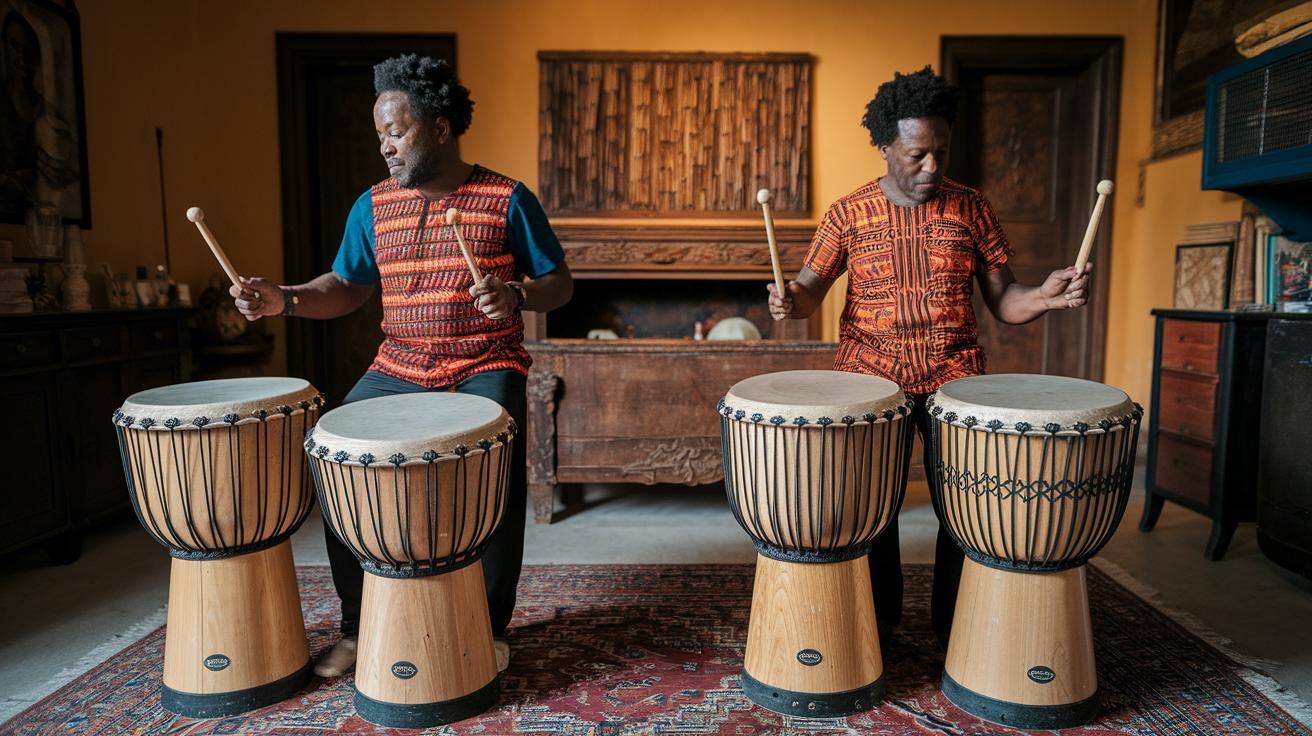
Bomba Yemayá is a lively ritual that fills the air with Afro diaspora energy. At the Memorias de Agua festival on July 7, 2023, drummers pounded their beats and singers called back and forth in a joyful way. It felt like the heart of the island was speaking through every sound, reminding us how music and spirit are always joined together.
Obeah healing arts show us how gentle folk medicine is passed down through families and neighbors. Picture a warm space where healers mix natural herbs and play simple instruments. The steady drumming and rattling set the mood as soft chants float around you. Imagine a kind healer stirring a natural remedy, sharing age-old wisdom just like stories shared on a lazy afternoon. It’s all about nature’s little gifts, used to bring comfort when you need it most.
Kumina trance ceremonies have a magic of their own. With a beat that seems to go on forever and bright, lively chants, folks slowly drift into a trance that connects them with their ancestors. Local plants, turned into herbal remedies, often make an appearance to open one’s spirit. And just like a cherished bedtime story, elders pass these chants and steps down through the years, keeping the Afro diaspora spirit alive and vibrant for everyone.
Syncretic Belief Systems and Colonial Traditions in Caribbean Spiritual Heritage
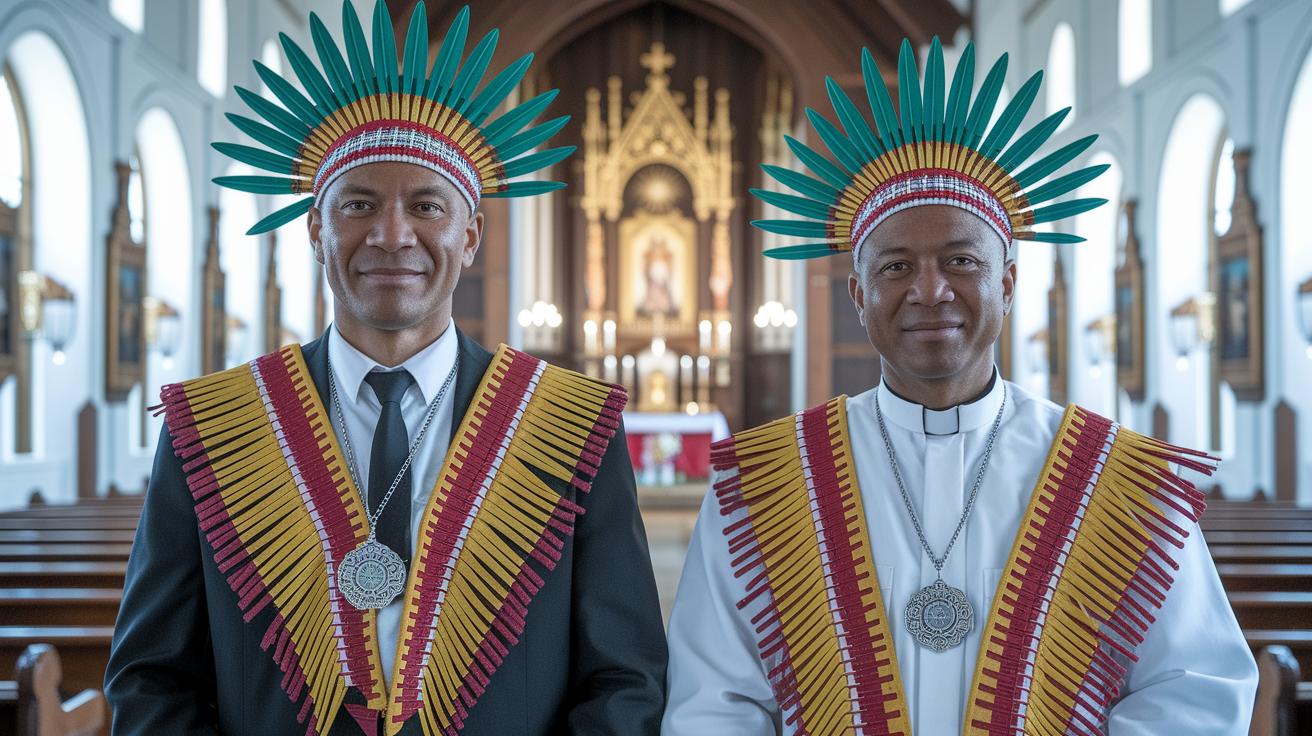
Spanish Catholic missionaries first stepped onto Caribbean shores and quickly made their mark. Around 1494, Chief Guaticaba and his family in what is now the Dominican Republic embraced Catholicism. In those warm, sunlit moments, indigenous chants mixed with the steady tones of Catholic prayers, creating a blend that you can still sense in the islands today.
Later on, Protestant missions brought another flavor to Caribbean spirituality. George Liele from Virginia set up the first African Baptist Church in Jamaica in 1782. And then in Ponce, in 1869, British settlers helped build the Iglesia de la Santisima Trinidad with materials linked to Queen Victoria. It’s like a community where church hymns meet local songs, a true blend of cultures.
In St. Thomas, during a time swirling with pirate tales, the first Lutheran and Protestant Reformed Dutch churches were born. These humble buildings stood quietly, marking a turning point amid a vibrant, sometimes turbulent past.
Over time, different traditions naturally mixed together. Rituals began blending European Christian practices with native and African ways of praying. The result is a cherished, heartfelt celebration that honors both a rich history and the simple, everyday spirituality of the Caribbean.
Rituals, Ceremonies, and Healing Arts of Caribbean Spiritual Heritage
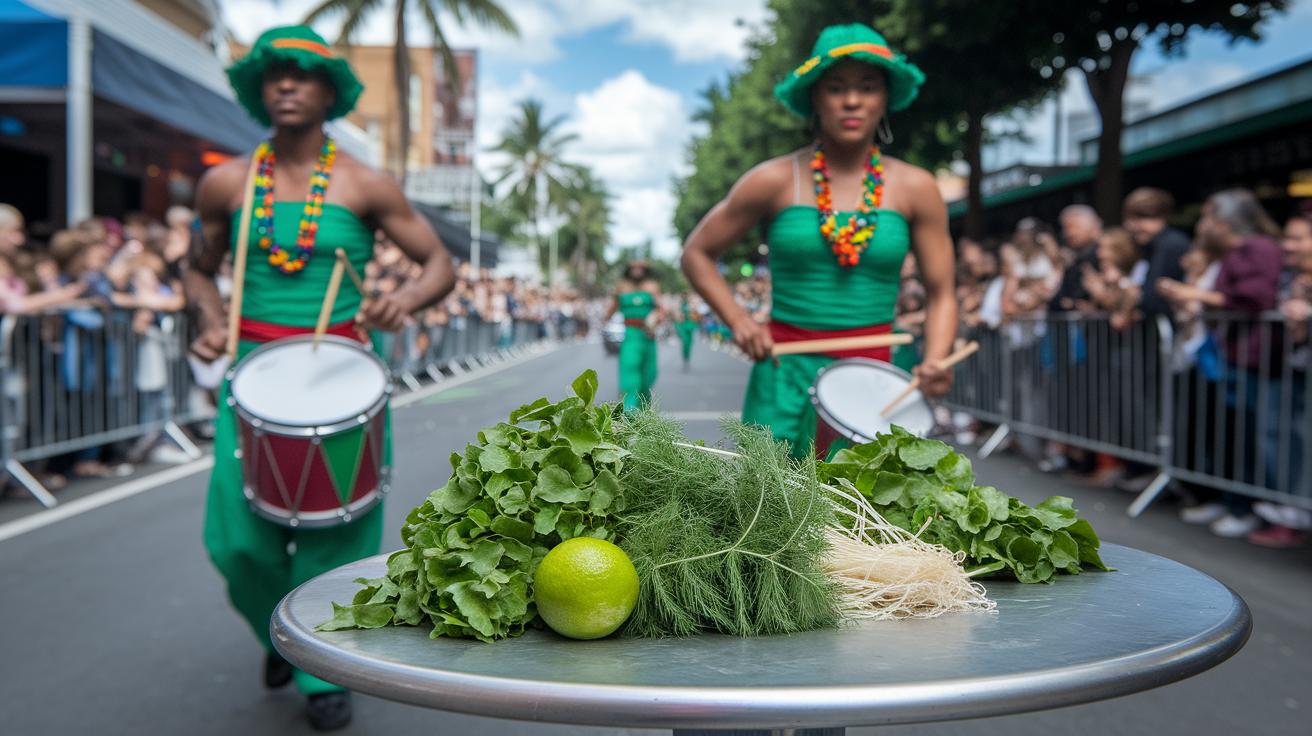
Caribbean celebrations of the African diaspora are alive with the beat of drums and the sound of joyful dance. It feels like the past and present are dancing together as each ceremony brings people closer with island pride. Every step and every note tells a story that has been passed down through generations.
The festivities can include:
- Bomba Yemayá invocation
- Obeah healing session
- Kumina possession ceremony
- Gombey dance parade
- Jonkonnu masquerade
- Troumaca drum trance
At the heart of these lively events, herbal lore adds a gentle pause. Local healers mix time-honored recipes using ingredients like soursop and lime to make remedies that care for both body and soul. Picture a healer stirring a soothing blend, with the soft smell of herbs evoking memories of ancestors sharing their wisdom. This mix of nature's healing power and vibrant celebration beautifully ties together the diverse customs of Caribbean spirituality.
Oral History and Mythological Narratives in Caribbean Spiritual Heritage

Caribbean oral storytelling is a vibrant art that has carried magical island legends from one generation to the next. It’s like a bridge connecting the past with the present. Picture local elders gathering together in intimate circles, sharing myths that seem to glow in the soft Caribbean light. And then there are the lively festivals, where epic tales are recited with energy that makes the whole island come alive.
| Legend | Origin Island | Significance |
|---|---|---|
| La Yara | Taino | A creation myth that links people to the forces of nature. |
| Soucouyant | Trinidad | A shape-shifting spirit that brings mystery and cautionary lore. |
| La Diablesa | Dominican | A folktale mixing moral lessons with spooky elements. |
| Papa Bois | Caribbean forests | A guardian spirit found in the heart of nature. |
Today, festivals and special projects work hard to keep these precious oral traditions alive. Live recitals and ballad sessions bring a fresh sparkle to ancient legends, letting us experience the magic firsthand. At community events, every verse spoken and every note played brings you closer to the soul of Caribbean culture. It’s like feeling a warm whisper from the past, binding generations together with the simple power of the spoken word.
Modern Revival and Evolution of Caribbean Spiritual Heritage
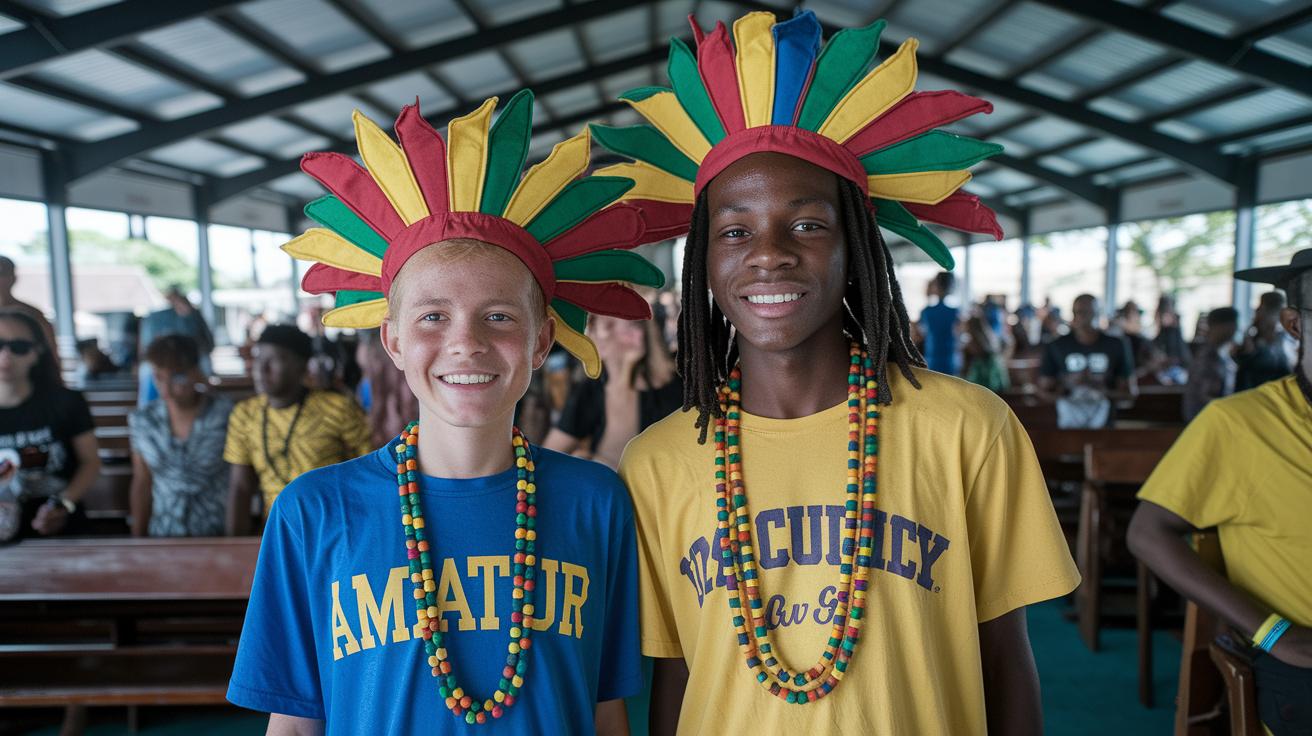
Across our islands, you can feel a new energy stirring. Revival churches and Rastafari gatherings are lighting up communities, giving old traditions a fun, fresh twist. Local festivals now mix youth programs with digital archives that capture every special ritual, even when big events take a little break.
In lively art spaces, we’re seeing ceremonies that blend familiar customs with modern creativity. Think of it like enjoying a classic song with a new beat, respecting the past while embracing today’s vibe. Whether it's a simple church service or a spirited Rasta assembly, these gatherings carry forward our traditions with a youthful spark.
Everywhere you look, artistic ceremonies mix indigenous chants with modern music. Young curators and cultural researchers are at the heart of it all, drawing inspiration from the natural rhythms of our rainforests and contemporary sounds. They stir up vibrant chats and projects that explore our deep roots while nudging us to think about a new way forward.
Even our diaspora keeps the flame alive. In spontaneous meet-ups, heartfelt rituals pay tribute to our ancestors and create new spaces for self-expression. It’s a reminder that while we honor our heritage, we’re also free to express who we are today.
Final Words
In the action, we explored indigenous ceremonial practices, Afro diaspora rites, and blended colonial faith traditions that shape caribbean spiritual heritage. We looked at lively festivals, heartfelt rituals, and oral storytelling that keep these customs thriving. Each section showed ancient practices alongside modern revivals, all pointing to a sustainable way of sharing these experiences. It paints a picture of a region full of deep-rooted culture and warmth. Enjoy these insights as you plan a trip that celebrates a rich mix of tradition and heart.
FAQ
Q: What is Caribbean culture?
A: Caribbean culture means a rich mix of traditions from indigenous peoples, African influences, and European customs. It shows through lively music, art, festivals, and everyday practices that shape the region’s identity.
Q: What is considered Caribbean heritage?
A: Caribbean heritage includes the customs, rituals, and traditions inherited from indigenous peoples, African ancestors, and colonial influences. It reflects unique art, music, and spiritual practices passed down through generations.
Q: What does spiritual heritage mean in the Caribbean context?
A: Caribbean spiritual heritage refers to the blend of indigenous, African, and European religious customs. It guides rituals and celebrations, highlighting communal beliefs and practices that sustain a deep cultural legacy.
Q: What are the spiritual practices in the Caribbean?
A: Caribbean spiritual practices incorporate indigenous ceremonies, Afro-diasporic rites, and blended Christian rituals. These customs include community dances, healing arts, and festivals that honor ancestors and celebrate faith.
Q: What does the Santería believe in?
A: Santería beliefs combine West African spirituality and Catholic traditions. They focus on honoring deities through rituals to ask for protection, healing, and guidance, creating a unique path of faith.
Q: How is Caribbean religion Voodoo practiced?
A: Caribbean Voodoo mixes African religious traditions with local customs. It includes rituals, healing practices, and ceremonies that honor spirits and ancestors, offering guidance and a sense of community.
Q: What do religion in the Caribbean statistics show?
A: Religion in the Caribbean statistics reveal a diverse range of practices—from traditional indigenous beliefs to Afro-diasporic rites and modern Christian worship—highlighting the rich and varied spiritual landscape of the region.
Q: What does a Caribbean culture restaurant represent?
A: A Caribbean culture restaurant represents the region’s lively spirit. It serves dishes that capture local flavors, uses vibrant decor, and offers an ambiance that transports you to sunlit, island-inspired experiences.
