Ever thought about gliding through warm, clear waters that hide a secret world? Imagine spotting more than 500 vibrant fish and nearly 10% of the world’s coral in one place. Caribbean scuba diving feels like stepping into a living painting.
In this guide, we share friendly tips and top dive spots from the Cayman Islands to Cozumel. Whether you’re new to diving or have done it before, get ready to dive in and enjoy an underwater adventure that will take your breath away.
Caribbean scuba diving guide: Thrilling Aquatic Bliss
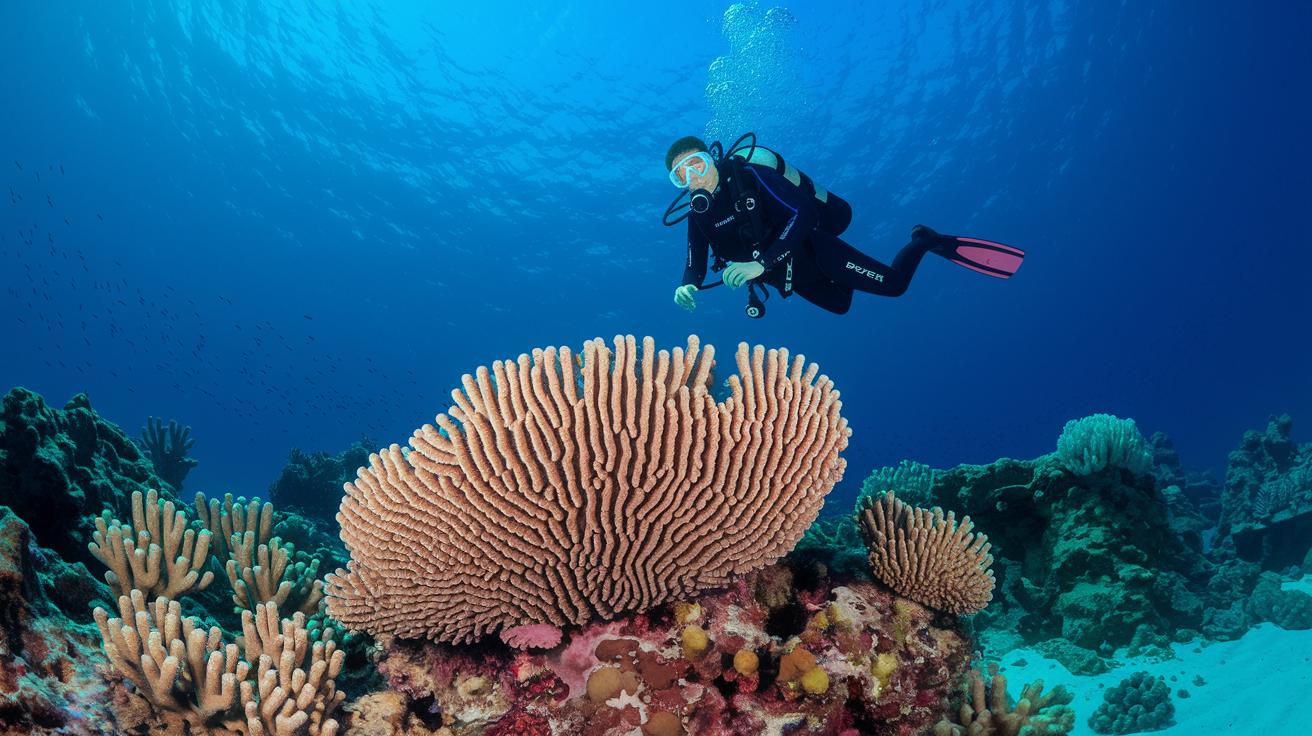
Imagine floating in water so clear that you can see over 100 feet down. The Caribbean’s waters, kept warm between 75 and 85 °F, feel inviting and relaxed, making every dive feel like a dreamy escape. You can almost feel the gentle sway of the ocean currents as you explore a lively underwater world filled with more than 500 fish species and almost 10% of the world's coral reefs. And hey, here's a fun tidbit: before she became the famed scientist we know today, Marie Curie even carried test tubes of radioactive material in her pockets, talk about a surprising backstory!
Next, picture top dive spots like the Cayman Islands, Bonaire, Bahamas, Roatan, and Cozumel. These locations pack a punch with something for everyone. Beginners often start off on shallow reefs, around 30 to 40 feet deep, where the vibrant colors and extra time on the bottom let them really take it all in. On the other hand, if you're a seasoned diver, you'll find challenging wreck dives and mysterious cave systems that are just waiting for you to explore.
Plan your adventure during the best season, from December to April, when the waters are calm and the skies are clear. You'll also find plenty of special promotions during the holiday season from Thanksgiving to Christmas and again in the post-holiday stretch until Presidents’ Day. Whether you're diving for the first time or chasing more thrilling underwater escapades, the Caribbean offers an inviting aquatic getaway that suits every level of experience.
Caribbean scuba diving guide: top dive sites and marine biodiversity
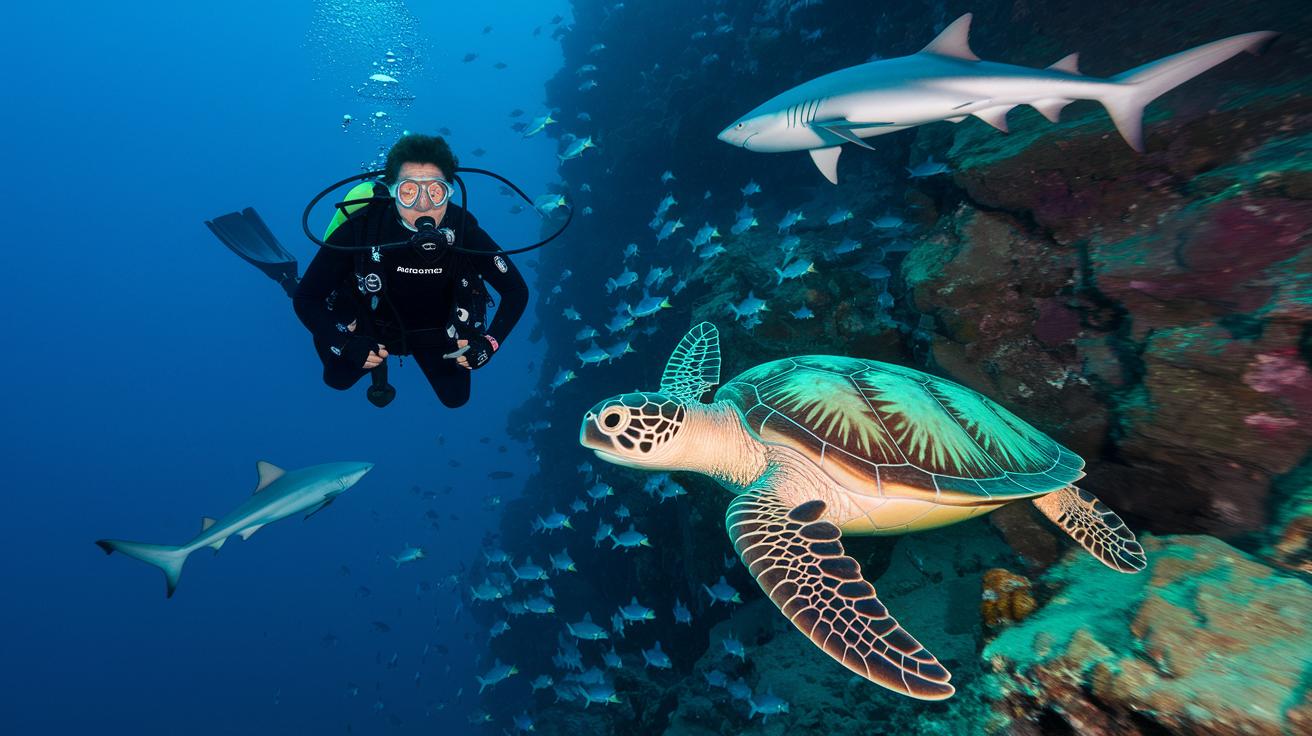
Caribbean divers have a wealth of amazing underwater spots to explore, each with its own unique vibe. Off Grand Cayman, you'll find the Cayman Wall, a dramatic drop that plunges almost 7,000 feet. Here, sea turtles and reef sharks glide by as if dancing in slow motion. Can you imagine diving along a wall that seems to stretch on forever, revealing ancient sea life at every turn?
Bonaire Marine Park is another treasure. Its protected reefs let you simply step off the shore and into a lively underwater world. With over 400 kinds of fish zipping around colorful coral formations, every dive feels like you’re stepping into a living work of art.
Over in the Bahamas, the Blue Hole of Andros invites you to explore a 200-foot-deep freshwater sinkhole. Unique sponges cling to its walls, creating a mysterious and magical scene that sparks encounters with marine life. Then there's Cozumel’s Palancar Reef, where brilliant coral fans known as gorgonians frame a scene that’s hard to forget. A rare, bright yellow toadfish even makes a cameo, adding extra charm to this coral wonderland.
Roatan in Honduras wraps up this list perfectly. Easily reached by nonstop flights, Roatan is home to a barrier reef that offers both historical wreck dives and modern underwater marvels. The new Kimpton Grand Roatan resort, which opened in 2023, makes it even more inviting for divers looking to experience a blend of adventure and beauty beneath the waves.
All these vivid underwater colors and dynamic marine encounters show why the Caribbean is a dream come true for every scuba lover, leaving memories that shine as bright as the tropical sun.
Caribbean scuba diving guide for all skill levels: beginner to advanced
Beginner dive sites & courses
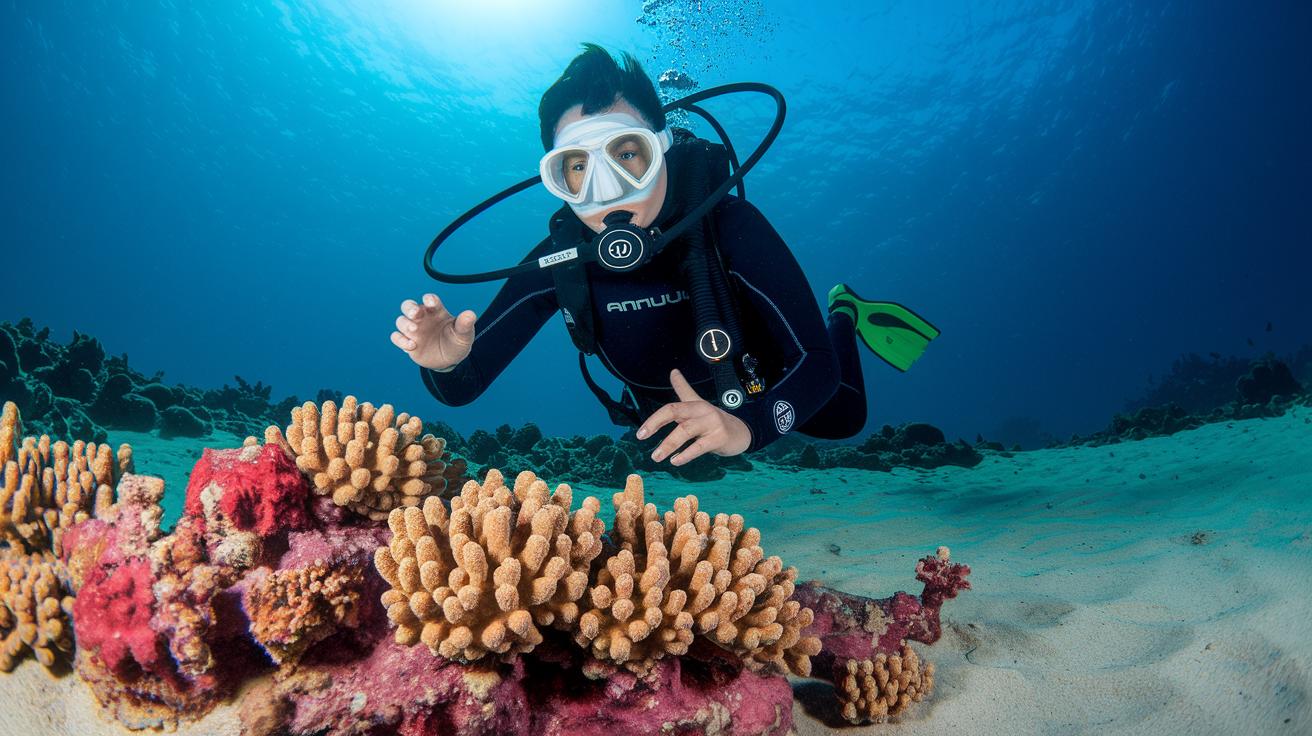
If you’re new to diving, starting with a PADI Open Water referral course before you even arrive is a great idea. Imagine yourself on a shore dive over shallow reefs, about 30–40 feet deep, where you can linger comfortably and soak in the bright, vibrant colors of marine life without worrying about deeper waters. Referral courses are usually easier on your wallet and wrap up in just a few days, whereas resort courses might throw in extra classroom time and gear rentals. It’s a relaxed way to get started and build your confidence in clear and scenic waters.
Intermediate challenges & training
Once you’ve mastered the basics, it’s time to kick things up a notch. Think about exploring the shore dives along the Mesoamerican Barrier Reef or trying a drift dive where the current gently carries you over deeper stretches, sometimes hitting 100 feet or more. At this point, specialty courses like nitrox (a way to enjoy longer dives by using enriched air) and underwater navigation can really polish your skills. These courses help you safely extend your time underwater and manage the natural pull of currents, turning each dive into a smooth, well-practiced adventure.
Advanced dives & certifications
For the seasoned divers among us, even more thrilling challenges await. Dive into advanced adventures like exploring wrecks that lie deeper than 100 feet or mapping mysterious underwater caves in Cayman’s famous Crystal Cave system. In places such as Roatan, you’ll find technical dive centers equipped with the latest dive computers and extra training for wreck penetrations. Check out our step-by-step guide to custom itineraries if you need expert help planning dives that match both your certification level and your personal interests.
Caribbean scuba diving guide: gear and equipment checklist
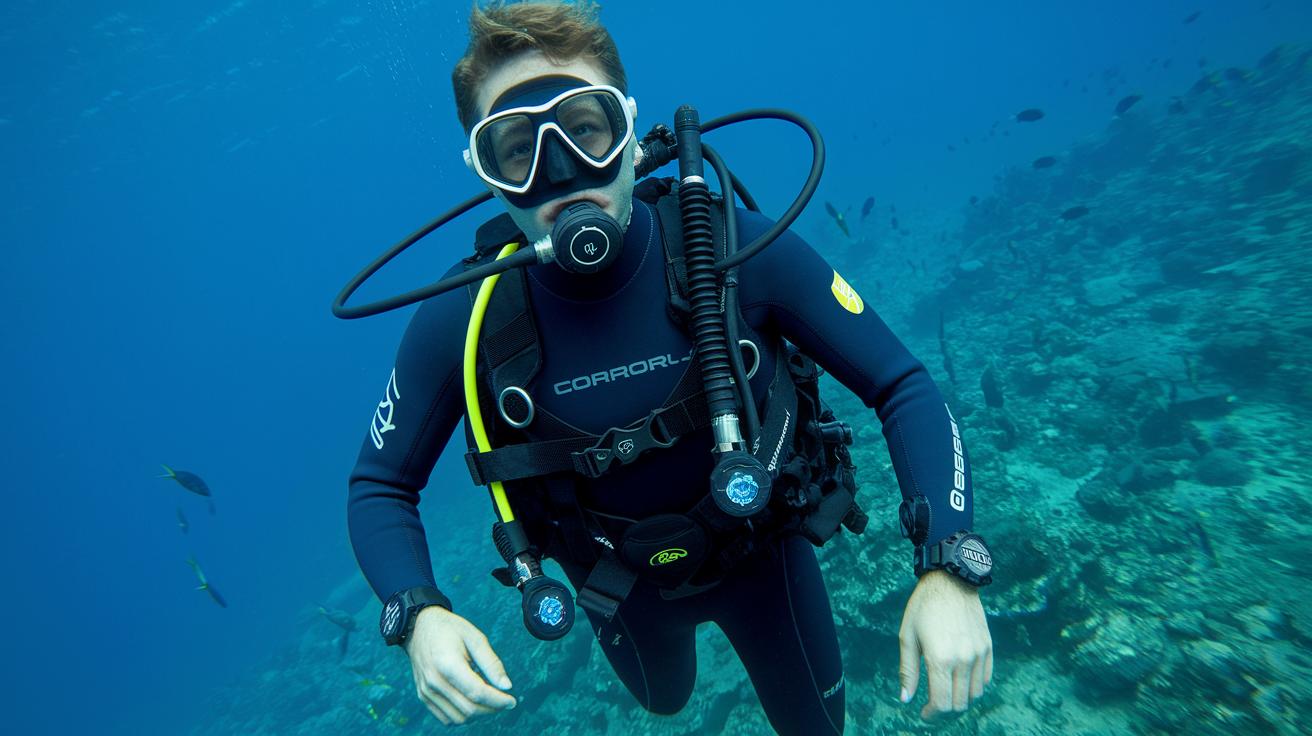
When you’re headed for a Caribbean dive, having the right gear really makes a difference. Picture yourself in water that’s a comfy 75 to 85°F, you’ll want a light wetsuit, something around 3 mm to 5 mm thick, to keep you cozy and safe.
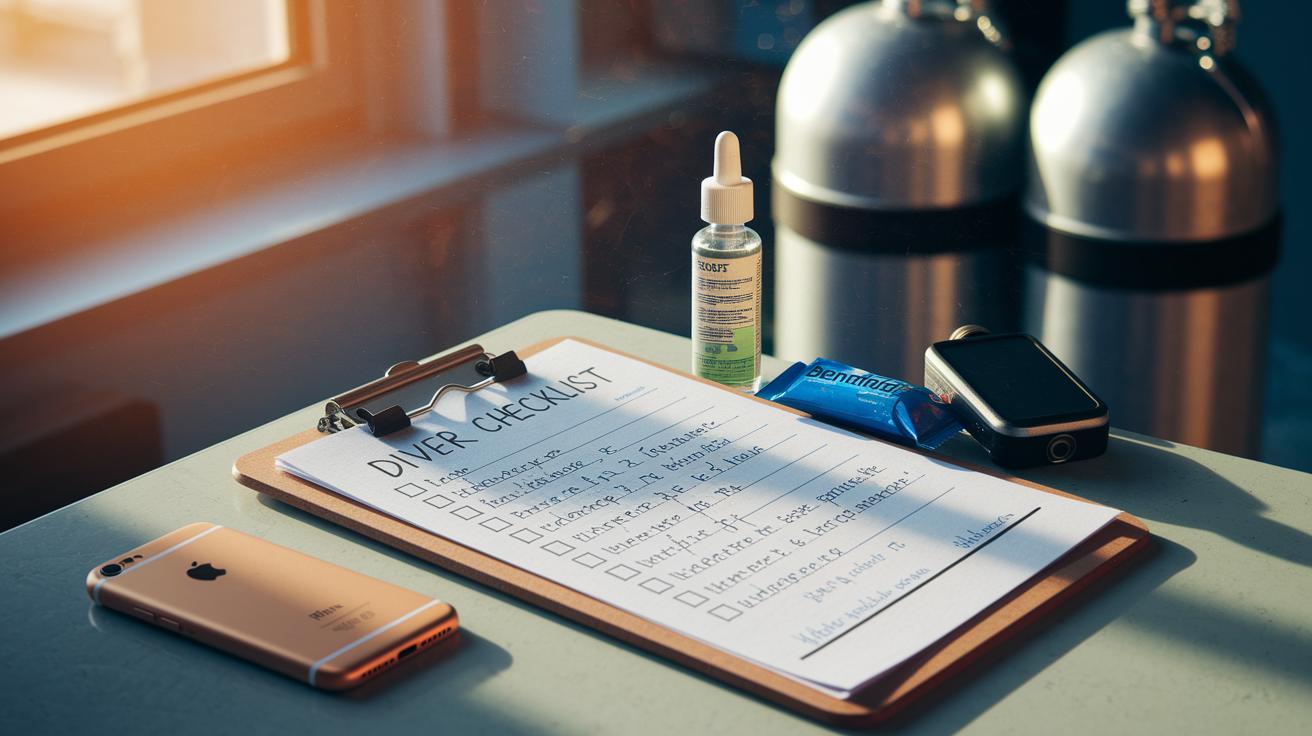
Here’s a friendly checklist for your dive:
• Must-have items:
- Regulators to keep your air flowing smoothly.
- A buoyancy control device (BCD), which helps you float with ease.
- A dive computer so you can keep an eye on your depth and time underwater.
- A weight belt to help balance your buoyancy.
• Extra essentials:
- Alcohol-based ear drops to keep your ears dry and bacteria-free.
- Topical Benadryl to ease any little allergies or minor sun effects after your dive.
Before renting any gear, take a few minutes to inspect it. Look over your hoses to catch any wear, test the alternate air source to be sure it works well, and check the cylinder’s hydro date so there are no surprises once you submerge.
Local dive shops usually offer quality BCDs and masks. Some divers even bring their own fins for that extra perfect fit. Enjoy your adventure and happy diving!
Caribbean scuba diving guide: safety protocols and emergency tips
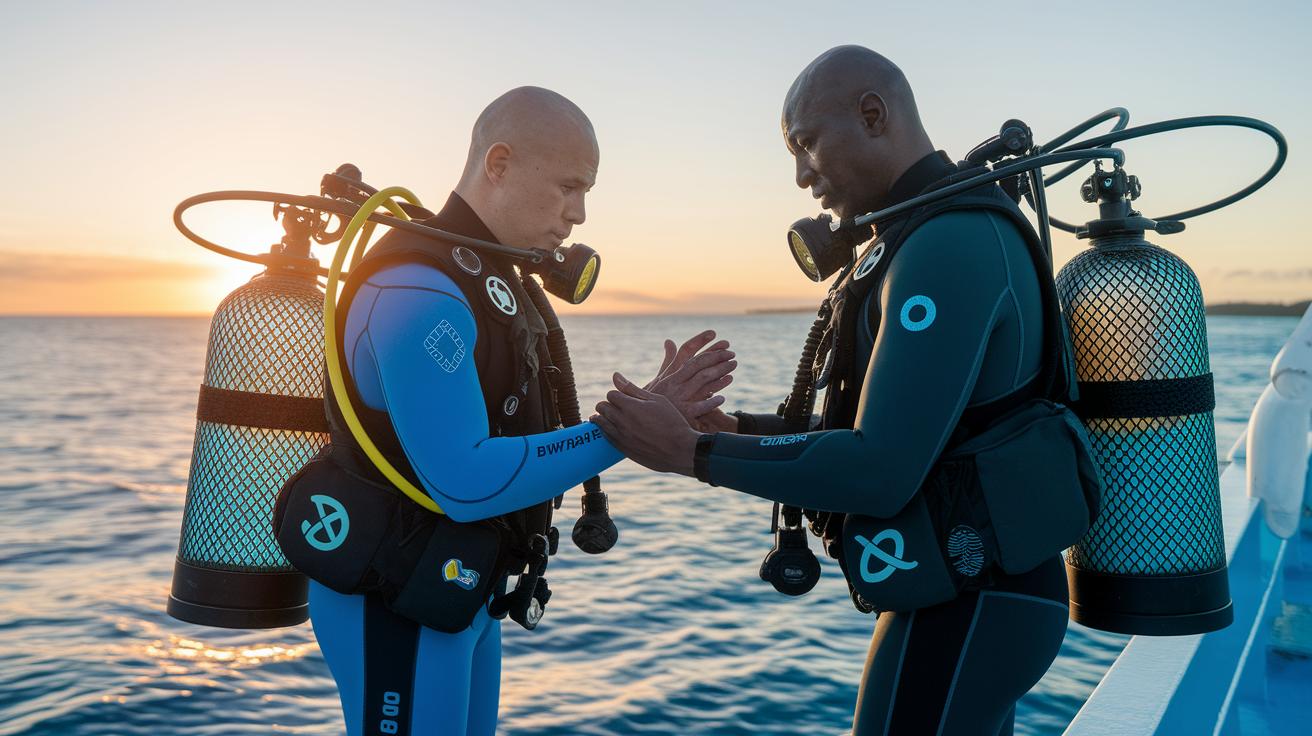
Before every dive, make sure you do a buddy check with your friend using the BWRAF method. That means you check your BCD, weights, releases, and air, and then give each other a final OK. Think of it like comparing shopping lists, you want to be sure you haven’t left anything out.
As you begin your dive, remember to equalize the pressure in your ears every few feet down. It’s a bit like slowly blowing up a balloon so it doesn’t pop. This small step keeps you comfy and helps you avoid any painful surprises.
Try starting your dives at 7 a.m. or 4 p.m. when the boats are less busy. This makes it easier to relax and chat with your buddy. And don’t forget: follow your dive limits closely, taking a 3-minute safety stop at 15 feet to let your body adjust slowly, it really can be a lifesaver.
Always bring a signal surface marker buoy and a whistle when you’re above water. These tools make you visible to boats if any luck runs out. And if you’re on a dive boat with two tanks, it’s nice to tip about $20 per diver to show your thanks for the great service.
Before you head out, check the local health and dive rules on the Caribbean travel advisory site to stay safe and informed. Enjoy your dive, and keep the Caribbean magic alive!
Caribbean scuba diving guide: booking dive operators & custom itineraries
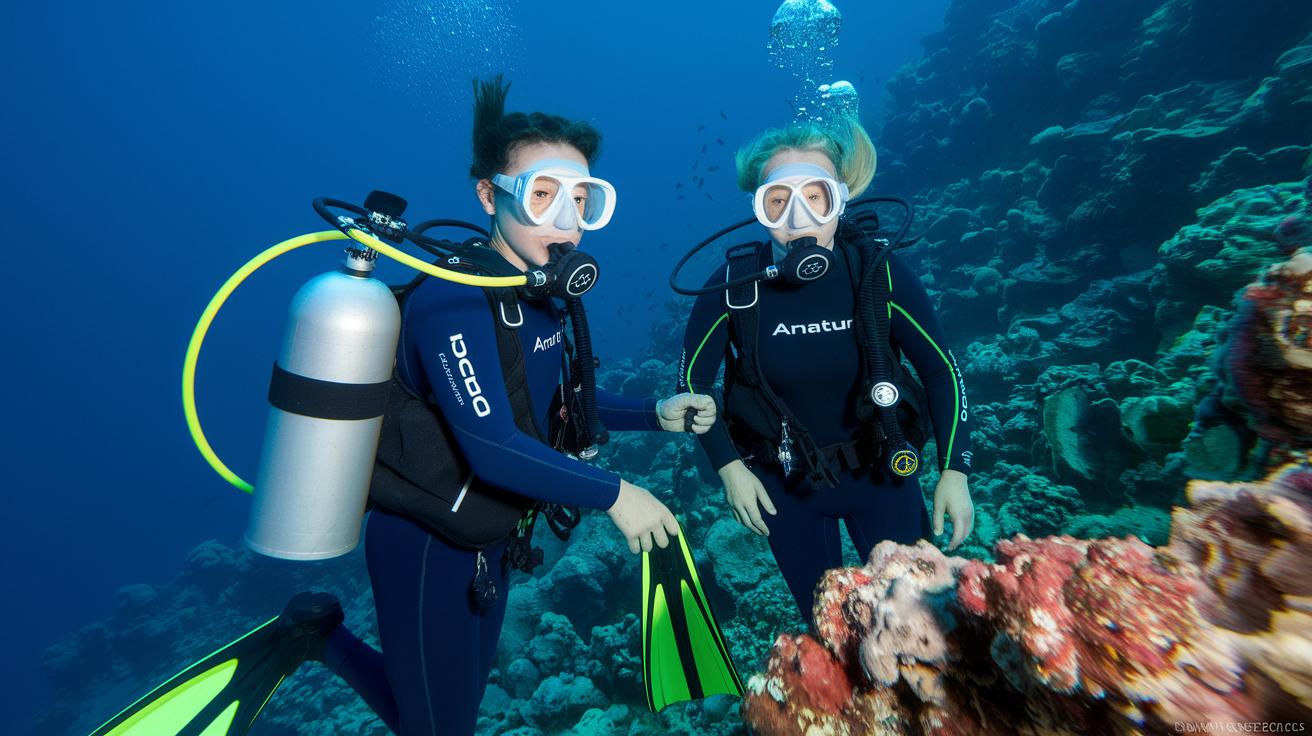
Resort dive centers, like Kimpton Grand Roatan (opened in 2023), make planning your dive day a breeze. They offer daily two-tank boat trips and nitrox fills (that's oxygen-enriched air for a smoother dive), along with top-notch onsite equipment and expert tips. With a set day-boat schedule, you can hop quickly from one colorful dive site to another, all while knowing you're in good hands.
Liveaboard charters in the Bahamas and British Virgin Islands let you truly sink into the Caribbean vibe. These trips span several days so you can explore quiet, far-off reefs and even go for night dives under a soft glow of stars. Onboard, you’ll find cozy cabins and satisfying meal services, which means you only need to focus on the wonder of the underwater world. Their itineraries cover vast areas, revealing hidden spots beyond the ordinary day trip.
For a more customized adventure, private charters in the British Virgin Islands offer tailored dive schedules. Local experts can put together group trips with dawn dives, nocturnal fish-watching, or special excursions that match your diving skills and interests. You can design a plan that fits any group size and budget, whether you’re keeping it affordable or looking to splurge. And if your crew includes non-divers, why not pair your scuba dives with Caribbean snorkeling tours for a fun adventure on the surface?
Caribbean scuba diving guide: seasonal timing and regional conditions
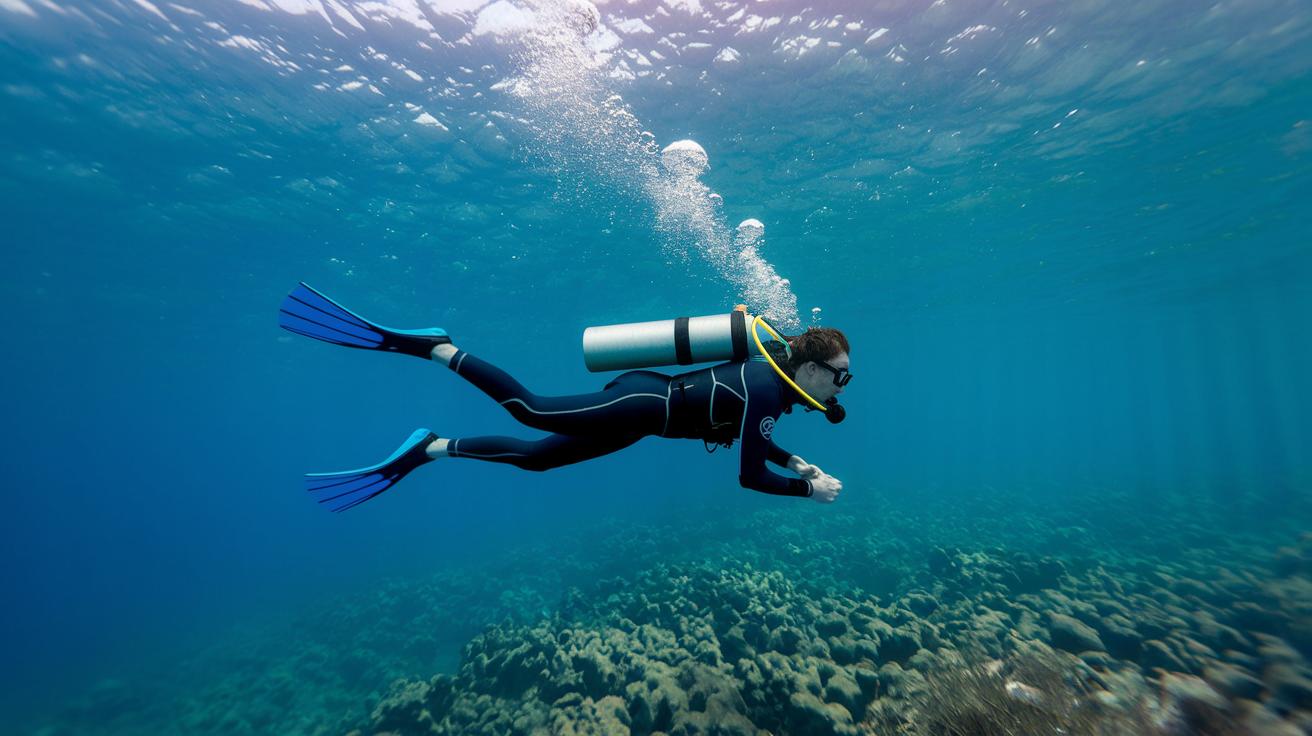
Caribbean diving can change a lot depending on when you decide to jump in. From December to April, it's the dry season, meaning the sea is calm, the water is crystal clear, and there’s hardly any rain. You'll love the way the ocean feels during this time, it’s like walking into a cool, refreshing pool. The water stays pleasant too; in winter it’s around 75°F, and in summer it warms up to about 85°F. A light 3 mm wetsuit is usually all you need if you’re leaning towards the warmer side.
Between June and November, the weather shifts because it's hurricane season. Big storms are best avoided, but some southern spots can still offer great dives. Many divers enjoy the strongest drift dives in the afternoon when the currents push you along in a natural ride, while early mornings bring calmer water perfect for easing into your adventure. Plus, if you’re diving around June or July after a full moon, you might catch coral spawning, a beautiful, natural event where marine life puts on a spectacular show. Keep these seasonal trends in mind, and you’ll be set for a truly memorable diving experience.
Caribbean scuba diving guide: eco-friendly practices & conservation
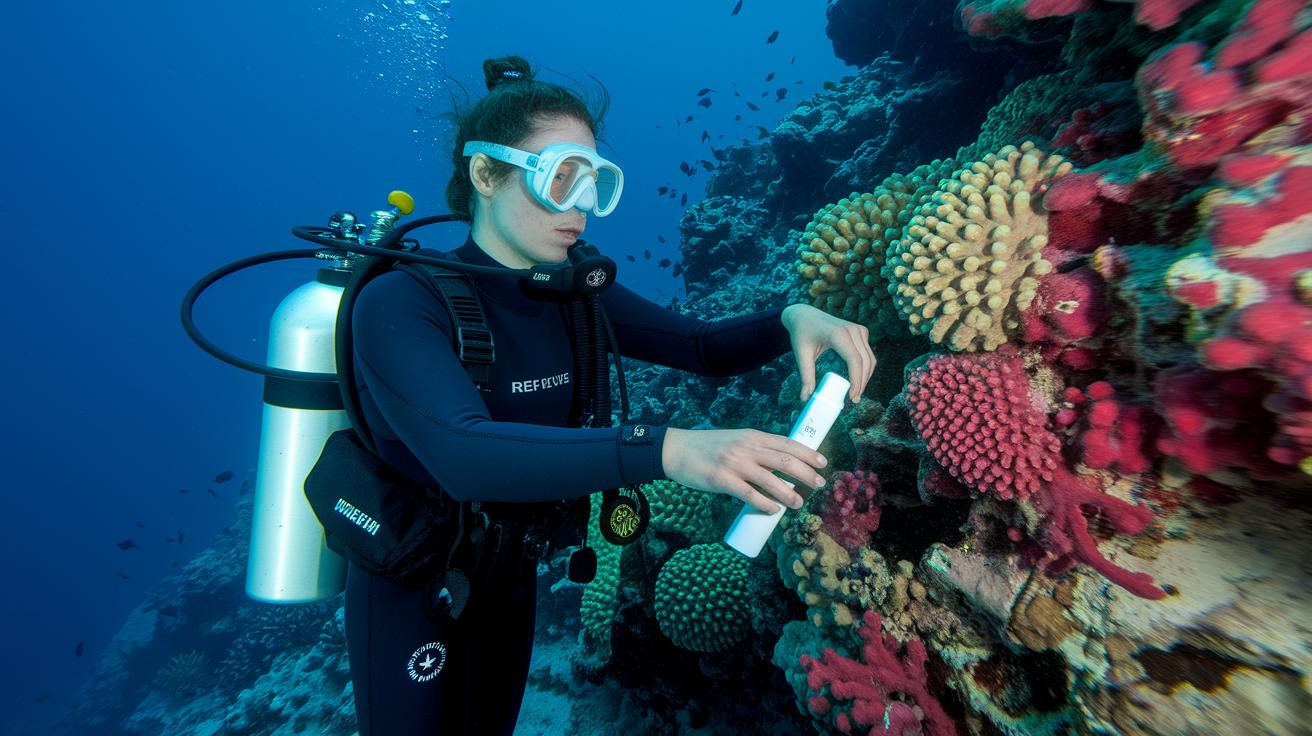
Caribbean reefs cover about 10% of the world's coral habitats, so it's super important to treat them with care. Try not to disturb the reef surfaces when you're diving, and always use reef-safe sunscreen to keep harsh chemicals out of the water. Rinse your gear after every dive to wash off any leftover residues.
Next, support dive operators who actively work on reef restoration projects like coral nurseries and regular clean-ups. By choosing these teams, you're helping keep marine life vibrant and healthy. When it's time to anchor your dive boat, steer clear of reef areas and always follow local marine park rules, such as honoring no-take zones.
Also, consider joining volunteer programs that monitor reef health. These programs let divers keep an eye on the reefs and manage issues like invasive species, ensuring everyone enjoys a sustainable, low-impact diving experience.
Caribbean scuba diving guide FAQ: common diver questions
We’ve shuffled things around to keep our guide clear and easy to follow. Every unique FAQ point now lives in the section where it fits best.
For example, if you’re just getting started, you’ll find all the certification rules in the beginner’s section.
If you’re checking out what gear to pack, our checklist now includes handy tips on items like alcohol-based ear drops, topical Benadryl, and dive computers.
Tipping advice is now right with the dive boat safety guidelines, especially for boats with two tanks.
Worried about low visibility? There’s useful info on using dive lights safely in the safety section.
And if you’re planning your trip, you’ll also see travel insurance advice neatly tucked into the travel planning part.
Final Words
In the action of planning your next dive, this article covered a clear roadmap, from water conditions and marine life highlights to gear tips and safety checks. We explored top Caribbean dive spots for all skill levels while pointing out tips on how to book dive operators and plan itineraries that fit your style. With a wealth of local insights and eco-friendly practices at hand, this caribbean scuba diving guide helps you set up a memorable and refreshing underwater adventure. Enjoy your time beneath the waves and embrace every sunlit moment.
FAQ
Where can I find a free Caribbean scuba diving guide PDF?
The free Caribbean scuba diving guide PDF offers clear tips on dive sites, gear, and safety protocols to help you plan a fun and hassle-free underwater trip.
What is the best Caribbean scuba diving guide for beginners?
The best Caribbean scuba diving guide for beginners covers easy dive sites, basic gear advice, and simple safety checks, perfect for those taking their first underwater plunge.
What are the best times for diving in the Caribbean during November and December?
November and December provide pleasant weather and calm seas for Caribbean dives, with operators offering holiday deals. Conditions can vary by location, so check local updates before your dive.
What can I expect from scuba diving in the Caribbean?
Scuba diving in the Caribbean means vibrant underwater life, crystal-clear waters, and diverse sites ranging from shallow reefs to deeper regions that cater to all diver skill levels.
What is shore diving in the Caribbean?
Shore diving in the Caribbean means you can enter the water directly from the beach and enjoy easy-access reefs. It’s a convenient option for divers looking to explore colorful marine habitats.
Which Caribbean islands offer the best scuba diving experiences?
Many divers favor islands like Bonaire, Turks and Caicos, Belize, Dominica, Cayman Islands, and Curaçao for their unique reefs, marine life, and varied dive sites for all skill levels.
What does the 120 rule in scuba diving mean?
The 120 rule in scuba diving refers to a guideline for managing air use and safety stops during a dive. It helps divers stay within safe limits, though specifics can vary by training.
What does the 1/3 rule in scuba diving mean?
The 1/3 rule in scuba diving means using no more than one-third of your air supply underwater, keeping the rest in reserve for a safe return and decompression stops.
When is the best time to avoid diving in the Caribbean?
It’s best to avoid diving in the Caribbean during the hurricane season, generally from June through November, to steer clear of stormy weather and rough conditions.
