Ever thought about life feeling as smooth as a calm sea? Caribbean sailing is so much more than just hopping between small, colorful islands with sparkling waters. It invites you to relax deeply and gather memories you'll cherish forever.
In this guide, I'll share the best months to set sail, give you tips on picking a boat that feels just right for your floating getaway, and offer simple safety advice so you can enjoy every sunlit moment without worry.
So get ready to lift anchor, feel the cool ocean breeze, and let each sunset remind you of the magic that awaits on your next island adventure.
Caribbean Sailing and Yachting Travel Guide: Pure Bliss
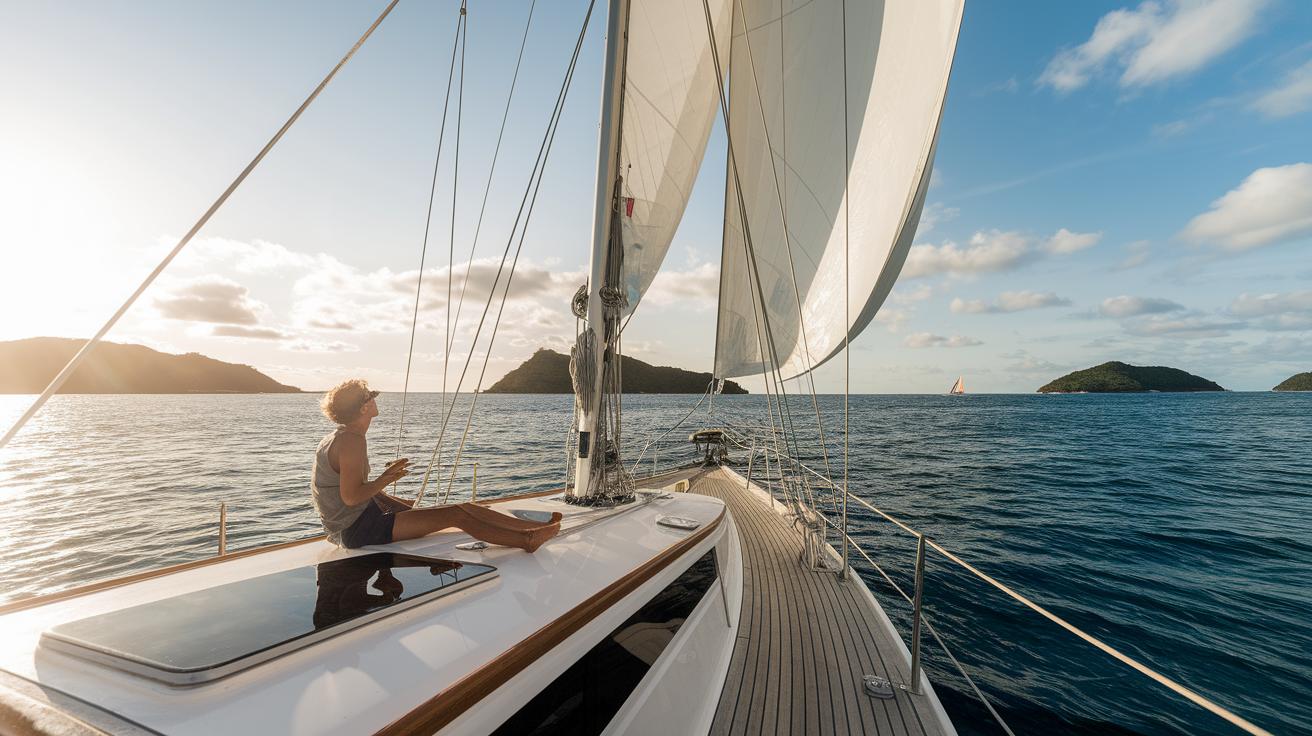
The best time to enjoy a Caribbean sailing adventure is from December to June. During these months, the skies stay dry and the trade winds, usually between 10 to 20 knots, create a perfect environment for smooth cruising. Popular spots like the British and US Virgin Islands make great launching points for short sail trips, while Florida is your go-to gateway for longer journeys to places like Cuba, Puerto Rico, and the Spanish Virgin Islands. Imagine yourself on a sunlit deck with a cool breeze, drifting effortlessly from one island paradise to the next.
Safety is always a top priority on any sea adventure. It’s a good idea to have travel insurance on hand for any unexpected bumps along the way. Also, keep a close watch on weather reports so you can avoid those pesky squalls. Some areas, particularly near Honduras and Venezuela, need extra caution because of piracy. Think of it like locking your door at night, staying updated with the weather and securing proper coverage will keep your journey as smooth as a calm sea.
This friendly guide not only gives you the best seasonal tips but also helps you pick the right boat to call your floating home. For longer trips, liveaboard boats between 37 and 45 feet offer a cozy and practical choice. Smaller boats, those under 32 feet, might feel a bit snug if you’re planning an extended stay aboard. With practical advice on where to start your journey, how to size up your vessel, and keeping safety in mind, your Caribbean cruise is set to turn each sunset into a delightful memory.
Planning Caribbean Sailing Routes and Itineraries
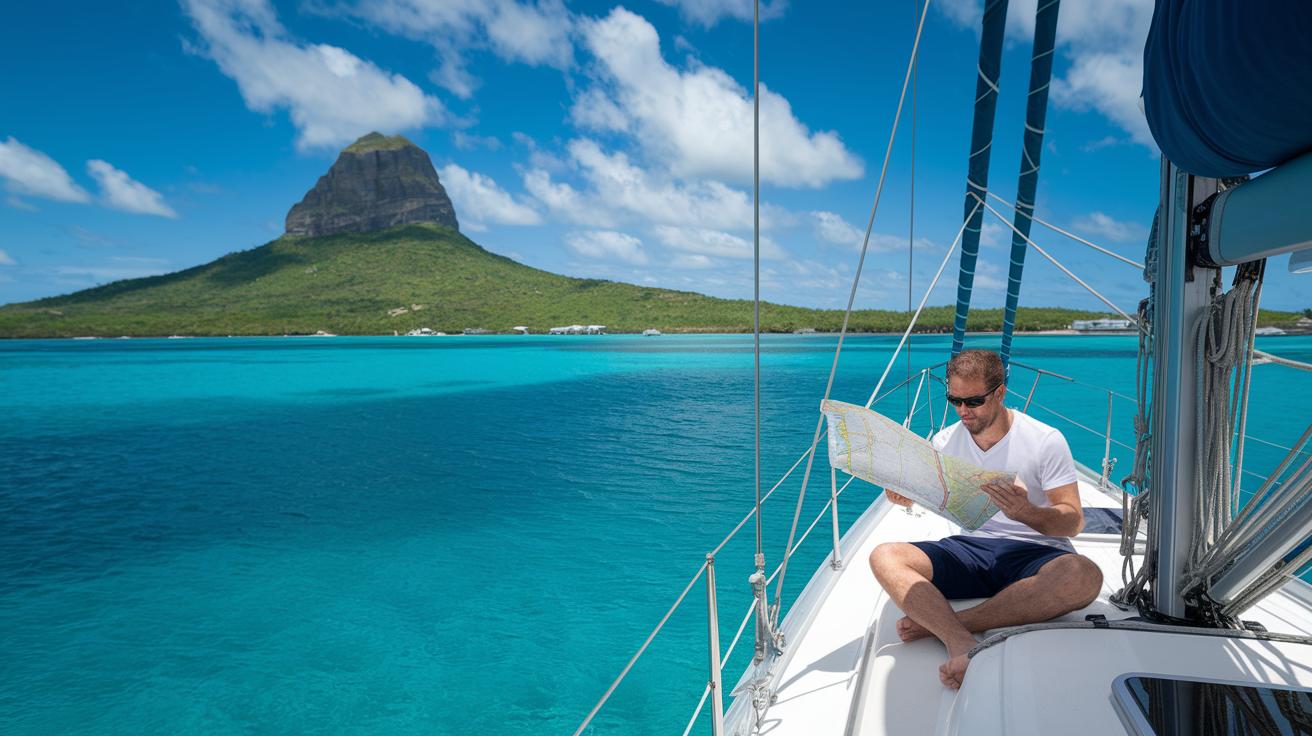
Planning your Caribbean sailing trip is like map-reading for a dreamy island getaway. First, think about how much time you have and how comfortable you are on the water. Then, choose easy, sheltered spots to stop at and plan your route with short hops between islands. This way, whether you're off for a quick escape or an extended adventure, everything flows smoothly.
For a simple 5-7 day trip, try exploring 3-5 islands like Tortola, Virgin Gorda, and Jost Van Dyke where the waters are calm and safe. If two weeks sounds more like your style, spend time in the British and US Virgin Islands with plenty of chances to taste local food, check out culture, and relax. And for those with a longer goal, a six-month journey might be just the thing. You can chart a course through the Grenadines, Leewards, and Windwards, and even loop several islands. If you need more details, check out the Complete Guide to Caribbean Island Hopping.
Plan your stops like you’d prepare a fresh tropical salad, mixing easy sailing stretches with moments to truly enjoy island life. Keep the wind in your sails and the sun on your face, and you'll soak in the best of Caribbean sunshine, sea breezes, and local charm.
Top Caribbean Sailing Destinations and Marinas
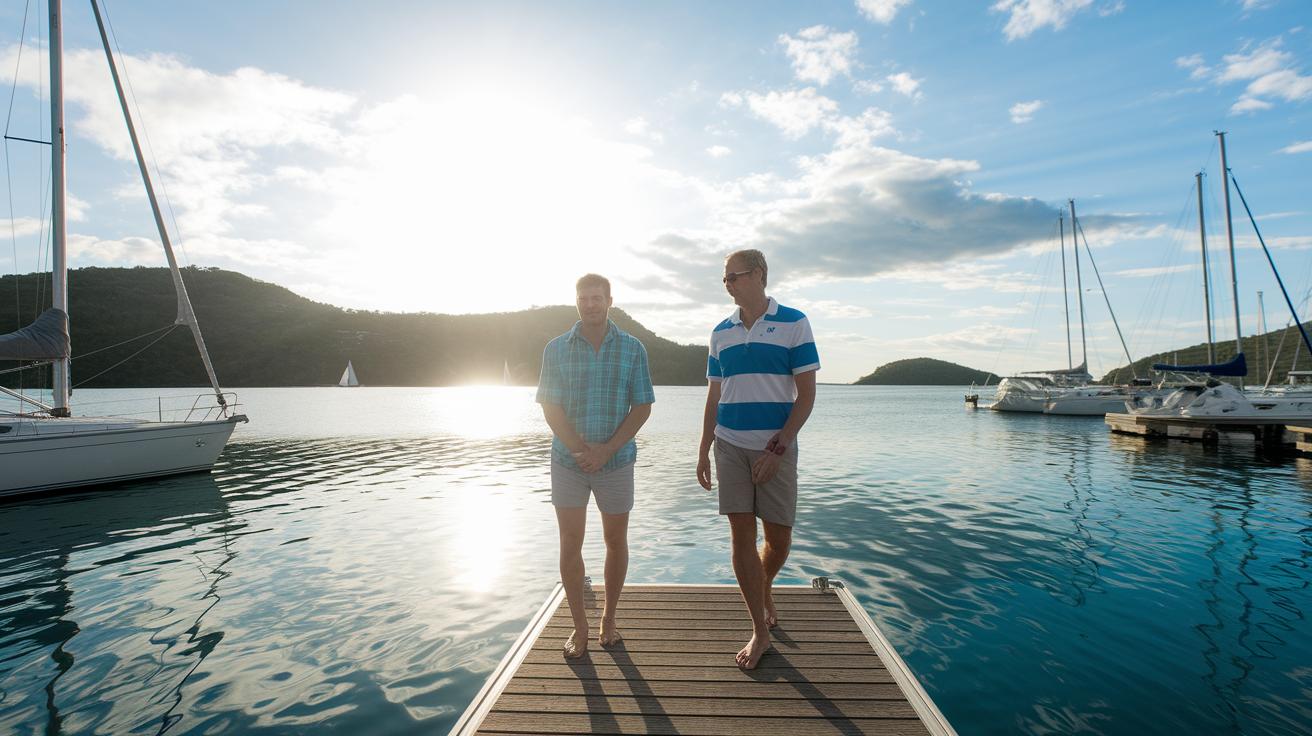
The Caribbean is full of lively ports that let you really taste island life. Imagine arriving at a marina where you can explore local culture, get great service, and feel the buzz of the place. Many sailors start their journeys in the British Virgin Islands, a busy spot where you can join guided tours right from the marina. Just a short sail away, the Spanish Virgin Islands offer a peaceful spot to drop anchor and enjoy the quiet waves. And then there's St. Martin, where stocking up on supplies is a breeze, fuel stops are smooth, and customs are simple, making it a perfect little pause on your tropical adventure.
Head further to the Windward Islands for even gentler seas and less crowded waters, ideal for taking your time and exploring. You can also savor the island vibes in Jamaica with its catchy music and delicious jerk chicken, or wander along the rainy trails of Puerto Rico, where every step feels like a fresh embrace from nature. And if you love snorkeling, the Bahamas' clear, inviting waters are a must-see. Every port has its own unique charm and handy amenities, so every sailor can find a spot that feels just like home.
- British Virgin Islands
- Spanish Virgin Islands
- St. Martin
- Windward Islands
- Jamaica
Yacht Charter Options and Booking Strategies
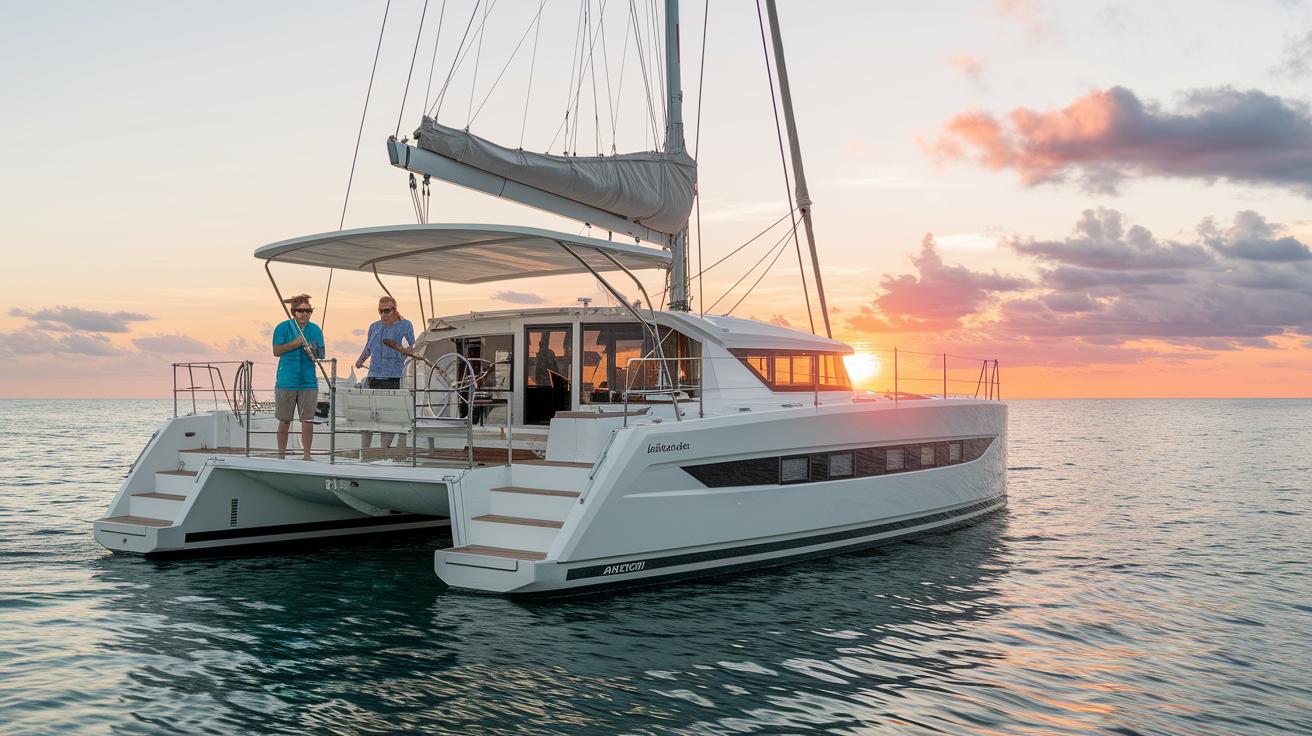
When you're dreaming of a Caribbean getaway, you can choose between a bareboat or a crewed charter. With a bareboat option, you steer your own course and enjoy complete freedom to explore the open sea. If you’d rather have a friendly crew guide you through hidden coves and local spots, a crewed charter is just the ticket for a hassle-free adventure.
A crewed charter works great for short trips when you want local know-how and extra help along the way. On the flip side, if you love the idea of calling all the shots on a longer journey, a bareboat charter might be more your style.
| Charter Type | Crew | Size Range | Price Range |
|---|---|---|---|
| Bareboat | No | 37-45 ft | Moderate to High |
| Crewed | Yes | 50-90 ft | High |
| Luxury Rally Entry | Crew Included | Varies (Oyster models 495 to 885SII) | Premium |
When making your decision, think about the balance between comfort, cost, and hands-on experience. During peak season from December to April, prices can climb because everyone is chasing those perfect tropical conditions. But if you head out in May or June, you might enjoy friendlier rates with still-nice weather. And if a prestigious, one-of-a-kind event sounds exciting, the Oyster World Rally 2028-29 offers a limited entry that promises a taste of luxury like no other.
By weighing the yacht size, the level of crew support, and seasonal pricing, you can design a Caribbean voyage that combines ease, a touch of opulence, and that irresistible sense of freedom.
Sailing Gear, Provisioning, and Onboard Equipment
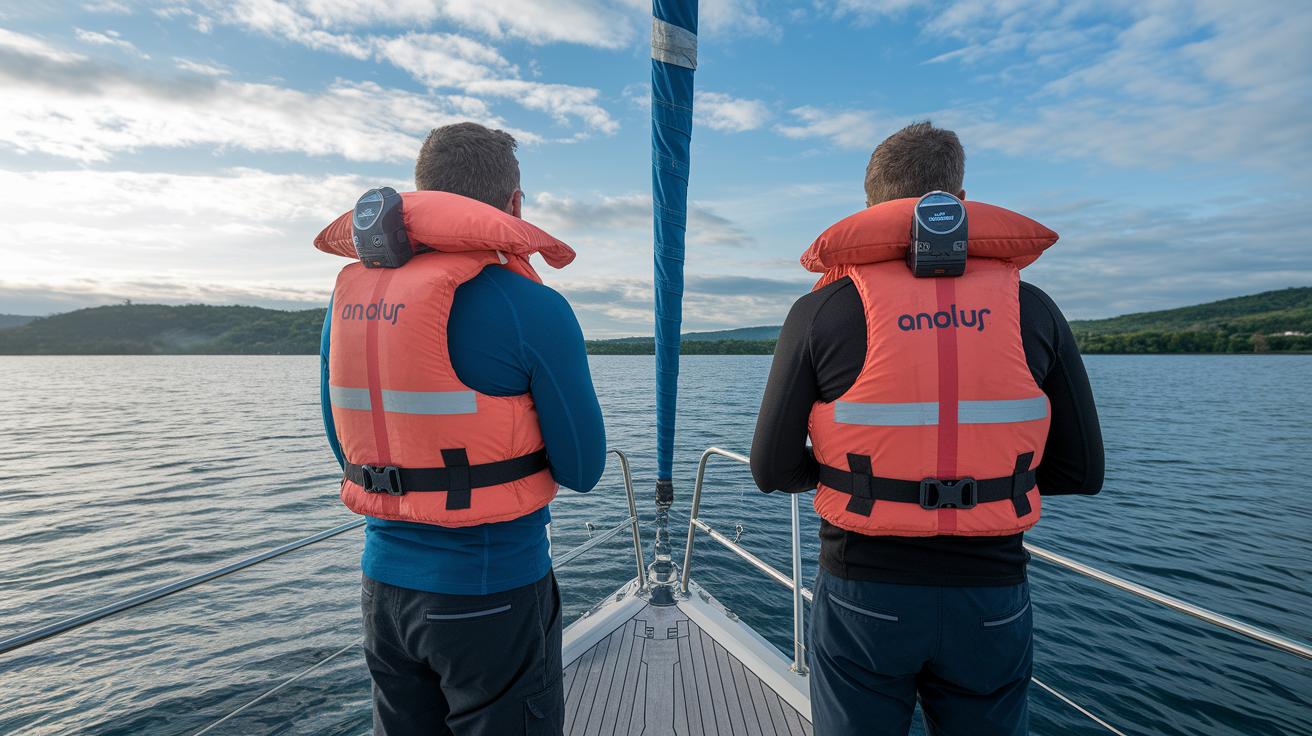
Get ready to set sail with gear that makes every journey safe and smooth. A trusted mix of navigation and safety tools like a GPS (your digital route guide), a compass, a radar, and life jackets is all you need to feel secure out on the open waters. Even simple tools like flares and a reliable anchor prove their worth under a sky full of stars.
Planning your trip isn’t just about safety, it’s also about packing smart. Bring along lightweight clothes, reef-safe sunscreen (safe for the ocean), a stylish hat, and cool sunglasses to keep you protected under the bright Caribbean sun. Imagine a cozy 37-45 ft yacht that comfortably sleeps 4-6 guests. With clever touches like a solar-bimini hardtop, you can keep cool while enjoying the sun’s energy. For extra tips on smart provisioning and mapping out your route, check out our custom multi-city itinerary planning tool.
Here's a quick checklist of what you'll need:
| Gear | Description |
|---|---|
| GPS | Your digital guide for steering the right course |
| Compass | Helps you know which direction to go |
| Radar | Keeps an eye on nearby objects for extra safety |
| Life Jackets | Essential gear to keep everyone safe |
| Flares | Handy signals for emergencies |
| Anchor | Keeps your boat secure and steady |
| Reef-safe Sunscreen | Protects your skin while caring for our ocean |
| Lightweight Clothing | Comfy and practical for a sunny day at sea |
With these essentials on board, you're well prepared to explore the clear, sparkling waters. Enjoy the thrill of smooth sailing and the comfort of a well-planned journey. Imagine the warm breeze, the sound of gentle waves, and the joy of adventure waiting just for you.
Boating Safety and Navigation Best Practices
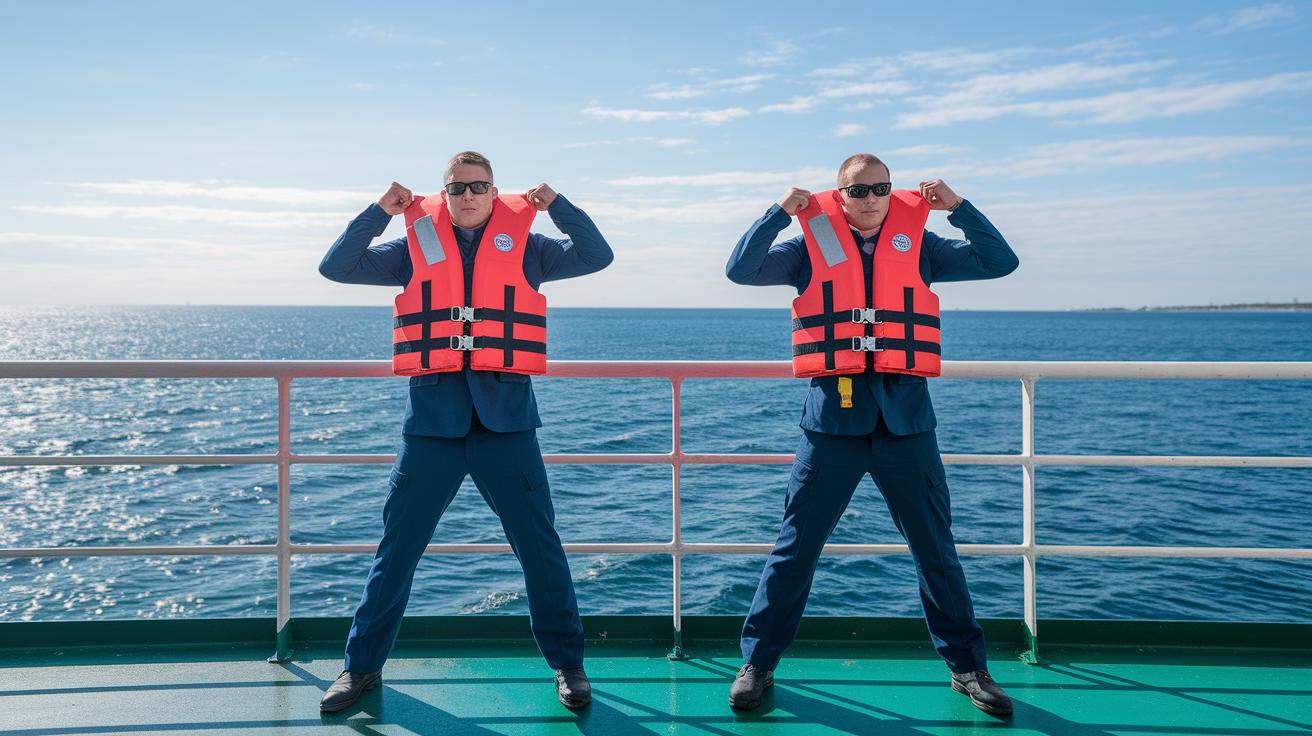
When you're ready to set sail across the Caribbean, it's all about feeling safe and sound while enjoying every wave. Take a moment to plan clear steps that can keep any surprises at bay. A few simple checks and drills go a long way in making sure everyone feels secure and ready.
First, double-check that every life jacket fits well and set aside time for brief safety drills so everyone onboard knows what to do. Next, give a quick look at your fire extinguishers and other emergency gear like flares to make sure they're in tip-top shape before leaving the dock.
Then, keep an eye on the sky and sea by studying daily weather charts and checking satellite forecasts, this way, you can spot changes in conditions as they happen. And if you ever need to call for help, use VHF Channel 16 for distress calls and keep local coastguard contacts updated. Plus, when visiting places like Puerto Rico or Cuba, don't forget to complete the necessary customs clearance while staying alert to any piracy warnings.
By practicing these simple steps, you're setting up a secure routine where safety is part of your everyday adventure. Regular drills, clear communication, and a careful watch on weather and procedures really make a difference. Enjoy your journey knowing that you're well-prepared for both little hiccups and bigger surprises along the way.
Best Time to Sail: Seasonal Weather and Conditions
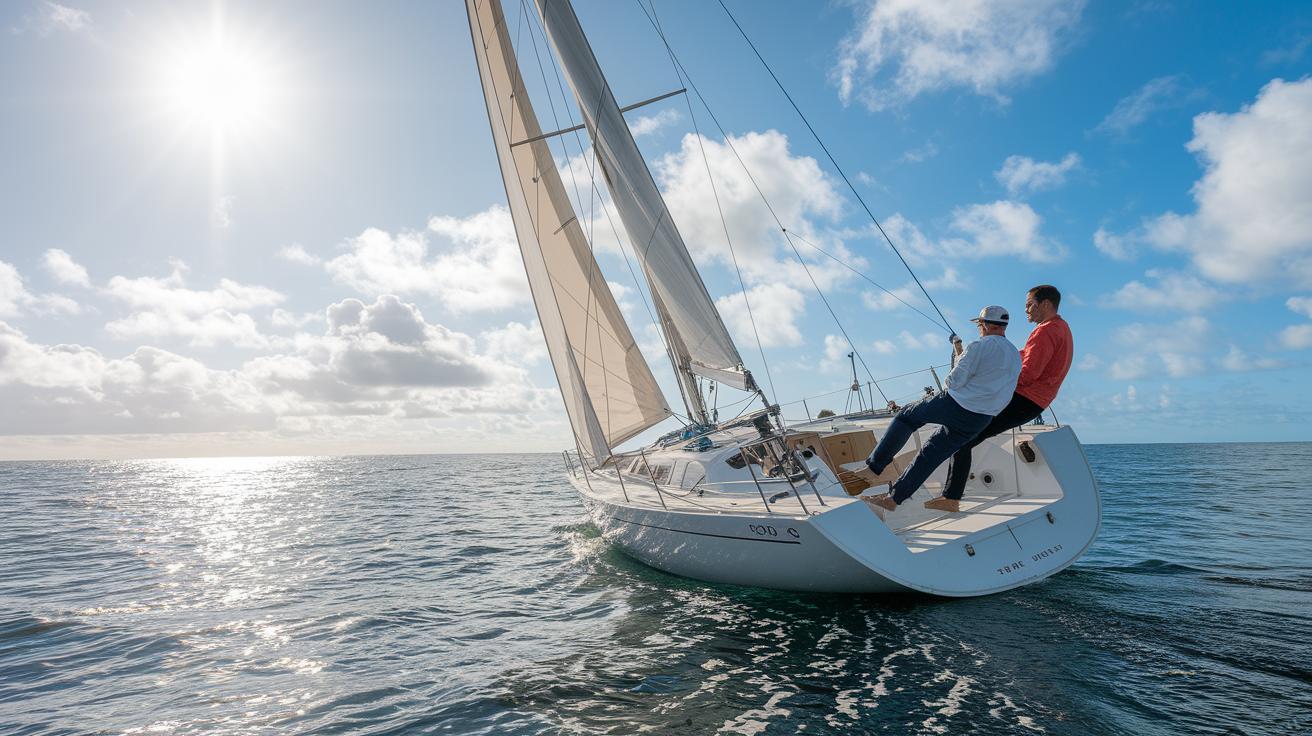
If you’re dreaming of a Caribbean adventure, the best time to set sail is from December to April. During these months, you’ll enjoy clear skies, calm seas, and gentle, steady trade winds (that’s the natural breeze that guides your sail) making the whole experience smooth and easy. It’s like nature is giving you a big thumbs up, especially if you’re new to sailing.
On the other hand, if you’re looking to save a bit on costs, the period from June to November might tempt you with lower charter rates. Just remember, this is hurricane season, so storms can show up without warning. It’s a bit like planning a picnic when you know clouds might gather, you need extra care and a flexible plan.
Different islands bring their own unique breezes. The Leeward Islands, for instance, often have a bit more wind, which can speed things up but also means you might need to handle your sail with a little extra caution. Meanwhile, the Windward Islands offer softer winds, making it a friendly spot for beginners to get comfortable on the water.
Here’s a quick look at what to expect:
| What to Expect | Details |
|---|---|
| Clear skies & steady trade winds | Best from December to April |
| Warmer, sunnier weather | Extra friendly vibes during the optimal window |
| Lower charter rates | Available during hurricane season (June–November), but with added risks |
| Stronger winds in the Leeward Islands | A bit of extra speed, so steer carefully |
| Gentler winds in the Windward Islands | A laid-back pace great for beginners |
So, whether you’re a seasoned sailor or just starting out, keeping these tips in mind will help you feel ready to soak up the Caribbean sun and breeze. Enjoy planning your trip, and let the island magic guide your journey!
Final Words
In the action, we explored everything from choosing the best channels to set sail, planning island stops, and packing the right gear. We touched on safety protocols and the best seasons to enjoy clear skies and cool breezes.
Our tips make planning stress-free and fun. Keep these in mind as you prepare for an unforgettable trip with the Caribbean Sailing and Yachting Travel Guide. Enjoy the sun, the sea, and all the surprises of the islands!
FAQ
What does a great Caribbean sailing and yachting travel guide offer including PDF, beginner tips, and quality recommendations?
A quality guide covers seasonal advice, popular ports, vessel sizes, safety tips, and insider advice—all in accessible formats like a PDF, making it perfect for beginners and seasoned sailors alike.
What is the 10% rule for yachts?
The 10% rule for yachts advises budgeting an extra 10% of your charter cost to cover gratuities and unexpected expenses, helping you plan your trip with confidence.
What is the best month to sail in the Caribbean?
The best month to sail in the Caribbean is often December, when dry weather and steady trade winds combine to offer excellent sailing conditions and beautiful island views.
What is rule 42 in sailing?
Rule 42 in sailing establishes safe practices for managing large sails like spinnakers during maneuvers, emphasizing proper control to keep all onboard secure.
What is the 24m rule for yachts?
The 24m rule for yachts means boats over 24 meters are subject to stricter regulations, often requiring additional certifications and crew to maintain safety and compliance.
