Have you ever thought of a port as more than just a place where ships dock? Caribbean ports greet you like an old friend, inviting you to explore their sun-soaked shores, bustling markets, and little pockets of local charm.
Imagine stepping off a boat and feeling the warm sea breeze on your skin while the soft murmur of waves sets the perfect backdrop for your adventure. These ports aren’t just stops on a map; they’re little islands within islands where every corner holds a surprise.
Each port weaves together laid-back relaxations with bursts of lively local life. It’s like planning your day as you would a fresh tropical salad, start with the essentials, add a mix of vibrant experiences, and enjoy every moment as you discover cozy cafes, spirited street vendors, and hidden treasures along the shoreline.
Next time you visit the Caribbean, let these ports become your gateway to unforgettable island memories. After all, the journey is just as magical as the destination.
Overview of Caribbean Ports: Scope, Functions & Key Destinations
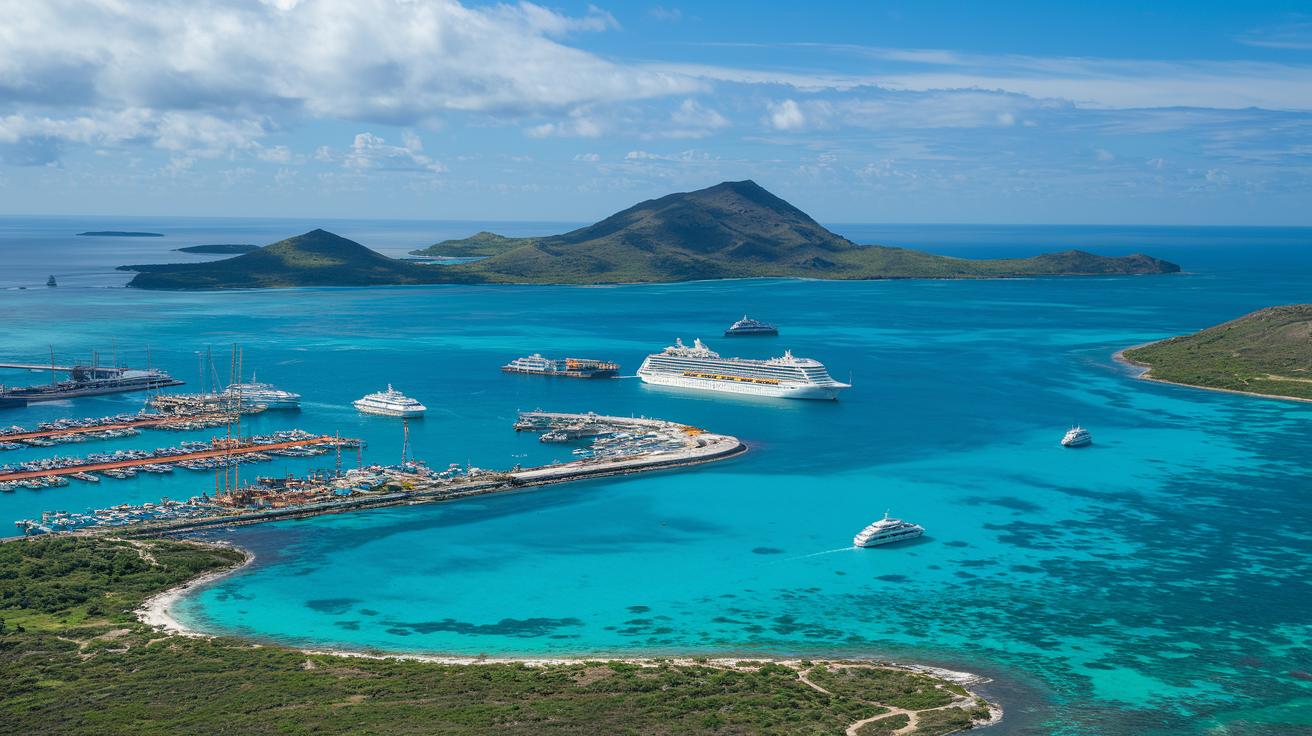
The Caribbean boasts over 30 busy ports tucked away in 17 unique territories. These ports aren’t just places where ships stop; they are lively hubs that handle cruise tourism, local ferry rides, container shipments, and even private island visits. Imagine each port as a warm welcome, inviting you to enjoy both the serene beaches and the vibrant local scenes of the islands. Fun fact: there are more than 30 ports in one region, offering more ways in than most people ever thought possible.
Travel around the Caribbean and you’ll find a handy guide featuring 29 ports, from Amber Cove in the Dominican Republic to Willemstad in Curaçao. Each spot has its own local flair mixed with international charm. These ports are key for moving people and goods, ensuring that luxury cruise ships and local ferries continue their busy routines. In many ways, they keep the islands pulsing with energy and life. Just remember, they cater to both leisurely explorers and daily commuters.
Some ports stand out as must-visit destinations for cruise travelers. Places like St. Maarten, Aruba, St. Thomas, Grand Cayman, Bonaire, Barbados, Cozumel, Grand Turk, Curaçao, and Grenada see lots of visitors every year. They’re famous for their clean beaches, rich cultural vibes, and exciting water adventures. Think about stepping off your cruise and being surrounded by delicious local spices, lively markets, and the genuine warmth of Caribbean hospitality. It’s like adding an extra special chapter to your travel story.
Caribbean Ports: Lively Hubs for Tourism
We gathered thoughts from 200 friendly cruise travelers on a Facebook survey from March 12, 2025. They shared stories about culture, stunning views, and fun adventures, helping us pick the top 10 ports. Imagine planning a perfect beach picnic, each port brings a unique mix of chill vibes and excitement. For instance, think of St. Maarten where vibrant culture and sunny, sandy beaches make every visit feel like a mini party.
| Rank | Port | Key Feature |
|---|---|---|
| 1 | St. Maarten | Top spot for culture and beaches |
| 2 | Aruba | Beautiful Dutch buildings and white-sand shores |
| 3 | St. Thomas | A blend of relaxation and adventure |
| 4 | Grand Cayman | Exciting water sports and shopping |
| 5 | Bonaire | A dream for diving lovers |
| 6 | Barbados | Rich colonial charm and lively festivals |
| 7 | Cozumel | Check out our separate attractions guide |
| 8 | Grand Turk | Home to the Carnival Cruise Center since 2006 |
| 9 | Curaçao | Pastel-colored buildings with UNESCO heritage |
| 10 | Grenada | Known as the “Spice Isle” with lush views |
Use this ranking as a handy map for your next cruise adventure. Think of it like a travel recipe: mix in a dash of culture, a splash of fun beach escapes, and a pinch of local charm to create your dream journey. It helps you pick the best port stops while sparking ideas for that perfect Caribbean getaway. Enjoy planning and let each port add its own unique flavor to your trip!
Caribbean Ports: Lively Hubs for Tourism
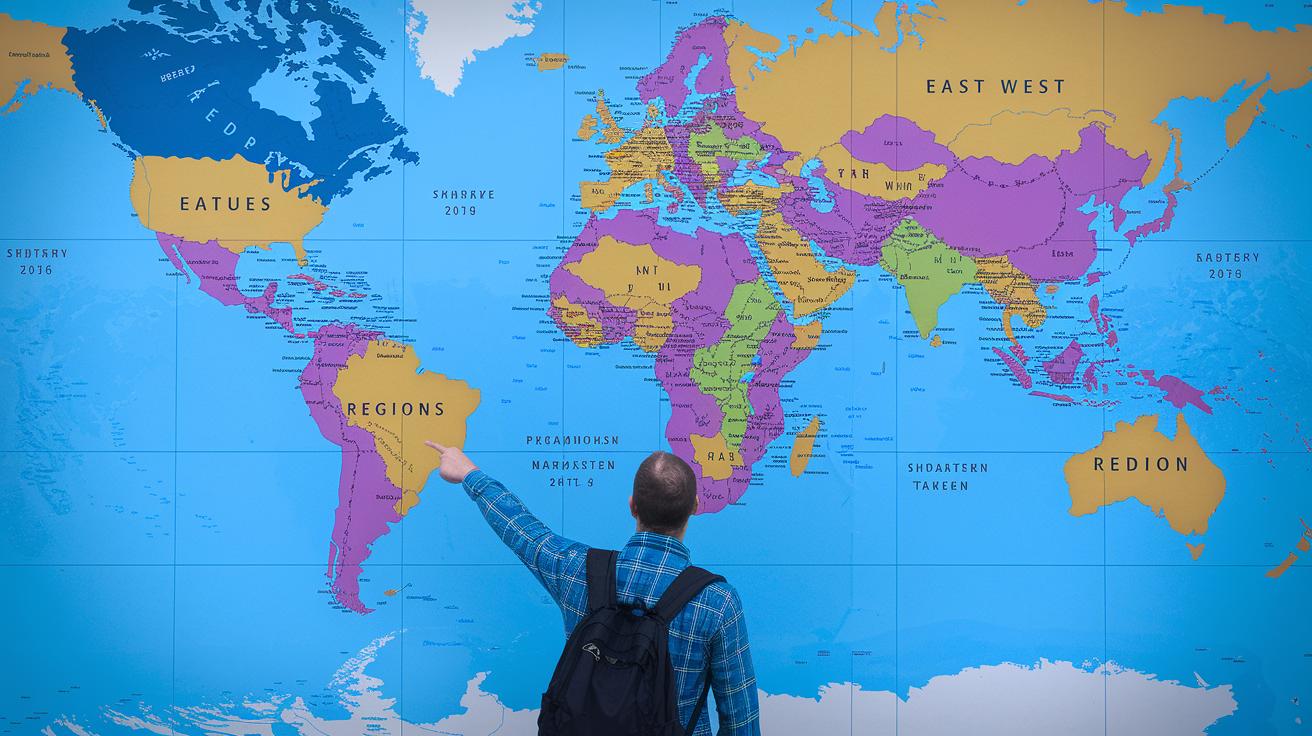
Grouping these ports by region can make planning your vacation a breeze. Each Caribbean island has its own unique vibe and charm, imagine the warm breeze, the sound of the waves, and local flavors that make every spot special. It’s like having a friendly guide pointing you toward busy city streets or quiet, sandy beaches. For even more details on the islands, take a peek at list of caribbean islands.
Eastern Caribbean:
- San Juan
- Philipsburg (St. Maarten)
- Charlotte Amalie (St. Thomas)
- Basseterre
- Bequia
- Marigot Bay
- Rodney Bay
- Roseau
Western Caribbean:
- Montego Bay
- Ocho Rios
- Grand Cayman
- Cozumel
- Harvest Caye
- Roatán
Southern Caribbean:
- Bridgetown
- Codrington
- Willemstad
- Kralendijk
- Scarborough
- Grenada
Northern Caribbean (Bahamas):
- Nassau
- Bimini
- CocoCay
- Great Stirrup Cay
- Half Moon Cay
Caribbean Ports: Lively Hubs for Tourism
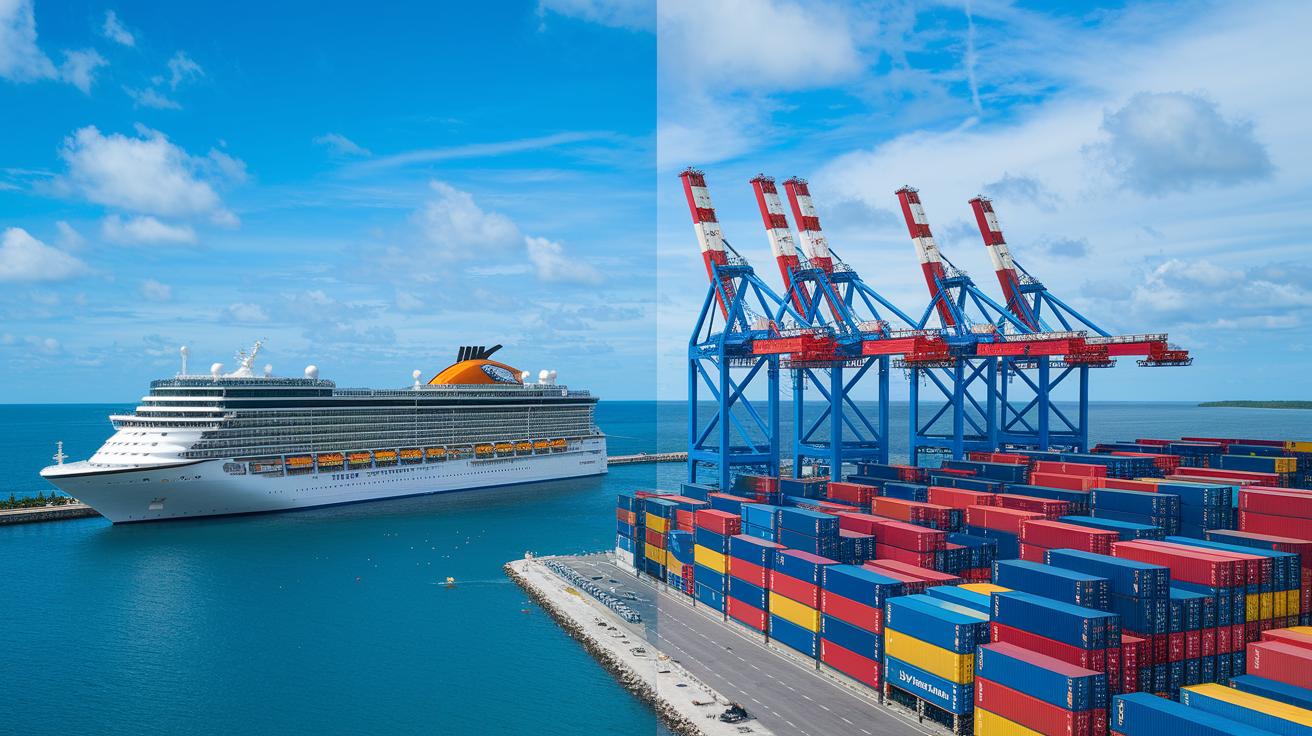
Caribbean ports are built with different jobs in mind. Cruise terminals let visitors disembark quickly and enjoy fun onboard services, while cargo terminals focus on moving goods and containers smoothly. This clear split makes sure travelers get quick service, and island supplies are handled reliably. Imagine a cruise terminal with easy dining spots and seamless boat transfers, contrasted with a cargo area that’s all about safe and steady loading.
Big name ports mix all the essential details with clear rankings. For example, the Grand Turk Cruise Center has hosted several Carnival ships since 2006, showing how efficiency meets tradition. Amber Cove is just a short 15-minute drive from Puerto Plata airport, making it super accessible. Then there’s CocoCay, featuring a dazzling waterpark and overwater cabanas that mix a touch of luxury with local charm. And think of Willemstad Harbor, with its deep-water docks recognized by UNESCO, along with San Juan’s busy terminals and Cozumel’s Puerta Maya that welcomes giant ships and even offers duty-free shopping. Each port tells a story of thoughtful planning that makes travel smooth and enjoyable.
Ports also work together to keep transfers easy between islands, handling everything from small boats to mega-ships. They balance the need for capacity with comfort and smart planning. In truth, these well-coordinated details blend practical functions with a pleasant visitor experience, keeping the islands well connected and making every journey feel just right.
Planning Caribbean Port Itineraries & Departure Strategies
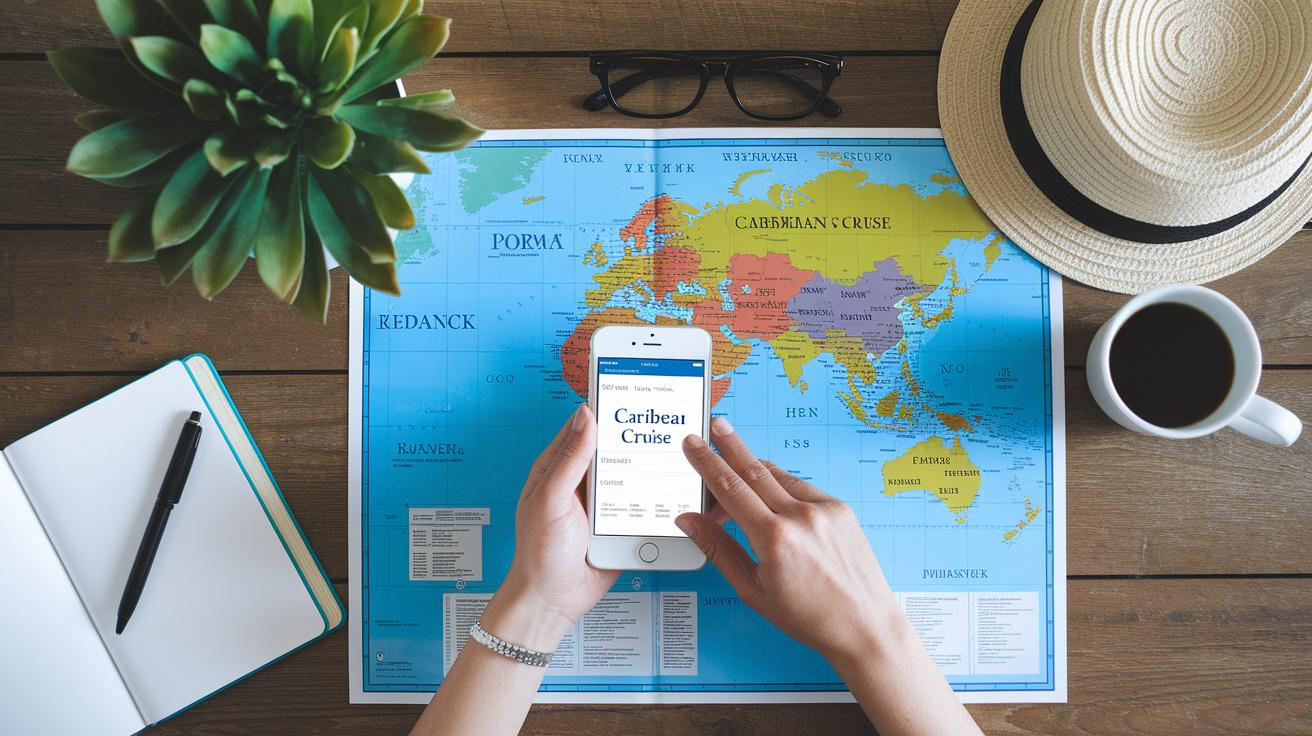
Planning your Caribbean port itineraries is a bit like setting up the perfect beach picnic. You take care of every detail, from how easy it is to get to a port, to the local rides (or transfers) that move you around, to the precise boat or tender schedules, and even when you depart. Think of each port as not just a stop, but as a doorway to a new island adventure. Major spots like Miami, Fort Lauderdale, San Juan, and Port Everglades make hopping between islands a breeze. And then there are unique gems like Bimini, just 50 miles from Miami, which remind you that timing is everything for a fun day trip.
Now, picture yourself on an eastern loop that starts in San Juan, drifts to St. Thomas, and finally reaches St. Maarten, all in a leisurely, sunlit journey that could stretch over a couple of days. Or maybe you’d prefer a western loop, setting off from Miami or Fort Lauderdale and stopping by Cozumel, then Grand Cayman, and wrapping up in Jamaica. Each leg of the journey is a few calm hours at sea with plenty of time to soak in local vibes. And if you’re up for something extra special, consider those private island stops at places like CocoCay with Royal Caribbean or Half Moon Cay with Holland America, where the focus is all about unique, intimate island experiences. With every port adding its own charm to the mix, your itinerary turns into a truly refreshing adventure, just like a cool Caribbean breeze.
Historical & Economic Significance of Caribbean Ports
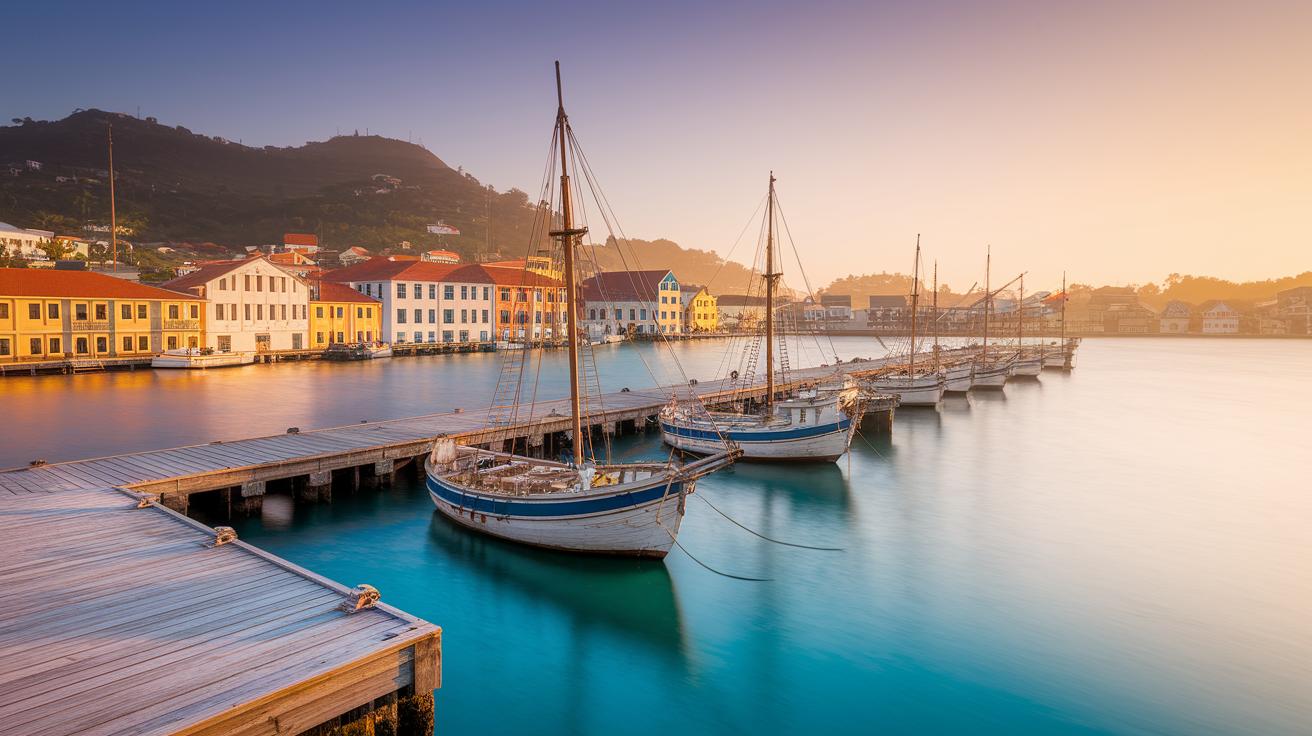
Caribbean ports carry a rich, old story from their colonial days. Bridgetown, founded in 1628, has a blend of African, American, and British styles that shows you a slice of early island commerce. And then there's Willemstad Harbor, with its charming 17th-century Dutch look that even earned UNESCO status. Imagine a time when coins clinked and a mix of languages filled the air at busy docks, it was a true melting pot of cultures.
Today, those historic vibes mix with modern energy. Places like Amber Cove, which once focused on amber mining, now welcome visitors as a lively travel spot since 2015 in the Dominican Republic. Over in Grenada, the spice trade still helps bolster the local port economy. These changes keep the past alive while powering fresh, exciting growth, turning the ports into bustling hubs for both trade and tourism.
Traveler Tips for Navigating Caribbean Ports
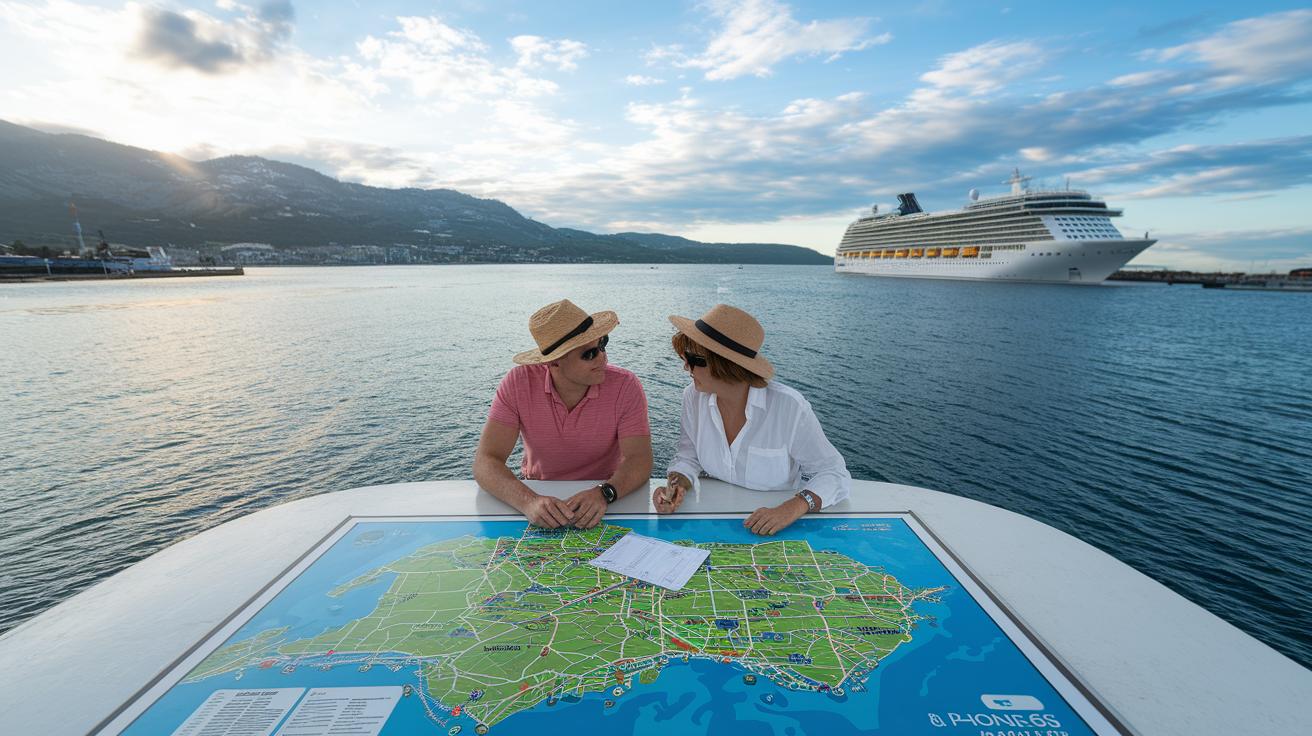
When you plan your port adventure, a bit of foresight truly makes a difference. For example, if you're visiting Amber Cove in the Dominican Republic, it's just a short 15-minute taxi ride from Puerto Plata. It's wise to book your transfers ahead of time so you're not left scrambling. And if you're headed to special stops like CocoCay or Half Moon Cay, remember they are reserved for cruise-line guests. That means you’ll need to secure your excursions in advance and keep a close eye on those boat schedules. This way, you can relax the minute you step off your ship.
At ports like Bimini, which sit about 50 miles from Miami, try arriving at least an hour before departure to allow plenty of time for boarding and security checks. Then there are busier terminals like San Juan, where immigration and customs usually wrap up in under 30 minutes. Having your passport and other documents ready to go makes the process even smoother. With a little preparation, your arrival and departure can feel as effortless as a gentle Caribbean breeze.
Final Words
In the action, we ventured through the vibrant world of caribbean ports, covering everything from key facilities and cultural footnotes to efficient routes and traveler tips. The blog painted a lively picture of essential hubs, standout port features, and practical advice to simplify trip planning. It also served up exciting insights into regional history and eco-practices that resonate with true Caribbean spirit. Cherish every moment, and let the magic of these caribbean ports enrich your unforgettable travel tale.
FAQ
Q: What information is covered in a Caribbean ports list?
A: The Caribbean ports list covers major stops, including cruise and shipping terminals, complete with details on location, facilities, and local highlights, helping travelers plan their ideal port visits.
Q: What does a Caribbean ports map show?
A: A Caribbean ports map outlines port locations across the region and provides visual guidance on key entry points and connectivity routes, which can simplify planning for cruises and other maritime travel.
Q: What do Royal Caribbean ports lists and maps include?
A: Royal Caribbean ports lists and maps detail stops served by Royal Caribbean International, presenting port features, cultural points of interest, and geographic layouts to assist in crafting tailored cruise itineraries.
Q: How can I determine the best and worst Caribbean cruise ports?
A: Determining the best and worst Caribbean cruise ports relies on traveler feedback about amenities, crowd levels, local experiences, and ease of access, which helps guide choices based on individual travel preferences.
Q: What are Royal Caribbean ports in the United States?
A: Royal Caribbean ports in the United States include key departure hubs like Miami and Port Everglades, offering efficient terminal services and a range of itineraries leading to various Caribbean destinations.
Q: What are Eastern Caribbean Ports of Call?
A: Eastern Caribbean Ports of Call refer to prominent stops such as St. Maarten, St. Thomas, and San Juan, where visitors can experience a mix of scenic beaches, cultural sites, and local lifestyle highlights.
Q: Where do Caribbean cruises port?
A: Caribbean cruises port at designated cruise terminals and deep-water docks across islands and coastal cities, granting access to onboard amenities, shore excursions, and a variety of local attractions.
Q: Which countries are counted among the 26 Caribbean nations?
A: The count of 26 Caribbean nations typically refers to those recognized for their rich culture and coastal access, each offering distinct port facilities and a unique maritime heritage for travelers.
Q: What is considered the best cruise port in the Caribbean?
A: The best cruise port in the Caribbean is often seen as St. Maarten, praised for its blend of cultural charm, immaculate beaches, and lively markets, though choice depends on individual travel tastes.
Q: What factors make a port the best to cruise from?
A: The ideal cruise departure port combines modern facilities, excellent connectivity, and efficient services. Major hubs like Miami and Port Everglades are popular, offering streamlined embarkation and varied itinerary options.
Q: How do cruise lines like Royal Caribbean, Carnival, or Celebrity Cruises shape port experiences?
A: Cruise lines such as Royal Caribbean, Carnival Cruise Line, Celebrity Cruises, MSC Cruises, and Princess Cruises craft unique port experiences by curating itineraries with select Caribbean stops and onboard features that complement each port’s local flavor.
