Have you ever realized that a port can be more than just a place where boats dock? Caribbean ports are like friendly meeting spots where history and modern life mix. Imagine walking along a quiet waterfront or exploring busy local markets where the air is filled with the smell of fresh sea breeze and spices. In this post, we'll chat about how these ports connect island life to the rest of the world, giving you a real taste of Caribbean spirit at every turn.
Caribbean Ports: Thriving Hubs by the Sea
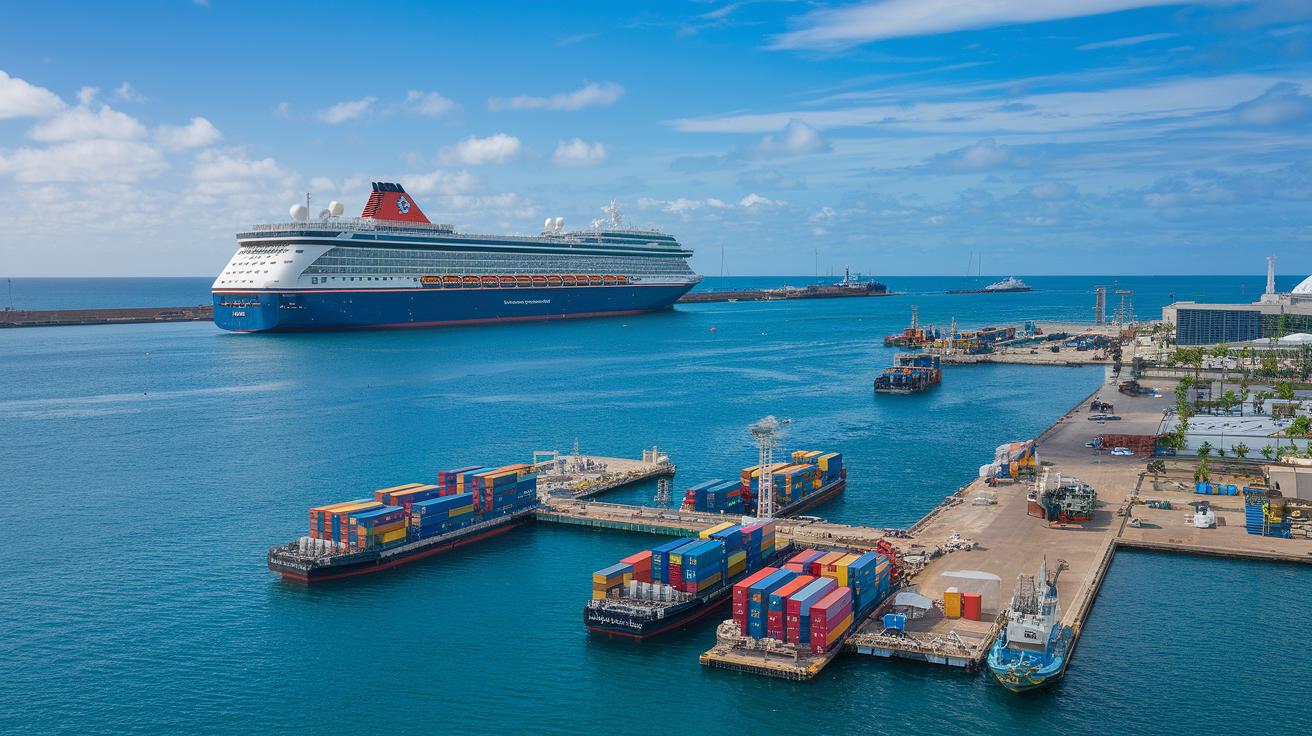
Caribbean ports buzz with life, serving both cargo and cruise ships. They link the islands to the rest of the world while giving travelers charming stops to explore and relax. Some terminals handle huge amounts of cargo, while others are perfect for big cruise liners. And a few private island stops offer a taste of luxury on quiet, sandy shores.
These harbors do more than move goods around. They mix a rich history with modern trade and fun tourism, keeping the islands closely connected. You can wander through local markets, enjoy peaceful waterfront views, or even hop on a quick ferry ride (see our Guide to Caribbean ferry services) to discover nearby spots.
| Port | Highlights |
|---|---|
| Amber Cove (Dominican Republic) | Opened in 2015 near Puerto Plata and known for its amber mining legacy and sunny beach views. |
| Basseterre (Saint Kitts & Nevis) | Features lovely colonial architecture alongside vibrant local markets. |
| Bequia (Saint Vincent & the Grenadines) | Offers clear turquoise waters and a laid-back vibe perfect for divers. |
| Bridgetown (Barbados) | Mixes African, American, and British influences since 1628 while hosting large vessels. |
| Willemstad (Curaçao) | Famed for its pastel-hued waterfront and deep maritime history. |
All in all, these bustling ports keep the Caribbean moving.
Key Cruise Terminals in Caribbean Ports
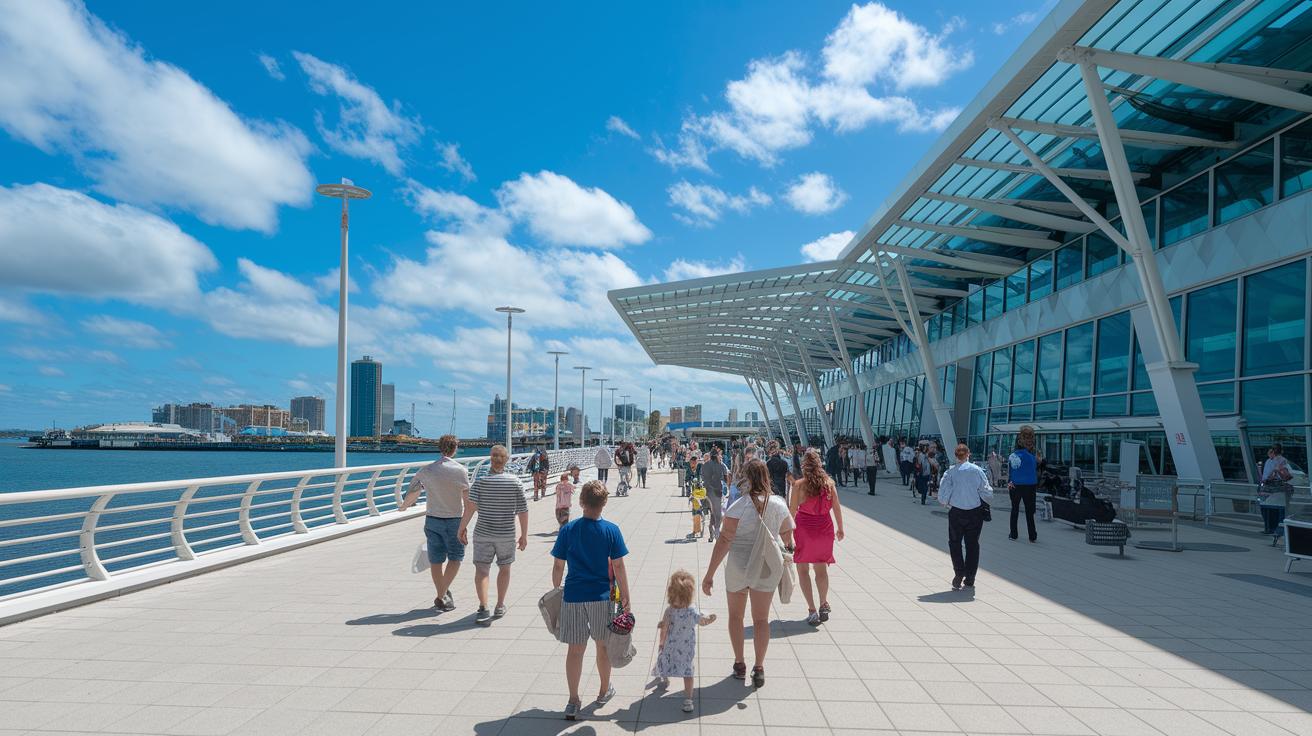
Cruise terminals are like friendly gateways for vacationers, making it easy for families, groups, and solo travelers to hop on and off. They’re buzzing spots where local culture meets modern comforts. Imagine landing in San Juan and stepping into a mix of old-world charm and lively modern art, it really feels like being inside a postcard. Each port, from Amber Cove and San Juan to Bridgetown, Nassau, and St. Maarten, has its own special vibe. Amber Cove, which opened in 2015 under Carnival Corporation, feels fresh and new, while San Juan proudly showcases its colonial history along with a vibrant arts scene. Bridgetown, operating since 1628, is perfect for big ships and beachside adventures. Nassau charms you with its duty-free shopping and historic waterfront market, and St. Maarten keeps it classic with plenty of shopping and handy water taxi services.
| Terminal | Location | Annual Passenger Capacity |
|---|---|---|
| Amber Cove | Dominican Republic | 1.2 million |
| San Juan | Puerto Rico | 2.0 million |
| Bridgetown | Barbados | 1.8 million |
| Nassau | Bahamas | 2.5 million |
| St. Maarten | Dutch/French | 2.2 million |
These ports are designed to handle lots of visitors while still keeping a flexible schedule. Cruise operators work hard to set arrival and departure times that let everyone enjoy a smooth experience, even when things get busy. The blend of timeless local charm with modern touches not only draws more cruise-goers but also helps local economies run smoothly. All in all, the careful mix of capacity, history, and smart planning makes Caribbean cruise terminals must-visit stops for anyone on a sea-faring adventure.
Mapping and Navigational Guides for Caribbean Ports
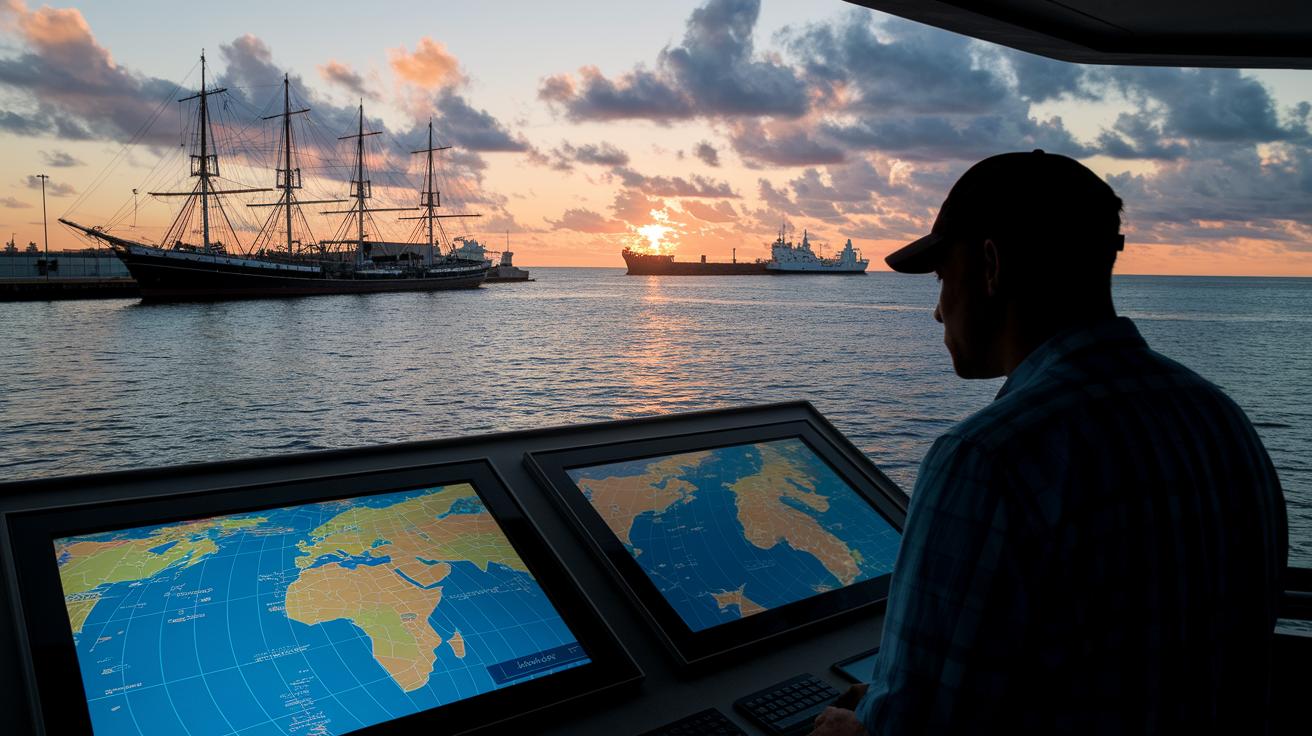
Digital tools have truly changed the way travelers and ship operators explore Caribbean harbors. Official port websites and interactive cruise port maps, like those from Google, offer clear and current views of harbors and docking zones. Guides such as "The A to Z of Caribbean cruise ports" cover more than 25 ports and even link you to official harbor charts and navigation waypoints. And if you like paper maps, the Caribbean islands map guide makes it easy to plan your stops and get a quick view of the coastal layout.
Key map features are a huge help when understanding these coastal hubs. Channel markers, turning basins, and berth layouts let both casual visitors and maritime experts quickly spot entry points and safe routes. These visual guides give you a bird’s-eye look at the harbor’s setup, making it simple to plan your route and grasp the nautical details of each port. In truth, these easy-to-read maps ensure that arrivals and departures run as smoothly as a gentle Caribbean tide.
Facilities, Customs, and Traveler Amenities at Caribbean Ports
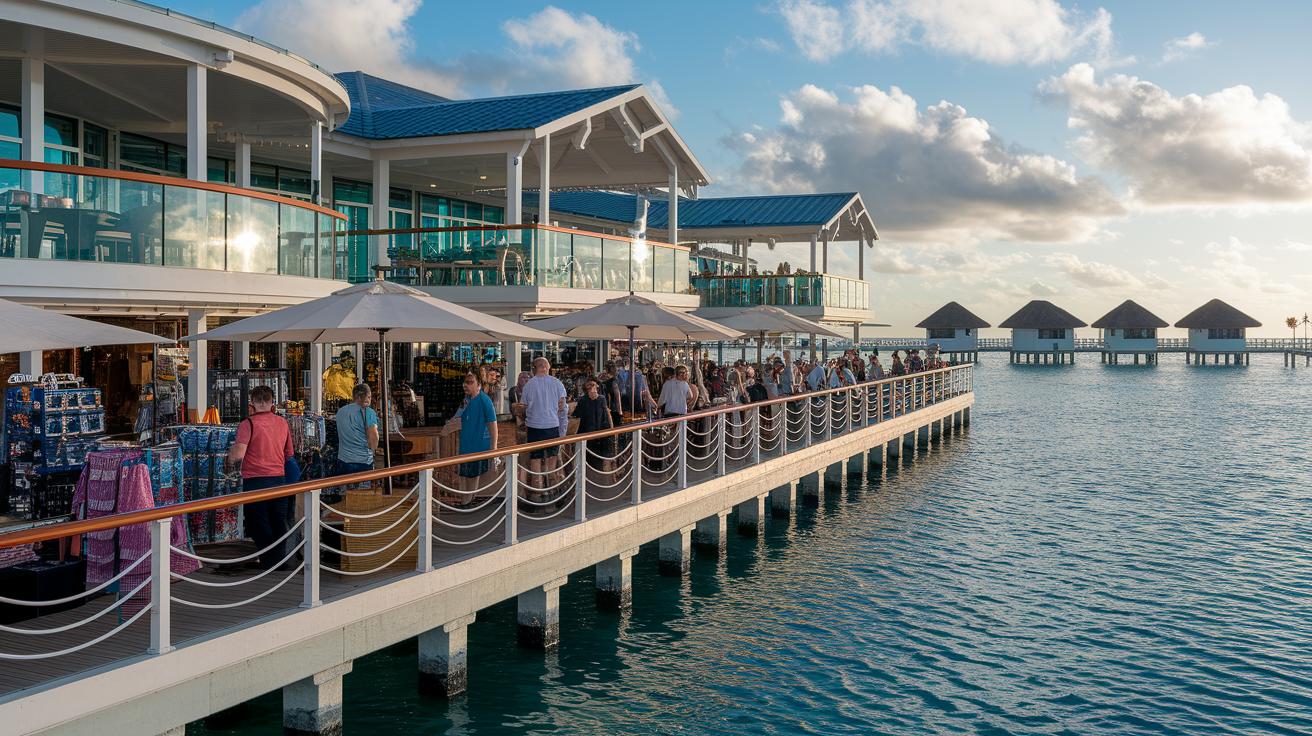
Caribbean terminals mix shops, eateries, and lounges so waiting for your cruise feels like a tiny vacation. In Nassau, for instance, vibrant duty-free areas and modern waterfront markets buzz with life where you can snag a unique souvenir or enjoy a quick bite before setting off. Over on islands like CocoCay, you’ll find fun waterparks complete with overwater cabanas and speedy shuttle services that whisk you right to your onboard activities. And at Harvest Caye in Belize, luxury beach lounges and special excursion docks create a perfect spot to relax while enjoying the island vibes. Many cafes and restaurants even offer free Wi-Fi, ideal for checking travel plans or sharing your sunny adventures with friends. For a closer look, the cruise ports guide is a handy resource.
Customs and baggage handling add their own smooth touch to your journey. At most ports in the Caribbean, passport control is simple with clear signs and digital kiosks that help speed up the process. Travelers often mention how organized customs lines and efficient baggage systems keep everything moving, even during the busy times. If you’re in a hurry, some terminals even offer expedited clearance that gets you sailing with hardly any delay. Friendly local staff are always nearby to point you in the right direction, reducing travel stress and making sure your Caribbean adventure starts on a bright note.
Operational Efficiency and Safety Protocols at Caribbean Ports
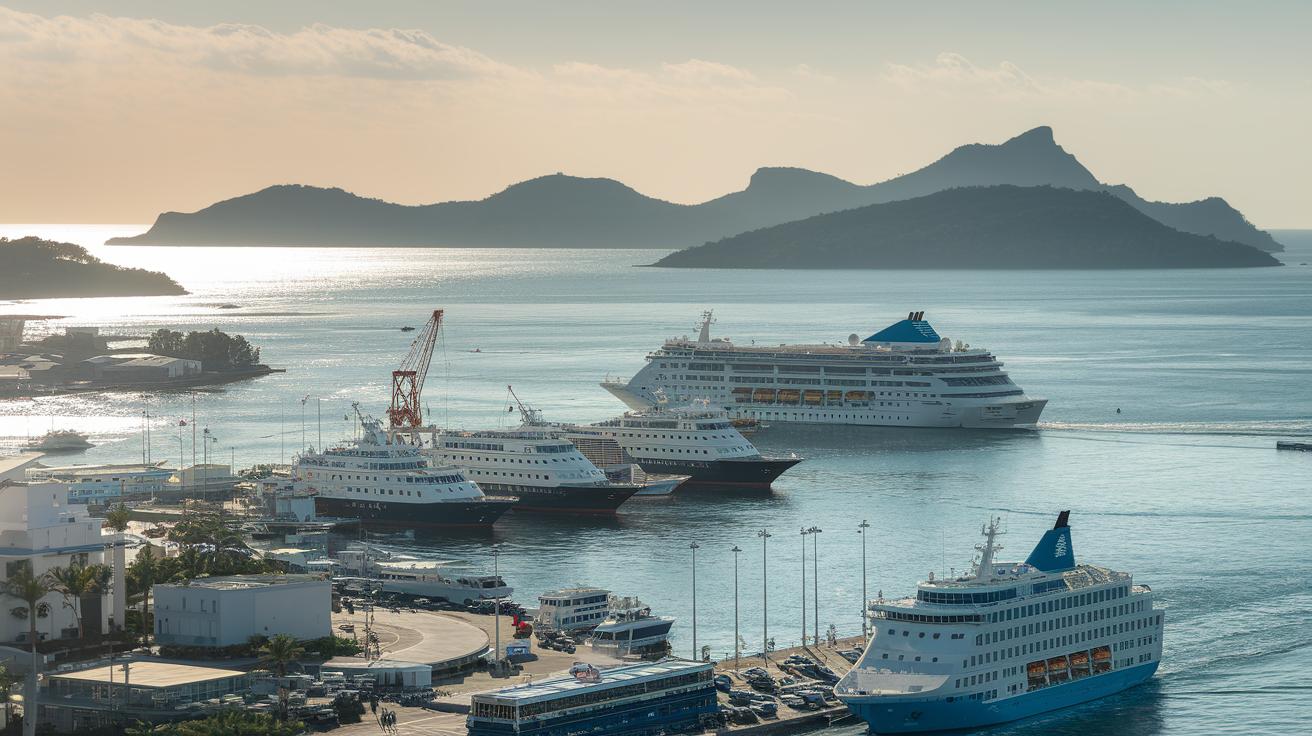
In Caribbean ports, getting everything to run smoothly means planning when and where each ship docks. Ports set fixed times for boats to arrive so that vessels waste as little time as possible. For example, Charlotte Amalie in St. Thomas is like a busy travel hub where ferries head to Water Island and excursion boats visit St. John, all while keeping a steady, reliable schedule. This planning helps cut down on delays and makes sure both cargo and cruise ships spend less time idling.
Moving passenger boats around is a bit like organizing a fun but busy day at a beach festival. Every boat, whether filled with tourists or carrying goods, is handled carefully using a set of clear rules. Local guides are there to help, too; they keep activities like sea-turtle snorkeling and cable-car rides on the Skyride safe and orderly. And if something unexpected happens, the port has a quick-response plan in place so everyone feels secure, travelers and crew alike.
Every ship is watched over by special control systems that make sure they all stick to their paths in the harbor. There are regular safety checks too, like making sure loading equipment and docking gear work as they should. These routines keep the port safe and help smooth out the everyday hustle. With experienced staff constantly on the lookout, the ports can adjust quickly to any changes, keeping both the boats and people safe while preserving the natural flow of Caribbean trade and tourism.
It’s like planning your perfect day at the beach: every step, from picking the best spot to setting up your umbrella, matters. The Caribbean ports work in a similar way, ensuring that every vessel’s journey, whether for work or leisure, is carefully planned and executed. So when you see a cruise ship pulling into port or a cargo vessel setting off, you know there’s a lot of behind-the-scenes work making it all happen, just like a well-organized island fiesta.
All in all, these careful procedures make it easier for the ports to handle busy schedules and unexpected surprises. It’s all about keeping things running smoothly so that the magic of the Caribbean can shine through every journey, whether you’re arriving for a tropical getaway or helping move essential goods.
Caribbean Ports: Thriving Hubs by the Sea
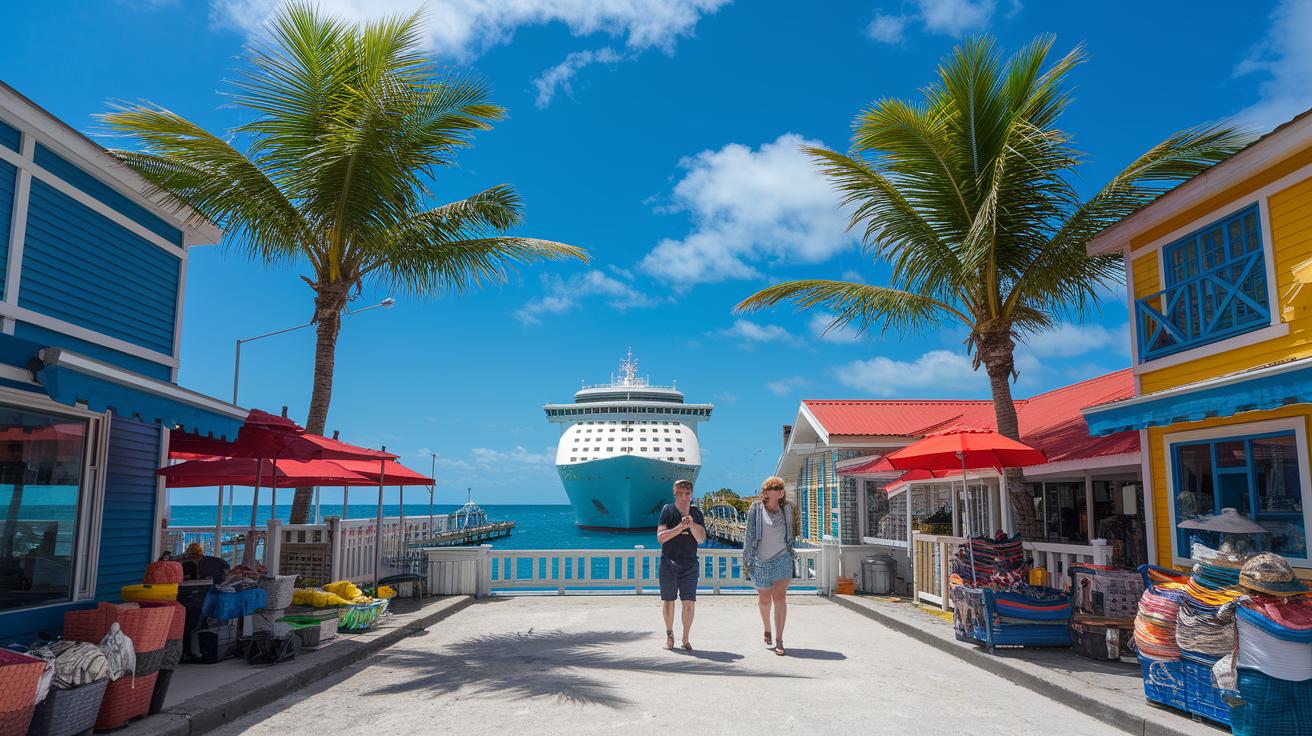
In the Caribbean, ports are buzzing centers that give local economies a real boost. When a cruise ship docks, the town comes alive with visitors eager to explore charming shops, tasty eateries, and local tours. Imagine stepping off a ship and feeling the gentle sea breeze as you wander through vibrant streets. A great example is Carnival Corporation’s Amber Cove debut in 2015, it sparked extra business and created new job opportunities.
More recently, upgrades at these ports have set the stage for even brighter days ahead. Royal Caribbean is transforming CocoCay into a stylish private island retreat, while projects in Nassau and Bridgetown are expanding facilities to welcome larger vessels. Local leaders and industry experts are working together, ensuring smoother services and more room for growth in these picturesque harbors.
Final Words
In the action, this guide revealed the pulse of Caribbean ports, from major cruise terminals and clear harbor maps to traveler amenities and efficient safety systems. We touched on top harbors such as Amber Cove and Bridgetown, and saw how improvements in operations and customs add ease to your experience. Every section brought insights into trade flows and cultural charm, emphasizing a stress-free travel routine. These caribbean ports continue to showcase a blend of history, innovation, and authentic island life, leaving you excited for your next tropical trip.
FAQ
Frequently Asked Questions
What does a Caribbean ports list and map include?
A Caribbean ports list identifies the major harbors used for both cargo and cruises, while a Caribbean ports map marks their locations, helping you see how these hubs connect the diverse islands in the region.
What are Royal Caribbean ports and where can I find details about them?
Royal Caribbean ports detail key terminals, including US locations, and are showcased on maps that highlight call locations. This information helps you plan your cruise stops with ease and clarity.
Which Caribbean cruise ports are considered the best, and what factors matter?
The best Caribbean cruise ports shine with helpful passenger services, smooth customs, and charming local attractions. Some ports may offer fewer amenities, so checking detailed reviews can ensure a pleasant experience.
How many Caribbean cruise ports exist in the region?
Over 30 major harbors serve Caribbean cruise and cargo functions. This network supports both busy trade routes and traveler experiences across the sunlit islands.
What does it mean when sources refer to 12 or 13 Caribbean islands?
Mentions of 12 or 13 Caribbean islands typically highlight the region’s top tourist spots. Different guides include slightly varied counts, depending on which islands are most popular for their unique charm and cruise offerings.
