Have you ever thought about how old fields could shape an entire culture? Caribbean plantation history is much more than old, forgotten places. It tells a warm story of hard work mixed with hope. Long ago, sugar fields in Barbados and other islands were lively spots where people from different backgrounds came together. This legacy, full of struggle and strength, still shapes the Caribbean today. In this post, we look at how these lands helped form our past and continue to share lessons for tomorrow.
Caribbean Plantation Heritage: Celebrating Timeless Legacy
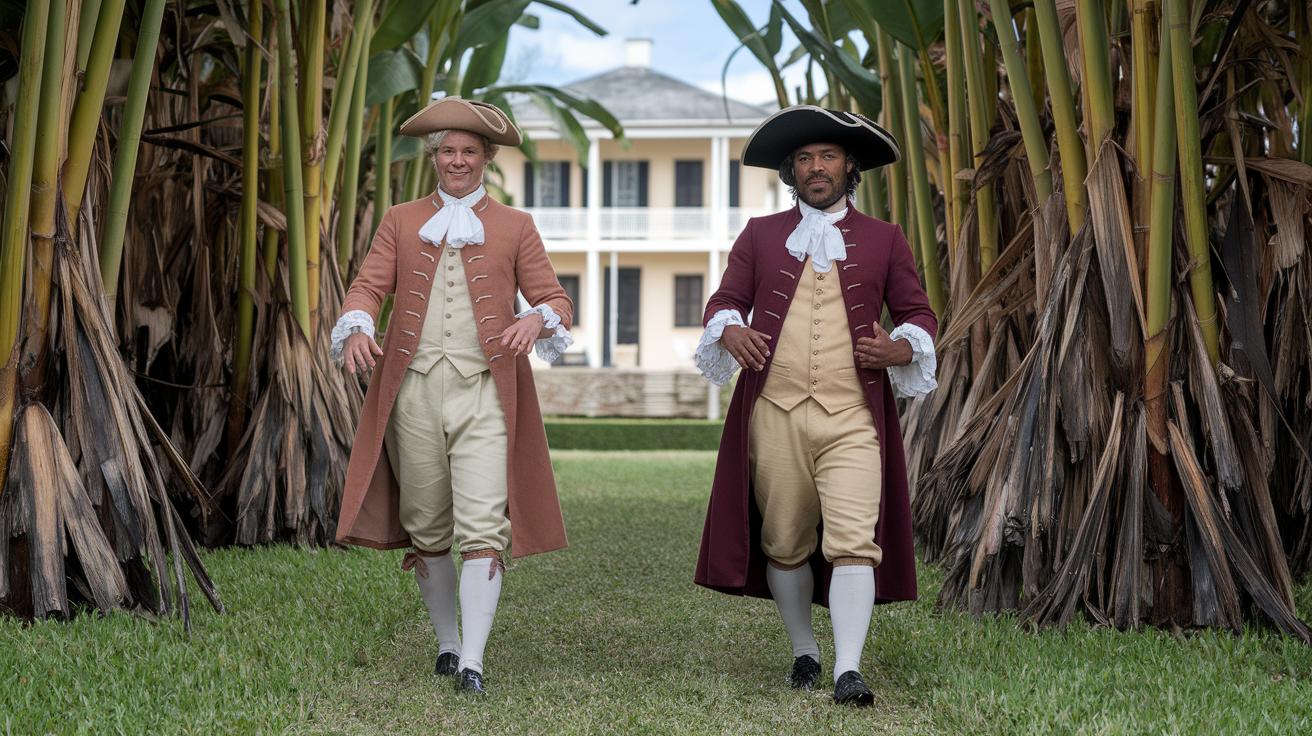
Caribbean plantation history is a rich tapestry woven with stories of our past. Centuries ago in Barbados, sugar estates did more than produce cane, they built communities and shaped identities. Back in the 17th century, these fields grew into symbols of shared struggle and hope. After the 1651 Battle of Worcester, Scottish prisoners came to Barbados as indentured workers, joining enslaved Africans to fuel the island’s sugar economy. This mix of hard work and diverse cultures still whispers its tale today.
In places like Barbados and Jamaica, old plantation sites stand as living memories of island farming and the darker side of the slave trade. Their layouts, built around bustling sugar mills that squeezed juice from cane, tell a story of innovation and traditional teamwork. And there’s even a curious smuggling story from Cornwall in 1667 that shows just how connected the Atlantic trade really was.
Over time, voices have called for a broader look at our heritage, one that goes beyond just the plantation grounds. Conversations like “Caribbean Cultural Heritage Should Not Be Confined to the Plantation” remind us that our legacy is woven from many threads: hardship, creativity, and the resilience of a people. This layered history continues to shape community identity across the Caribbean, inviting us all to reflect on its deep and lasting impact.
Colonial Roots and Agrarian Evolution on Caribbean Plantation Heritage

Sugarcane made its debut in Barbados and Jamaica when early settlers arrived in the early 1600s. The warm Caribbean atmosphere set the perfect stage, and soon local farmers began experimenting and perfecting every step of growing and processing sugarcane. They built simple mills that squeezed out every bit of juice from the cane, giving birth to a legacy that went on to define the islands.
In the 1700s, island life changed even more. Sugar production hit its stride, and plantation planning became a real art form. Imagine a busy, sunlit farm where everyone works together: farmers carefully plan crop rotations and use clever water management techniques to nourish the soil, while plantation managers set up smart systems like hand-built irrigation channels, windmill-powered crushers, fermentation tanks, and simple distillation units to turn sugar into delicious rum.
Local growers mixed hard work with keen observation, always looking for ways to improve. Their techniques not only made life on the islands sweeter but also laid the foundation for Caribbean agrarian practices that continue to influence the culture today.
Key agrarian practices included:
- Cane planting and field preparation
- Water management and irrigation
- Mill crushing and juice extraction
- Fermentation and rum distillation
- Crop maintenance and soil renewal
Every step in the process was a blend of honest hard work and clever innovation. It’s a living tradition that still shapes Caribbean life, reminding us of the vibrant history tucked behind every taste of sugar and sip of rum.
Colonial Architecture Insights from Caribbean Plantation Estates
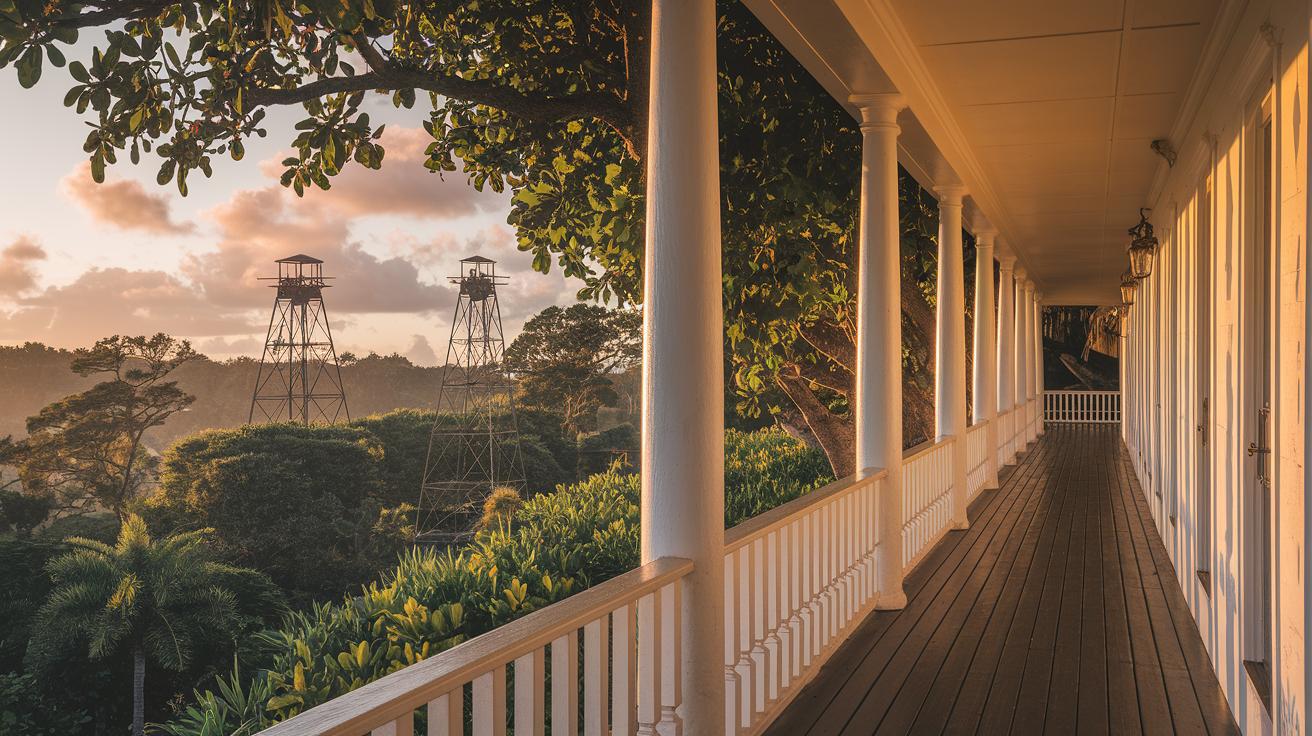
Caribbean plantation estates give us a glimpse into the colonial past with buildings that mix smart design with a bit of classy style. Many of these old homes show a clear Georgian look with a center hall, high ceilings, and sash windows. They also have wide verandas that let in cool breezes, making the spaces feel light and welcoming. Walking through these estates is like stepping into a warm, sunlit story where European design meets the island vibe.
There’s also an industrial side to these stories. Big sugar mill towers, powered by wind or steam, stand tall and tell the tale of how sugarcane became so important. In places like Barbados and Jamaica, old ruins have given us clues about how the estates were originally laid out. Digging around, experts have found kitchen yards, simple slave quarters, and well-built cisterns that show where everyday life happened.
Recent digs at spots like the Heritage Plantation Project have brought to light original building foundations and smart drainage systems. These new finds help us feel a closeness to the past and understand how these estates were planned. It’s a tangible link to history that enriches our view of the Caribbean’s cultural story.
Slave Commerce Impact and Estate Labor Stories in Caribbean Plantation Heritage

Life on Caribbean plantations was tough. Enslaved Africans and Scottish indentured servants labored side by side, each facing their own harsh realities. In Barbados, after 1651, plantations turned into places of endless, grueling work. Enslaved people toiled from sunrise to dusk in the fields and mills, all under strict, unyielding control. Meanwhile, Scottish indentured servants had fixed work contracts but felt a similar strain as they built up the plantation estates. This mix of forced and contract labor left deep scars on local communities, weaving a complicated tapestry of Afro-Caribbean memory.
Every day brought long hours and challenging conditions. Enslaved workers had almost no rights and were pushed to their limits. Sure, indentured servants earned their freedom once their contracts ended, but they too faced severe physical hardships. Both groups worked hard and built the foundations of these estates, and their stories echo far beyond the plantation grounds. Their struggles and resilience tell us a lot about the strength of the human spirit.
There are many moving accounts of defiance and hope. Some workers managed daring escapes, formed Maroon settlements, or even filed legal petitions to protest their treatment. These brave acts remind us that even in the direst situations, people found ways to stand up for their dignity and freedom. Their personal stories, nestled within the broader history of the slave trade and plantation labor, continue to shape how we honor and remember the Caribbean's past.
Cultural Conservation Practices and Heritage Preservation of Caribbean Plantation Heritage
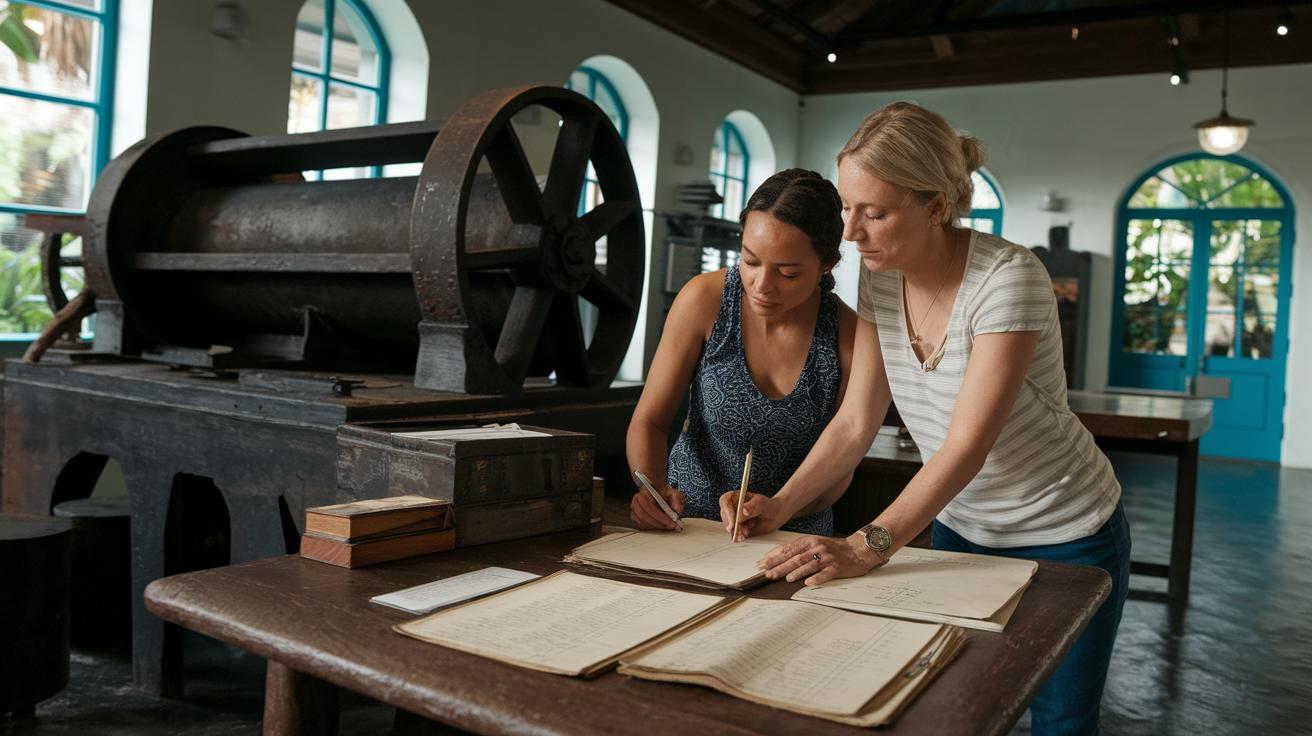
Caribbean plantation heritage lives on thanks to careful conservation efforts that bring the past into today’s communities. Experts dig up old foundations, artifacts, and land-use records to show us how folks once toiled the fields. Museums now display sugar-mill machines, everyday household ceramics, and old ledgers that tell the story of daily life on these estates. In friendly chats with locals, oral histories capture rich Afro-Caribbean memories, and since February 2019, there’s been a push to include stories that go far beyond the old plantation grounds.
People are keeping these stories alive by using practical conservation techniques. They invite community ideas and dive into old documents to preserve the real spirit of estate life in all its layers. Next, they focus on hands-on projects like:
- Stabilizing great houses and mill towers so they stand proud.
- Digitizing land records and estate inventories to keep the history safe.
- Letting community members lead oral-history projects to share personal stories.
- Creating interactive heritage trails with clear signs to guide everyone along the way.
Each of these efforts builds a bridge connecting the past with the future, inviting locals and visitors alike to experience and treasure these vibrant legacies.
Estate Tourism Experiences and Itinerary Exploration for Caribbean Plantation Heritage
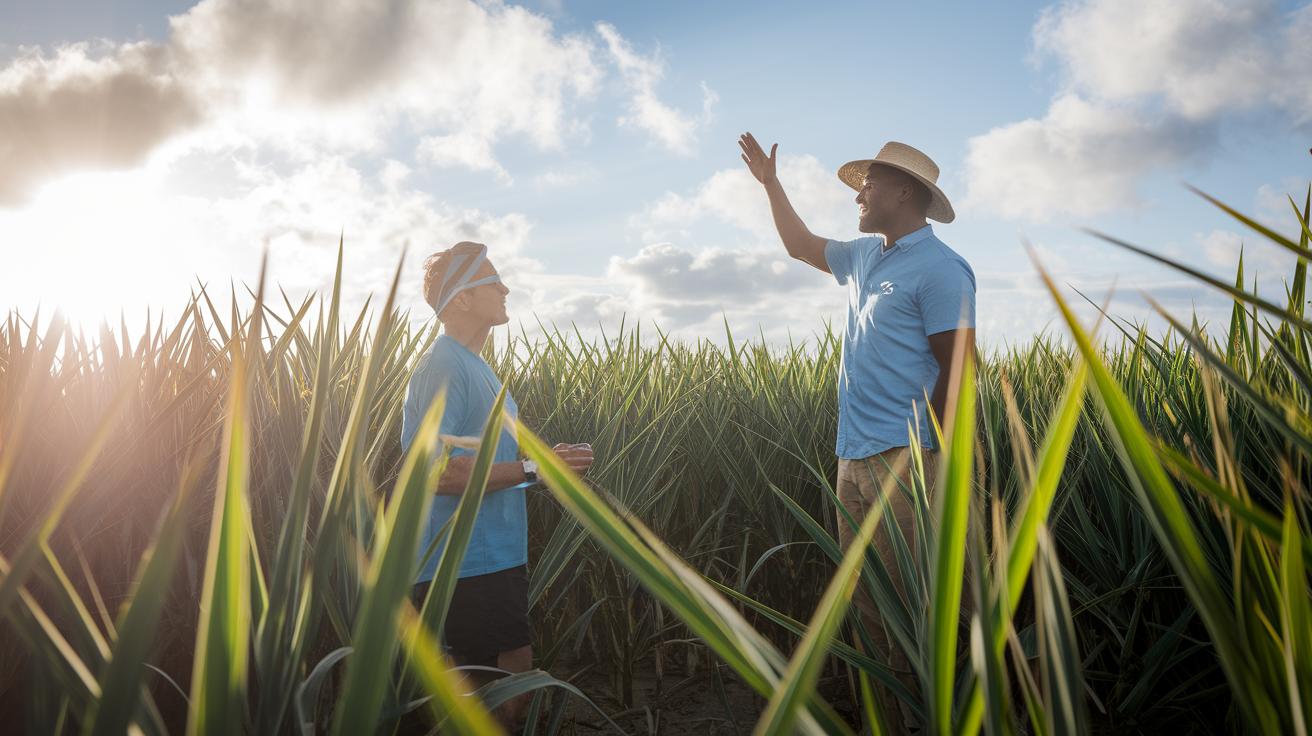
Caribbean plantation sites are so much more than just a history lesson. They’re like stepping into a living story that lets you feel the past. In places like Barbados and Jamaica, local guides take you on tours that wander through the old estate grounds. These guides share personal memories from the days when sugarcane fields and lively communities set the rhythm of island life.
Today’s tours mix in neat digital touches to spark your imagination. You might use an audio guide playing soft island tunes or see cool AR (augmented reality, a tech that adds digital scenes to real life) displays that illustrate key historical moments. There’s even a gripping story from 1667 about smuggling, a hint of those vast Atlantic connections that shaped local worlds. And many tours also cover civil-rights efforts and the changes after emancipation, giving you a deeper, layered view of history.
Imagine planning your day like putting together a fun treasure hunt. You start with a bit of history, add some vivid personal stories, and finish off with interactive tech that brings old tales to life. Every tour lets you walk in the footsteps of those who lived through tough times, making each visit a truly unique adventure.
Final Words
In the action, we’ve seen the rich layers of Caribbean plantation heritage, from early agrarian practices to the lasting marks in architecture and personal labor stories.
The blog offered a clear look into agrarian techniques, cultural insights, and engaging tours that bring local history to life.
These refreshing insights help any traveler plan a stress-free trip while embracing eco-friendly tourism.
Enjoy every step as you soak in the warm charm and history of this unique Caribbean experience.
FAQ
Q: Caribbean plantation heritage Wikipedia
A: The query about Caribbean plantation heritage on Wikipedia explains the historical and cultural narratives tied to colonial-era estates, focusing on sugar cultivation, forced labor, and the economic and social impacts that still echo today.
Q: What are Caribbean plantation heritage facts
A: The facts about Caribbean plantation heritage cover the rise of sugar production, the mix of colonial and indigenous influences, and the historical impact of labor systems that shaped the islands’ society and economy.
Q: What were sugar plantations in the Caribbean like
A: Sugar plantations in the Caribbean were sites for intensive sugarcane cultivation and mill operations. Rich in history, they relied on harsh labor systems and advanced agricultural techniques that transformed the region.
Q: What did slavery in the Caribbean sugar plantations involve
A: The aspect of slavery in Caribbean sugar plantations involved coercive labor where enslaved Africans and indentured servants worked under brutal conditions, leaving a legacy that deeply influences local culture and historical narratives.
Q: What role did sugar cane plantation slavery play in Caribbean history
A: Sugar cane plantation slavery played a crucial role by driving the region’s economy through forced labor, significantly shaping social structures and leaving enduring cultural imprints on the Caribbean.
Q: What does the Caribbean History Timeline include
A: The Caribbean History Timeline includes key milestones from colonial establishment and sugar mill expansion in the 17th century to shifts in labor practices and cultural evolutions following emancipation.
Q: Where did most Caribbean slaves come from
A: Most Caribbean slaves were brought from West Africa, where they were captured and forcefully transported, profoundly influencing the demographic and cultural composition of the islands.
Q: What is considered Caribbean heritage
A: Caribbean heritage is considered a blend of indigenous, colonial, and Afro-Caribbean influences, reflecting elements of music, art, architecture, and the storied legacies of plantation life throughout the islands.
Q: Who lived in the Caribbean before slaves arrived
A: Before the arrival of slaves, indigenous peoples such as the Taíno inhabited the Caribbean, contributing rich cultural traditions and laying the foundation for the diverse histories of the islands.
Q: Who owned plantations in the Caribbean
A: Plantation ownership in the Caribbean was predominantly held by European colonizers who established estates to cultivate cash crops like sugar, deeply impacting the region’s economic, social, and cultural development.
