Have you ever noticed how Caribbean stories feel as refreshing as a gentle ocean breeze? These age-old tales have been handed down through families, just like a favorite recipe shared on a warm summer night.
Today, we're going to explore how these stories began with the island's first people and grew even richer with African influences. Each tale is full of strength, wit, and heart.
Imagine every word coming alive with the spirit of the islands. Each story is a little celebration of life.
Cultural and Historical Overview of Caribbean Oral Traditions
Caribbean oral traditions are like the heartbeat of the islands. They’re the living memories passed down from one generation to the next, keeping history and customs alive through warm, personal stories. Imagine elders, with a sparkle in their eyes, sharing tales much like you’d share your favorite recipe – simple, meaningful, and full of life.
Long ago, the indigenous Taino people started these stories to explain the natural world, their gods, and where everything came from. Later, when Africans arrived, they brought their own rich and musical storytelling. Their tales, filled with strength and resilience, merged with local lore to create a vibrant tapestry of joy and hardship. Picture a clear Caribbean night when people whispered heroic stories of hope and clever defiance under a starlit sky.
Today, these cherished traditions still play a big role in community life. They pop up during lively festivals, at cozy family gatherings, and throughout cultural events like Black History Month. Every story told and every memory shared keeps the spirit of the Caribbean as warm and vibrant as ever.
Key Forms and Themes in Caribbean Oral Traditions
Caribbean storytelling is an age-old craft that weaves together myths, legends, and live performances. Imagine sitting on a warm beach as elders share vibrant tales that mix mystery with everyday life, much like blending shells with sea salt for an extra kick of flavor.
These stories often touch on bravely facing tough times, the magic of creation, and clear lessons about life. They remind us of past struggles and the beauty that grows from them, celebrating clever ancestors who used their smarts to overcome dark moments. Each story feels like a little treasure, inviting you to sense the lively pulse of island life where history and creativity dance together.
Take calypso, for example. It started in 19th-century Trinidad among enslaved Africans and used a mix of languages, humor, and rhythmic beats to share truths that weren’t always spoken aloud. Over time, calypso grew into a powerful symbol of cultural strength, crossing borders and inspiring communities far and wide.
Caribbean Oral Traditions: Celebrating Timeless Folktales
Caribbean islands have long given life to unique storytelling traditions. Each island brings its own special mix of native, African, and European influences, creating vivid tales that echo the struggles and joys of everyday life. These stories, handed down from generation to generation, bring warmth, laughter, and a sense of belonging to those who listen.
In Jamaica, a clever spider named Anansi takes center stage. Rooted in West African lore, Anansi's tales were once a way for enslaved Africans to quietly challenge authority and pass on important life lessons. Imagine sitting with elders on a cool evening, sharing laughs over Anansi's crafty adventures, a gentle reminder to use wit and humor when faced with life’s bumps.
Over in Haiti, storytelling takes on a magical twist through Vodou traditions. Here, rhythmic chants, spirit encounters, and sacred ceremonies blend together in tales that blur the lines between the physical and spiritual worlds. As you listen, you might almost feel the heartbeat of these rituals, guiding you through mysteries and emotions that resonate deep within.
Trinidad brings its own lively flavor with calypso storytelling. During carnival, performers use upbeat music and playful language, mixing French Creole, English, and local patois, to create stories filled with clever insights and political satire. Picture a festive stage where every word, like a beat in a catchy song, transforms everyday struggles into moments of celebration.
In quieter corners of the Caribbean, islands like Barbados, St. Vincent, and Grenada keep alive a treasure trove of myths. These lesser-known legends, shared in small village gatherings, paint pictures of magical creatures, moral lessons, and nature's beauty. They remind us that even the softest whisper from the past can carry the magic of the Caribbean into the present.
African, Indigenous, and European Influences on Caribbean Oral Traditions
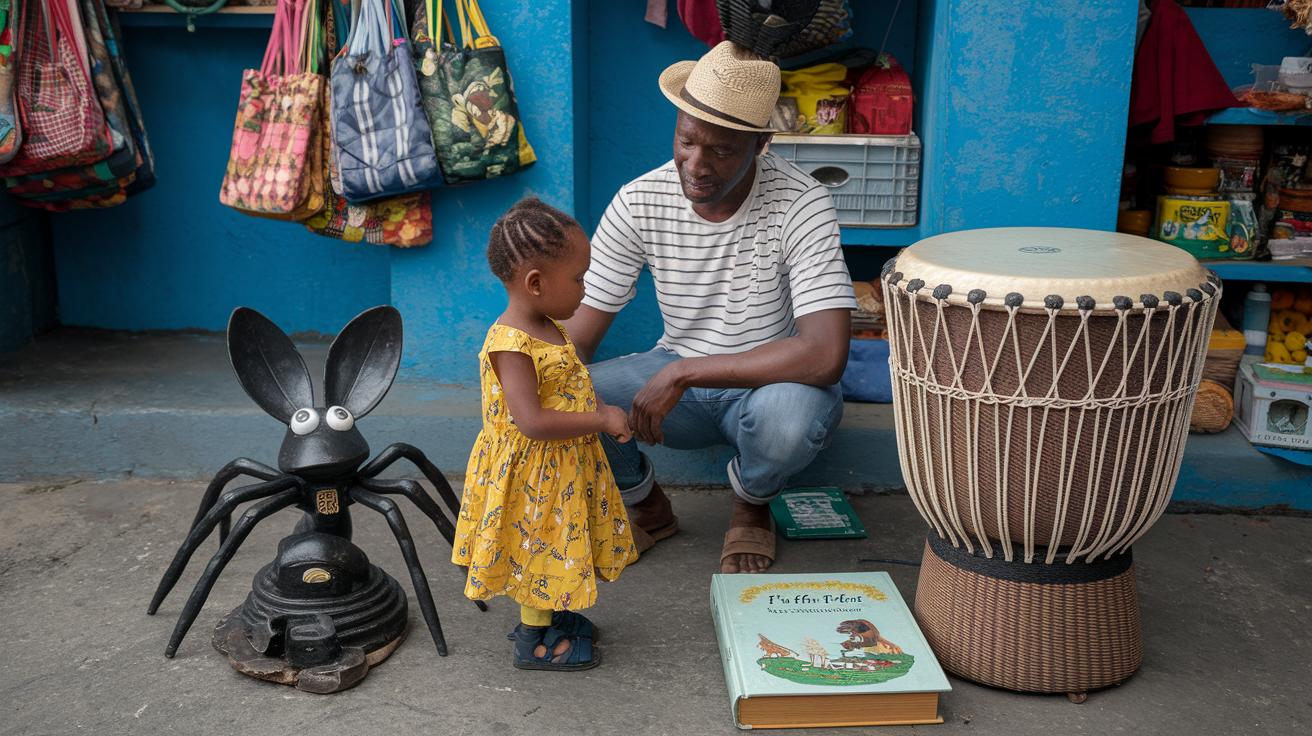
Caribbean stories mix the old and new in the most delightful way. Think of it like this: We blend playful African tales of heroes like Anansi, soulful Taino chants that whisper the island’s origins, and classic European fables that add a twist to every narrative. These rich layers now sparkle within our Cultural and Historical Overview and the Caribbean Oral Traditions: Celebrating Timeless Folktales section.
| Influence | Example | Impact on Tradition |
|---|---|---|
| African | Anansi tales and clever folklore | Brings humor and lessons that feel like friendly advice |
| Indigenous | Taino creation chants | Shapes island legends and deep-rooted myths |
| European | French fables and ballads | Merges languages with smooth storytelling rhythms |
Performance, Festivals, and Preservation of Caribbean Oral Traditions
Live shows in the Caribbean bring local stories to life. Local storytellers mix spoken word with colorful performance and cultural symbols to capture the island feeling. These events are vibrant spaces where traditions come alive with music and voices that recall the region's rich history. Picture a stage filled with animated voices and instruments, each act echoing the island's collective memory.
We also care deeply about keeping these spoken traditions alive. Curated courses and lively broadcasts do just that. For example, Ep. 2: The Caribbean Oral History Tradition offers one-day storytelling classes and speaker consultations so you can learn directly from knowledgeable local experts. Plus, radio series share folktales beyond local borders, ensuring live storytelling continues even as the world changes.
- Big Drum Festival (Dominica)
- Martinique Storytelling Festival
- One-day storytelling courses with guest speakers
- Radio series dedicated to folktales
- UNESCO intangible heritage programs
Iconic Folktales and Legends of Caribbean Oral Traditions

Caribbean herbalism stories run deep in these sunlit islands. People have long relied on over 11,000 native plants known for their healing powers. Imagine an old herbalist under a bright sun carefully picking leaves and roots, each plant telling its own tale of healing passed down through generations. These stories mix nature’s magic with the cultural heart of the islands.
Calypso music offers another gem of Caribbean storytelling. Born in 19th-century Trinidad among enslaved Africans, it became a clever way to speak up while hiding from strict colonial powers. Picture a secret nighttime meeting where voices blend with rhythmic beats, turning hard truths into playful, catchy tunes. With each verse, calypso transformed tough times into art that eventually reached ears far beyond the islands.
Many local tales also feature legendary characters that remind us of important life lessons. Ghosts, sea spirits, and mysterious messengers show up to share wisdom and caution. Their eerie presence encourages communities to think about what’s right, blending mystery with the values they hold dear.
Contemporary Digital Revival of Caribbean Oral Traditions
Podcasts and streaming shows are giving new life to the rich oral traditions of the Caribbean. Take a listen to series like Strictly Facts, which kicks off with a friendly introduction, follows up with a dive into the island's oral history, and even explores the unique geography of the region. These digital stories mix colorful visuals, rich sounds, and warm personal tales that make you feel like you're watching a live performance right at home. For a little sample of this digital magic, check out the Caribbean storytelling in the age of podcasts.
Meanwhile, young locals are turning to digital archives and social media to share the cultural stories of their islands. Using apps, video series, and interactive platforms, these young creators are recording, remixing, and broadcasting stories that hold the heart and soul of Caribbean life. They are keeping ancient folktales alive while stirring up new ways to express and enjoy their history. This fresh and modern twist welcomes everyone to explore and reimagine the timeless storytelling traditions of the Caribbean.
Final Words
In the action, we explored a rich blend of cultural memory, historic storytelling, and evolving performance practices. We took a quick look at everything from indigenous narratives to modern digital revivals, all woven together by caribbean oral traditions.
This blend of old and new keeps the spirit of the islands alive and opens new ways for everyone to enjoy these unique stories. It’s a living treasure that invites you to experience the warmth and wonder of the Caribbean.
FAQ
What are examples of Caribbean oral traditions and traditions?
Caribbean oral traditions include Jamaican Anansi tales, Haitian Vodou chants, and Trinidadian calypso performances. These storytelling forms help pass down history, cultural values, and community memories.
What is Carnival in the Caribbean and where did it come from?
Carnival in the Caribbean is a festive season of parades, music, and dancing. It has roots in both colonial and African practices, evolving into a vibrant expression of cultural pride.
What is the oral tradition in the Caribbean?
Caribbean oral tradition is a way of sharing history and cultural stories through spoken word. It relies on narrative forms to keep community memory and local heritage alive.
What is the Caribbean intellectual tradition?
The Caribbean intellectual tradition involves thoughtful examination of the region’s history and cultural narratives. It brings together academic research and artistic insight to highlight local experiences and heritage.
