Ever wondered if the Caribbean’s old seafaring days might hide secrets that change how we see history? Long ago, locals carved canoes from giant trees to glide over clear blue waters before explorers ever arrived. Their smart, hands-on ways and lively trading built a legacy of shipbuilding, trade, and memorable sea tales that echo even now. In this post, we dive into how these daring maritime stories helped shape coastal cultures and keep our curiosity alive about the true spirit of the sea.
Historical Foundations of Caribbean Maritime Heritage
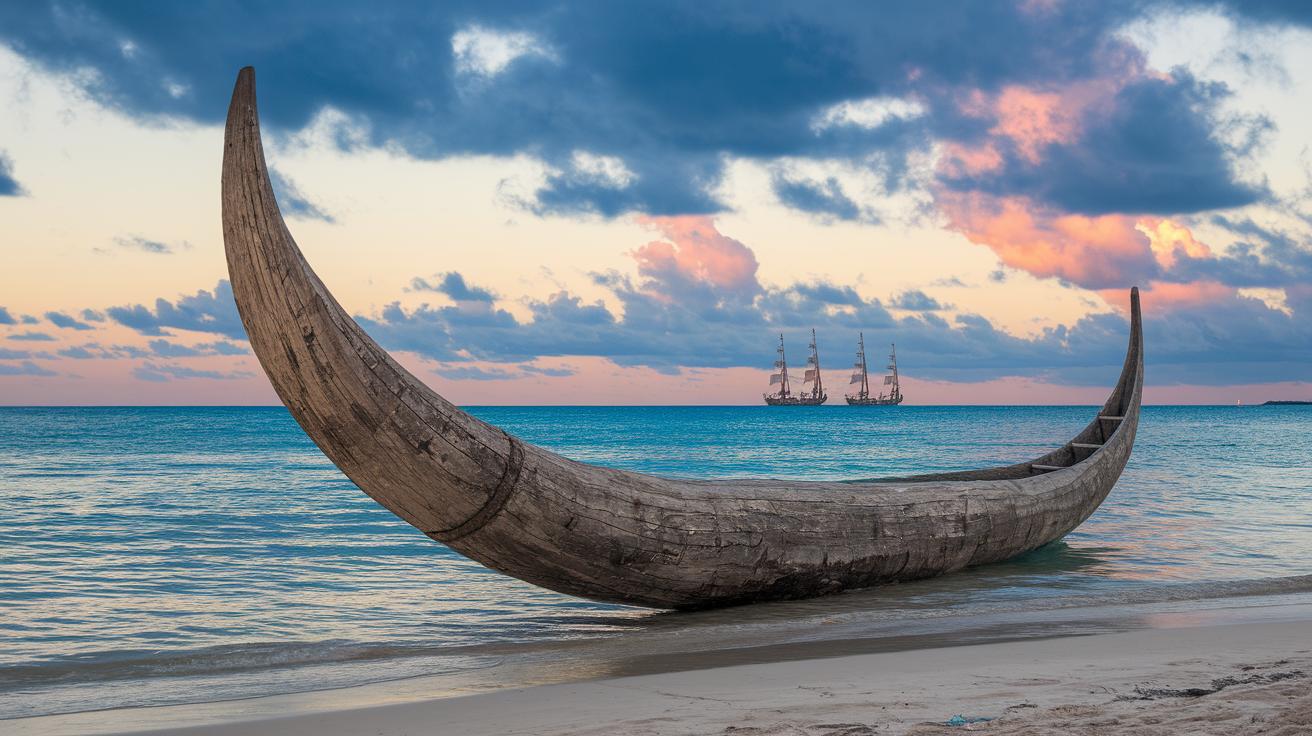
Centuries ago, the Taíno and Carib peoples carved canoes from giant trees to travel along the Caribbean shore. These humble boats were a lifeline for fishing, trade, and social visits. Early sailors trusted nature's cues and local know-how to navigate between islands, setting the stage for a long, rich seafaring tradition that later mixed with outside influences.
In the late 1400s, European caravels, small, agile ships used for exploration, began charting these waters and opening up new routes. By the 1500s, larger galleons took over, ferrying sugar, spices, and other treasures between Europe and the Caribbean. This vibrant era of trade sparked lively port towns and cultural mingling that reshaped local communities. And yes, tales of infamous pirates like Blackbeard and Anne Bonny added an exciting twist to this maritime journey, blending adventure with commerce and exploration.
Today, the Caribbean still carries the spirit of those early seafaring days. Numerous maritime museums and cultural sites, such as Grenada’s Underwater Sculpture Park, celebrate this legacy. They showcase artifacts, old navigation tools, and stories of exploration, defense, and trading feats. This lively mix of indigenous wisdom, European touches, and pirate legend continues to shape the vibrant sea culture of the Caribbean, with every wave whispering a piece of its rich history.
Evolution of Shipbuilding in Caribbean Maritime Heritage
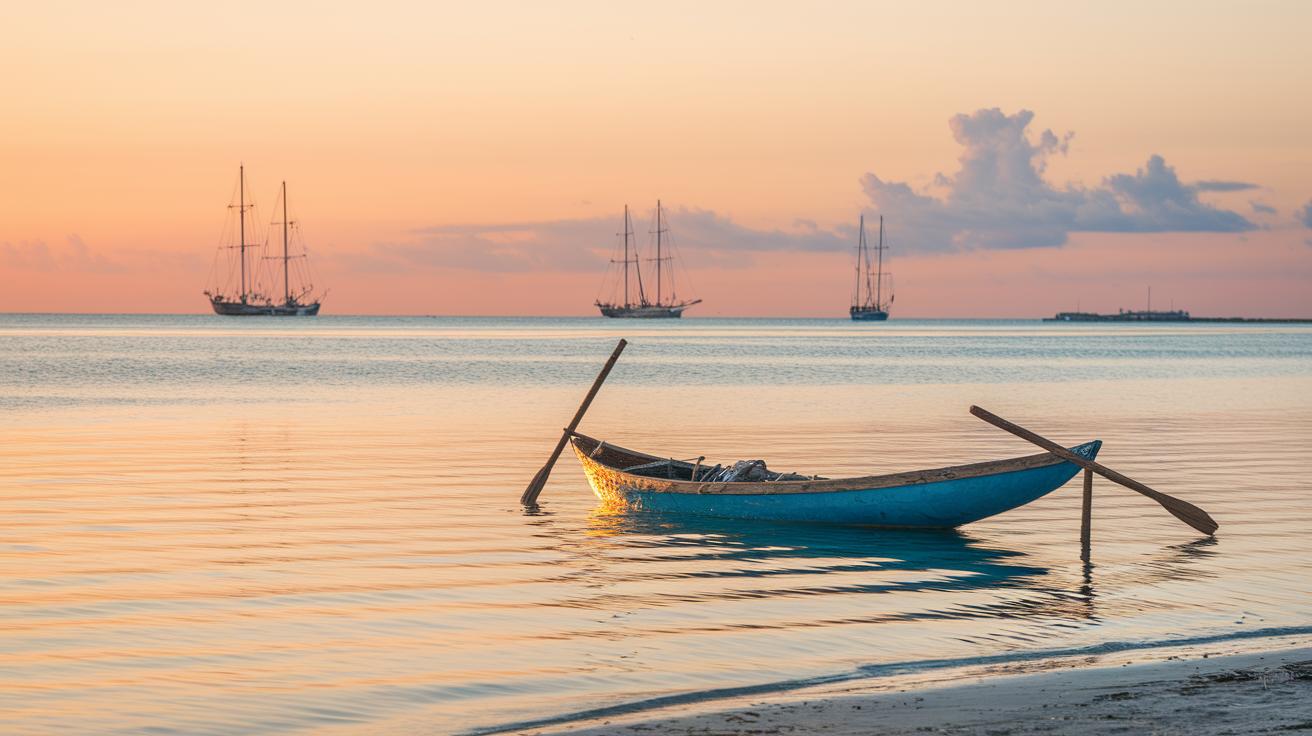
Long before Europeans set foot in the Caribbean, the Taíno and Carib peoples built dugout canoes from single tree trunks. These simple boats were perfect for fishing and trading, and you can almost imagine the gentle splash of water as they glided along the coast.
Later on, European explorers brought fresh ideas to the region. In the late 1400s, speedy caravels appeared, helping locals explore their beautiful shores. From the 1500s to the 1700s, big sturdy galleons were built to haul heavy cargo and protect their crew. Then, in the 1700s, local shipwrights cleverly mixed European rigging tricks with their own traditional woodworking, creating elegant colonial sloops.
Each improvement, step by step, added a new layer to the Caribbean's rich maritime history. It’s like blending two great recipes, one with indigenous skills and one with European know-how, to create a unique flavor that still shapes island life today.
Island Shipping Routes and Colonial Trade Networks in Caribbean Maritime Heritage
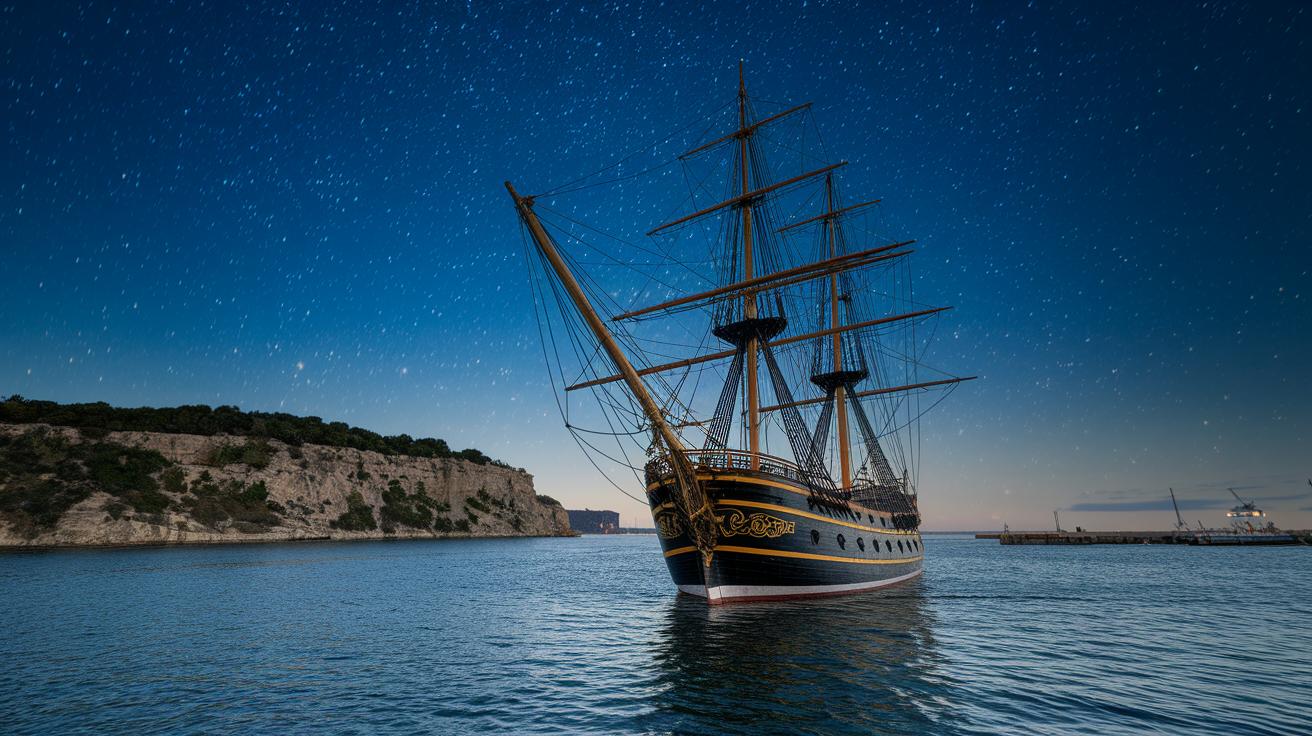
Back in the day, early mariners set sail with simple tools and a keen eye for nature's clues. Explorers in the late 1400s would navigate from Hispaniola to Cuba and Puerto Rico using nothing more than the twinkling stars and familiar coastal landmarks as guides. They charted hidden coves and lively harbors, and in doing so, paved the way for a thriving web of trade.
By the 16th century, things got even busier. Larger ships, known as galleons, started cruising the Spain–Caribbean lanes, carrying loads of sugar, spices, and other prized goods. Closer to the islands, local trade was buzzing too, as salt, rum, and cotton traveled among neighbors like Jamaica, Barbados, and Antigua. And then there was the famous Transatlantic Triangle, a route that connected continents as slaves, molasses, and manufactured items were swapped, sealing strong economic ties in the region.
| Route | Time Period | Main Commodities |
|---|---|---|
| Spain–Caribbean | 1492–1700 | Sugar, Spices |
| Inter-island | 1500–1800 | Salt, Rum, Cotton |
| Transatlantic Triangle | 1600–1800 | Slaves, Molasses, Manufactured Goods |
Trade winds were both friends and challengers to these brave seafarers. Sometimes a gentle breeze would guide them through the open sea, and other times unexpected gusts would test their skills. Their knack for reading the wind and quick thinking kept them safe and allowed the legacy of Caribbean maritime heritage to live on vibrantly.
Pirate Lore and Naval Conflict in Caribbean Maritime Heritage
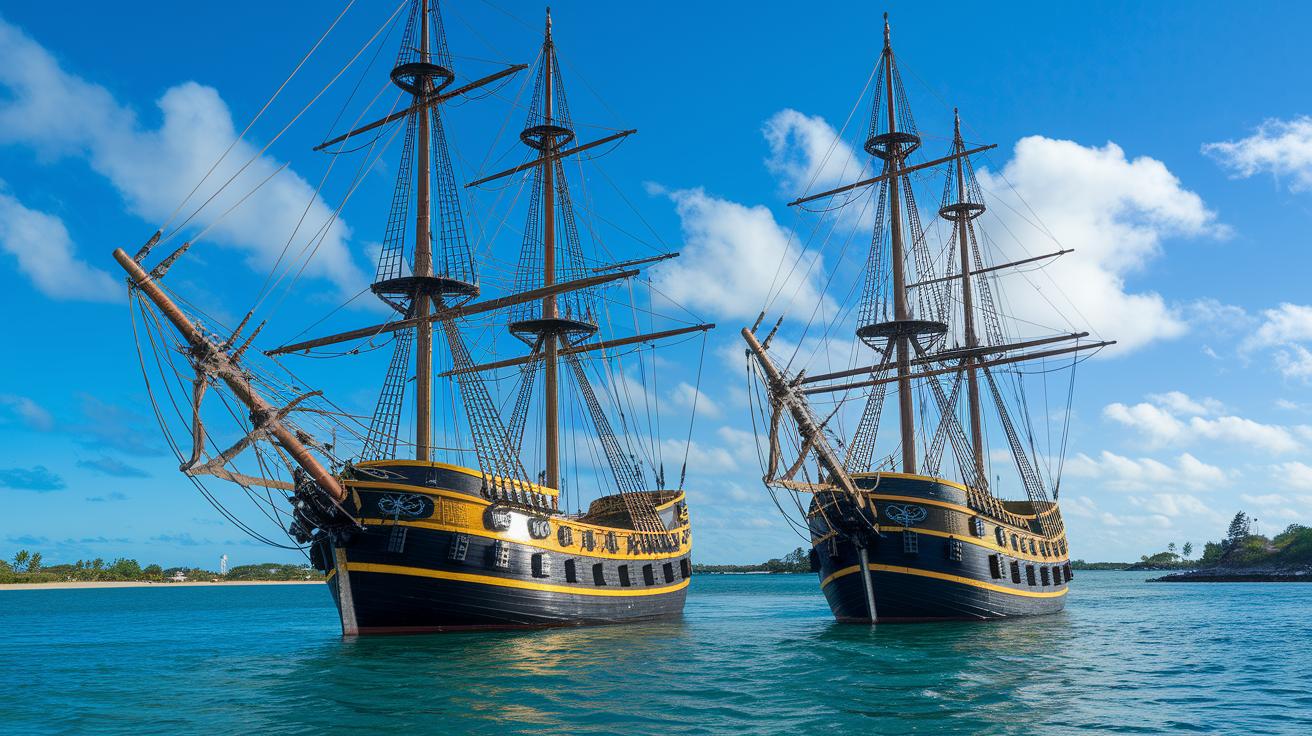
Imagine these notorious figures of the Caribbean: Blackbeard, whose real name was Edward Teach, and the bold Anne Bonny. Their daring adventures have become a warm part of Caribbean tales. Back in the Golden Age of Piracy, around 1715 near Nassau and Providence Island, pirates walked a tricky line. Sometimes they were seen as outlaws, and other times they held official permission. Colonial governments handed out letters of marque – which were basically licenses that let them legally attack enemy ships. This mix-up blurred the lines between true piracy and government-backed privateering. Think of it as a world full of hidden treasures, secret coves, and adrenaline-pumping chases, where every sunset held a hint of high-sea mystery.
Naval battles and small coastal skirmishes further carved these stories into the fabric of the Caribbean. After the powerful 1692 earthquake shook Port Royal, locals had to face fierce clashes that led to stronger harbor defenses along key trade routes. The constant tussle between daring pirates and organized colonial forces changed how islands built their fortifications and planned their defenses. These efforts not only shielded the communities but also built a deep sense of resilience. It’s like piecing together a historic shield, each brick echoing a legendary clash at sea that helped shape the rich maritime heritage of the Caribbean.
Seafaring Folklore and Cultural Traditions in Caribbean Maritime Heritage
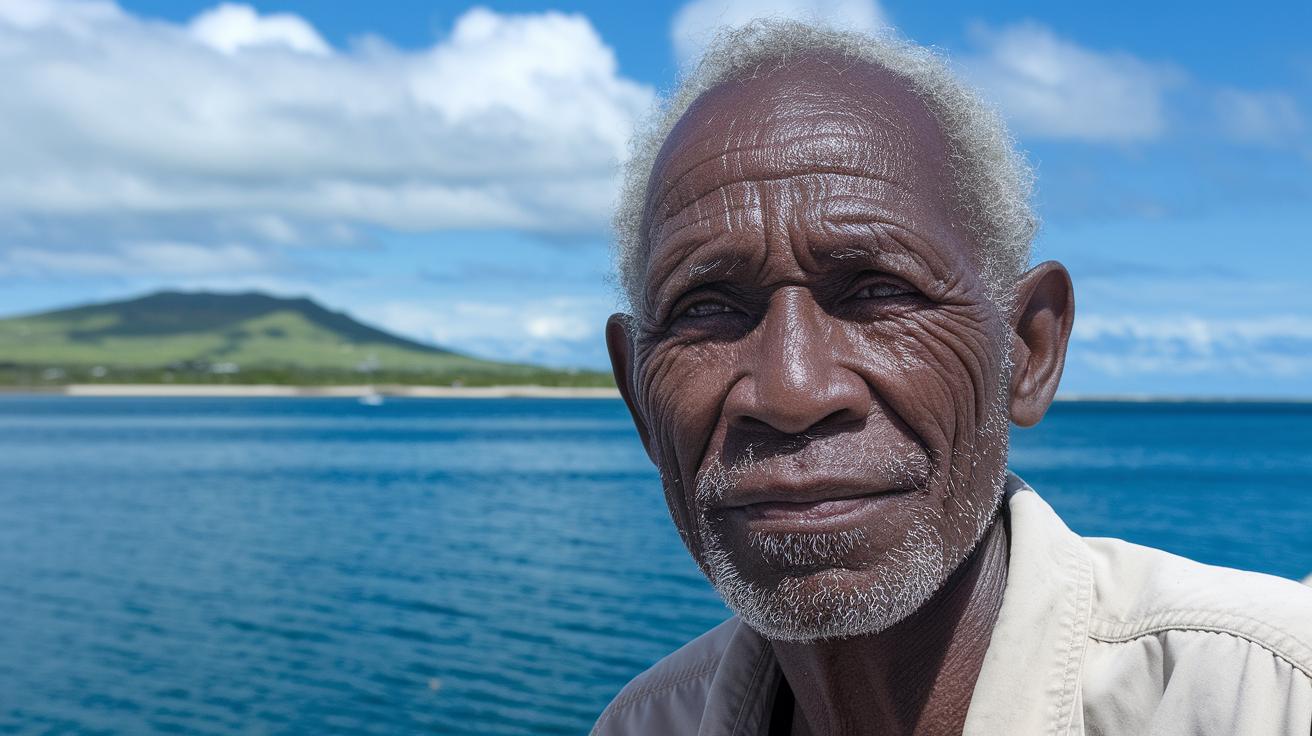
Coastal folks have shared lively tales of secret coves and hidden treasures, like the famous "Skeleton Island." Elders pass along these stories, filled with mysterious lands and bold seafarers, as if they're whispering secrets on a warm, breezy evening. These legends keep the heart of island life beating strong.
Local lore also gives us the curious names of spots like "Black Jack’s Cay." You might hear colorful stories of daring characters who once ruled these waters, giving each island and cove its own unique character. It's like hearing old friends reminisce about a time when every shoreline had a story to tell.
Every year, vibrant maritime festivals bring these traditions to life. In towns across the islands, communities come together for music, dance, and playful reenactments of old seafaring rituals. There's nothing quite like the joyful buzz in the air as everyone celebrates the deep connection between the people and the sea.
Even sailor superstitions have their charm in these coastal communities. For instance, spotting a dolphin is said to promise smooth sailing ahead. In everyday chats and festive gatherings, these bits of wisdom keep the rich legacy of Caribbean maritime life alive and well.
Underwater Exploration and Shipwreck Discoveries in Caribbean Maritime Heritage
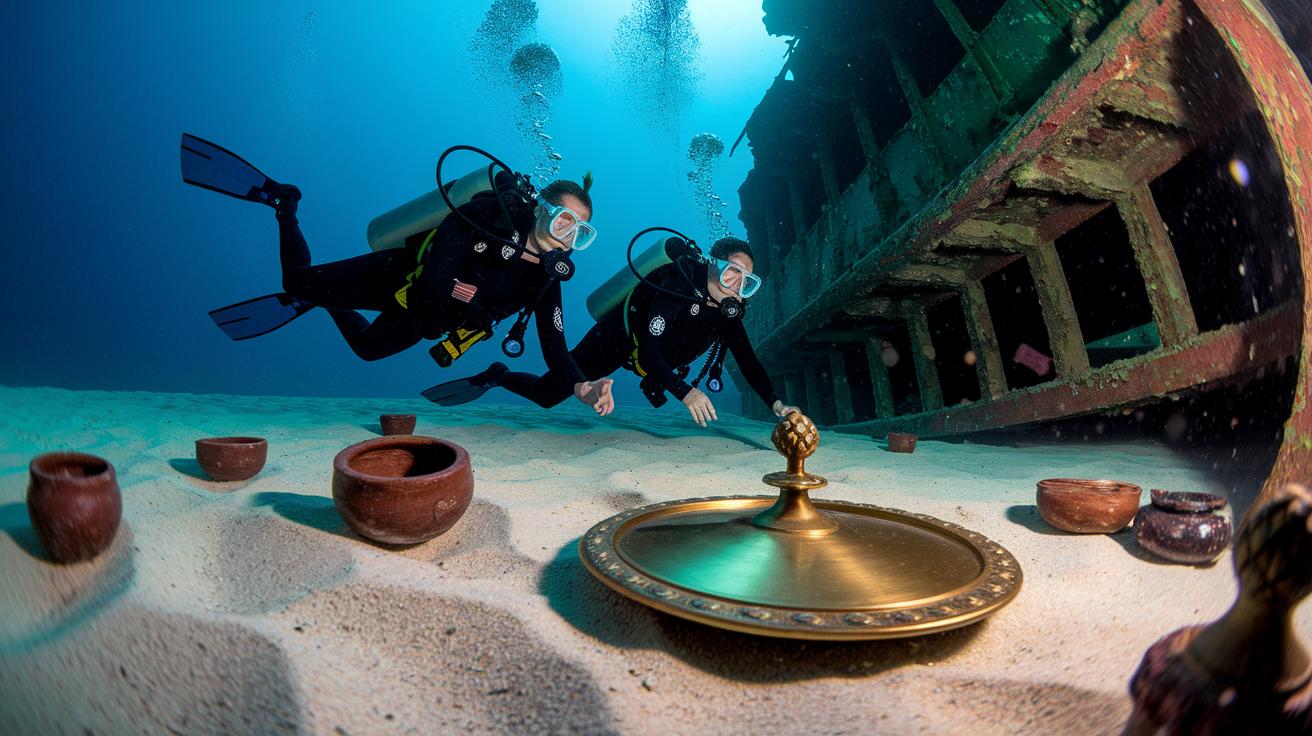
Have you ever wondered what secrets lie beneath the clear, turquoise waves? Recently, daring explorers have uncovered amazing stories hidden under the sea. Since 2021, divers have discovered over 20 old shipwrecks from the 17th and 18th centuries off the Bahamas and the Keys. Imagine ancient ships resting quietly on the seafloor, each with its own tale of trade, battles, and daily life.
Some of these dive spots feel like open-air museums. Take Grenada’s Underwater Sculpture Park, for example. Here, art meets history, and divers can enjoy relics like Spanish galleon ceramics, brass navigation tools (basically old compasses), and weathered wood fragments. Experts use careful methods, such as in-situ stabilization and freshwater tank treatments, to keep these treasures safe for future generations. It’s a beautiful mix of old stories and modern care.
With the latest in underwater mapping, explorers can now record these shipwrecks in incredible detail. New sonar and 3D imaging technology help create digital models of each site, capturing every curve and crack. This cool tech bridges the gap between the past and today, letting us see the rich maritime heritage of the Caribbean in a whole new light.
Nautical Museum Exhibits and Heritage Preservation in Caribbean Maritime Heritage
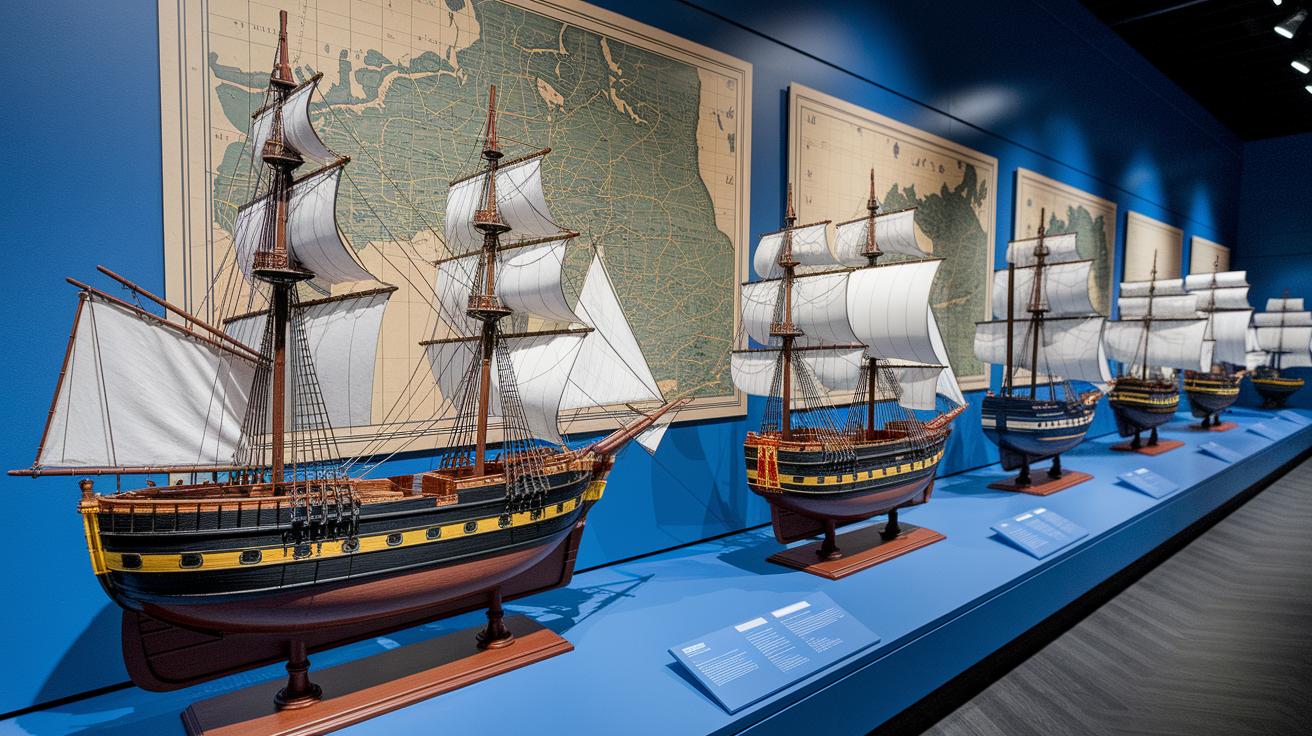
Step into the lively world of maritime history where every exhibit tells a story. At Museo del Mar in Old San Juan, a charming colonial building sets the stage for ship models, antique maps, and old navigational tools that whisper tales of brave explorers and skilled local boatbuilders.
Over in Bermuda, the National Museum proudly displays artifacts that capture the spirit of tall ships and wild, stormy voyages from long ago. Each piece feels like a window into the past, inviting you to imagine the thrill of life at sea.
Technology now plays a part in these immersive journeys. In Nassau and Havana, interactive displays like virtual ship walkthroughs and timeline projections let you step into recreated historic vessels. Ever wondered how it would feel to run your hands along aged wood while catching a hint of sea spray? These digital experiences bring that sensation to life in a fresh, engaging way.
Museums are also dedicated to keeping these stories alive for the future. With careful archival documentation, they preserve every detail of the Caribbean's rich maritime heritage so that upcoming generations can savor these vibrant coastal legends.
Final Words
In the action, this post whisks us through early indigenous canoes, European caravels, pirate legends, and timeless museum exhibits. It sailed from ancient shipbuilding to hidden trade routes and vivid folklore, showing how Caribbean maritime heritage still sparkles today.
Each section brings a slice of life at sea, from underwater discoveries to local traditions, weaving history with everyday charm. Sunlit days ahead leave us excited for more shared moments along these storied waters.
FAQ
Q: What are the historical foundations of Caribbean maritime heritage?
A: The historical foundations of Caribbean maritime heritage begin with indigenous Taíno and Carib canoes, then progress to European caravels and galleons that set the stage for trade and coastal defense throughout the region.
Q: How did indigenous and colonial shipbuilding shape Caribbean naval traditions?
A: Indigenous shipbuilding with dugout canoes merged with colonial techniques that introduced caravels, galleons, and later colonial sloops, creating a unique blend that marks the evolution of Caribbean naval traditions.
Q: What defined island shipping routes and colonial trade networks in the Caribbean?
A: Island shipping routes emerged as caravels charted coastal waters and galleons carried cargo like sugar and spices, while inter-island trade and transatlantic exchanges moved goods such as salt, rum, and molasses.
Q: How did piracy and naval conflict influence Caribbean maritime heritage?
A: The influence of piracy and naval conflict stands out with figures like Blackbeard and Anne Bonny. Their actions, combined with colonial privateering and coastal battles, greatly impacted local folklore and defense strategies.
Q: What role has seafaring folklore played in preserving Caribbean maritime identity?
A: Seafaring folklore has preserved Caribbean maritime identity through oral narratives of secret coves and hidden treasures, with local festivals and superstitions passing down traditions that celebrate the region’s rich, nautical heritage.
Q: What insights have underwater explorations and shipwreck discoveries provided?
A: Underwater explorations have led to discoveries of 17th- and 18th-century shipwrecks, offering insights into historical cargo, navigation tools, and ship construction, while sites like Grenada’s Underwater Sculpture Park merge art and maritime history.
Q: How are museums and heritage programs helping keep Caribbean maritime culture alive?
A: Museums display models, maps, and instruments through interactive exhibits, and heritage programs document archival records, ensuring that Caribbean maritime culture remains accessible and engaging for today’s audiences.
