Have you ever thought a simple hello could unlock a whole world of Caribbean magic?
This friendly guide shows you how everyday chats and warm smiles make each island so special.
Every "good morning" carries a little story from the heart of rich local culture.
Picture yourself greeting a local with a smile that turns strangers into new friends.
This guide is all about those small moments that weave unforgettable connections and help you truly feel the Caribbean way of life.
Essential Caribbean Local Customs Overview
Caribbean local customs are bright and full of life. They bring together African, European, Native, and Asian traditions into a colorful mix. Every island has its own special vibe, where you can hear catchy tunes, watch joyful dances, and see lively art. Imagine sunny beaches and bustling markets where locals greet you with a warm smile. For example, in Jamaica, saying "Wah gwaan?" can quickly create a friendly connection and show that you truly appreciate their ways.
Traveling respectfully means diving into these customs with an open heart. It’s not just about visiting pretty spots, it’s about bonding with the community. When you take time to learn how locals do things, your experience becomes richer, and you honor the deep history of the island. I once said a sincere "good morning" to a market vendor, and he invited me to try a local treat. Little moments like these make your journey special.
Planning ahead with a little cultural research goes a long way. Before you set off, check out the guides or a few online tips about the island's traditions. This way, you get to explore hidden gems while still showing respect. For more details on what makes each island unique, take a peek at our article on regional differences in caribbean culture. Every moment in the Caribbean is a perfect chance to connect in true local style.
Warm Greetings in Caribbean Local Customs
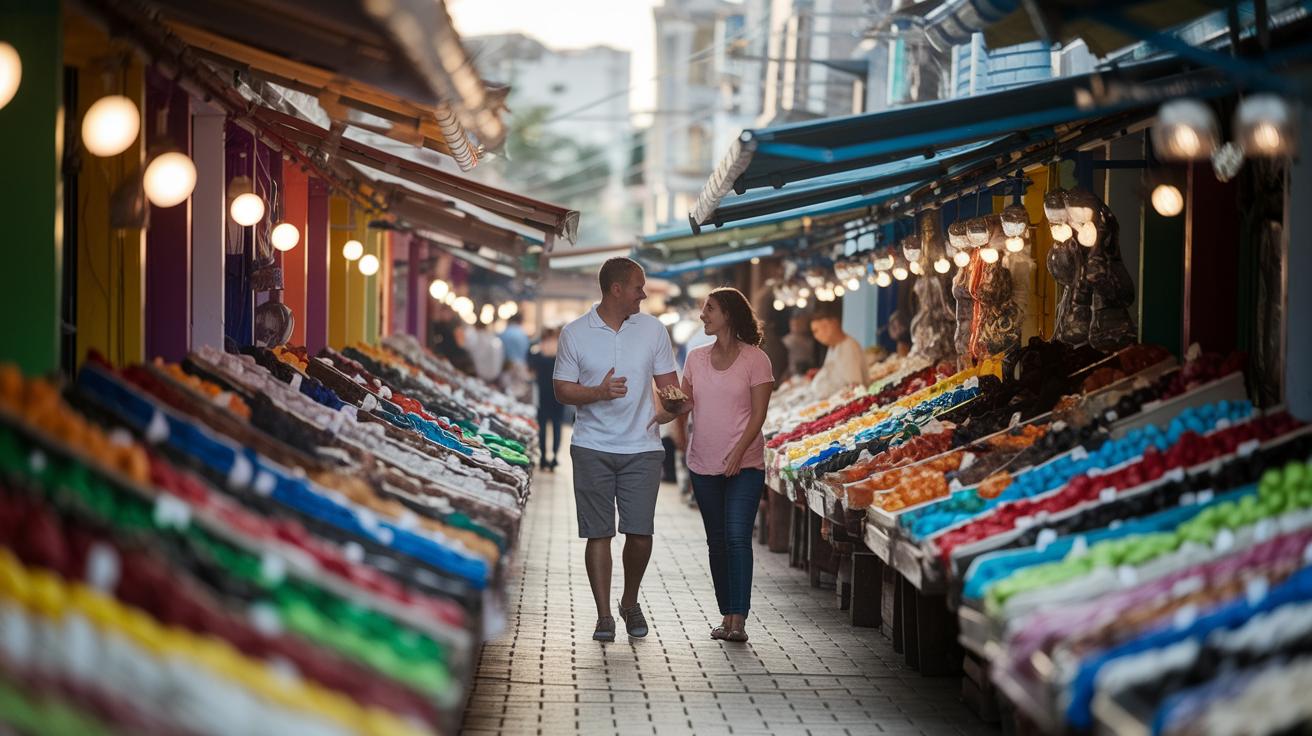
In the Caribbean, greetings open a door to the island’s warm heart. A cheerful "hello" or "good morning" means more than just words, it invites you into a community that feels like home. When you wish a vendor "good morning" at a busy market, you might just spark a kind smile and a friendly welcome.
Using local phrases can make your day even brighter. In Jamaica, for example, a friendly "Wah gwaan?" (which means "what's happening?") shows you care about their customs. That little phrase can turn an ordinary moment into a cherished memory.
- Hello – a common greeting across islands like Antigua and Barbuda.
- Good morning – a nice way to start the day in places such as Trinidad.
- Good afternoon – often shared in the U.S. Virgin Islands.
- Wah gwaan? – a popular, heartwarming phrase in Jamaica.
- Bonjou – a warm greeting in Haitian Creole, used in Haiti.
Also, your body language speaks volumes. A gentle smile, a soft nod, and kind eye contact let locals know you are genuinely interested in their island life. In truth, these little gestures help you connect with the vibrant Caribbean spirit.
Dress Etiquette in Caribbean Coastal Customs
When you're exploring the sunny Caribbean coast, it's all about dressing with a bit of respect beyond your standard beachwear. Locals love seeing guests in neat, casual clothes when visiting markets, grabbing a bite at eateries, attending festivals, or even stepping into a church. Instead of roaming around in a bathing suit far from the shore, try a light sundress or a relaxed button-up shirt to keep cool and comfortable. It’s a simple nod to local traditions that helps you bond with the community.
| Location | Outfit Choice | Why It Matters |
|---|---|---|
| Public Spaces | Light sundress or button-up shirt | Easygoing yet respectful everyday style |
| Churches/Events | Modest outfit with a cover-up | Perfect for cultural and religious spots |
Adapting to these local dress codes might feel a bit different at first, but every respectful outfit you choose deepens your connection with the island vibe. It’s like joining in on a friendly conversation with the locals, you show you care about their culture, and in return, you’ll feel right at home. Enjoy the journey and let your style reflect the warm, welcoming spirit of the Caribbean.
Caribbean Local Customs Guide: Vibrant Cultural Charm
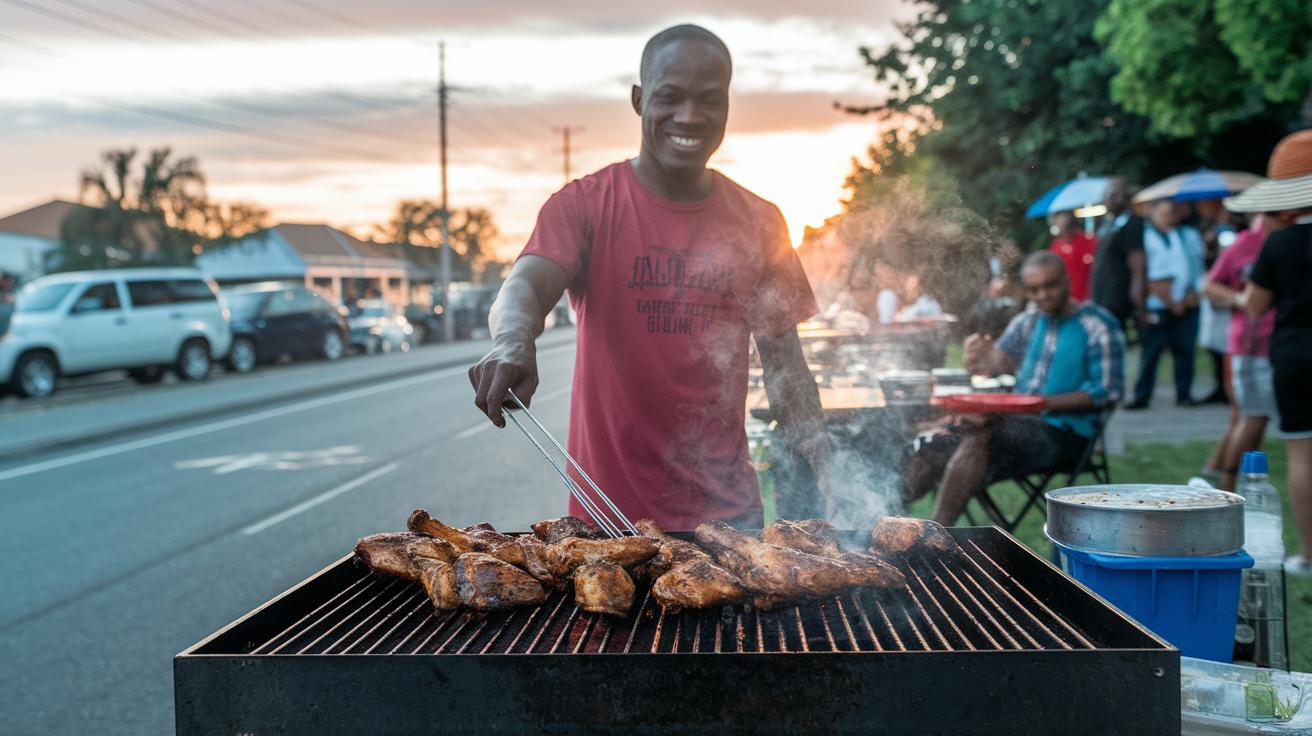
When you choose to enjoy local Caribbean food, you’re doing more than just eating, it’s like stepping into the heart of island life. Imagine sitting at a simple roadside stand with the sound of sizzling spices in the air, feeling the warm vibe of the community. That friendly vendor, who might have learned the recipe from their own family, is sharing a little piece of their heritage with you.
There’s an explosion of flavors waiting for you on the islands. Picture biting into a plate of spicy jerk chicken served with a side of soft, warm roti. Over in the U.S. Virgin Islands, you can find treats like conch, johnny cakes, and pates, each dish bursting with the local culture’s colorful spirit. And hey, don’t forget to try a refreshing glass of Cruzan rum punch or a steaming cup of bush tea. These local beverages blend unique ingredients that make each sip a delightful taste of island life.
At local markets and restaurants, a friendly smile and a simple “thank you” go a long way. Taking a moment to ask about a dish or its ingredients can open up a lively chat about its story. This kind of respectful curiosity makes every bite taste even more special.
Participating in Caribbean Festival Customs
Caribbean festivals pop with energy and tell stories of history. They fill the streets with stunning art, lively music, and joyful dance. These events go beyond a simple party; they honor the islands' deep history and proud culture passed down over generations. When you take part, keep in mind that each festival comes with its own special rules and little traditions. By respecting local customs, wearing the right clothes, and letting the music fill you, you join the celebration and honor traditions cherished for years.
Carnival in Trinidad
Carnival in Trinidad dazzles with bright costumes and energetic beats that make you feel the thrill. When you hit the streets, try to wear something that shows off the festive vibe while keeping it respectful. The parade is a whirl of creative outfits and infectious energy. Every dance step and every song tells a little story. Dancing, clapping to the strong drum beats, or just soaking in the scene shows that you really value the traditions behind the costumes and the flow of the parade.
Junkanoo in the Bahamas
Junkanoo in the Bahamas has a special charm filled with deep cultural vibes. As you watch the rhythmic parades and bright costumes, be sure to show respect by taking it all in quietly. Locals love it when visitors show gentle enthusiasm, watching the performers, clapping along with the beat, or even joining a dance if invited. Noticing the detailed designs on the outfits and the thoughtful moves in the routines helps you feel a deep connection to the festival’s rich culture and history.
Adapting to “Island Time” and Caribbean Social Pace
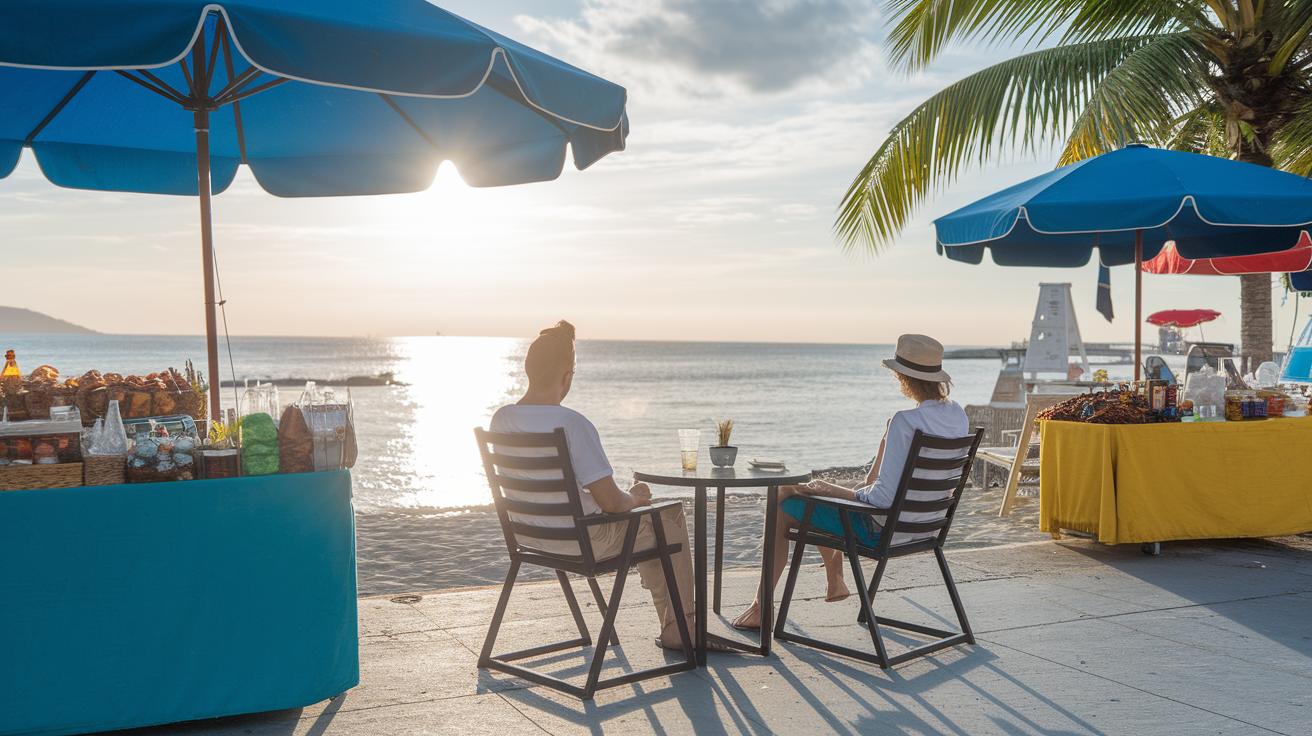
When you're in the Caribbean, time seems to slow down, and that's part of the magic. Imagine buses and restaurants taking their time, like they're enjoying a casual tea break. Instead of fretting about sticking to a tight schedule, why not leave room for adventure? Picture your day like mixing up a cool tropical smoothie, add a splash of free time to savor every moment. If your morning tour starts a little late, take that chance to wander through a local market or sip a refreshing drink by the shore. It’s all about soaking in the chill island vibe.
Plan for plenty of downtime to match the Caribbean's relaxed spirit. By building in breaks, you get to see life at its own gentle pace, a chance to chat with friendly locals or simply admire the vibrant scenery. Embracing this laid-back schedule not only makes your trip smoother but also helps you feel a deep connection with the heart of the island.
Language and Communication in Caribbean Customs Guide
In the Caribbean, you’ll find people speaking a mix of English, Spanish, French, and Creole. It’s a good idea to learn a few simple phrases in each language. For example, try saying "Good morning" in English, "Buenos días" in Spanish, "Bonjour" in French, and "Bonjou" in Creole. This small effort can help you fit in and shows local folks that you truly appreciate their culture.
When you communicate, keep it clear and friendly. Speak slowly, and take a moment to watch how locals express themselves, not just with words but with gestures and smiles too. Even if your accent isn’t perfect, the warmth in your tone and a sincere smile can turn any chat into a memorable, friendly experience.
Responsible Travel: Photography, Tipping, and Eco-Friendly Customs
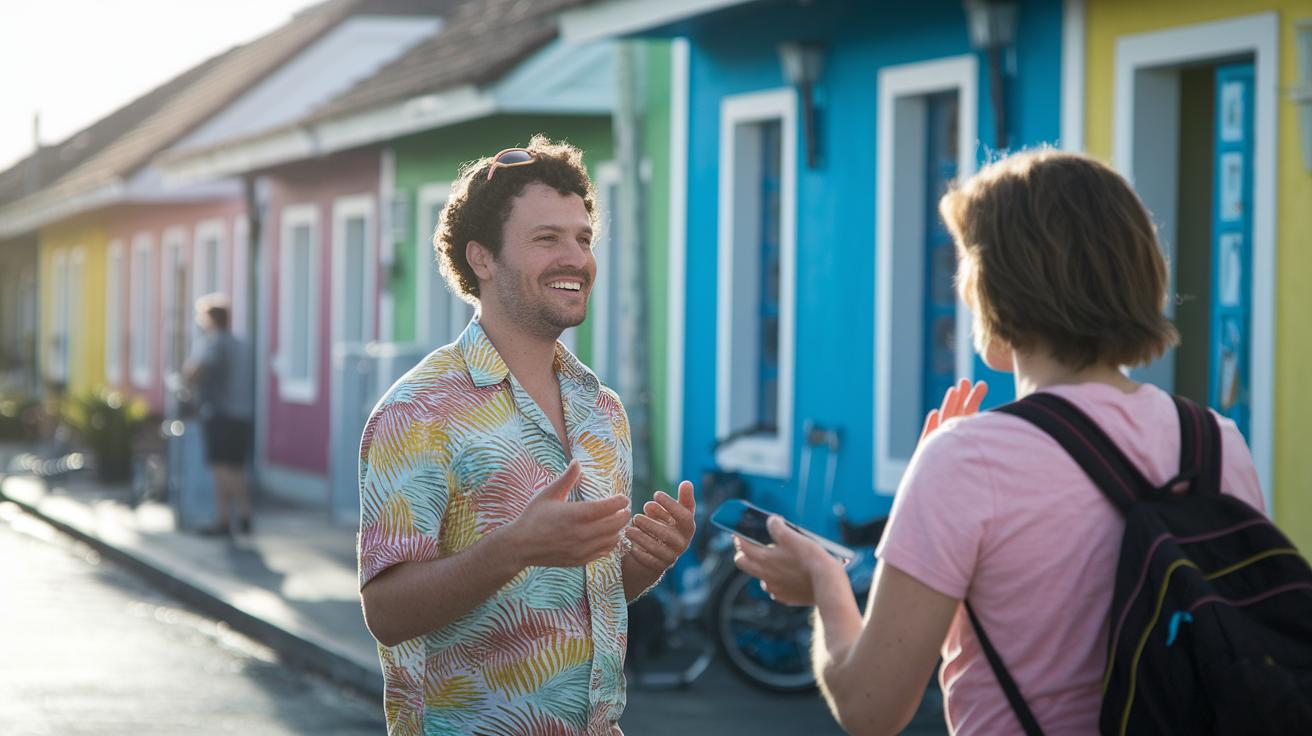
When you’re snapping pictures in the Caribbean, think of it like having a friendly chat. Always ask first before taking someone’s photo, especially in quiet village spots or private settings. For example, if you see a local artist working on beautiful art, a simple “Is it okay if I take your picture?” goes a long way in showing respect for their space and way of life.
In local restaurants and cafés, tipping is a nice way to say thanks for good service. A tip of about 10–15% is pretty normal, though it might change a bit from one island to another. After enjoying a meal at a small family-run spot, consider giving a tip that matches the warm service you received. This small act of kindness not only supports local workers but also helps create a friendly, welcoming vibe.
Taking care of the environment is key to keeping the Caribbean magical. Use reef-safe sunscreen so the ocean life can flourish, and always remember to pack up your trash. When you join eco-friendly activities, like a kayaking trip with a company that cares about nature, you’re making a small yet powerful choice. These little steps help keep the islands as pristine and inviting as you found them.
Integrating Caribbean Customs into Your Travel Itinerary
When you're mapping out your trip, look for places that let you mingle with local artists and enjoy off-the-cuff cultural moments. Think of it as tossing together a tropical salad, add a bit of art workshops, some neighborhood traditions, and a touch of lively street music. For example, imagine crafting your day like mixing a cocktail, start with a unique find at a local craft stall, then enjoy the refreshing vibe of spontaneous street tunes.
Once you land, let your schedule breathe. Instead of sticking to a strict plan, leave room for unexpected stops in little community corners. You might bump into a shop owner who shares a secret recipe or find a friendly local inviting you to a backyard craft session. Just take a slow stroll and see where the day leads; sometimes a simple handmade market can turn an ordinary day into a memorable adventure.
Throughout your visit, keep your eyes peeled for moments to connect with the local culture. Chat with the artisans in their cozy studios, join in on impromptu gatherings, and ask friendly questions about everyday customs. For instance, try setting aside a little time each day to talk with a vendor at a local market. Their stories might just inspire your next discovery.
Final Words
In the action, this guide took you through key local customs, from warm greetings and smart dress etiquette to savoring island dishes, respectful festival rituals, and the relaxed pace of island time. It also shared tips on language signals and eco-friendly practices, helping you shape your travel itinerary with cultural awareness. This caribbean local customs guide wraps up a clear look at respecting the nuances of each island. Enjoy your trip, knowing every thoughtful step makes your experience more genuine and fun.
FAQ
FAQ
What is Caribbean culture?
Caribbean culture means a blend of traditions from African, European, Indigenous, and Asian roots, forming unique customs, food, and community practices that shape the identity of each island.
What are common Caribbean cultural traditions?
Caribbean cultural traditions include festive celebrations, friendly greetings, traditional music, local cuisine, and unique social practices that highlight the region’s rich multi-root heritage.
How does Jamaican culture contribute to Caribbean identity?
Jamaican culture contributes lively music, warm greetings like “Wah gwaan?”, and unique customs that underline the island’s rich heritage and enhance the broader Caribbean identity.
What are key facts about Caribbean culture history?
Caribbean culture history is built on diverse influences from early settlers and native peoples, leaving a legacy that shows in local customs, traditional art, and food practices passed through generations.
What are the core values of Caribbean culture?
Caribbean culture values community, respect, and a laid-back social pace, inviting visitors to enjoy local hospitality and honor traditions that have been shared for many generations.
What defines a Caribbean Culture Restaurant?
A Caribbean Culture Restaurant offers authentic local dishes, often featuring island flavors and recipes that reflect the heritage and lifestyle of the Caribbean people.
How do islands like Jamaica, The Bahamas, Barbados, Curaçao, and Saint Lucia differ in their customs?
Each island has its own twist, showing unique greetings, dress codes, and culinary traditions that reflect distinct historical influences and local ways of life.
