Have you ever wondered if the Caribbean is only about sunny beaches and clear blue water? They are so much more. These islands keep amazing stories tucked away in their old forts and weathered docks. Imagine walking by a mighty fort that has stood for hundreds of years, each stone telling tales of brave adventures. Or picture an ancient dock where the salty sea air mixes with whispers of the past.
Each spot is like a secret doorway to a time when local traditions meant everything. You don’t just see a pretty view, you feel the energy and history of the land. So, why not join me for a gentle stroll through these charming sites, where every step brings you closer to the heart and soul of the Caribbean?
Top Caribbean Islands with Renowned Historical Landmarks
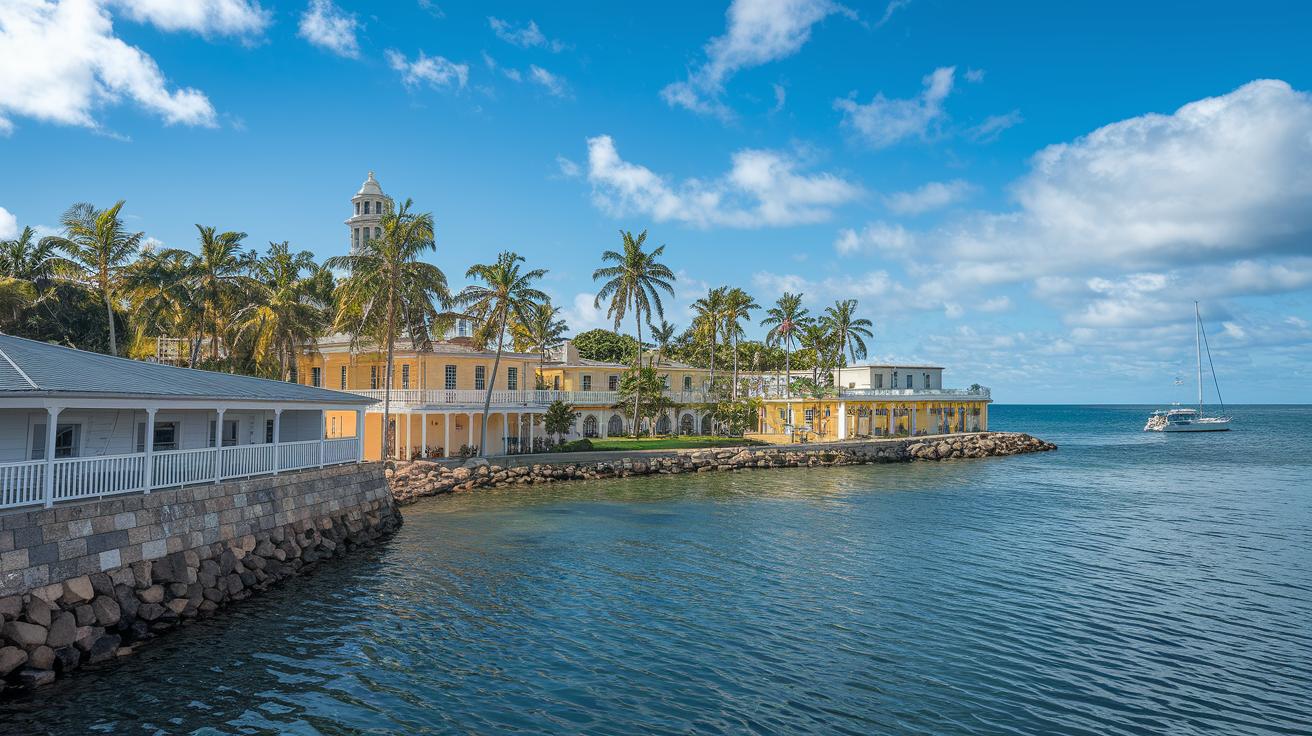
These islands are special because they blend old stories, amazing buildings, and honors from groups like UNESCO. Each landmark tells a tale of brave pasts and colorful culture that has shaped the Caribbean over many years.
| Island | Landmark | UNESCO Status | Key Date |
|---|---|---|---|
| Antigua & Barbuda | Nelson’s Dockyard | UNESCO National Park | 1784–1787 |
| Barbados | Historic Bridgetown and its Garrison | UNESCO Listed | 17th–19th c. |
| Curaçao | Historic Willemstad | UNESCO World Heritage | until 2010 |
| Dominican Republic | Colonial City of Santo Domingo | UNESCO Highlight | 1496 |
| Jamaica | Blue and John Crow Mountains | Mixed Natural/Cultural | 2015 |
| Puerto Rico | La Fortaleza & San Juan National Historic Site | UNESCO Recognized | 16th c. |
| St. Kitts & Nevis | Brimstone Hill Fortress | UNESCO World Heritage | 17th–18th c. |
Let’s check out more details below and discover each island’s amazing slice of history.
Coastal Seaport Heritage Sites Across the Caribbean
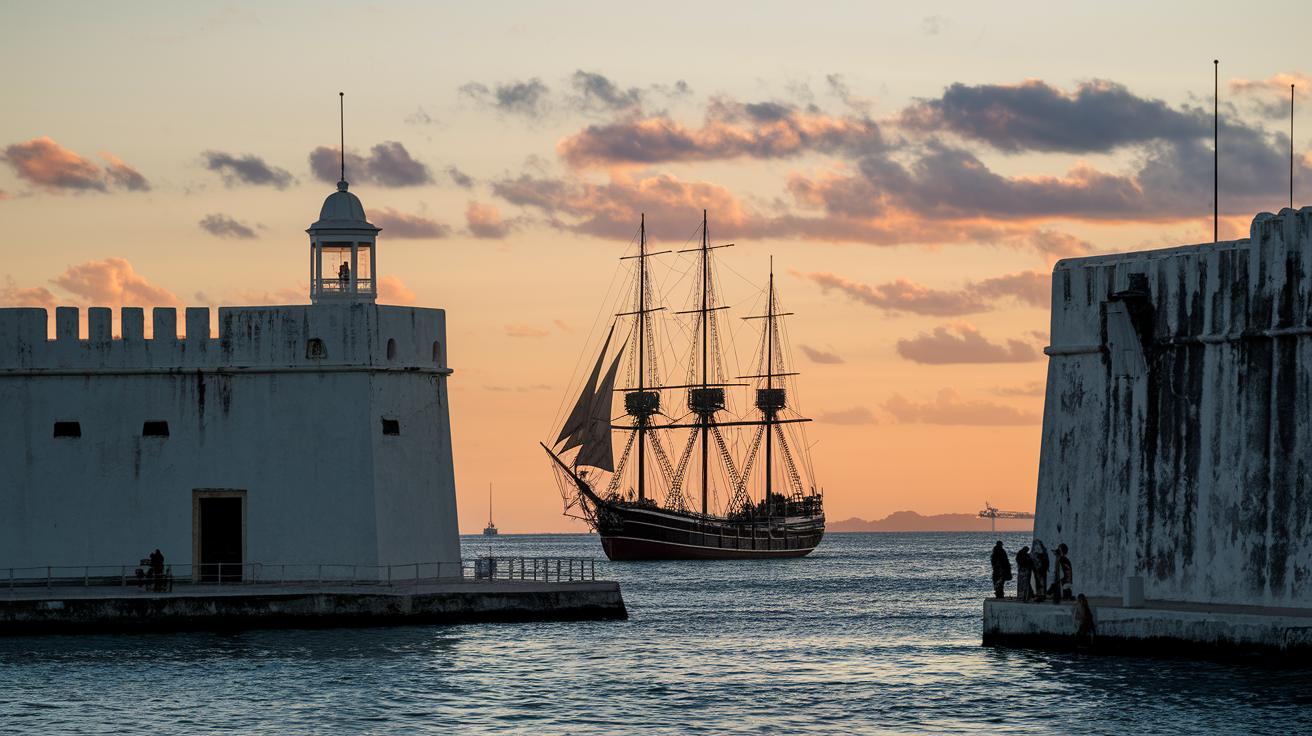
Seaport defenses bring back memories of when reliable ships and sturdy walls were key for trade and survival. These strongholds grew into lively centers where military might and commerce mixed with local culture, each port has its own story that blends local creativity with old European tactics.
Take Antigua’s Nelson’s Dockyard, for example. This UNESCO National Park still shows off its 18th-century Georgian naval workshops and thick walls that once protected British interests in the Caribbean. Walking through its historic paths, you can almost feel the energy of the past and hear whispers from a bygone era.
Then there’s Barbados’ Historic Bridgetown and its Garrison. Built between the 17th and 19th centuries, this charming complex surrounds a busy colonial port. Its well-kept forts and detailed architecture tell the story of smart military planning, making it a true cultural treasure recognized by UNESCO.
Over in Curaçao, Historic Willemstad shines with Dutch colonial charm. A UNESCO World Heritage site, its colorful buildings and coral stone facades are a vivid reminder of a time when seaports were essential for commerce and control. Strolling through Willemstad feels like stepping into a lively scene painted by history.
Puerto Rico’s San Juan National Historic Site completes the tour. With landmarks like La Fortaleza and Castillo San Felipe del Morro overlooking a crucial Caribbean bay, these grand fortresses mix Spanish military art with practical defense systems. They stand firm against time, inviting you to explore a rich blend of strategy and heritage.
Ongoing preservation efforts ensure these sites stay alive, letting visitors choose between relaxed self-guided tours or joining expert-led journeys to dive deep into their maritime past.
Iconic Fortresses and Citadels for Historical Exploration
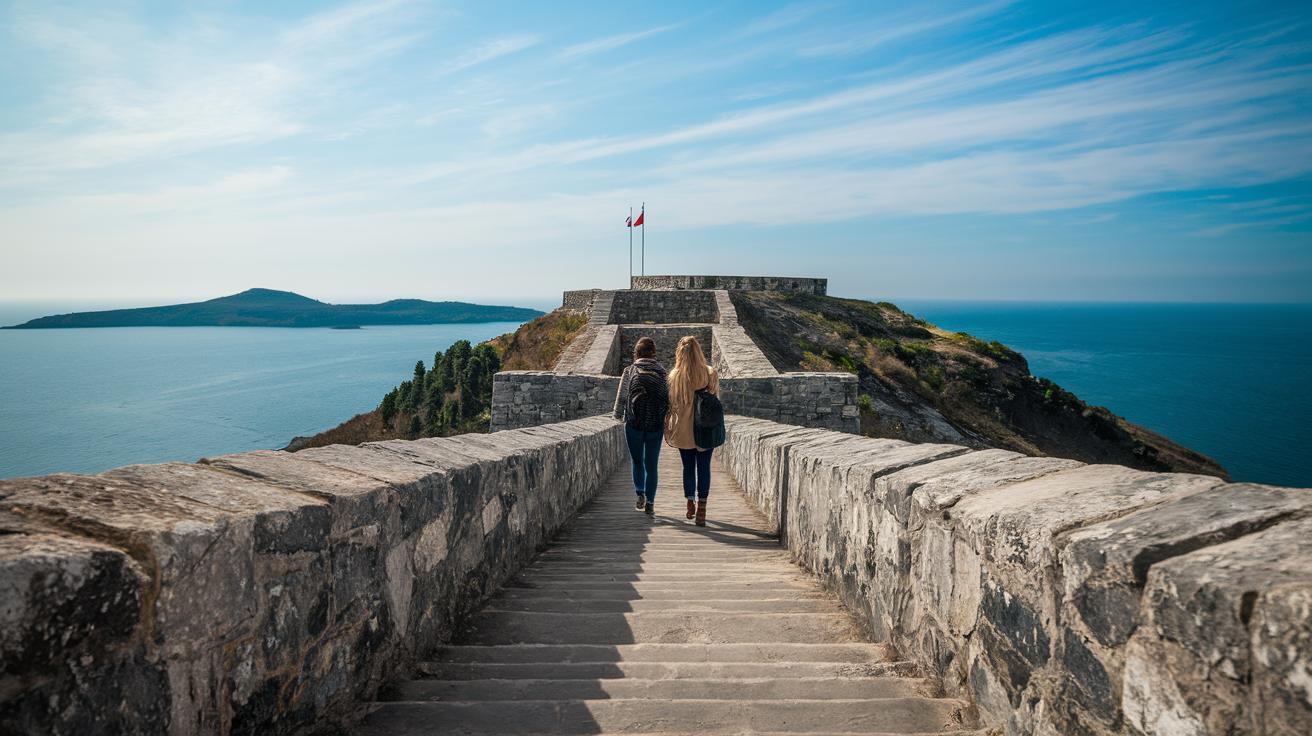
St. Kitts & Nevis' Brimstone Hill Fortress National Park was built in the 17th and 18th centuries by enslaved Africans working under British rule. Today, it offers more than just amazing sea views. Many visitors say you can almost hear soft voices echoing along the stone walls, adding a mysterious local vibe. One guest even shared, "Walking through the ramparts felt like hearing whispers from the past."
Puerto Rico’s twin fortresses, Castillo San Felipe del Morro and La Fortaleza, were built in the 1500s. They carry a subtle charm that goes beyond just ancient walls. Guests often mention the sound of crashing waves below, which makes the history feel even more alive. One traveler remarked, "The rhythmic sea adds life to the centuries-old stones."
Antigua’s Nelson’s Dockyard, set up in the 1700s to support British naval power, now feels interactive and fun. Occasional re-enactments and hands-on displays let you experience history in a way regular tours might miss. A visitor commented, "Seeing actors bring the old dockyard to life made the history almost tangible."
Barbados' Fort George in the Garrison Historic Area dates back to the early 19th century and hides quiet nooks and fascinating local legends. Some guides reveal secret stories about hidden treasure and secret passageways that you won't hear on a typical tour. One guest said, "The intimate stories shared here make the historic walls feel personal."
Visitors can choose between guided tours with detailed historical anecdotes or self-guided walks that let you explore at your own pace.
| Tour Type | Description |
|---|---|
| Guided Tours | Provide in-depth historical context and local insider stories. |
| Self-Guided Explorations | Allow you to wander at your own speed and find quiet spots. |
How Caribbean Colonial Landmarks Reflect Local Culture
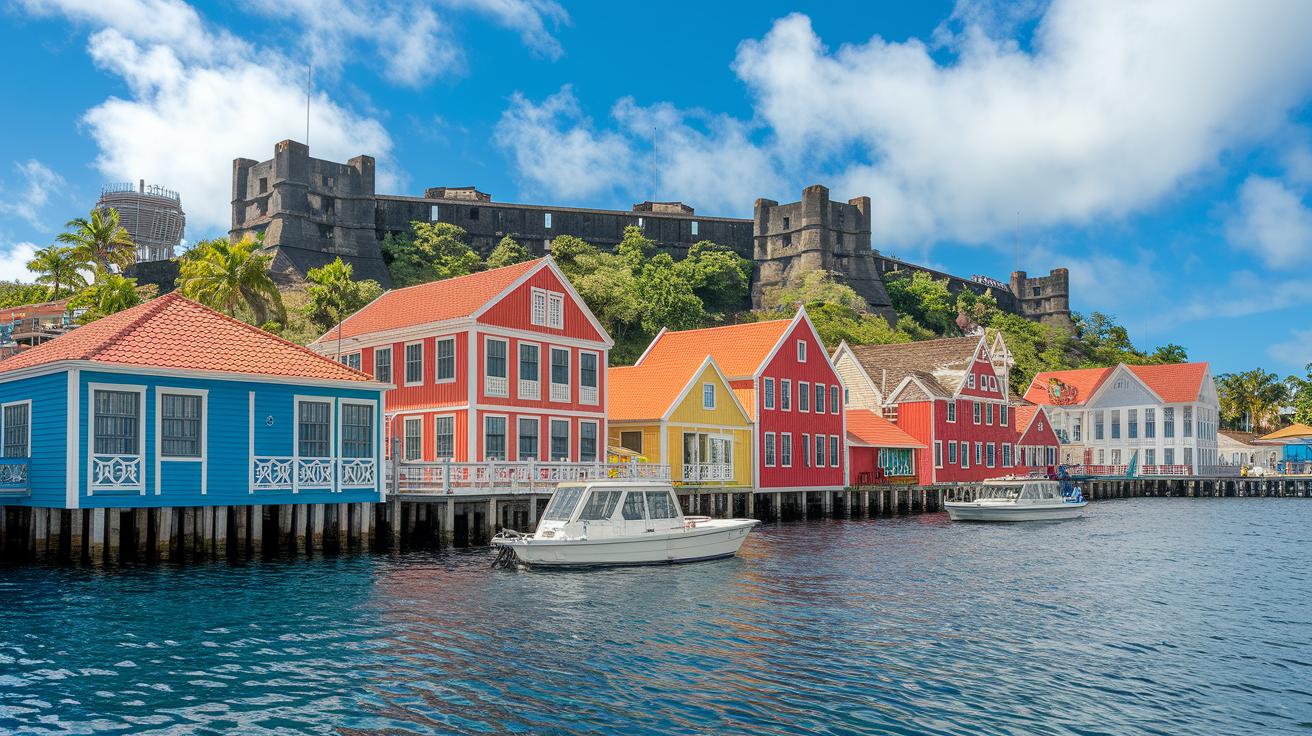
Caribbean colonial landmarks are like old friends sharing stories of a colorful past. They mix together layers of cultural influence and lively local traditions. It’s amazing how these historic spots, from ancient forts to charming old town layouts, shape a shared identity among island communities. They remind us that the Caribbean isn’t just about sun and sea, it's really about its people and their customs.
Imagine walking through Barbados’ Bridgetown and its old Garrison, where European design meets 17th-century military style. Or picture Curaçao’s Historic Willemstad with its unique Dutch street patterns and coral-stone buildings. These places give you a peek at the handiwork and style of long ago, yet local traditions still add a warm, vibrant spirit that feels alive.
Local communities play a big role in keeping these stories alive. In Santo Domingo, for example, the old Spanish colonial grid from 1496 stands as a proud symbol of endurance and cultural strength. And in Jamaica, the natural beauty of the Blue and John Crow Mountains blends perfectly with Maroon cultural influences, showing us that local voices are the heartbeat of history.
Practical Tips for Visiting Caribbean Historical Monuments

If you're planning a trip to the Caribbean, try to visit between December and April. The weather is lovely then, and the sites are well-managed with timed entries. It's a good idea to check if you need to book a ticket or a guided tour in advance.
Many of these historical spots run on a set schedule, so booking ahead can cut down on waiting time and let you see more of the magic. It’s like skipping a long line for your favorite ride at a theme park!
Several sites even offer guided tours that share cool local stories and interesting details. These tours are a friendly way to learn about local history and make sure you don't miss any hidden gems.
When you're at the sites, remember to follow local customs and the rules posted around. You might see signs about keeping quiet or no photography, so take these cues. Respecting these directions helps keep the spirit of the place alive.
Wear comfortable shoes and don’t forget your sun protection. Carry a bottle of water, slap on some sunscreen, and perhaps wear a hat to stay cool on sunny days. Taking these small steps will make your exploration much more enjoyable.
Visiting these monuments not only enriches your travel story but also supports efforts to preserve these precious places for everyone to enjoy.
Sample Seven-Day Caribbean Historical Landmark Itinerary

Day 1: Start your adventure in Antigua at Nelson’s Dockyard. Picture yourself absorbing the island’s colonial history as you wander along the Boggy Peak Trail. The mix of ancient charm and breathtaking views sets the perfect tone for the week. Then, hop on a short ferry ride to your next island gem.
Day 2: In Barbados, dive into the heart of Historic Bridgetown and its Garrison. Stroll through old streets and admire enduring fortifications, feeling the echoes of days when every stronghold played a key role. Next, catch a quick flight to keep your journey flowing.
Day 3: Arrive in Curaçao and take a leisurely wander through the vibrant streets of Historic Willemstad. Enjoy the lively Dutch colonial buildings and the refreshing maritime spirit as you explore the waterfront. Soon after, fly off to your next destination.
Day 4: Make your way to the Dominican Republic and discover the Colonial City of Santo Domingo. Walk along cobblestone paths lined with centuries-old architecture that tells the story of early European settlement. When you’re ready, jump on a short plane ride for more adventures.
Day 5: In Jamaica, lace up your boots for the Blue Mountain Trail, stopping by historical markers along the route. Let the local music fill the air as you embrace the island’s rich past. Then, board a flight and set your sights on the next port of call.
Day 6: Explore Puerto Rico by visiting San Juan National Historic Site, including La Fortaleza and Castillo San Felipe del Morro. For more detailed tips on cruising and exploring by land, check out this guide: travel to puerto rico. When you’re done soaking in the history, take a bus or ferry to continue your journey.
Day 7: End your trip in St. Kitts & Nevis with a visit to the majestic Brimstone Hill Fortress. Stroll through this coastal icon, letting its storied past spark your imagination. Feel free to adjust your itinerary to match your own pace and interests as you wrap up this unforgettable historical tour.
Final Words
In the action of exploring Caribbean islands with historical landmarks, we’ve taken a walk through seaport defenses, iconic fortresses, and cultural sites that explain local heritage.
We shared practical tips on planning stress-free visits and even outlined a seven-day itinerary so you can experience these storied locales at your pace.
Every step invites a peek into a rich past and promises memories that light up your travel diary.
Enjoy each moment and let these historical treasures spark your next unforgettable trip.
FAQ
What do Caribbean islands with historical landmarks pictures show?
Caribbean islands with historical landmarks pictures show vivid snapshots of well-preserved forts, ancient ruins, and old colonial layouts that let you experience a warm glimpse into the past amid a sunlit island vibe.
How can I find detailed information on Caribbean islands with historical landmarks on Wikipedia?
Caribbean islands with historical landmarks on Wikipedia provide clear entries outlining the history, key dates, and unique architectural features, giving you an engaging guide into the islands’ rich past.
Which Caribbean island is best for history and heritage?
Caribbean islands known for their history and heritage include spots like Puerto Rico and Barbados, where centuries-old forts, colonial streets, and preserved seaports offer a rich and inviting cultural experience.
What natural landmarks can I see in the Caribbean?
Caribbean natural landmarks feature striking settings such as lush mountains and unique coastal views, merging the region’s wild beauty with its historical legacy for a refreshing outdoor experience.
What are some historic cities in the Caribbean?
Historic cities in the Caribbean include time-honored towns such as Santo Domingo and Bridgetown, where charming streets, preserved colonial architecture, and vibrant community stories bring the past to life.
Which Caribbean island has a lot of history?
Caribbean islands with a deep historical presence include examples like Curaçao, Barbados, and Puerto Rico, each offering centuries-old monuments and rich cultural narratives that bring history into the present.
What is a famous landmark in the Caribbean?
A famous landmark in the Caribbean is Barbados’ Historic Bridgetown and its Garrison, where well-preserved colonial fortifications and timeless streets invite visitors to step back in time and feel the local spirit.
Are there ancient ruins in the Caribbean?
Ancient ruins in the Caribbean exist in places such as Belize, where remnants from past civilizations stand as quiet echoes of history, offering visitors a tangible connection to a bygone era.
Which Caribbean island is considered the most authentic?
The most authentic Caribbean island varies with taste, but many travelers praise spots like Curaçao and Dominica for their genuine local culture, traditional architecture, and heartfelt community warmth.
