Destinations
Caribbean Islands Snorkeling vs Scuba Diving Hotspots Compared
By Support
June 22, 2026
Field Notes
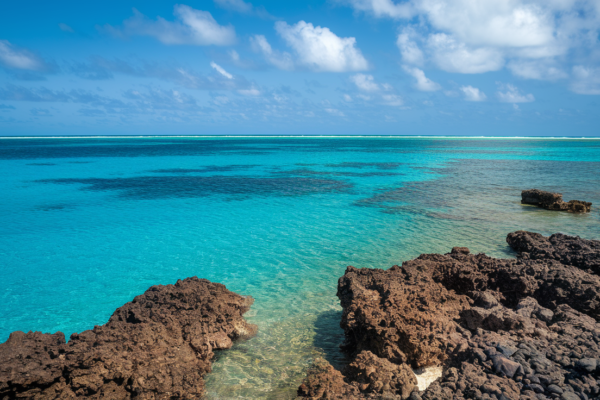
Which wins for Caribbean sea life: easy shore snorkeling with color and calm, or scuba for deep walls, wrecks, and bigger animals?
Both are great, but they suit different travelers and trip styles.
This post compares the real hotspots so you can pick fast.
Shore-friendly Bonaire, Culebra, and Barbados work for quick beach-entry snorkeling.
Cozumel, Saba, Belize, and Grand Cayman reward certified divers with deep walls and pelagics.
You’ll get clear matches by traveler type, depth limits, effort, and budget so your group doesn’t waste a day.
Quick Verdict by Traveler Type
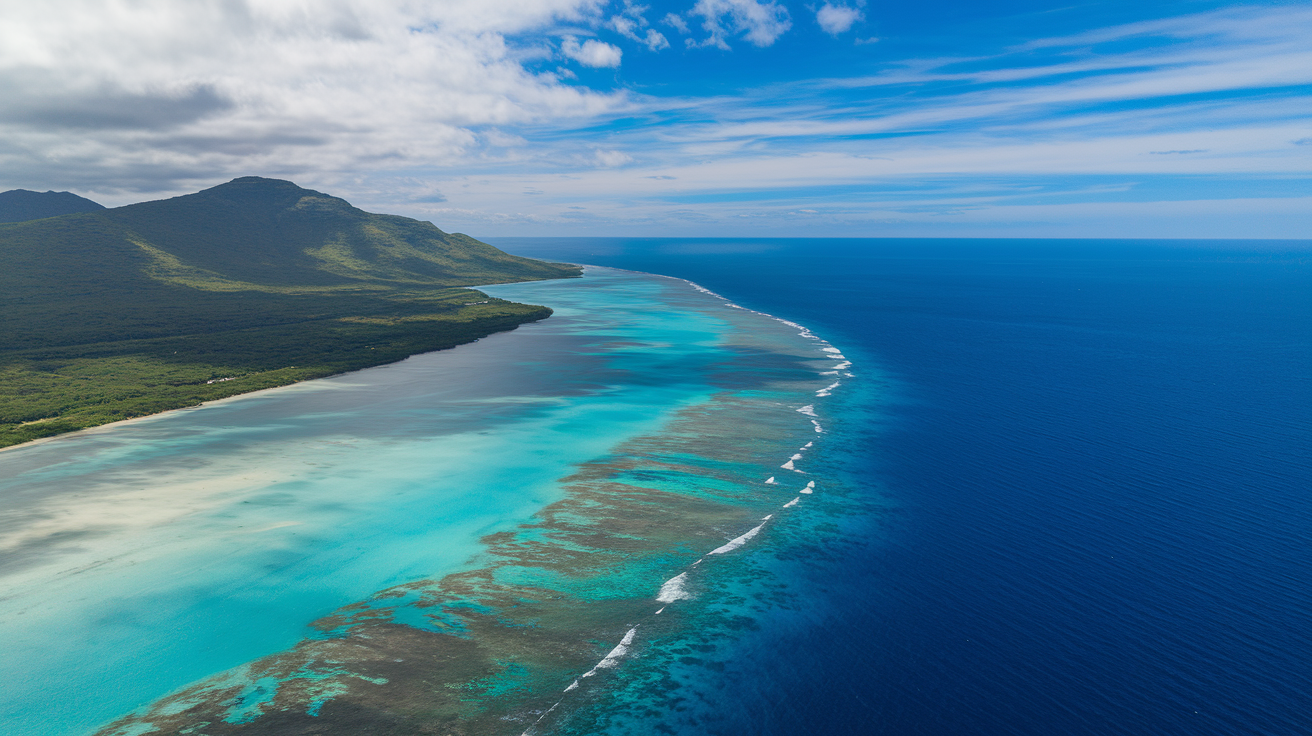
If you want easy, shallow, shore-friendly snorkeling with minimal fuss, head to Bonaire, the USVI, Culebra, Barbados, or Grenada. These islands let you walk straight in from the beach and still see healthy coral and curious fish within minutes.
If scuba diving is the goal, walls, wrecks, drifts, blue holes, Cozumel, Saba, Belize, the Bahamas, and Grand Cayman are your strongest matches. These spots reward certified divers with deeper terrain, better visibility down below, and encounters most snorkelers never get close to.
Traveling with a mixed group? Some snorkelers, some divers, maybe a few kids thrown in. Turks and Caicos, Roatán, Curaçao, and Grand Cayman handle that split well. Shallow protected reefs near shore, serious dive sites a short boat ride away. Nobody has to sit out a day.
Snorkeling generally happens in 0 to 6 meters (0 to 20 feet) of water, no certification needed. Open Water divers are typically limited to 18 meters (60 feet), and Advanced Open Water divers can go to 30 meters (100 feet). That depth difference shapes almost everything else about where you should go.
| Traveler Type | Best-Fit Islands | Primary Reason | Skill Consideration |
|---|---|---|---|
| Families and beginner snorkelers | Bonaire, USVI, Culebra | Shallow shore entries, calm water, no certification required | Basic swimming comfort, supervised kids from about age 4 |
| Newly certified divers | Turks and Caicos, Roatán, Grand Cayman | Shallow wall sections and house reefs build confidence | Open Water certification, depths to 18 m |
| Experienced divers | Saba, Belize, Bahamas, Cozumel | Deep walls, blue holes, drift diving, pelagic life | Advanced Open Water or specialty training, depths beyond 30 m |
| Mixed-skill groups or couples | Turks and Caicos, Curaçao, Grand Cayman | Shallow snorkeling near shore plus accessible dive boats | Range from no certification to Advanced Open Water |
| Budget-conscious independent travelers | Bonaire, Curaçao | Shore access cuts boat fees and transfer costs | Comfortable self-guided entries, basic gear handling |
Your final choice really comes down to a handful of practical questions. How strong a swimmer are you, and is anyone in your group certified to dive? Do you prefer walking into the water from a beach, or are you fine booking a boat each morning? What’s your budget, how do you feel about currents, what kind of marine life are you hoping to see, and how far are you willing to travel to reach it?
The destination sections below walk through these exact factors, island by island, so you can match your answers to the right spot instead of just picking a name you’ve heard before.
Snorkeling vs Scuba Diving Depths, Eligibility, and Personal Safety
(((alt-img2)))
Snorkeling has a short learning curve. You float at the surface, breathe through a tube, look down. Most people get comfortable within minutes, which is part of why it works so well for families and first-time visitors who just want to see color and movement without any training. Scuba diving asks more of you. Longer time underwater, deeper access to walls and wrecks, and the kind of pelagic encounters, reef sharks, eagle rays, that rarely show up in six feet of water.
That difference in depth comes with a difference in rules. Open Water certification typically allows dives to 18 meters (60 feet). Advanced Open Water stretches that to 30 meters (100 feet). Anything deeper, including most blue hole descents, calls for specialty or technical training beyond a standard resort course. Discover Scuba programs, the short introductory dives many resorts offer, commonly start around age 10, though this depends on the operator. Snorkeling is more forgiving. Supervised kids can often start around age four, assuming they’re comfortable in water and an adult stays close.
Before joining any dive, operators will ask you to fill out a medical questionnaire covering things like cardiovascular health, asthma, ear issues. This isn’t paperwork for the sake of it. Equalizing pressure in your ears, managing air supply, controlling your ascent rate, all of it requires a baseline of fitness and swimming comfort that snorkeling simply doesn’t demand.
- Typical operating depth: snorkeling 0 to 6 m, Open Water to 18 m, Advanced Open Water to 30 m
- Training and certification: none for snorkeling, multi-day certification required for scuba
- Swimming, fitness, and medical eligibility: basic comfort for snorkeling, medical clearance and stronger fitness for diving
- Current, surge, and surface-separation risks: present in both, more consequential at depth
- Equalization, air monitoring, decompression risks: scuba-specific concerns requiring training
- Supervision for children and beginners: close adult supervision for snorkeling, certified guide oversight for new divers
Whatever activity you choose, a few habits matter everywhere in the Caribbean. Stick to the buddy system, use flotation aids for kids who are still building confidence, and keep a surface watcher nearby whenever possible. Divers should equalize early and often, keep an eye on air supply, ascend slowly, and avoid tou
Final Words
We picked clear winners for snorkelers, advanced divers, and mixed groups, then covered depth limits, personal eligibility, shore vs boat access, island-by-island snorkeling and scuba comparisons, reef health, seasonal patterns, costs, operator standards, and a short decision checklist.
Match your choice to swimming ability, certification, budget, and whether you prefer shore or boat sites. Use the Caribbean islands comparison snorkeling vs scuba diving hotspots to narrow the right island, then book with confidence and enjoy calm, clear water.
FAQ
Q: Which Caribbean islands are best for snorkelers, scuba divers, families, advanced divers, and mixed groups?
A: The best islands for snorkelers are Bonaire, USVI, Culebra, Barbados, Grenada; for advanced scuba choose Cozumel, Saba, Belize, Bahamas, Grand Cayman; mixed groups fit Turks and Caicos, Roatán, Curaçao, Grand Cayman.
Q: What are the typical depth limits and certification requirements for snorkeling versus scuba?
A: The typical depth limits: snorkeling is about 0–6 m and needs no certification; Open Water scuba normally limits to ~18 m, Advanced Open Water to ~30 m; deeper or overhead dives need specialty or technical training.
Q: At what ages can children start snorkeling or try scuba experiences?
A: Children can usually snorkel from around age four with close supervision; Discover Scuba experiences commonly start near age ten, but operators set specific minimums—always confirm before booking.
Q: Which islands offer the best independent shore snorkeling?
A: The top independent shore snorkeling islands include Bonaire, USVI (Buck Island, Trunk Bay), Culebra, Barbados (Carlisle Bay), Grenada (Underwater Sculpture Park), and Tobago Cays for easy entries and shallow reefs.
Q: Which islands are top for advanced scuba with walls, blue holes, wrecks, and pelagic life?
A: Top advanced scuba spots include Cozumel, Saba, Belize (Great Blue Hole), the Bahamas (Andros, Exumas), and Grand Cayman for deep walls, dramatic geology, wrecks, and pelagic encounters.
Q: Which islands let snorkelers and divers share a trip without sacrificing experiences?
A: Islands that suit mixed-skill groups include Turks and Caicos, Roatán, Curaçao, and Grand Cayman, offering shallow shore reefs plus nearby boat-access deeper dives and good dive infrastructure.
Q: How healthy are Caribbean reefs and how will that affect my trip?
A: Caribbean reefs have declined substantially from bleaching, storms, and other stressors; you’ll still see turtles and reef fish, but expect variable coral cover and look for protected areas for the best sightings.
Q: When is the best time to visit for calm seas and strong visibility?
A: The best time for calmer seas and stronger visibility is generally December through April; water temperatures usually range 25–29°C year-round, while hurricane season runs June through November.
Q: How much should I budget for snorkeling and scuba activities in the Caribbean?
A: Typical costs: shore snorkeling free or US$10–30 guided; half-day boat snorkels US$25–100; single-tank dives US$70–150; two-tank trips US$120–250; multi-dive packages and park fees add to totals.
Q: What gear should I bring and how do I choose a safe dive/snorkel operator?
A: Bring a personal mask for fit and rent bulk gear locally. Choose operators with recognized instructor credentials, recent equipment inspections, emergency oxygen, small guide ratios, and a recompression/evacuation plan.
Q: What safety practices should I follow, and how long should I wait to fly after diving?
A: Follow buddy checks, monitor air, equalize early, avoid touching reefs, and use surface markers. Wait a conservative 18–24 hours after your final scuba dive before flying to reduce decompression risk.
Q: What quick checklist should I use to pick the right island for my group?
A: Use this checklist: confirm swimming and certification, choose shore versus boat access, pick reef/wall/wreck/blue-hole goals, check current conditions and reef reports, verify operator and insurance, and match accommodation logistics.