Destinations
Caribbean Islands Ranked Best for Young Families
By gadgets
August 25, 2026
Field Notes
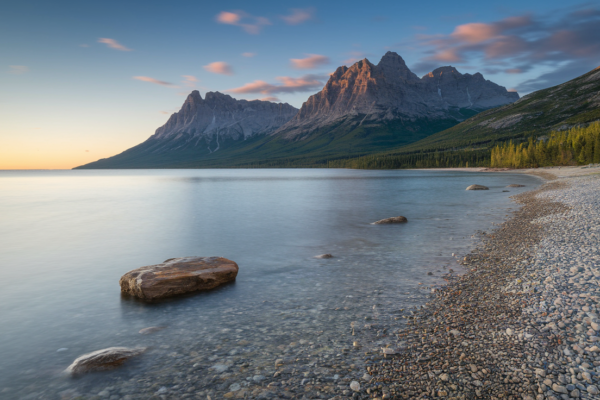
Not every Caribbean island is great for little kids — some are picture perfect and nap-time nightmares.
We compare seven islands by what parents actually care about: calm water, how close a hospital is, nonstop flight time, and what a family resort typically costs.
This post ranks islands from the calmest, toddler-friendly shores to spots better for older kids, and gives simple, practical picks so you can choose the right island with less fuss.
Best Caribbean Islands for Young Families at a Glance
Need the short version? Here it is. Turks and Caicos or Grand Cayman for the calmest, most toddler-friendly beaches. Aruba if you want dependable weather and solid infrastructure without much guesswork. Punta Cana if budget’s the main driver. The Bahamas or Barbados if your kids are a bit older and want more variety in their days. And if your children are closer to 8 to 10 and ready for more adventure, St. Lucia starts to make a lot of sense.
Every family’s version of “best” is a little different. A trip built around a napping toddler looks nothing like a trip for a curious seven year old who wants to see a turtle up close. That’s why we’re comparing seven islands side by side on what actually matters when you’re traveling with young kids: how calm the water really is, how quickly you could reach a hospital if you needed to, how far the flight is, and what you’ll likely pay per night.
| Island | Best For | Beach Calmness (1-5) | Water Safety (1-5) | Child-Safety Note | Kids’ Club Ages and Fees | Hospital Travel Time | Typical Nonstop Flight From Miami | Family Resort Cost Per Night |
|---|---|---|---|---|---|---|---|---|
| Turks and Caicos | Toddlers, calmest water | 5 | 5 | Shallow shoals, low currents | 3-12, free to $40/day | 10-25 min | 1.5-2 hrs | $350-$1,200 |
| Grand Cayman | Toddlers, easiest medical access | 5 | 5 | Long shallow shoreline, reef protection | 2-12, free or $10-$50/day | 5-20 min | 2-2.5 hrs | $300-$900 |
| Aruba | Stable weather, reliable infrastructure | 5 | 5 | Sheltered lagoon beaches | 3-12, free to $35/day | 10-25 min | ~3 hrs | $250-$700 |
| Barbados | Ages 4-10, wildlife and culture | 4 | 4 | Calm west coast, rougher elsewhere | 3-12, free to $40/day | 10-30 min | ~3 hrs | $250-$800 |
| Punta Cana | Budget-conscious families | 3 | 3 | Variable currents, watch conditions | 3-12, commonly included | 20-45 min | 1.5-2 hrs | $120-$400 |
| Nassau/Paradise Island | Ages 4-10, marine attractions | 4 | 4 | Quiet bays alongside exposed beaches | 3-12, free to $40/day | 10-30 min | 0.5-1 hr | $200-$800 |
| St. Lucia | Older, active children (8-10) | 3 | 3 | Currents near some beaches | 3-12, variable fees | 20-45 min | 3-3.5 hrs | $250-$700 |
Quick note on how to read this. A 5/5 rating means very calm, shallow water with low currents or a protected swimming area, the kind of beach where a toddler can wade out a good distance without the seabed dropping away. Anything lower doesn’t mean unsafe, it just means conditions are more variable and worth checking beach by beach.
Keep in mind, prices, flight times, lifeguard coverage, and medical transfer times are planning estimates. They shift depending on the exact resort, the specific beach, the season, and even that day’s traffic. Think of this table as your starting point, not your final word.
Calm, Shallow Caribbean Beaches and Swimming Safety for Children
(((alt-img2)))
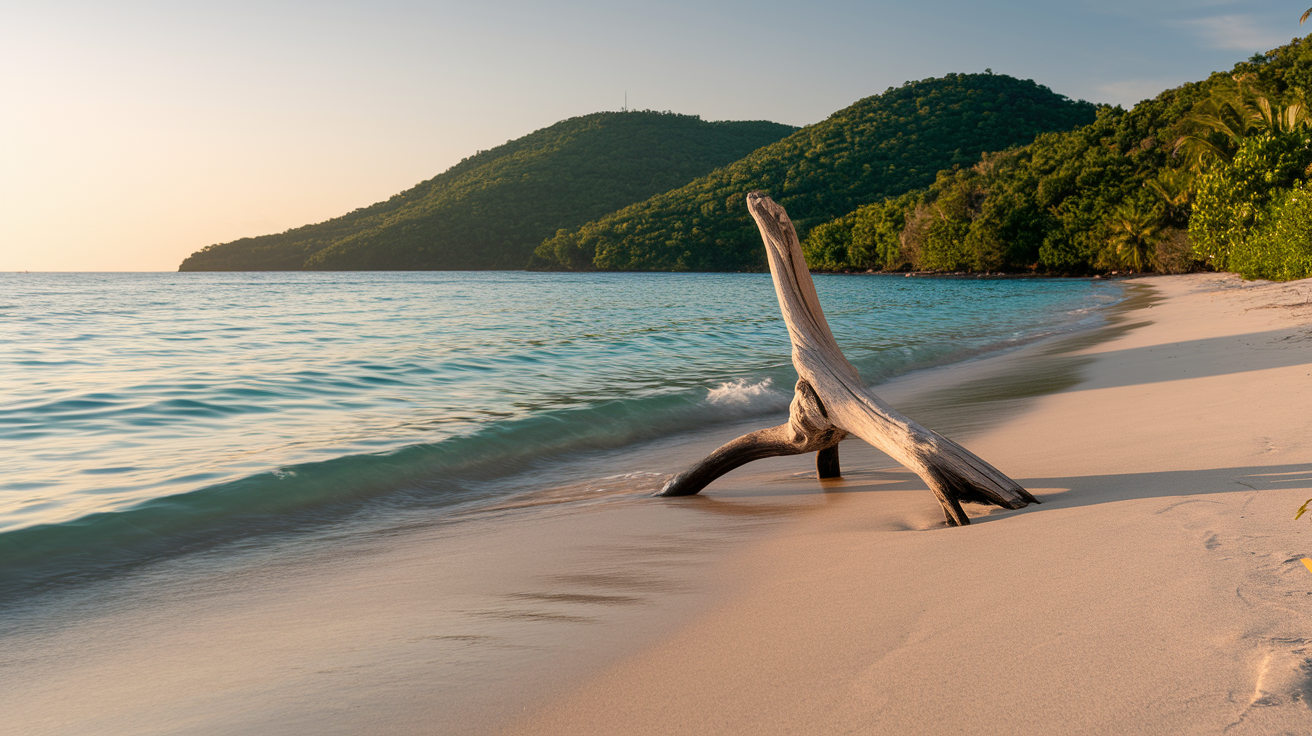
Grace Bay in Turks and Caicos earns its reputation honestly. The shoals here are so shallow and gradual that in calm conditions, kids can wade out roughly 50 metres and still be standing comfortably. There’s no sudden drop off waiting to surprise a toddler, and near shore currents tend to stay low. Seven Mile Beach in Grand Cayman has a similar gentle slope, with reef formations in places that help blunt incoming swell before it reaches the shore. Aruba’s Baby Beach takes this even further. It’s a sheltered natural lagoon, basically a bathtub by Caribbean standards, which is part of why it gets named so often for families with very young kids. Eagle Beach and Palm Beach, also in Aruba, are generally calm too. Barbados’ west coast bays offer similar comfort, with gentle water that suits early swimmers.
Final Words
Head straight to Turks and Caicos or Grand Cayman for the calmest beaches; pick Aruba for steady infrastructure and weather, Punta Cana for value, Bahamas or Barbados for varied activities, and St. Lucia for more adventurous older kids.
Check hospital access, kids’ club ages and fees, door-to-door travel time, and room layout before you book. Use the scoring checklist in the article so you’ll weight what matters most for your child’s age and needs.
This roundup of Caribbean islands compared for families with young children gives a simple, practical path from idea to packed bags, so you’ll pick the right island and enjoy sand, naps, and smiles.
FAQ
Q: Which Caribbean island is best for toddlers and very young children?
A: The best islands for toddlers are Turks and Caicos and Grand Cayman for calm, shallow beaches and quick medical access; Aruba is also excellent for dependable infrastructure and weather.
Q: Which island is best for budget-conscious families?
A: Punta Cana is the leading budget choice, often offering all-inclusive rooms from about $120–$400 per night, though beach calmness and travel logistics can vary by resort.
Q: Which islands offer the most varied activities for kids ages 4–10?
A: The Bahamas and Barbados offer the most varied kid-friendly activities, pairing calm beaches with marine centres, wildlife outings, family-friendly cultural trips, and easy short boat excursions.
Q: Is St. Lucia a good choice for toddlers?
A: St. Lucia is better for adventurous older children around 8–10, since steeper terrain, variable beaches, and longer transfers make it less ideal for toddlers and frequent naps.
Q: How calm and safe are Grace Bay, Seven Mile Beach, and Baby Beach?
A: Grace Bay and Seven Mile Beach are very calm with shallow shoals; Baby Beach is a sheltered lagoon. Still watch for sudden depth changes, reef gaps, wind exposure, and supervise kids closely.
Q: What water-safety checks should families do before swimming or snorkeling?
A: Check lifeguard hours and daily flag warnings, watch tides and wind, keep non-swimmers within arm’s reach, use fitted flotation devices, pick gradual entries, and choose supervised shallow snorkeling spots.
Q: How should I prepare for medical needs and emergencies with kids?
A: Prepare by packing 3–5 days of essential meds, prescriptions, printed allergy action plans, insurance and evacuation info, and confirming the nearest pediatric-capable facility before booking the property.
Q: What ages do kids’ clubs accept and how much do they cost?
A: Kids’ clubs commonly accept ages 3–12 unsupervised; age 2 often needs parent or paid nursery care. Fees vary from complimentary up to about $50/day; babysitting runs roughly $15–$35/hour.
Q: How do flight times and transfers affect family travel effort?
A: Flight times from Miami range from roughly 0.5–3.5 hours; rank ease by door-to-door time. Always check transfer length, immigration queues, stroller space, and whether a ferry or long road ride is required.
Q: What accommodation features make naps and meals easier for families?
A: Look for separate bedrooms or suites, blackout curtains, mini-fridge, kitchenette or room service, stroller-friendly routes, and proximity to beach or pool so one parent can return with a sleeping child.
Q: When is the best time to visit to balance weather, crowds, and cost?
A: December–April is driest but busiest and priciest; April–May and November often balance moderate prices, fewer crowds, and lower storm risk. Hurricane season runs June–November, peaking August–September.
Q: How do I decide which island is right for our family?
A: Start by naming three non-negotiables, weight beach safety and healthcare for ages 0–3, score each island 1–5 across key categories, multiply by weights, total scores, and confirm mandatory safety checks.