Ever wondered if Caribbean capitals are hiding unexpected secrets? Each island comes with its own story that feels as warm and inviting as its sun-kissed shores. From Nassau's bustling market streets to Havana's charming, old-world vibes, every capital gives you a special peek into a vibrant past full of culture and history.
This guide shares fun, quick travel facts that spark your curiosity and help you see these island centers in a whole new light. Ready to feel the magic of the Caribbean, one capital at a time?
Caribbean islands capitals: Complete directory of island seats
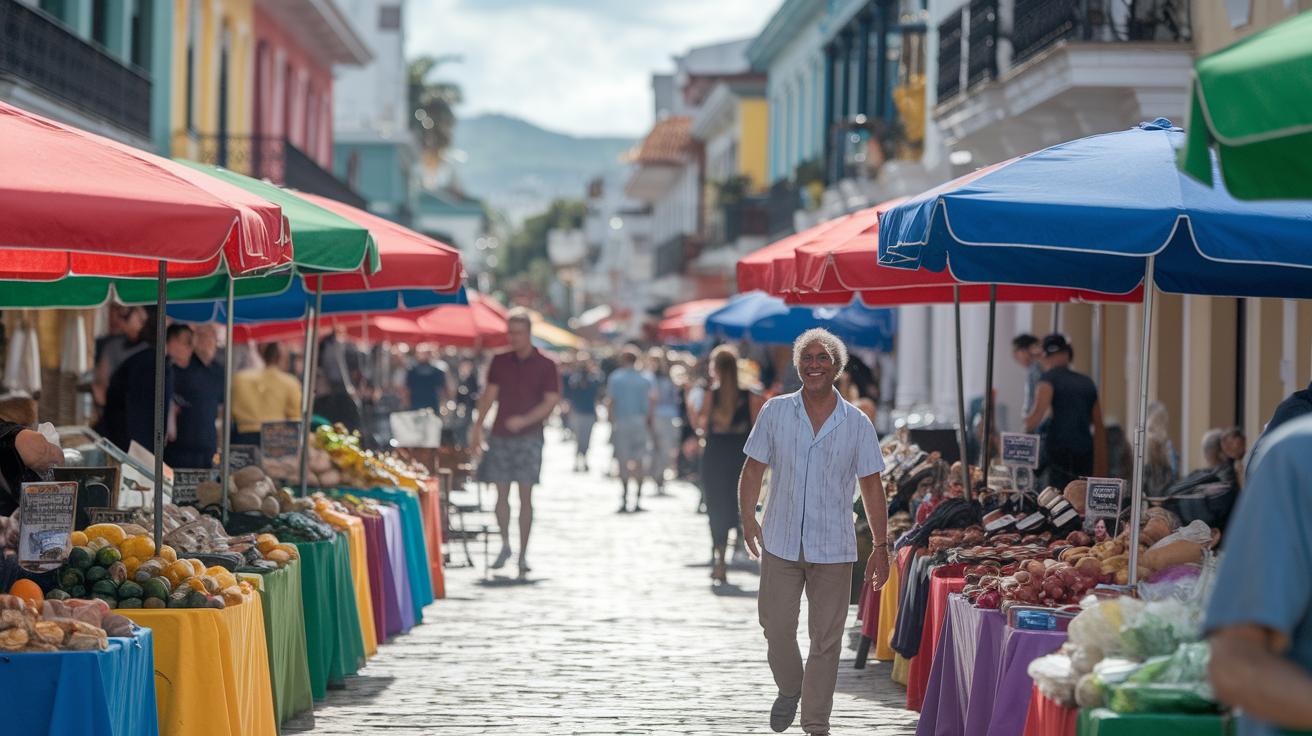
Step into the warm Caribbean vibe with our friendly guide to island capitals. Each one has its own lively history and distinct culture, inviting you to explore. Imagine the gentle sea breeze in St. John’s, Antigua & Barbuda and the colorful, bustling market streets that welcome you with open arms. Or picture Havana, Cuba, where classic cars cruise past colonial streets and every corner whispers a story from long ago. It’s a bit like when you stumble upon an unexpected fact that makes you smile, one moment you’re learning about the island, the next you’re hooked on its charm.
| Country | Capital | Region |
|---|---|---|
| Antigua & Barbuda | St. John’s | Lesser Antilles |
| The Bahamas | Nassau | Lucayan Archipelago |
| Barbados | Bridgetown | Lesser Antilles |
| Cuba | Havana | Greater Antilles |
| Dominica | Roseau | Lesser Antilles |
| Dominican Republic | Santo Domingo | Greater Antilles |
| Grenada | St. George’s | Lesser Antilles |
| Haiti | Port-au-Prince | Greater Antilles |
| Jamaica | Kingston | Greater Antilles |
| Saint Kitts and Nevis | Basseterre | Lesser Antilles |
| Saint Lucia | Castries | Lesser Antilles |
| Saint Vincent and the Grenadines | Kingstown | Lesser Antilles |
| Trinidad & Tobago | Port of Spain | Southern Caribbean |
Whether you’re a seasoned traveler or setting off on your first island escape, let this guide help you plan your route. For more details on every island and territory, check out the full list of Caribbean islands. Enjoy your tropical adventure!
Caribbean islands capitals: Quick Facts for Travel
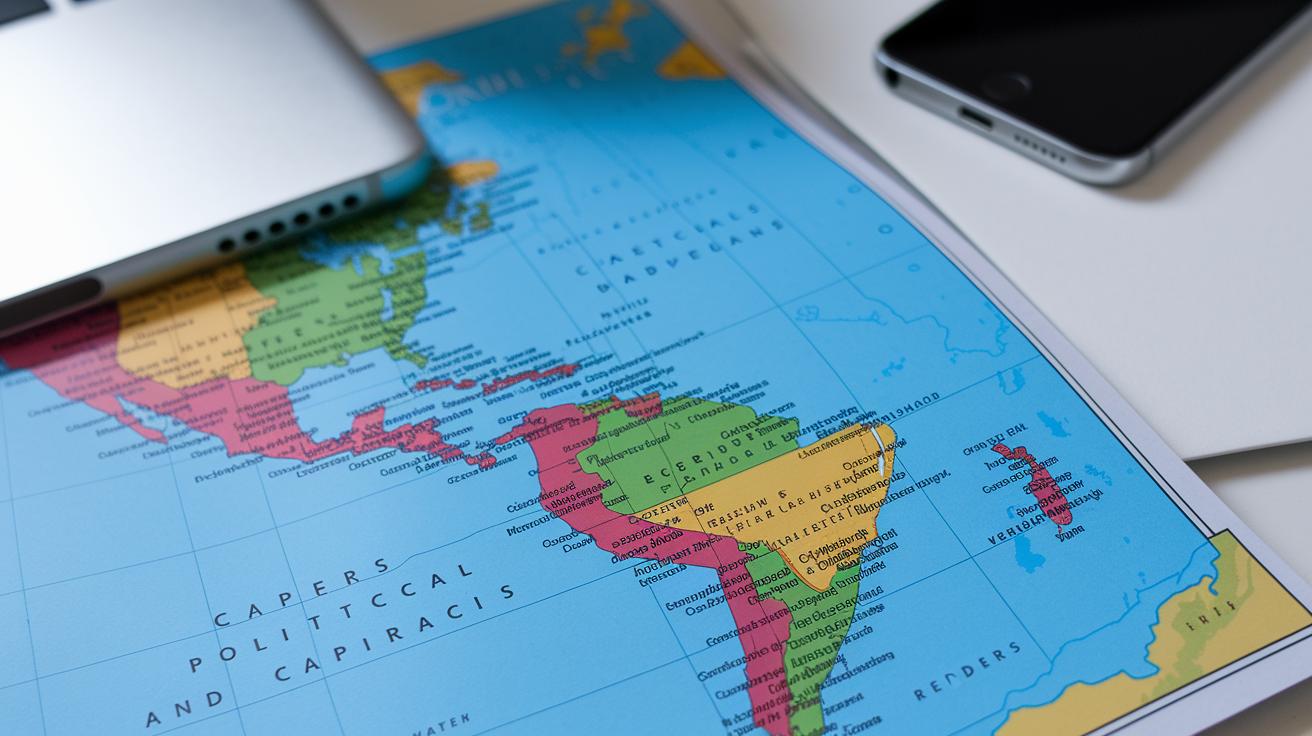
Have you ever wanted to explore the heart of the Caribbean? The free maps here are like a treasure chest for your adventure. Think of them as easy-to-use guides that show you where each island's borders lie while highlighting the bustling capitals.
Start with a country-specific map that points out every boundary and capital with precision. Then, check out a detailed political map that clearly outlines the coastlines and cities, so you know exactly where to head. If your curiosity nudges you toward natural wonders like Pico Duarte or Blue Mountain Peak, the physical maps will give you that topographic feel you need.
For a closer look at local details, try maps that display provinces and capital spots. And if you prefer an all-in-one snapshot, grab a combined map that features major rivers, lakes, and urban centers all on one page. These visual guides are perfect not just for students and researchers, but for any traveler plotting their next island escape. They make planning a breeze, giving you a quick and clear look at the region’s administrative hubs and diverse landscapes.
Caribbean islands capitals by region: Greater vs. Lesser Antilles
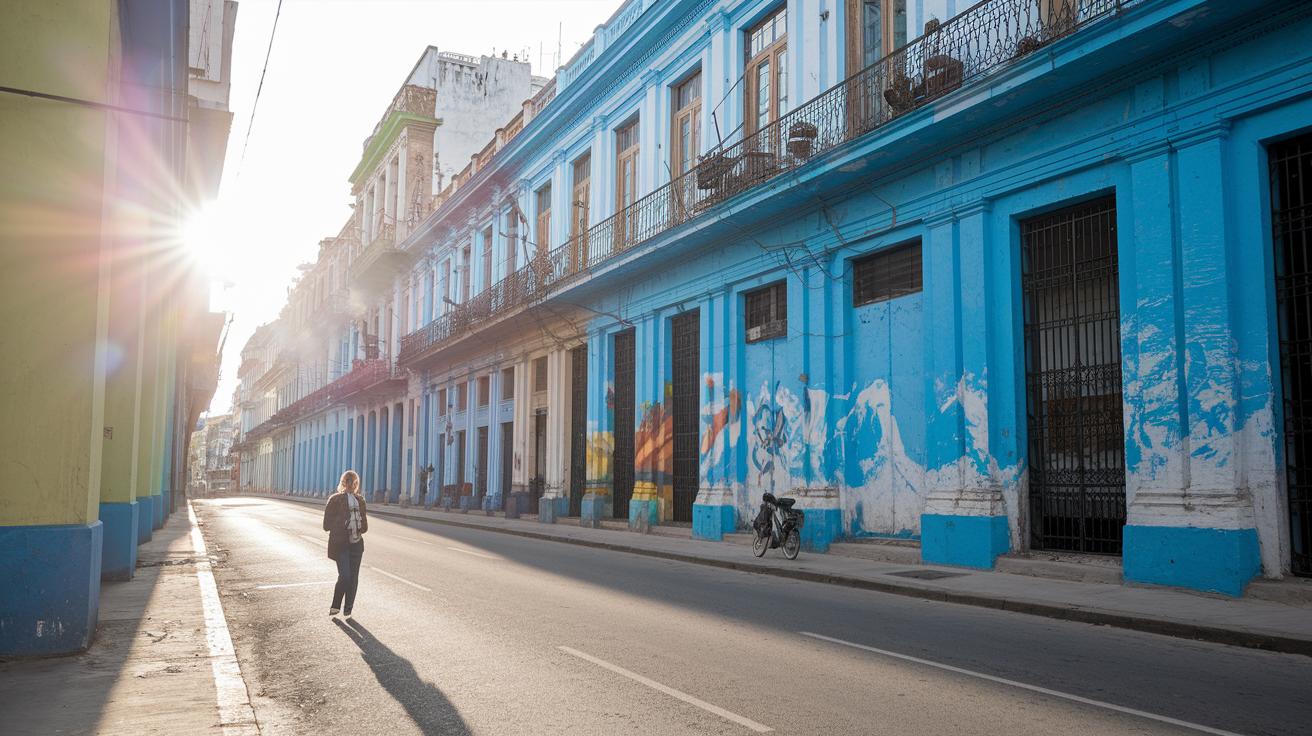
Even though the table above shows the capitals, each subregion has its own special vibe that goes far beyond just a name. The Greater Antilles mix deep history with a buzzing city life. Imagine yourself taking a leisurely walk through Havana’s old, charming streets, where art, music, and a hint of revolutionary flair fill the air in places like Havana and Santo Domingo.
On the other hand, the Lesser Antilles offer a laid-back, small-island feel with a close community spirit. Local markets, vibrant festivals, and quiet harbors set the stage for unforgettable moments. It’s like turning a page in a travel diary to discover warm smiles and intimate celebrations in towns such as Bridgetown or Castries.
| Characteristic | Greater Antilles | Lesser Antilles |
|---|---|---|
| Heritage | Rich history with a blend of colonial influences | Strong local traditions with indigenous touches |
| City Vibe | Dynamic urban centers bursting with street life | Cozy towns with a relaxed and friendly atmosphere |
| Travel Tip | Check out museums and historical sites to soak up local lore | Join in local festivals and try traditional foods for an authentic taste |
Cultural and historical context of Caribbean islands capitals
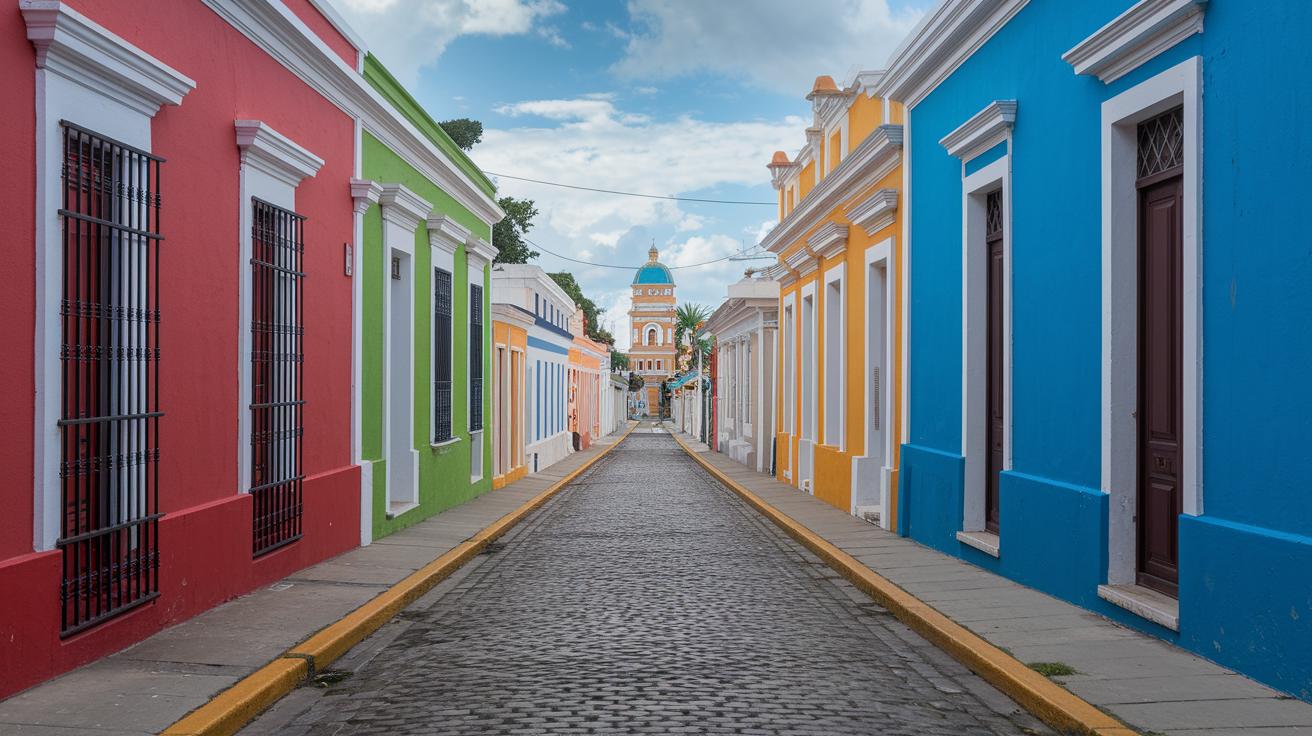
Caribbean capitals are bursting with tales from days gone by. They started out as centers for administration set up by newcomers and have grown over the years into vibrant cities with their own unique local vibes. Walking along their streets, you can almost hear the whispers of early colonization and the gradual shift toward rich, native culture.
Take Santo Domingo, for instance. Founded in 1496, this city was the very first European seat in the Americas. Imagine exploring cobblestone lanes where every corner hints at the beginnings of colonial urban planning.
Then there’s Castries, which was built in 1650 under French sway. The city's look and feel still mirror that old European charm, mixed with the lively heartbeat of the Caribbean. And in Jamaica, Kingston took over as the main hub in 1692 after Port Royal faced a dramatic decline, marking a fresh start filled with hope.
Bridgetown, established in 1628 during British rule, holds on to its colonial legacy like a well-kept secret passed down through generations. Meanwhile, Basse-Terre proudly serves as Guadeloupe’s French administrative center, standing as a lasting tribute to French heritage. And in Basseterre, the capital of Saint Kitts and Nevis, you'll find a blend of indigenous allure with hints of colonial history.
Every date and design tells a story of changing cultures and evolving identities. These historic markers invite you to wander their streets and discover timeless tales that come alive day by day.
Travel guide to Caribbean islands capitals: Urban hub insights
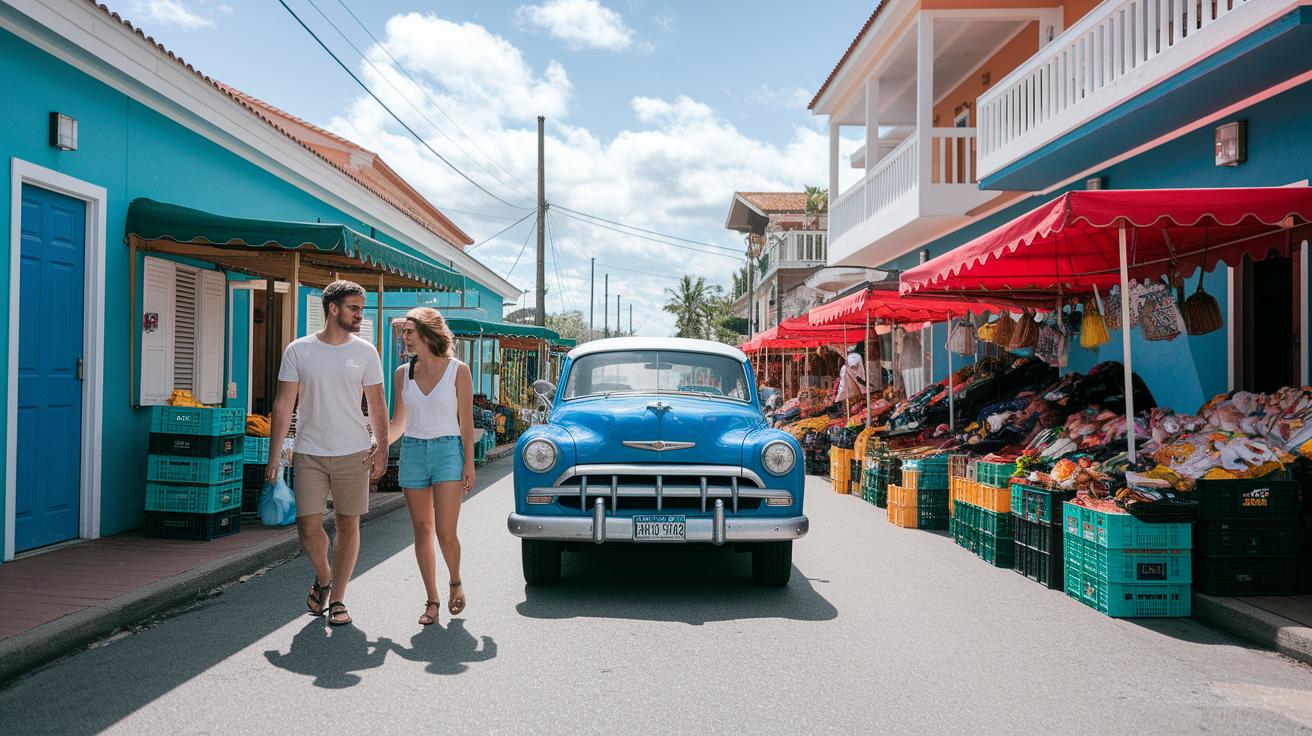
If you’re dreaming of a luxury getaway in the Caribbean, let me share a few friendly tips to help you soak up the urban vibes of these unique island capitals.
Nassau is a great start. Picture yourself strolling up the Queen’s Staircase and exploring the stylish shops at Harbor Bay. Over in Bridgetown, you can enjoy local rum from small distilleries and admire the charm of historic spots that UNESCO has recognized. Then there’s Port-au-Prince, where you can wander the lively Iron Market and check out local art galleries. And in Havana, imagine riding a classic car around bustling plazas in Old Havana, it’s like stepping into a lively, colorful movie scene!
Planning your day can be as fun as mixing a tropical drink. Try this relaxed three-day route linking five capitals:
- Day 1 – Begin early in Nassau enjoying its scenic spots for a couple of hours. Then, take a short flight (around 1.5 hours) to Bridgetown, where you can enjoy an afternoon wandering through vibrant, history-rich streets.
- Day 2 – From Bridgetown, catch a flight (about 2 hours) to Port-au-Prince to experience its creative art scene and bustling markets. Later, hop on another flight (roughly 1.5 hours) to Havana, ready to embrace classic-car rides and vivid, lively plazas.
- Day 3 – Finish your tour with a quick two-hour flight from Havana to Santo Domingo, perfectly capping off your multi-capital adventure.
For more details on island hopping and planning your escape, check out the Complete Guide to Caribbean Island Hopping. Enjoy every moment and let the magic of these cities surprise you!
Final Words
In the action, this post takes you through a clear table of Caribbean island capitals, a handy map collection, and a regional breakdown featuring Greater and Lesser Antilles. It also touches on the rich cultural background of each capital and offers useful tips to explore local urban centers. The guide is designed to help you plan a smooth trip while soaking in history and urban charm. Enjoy planning your next getaway to the caribbean islands capitals and let the island vibes lift your spirits!
FAQ
Q: What is the Caribbean islands capitals quiz?
A: The quiz tests your knowledge of which cities serve as capitals for Caribbean islands, making it a fun way to learn about the region’s geography and prepare for travel planning.
Q: What is a Caribbean islands capitals map?
A: The map shows the precise locations and borders of Caribbean capitals, offering travelers and students a visual guide to understand the regional layout and plan trips effectively.
Q: Where can I find a PDF list of Caribbean countries and capitals?
A: You can find downloadable PDF lists that neatly organize Caribbean countries and their capitals, providing a handy, ready-to-use reference for planning or study.
Q: How many Caribbean countries are there and what are the key ones?
A: While some definitions list 13 sovereign Caribbean countries, broader definitions include up to 26 territories. The main 13 include Antigua & Barbuda, The Bahamas, Barbados, Cuba, Dominica, Dominican Republic, Grenada, Haiti, Jamaica, Saint Kitts and Nevis, Saint Lucia, Saint Vincent and the Grenadines, and Trinidad & Tobago.
Q: How do Caribbean maps incorporate global or regional context?
A: Caribbean maps sometimes include neighboring regions like North America, Africa, and Europe to show cultural links and trade routes, enriching your understanding of the area’s global connections.
Q: Which Caribbean capitals are notable for their cultural and historical importance?
A: Capitals such as Nassau and Kingston stand out as cultural hubs with rich histories and local flavor, offering visitors a taste of local legends, art, and scenic urban landscapes.
