Have you ever wondered what a perfect island day looks like? The Caribbean might seem a bit mysterious at first, but its weather is as warm and steady as a friendly smile. Imagine taking a slow walk along soft, white sands while the sky shines bright above you.
Maybe you prefer days filled with endless sunshine, or perhaps you enjoy the gentle cool of a refreshing rain. This guide lays out every bit of tropical weather so you know exactly what to expect. In truth, we’re here to help you plan a cheerful, breezy escape that matches your mood.
Seasonal Overview in the Caribbean Island Weather Guide
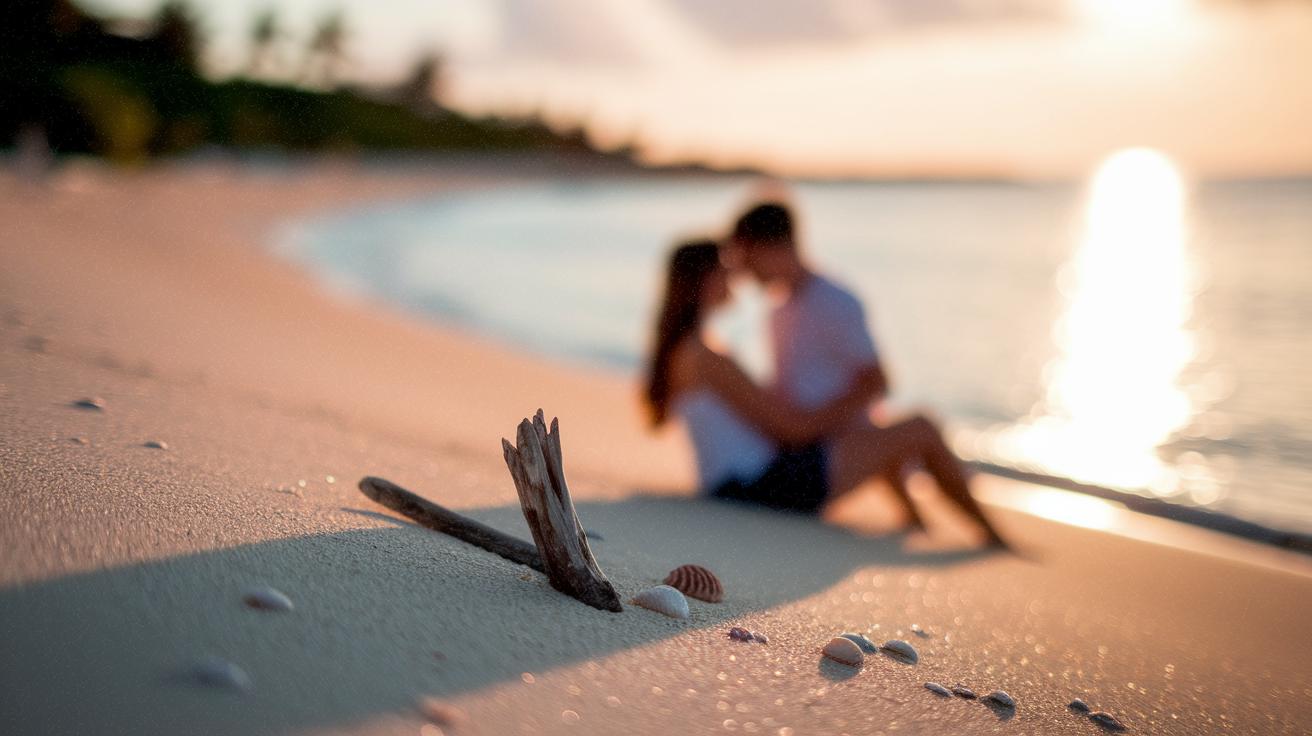
The Caribbean is warm and welcoming all year, making it feel like a true tropical hideaway. Between mid-December and mid-April, you can expect long, sunny days filled with 8–10 hours of radiant sunshine. Imagine taking a slow, relaxing walk on powdery white sand with the clear blue sky above, it’s just perfect for beach strolls or a quick dip in the sea. Temperatures usually linger around the mid-80s°F, and the low humidity keeps the air light and comfy. This is the ideal time for outdoor fun and a great escape from colder climes elsewhere. Ever thought about waking up to a day bathed in golden light that seems to last forever?
From June to November, things warm up a bit differently. Daytime temperatures climb into the upper 80s to early 90s°F, and the air feels a bit heavier because of the high humidity. Rain showers pop in more frequently during this period, especially in August and September, but don't let that fool you, many days still offer long spells of clear, bright skies before a refreshing afternoon shower rolls in. And then there are spring and autumn, those gentle shoulder seasons that mix steady warmth with fewer crowds. This balance means you can enjoy the island's beauty at your own relaxed pace, whether you’re chasing endless sunshine or savoring the cool calm that comes after a tropical rain.
Caribbean Island Weather Guide: Sunny Tropical Trends

January greets you with warm days in the mid-80s°F and hardly any rain. It feels like waking up on a bright, clear day that invites a peaceful walk along soft, sandy shores.
In February, temperatures settle in the low- to mid-80s°F, with some days nudging toward the upper 80s°F. Mornings are gentle and fresh, and the soft breezes make your afternoons easy and enjoyable.
March continues the dry spell with clear skies and steady warmth in the low- to mid-80s°F. Imagine a day where every step outside feels like a mini-vacation under endless sunshine.
April shines with the very least amount of rain around, making it a perfect month for outdoor adventures. It’s like having an endless beach day where the cool ocean breeze meets the warm sun.
Come May, the scene changes as the wet season begins. The heat rises into the high-80s to low-90s°F, and an occasional shower adds a refreshing twist to the tropical warmth.
In June, temperatures keep climbing as hurricane season begins. The air feels charged, so it’s a good idea to keep an eye on weather updates while still soaking up the sun.
July brings hot and humid conditions with scattered showers that offer brief moments of relief. It’s nature’s little way of cooling things down on a sizzling day.
August follows with a mix of high humidity and temperatures in the high 80s to early 90s°F. The tropical vibe is very strong, and a gentle ocean breeze sometimes peeks through light clouds.
September tends to be the wettest month, creating a quieter time when the island feels peaceful and calm. It’s a perfect chance to enjoy the slower pace and the natural rhythm of the island.
In October, the days warm to about 86–87.8°F with a few short, refreshing showers here and there. The weather stays inviting and easy-going throughout the month.
November steps in as a gentle shoulder month with less rain and a lower chance of hurricanes, easing you into a relaxed island vibe.
December brings back drier conditions with mid-80s°F days and cool evenings in the low-70s°F, wrapping up the year with a calm, pleasant balance.
| Month | Temperature | Rainfall |
|---|---|---|
| January | Mid-80s°F | Minimal |
| February | Low- to mid-80s°F | Light |
| March | Low- to mid-80s°F | Minimal |
| April | Warm | Lowest |
| May | High-80s°F to low-90s°F | Increases |
| June | Rising | Starting |
Caribbean Island Weather Guide Hurricane Season Details
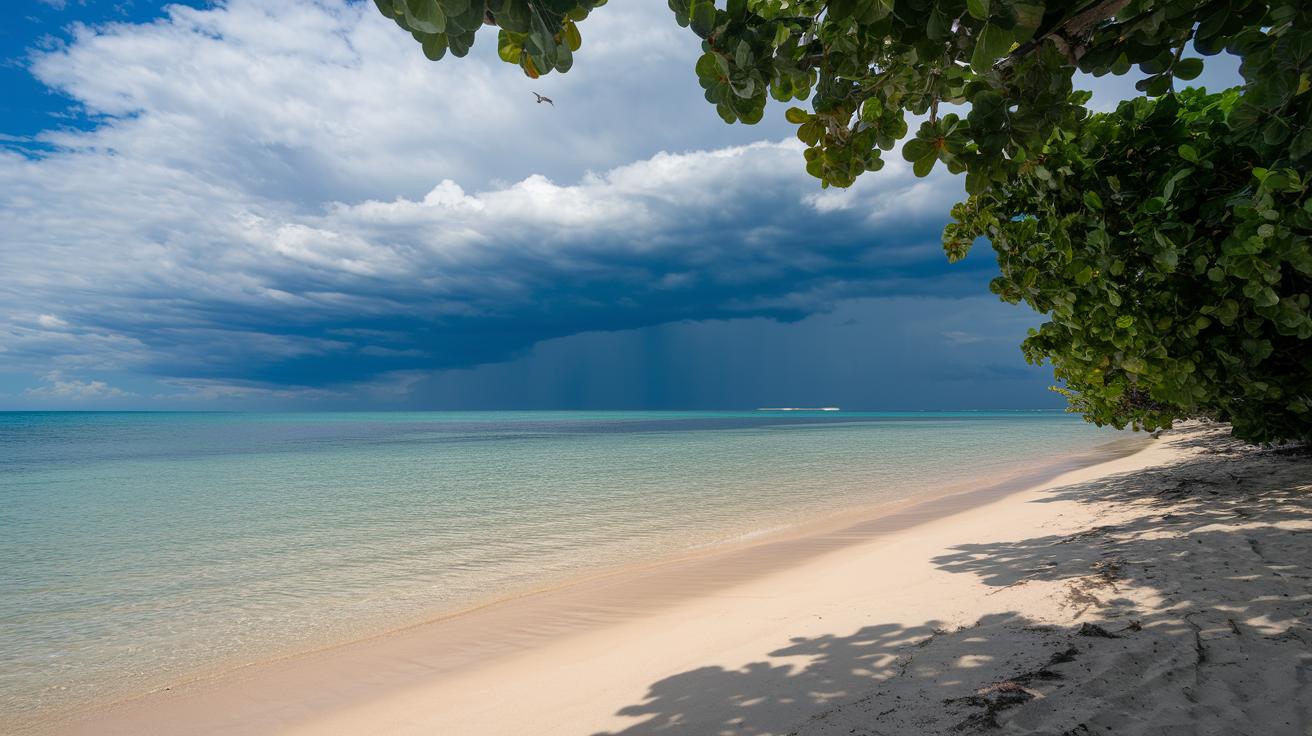
The official hurricane season in the Caribbean starts on June 1 and runs until November 30. Early on, in June and July, the islands treat you to gorgeous sunny days that feel like a slice of paradise. Picture yourself enjoying a warm morning, feeling the mellow sun, while little hints of stormy weather begin to gather behind those bright skies.
The warm ocean water turns the sea into a perfect stage for storms, especially as the months go by. From mid-August to early October, the risk is at its peak. This is when tropical systems really kick off and build over the inviting blue waters. Even though early summer offers clear, brilliant days, the growing activity later on means it's wise to stay updated on storm developments.
If you're traveling, keep an eye on those early signs like pre-tropical depression signals, they're your clue that something might be brewing. Checking local cyclone alerts is a smart idea, as they guide you on tracking any tropical activity. In late summer and early fall, being ready to adapt your plans can make all the difference. Enjoy the sunny moments, but don’t forget to stay informed as the season unfolds.
Best Times for Your Caribbean Island Weather Guide Vacation

When the islands are buzzing with activity, it's smart to book your hotel and flights well in advance. That way, you’re more likely to snag good deals. Try picking early-morning or late-afternoon flights when things are quieter.
Keep an eye on local events too. If you know there's a lively festival happening in the morning, plan your big tours for later to skip the long lines. It’s a bit like timing your visit to a favorite hideout.
Consider combo deals that bundle tours, lodging, and meals together. Not only do these deals often trim your expenses, but joining a small-group tour with a local guide makes your adventure feel more personal and relaxed.
Here's a handy chart to break it down:
| Period | Booking Tip | Activity Highlight |
|---|---|---|
| High Season | Reserve hotels and flights months ahead | Local festivals and guided tours |
| Shoulder Season | Enjoy lower rates with flexible dates | Quiet beach walks and market visits |
| Early Summer | Book flexible rentals and check cancellation policies | Outdoor excursions during sunny spells |
| Late Season | Look for off-season discounts | Evening events and local food tastings |
Many travelers have discovered that booking combo tours can save around 15% compared to setting up everything separately. Cool, isn’t it?
Comparative Caribbean Island Weather Guide by Region

If you venture to the southern islands in October, you'll notice the warm, inviting air, with temperatures around 87.8°F. With less rain in these spots, you can enjoy long days at the beach soaking up the extra sun.
Over to the east, the islands feel the lively push of trade winds. These breezes often bring quick showers that freshen up the landscape, yet the water stays warm above 80°F, making it perfect for a relaxing swim.
In the western part, you might catch a cool breeze during winter. Even when the wind whispers a chill, the temperature remains cozy above 80°F all year, setting the stage for easy, peaceful evenings by the seaside.
Head north and you'll find slightly cooler air with a bit more rain. Still, the sea remains warm above 80°F, ensuring every island has its own unique tropical charm.
Handling Extreme Conditions in the Caribbean Island Weather Guide

Imagine stepping into a Caribbean summer where temperatures often climb past 86°F and the air feels thick with humidity. One minute, you're soaking up the sun, and the next, a quick tropical rain showers you with a refreshing surprise, like a light sprinkle on a lazy afternoon. It's moments like these that remind you to keep your rain gear close, just in case the skies decide to play a little trick on you.
As the day unfolds, the sun reaches its peak around midday, urging you to grab your sunscreen and a broad-brimmed hat. It's as if nature is giving you a friendly nudge, saying, "Time to armor up!" Wearing light, protective clothing and having your hydration gear handy not only shields you from those powerful UV rays but also helps you beat the sticky heat. Think of it like putting on a raincoat when you sense a drizzle, it’s a small step that makes a big difference.
And don’t forget to keep an eye on local weather updates. A quick check can help you decide whether to explore outdoors or take a relaxing break indoors until the tropical downpour passes. By packing essentials like sun protection, water, and rain accessories from your Caribbean vacation checklist, you’re all set to embrace every moment of your island adventure, no matter what the weather has in store.
Rainfall Distribution and Sunshine Charts in the Caribbean Island Weather Guide

The latest charts bring a fresh look to how we see Caribbean weather. Instead of just rehashing the usual dry and wet season numbers, they use two different styles that show subtle differences in a fun way. For example, one chart compares the eastern islands with the central ones, and in some southern spots a two-hour break in sunshine during seasonal changes adds a whole new twist.
Now, the new designs mix bar charts with line charts so you can easily see how rainfall and sunshine vary by region. Ever noticed how quickly the weather can flip? In some parts, the chart colors change within just 10 minutes, alerting you to a fast weather shift, a neat fact for planning your day.
These updated visuals help you dive deeper into the Caribbean’s rain and sun patterns while nicely mixing with the familiar seasonal details.
| Chart Type | Unique Insight |
|---|---|
| Bar Chart | Highlights regional rainfall differences |
| Line Chart | Shows seasonal sunshine fluctuations |
Tools and Radar for Your Caribbean Island Weather Guide
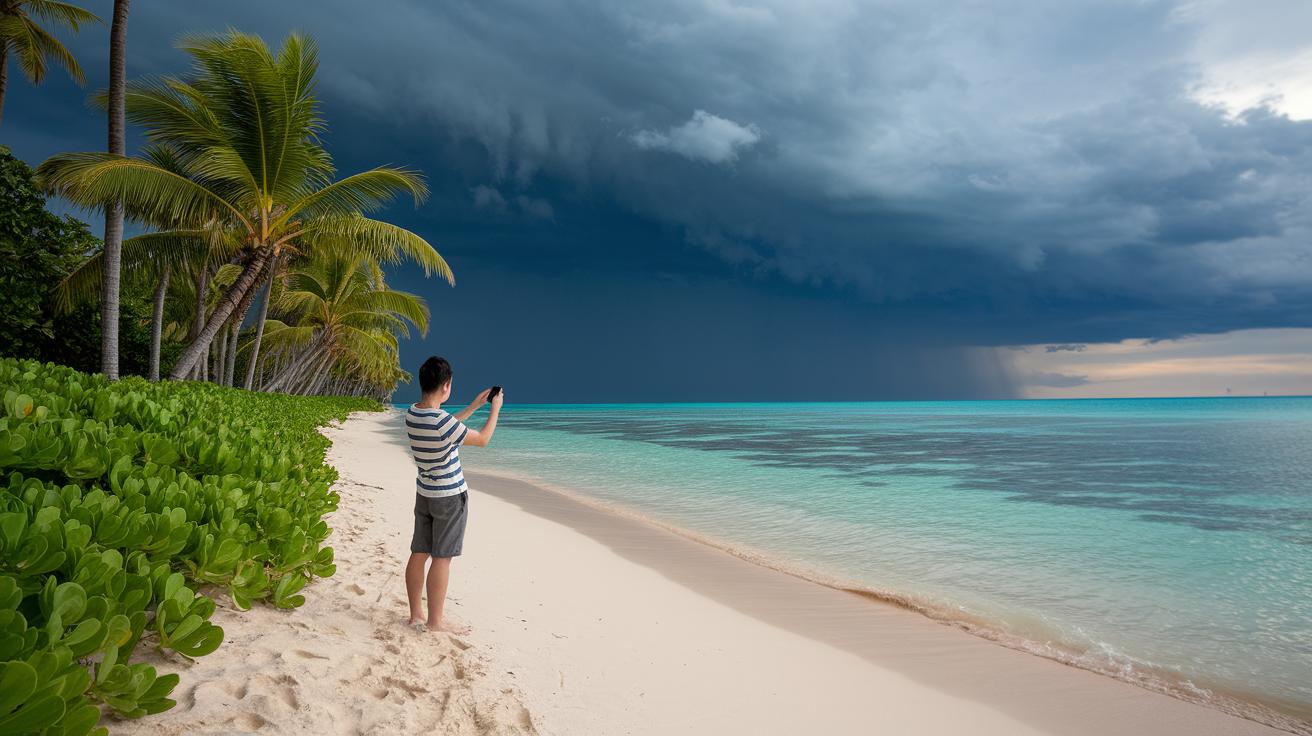
Keep an eye on tropical weather shifts with handy radar apps and live updates. Ever checked your phone and seen satellite images that show a quick drop in pressure? That usually means a storm might be on its way.
With the latest storm maps at your fingertips, you can easily change your plans to catch the sun and avoid surprise showers. Local weather services send frequent updates so you won’t miss even the smallest changes in the air.
These tools mix accuracy with user-friendliness, so when the Caribbean skies begin to change, you'll know right away. By using live radar tracking and satellite feeds, your trip feels safer and lets you enjoy every sun-soaked moment on the island.
Final Words
In the action, the article breaks down Caribbean weather into clear sections, seasonal trends, monthly forecasts, storm details, and handy tools. Each part paints a simple picture of temperature shifts, rain chances, and sunny days perfect for planning your next trip.
It offers real tips on timing your visit, staying safe during storm periods, and enjoying lighter tourist times. This caribbean island weather guide helps you plan a stress-free, sunny escape. Enjoy every moment under the tropical sky.
FAQ
What details does a Caribbean island weather guide by month provide?
What do Caribbean weather forecasts for 14 or 30 days show?
How does Caribbean weather in October, November, and December compare?
Which months might be less ideal for a Caribbean vacation?
Is there bad weather in the Caribbean right now?
What is the best time to visit the Caribbean islands?
