Culture
Caribbean Intergenerational Cultural Transmission Unites
By bonniemoses
December 17, 2025
Field Notes
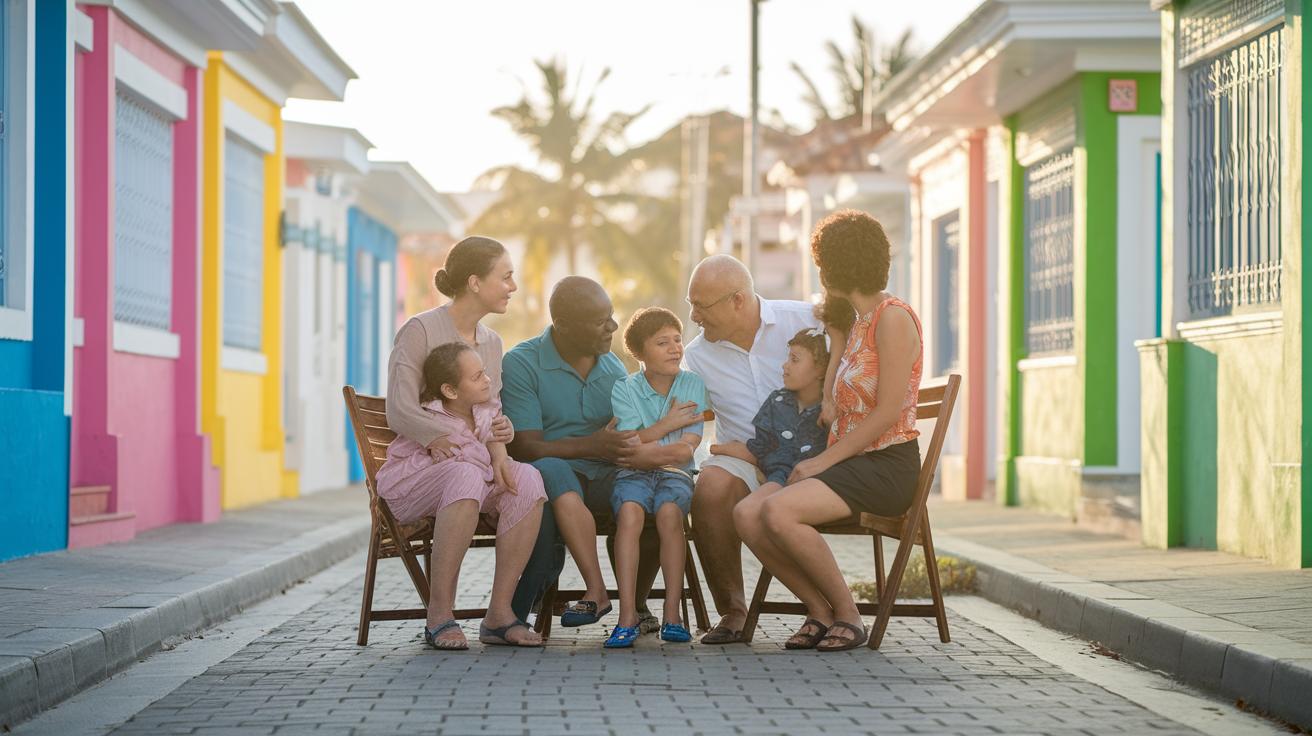
Ever wonder how a simple moment can turn into a cherished family legacy? In Caribbean households, sharing a meal or singing an old tune is more than just a daily routine. It's like passing along a special piece of history from one generation to the next.
This tradition is called Caribbean intergenerational cultural transmission, which is just a fancy way of saying that family customs keep flowing even as the world changes. When a shared meal or a familiar song tells a story of the past, it brings people together and keeps the warmth of Caribbean heritage alive.
Scholarly Foundations of Caribbean Intergenerational Cultural Transmission
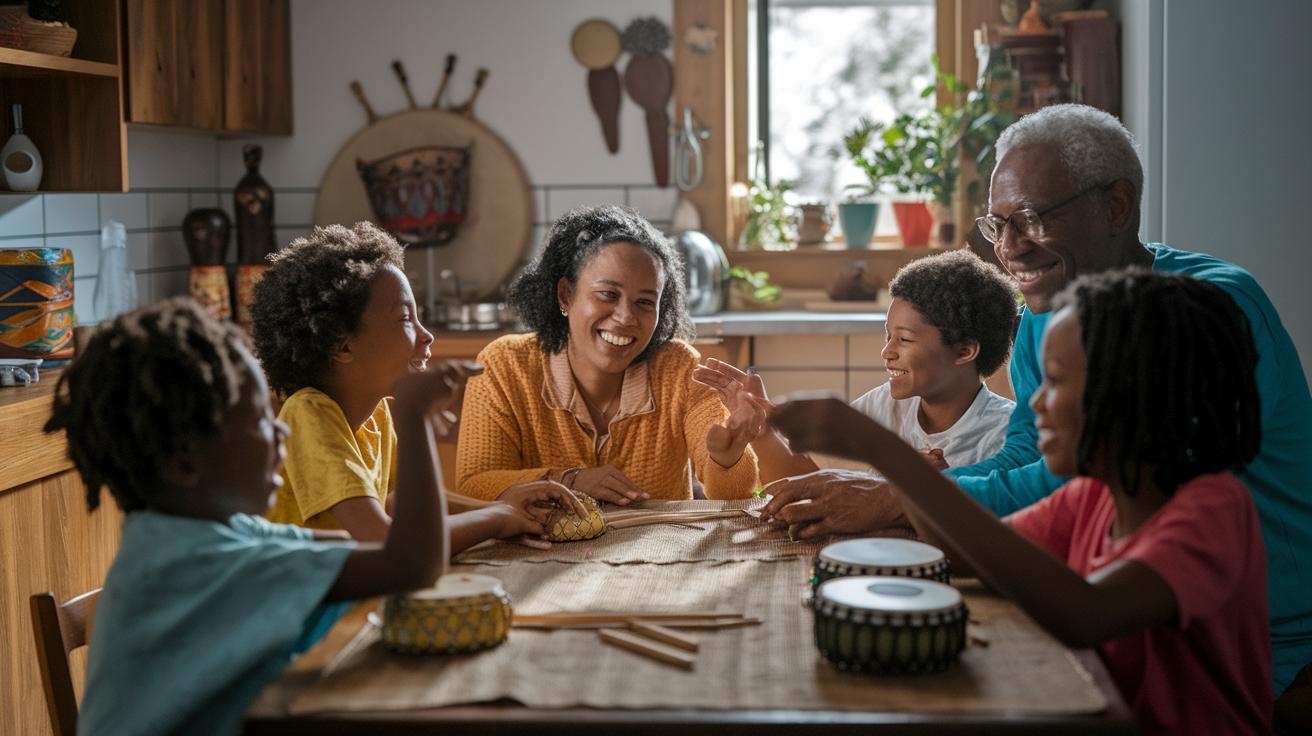
Scholarly work in this area shows how Caribbean families lovingly pass along traditions, values, songs, and stories. They do this through things like organized heritage classes, community workshops, and everyday moments like shared meals or playing music together. Ever wondered how these family traditions survive? It's like each shared story or meal carries a piece of the past into the future.
Researchers call this process "Caribbean intergenerational cultural transmission." This simply means that a family's history and practices continue over time, even in changing surroundings. Studies tell us that personal stories often connect to big historical events, giving us a peek into how past hardships shape who we become.
Scholars dive into this topic using personal family accounts and detailed case studies. They look at big events like colonial rule and forced migration, which weave a complex heritage story. For instance, one study shared how Dr. Rivera, before becoming well-known, found old family letters that brought secret traditions back to life. It’s a mix of touching personal moments and careful research that shows how powerful family memories can be.
These studies also reveal how everyday details like a familiar song or the taste of a traditional dish help keep cultural traditions alive. Even when outside influences try to fade them away, these cultural gems hold strong. Researchers combine theory with real-life observations to uncover layers of meaning in every story, song, and ritual shared by Caribbean families. In truth, this research shows how each tradition not only carries history but also sparks personal identity and deep community ties.
Historical and Colonial Influences on Caribbean Intergenerational Cultural Transmission
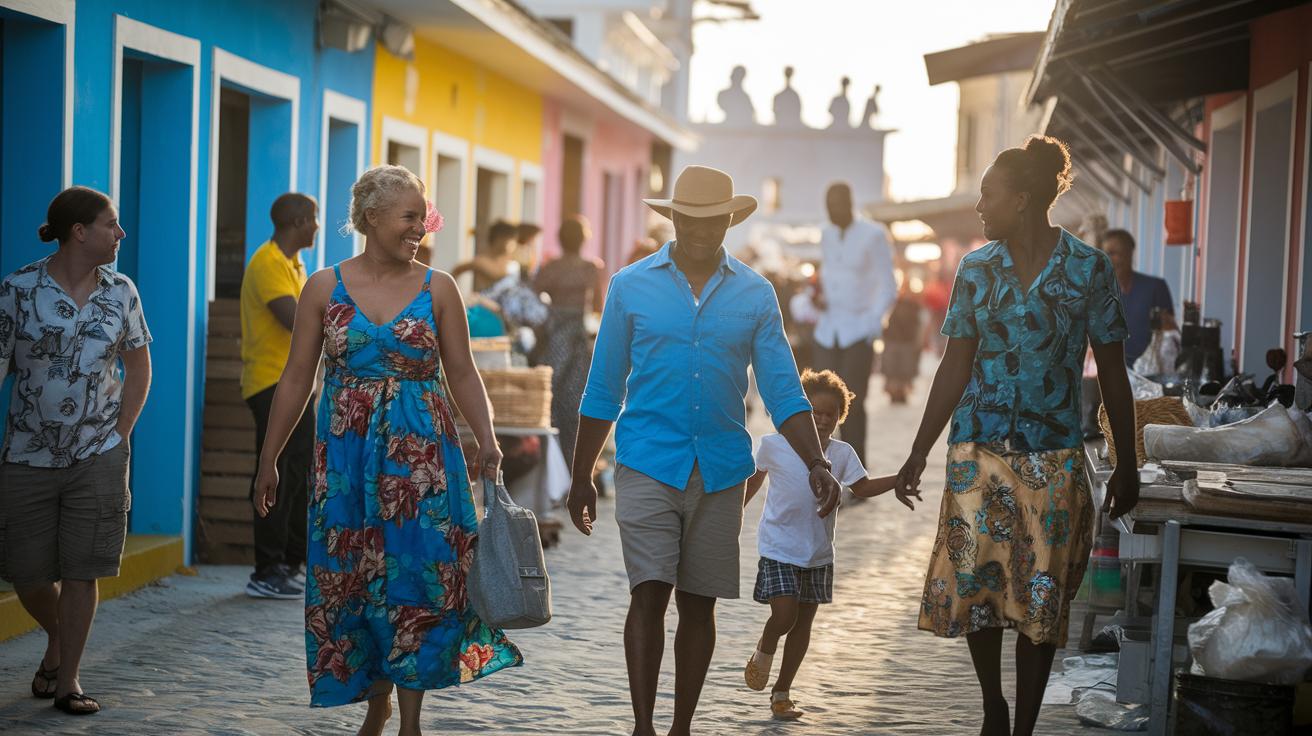
European explorers helped shape the vibrant mix we see in the Caribbean today. Back in the 1500s, Spanish colonizers introduced European customs that changed daily family life and special rituals. Later on, French and British influences added even more layers to this evolving heritage. Families still share stories of their roots and migrations, blending new traditions with cherished local ways.
Even under harsh conditions, enslaved communities found moments of hope. They secretly gathered to sing and dance, their songs filled with memories of ancestors and their dances a quiet act of resistance. Elders pass down these lively stories and customs, making each melody and step feel alive with the spirit of the past.
Over time, outside customs mixed with native traditions to create a rich tapestry of sounds, rituals, and values. Every family celebration carries echoes of both colonial influences and deep ancestral resilience. It feels like each festive ceremony is a warm reminder of struggles overcome and the beauty of cultural heritage.
Today, communities honor this legacy with joyful celebrations that bring everyone together. Every festival and family gathering speaks of survival, strength, and lasting bonds. It’s a living tribute that connects generations and fills the Caribbean air with the magic of its history.
Oral Traditions in Caribbean Intergenerational Cultural Transmission
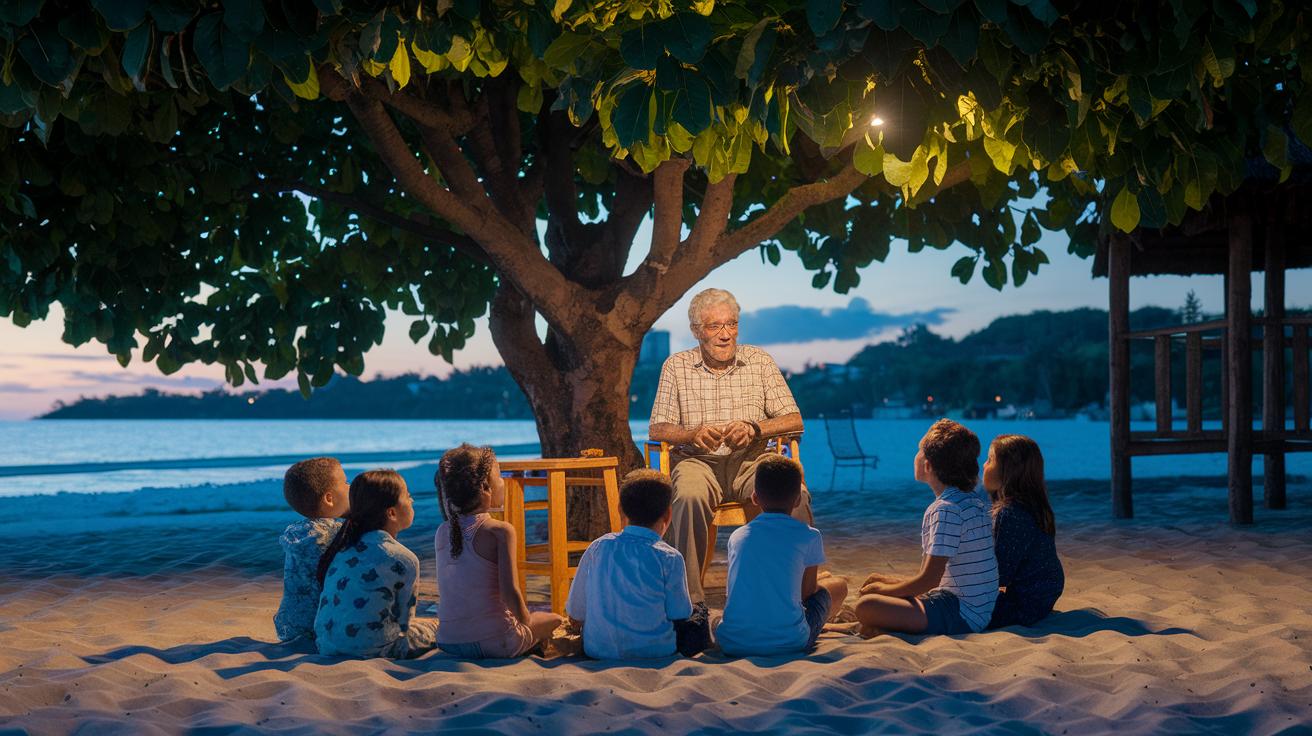
Oral storytelling is at the heart of how Caribbean culture lives on from one generation to the next. Our elders bring history to life with their warm voices, sharing tales filled with memories and lessons from the past. Imagine sitting down with them, listening as they recall days gone by, maybe even saying, "When I was young, we learned life's lessons under the cool shade of an old mango tree."
These shared stories mix heartfelt emotion with bits of learned wisdom. Family meals and local workshops on cultural traditions create cozy spaces where these stories not only entertain but also teach practical ways to handle life's ups and downs, making everyone feel a strong sense of belonging.
This blend of deep feelings and smart insights helps us see Caribbean culture in a fresh, genuine light.
Educational and Community-Based Transmission in Caribbean Intergenerational Cultural Transmission
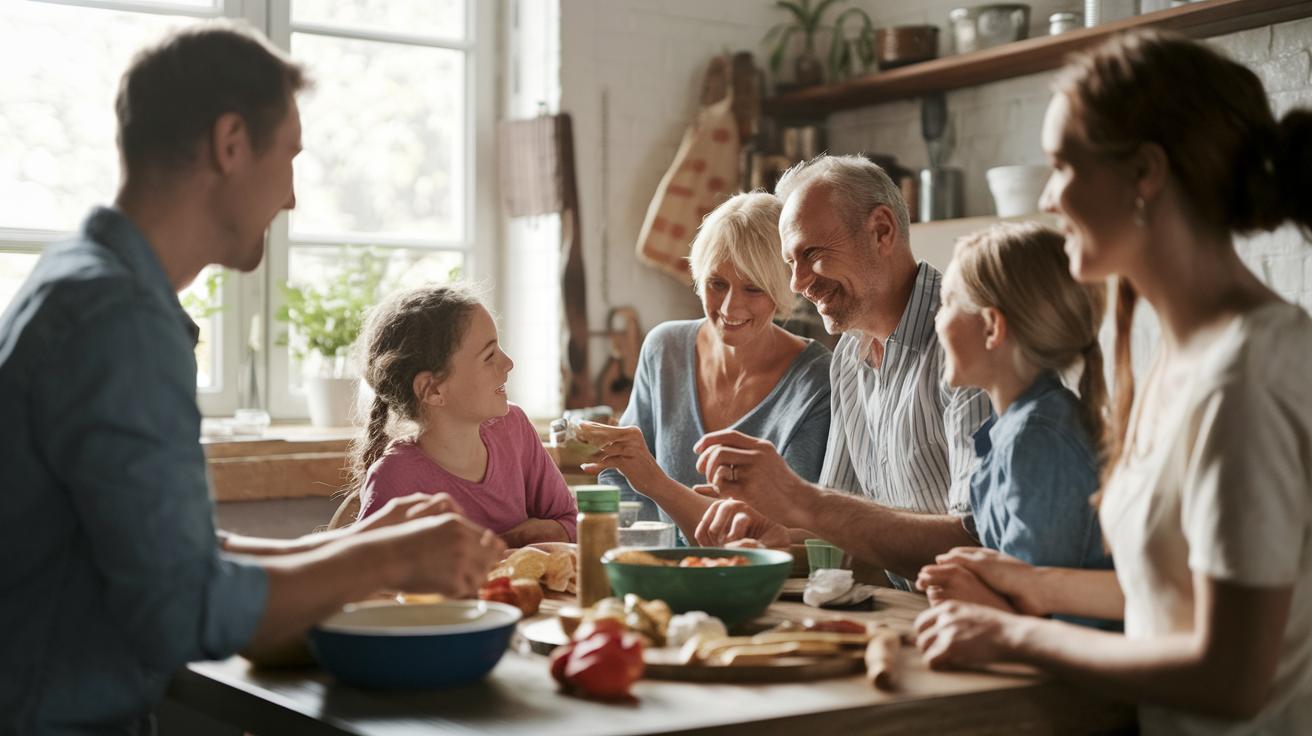
This section talks about planned educational programs, which we covered earlier, and the everyday community moments that bring a special touch. Formal classes and scheduled workshops use fun, hands-on ways to share traditions. For example, a local expert might lead a session on how to cook a classic dish. Did you know? Before it became a favorite recipe, it was perfected over many generations in small family kitchens.
On the other hand, many cultural moments happen naturally. Think about a family cooking together or a neighborhood celebration where people share stories, music, and memories. Imagine a family gathering where an elder smiles and says, "Every spice in this dish holds a memory," while everyone listens closely.
These natural encounters go hand in hand with structured programs. They do not replace organized heritage tours, like those found in Cultural Heritage Tours Caribbean: Celebrate Rich Traditions, but they add a lively, real-life feel that keeps traditions personal and alive.
Diaspora Networks and Caribbean Intergenerational Cultural Transmission
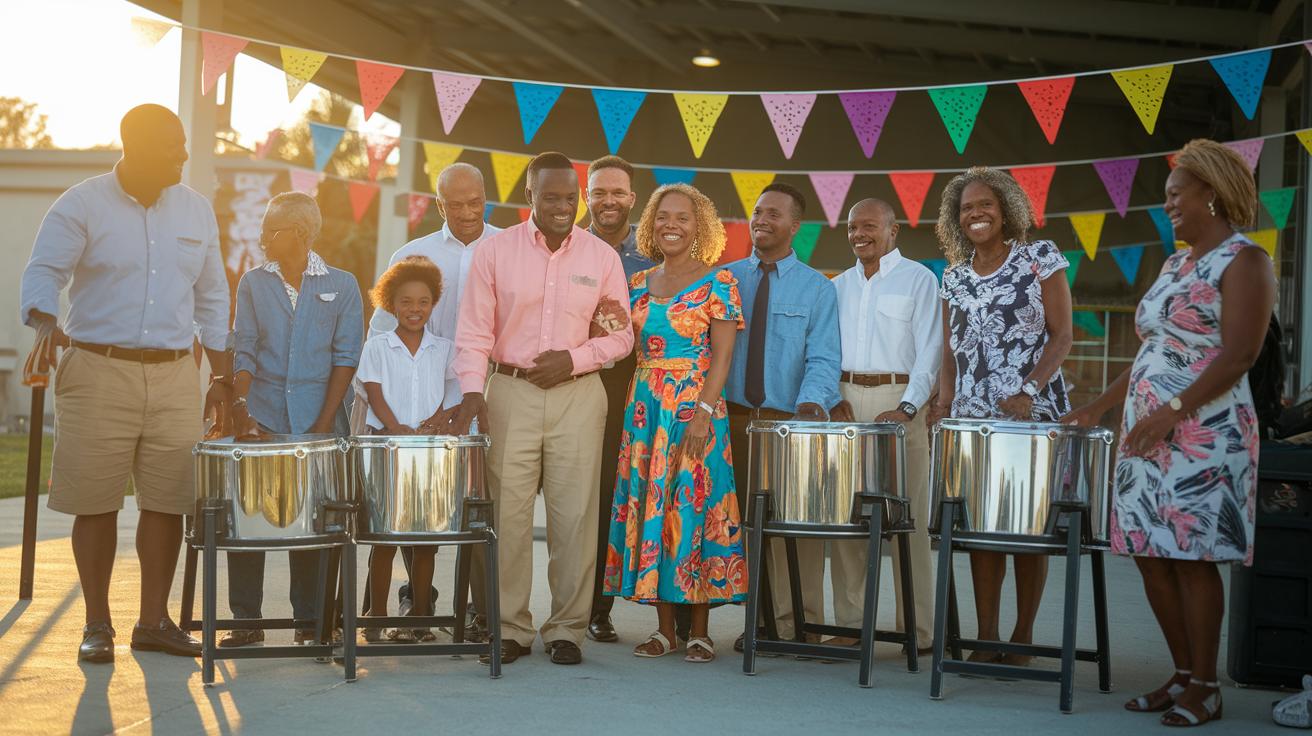
From London to Toronto, Caribbean culture lives on in the hearts of diaspora communities. Caribbean descendants come together at local community centers, clubs, and festive street events that bring island traditions into modern times. These gatherings feel like a sweet reunion, blending cherished memories with today’s celebrations.
Digital platforms have opened up a new way to share this vibrant culture. People now swap warm messages, time-honored recipes, and family histories over social media, think of it as passing down traditions like a favorite recipe shared over a warm cup of tea. Elders and youngsters join in these virtual chats, bridging the age gap and building a strong pride in their Caribbean roots.
Each year, lively events and online forums offer spaces for storytelling and heartfelt discussions. Here, community members reminisce about energetic island festivals and secret family customs, keeping the spirit of the past alive while riding the wave of modern life. With digital gatherings, traditions that were once passed on face-to-face now spread far and wide.
These efforts show that deep-rooted heritage can flourish in creative ways. Whether it's in a bustling cultural club or through an online conversation, diaspora networks keep the warm spirit of the Caribbean thriving, sharing both classic customs and fresh expressions with every new generation.
Case Studies of Caribbean Intergenerational Cultural Transmission
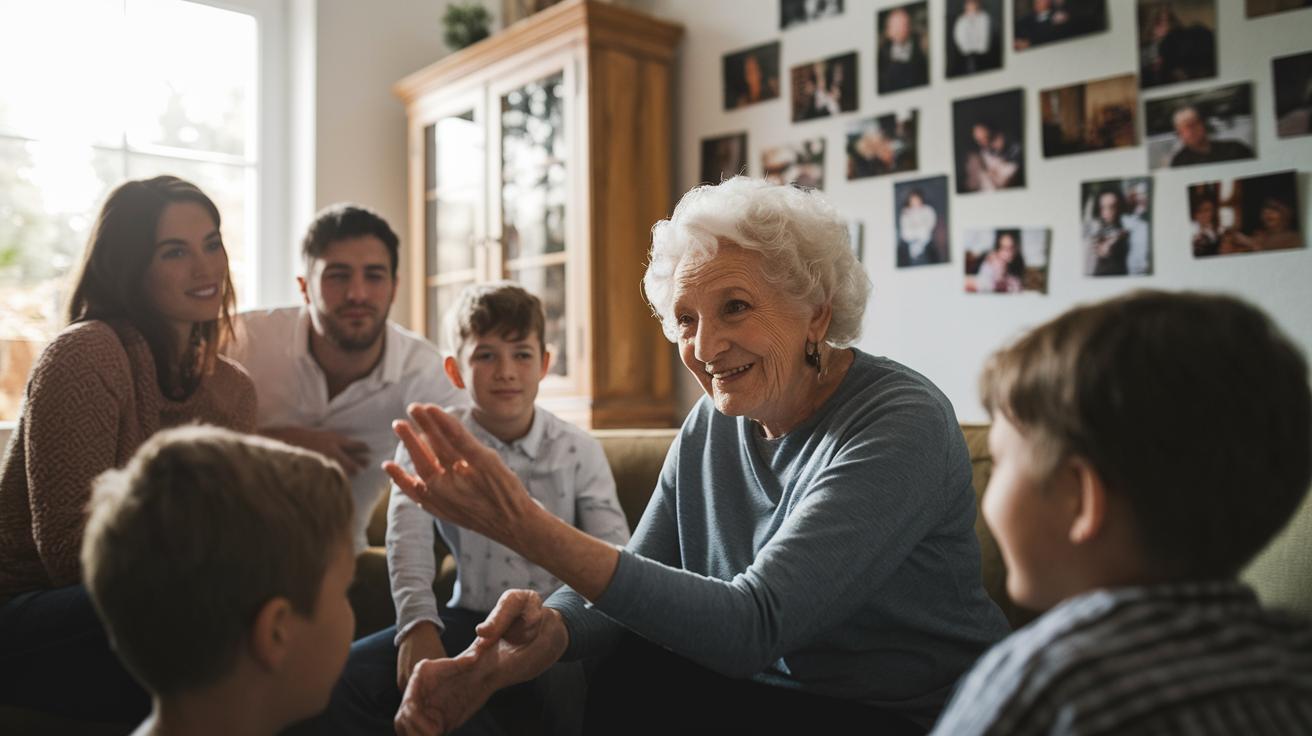
In one Jamaican family, kinship care is more than just a way of raising children. It’s a warm, heartfelt tradition where elders and relatives support one another without needing money. Imagine a scene where a loving grandmother, with a gentle smile, shares lively, memory-filled stories about how the family pulled together during hard times. Her words weave a living tale of strength and care, much like a favorite song passed down through the years.
This way of storytelling goes beyond everyday tales. It deepens the bond between generations, turning family gatherings into lively archives of memories and practical life lessons. Every story brings a new understanding of how kinship care helps keep the family united and resilient.
| Aspect | Example |
|---|---|
| Kinship Care Strategy | The family supports each other through shared stories rather than financial aid. |
| Oral Narratives | A grandmother recalling times when community support lifted the family up. |
Caribbean intergenerational cultural transmission Unites
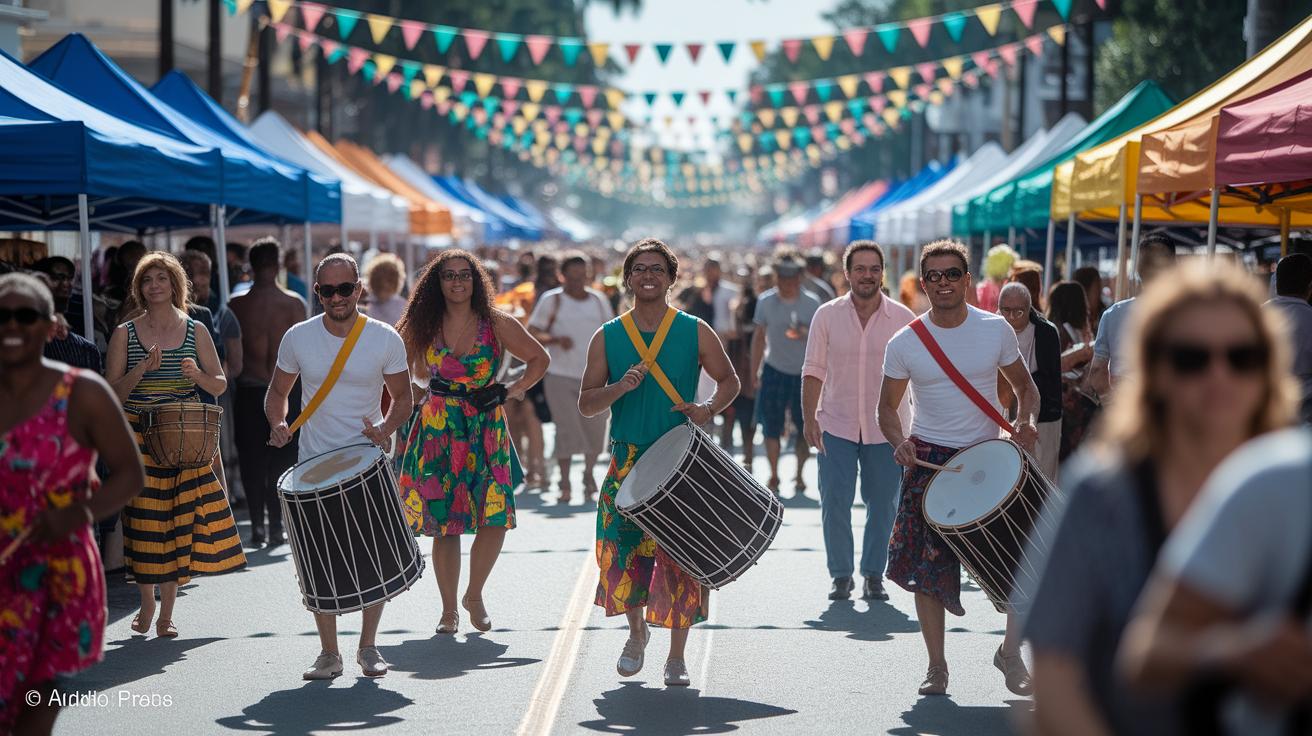
Caribbean communities face modern challenges every day, yet they keep their rich traditions burning bright. Life brings new pressures and global trends that sometimes push aside old customs. Still, locals come together in secret celebrations, lively festivals, and regular community rituals that remind everyone of their shared roots. One local musician put it simply: "Every beat of our drums revives notes of history." That line shows how even small gatherings help keep the folk art spirit alive.
People celebrate with bright street parties where traditional songs fill the air and local markets pop up, creating friendly spaces for kids and elders to chat and learn from each other. At one community art fair, an elder recalled, "When I was young, we danced our stories under the stars; today, our steps continue this legacy." This honest moment shows just how strong the bond can be when generations share in keeping traditions alive.
Artisans, dancers, and storytellers lead the way, mixing old practices with today’s twists so the past stays with us. Each performance, dance, or handcrafted piece passes on a sense of resilience and pride, making sure that culture remains a part of everyday life even as new influences pop up.
| Tip | Details |
|---|---|
| Craft Legacy | Finish each traditional craft, song, or dance with a touch of history. |
| Personal Connection | Allow little moments that spark a personal tie to the past. |
Final Words
In the action! This article showed how everyday practices, academic ideas, and heartfelt stories have shaped Caribbean intergenerational cultural transmission. We saw that family gatherings, community workshops, and even digital exchanges help preserve age-old customs. The blend of history and modern life brings traditions to our present, making them a living part of every Caribbean home. It all reminds us that each shared song, meal, and tale carries the power to keep cultures alive and thriving. Enjoy the warmth and beauty of your Caribbean experience.
FAQ
What is the Caribbean intergenerational cultural transmission pdf?
The Caribbean intergenerational cultural transmission pdf serves as an academic resource that examines how families pass down traditions, stories, and practices, often discussing heritage education and community workshops.
What does Caribbean intergenerational cultural transmission trauma refer to?
Caribbean intergenerational cultural transmission trauma refers to historical wounds passed down through generations, highlighting how communities share stories of pain and healing while preserving traditions and identity.
What are the three main cultural influences on the Caribbean?
The three main cultural influences on the Caribbean are indigenous heritage, African customs, and European traditions, each contributing to language, food, music, and overall community life.
Why is there such a cultural blend in the Caribbean Islands?
The cultural blend in the Caribbean Islands arises from a mix of indigenous roots, colonial European rules, and African heritage, with each group adding its distinct flavors to the region’s communal practices.
What are some examples of cultural retention in the Caribbean?
Examples of cultural retention in the Caribbean include maintaining oral traditions, celebrating community festivals, participating in heritage workshops, and sharing ancestral dishes during family gatherings.
What is cultural hybridization in the Caribbean?
Cultural hybridization in the Caribbean means merging cultural practices from different origins, such as music, cuisine, and storytelling, to create fresh, unique expressions that reflect shared histories and resilient identities.