Have you ever wondered why old Caribbean buildings still feel so alive today? They mix a local creative spark with a touch of colonial style that can really surprise you. These buildings were made with natural stuff and clever ideas. Think of palm-thatched roofs that let the cool breeze in and tough coral limestone walls that stand strong over time. In this read, you'll discover how time-tested building methods mix with rich local culture to show that old-school tricks can bring both comfort and style to our modern ways of living.
Historical Foundations of Caribbean Heritage Architecture
Caribbean architecture tells a story of different cultures coming together. Native Amerindian builders started with natural materials and clever, local techniques. Then African traditions added a bold, creative touch full of life and color, while European settlers introduced new building methods and stylish design. Ever thought about it? Many Caribbean villages blend centuries-old customs with European influences, turning their streets into a living museum of culture.
Local construction methods were perfected to suit the warm, tropical climate. Many homes have palm-thatched roofs that naturally cool the inside, and strong coral limestone walls that stand the test of time and help keep energy costs down. Big mahogany beams not only add strength but also bring a warm, natural vibe. Imagine building a home like mixing a refreshing tropical drink, you blend strong, natural ingredients with a lively local spirit, resulting in a shelter that feels both cozy and resilient.
Spanish colonial ideas still shape the vibrant towns of today. Early town planners arranged streets in neat grids, centered around busy plazas and close to charming churches. This thoughtful design makes communities feel organized yet full of life, creating inviting spaces where everyone gathers. In truth, these historic plans continue to influence daily life in island capitals, keeping the rich legacy of the past alive in modern Caribbean culture.
Colonial Influences Shaping Caribbean Heritage Architecture
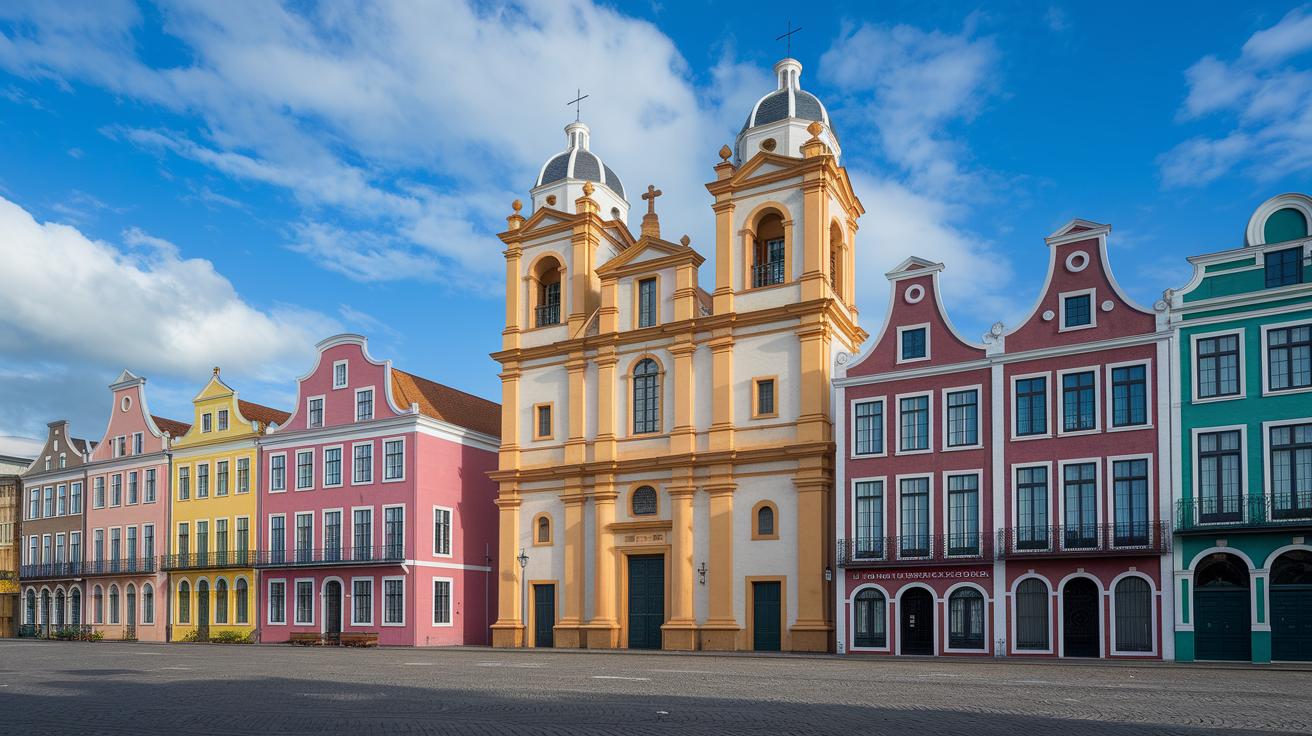
European powers stamped their style on Caribbean buildings many years ago. Spanish, British, Dutch, and French touches mix together in the towns, each adding its own look and building trick that you can still see today.
Spanish Colonial
The Spanish set up towns with neat grid plans, centering streets around a lively plaza. You’ll find stone churches and simple public spaces that show how much they valued community and faith. Even now, many island capitals still follow this clear, organized style.
British Colonial
In Barbados, you can spot the British influence in beautiful Georgian and Victorian plantation homes. These buildings usually rest on coral limestone bases and feature movable wooden homes known as chattel houses. Their balanced faces and careful details blend tropical living with a touch of classic style.
Dutch Revival
In Aruba’s Oranjestad, Dutch Revival architecture really stands out. Pastel-colored buildings, unique gambrel roofs, and charming balconies on the second floor make the streets look cheerful. City Hall, built in the 1920s and restored later, is a great example of how European style meets island life.
French Colonial
French influence appears in Martinique’s grand 19th-century public buildings. Take the Schoelcher Library with its dazzling Byzantine glass dome or the tropical take on the Sacré-Cœur. These designs mix Parisian elegance with local flair, creating buildings that impress and fit right in with the island setting.
| Colonial Power | Architectural Style | Notable Examples |
|---|---|---|
| Spanish | Neat grid layouts with stone churches | Centered plazas in island capitals |
| British | Elegant Georgian/Victorian plantation homes | Coral limestone bases and chattel houses in Barbados |
| Dutch | Pastel facades with gambrel roofs | Oranjestad City Hall |
| French | 19th-century public gems with a tropical twist | Schoelcher Library and a Sacré-Cœur replica |
Strolling along the coast, you can see fortresses and urban fronts that proudly wear these colonial styles. The mix of sturdy grid designs and fine decorative details has turned island centers into lively spots that celebrate a shared past while keeping up with modern life.
Vernacular and Creole Design in Island Building Architecture
Caribbean heritage architecture celebrates local design that keeps homes cool and comfortable under the heat. Many traditional houses use cross-ventilation, louvered shutters, and wide verandahs to welcome in refreshing breezes. It’s much like opening your windows wide on a hot day to let in the soothing island air.
Creole designs bring smart changes to protect against floods and rough weather. Homes are built on raised foundations to keep living spaces safe when water levels rise. Wooden frames are often dressed in clapboard or corrugated metal for both strength and charm. In Barbados, for example, chattel houses are small wooden homes that can be moved easily if needed. These features show both resilience and the creativity of local builders.
Local materials play a big role in these designs. Stone masonry builds sturdy walls that naturally cool the inside, while palm-thatched roofs act like an umbrella against both rain and sun. Chosen over many generations, these materials keep homes energy-efficient and perfectly suited for the tropical climate, all while preserving the unique charm of island life.
Preservation and Restoration of Vintage Ornamental Details
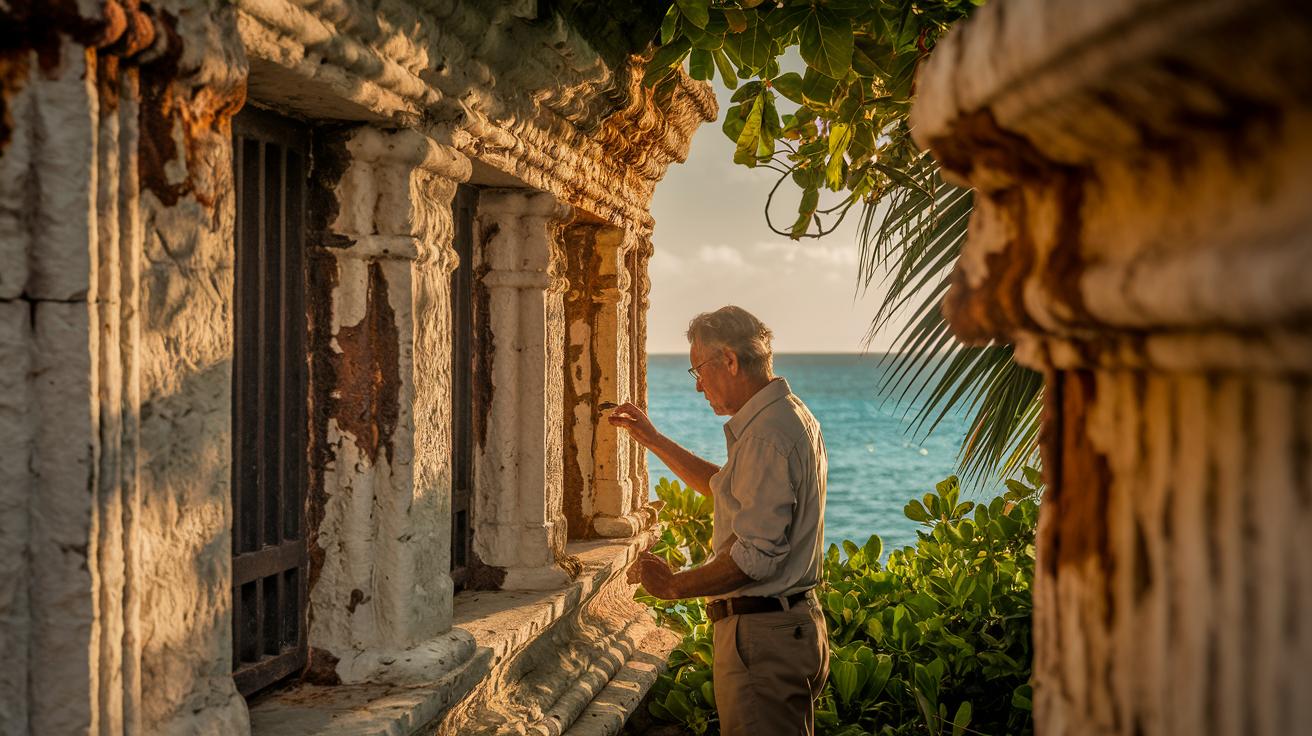
Tropical climates take a toll on historic buildings. Coral limestone slowly wears away, mahogany pieces begin to decay, and metal details often succumb to rust. Such deterioration challenges local conservationists, who work hard to preserve every intrinsic detail of our vintage heritage.
Restoration projects begin with recording original blueprints to capture each historical nuance. Conservators then source equatorial materials known for their resilience in hot, humid conditions. Traditional stone masonry repairs are applied to replace worn elements. Imagine an expert carefully restoring each decorative molding with techniques passed down through generations, a process that respects the building’s original charm while fortifying it for many more years.
A notable case is the 1998 restoration of Aruba’s City Hall, which successfully revived its timeless features. Similarly, efforts to stabilize Fort Zeelandia in Ocho Rios have preserved its structural integrity, showcasing community commitment to heritage preservation.
Community-led conservation efforts now invite visitors to experience history firsthand. Guided walking tours allow people to explore restored landmarks up close, while educational outreach programs share stories of meticulous restoration work. These interactive sessions let everyone see how traditional conservation methods blend with modern techniques to keep history alive. Interested readers can check out Historical walking tours in the Caribbean to learn more about these inspiring projects and witness cultural conservation in action.
Modern Adaptations and Heritage Tourism in Caribbean Townscapes
Today, you'll find a cool mix of old and new in the Caribbean. Classic details like columns, verandahs, and decorative moldings meet modern twists with steel and glass to create spaces that feel both time-honored and fresh. It’s like chatting with a friend about a hidden gem that has the magic of history with a stylish upgrade.
Across the islands, you'll see plantation houses and historic public buildings reborn as boutique hotels and fun, interactive museums. Even old sugar mills and colonial customs houses have transformed into delightful restaurants and vibrant galleries. Picture an old building with a sleek glass extension, blending nostalgia with comfort, like a warm memory that’s been given a modern spin.
Local heritage tourism is now breathing new life into beloved historic spots, turning them into lively cultural hubs. Walking tours guide you through restored town centers that date back to the 18th and 19th centuries, letting you feel the spirit of the past while enjoying a modern vibe. This trend not only supports small businesses but also makes locals proud as their treasured sites become places of animated discussion and community celebration.
If you're itching to experience this unique blend firsthand, why not book a curated tour? Check out Caribbean cultural heritage tours for an inviting journey into islands where tradition is refreshingly updated, letting you enjoy the legacy and lively rhythm of the past in today’s world.
Final Words
In the action, the article zooms through the legacy of Caribbean heritage architecture, blending historic constructions with local design wisdom and restoration techniques. It covers the influence of colonial cultures, the distinct features of vernacular and Creole homes, and modern adaptations that honor both history and local flair.
It paints a vivid picture of island living and offers insights for stress-free planning. The spirit of caribbean heritage architecture shines through, inviting anyone to experience a truly unforgettable, eco-friendly escape.
FAQ
What does Caribbean heritage architecture include?
Caribbean heritage architecture includes traditional homes with palm thatch roofs, coral limestone walls, and grid-based town planning. It reflects a mix of Amerindian, African, and European influences adapted for tropical climates.
What is Caribbean architecture style called?
Caribbean architecture style is simply known as Caribbean architecture. It blends vernacular designs and colonial elements, featuring natural ventilation, broad verandahs, and locally sourced materials.
What are the key characteristics of Caribbean heritage architecture?
Caribbean heritage architecture features energy-efficient designs, use of palm thatch and coral limestone, and colonial layouts with central plazas and grid plans, all intended to handle the tropical climate.
What are the big three influences on Caribbean architecture?
The big three influences on Caribbean architecture are Amerindian, African, and European traditions. These influences merge to create the region’s distinct construction techniques and urban layouts.
What is the Jamaican architecture style like?
Jamaican architecture style mixes colonial design with tropical adaptations. This style showcases coral limestone structures, wooden constructions, and expansive verandahs that promote airflow.
How does modern Caribbean architecture incorporate traditional elements?
Modern Caribbean architecture blends classic features like columns and decorative moldings with contemporary materials such as steel and glass, creating spaces that honor the region’s past while serving current needs.
