Culture
Caribbean Heritage Architecture: Timeless Colonial Brilliance
By timochalet
December 18, 2025
Field Notes
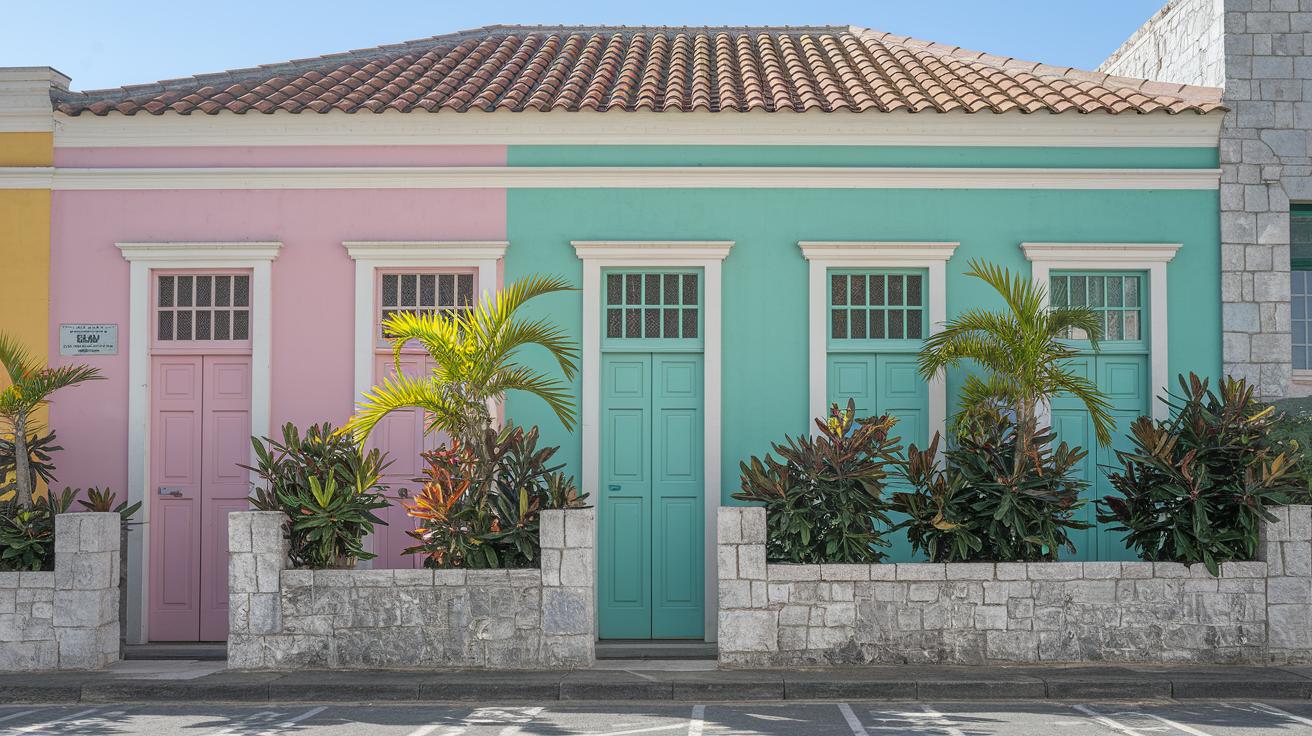
Ever wondered if Caribbean heritage architecture could change the way you see history? Picture a sunny street where simple wooden frames and thatched roofs share space with neat European details. Each carved window and cool verandah tells a story of native skills mixed with African flair.
Come along as we explore how these classic designs continue to charm and shape modern ideas. They give us a special peek into the past, blending everyday function with art that has stood the test of time.
Caribbean Heritage Architecture: Timeless Colonial Brilliance
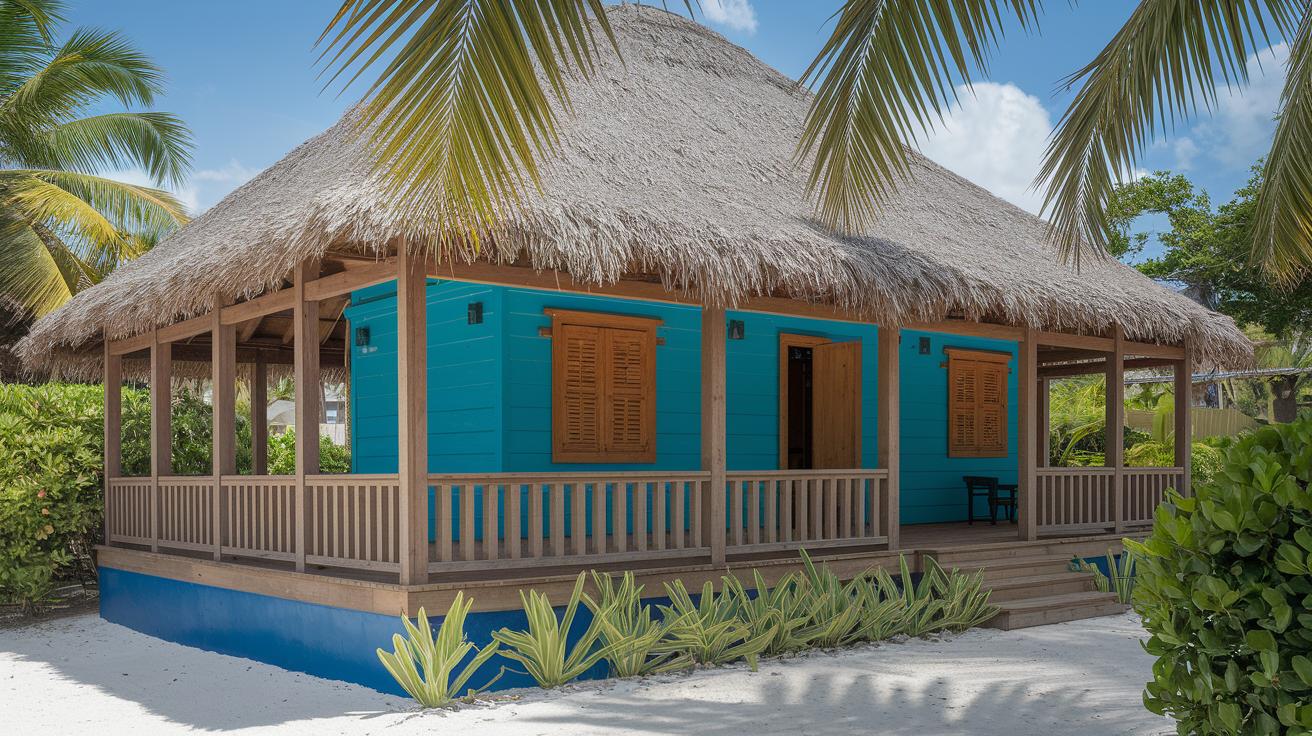
Caribbean heritage architecture started with a mix of native building know-how, African creativity, and European planning. Early builders used wooden frames and palm thatched roofs to keep homes cool under the tropical heat. Then, European settlers added neat layouts and charming details that we still see in the lively structures today. Even those old carved windows hint at the many stories of the past.
The warm climate played a big role in shaping these homes. Picture wide verandahs and breezy corridors that naturally keep rooms comfortable. Builders chose tough coral limestone that can stand up to the elements, and louvered shutters help let in a cool, refreshing breeze while adding a unique look.
By blending indigenous techniques with colonial touches, each building tells a story of strength and rich character. Local traditions mix with elegant European designs, creating a living history that you can see in every stone and beam. These timeless works of art continue to inspire both locals and visitors, inviting everyone to experience the magic of the Caribbean.
Colonial Influences in Caribbean Heritage Architecture
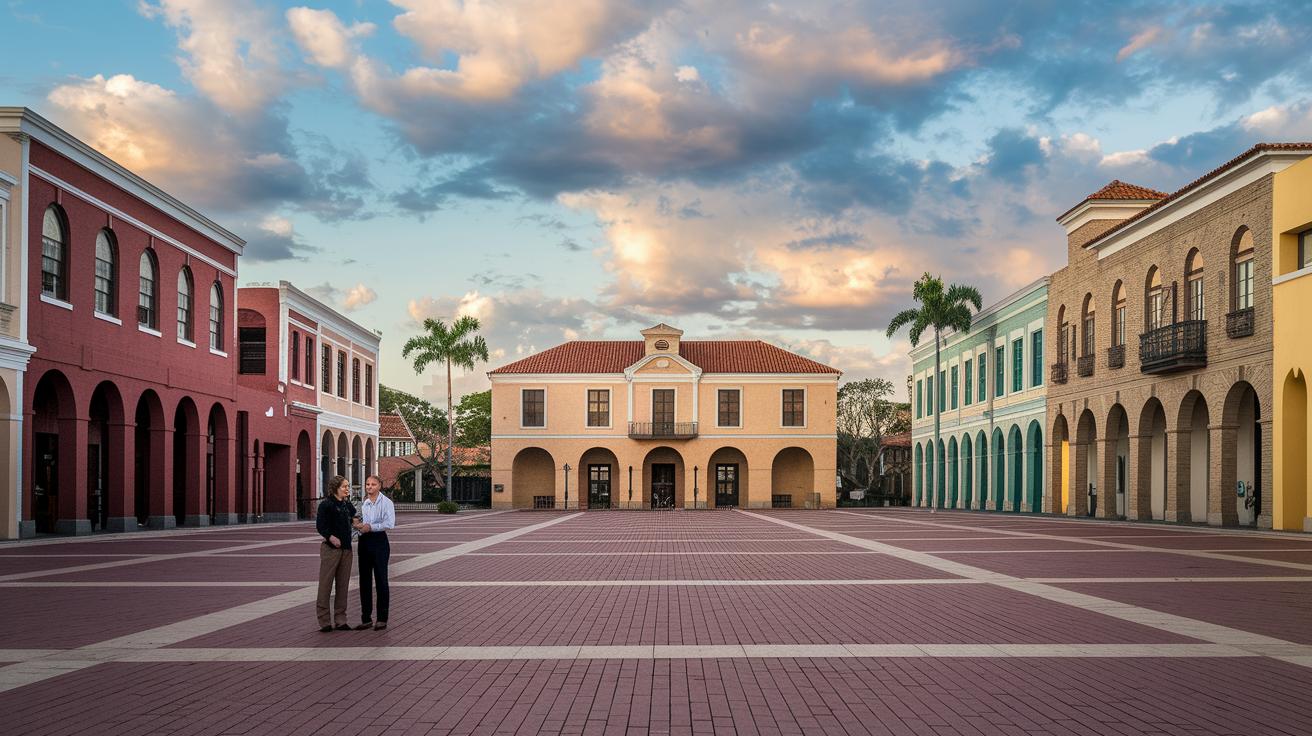
European explorers brought a mix of building styles that changed the way Caribbean homes and public places were built. Imagine strolling through a town where old buildings whisper stories of a past era. Each colonizer, with their own rich traditions, left a unique mark on the local scenery.
Spanish Colonial Architecture
When the Spanish arrived, they redesigned towns with neat grid layouts and friendly central plazas. Picture walking into a lively town square where sturdy masonry and spacious plazas invite neighbors to gather. It’s much like planning your day around a favorite hangout spot that feels warm and welcoming.
British Colonial Architecture
Over in Barbados, British Georgian and Victorian plantation homes still stand strong on coral limestone foundations. These practical houses, built to brave the tropical weather, mix reliable design with charming touches. Their balanced style and careful stonework remind everyone of a time when every detail had its place.
Dutch Revival Architecture
In Aruba’s Oranjestad, bright pastel facades and unique gambrel roofs shout out the Dutch Revival style. Think of these buildings as nature’s own art, blending bright colors with light materials to create a lively street scene. Each building seems to tell its own history with every step you take.
French Colonial Architecture
Take a look at Martinique, where public buildings like the Schoelcher Library, crowned by a stunning glass dome, show off French colonial style. With its fancy dome and ornate details, it’s like a piece of art that mixes elegance with strength, a real treat for anyone admiring Caribbean heritage.
Today, these colonial legacies continue to inspire modern designs and careful restorations, keeping the deep history and vibrant spirit of Caribbean architecture alive.
Vernacular and Creole Design in Caribbean Heritage Architecture
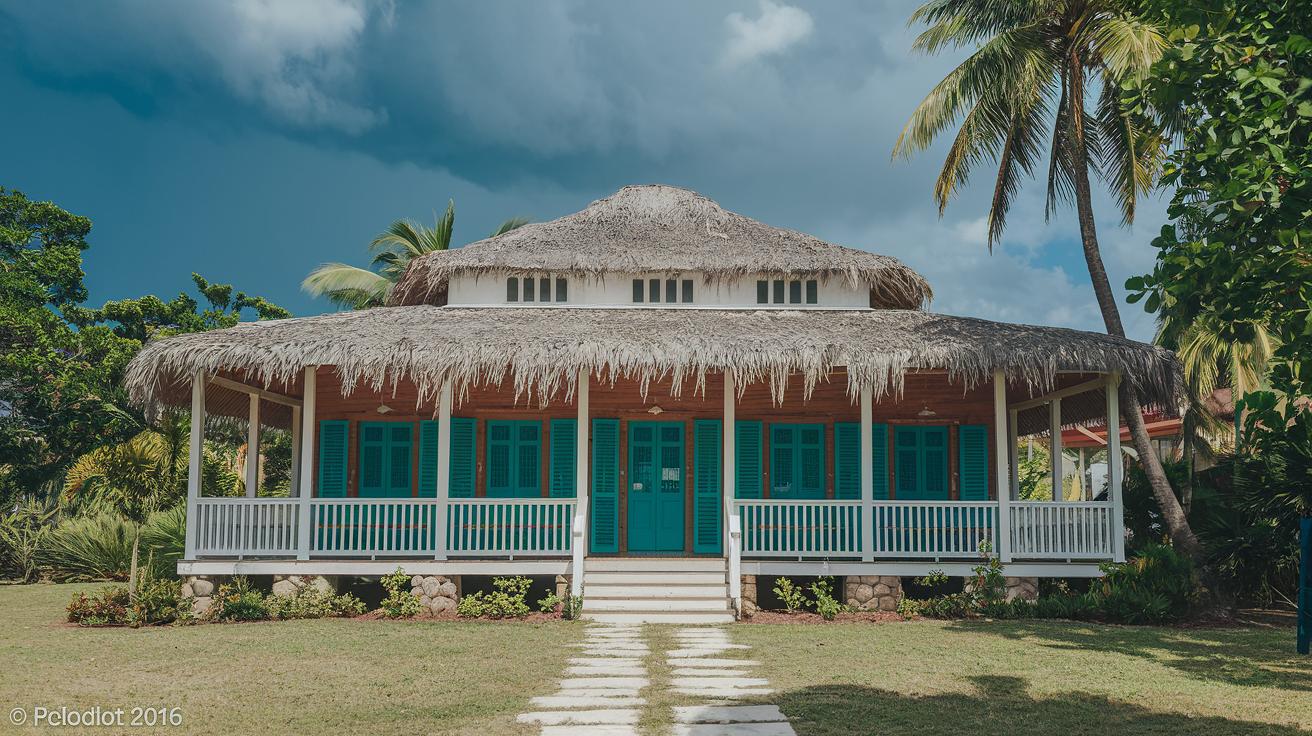
Local builders use coral stone, wood supports, and palm thatch to keep homes cool on hot days and dry during heavy rains. They design houses with breezy hallways and strong roofs that can stand up to tropical storms. Imagine a home where a wide porch not only offers a friendly spot to chat but also guides refreshing breezes into the center of the house.
- Cross-ventilation corridors
- Louvered shutters
- Wide verandahs
- Central courtyards
- Storm-resilient rooflines
By blending time-honored local techniques with old colonial layouts, builders created a unique Creole style. On many islands, these talented artisans also add carved wooden details inspired by African art. This mixture of smart design and simple decorations gives each home a rich cultural vibe while staying beautifully original.
Iconic Landmark Examples of Caribbean Heritage Architecture
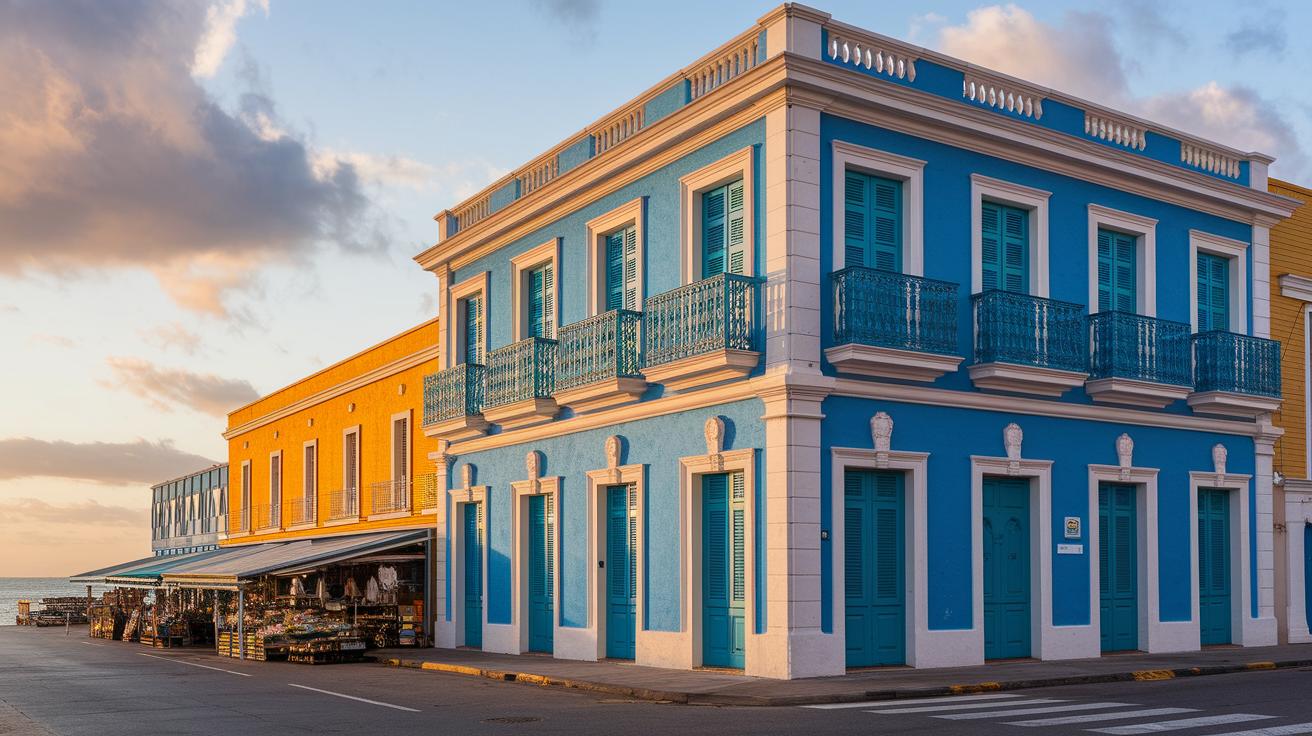
Imagine strolling through a place where every building whispers tales of the past. Caribbean heritage glows in these famous landmarks, each one sharing a slice of colonial history mixed with island vibe. These special spots blend old seaside charm with local building know-how that still holds strong today.
From majestic libraries to stately government halls, each structure has its own story of old influences and new life. They act as treasured markers of national pride, giving you a peek into centuries of cultural change and creative spirit.
| Building | Location | Style | Date |
|---|---|---|---|
| Schoelcher Library | Fort-de-France | French Colonial | 1889 |
| Parliament Buildings | Bridgetown | Georgian/Victorian | 1870s |
| Stadthuys | Oranjestad | Dutch Revival | 1798 |
| Chattel Houses | Jamaica | Vernacular | 19th–20th c. |
Each place gives you a special look at how colonial times mixed into Caribbean life. The Schoelcher Library shows off the charm of French colonial design. Over in Bridgetown, the Parliament Buildings mix elegant British touches. In Oranjestad, the Stadthuys stands proud with its refined Dutch style. And in Jamaica, the Chattel Houses capture local ingenuity in a truly unique way.
These landmarks are not just buildings, they're lively stories of a layered past that continue to spark pride in the Caribbean. They remind us why history matters and how the island's spirit lives on in every stone.
Preservation and Restoration of Caribbean Heritage Architecture
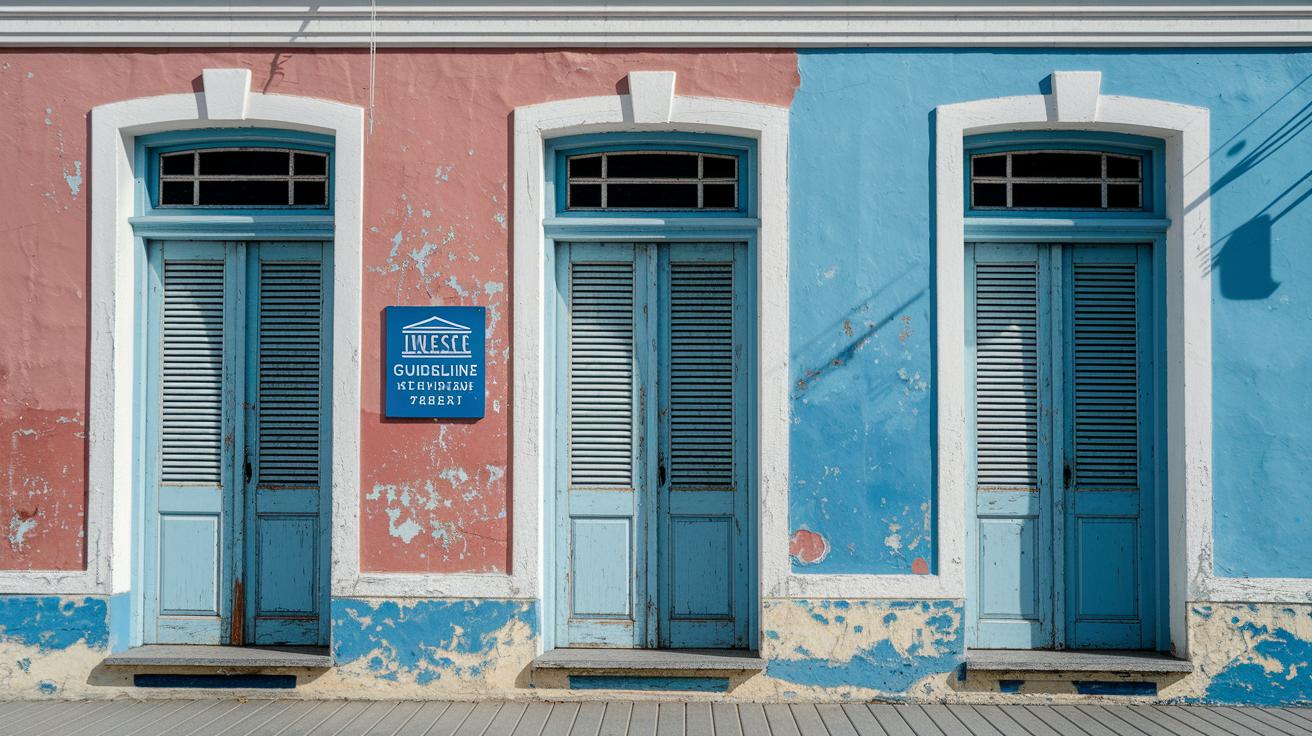
Walking through the Caribbean, you'll see how the salty air and strong winds slowly change the look of our beautiful old buildings. The coral limestone, which we love for its warm, natural look, fades a bit every day from the ocean breeze and salt. Wood, especially the prized mahogany that gives many places their charm, can start to decay when the air is so humid, and even metal parts lose their shine as rust takes hold.
Local teams work hard to care for these treasures. They follow simple rules set by UNESCO, an organization that helps protect world heritage, and by national laws to make sure every repair keeps the building's original style while being safe today. In truth, looking after these timeless buildings means we must fight back against both the relentless weather and the slow trickle of time.
To keep these historical gems standing strong, experts mix old-fashioned craft with a touch of modern know-how. They often use special methods that protect the building's strength and beauty. Some common ways they work include:
- Coral stone patching
- Lime mortar repointing (a way to fix the spaces between stones)
- Wooden joinery techniques
- Rust treatment for iron parts
- Decorative molding preservation
Every small repair and care step helps these landscapes keep their soul, inviting you to step back in time and feel the magic of Caribbean heritage.
Modern Adaptations and Sustainable Practices in Caribbean Heritage Architecture
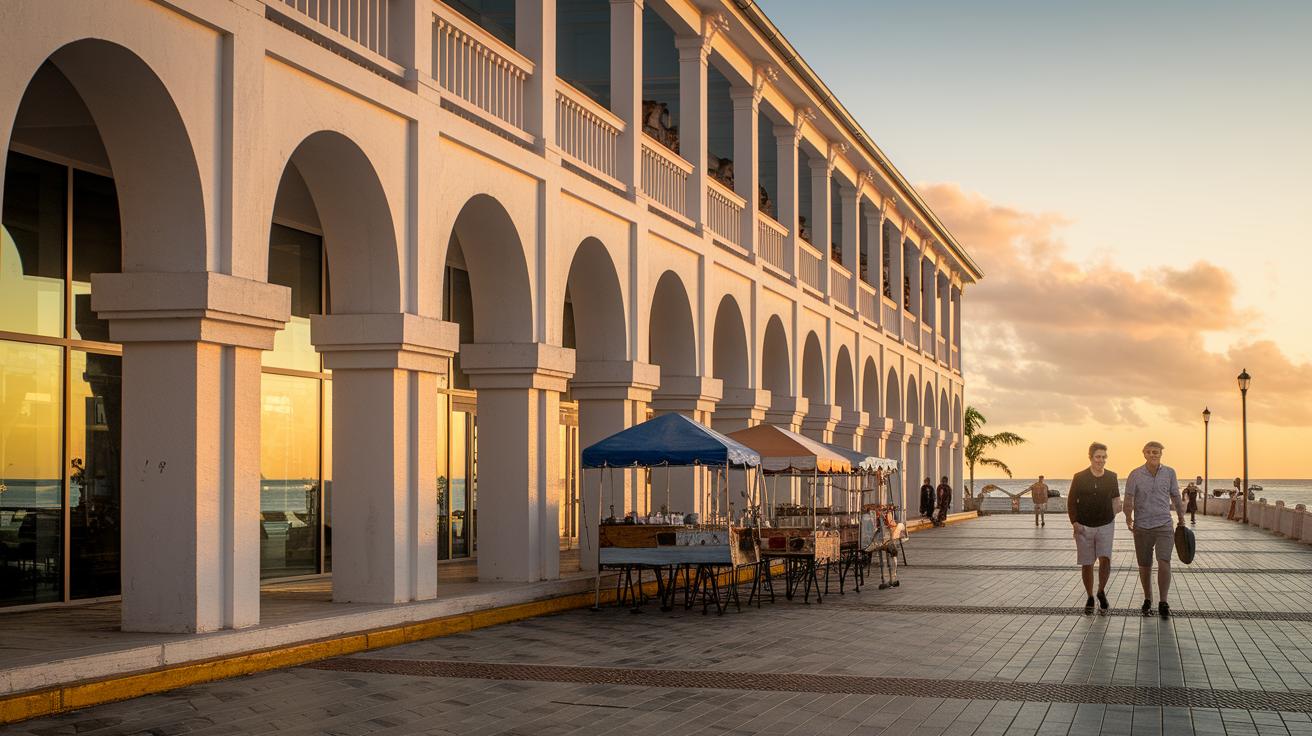
The Caribbean is mixing old building styles with today’s materials to create spaces that feel both nostalgic and fresh. You see the classic columns, wide verandahs, and decorative moldings now paired with sleek steel and glass. It’s like enjoying a cool sea breeze while walking through a lively market. These changes keep the historical charm alive while giving the buildings the comforts of modern design.
Across the islands, you can see creative makeovers in action. Imagine old colonial warehouses turned into art galleries and cozy boutique hotels. Builders keep beloved features like graceful arches and weathered textures, even as they add modern layouts and better insulation. It’s proof that honoring the past can go hand-in-hand with stepping into the future.
Local rules and heritage tourism programs also help these transformations. They encourage projects that mix energy-saving methods with traditional styles. When Caribbean heritage buildings get this upgrade, they remind us that history and modern-day living can both shine under the same sun.
Final Words
In the action, you have seen how a blend of old influences shapes charming structures with stylish designs and sustainable ideas. Each section paints a picture of careful planning, history, and modern touches that keep culture alive. The story moves from local building techniques to modern restoration and sustainable choices. Let the warm spirit of island living inspire you as you explore the beauty of caribbean heritage architecture.
FAQ
Q: What are some famous examples of Caribbean heritage architecture?
A: The famous examples include Schoelcher Library, Barbados’ Parliament Buildings, Aruba’s Stadthuys, and Jamaican chattel houses. These buildings showcase a rich blend of colonial design and tropical adaptations.
Q: What is the history of Caribbean heritage architecture?
A: Caribbean heritage architecture originated from a mix of Amerindian building methods, African creativity, and European planning. Colonial influences introduced grid plans and plantation styles that still influence structures today.
Q: What are the key characteristics of Caribbean heritage architecture?
A: The architecture is marked by durable coral limestone walls, palm-thatched roofs, wide verandahs, and natural ventilation corridors. These features reflect clever, climate-responsive designs blended from diverse cultural traditions.
Q: Where can I find a Caribbean heritage architecture PDF?
A: Caribbean heritage architecture PDFs are often available on official cultural sites, tourism boards, or heritage conservation websites. These downloadable resources provide detailed insights into regional historical styles.
Q: What does Architectural Digest feature about Caribbean heritage architecture?
A: Architectural Digest showcases Caribbean heritage architecture by highlighting its classic colonial designs, vernacular craftsmanship, and modern reinterpretations that merge traditional elements with innovative materials.
Q: What defines Caribbean traditional architecture?
A: Caribbean traditional architecture relies on local materials, energy-efficient elements like cross-ventilation and wide verandahs, and structures built to suit tropical climates. This style is celebrated for its practicality and distinctive cultural flair.
Q: What are the cultural influences behind Caribbean heritage architecture?
A: Caribbean heritage architecture is influenced by Amerindian, African, and European cultures. These three traditions combine to form resilient and charming structures, each adding unique elements to the region’s built environment.