Have you ever noticed that a garden can feel like the heartbeat of island life?
Imagine stepping into a space where tall trees, bright flowers, and the gentle trickle of water create a sunlit oasis.
This spot is more than just a pretty view; it radiates the warm spirit and rich tradition of the Caribbean.
In this post, we explore how nature, history, and local charm come together to build a true tropical wonder.
Stick around as we share the little secrets behind these enchanting outdoor retreats.
Essential Features of a Caribbean Garden
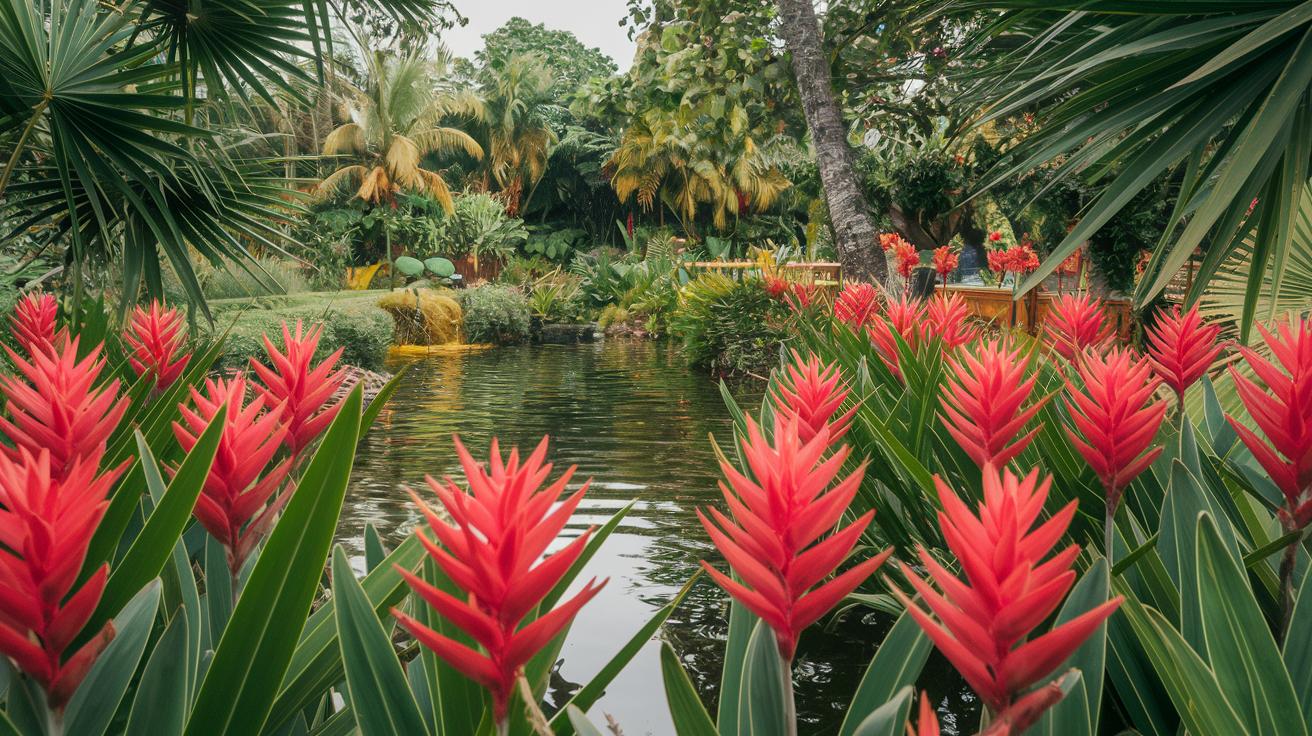
Imagine stepping into a garden that feels just like the heartbeat of island life. Tall trees stretch overhead, forming a natural roof over winding paths that invite you to explore. Bright flowers pop up all over, almost like cheerful confetti at a festival, while the soft sound of water, from a gentle trickle or a small pond, adds a perfect touch of calm. It’s a place where every layer, from the high canopy to the lush ground cover, blends together to create a genuine tropical retreat.
Think about the old-world charm of St. Vincent Botanical Gardens, which dates back to 1765 and even brought the breadfruit into local cuisine. Then there’s Montreal Gardens, a cozy, hidden tropical rainforest filled with a mix of diverse blooms and big, vibrant leaves. Picture a scenic bus ride along dramatic island cliffs that brings you to this intimate paradise, a true reflection of the creative spirit found on the island.
All these elements mix together into one enchanting garden. The vivid, bold colors and generous leaves create textures that truly catch your eye, while the design works naturally with the island’s climate. With eco-friendly practices in mind and a celebration of daring floral designs, every visit feels like you’re stepping into a lush, sun-soaked oasis.
Tropical Plant Selection for a Caribbean Garden
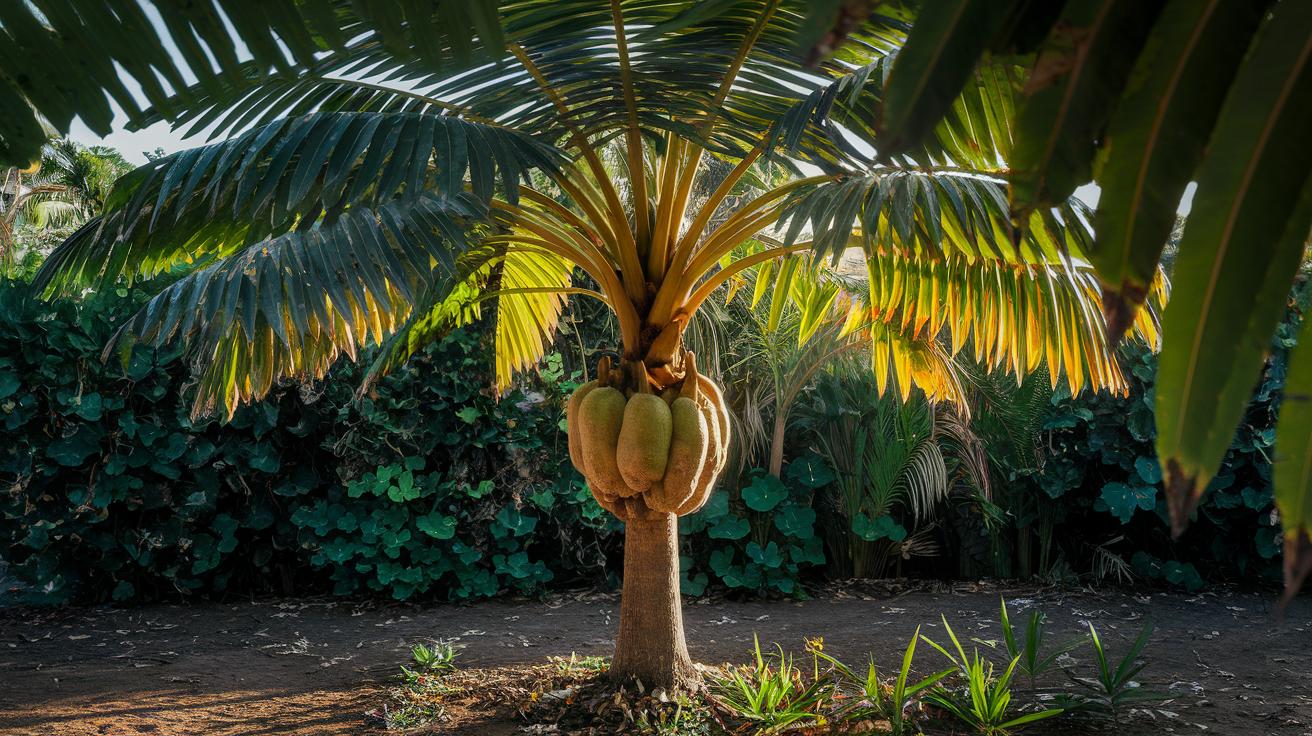
Creating a true island oasis starts with picking plants that love the warm, sunny days and rich, well-draining soils you find here. In Zone 13, it’s all about those tropical varieties that thrive under intense sunlight and steady heat. Sure, plants from cooler zones like 6b might have a nice look, but Caribbean charm is best captured with species that truly embrace the heat and humidity. Take breadfruit, for example; it was first seen at St. Vincent Gardens and still brings both lovely shade and delicious fruit. Choosing each plant with care helps you build a garden that feels authentically island-made.
| Common Name | Scientific Name | Light Requirement | Soil Preference |
|---|---|---|---|
| Hibiscus | Hibiscus rosa-sinensis | Full Sun | Well-draining, slightly acidic |
| Breadfruit | Artocarpus altilis | Full Sun | Fertile, moist |
| Bird of Paradise | Strelitzia reginae | Full Sun to Partial Shade | Rich, well-draining |
| Heliconia | Heliconia rostrata | Bright Sunlight | Moist, fertile |
| Banana | Musa spp. | Full Sun | Heavy, organic-rich |
| Bird’s Nest Fern | Asplenium nidus | Partial Shade | Moist, well-draining |
Getting great seeds is a must if you want your garden to capture that authentic Caribbean spirit. Look for trusted seed catalogs that showcase rare tropical varieties and time-honored heirloom types. It’s smart to choose organic seeds, too, so your garden stays both eco-friendly and strong. Often, local seed suppliers have expert tips on sustainable, chemical-free gardening that work perfectly in this warm, humid setting. When you plant each seed with care and a little island love, you'll see your garden bloom into a true slice of Caribbean paradise.
Sustainable Horticulture Strategies for Caribbean Gardens
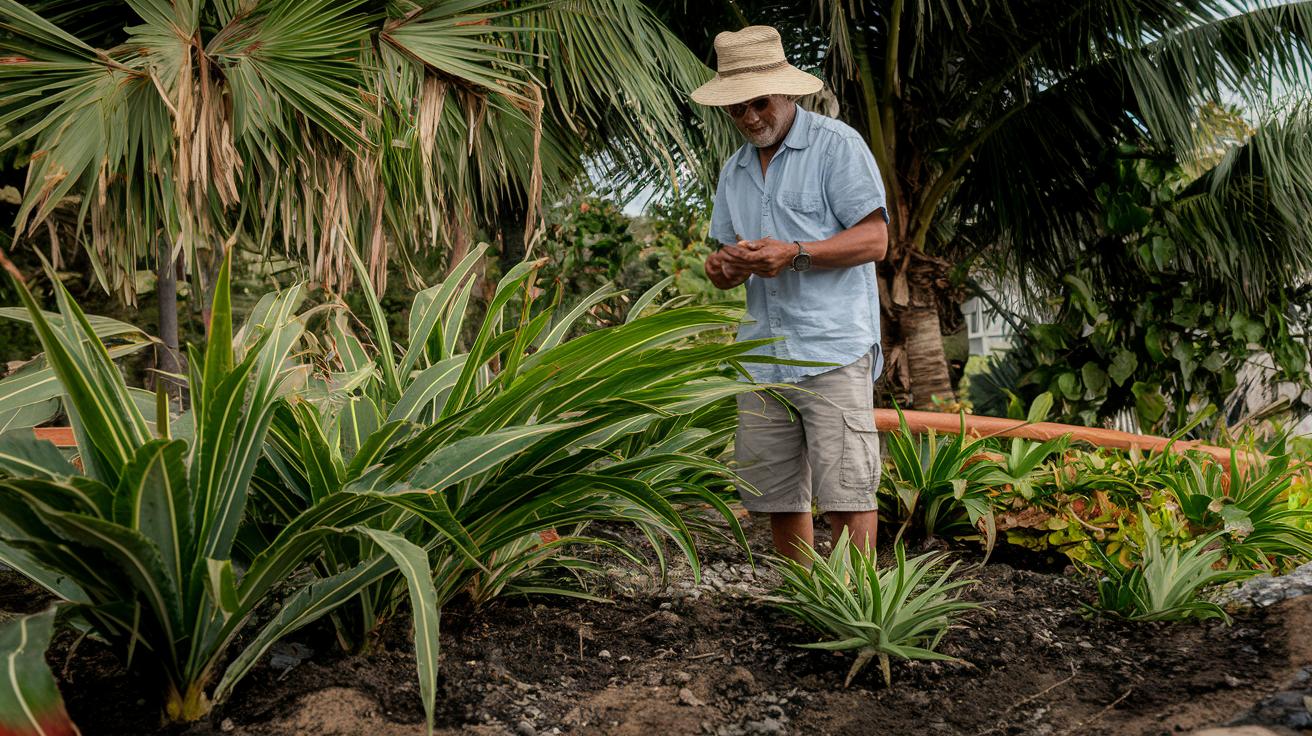
Using native plants is a smart way to keep unwanted species away while honoring local traditions. In Puerto Rico, for example, after a powerful storm knocked down nearly one-third of the trees, gardeners turned to local flora that naturally fight off invaders. These plants have grown on the island for generations, so they easily handle the local weather and help the soil stay strong. For instance, picking traditional species that thrive in tough conditions can naturally boost your garden's strength without needing extra chemicals.
Another easy trick to keep your garden healthy is to refresh the soil. Think of it like giving the earth a nutritious, natural snack. When you mix kitchen scraps with garden waste to make your own compost, you're creating a rich blend that feeds the soil. Over time, this nourishing mix helps native plants spread their roots and flourish, making your garden feel more lively.
And when it comes to getting ready for future storms, having a few simple practices can make a big difference. Plant wind-tolerant trees in smart spots and cover the soil with plenty of mulch to lock in moisture. These steps protect your garden during heavy winds and rains, ensuring it remains a vibrant and sustainable oasis no matter what nature has in store.
Caribbean Garden Seasonal Care & Pest Management
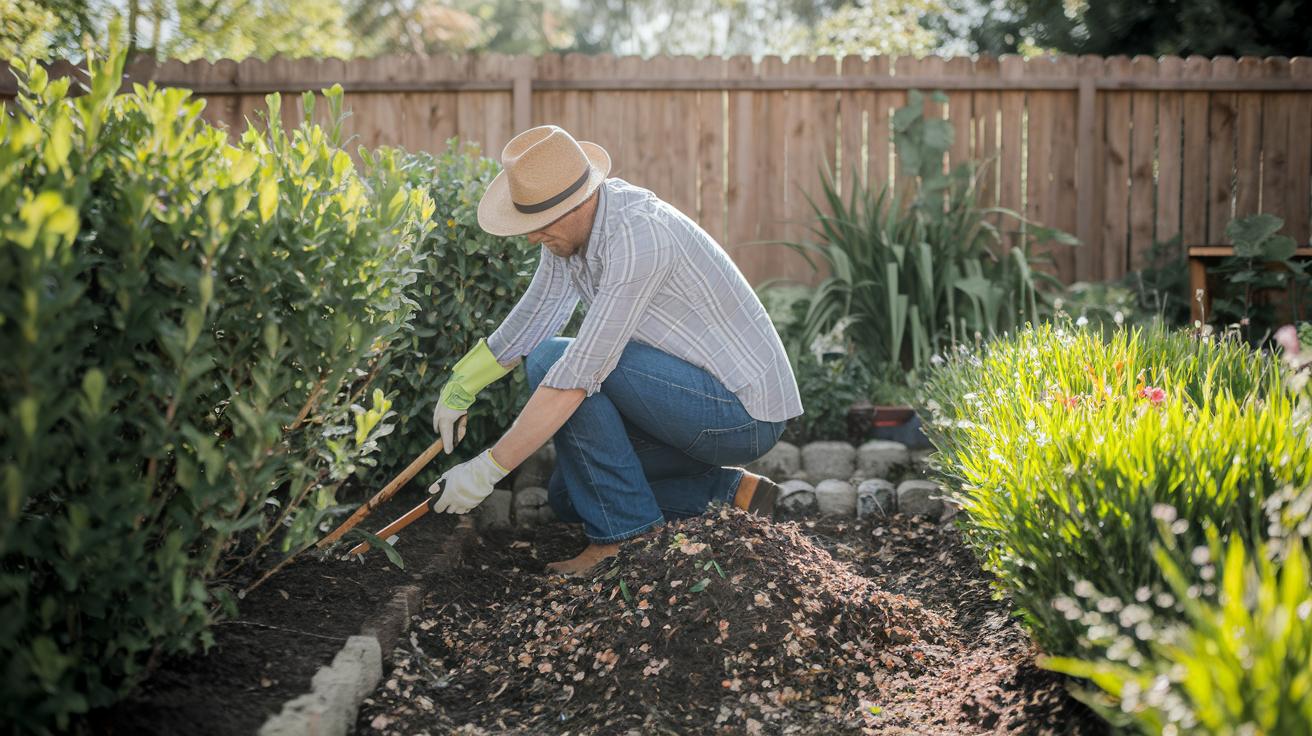
Spring brings a fresh chance to clear away winter’s leftovers and snip back those overgrown branches. It’s a perfect time to do some light pruning that boosts healthy growth and gets your soil ready for the sunny days ahead. Adding a bit of compost or organic matter is like giving your garden a nutrient-packed smoothie. Imagine a friendly gardener carefully gathering clippings while mixing in rich amendments, all while easing into new watering routines.
As the heat settles in, keeping your garden watered becomes a daily habit. In Zone 13, that strong tropical sun doesn’t give up easily, so planning your watering schedule helps keep the soil just moist enough without getting too soggy. And when the humid days roll along, pests like mealybugs and scale might make an appearance. Using natural pest fighters, like biocontrol insects, along with a light neem-based spray, works wonders, kind of like taking refreshing sips of cool water during a hot, sunny afternoon.
When autumn arrives, it’s time to give your garden a slow, steady nutrient boost with slow-release organic fertilizers. This gentle treat makes sure your plants get a constant supply of good stuff, keeping them strong as the weather cools down. Watering routines will shift with the rainy and dry phases too, ensuring everything stays in balance.
Winter calls for some extra care, especially when storms and hurricanes are in the forecast. Now’s the time to trim any overextended limbs, secure wind-tough trees, and spread plenty of mulch to shield your garden’s roots. With these thoughtful steps and strategic pest control, your outdoor haven will be strong enough to handle whatever the season throws its way.
Must-Visit Caribbean Garden Destinations

Caribbean gardens blend nature, history, and the island spirit in a way that feels like a warm, sunny chat with an old friend. Each garden tells its own story with guided tours, historic plant collections, or even relaxed talks with a curator who knows all the local secrets. Check out these four special spots that promise a taste of true island life:
-
St. Vincent Botanical Gardens – This garden on St. Vincent has been flourishing since 1765. It’s free to visit, and you can enjoy a guided tour that shows you the medicinal plants locals have trusted for ages. You can even see the very garden that brought breadfruit into everyday meals. A visit here usually lasts about 2 hours.
-
Montreal Gardens – Also on St. Vincent, this private hideaway feels like stepping into a tropical rainforest. For around USD 15, you get a scenic bus ride along clifftops and guided walks that take you past gorgeous orchid displays and colorful flower beds. Spend about 2 hours soaking in its natural charm.
-
San Juan’s Decolonised Puerto Rico Garden Project – Located in San Juan, Puerto Rico, this project is a thoughtful tribute to nature and renewal. It’s open at set times with no fee, and you can listen to guides sharing inspiring ideas on how nature has bounced back after tough times. A typical visit takes about 1.5 hours, giving you a peek into ecological recovery.
-
Trinidad Tropical Garden – Nestled in Port of Spain, Trinidad, this garden mixes native tropical blooms with art that tells local stories. For roughly USD 10, you can wander through interactive displays that capture the island’s rich culture. Take about 2 hours to experience all the sights and smells, feeling the island come alive around you.
Plan your trip using local maps to find each spot easily. Early mornings are the best time to catch everything in bloom, with crisp air and petals that shine like tiny treasures in the sunlight. Enjoy exploring these lush havens and let the Caribbean magic fill your day.
DIY Tropical Seed Planting Guide for Your Caribbean Garden
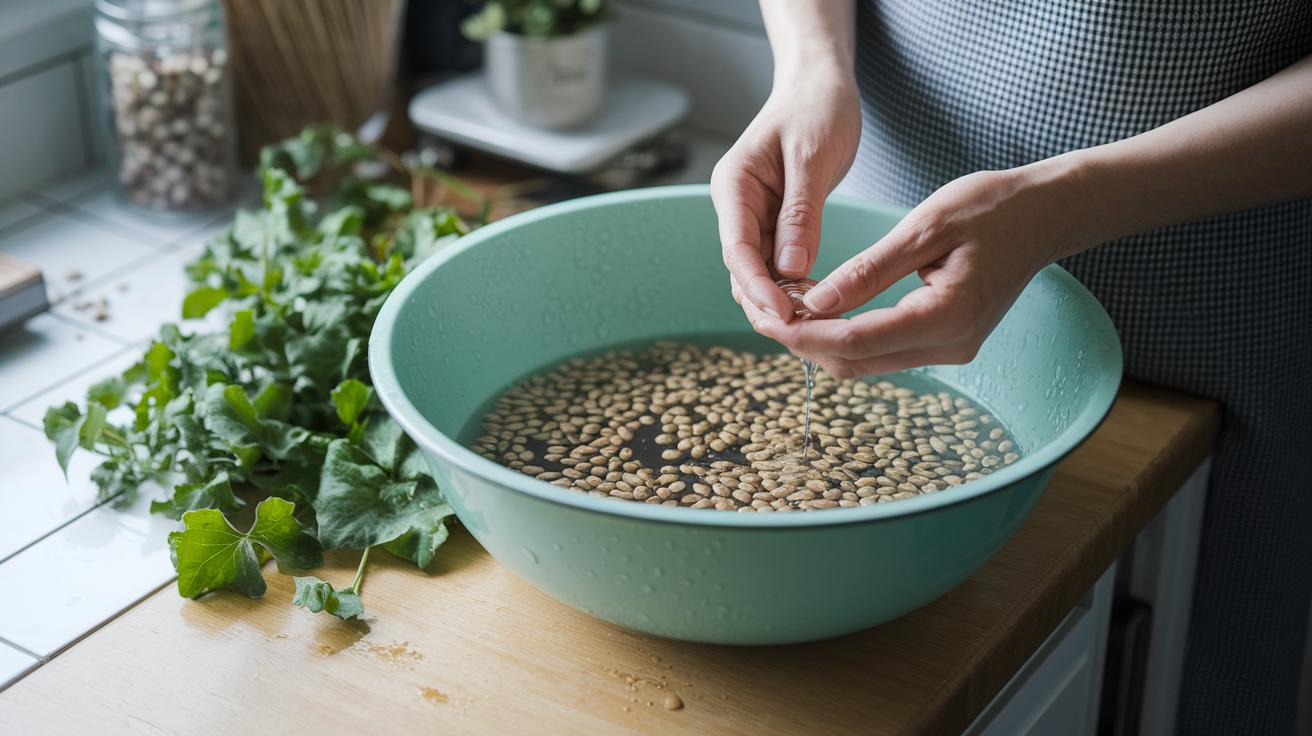
First, give your seeds a head start by soaking them in water for a few hours. This helps soften their hard outer shell. If they seem stubborn, you can give them a gentle nick to help break through the coat, sort of like a little wake-up call. Keep these seeds warm, between 75 and 85°F, which is the ideal temperature for Caribbean conditions, unlike the cooler spots like Massachusetts Zone 6b.
Next, once you see two or three true leaves budding, it’s time to introduce your seedlings to the outdoors. Start by placing them in a partially shaded area for a few hours a day. Gradually, let them soak up more of that warm Caribbean sunshine. This gentle transition helps the little plants build strength before they settle into their permanent spot.
Finally, move your young plants into beds or containers filled with a well-draining, light seed mix. This type of mix keeps the roots safe from getting too soggy in the humid environment. Water them lightly to keep the soil evenly moist, and consider giving them an early boost with a bit of diluted organic seaweed extract. This natural treat nourishes the plants and helps maintain a balanced garden.
Final Words
In the action of exploring a caribbean garden, this post immersed you in the rich feel of island greenery. We shared how bold blooms, smart plant picks, and eco-friendly methods blend into nature’s own design while highlighting top garden stops and practical nursery tips.
Every section brings a relaxed, hands-on look at building your own piece of island charm. Enjoy the creative process and let your space capture the true essence of coastal living with every little detail.
FAQ
What does a Caribbean garden restaurant offer?
A Caribbean garden restaurant offers a relaxed eating experience set among tropical greenery. It features local island flavors served in an outdoor, sunlit setting that evokes a true island vibe.
What types of seeds and gardening products do Caribbean garden suppliers offer?
Caribbean garden seed suppliers provide a range of tropical, organic seeds and garden supplies. Their products help you create a lush, island-style garden with authentic Caribbean plants.
Where can I find a Caribbean garden near me?
A Caribbean garden near you can be found at local botanical gardens or parks that showcase tropical plants and water features. Check online maps or local event guides to locate one nearby.
How can I purchase tickets for Caribbean garden attractions?
Tickets for Caribbean garden attractions are often available online or at the garden entrance. These tickets allow access to guided tours and special garden events in a relaxed, tropical setting.
What does a Caribbean garden map show?
A Caribbean garden map outlines pathways, key plant displays, and water features. It helps you plan your visit to explore all the delightful spots within the garden efficiently.
What is Caribbean Gardens in Naples known for?
Caribbean Gardens in Naples is known for combining lush plant displays with island-style dining and events. It offers an immersive tropical experience in a scenic outdoor setting.
What types of plants are typically found in a Caribbean garden?
Caribbean garden plants include tropical species with large leaves, bold blooms, and natural textures. These plants create an immersive, island-like atmosphere perfect for outdoor spaces.
