Have you ever wondered how quiet shifts under our feet shape the Caribbean? Deep below the islands, hidden fault lines work like slow, secret dancers with the earth's plates gently sliding past one another. Sometimes, these small moves set off unexpected tremors that remind us of nature's true power. In this chat, we'll explore how the Caribbean Plate meets its neighbors, causing both light shakes and sudden jolts. Imagine how these deep, unseen forces craft the island's surface, leaving us in awe of nature's constant rhythm.
Caribbean Fault Lines: Captivating Seismic Insights
The Caribbean fault lines are found in a special area where the Caribbean Plate rests between the North American and South American Plates. This close connection forms a busy network of earth boundaries, like the well-known Oriente Fault just south of Cuba and the deep Puerto Rico Trench. According to GPS measurements, the North American Plate moves west-southwest over the Caribbean Plate at about 19 mm each year. Think of it like two slow dancers gently sliding past one another, constantly shifting the ground underneath.
This part of the world has felt some pretty strong tremors. In fact, there have been five quakes of 6.0 or higher within 250 miles of these boundaries. For example, a powerful 6.8 quake rocked the area in December 2004, and another 6.2 event struck in May 1992. The 2010 Haiti earthquake, which hit a magnitude of 7.0, tragically claimed over 300,000 lives. Imagine feeling the earth tremble right beneath you, a clear reminder of nature's incredible force.
Looking at these details shows us a landscape shaped by constant movement. The gentle shifts and sudden jolts tell a story of how the moving plates create both everyday tremors and major shocks. This understanding of the Caribbean Plate's dynamics helps explain the natural activity that molds both the land and the lives of those who call the Caribbean home.
Tectonic Framework of Caribbean Plate Boundaries
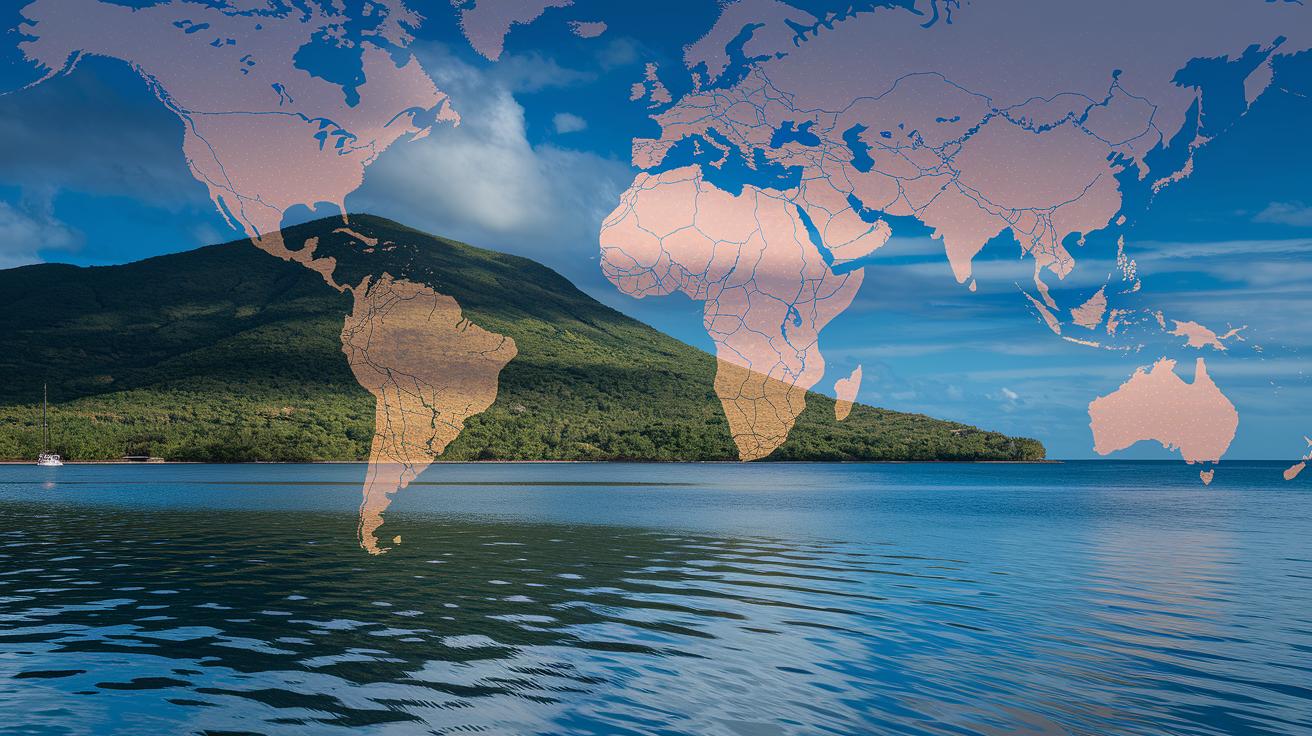
Down here in the Caribbean, the plate movements come from several neighbor plates doing their own thing. Imagine the earth’s crust like a giant jigsaw puzzle, where plates gently slide past each other or crash into one another. Sometimes, a quiet slide builds up tension slowly, and then a sudden bump sends a jolt through the ground. For instance, where the transform boundaries lie, the North American Plate bumps up against the Caribbean Plate, while nearby areas feel a push that lifts the land up. These shifting forces, in a way, affect everything on the islands, from the way the ground moves to how people live day by day.
These interactions also create a lively network of faults across the region. Here are a few of the most important plate movements:
| Plate Pair | Description |
|---|---|
| North American and Caribbean Plates | They slide past each other along the Oriente and Gonâve faults. |
| South American and Caribbean Plates | They slide together, forming the Lesser Antilles subduction zone at rates of 5–20 mm per year (that’s about the size of a fingernail’s growth!). |
| Cocos and Caribbean Plates | They meet at an angle, affecting lands in Central America and areas like the Cayman Trough. |
Each of these encounters creates its own story of built-up tension and sudden release. It’s like the islands have an invisible dance happening beneath the surface, one that shapes the landscape and sometimes even the strength of the earthquakes felt around here.
Seismic Activity and Historical Earthquake Records in the Caribbean
The Caribbean has felt the rumble of nature for over a century. Since the early 1900s, tremors higher than 5.0 have rocked the region. Think about the devastating Mw 7.0 earthquake in Haiti in 2010, the Mw 6.8 shaking near the Puerto Rico Trench in December 2004, and the Mw 6.2 event in May 1992. These moments remind us that the earth beneath Hispaniola and Cuba, especially near the Enriquillo-Plantain Garden Fault and the Oriente Fault, keeps shifting.
Modern buildings, especially those built on reclaimed land using masonry and concrete, face higher risks from these powerful tremors. Below is a table that highlights some key seismic events. It gives a clear picture of the region's past and shows why local infrastructure is so vulnerable:
| Date | Magnitude | Location | Impact |
|---|---|---|---|
| February 2010 | 7.0 | Haiti | Over 300,000 deaths and widespread damage |
| December 2004 | 6.8 | Near Puerto Rico Trench | Intense shaking and infrastructure damage |
| May 1992 | 6.2 | Hispaniola region | Tremors affecting local communities |
| Early 20th Century | 5.0+ (various events) | Caribbean fault zones | Ongoing seismic activity observed |
Mapping and Monitoring of Caribbean Fault Zones

Mapping the hidden shakes in the Caribbean feels a bit like uncovering a secret treasure beneath the ocean waves. Scientists mix smart tools like geophysical surveys (that means using special methods to see deep in the earth), remote sensing (taking pictures from space), and local instruments to catch tiny movements. This work helps make simple seismic hazard maps that local communities trust for safety.
Geophysical Survey Methods
Imagine sending sound waves into the deep blue, much like tossing a stone into a quiet lagoon and watching the ripples spread. Since 2001, studies using marine seismic reflection and seismic tomography (a way to image the inside of the earth) have been key. These methods let researchers see the twists and turns under the seafloor, almost like the earth is quietly sharing its hidden story.
Real-Time Monitoring Networks
USGS and nearby seismic stations work side by side, keeping an eye on every shift in the ground. They record live updates and listen for the earth’s heartbeat, so to speak. This quick reporting helps scientists and locals understand the risks as they unfold, much like getting a real-time weather report for your favorite beach.
Microzonation and Hazard Mapping Projects
Local projects in places like Trinidad & Tobago and the Kick-’em-Jenny area mix detailed ground-motion studies with hazard maps that consider local soil and building styles. This approach makes the maps feel as unique as each Caribbean town, ensuring that everyone gets a clear picture of their local risks.
All these efforts, from advanced surveys to live updates and local mapping, work together like a well-kept recipe for safety. They help us feel the pulse of the earth and build resilient Caribbean communities.
Structural Geology and Fault Mechanics in the Caribbean
In the Caribbean, you’ll find fascinating fault movements that shape the land in unique ways. Along the Oriente and Enriquillo zones, the faults slide side-to-side. This right-lateral motion means that the pieces of the earth’s crust shift sideways like sliding puzzle pieces. Researchers have measured these movements at about 10–20 mm each year. And over many centuries, digging deep in the earth has revealed events that repeat every 200–300 years. It shows us that even slow, steady shifts can eventually lead to big shakes.
Meanwhile, the subduction zones under the Lesser Antilles work with a different vibe. Here, one tectonic plate slides neatly beneath another, creating strong upward forces that form what we call thrust faults (a kind of fault where one block is pushed up over another). This action is linked with island-arc features, which are responsible for some of the region’s volcanic activity, like what you see with the local hotspot, Kick-’em-Jenny. It’s a neat reminder of how the forces below can help shape not just the ground but also the dramatic natural scenery you might see on a Caribbean island.
Altogether, these shifting mechanisms, whether they're sliding by the side or pushing one block over another, play a big role in how stress builds under the surface. They explain why sometimes you might feel frequent little tremors, while in other spots, the earth is holding back a bigger, more powerful shake.
Caribbean Seismic Preparedness Measures
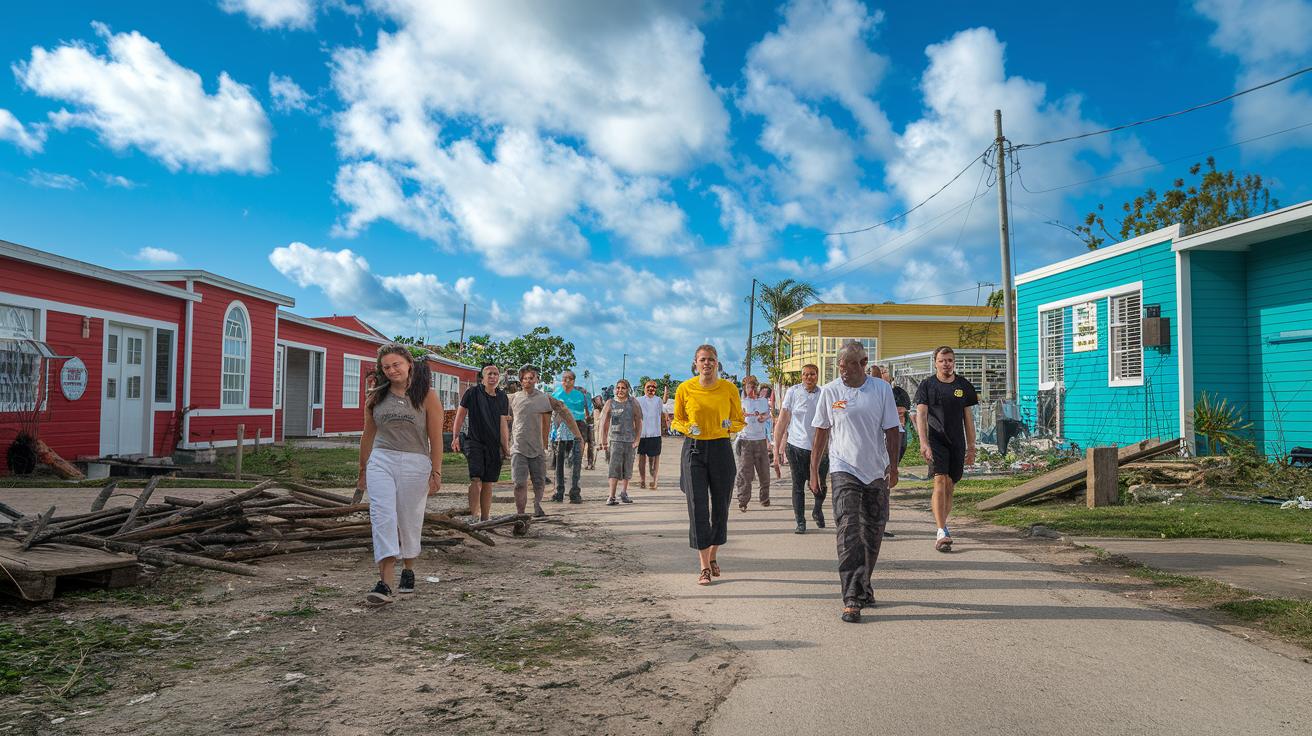
In many Caribbean towns built on reclaimed shores, locals are facing stronger earth shakes, up to 0.3 g. This has everyone stepping up safety efforts to protect people and important buildings.
Recent actions include updating building codes, setting clear tsunami evacuation routes, and running regular community drills. Authorities have also been busy reinforcing schools and hospitals and crafting new risk maps based on ground-motion and soil tests.
In simple terms, the aim is to separate the natural shaking from the smart steps that help cut down earthquake damage.
- Update building rules to make structures tougher.
- Mark tsunami evacuation routes for quick and easy exits.
- Run neighborhood drills and emergency practice sessions.
- Strengthen key places like schools and hospitals.
- Create clear risk maps to better plan and protect the community.
Final Words
In the action, we explored how shifting plates and interacting fault zones shape the Caribbean. We touched on key parts like transformative plate movements, seismic monitoring, and real-world risk assessment measures that protect communities on islands. Each section painted a lively picture of our dynamic region, from fault mechanics to life-saving preparedness tips. Remember, understanding caribbean fault lines helps us appreciate both the natural beauty and the inherent risks of these captivating lands. Stay curious and safe as you continue exploring the wonders of this remarkable spot.
FAQ
What does the Caribbean fault lines map show?
The Caribbean fault lines map shows clear boundaries between moving tectonic plates, marking major faults and regions where earthquakes can occur, which helps guide safety measures and scientific studies.
What do Caribbean fault lines today indicate?
Caribbean fault lines today indicate active zones where tectonic plates slide and interact, with real-time monitoring systems tracking shifts that may lead to seismic events or other geological changes.
What do Caribbean fault lines have to do with tsunamis?
Caribbean fault lines can trigger tsunamis when an underwater earthquake displaces large volumes of water, creating waves that may impact coastal areas and necessitate early warning systems.
What role do Caribbean fault lines play in earthquakes?
Caribbean fault lines are pivotal in generating earthquakes as the movement along transform and subduction boundaries releases energy, causing tremors that affect the surrounding regions.
What was notable about Caribbean fault lines in 2021?
In 2021, moderate quakes along Caribbean fault lines highlighted ongoing tectonic movement, reinforcing the need for updated seismic monitoring and preparedness in the region.
What type of boundary is the Caribbean plate?
The Caribbean plate features boundaries that include transform faults and subduction zones, where plates either slide past one another or one is forced beneath another, shaping the local geology.
How do earthquakes relate to the Caribbean plate?
Earthquakes within the Caribbean plate result from the stress and motion along its boundary faults, with energy release during plate interactions causing periodic seismic shakings.
Where is the Caribbean plate located?
The Caribbean plate is located between the North and South American plates, covering many island nations in the Lesser Antilles and the surrounding sea areas, and defining regional tectonics.
Where are the fault lines in the Caribbean?
Fault lines in the Caribbean are chiefly found along major plate boundaries like the Oriente Fault and the Puerto Rico Trench, demarcating areas of active seismic activity.
Which Caribbean country is most prone to earthquakes?
Haiti is among the most prone countries, positioned near significant fault lines that can release strong tremors, making it highly vulnerable to earthquake impacts.
Which Caribbean islands are most at risk?
Islands such as Puerto Rico and Haiti are at high risk due to their proximity to active fault lines and the complex movements of neighboring tectonic plates.
Which way is the Caribbean plate moving?
The Caribbean plate is moving relative to nearby plates, with measurements showing it shifts eastward and southeastward, a motion that influences the region’s seismic behavior.
