Ever thought about how a culture can travel across oceans and still feel like home? Caribbean families carry their island traditions with them wherever they go, filling each corner of the world with the warm taste of nostalgia. Lively music and bright festivals bring old stories to life, almost like the beat of a friendly drum calling you back home. When hardships come around, they turn struggles into spirited celebrations, showing that their roots extend far beyond the sandy shores. It reminds us that culture is not just a memory of the past but a living, everyday adventure.
Tracing the Historical Foundations of Caribbean Diaspora Heritage
The Caribbean diaspora is all about Caribbean people and their families living all over the globe. It began long ago when forced migration separated families and spread their cultures far and wide. In 2020, almost 10 million Caribbean people lived abroad, about one in four from the region. This vast movement happened mainly because of the transatlantic slave trade, which brought ancestors from places like Senegambia, the Guinea Coast, and the Central West Coast to the islands.
Colonial history has left its mark in a big way. Islands like Cuba show off a rich mix of cultures, and nine UNESCO World Heritage sites there celebrate not just breathtaking natural beauty but also centuries of history. The blend of traditions, languages, and beliefs grew from the hardships of forced migration and the influence of European powers. These early events helped weave a unique cultural fabric that still brightens up the islands today.
On October 25, 2025, Antigua & Barbuda celebrated its 44th independence day with the theme "Solid – Stable – Soaring." This special day shows how the islands have grown from their colonial past into vibrant, modern societies. The journey from being a group of colonized islands to becoming lively, independent communities highlights the lasting impact of migration and cultural sharing. If you're curious to explore these deep-rooted stories, why not try a historical walking tour in the Caribbean? These tours take you right into the heart of the history and heritage that define the Caribbean diaspora.
Celebrating Caribbean Diaspora Heritage through Music, Festivals, and Artistic Legacies
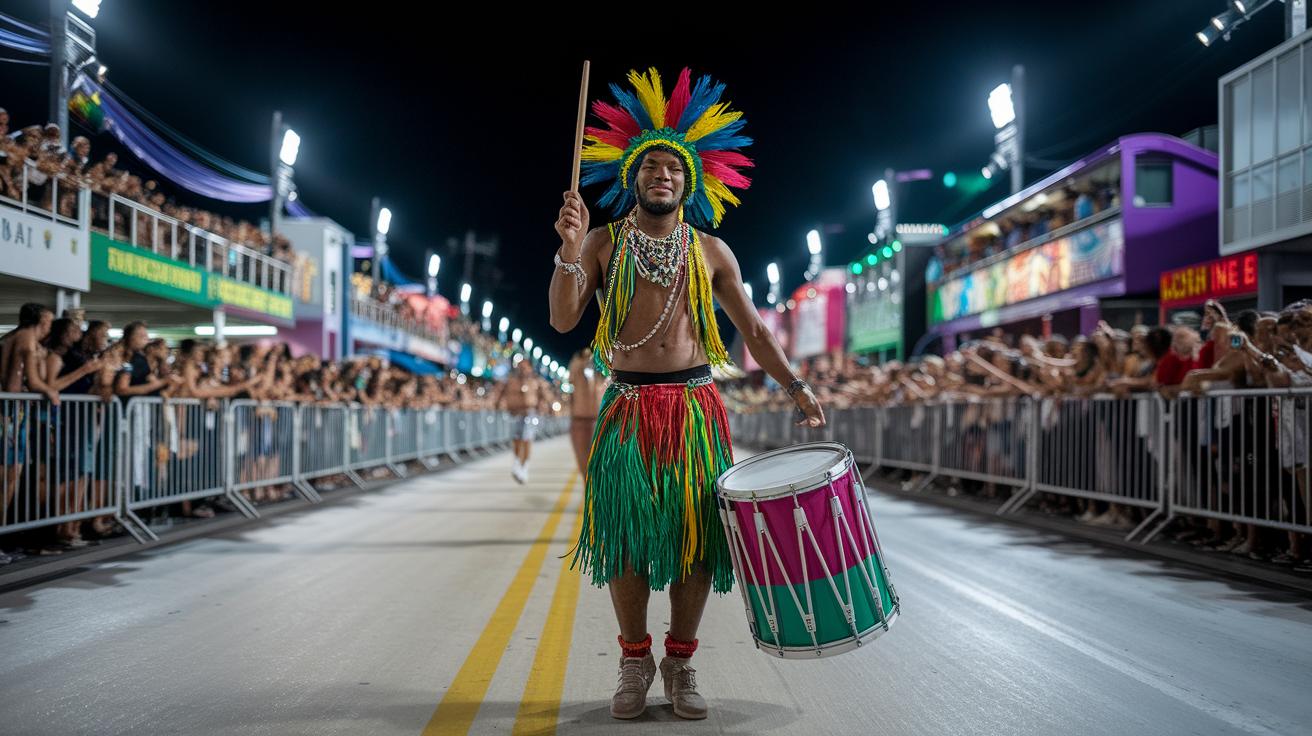
Caribbean culture shines through its upbeat music, lively festivals, and creative art that truly capture the soul of its people. Jamaican reggae, famous for its smooth rhythms and heartfelt messages, earned a spot on UNESCO's Intangible Cultural Heritage list in 2018. This honor shows how old folk tunes mixed with Afro island vibes keep memories alive and tell the deep story of the Caribbean.
The Trinidad & Tobago Carnival is another bright example of how the culture celebrates life. Picture a festival where over 27,000 visitors from all over the world come to dance and enjoy the atmosphere. In 2023, this carnival grew by an amazing 215 percent compared to the year before. With its colorful parades and energetic street shows, it feels like a living, breathing tribute to heritage and pure joy. Many call it a true Caribbean carnival, a festival full of life and contagious smiles.
Art plays an important role in this cultural journey, too. In 2025, Fort-de-France hosted Mémoire Vivante, a creative workshop that brought 15 young artists together with the renowned ceramist Victor Anicetan. This hands-on event let them explore ancient clay techniques, honoring traditional artistic practices while giving a nod to the intellectual spirit reflected by the Caribbean’s three Nobel Prize winners.
| Element | Type | Stats/Recognition | Year |
|---|---|---|---|
| Jamaican Reggae | Intangible Heritage | UNESCO Representative List | 2018 |
| Trinidad & Tobago Carnival | Festival | 27,000+ visitors; 215% growth | 2023 |
Caribbean Diaspora Heritage in Literature and Oral Traditions
Imagine strolling along a historic pathway where every stone and museum whisper carries a cherished story. The "I Am Queen Mary" monument first caught eyes in March 2018 before finding a permanent spot in Copenhagen by 2020. It speaks directly to those who treasure family legends, offering a solid reminder of storytelling’s magic.
Then, the Caribbean Diaspora Oral History Collection keeps old voices alive through twenty heartfelt interviews. These personal tales act like little windows into the past, letting you hear island folklore and everyday life as it once was. It’s almost like stepping into a warm, welcoming Caribbean home.
Old photos, like a 1914 snapshot from Bimini or a 1947 picture from Aruba, show moments that transport you right back to early 20th-century days. These visual memories add real-life texture, grounding the art of storytelling with genuine experiences.
And today, platforms like the "In the Same Boats" podcast pick up the story, mixing modern voices with historical echoes. They remind us that creative storytelling isn’t just from the past, it lives on in our everyday talks, much like the lively spirit of a Caribbean sunset.
Migration Journeys and Community Resilience in Caribbean Diaspora Heritage
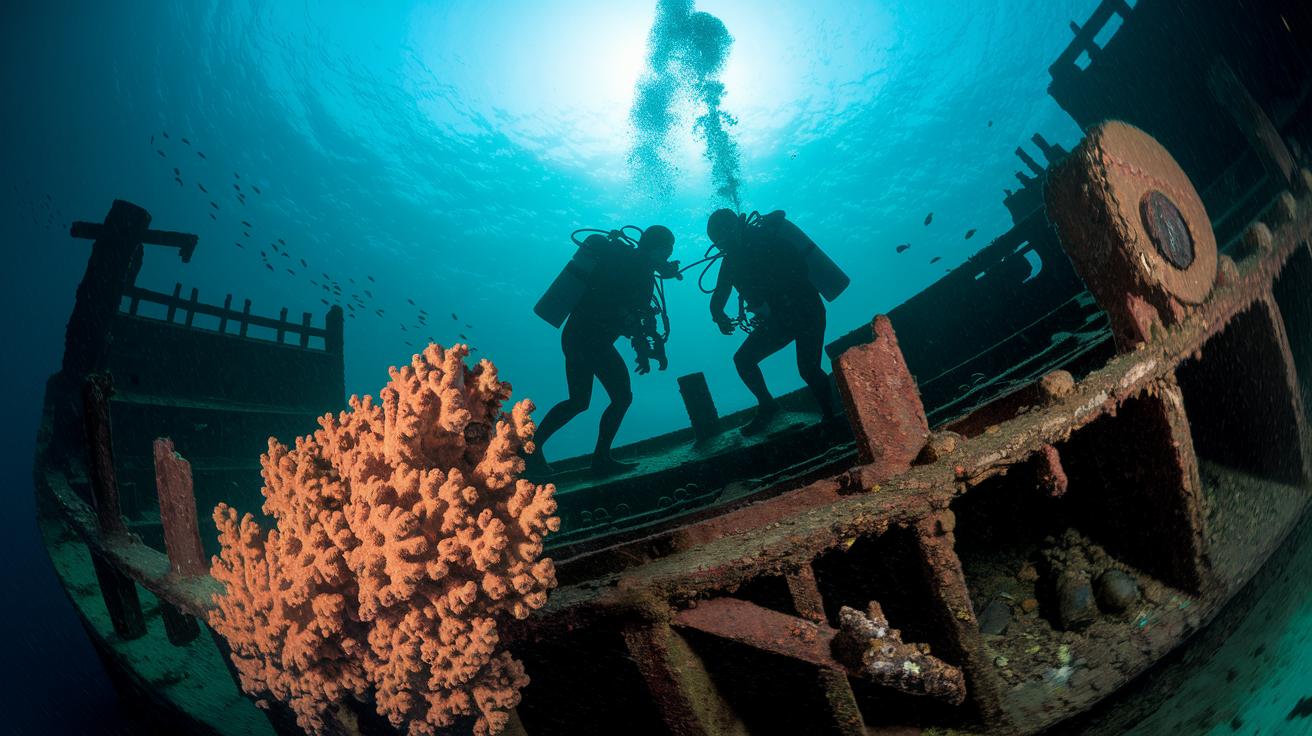
The Caribbean diaspora is full of stories about tough journeys and unbreakable spirit. One cool project, the Slave Wrecks Project, dives deep into old shipwrecks from the African slave trade. These underwater finds let us see how communities came together even in the roughest times.
Veteran records give us another peek into these resilient lives. The BIRLS system holds info on over 18 million U.S. veterans with Caribbean roots, and every entry tells a story of strength. Their shared memories at local events or in personal tales really highlight how a sense of family grew out of hard times.
The modern Caribbean also shows how communities adapt to nature’s challenges. In Saint Lucia, a project called SARSEA started on October 28, 2025. It was set up to deal with the heavy influx of sargassum (big, clinging seaweed) and shows how using both science and local smarts can overcome even environmental hurdles.
Social-media groups and local networks keep bonds strong, no matter where people live. They create friendly spaces for newcomers to share their experiences, lend a hand, and keep their rich heritage alive.
| Project | Focus | Key Detail |
|---|---|---|
| Slave Wrecks Project | Exploring Shipwrecks | Looks at African slave-trade shipwrecks |
| BIRLS | Veteran Stories | Holds data on over 18 million U.S. veterans with Caribbean roots |
| SARSEA | Handling Nature’s Challenges | Started in Saint Lucia to manage sargassum impacts |
Safeguarding Caribbean Diaspora Heritage: Archives, Genealogy, and Museums
When you think about Caribbean heritage, imagine a treasure trove of lively stories kept alive in cozy museums, digital archives, and family history research you can dive into. Museums such as the Museum of the African Diaspora, opened in 2005, invite you to explore exhibits that shine a light on centuries of Black diasporic culture. Over at the University of Miami, the Cuban Heritage Collection gathers special artifacts that trace the path of Cuban diaspora history, making it feel like a walk through time.
Next, consider how digital efforts bring history closer. For example, the NYC Municipal Archives made over 13.3 million vital records available online, letting everyone connect with Caribbean-born documents and family stories. And with free global family trees from FamilySearch and helpful volunteer translation services, you get a richer picture of families woven together by time and place.
Now imagine holding a century-old document like a cherished family photo. That’s the magic of these records, they carry personal tales and spark curiosity for future discoveries. Oral history projects, like the Caribbean Diaspora Oral History Collection with its 20 heartfelt recordings, bring voices to life in a way that feels almost as if you’re right there listening. These museums, archives, and genealogy tools work side by side so you can explore the vivid legacy of Caribbean diaspora heritage and feel inspired and proud.
| Resource | Founded/Date | Scope |
|---|---|---|
| Museum of the African Diaspora | 2005 | Exhibits on Black diaspora culture |
| Cuban Heritage Collection | 1950s | University archive of Cuban diaspora history |
| NYC Municipal Archives | Mass digitization (13.3 M records) | Vital records access |
Leaders and Movements Shaping Caribbean Diaspora Heritage Today
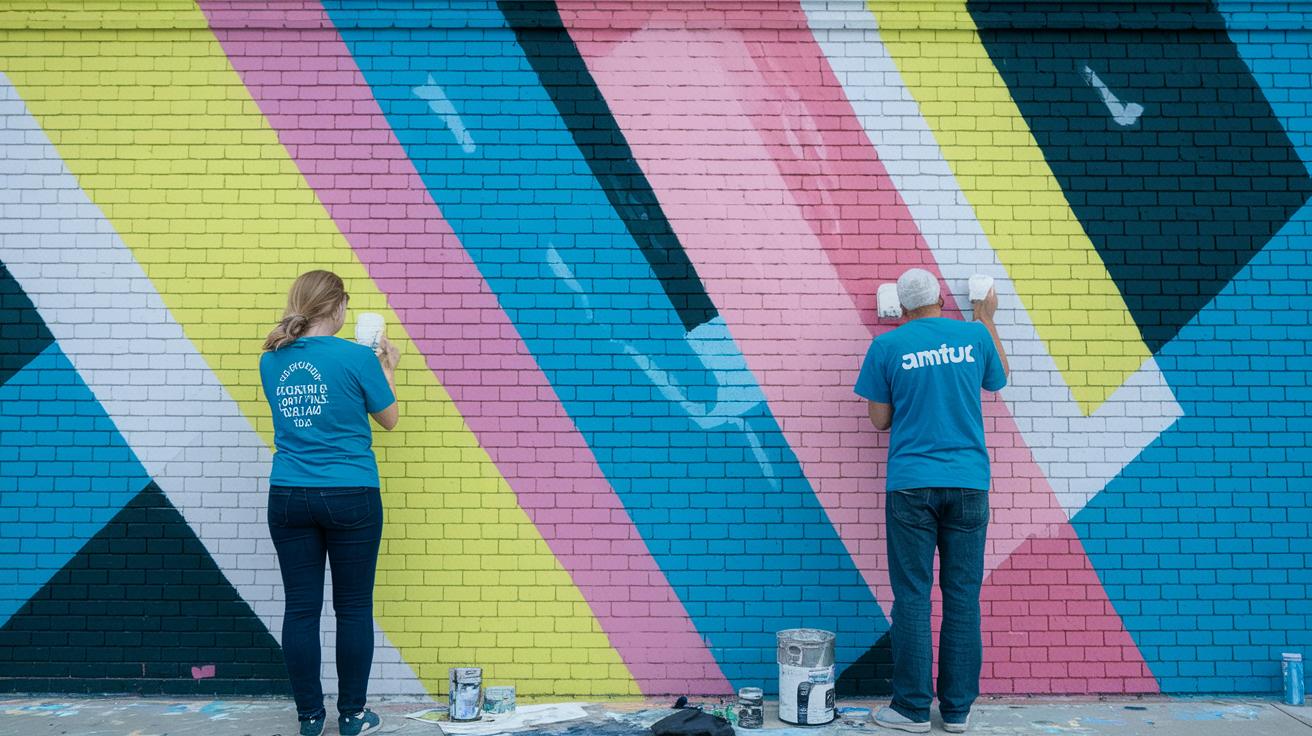
New voices and local groups are stepping up, mixing old-school art activism with new digital tools to showcase heritage in fresh ways. Imagine community walls transformed into canvases that tell stories, one organizer described it as a quiet street coming alive with murals that share long-silenced voices.
Local workshops have become cozy spots where creativity meets community decisions. These gatherings invite everyone to join in, sparking discussions that truly matter. One digital innovator said, "Our online spaces let everyone share a piece of their own history, like a colorful mosaic of memories."
Final Words
In the action, we traced the roots of Caribbean diaspora heritage from early migration and moving cultural expressions to community resilience and preservation efforts. The text walked through oral histories, lively music, and art scenes that keep ancestral voices alive. It also highlighted practical ways to explore these legacies through on-site historical tours and museum collections. Every part of the article reminds us that Caribbean diaspora heritage links the past with today, sparking hope and excitement for more enriching, authentic travel experiences.
FAQ
What are Black Caribbean countries?
The term Black Caribbean countries refers to island nations with a primarily African-descended population, such as Jamaica, Barbados, and Trinidad, where local cultures thrive in music, art, and traditions.
What is the Caribbean ethnicity percentage?
A large portion of the Caribbean population identifies with African heritage, with many islands recording percentages that reflect the vibrant influence of African ancestry in their demographics.
What defines Black Caribbean ethnicity and who are Afro-Caribbean people?
Black Caribbean ethnicity means being of African descent in the Caribbean, and Afro-Caribbean people share traditions, language influences, and cultural customs that trace back to ancestral roots in Africa.
Is Caribbean a race or ethnicity?
The Caribbean is best understood as an ethnicity reflecting a mix of cultural and historical influences rather than a single race, with individuals often embracing diverse heritages.
What language do Afro Caribbean communities speak?
Afro Caribbean language often includes a blend of creoles, dialects, and standard languages like English, Spanish, French, or Dutch, shaped by the region’s historical and cultural experiences.
What are considered the best Black Caribbean islands?
The best Black Caribbean islands, like Jamaica, Barbados, and Trinidad, are celebrated for their rich cultural scenes, lively festivals, and strong ties to African traditions in music and art.
How does the Black diaspora differ from the African diaspora?
The Black diaspora in the Caribbean focuses on the African-descended communities of the region, while the African diaspora refers more broadly to populations around the world connected to Africa’s cultural heritage.
What does Caribbean diaspora mean?
Caribbean diaspora means communities of Caribbean people living abroad, who continue to uphold and share the region’s rich cultural legacy and historical experiences with global audiences.
What is considered Caribbean heritage?
Caribbean heritage is seen in a blend of customs, music, art, and cuisine that stems from African, European, and indigenous roots, creating a colorful and distinct cultural identity.
Where are the Caribbean ancestors from?
Caribbean ancestors mostly originate from regions in Africa, particularly areas involved in the transatlantic slave trade, while also having historical ties to indigenous and European peoples.
