Ever wonder if a beat could tell its own tale? Caribbean dance blends African, Indigenous, and European roots into a lively celebration of life. Picture a sunlit street bursting with rhythm, where congas and steelpan drums guide heartfelt moves. Long ago, locals would gather under starry skies to honor their heritage. In this piece, we explore how these energetic beats bring people together, turning each dance into a living memory of culture and joy. Let's feel the Caribbean pulse with every step.
Caribbean Dance Traditions Shine with Lively Beats
Caribbean dance is a vibrant mix of African, Indigenous, and European roots. Imagine a sunny street alive with music and movement, where every beat tells a story passed down through generations. The heartbeat of these dances comes from instruments like congas, steelpan, and hand drums, echoing the deep sounds of West African traditions.
Here's a cool fact: long before today's festivals took shape, locals would gather under starlit skies. The gentle, steady drumbeats guided their dances, celebrating life together.
Caribbean dances have many roles. They appear in religious ceremonies, community gatherings, and the energetic vibe of Carnival. These dances are more than just body movements, they weave tropical music with history, creating stories you can feel.
In Trinidad, warm Calypso and lively Soca make you feel the island's pulse. Over in Jamaica, Dancehall pops with high-energy freestyle moves and catchy beats. In Haiti and Cuba, the soulful sounds of Kompa Creole and Rumba offer a peek into deep spiritual traditions. And in Curaçao, Tambú dances bring people together with drum-led rhythms.
Key features of Caribbean dance traditions include:
- Percussive rhythms rooted in West African drumming
- Call-and-response vocal patterns
- Improvisational moves in solo and group dances
- Bright carnival costumes and masks
- Dance steps that often share social and political stories
Each performance blends history, culture, and heart. They invite everyone to get up and feel the magic of the Caribbean, one lively beat at a time.
Jamaican Dance Traditions: From Reggae Roots to Dancehall Beats
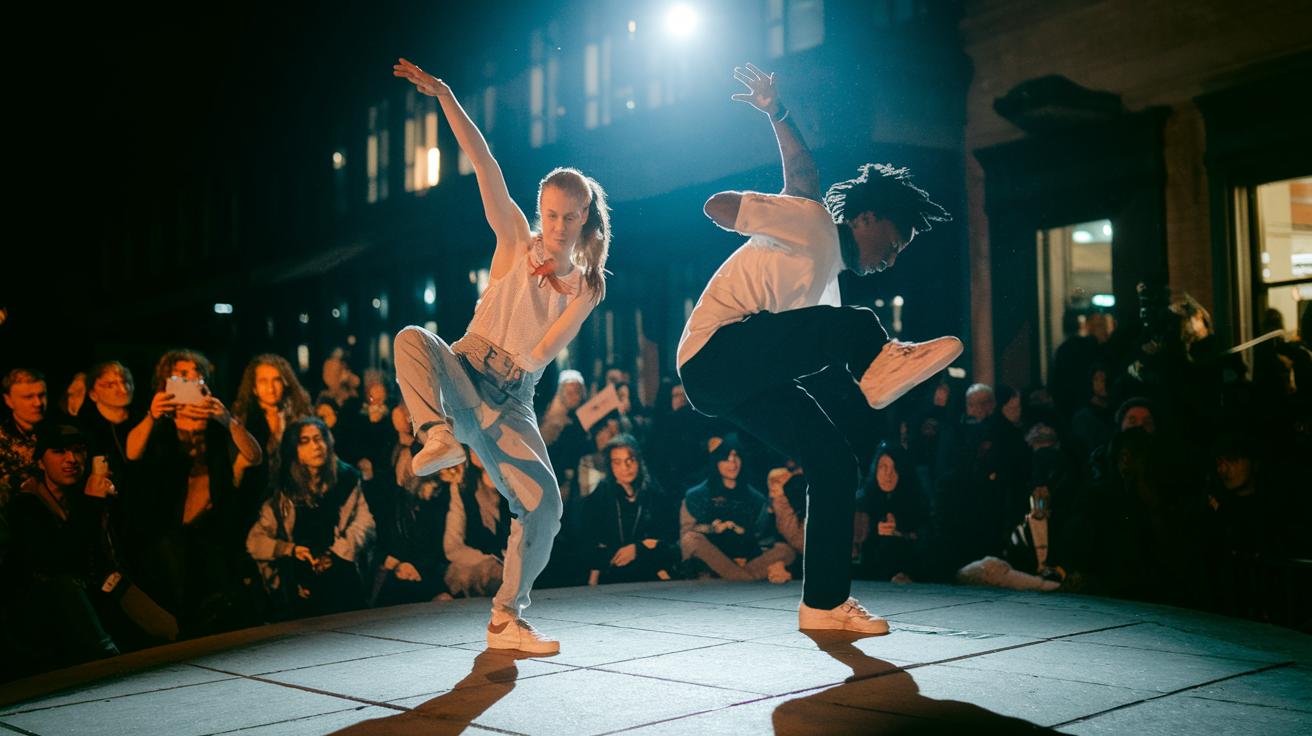
Kingston is where it all began. In the late 1970s, Dancehall burst onto the scene as a lively offshoot of reggae. It took the laid-back skanking style of reggae and turned it into a display full of energy and fun, where every move felt spontaneous yet full of power.
Dancehall quickly became famous for its freestyle segments. Dancers mix in offbeat skanking with quick, bold moves that make you feel the rhythm of a busy Caribbean street. Ever picture a stage where dancers face off, lighting up the whole block with their exciting moves? Pioneers like Elephant Man and Ding Dong made these moments unforgettable in the 2000s by pushing the boundaries of energy and creativity.
The dance style often invites partners to join in and sparks friendly dance battles. Think of it like a lively chat told through movement, where the signature one-and-three offbeat pattern, rooted in reggae traditions, is embraced with modern twists. Dancehall carries the spark of Jamaica’s spirit, keeping the island’s culture vibrant and alive.
Trinidad and Tobago’s Soca and Calypso: Carnival Stage Artistry
In Trinidad and Tobago, the music runs deep, with Calypso and Soca bringing streets and stages to life. Calypso was born in early 1800s Trinidad as a way for people to share insights about life through fun tunes and clever words. Imagine storytellers in vibrant costumes, moving to rhythms that echo the island’s heart.
Then in 1974, Garfield "Lord Shorty" Blackman introduced Soca, a fresh mix of soulful vibes and classic Calypso energy. This new beat transformed Carnival, giving Mas bands the chance to feature dancers in neat, coordinated routines that groove perfectly with Soca’s pulse. Their performances feel like living stories, unfolding through group dances and dazzling costumes that light up the stage.
Every Carnival becomes a display of creativity as dancers come together like pieces of a lively puzzle. Their routines tell tales of the island’s history and community spirit, captivating locals and visitors alike during global Carnival celebrations.
| Year | Genre | Pioneer |
|---|---|---|
| 1940s | Calypso | The Roaring Lion |
| 1974 | Soca | Lord Shorty |
| 2000s | Soca Carnival | Machel Montano |
These lively performances create a joyful atmosphere that captures the true spirit of Carnival, turning every show into an everlasting celebration of Caribbean culture.
Cuban and Haitian Ceremonial Footwork: Rumba, Kompa, and Méringue
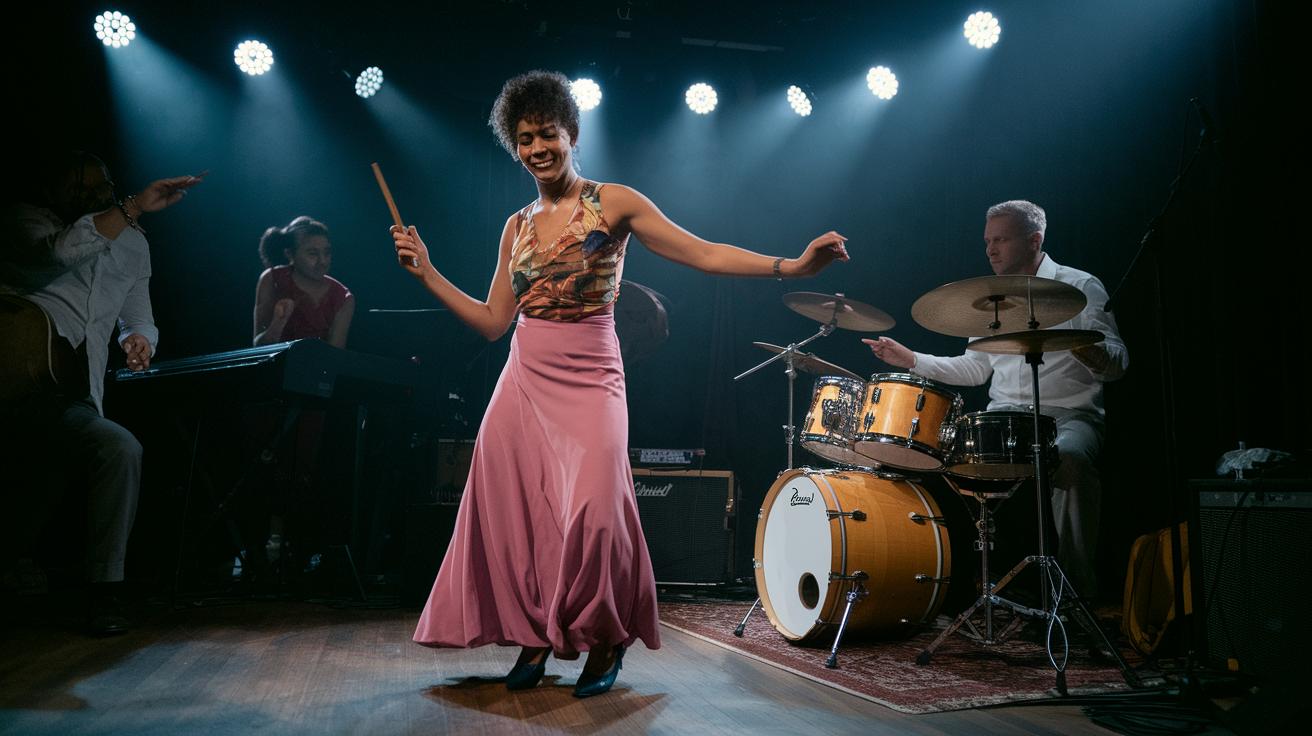
Cuban Rumba, which features styles like Yambú, Guaguancó, and Columbia, first took shape in Afro-Cuban communities in the late 1800s. Imagine dimly lit rooms where dancers move with a mix of passion and precision. Each step tells a deep story, with hips swaying and feet flying in sync with the steady beat of claves and the rich, rumbling sound of congas.
Haitian Kompa was born in 1955 thanks to Nemours Jean-Baptiste. It mixes rhythms from méringue, jazz, and a folk vibe called Twoubadou (a rural musical style) to create a lively, festive dance. It goes beyond just fun and games; this dance is a vibrant thread woven into Haiti’s cultural and religious ceremonies. Watching dancers, you’ll see each deliberate step echoing their heritage and history.
Méringue, Haiti’s national partner dance, moves to a clear 2/4 beat that calls for neat and elegant footwork. It’s a favorite at formal festivities, where couples engage in a graceful dance of steps and turns. Each move reflects the island’s rich tradition and the historic spirit of its celebrations.
These dance styles aren’t just about fancy moves, they’re heartfelt expressions of culture and history that keep the spirit of the islands alive.
Lesser-Known Island Dance Forms: Tambú, Abakuá, and Junkanoo
Island dance forms are a special window into Caribbean culture. Take Tambú from Curaçao, for example. This drum-led dance bursts with energy, mixing rhythmic beats with call-and-response singing that draws everyone in. It’s like feeling the pulse of a community coming together under a bright, warm sky.
Then there’s Abakuá from Cuba, a rare masked dance tradition that has survived through secret societies in Calabar. Imagine dancers wearing beautifully detailed masks, moving with a mix of careful precision and historic mystery. Their steps tell old legends and create a carnival of myths right before your eyes.
Over in the Bahamas, Junkanoo turns everyday streets into a festive celebration. Think of elaborate straw costumes swaying as lively horns and drums set a contagious tempo. Picture spirited dancers marching along, each step pulsing with cultural pride. For more details on Junkanoo’s magic, check out facts about the bahamas.
Each of these dances is a unique blend of history and community spirit. They light up local festivals and street celebrations, welcoming everyone to feel the living heartbeat of Caribbean tradition.
Modern Innovations and Digital Spread in Caribbean Dance Traditions
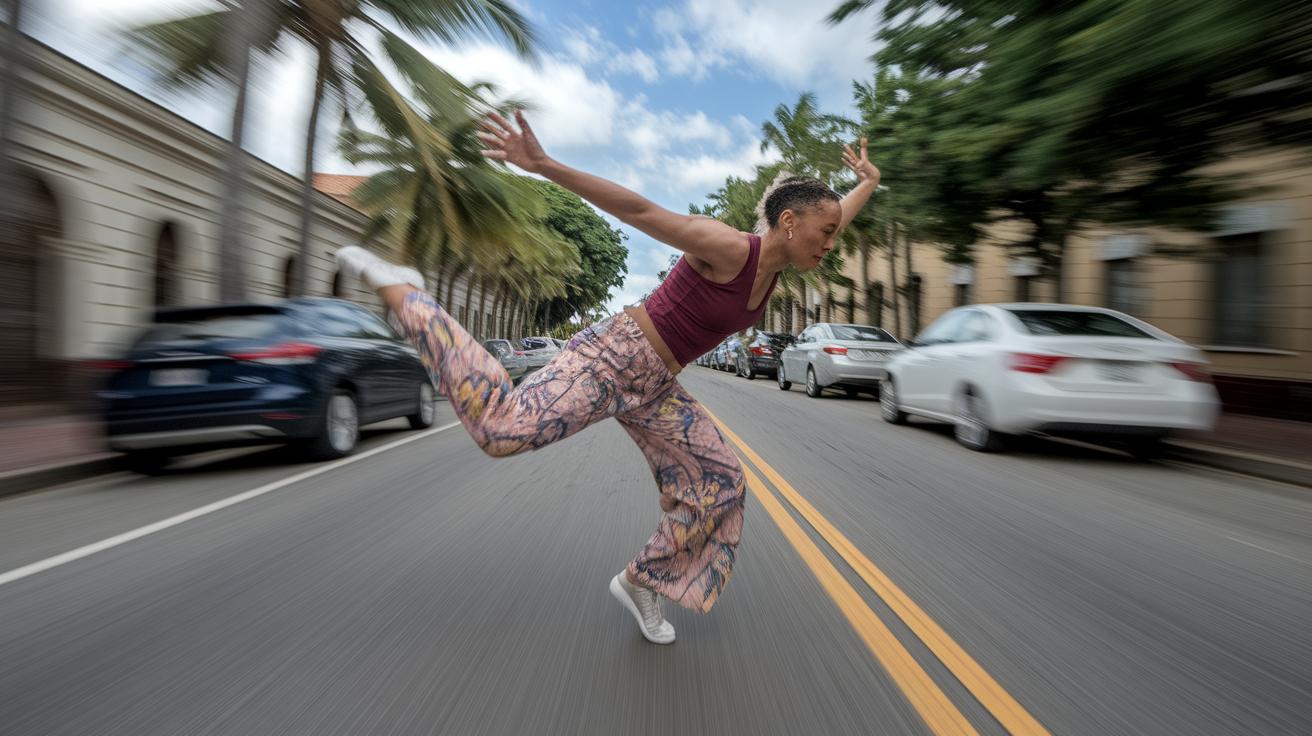
Caribbean dance is taking a fresh leap into the digital age. Today, local artists blend hip-hop, house, and classic island moves to create videos that burst with lively energy. You might scroll through social media and find a new dance challenge or a fun tutorial on YouTube. Imagine watching a video where a dancer shows off a soca move called "Liquid Motion", it looks so effortless that soon, everyone is trying it out.
Online platforms have helped small, local dance steps become big worldwide sensations. During lockdowns, live-streamed competitions and virtual classes kept the passion for Caribbean dance alive, letting dancers share their skills and learn from one another in real time. Even big events like London’s Notting Hill Carnival now mix Caribbean styles with fresh ideas that welcome everyone, yet still keep the soul of the islands.
Technology has really opened the door for creative play. A simple mobile video can capture the vibrant art of dance and send that island rhythm far beyond its shores. Every screen tap connects a dancer with a global community, reminding us that Caribbean culture keeps growing while honoring its roots. This digital wave brings new energy that lifts both new dancers and the veterans, sparking creativity everywhere.
Final Words
In the action, we explored historical roots, lively rhythms, and colorful carnival scenes that paint a vivid picture of Caribbean dance traditions. We peeked into Jamaican dance steps and Trinidad’s vibrant calypso shows, then marveled at Cuba’s and Haiti’s elegant ceremonial footwork. We even touched on lesser-known island forms and modern digital beats that keep the culture alive. Let these insights spark excitement for your next island escape and remind you that the pulse of Caribbean dance traditions can uplift every moment of your travel experience.
FAQ
What defines Afro-Caribbean dance traditions?
Afro-Caribbean dance traditions are defined by energetic, rhythmic moves rooted in African drumming, lively call-and-response vocals, and expressive improvisation seen during community festivals and ceremonies.
What is the Caribbean dance culture?
Caribbean dance culture is a blend of African, indigenous, and European influences, featuring rhythmic percussion, colorful costumes, and expressive movements during festivals, religious events, and social gatherings.
What is the most popular dance in the Caribbean?
The most popular dance in the Caribbean varies by island, with Dancehall in Jamaica and Calypso or Soca from Trinidad often leading due to their energetic rhythms and festive appeal.
What are traditions in the Caribbean?
Caribbean traditions include lively musical celebrations, dynamic percussion, eye-catching costumes, and interactive performances that reflect a rich cultural heritage during festivals and public events.
What is the Bahamas dance called?
The Bahamas dance is known as Junkanoo, a vibrant street parade featuring elaborate straw costumes, flowing drum beats, and rhythmic horn sounds that celebrate the islands’ spirited culture.
