Have you ever noticed how movies on these islands feel as refreshing as a splash of cool ocean water? Think of warm nights under glittering stars, when neighbors gathered to watch silent films on makeshift screens by the shoreline. Today, local filmmakers put all of their heart and history into each scene, crafting stories that hit you like a gentle, cool breeze. In this piece, we take a closer look at Caribbean film culture, where every movie is a window into the true soul and spirit of island life.
Caribbean Cinematic Culture: Identity and Historical Expression
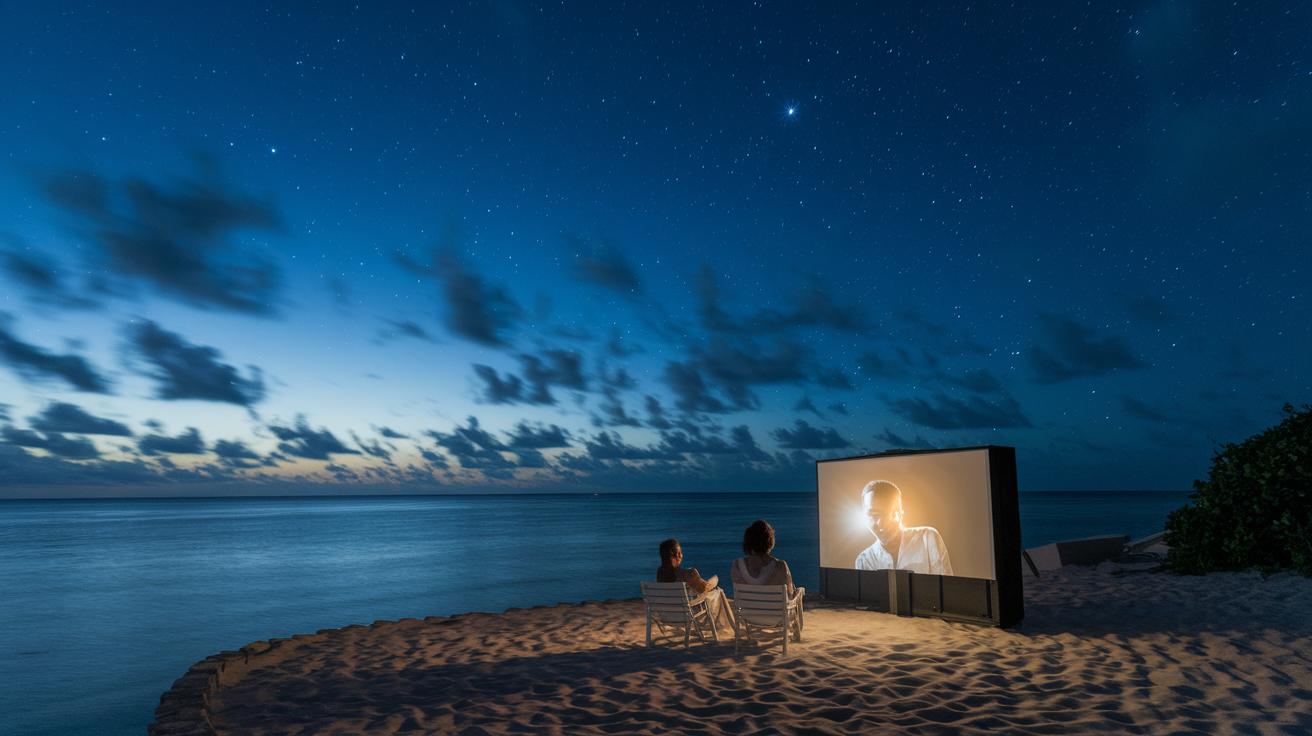
Way back in the late 1800s, movie nights on the islands were a real splash of excitement. People gathered in small seaside communities under the stars to watch silent films on makeshift screens. It felt magical even though the films were imported and shown under strict limits set by colonial rule. Imagine the cool night breeze mixing with the hum of the projector, an evening that both dazzled and reminded folks of the era's constraints.
Then came a big turning point in 1959 with the Cuban revolution. Cuba kicked off a new chapter by setting up a state film institute to nurture local talent. Suddenly, the focus shifted from watching far-off stories to creating films that told homegrown tales. As other Caribbean nations sought their own independence in the 1960s and 1970s, they too began sharing their unique stories. Local films started to mirror the islands’ rich histories and daily rhythms, moving away from narratives imposed from outside.
Today, filmmakers in the Caribbean blend postcolonial insights with nods to African diaspora traditions. Their work feels personal and vibrant, capturing everything from bustling festivals filled with vivid colors to thoughtful scenes that recall past struggles. Imagine watching a movie that switches between a joyful celebration and a quiet, reflective moment, it’s a true showcase of the island spirit, full of heart and clarity.
Caribbean Film Evolution: From Colonial Screens to National Cinema
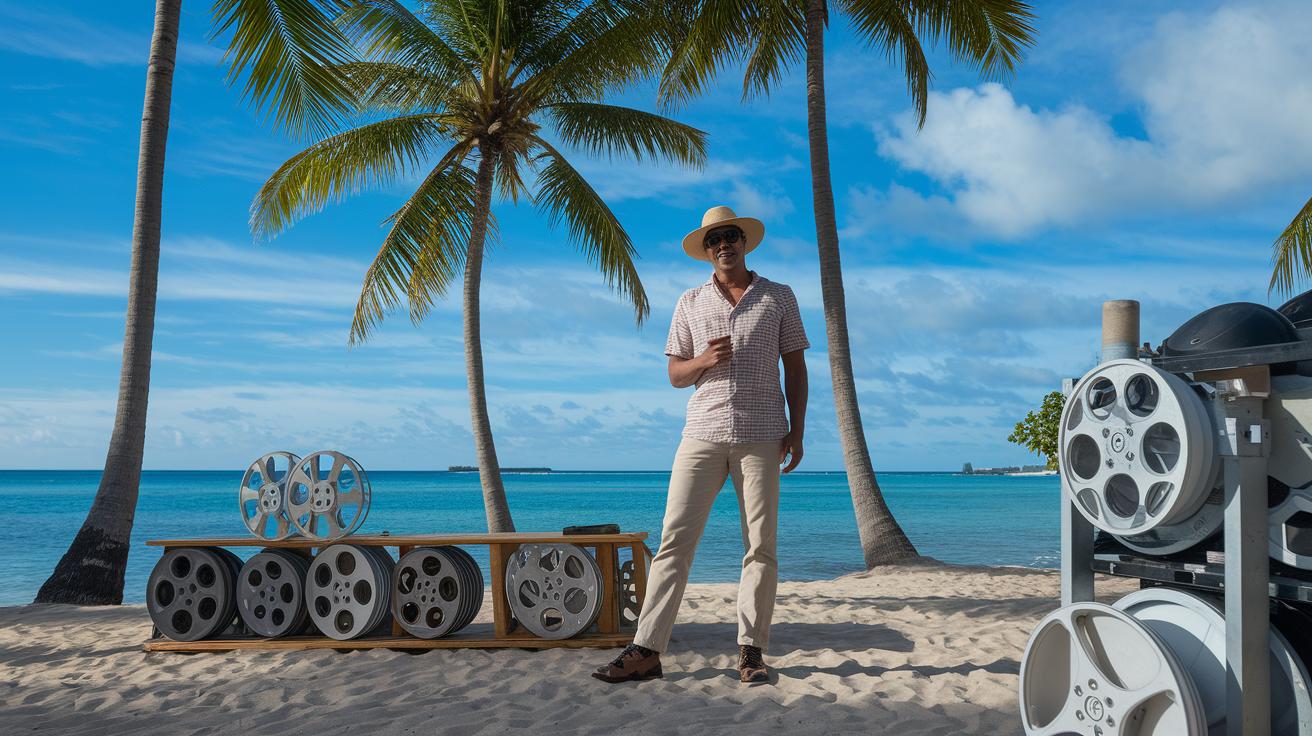
Back in the late 1800s, films first made their way to the Caribbean as imported wonders. Over time, local filmmakers began to dig in, mixing traditional island rhythms and rich indigenous influences to tell their own unique stories. Their work felt like a vibrant celebration of island life, each film a fresh look at the local culture.
Next, take a peek at some key moments that set the stage for this creative journey:
| Year | Milestone | Location |
|---|---|---|
| Late 1800s | First public film screenings | Caribbean region |
| 1959 | Cuban national film industry founded | Cuba |
| 1960s–1970s | Emergence of independent feature productions | Various islands |
Soon enough, local creatives moved beyond just showing imported films. They began telling the real stories of daily island life, weaving in local legends and traditions in every scene. With techniques that echoed age-old art and the sound of oral histories, these filmmakers created a look that still guides Caribbean cinema today.
Caribbean Cinematic Culture Shines with Island Spirit
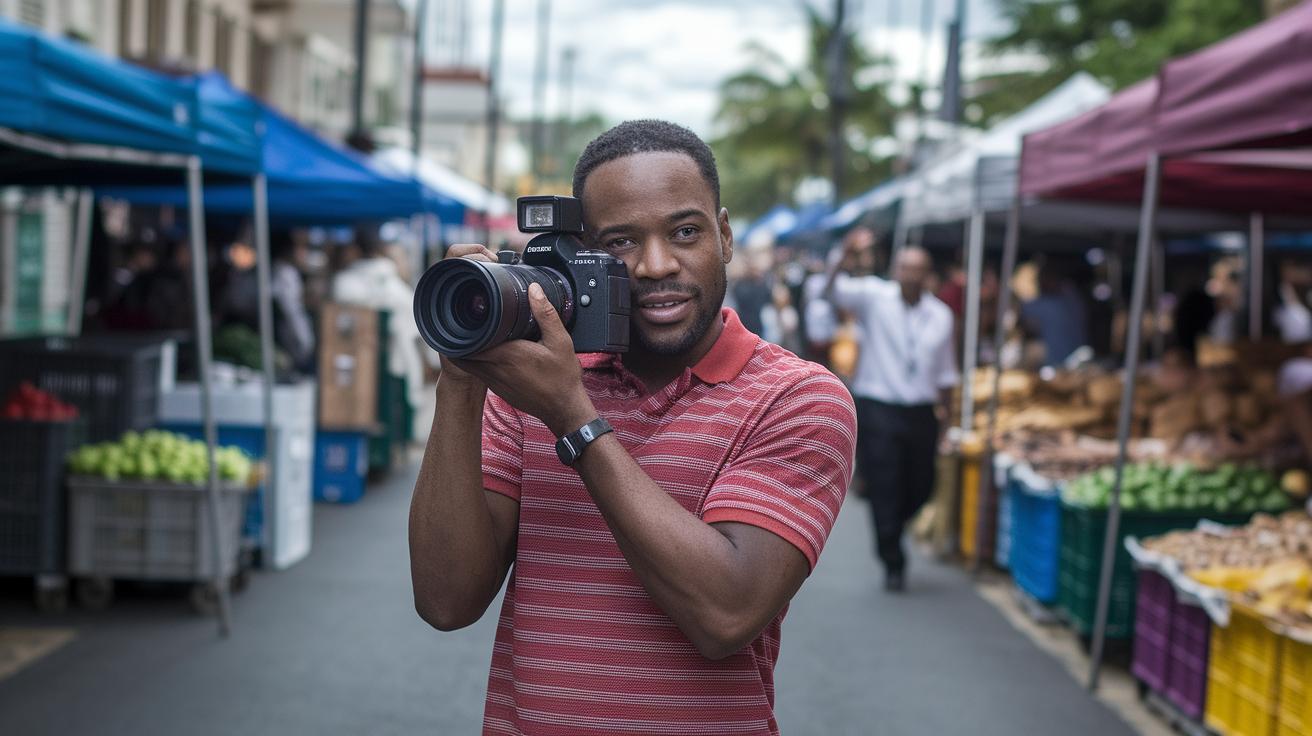
Caribbean directors are shifting away from generic stories to share real local tales filled with island energy. Their movies mix personal stories with social insights, using fresh visuals that echo the beat of local music and the colors of vibrant landscapes. Drawing inspiration from community voices and familiar rhythms, these filmmakers bring a warm, everyday island magic to the screen.
Storm Saulter
Storm Saulter’s work on Sprinter (2018) really captures the athletic drive and vibrant energy of Jamaican youth. His racing scenes pulse with island life, showing young athletes pushing past challenges. With a style that brings out the local vibe, each sprint in his film feels as lively as a sunny day on the beach.
Frances-Anne Solomon
Frances-Anne Solomon tells the touching story of Mr. Ulric Cross, revealing parts of Caribbean history that are too often left unsaid. Her film preserves the island’s past while inviting us to feel the deep emotions of real life. Focusing on true contributions and heritage, she brings forward a sense of pride that connects us with the heart of the region.
Idris Elba and Other Icons
Idris Elba’s Yardie (2018) is a true celebration of Caribbean storytelling, where action meets emotion to explore real identity. Along with creative voices like Howard & Mitzi Allen, Maria Govan, and up-and-coming talents, his work raises the bar for local cinema. Together, they have reimagined Caribbean films into a lively tribute to diverse, authentic island innovations.
Cultural Storytelling and Symbolism in Caribbean Cinematic Culture
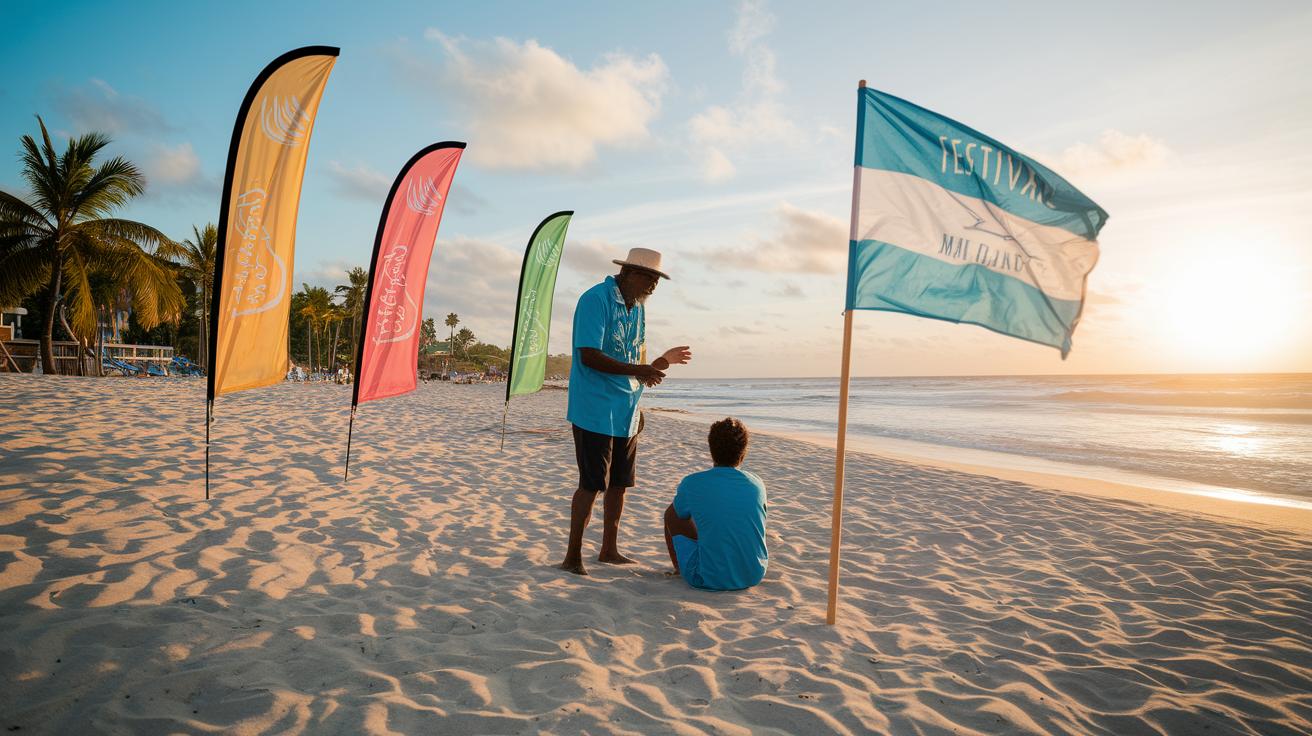
Caribbean films mix personal tales with honest reflections on history, sharing stories about colonial pasts, migration, and changing roles in families. It’s like chatting with a neighbor on a sunny day, listening to local voices bring everyday memories to life. Imagine sitting on a quiet beach as an elder recalls times when overcoming old colonial rules felt like a real uphill battle, all while a family reunion unfolds in the background. It makes you feel every emotion and see history in a new light.
Symbols pop up all over these movies, turning simple events into deep messages. Picture a local marathon that isn’t just about running, it’s a festive display of community pride and resilience. Or think about a vibrant festival, where every dance and song hints at a past resistance to old colonial ways. Each scene uses these symbols to tie together what was once and what is now, giving viewers a taste of both celebration and a quiet defiance.
Then there’s the fun mix of styles that makes Caribbean cinema so unique. Directors play around by blending real interviews with dramatic storytelling and even throw in musical numbers that make you want to tap your feet. Imagine a scene shifting from a heartfelt chat to a rhythmic dance on the soft, warm sand. These unexpected jumps in style capture the ever-changing spirit of island life and bring out a deep, shared cultural vibe that feels both authentic and lively.
Caribbean Cinematic Culture on the Festival Circuit
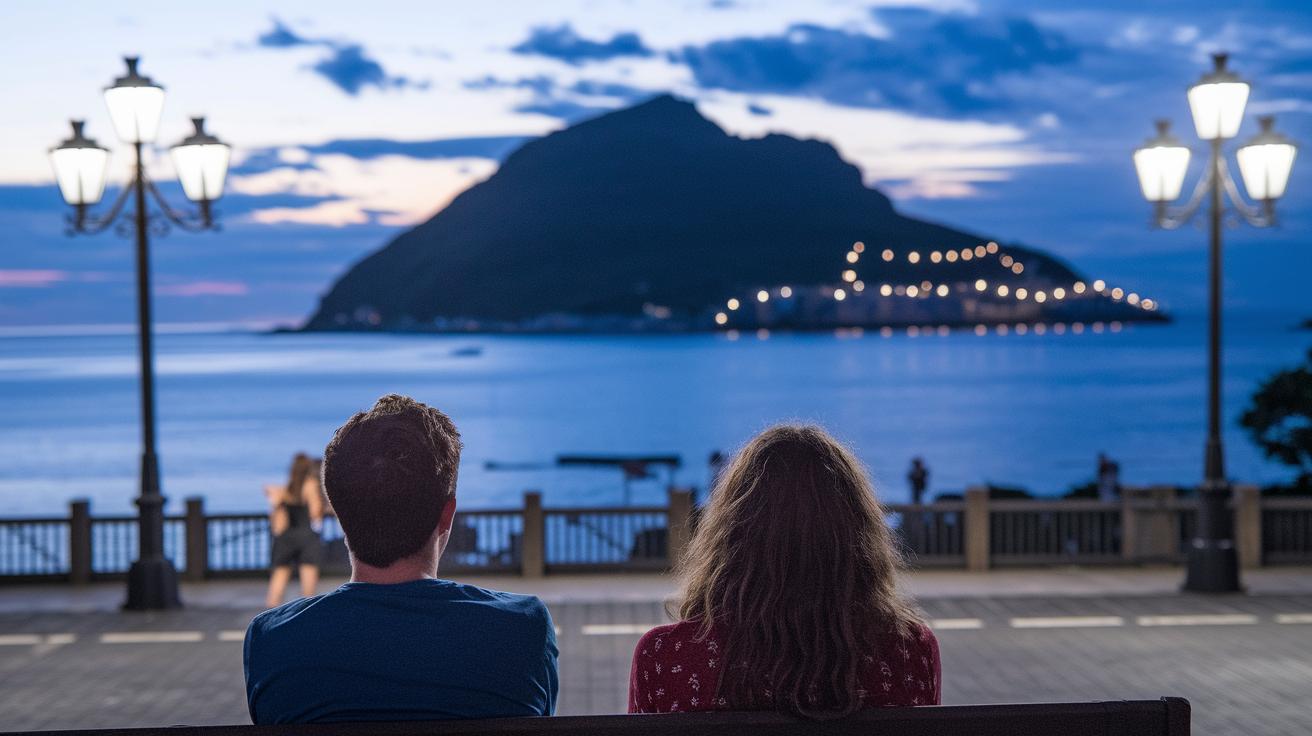
Every year, the islands burst to life with film festivals that add a spark to local culture. These events turn calm towns into friendly meeting spots where neighbors and creative souls share their tales on the big screen. It's not just about the films, it’s those warm nights with softly lit streets where every screening feels like a joyful island celebration.
| Film Festival | Spotlight |
|---|---|
| Trinidad + Tobago Film Festival | Showing emerging Caribbean features and documentaries |
| Havana Film Festival | Celebrating Latin American and Caribbean stories |
| CaribbeanTales International Film Festival | Focusing on narratives from the Caribbean diaspora |
| Jamaica Film Festival | Highlighting films that mix music with cultural identity |
| Puerto Rico International Film Festival | Providing a platform for art-house and independent works |
But these festivals do more than just show movies. They act like lively markets where fresh, creative ideas blend with local traditions, giving a boost to island economies and inspiring collaborations among neighboring communities. It’s a place for filmmakers to share their homegrown stories, while audiences see their own lives reflected on screen. Ever wondered why a simple film can feel like a heartwarming conversation among friends?
Digital Transformation and Emerging Movements in Caribbean Cinematic Culture
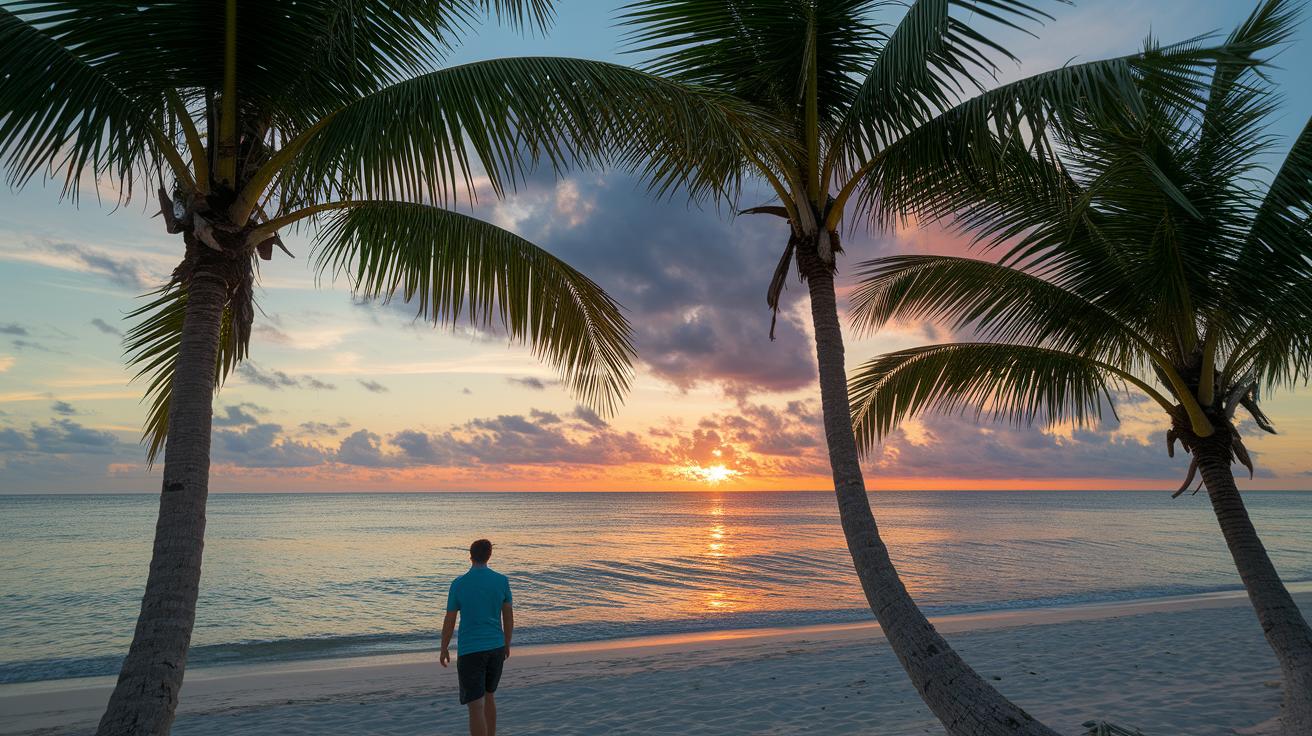
Today, digital cameras and online platforms have changed how films are made in the Caribbean. Small indie creators now use simple tools to capture the lively scenes of island life, a chance that was almost impossible just a few years ago. It’s like carrying a mini studio right in your pocket. Imagine a local filmmaker using only a smartphone to record a breathtaking sunset over a quiet cove, each frame buzzing with splashes of color. Back when film was scarce, catching a moment on these islands was as rare as finding a message in a bottle.
Across the islands, independent features, web documentaries, and experimental shorts have sparked a burst of creativity. Thanks to improvements in sound design, editing, and tropical cinematography, every film feels fresh and real. Think of a scene where you can practically hear the gentle rustle of palm leaves mixed with the sound of distant ocean waves, the natural soundtrack of the islands. Filmmakers now blend cool technical tricks with the raw beauty of Caribbean life, making each moment intimate and full of life.
New approaches are blending old island stories with exciting tech like VR (Virtual Reality, a tool that lets you feel as if you’re inside the scene), interactive media, and movies released on various platforms. Today, a film isn’t just something you watch, it’s an experience. Picture stepping into a tropical film festival where you can explore a virtual beach, feel the soft sand beneath your feet, and enjoy the warm air on your skin. Each film now opens a digital door, inviting you to dive into stories that mix classic island tales with futuristic ideas. All this creative energy is setting the stage for a bold, interactive future in Caribbean cinema.
Preservation and Retrospectives in Caribbean Cinematic Culture

Cuba, Jamaica, and Trinidad are busy restoring old film reels that capture the heart of Caribbean screen history. It's like taking care of a cherished old map. Each reel holds memories of when local stories first danced on the screen, and every strip preserves the magic of sound, color, and raw island tales. Imagine gently peeling back layers of time to reveal treasures meant for future generations.
Academic retrospectives and special screenings invite you to experience these rare films firsthand. Scholars and curators work together to rediscover lost footage and piece together the true stories of the islands. These events feel like friendly reunions where history and culture meet under one vibrant roof. Hidden interviews, forgotten scenes, and revived classics all echo a shared cultural memory that keeps Caribbean cinema alive and buzzing.
Final Words
In the action, we explored Caribbean cinematic culture from its early colonial screenings to the bold innovations of local directors. We touched on historical milestones, the rise of native film industries, and the energy of festivals that light up island screens. Digital tools are now adding fresh layers to storytelling while efforts to restore classic films keep history alive. This blend of past and present paints a picture full of creative spirit and hope for tomorrow. Caribbean cinematic culture continues to inspire us all with its unique and sunny charm.
FAQ
How does Caribbean cinema reflect its culture?
Caribbean cinema reflects its culture by showcasing local traditions, historical events, and personal stories that highlight the islands’ spirit, community values, and creative techniques on screen.
What are five aspects of Caribbean culture and what is the culture like in the Caribbean?
Caribbean culture is seen in its lively music, rich folklore, colorful festivals, flavorful cuisine, and strong community bonds, all of which create a warm and inviting island lifestyle.
What is the history of Caribbean cinema?
Caribbean cinema began in the late 1800s with imported films and grew through local studios that emerged after independence, evolving to tell native stories and capture social changes over time.
What types of Caribbean movies and film series are popular?
Popular Caribbean movies include landmark classics, films highlighting Black Caribbean narratives, and series like Bam Caribbean film series that offer a fresh take on island life and local storytelling.
How do Caribbean films get distributed?
Caribbean film distribution works by using local networks and festivals to share homegrown films with a wider audience, supporting regional talent and promoting island stories.
What does Cinema of the Caribbean Aruba include, and how does Mission: Impossible fit in?
Cinema of the Caribbean Aruba features films that capture Aruba’s unique life and scenery, while references such as Mission: Impossible show inventive reworkings of popular themes with an island twist.
